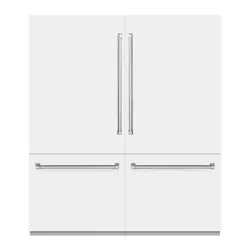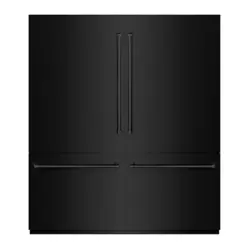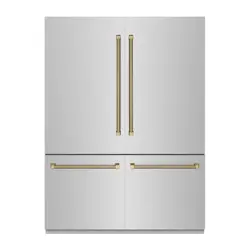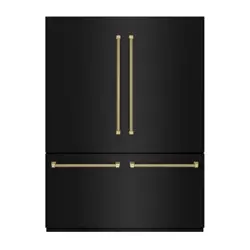

BUILT-IN REFRIGERATORS
www.zlinekitchen.com
User Manual

ZLINE Kitchen and Bath provides Attainable Luxury, where the kitchen and bath of your dreams
is never out of reach. Through our unique designs and unparalleled quality, we’re dedicated to
providing you an elevated experience in the heart of your home. With an endless selection of
features and finishes, our inspiration is your reality.
WARNING: This product can expose you to chemicals including nickel, which is known to the
State of California to cause cancer. For more information, go to www.P65Warnings.ca.gov.
ZLINE is fueled by a passion for innovation; A relentless pursuit of bringing the highest end luxury
designs and professional features into everyone’s homes. Because we continually strive to improve
our products, we may change specifications and designs without prior notice.
1
General Safety
IMPORTANT SAFETY INSTRUCTIONS
WARNING
If the information in this manual is not followed exactly, a fire or explosion
may result causing property damage, personal injury, or death.
GENERAL SAFETY
• Before installation and operation, please read and follow these important instructions for
the safety of your home and the people living in it.
• This appliance is not intended for use by children unless they have been adequately
supervised by a responsible person to ensure they can use the appliance safely.
• Young children should be supervised to ensure that they never play with the appliance.
• Cleaning and care should not be performed by children unless they are supervised by an
adult or responsible person.
• Immediately unplug the product if you encounter a failure during use.
• If the product malfunctions, it must not be operated until repaired by an authorized service
provider.
• It is recommended that installation and service be performed by a qualified installer.
The appliance should not be adjusted or repaired by anyone except properly qualified
service personnel.
• The manufacturer will not be responsible for any damage to property or to persons
caused by incorrect installation, improper use of the appliance, or failure to heed the
warnings listed; the warranty will be voided.
• The manufacturer reserves the right to make changes to its products when considered
necessary and useful, without affecting the essential safety and operating characteristics.
• Do not eat ice cubes, ice cream, or other frozen foods immediately after you take them
out of the freezer compartment. This may cause frostbite in your mouth.
• Do not touch frozen food with wet hands. They may stick to your hand.
• Do not put bottled or canned liquid beverages in the freezer compartment. They may
burst.
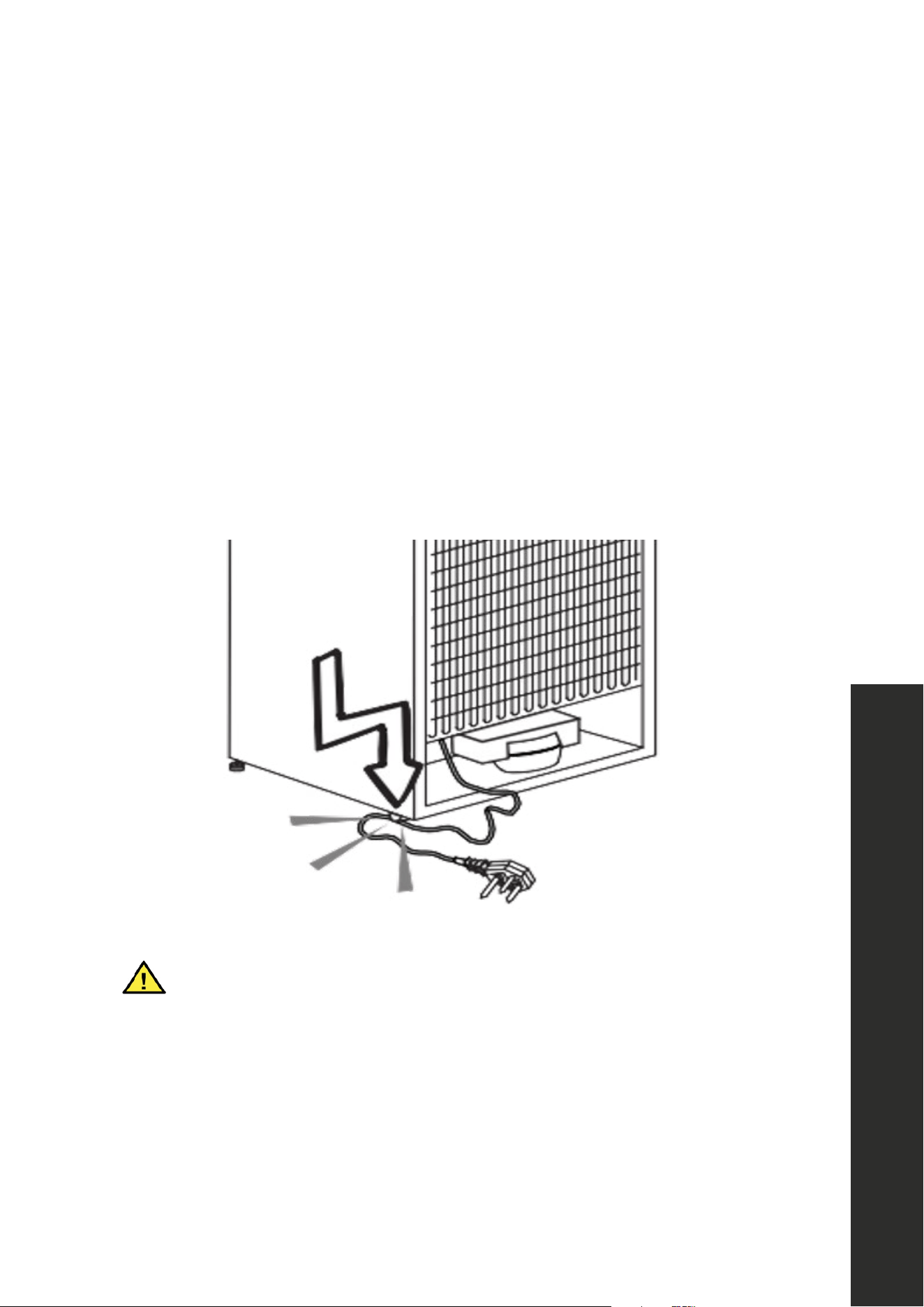
• Please observe all local, state, and national codes and ordinances. Please ensure the
appliance is properly grounded. The plug should always be accessible.
• Never wash the appliance by spreading or pouring water onto it, as you run the risk of
electric shock.
• Never touch the plug with wet hands.
• To disconnect the appliance from power, firmly grip the plug and pull it from the electrical
outlet. Never pull by the cord.
• Do not plug in the refrigerator if the wall outlet is loose.
• Never connect your refrigerator to energy-saving devices; such systems are harmful to
your product.
• Unplug the product during installation, care, cleaning, and repairing procedures.
2
General Safety
IMPORTANT SAFETY INSTRUCTIONS
Improper use of the grounded plug can result in the risk of electrical
shock. If the power cord is damaged, have it replaced by a qualified
electrician or an authorized service provider.
WARNING

• Never use steam or steam cleaners to clean or defrost the refrigerator. Steam may
infiltrate your unit's electrical system, increasing risk of a short circuit or electric shock.
• Do not use mechanical devices or other means to accelerate the defrosting process other
than those recommended by the manufacturer.
• Never use the parts in your refrigerator, such as the door, shelves, or drawers, as a means
of support or step. This may damage the unit and/or cause it to tip over.
• Do not damage or attempt to fix/adjust the unit's sealed system where the refrigerant
circulates with drilling or cutting tools.
• If pipe extensions, surface coatings, or gas channels of the evaporator located inside
the sealed system are punctured, the refrigerant may escape, potentially causing skin
irritations and eye injuries.
• Do not cover or block the ventilation holes in your refrigerator with any object.
• Ensure beverages in round containers are tightly closed and placed vertically in the
refrigerator to avoid damage to the interior or injury when opening doors.
• Do not use gaseous sprays near the product since there is the risk or fire or explosion.
• Flammable items, products that contain flammable gases (e.g. spray), and explosive
materials should never be kept in the appliance.
• Do not place containers filled with liquid on top of the refrigerator. Splashing liquids on
any electrical parts increases the risk of fire or electric shock.
• Do not store items that need precise temperature adjustment (vaccines, heat-sensitive
medication, science materials, etc.) in the refrigerator.
• If you are not going to use the appliance for an extended period of time, unplug it and
remove any contents.
• Exposing the product to rain, snow, sun, or wind is dangerous and may increase risk of
electrical shock or failure.
• If the refrigerator's sealed mechanical system needs to be serviced or replaced by a
professional service provider, wait at least 5 minutes after installation to reconnect the unit
to electrical power.
3
General Safety
IMPORTANT SAFETY INSTRUCTIONS
• Do not overload the refrigerator. Objects in the refrigerator may fall down when the door
is opened, causing injury or damage. Similar problems may arise if any object is placed
on top of the unit.
• If the product has a door handle, do not pull on the handle when re-locating the product.
The handle may become loose and become damaged and/or cause injury.
• Be careful not to jam your hand or any other body part in the moving parts of the
refrigerator.
• Do not put your hand or any other foreign materials into the ice machine while it is
operating.
INTENDED USE
• This product has been designed for domestic use. It is not suitable for commercial use and
it must not be used outside of its intended use. It must be used only for storing food and
beverages.
• The manufacturer does not take any responsibility for damages resulting from improper
use or transport.
CHILDREN'S SAFETY
• If there is a lock on the door of the product, the key should be kept out of the reach of
children.
• Do not let children play with the product.
WARNING
Before disposing of your old refrigerator or freezer:
• Ensure that children are not inside.
• Leave the shelves inside the unit to prevent children from
getting inside the product easily.
• Remove the doors.
4
General Safety
IMPORTANT SAFETY INSTRUCTIONS
COMPLIANCE WITH THE ROHS DIRECTIVE
This appliance conforms to the EU RoHS Directive (2011/65/AB). It does not contain harmful
or prohibited materials specified in the directive.
PACKAGING INFORMATION
• While some packaging materials for this product may have been manufactured from
recyclable materials, others, such as Polystyrene (Styrofoam), are not recyclable.
• Dispose of this unit's non-recyclable packaging with normal domestic waste, and consult
your local recycling programs or regulations for which materials may be recycled.
HYDROCARBON (HC) WARNING
• This product's sealed cooling system contains R600a refrigerant. This gas is flammable.
Therefore, pay attention not to damage the cooling system or piping during use and
transportation.
• If damaged, keep the product away from potential fire sources that may cause it to catch
fire and ventilate the room where the product is placed.
• Never use an appliance with a damaged cooling system. If the system is damaged upon
delivery, contact ZLINE at 1-614-777-5004.
WARNING
DANGER:
Risk of Fire or Explosion:
• This product uses flammable refrigerant.
• Do not use mechanical devices to defrost the refrigerator.
• Do not use chemicals for cleaning.
• Do not pierce the refrigerant pipe.
• If the refrigerant pipe is pierced, it must be repaired only by
licensed service personnel.
• Please consult the repair/user manual before cleaning the
product.
• All safety instructions must be followed.
• Dispose the product according to federal or local regulations.
5
General Safety
IMPORTANT SAFETY INSTRUCTIONS
ATTENTION
If the product is damaged and if you see gas leak, please keep
away from the gas. It may cause frostbite when it gets into contact
with the skin (including R600a).
ATTENTION
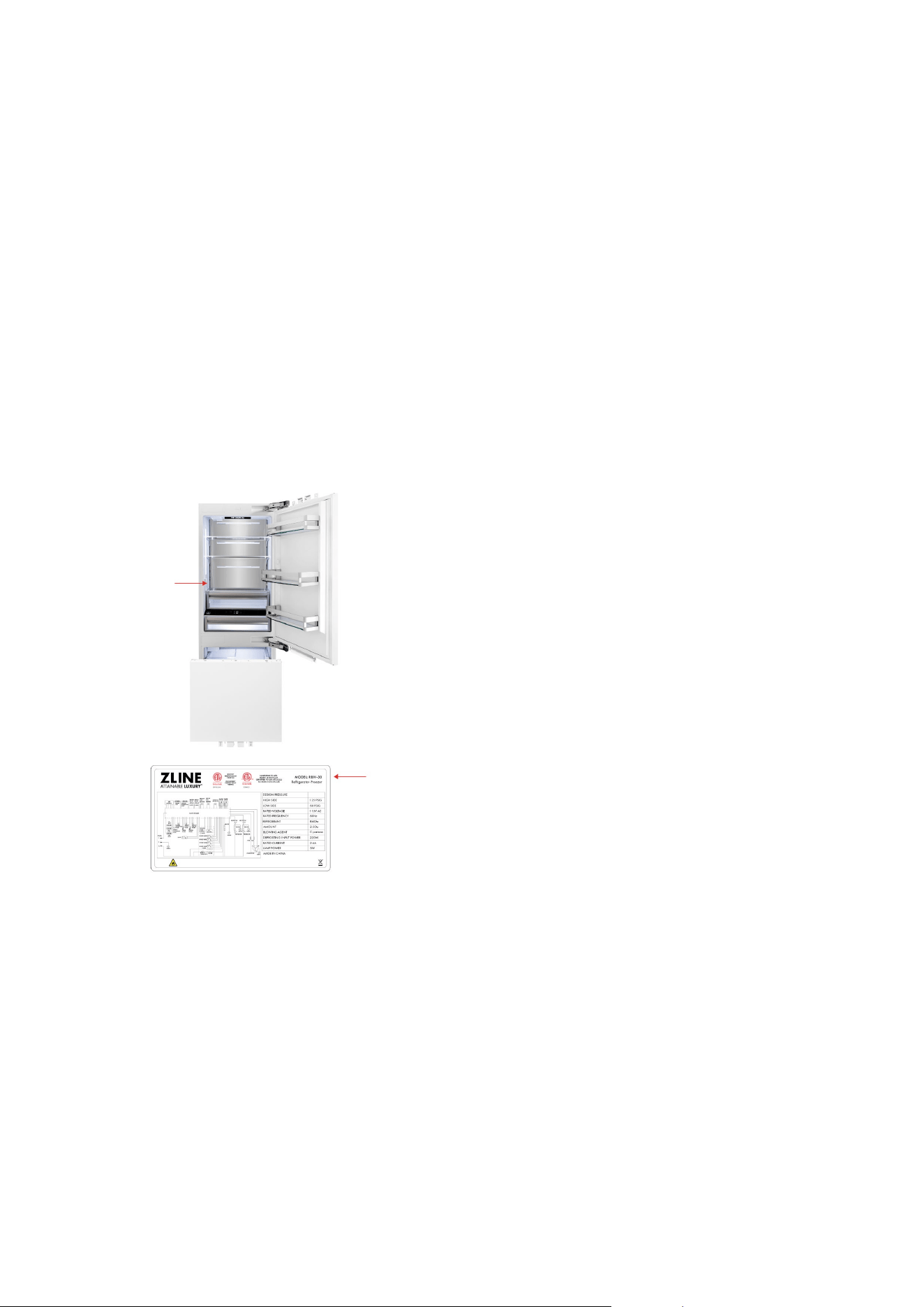
The type of gas used in the product is stated on the unit's label, which
is located on the left wall inside the refrigerator.
WARNING
Never throw the product into fire for disposal.
WATER PRESSURE PRECAUTIONS
• The operating pressure for the cold water inlet must be between 25 and 80 psi. If the
water pressure exceeds 80 psi (5.5 bars), install a pressure-limiting device or water
pressure protector to the inlet valve.
• Never install or operate the appliance if it's possible for the water pressure to exceed 120
psi.
• If the water pressure is lower than 14.5 psi, you can use an auxiliary pump to
compensate.
• Make sure there is no water leakage when making the water connections. Otherwise,
there will be water on the floor and the cabinets may get damaged.
• Do not install the unit on the hot water inlet.
• If you do not know how to check the water pressure, please consult a professional
plumber.
6
Water Pressure
IMPORTANT SAFETY INSTRUCTIONS
ENERGY SAVING TIPS
WARNING
Connecting your refrigerator to systems that save energy is
dangerous and may cause damage on the product.
• Do not leave the doors of your refrigerator open for a long time.
• Do not put hot food or liquids in your refrigerator.
• Do not overload the refrigerator. Cooling capacity will decrease when the air circulation
in the refrigerator is hindered.
• Do not place the refrigerator in places subject to direct sunlight. Install the product at
least 11 3/4" away from heat sources such as microwaves, ovens, heater units, and gas
ranges, and at least 2" away from electrical ovens.
• Store food and liquids in your refrigerator inside closed containers.
• You can remove the drawer shelf of the freezer compartment to fill it with the maximum
amount of food. The energy consumption value of the freezer is determined with the
shelves and drawers removed and the freezer filled with maximum amount of food. There
is no harm in using a shelf to store appropriately sized food items.
• Thawing frozen foods in the refrigerator compartment both saves energy and preserves
the quality of the foods.
ATTENTION
The temperature of the room where your refrigerator is located should at
least be 61°F (16°C). Operating your refrigerator under cooler conditions
is not recommended in terms of energy efficiency.
ATTENTION
The inside of your refrigerator must be cleaned thoroughly.
ATTENTION
If two units are to be installed side by side, there should be at least 1 1/2"
of distance between them.
7
Energy Saving Tips
IMPORTANT SAFETY INSTRUCTIONS
RECOMMENDATIONS FOR THE REFRIGERATOR COMPARTMENT
• Make sure that the food does not touch the temperature sensor in the refrigerator
compartment. To allow the refrigerator to maintain its ideal storage temperature, the
sensor must not be hindered by food.
• Do not place hot foods or liquids inside the refrigerator.
INITIAL USE
• Before using the product, make sure that all preparations have been made in accordance
with the instructions provided in the built-in refrigerator installation manual.
• Clean the interior of the refrigerator as recommended in the "Maintenance and Cleaning"
section of this manual (page 23). Before plugging in the refrigerator for the first time,
make sure that the interior is dry.
• Plug the refrigerator into a grounded socket. The interior becomes illuminated when the
door of the refrigerator is opened.
• Plug the unit in for a minimum of 6 hours without placing any food in it and do not open
the door unless it is necessary.
ATTENTION
You will hear a noise when the compressor starts up. The liquids and
gases sealed within the cooling system may also create noise even if
the compressor is not running; this is quite normal.
ATTENTION
Front edges of the refrigerator may feel warm. This is normal. These
areas are designed to be warm to avoid condensation.
• Take necessary measures against risk of freezing in the unit's water hoses.
• The water temperature operating range must be 0.6°C (33°F) minimum and 38°C
(100°F) maximum.
WARNING
Never connect the product to a cold water main with a pressure of
5.5 bars (80 psi) and above.
8
Initial Use
IMPORTANT SAFETY INSTRUCTIONS
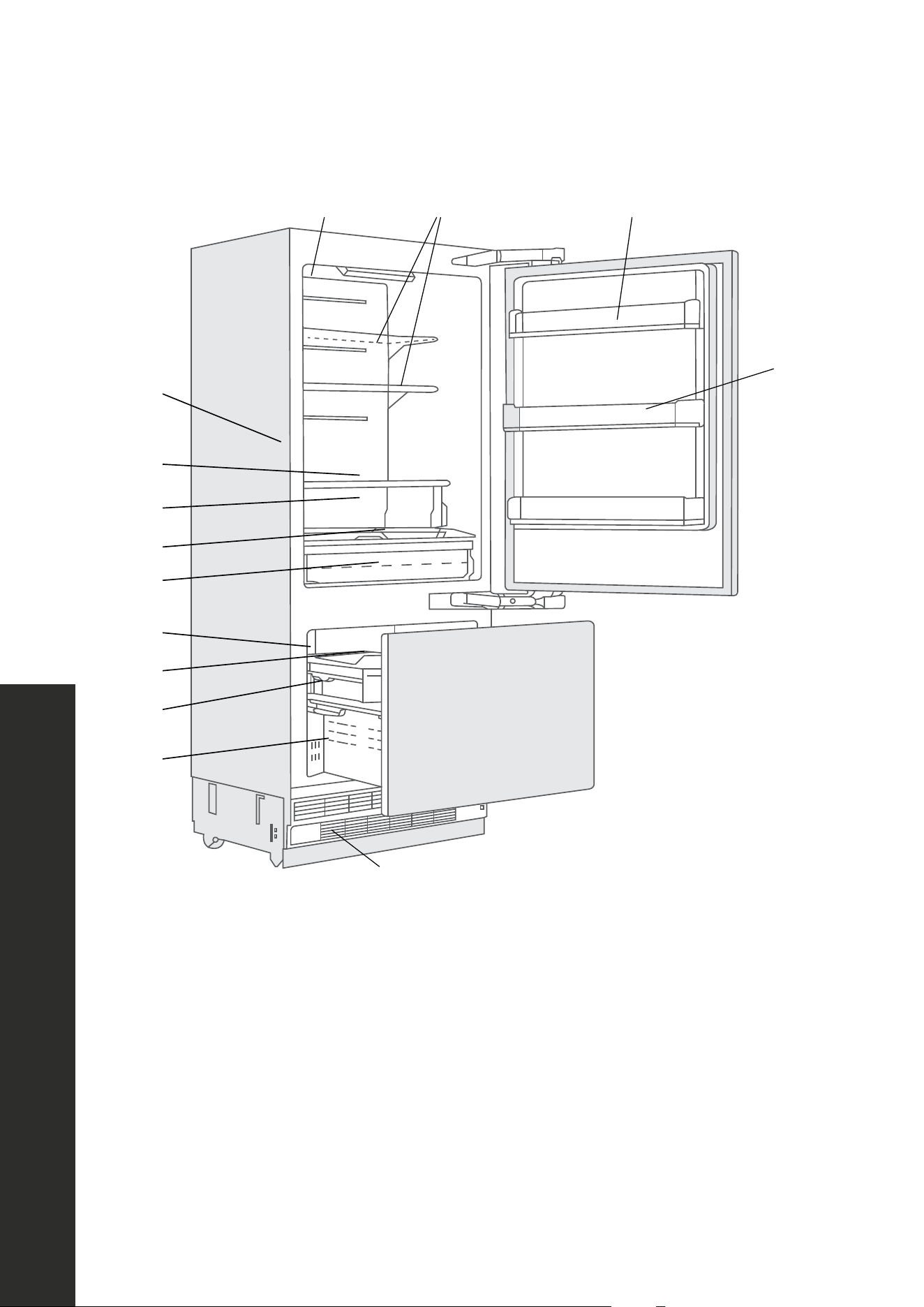
1. Water filter
2. Door bin
3. Body shelf (adjustable height)
4. Water dispenser
5. Gallon door bin (adjustable height)
6. Odor filter
7. Crisper
8. Control display
9. Flex drawer
10. Ice maker
11 . Ice storage bin (includes ice scooper)
12. Upper freezer drawer
13. Lower freezer drawer
14. Condenser cover
9
Product Specifications
OPERATION 30" REFRIGERATORS
1
4
6
8
9
7
12
10
11
13
14
3 2
5
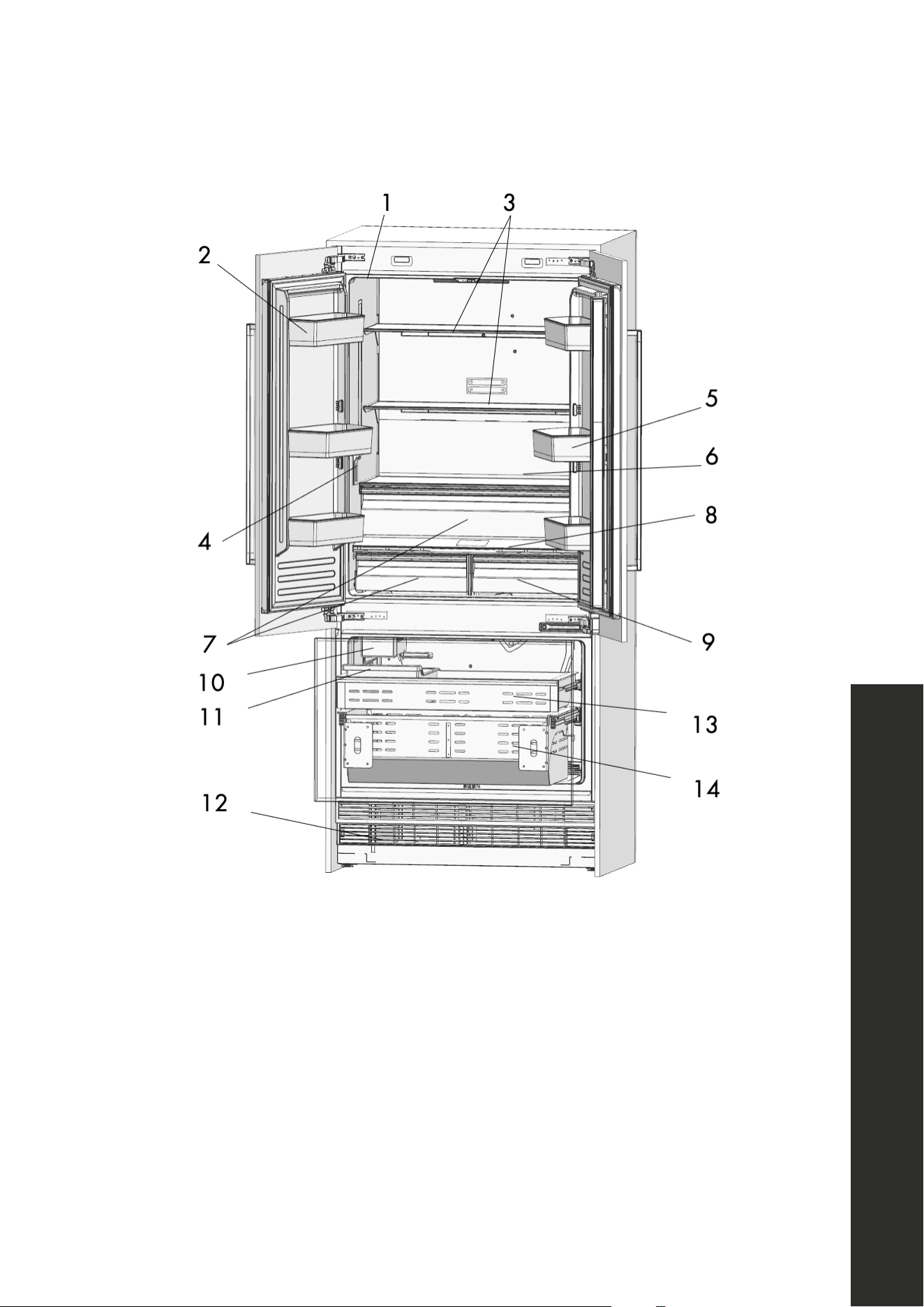
1. Water filter
2. Door bin
3. Body shelf (adjustable height)
4. Water dispenser
5. Gallon door bin (adjustable height)
6. Odor filter
7. Crisper
8. Control display
9. Flex drawer
10. Ice maker
11 . Ice storage bin (includes ice scooper)
12. Condenser cover
13. Upper freezer drawer
14. Lower freezer drawer
10
Product Specifications
OPERATION 36" REFRIGERATORS
i
Figures in this user manual are schematic and may not match the product
exactly. If your product does not have relevant parts and/or exact
figures, the information may still apply to other models.
INFO
11
Keys and Controls
OPERATION
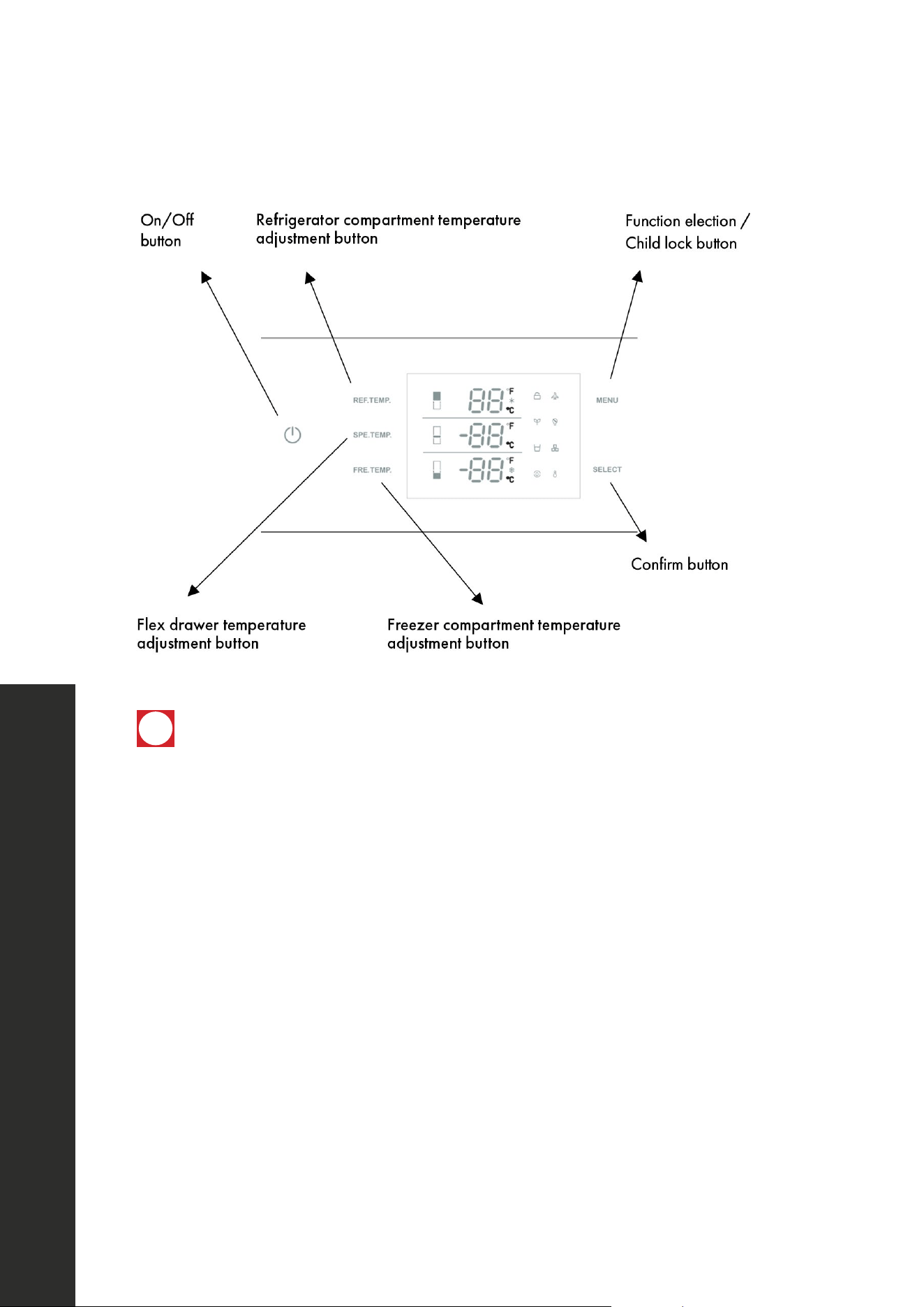
CONTROL PANEL

On/Off button
• Serves to turn the appliance On and Off. Press the button to switch on the product — the
product will be switched on in 5 seconds. Press the On/Off button for 1.5 seconds to
switch off.
Function election / Child lock button
• The child lock is a feature for preventing children from changing the product settings. By
pressing the MENU button for 3 seconds, you may lock/unlock the control panel.
• The lock symbol will illuminate on the display when this function is enabled.
Refrigerator compartment temperature adjustment button
• Press the REF TEMP button to adjust the temperature between 36°F (2°C) to 46°F (8°C).
• Super Cool function will be enabled if button is pressed below 36°F (2°C). When the
cool symbol illuminates in the upper temperature display, the Super Cool function will be
enabled and the refrigerator will quick cool to 35°F (1°C).
• The best temperature for refrigerator compartment is 39°F (4°C).
Flex drawer temperature adjustment button
• Press the SPE TEMP button to change the flex drawer temperature between 30°F (-1°C)
and 41°F (5°C).
Freezer compartment adjustment button
• Press the FRE TEMP button to change the freezer compartment temperature between 5°F
(-15°C) to -11°F (-24°C).
• Super Freeze function will be enabled if the button is pressed below -11°F (-24°C).
• When the snow symbol illuminates in the lower temperature display, the Super Freeze
function will be enabled and the refrigerator will quick freeze to -12°F (-24.5°C).
12
Keys and Controls
OPERATION
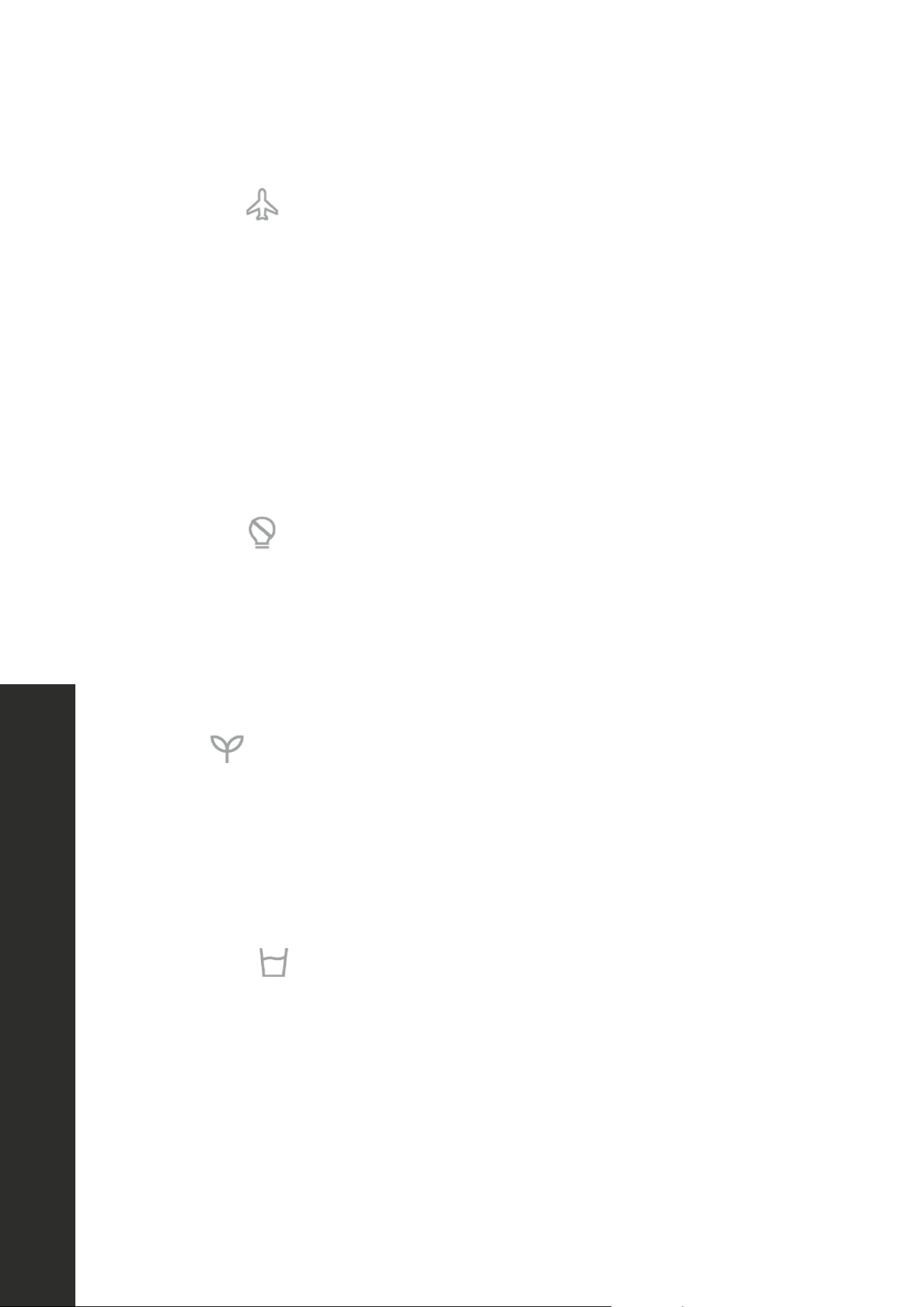
Vacation Mode
• Press the MENU button until the vacation symbol illuminates, then press the SELECT button
to enable the function.
• When the Vacation Mode function is enabled, the refrigerator temperature will be set at
63°F (17°C) and freezer temperature set at 0°F (-18°C) automatically.
Note: Do not place food in the refrigerator compartment when Vacation
Mode is enabled. To cancel Vacation mode, press the REF TEMP button to
adjust the temperature of the refrigerator to the desired setting.
Sabbath Mode
Press the MENU button until the Sabbath mode symbol illuminates, then press the SELECT
button to enable the function. When the Sabbath mode function is enabled, all lights,
buzzers, and display panels will be switched off.
Eco Mode
Press the MENU button until the Eco Mode illuminates, then press the SELECT button to
enable the function. When the Eco Mode function is enabled, the refrigerator temperature
will be set at 46°F (8 °C) and freezer temperature set at 5°F (-15°C) automatically.
Water Dispenser
Press the MENU button until the water dispenser symbol illuminates, then press the SELECT
button to enable the function. When the water dispensing function is enabled, fresh water can
be provided from the dispenser fitted on the internal wall.
13
Modes and Features
OPERATION
Ice Making
Press the MENU button till the ice making symbol illuminates, then press the SELECT
button to enable the function. When the ice making function is enabled, ice maker will be
automatically operating, and the ice cubes will be accumulated in the ice tray.
Note: Prepare the water filter for use before using the ice. After connecting
the refrigerator to a water source or after replacing the water filter, fill and
discard two full containers of ice.
Water filter Replacement
The water filter symbol flashes and beeps to advise the user to replace the water filter.
After the replacement is completed, press the SELECT button for 5 seconds to reset. The set
replacement time is 130 days. To replace the water filter, search for "water filter" on
www.zlineparts.com, ZLINE's official parts distribution partner.
Celsius and Fahrenheit Selection
Press the MENU button until the Celsius and Fahrenheit selection symbol illuminates to
change between Celsius and Fahrenheit. After that press the SELECT button to confirm.
14
Models and Features
OPERATION

DUAL COOLING SYSTEM
Your refrigerator is equipped with two separate cooling systems to cool the refrigerator
compartment and freezer compartment. Thus, the air and odor in the refrigerator
compartment and the freezer compartment do not get mixed. Thanks to these two separate
cooling systems, cooling speeds are much higher than that of other refrigerators. Also,
additional power saving is provided since the defrosting is performed separately.
FREEZING FRESH FOOD
• Take care to wrap foods or place them in a covered container before putting them in the
freezer compartment.
• Hot foods and beverages must cool down to at least room temperature before you put
them in the freezer compartment. Placing warm food into the freezer compartment causes
the cooling system to operate continuously until the food is frozen solid, which is not ideal
for saving energy.
• Freeze foods only that are fresh and in good quality.
• Pack the foods in an airtight manner to prevent them from drying, even if they are going to
be stored for a short time.
• Materials used for packaging must be tear-proof and resistant to cold, humidity, odor,
oils, and acids, and they must also be airtight. Moreover, they must be made from easy-
to-use materials that are suitable for deep-freezing.
• Frozen foods should be used immediately after they are thawed and should never be
refrozen.
• Do not freeze quantities of food that are too large. The quality of the food is best
preserved when it is frozen right through to the core as quickly as possible.
• Placing warm food into the freezer compartment causes the cooling system to operate
continuously until the food is frozen solid.
OPERATION
15
Keys and Controls
RECOMMENDATIONS FOR STORING FROZEN FOOD
• Frozen foods you purchase must be stored according to the conditions and temperatures
determined by the food manufacturer.
• Check the following steps to ensure optimal food quality from the manufacturer and/or
food retailer is maintained:
1. Put packages in the freezer as quickly as possible after purchase.
2. Make sure that the content of the package is labeled and dated.
3. Check whether the "Use By" or "Best Before" date on the packaging is expired or not.
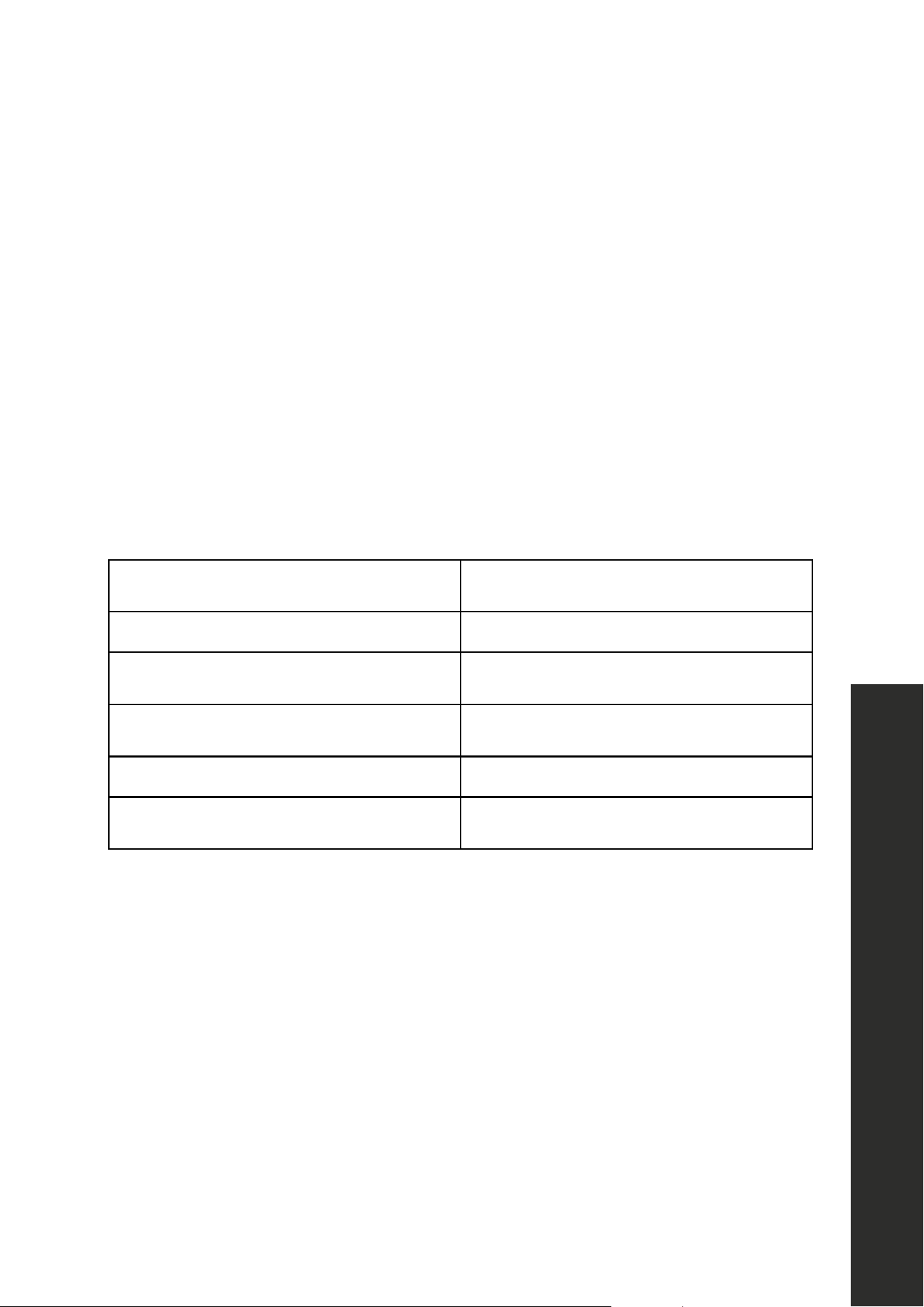
WHERE TO PLACE FOOD
Freezer compartment shelves
Various frozen food such as meat, fish, ice
cream, vegetables, etc.
Egg tray Eggs
Refrigeratorcompartmentshelves
Food in pans, covered plates, and closed
containers
Door shelvesof refrigerator compartment
Small and packaged foods or beverages
(such as milk,fruit juice, beer, etc.)
Crisper Vegetables and fruits
Flex drawer
Delicatessen products (cheese, butter, salami,
etc.)
OPERATION
16
Food Storage
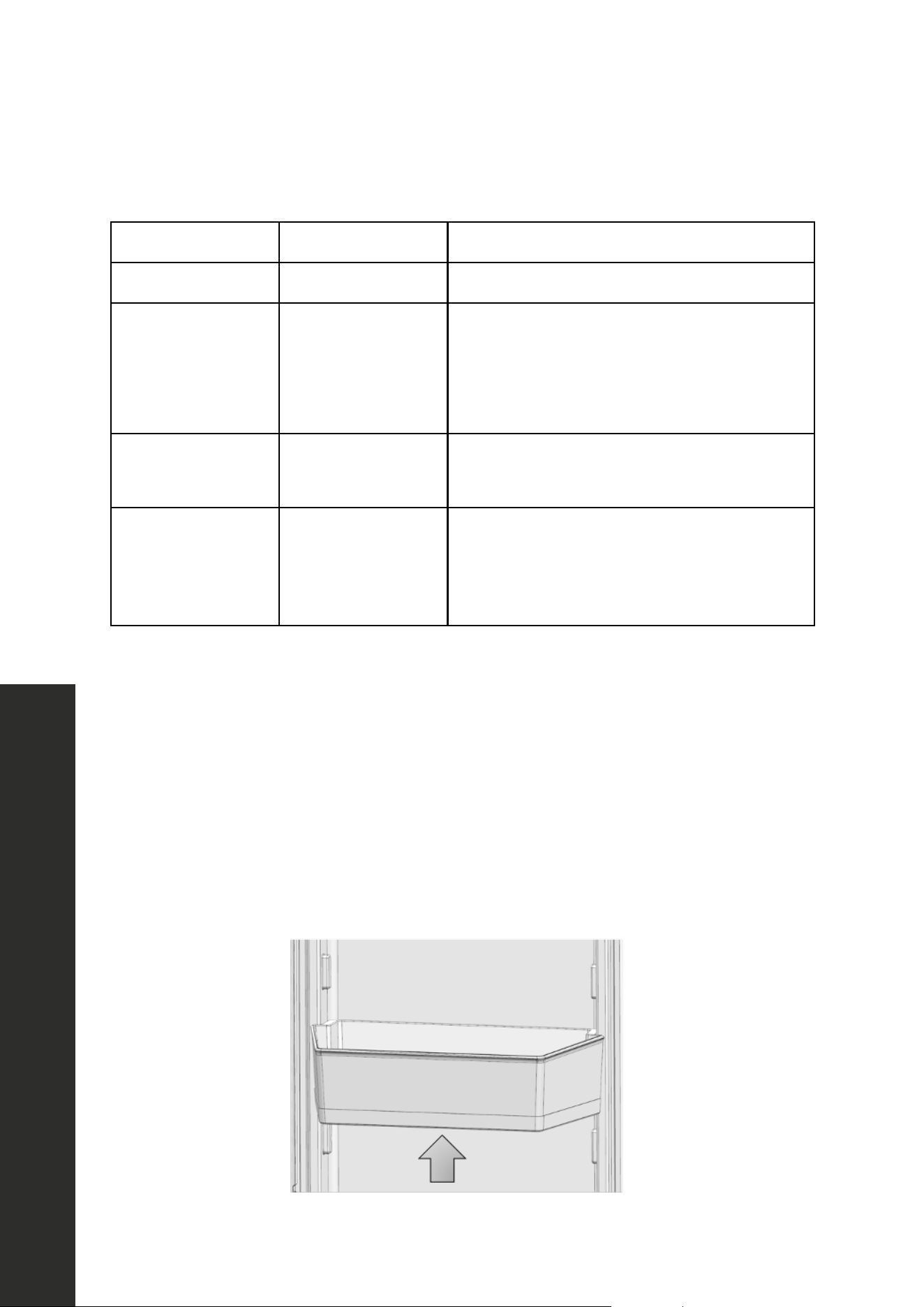
OPERATING TEMPERATURE
Freezer Refrigerator Remarks
0°F (-18°C) 39°F (4°C) This is the recommended normal setting.
-4°F (-20°C) 37°F (3°C)
These settings are recommended when the
ambient temperature is above 30°C/86°F. Use
these settings if you think that your refrigerator
compartment is not cold enough because of warm
ambient conditions or frequent opening and closing
of the door.
-12°F (-24°C) Super Freeze
Use when you wish to freeze your food in a short
time. Your freezer compartment will return to its
previous mode when the process is over.
Super Cool 35°F (2°C)
Use this function when you place too much into
the refrigerator compartment or when you need to
cool your food quickly. It is recommended that you
activate the Super Cool function 4-8 hours before
placing the food inside.
RECOMMENDED OPERATING TEMPERATURE
Refrigerator: 39°F (4°C) — Freezer: 0°F (-18°C)
DOOR BINS
To remove, lift up the door bin to detach and then pull straight out. To replace, reverse the
process so you're putting in the bin at a slight angle, and then press down until it locks.
17
Operating Temperature
OPERATION
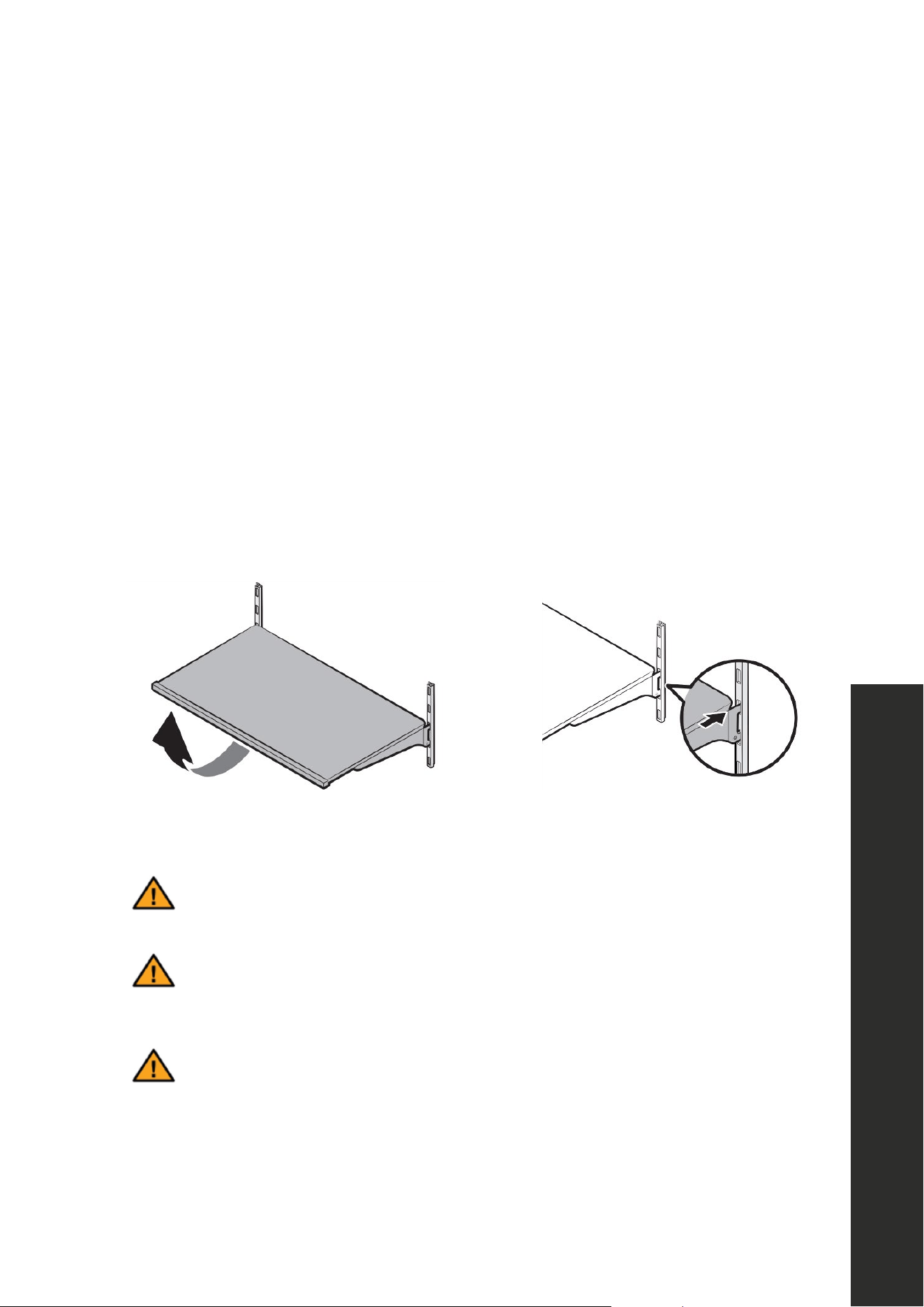
GLASS SHELVES
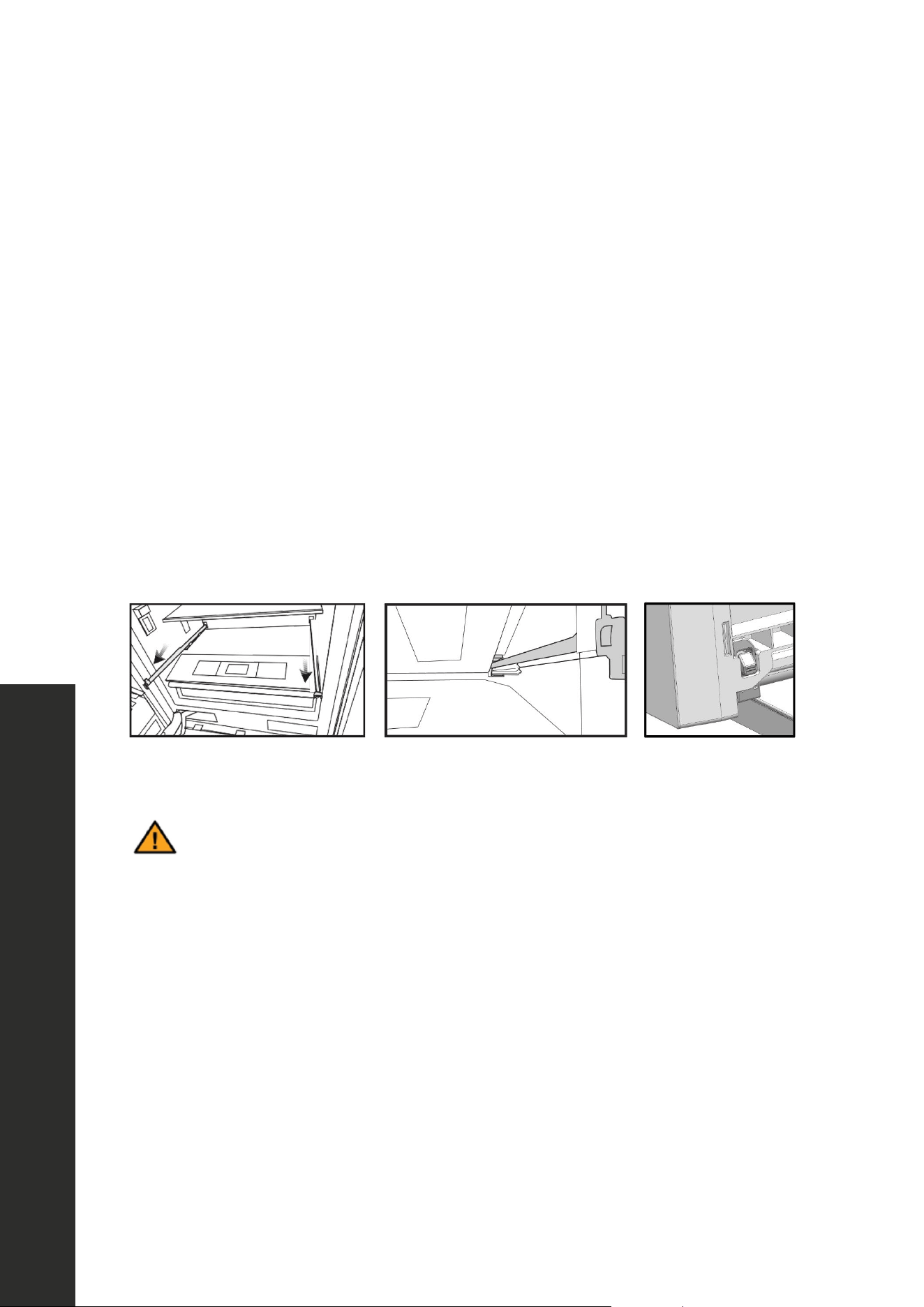
To remove a shelf
• Fully open the upper door of the refrigerator or both doors to gain better access.
• Hold the front of the shelf, and then gently lift up and slide out (see Figure 1).
To reinsert
• Hold the shelf at an angle so the front is higher than the back, and then insert the top hook
into the top shelf notch (see Figure 2).
• Put down the front slightly to lock into place.
Note: Use care when handling glass shelves to prevent breakage or
scratching the interior.
ATTENTION
Glass shelves must be unloaded when removing and reinstalling.
ATTENTION
You must wait for the glass shelves to reach room temperature before
immersing them in water for cleaning, or you run the risk of the glass
cracking or breaking.
ATTENTION
You cannot close the refrigerator's door(s) if the door bins are
positioned at the same level as glass shelves. Make sure that the
door is closed after placing the shelves.
18
Glass Shelves
OPERATION
Figure 1 Figure 2
19
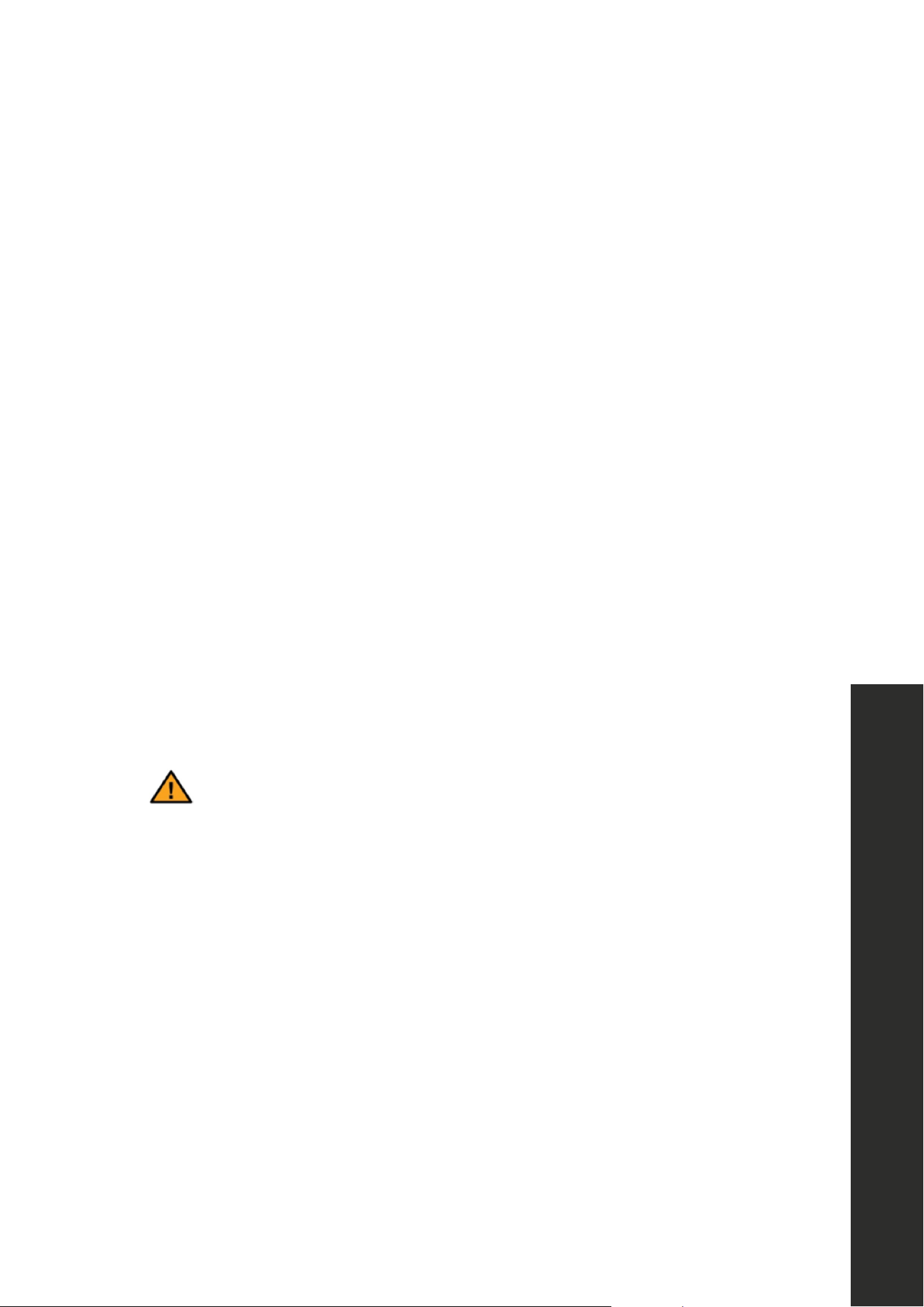
CRISPER COMPARTMENT
To remove the crisper
• Pull the crisper out until it stops.
• Doors must be fully opened to remove/install the crisper.
• Slightly unclip the front section of the drawer and take it out completely.
To install the crisper
• Pull the sliding rails out completely (see Figure 1).
• Using care to not scratch the inside of the refrigerator, place the gaps located at the bot
-
tom rear corners of the crisper onto the small extension pieces located at the rear corners
of both rails (see Figure 2, red arrow).
• Push the crisper down until you feel the front section clip onto the rails (see Figure 3).
ATTENTION
Make sure that the small extension pieces located on the rails at the
right and left-hand sides are affixed when installing the crisper.
19
Crisper Drawers
OPERATION
Figure 1 Figure 2 Figure 3
CRISPER COMPARTMENT TIPS
• The crisper compartment preserves the humidity of your produce, allowing you to store
food for a long time without having to keep it in plastic bags.
• If you do not prefer fruits or vegetables to come in contact with other fruits and vegetables
due to hygienic reasons, you can use perforated paper, foam, or a similar material
instead of plastic bags to separate items.
• While vegetables and fruits are being replaced, take their specific weights into
consideration; heavy and hard vegetables must be placed at the bottom of the crisper,
while light and soft vegetables should be in the upper part.
• Pears, kiwis, tomatoes, cucumbers, apricots, peaches, broccolis, lettuces, cabbages,
parsley, and spinach are examples of fruits and vegetables that emit ethylene gas. Do not
place these items into the same crisper with other fruits and vegetables. The ethylene gas
emitted by these foods may cause other fruits and vegetables to ripen sooner and to rot in
a shorter span of time.
• Do not remove the main body of the crisper from the refrigerator separately unless you
have to do so.
20
Crisper Drawers
OPERATION
ATTENTION
Never leave produce in plastic bags in the crisper. If food is left in
plastic bags, it will ripen and rot in a shorter period of time.
21
FLEX DRAWER
You can control the temperature in this section to store your food such as fish, meat,
vegetables, and delicatessen products for a long time. The temperature range for the flex
drawer is 30°F (-1°C) to 41°F (5°C).
ATTENTION
Removal/installation procedures for the flex drawer are same as that
of the crisper. Follow the same steps on page 19.
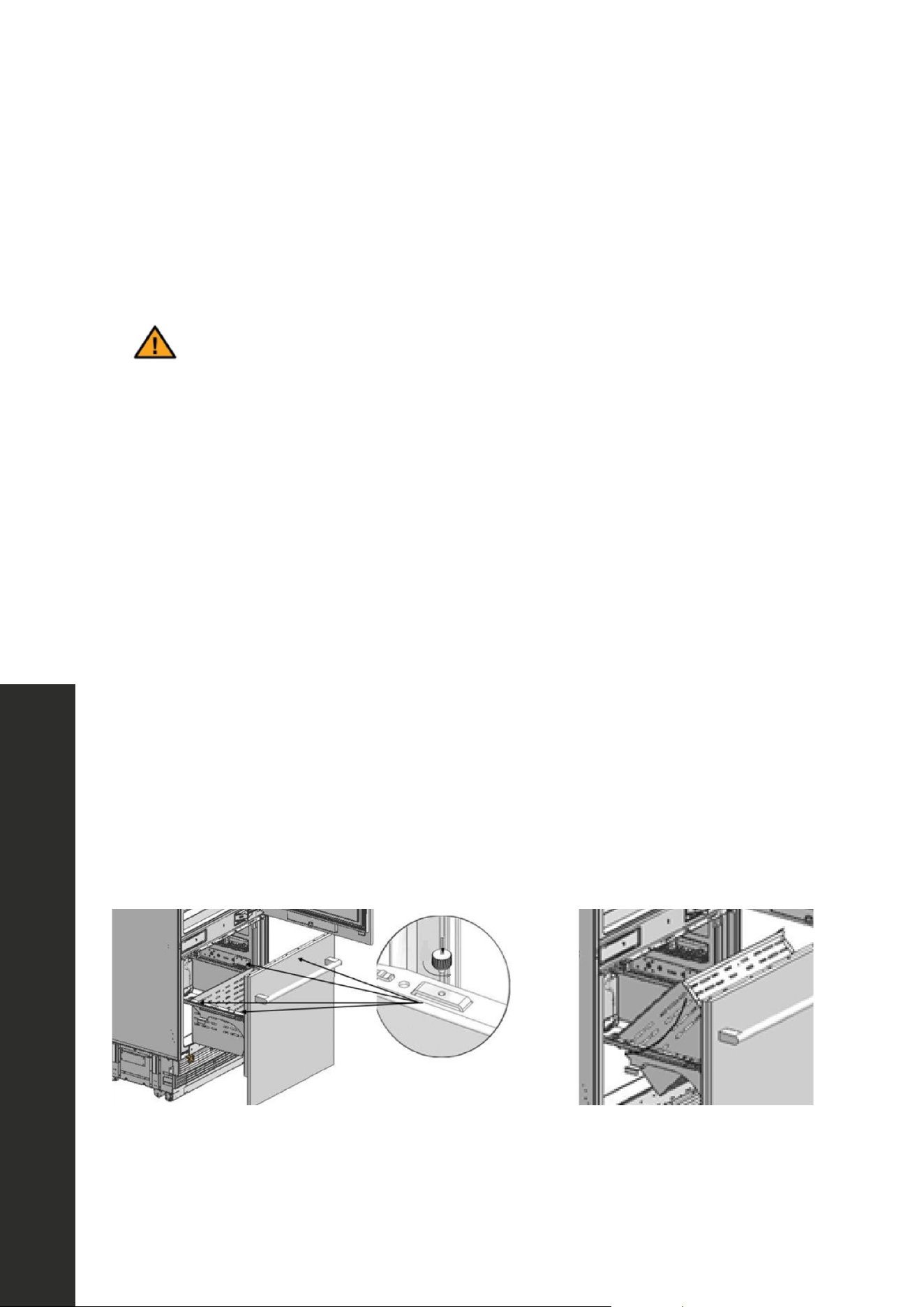
LOWER FREEZER DRAWER
The freezer compartment store your foods at a temperature between -11.2°F and -0.4°F
(-24°C and -18°C) to keep them fresh for a long time.
To remove the drawer
• Open the freezer door until it stops.
• Remove the four thumb screws (see Figure 1) and place them in a safe place. Carefully lift
the front of the drawer and then the rear to remove (see Figure 2).
To install the drawer
• Open the freezer door until it stops.
• Slowly lower the rear of the crisper first and then the front until level. Reinstall the four
thumb screws removed earlier.
21
Crisper Drawers
OPERATION
Figure 1 Figure 2
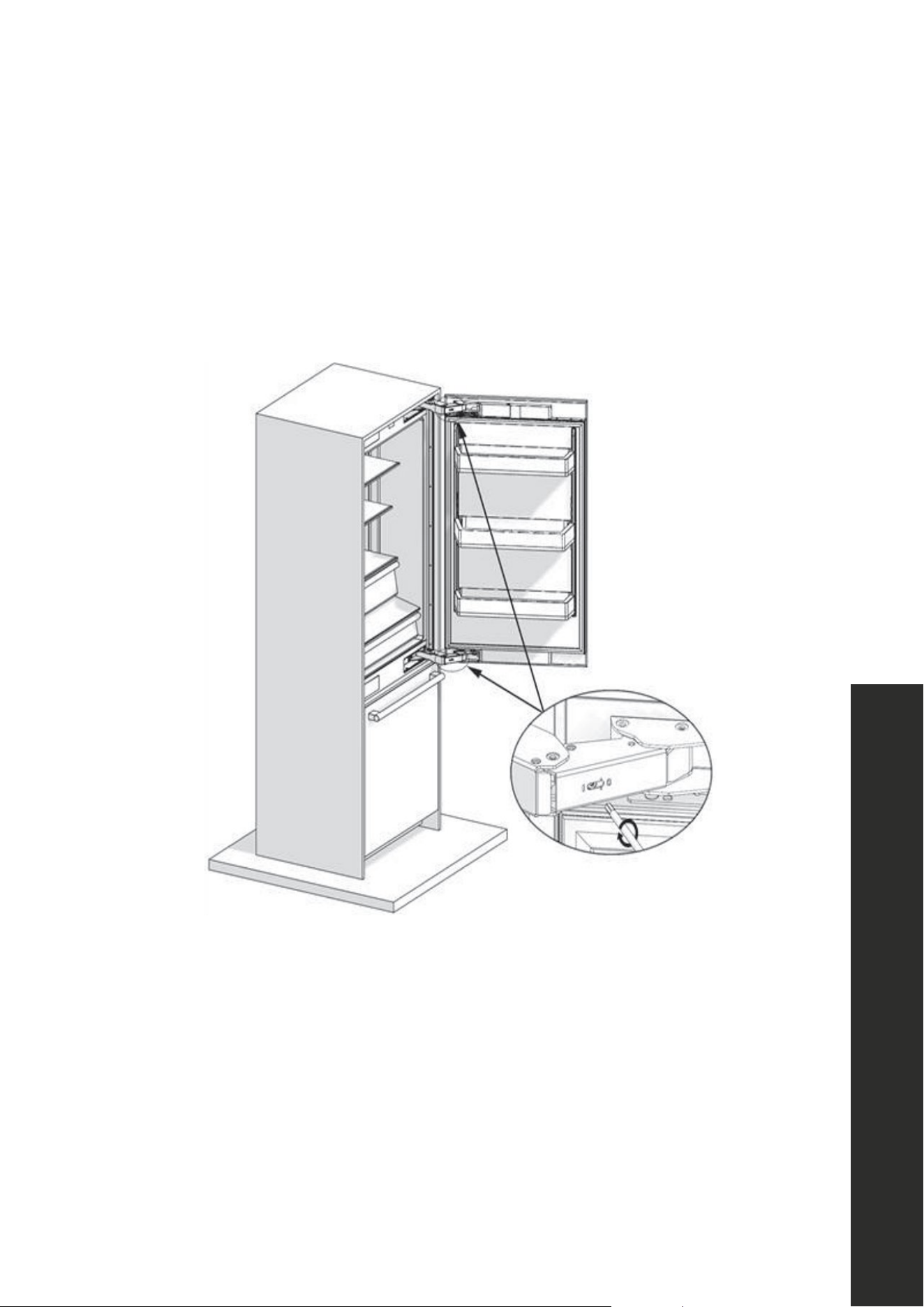
HINGE ADJUSTMENT
Use a socket wrench with a 1/4” - T25 Torx bit to adjust the tension of the upper and lower
hinges of the refrigerator door from the "0" to "1" positions.
Changing the Direction of the Door
Please see the installation manual provided for directions on how to change the door
orientation for 30" models.
22
Hinge Adjustment
OPERATION

23
CARE & CLEANING
• The service life of your product will extend and frequently encountered problems will
decrease if the product is cleaned periodically.
• Never use gasoline, benzene, or similar substances for cleaning purposes.
• Never use any sharp abrasive instruments, soap, household cleaners, detergent, or wax
polish for cleaning.
• The best cleaning option is to dissolve one teaspoon of baking soda in half liter of water.
Soak a cloth in the solution and wring it thoroughly. Wipe the interior of the refrigerator
with this cloth and then dry thoroughly.
• Make sure that no water contacts the light fixtures or other electrical parts.
• If you plan to not use the refrigerator for a long time, unplug it, remove all food inside,
clean it, and leave the door ajar.
• Check regularly that the door gaskets are clean. If not, clean them.
• Take out all items inside the unit before removing the door and shelves for cleaning.
• Remove the door shelves by pulling them up. Slide the shelves downward to re-install
them after cleaning. Refer to pages 18-21 for directions on how to remove/install shelves
and drawers.
• Never use chloric cleaning agents or water to clean outer surfaces or chrome-coated
parts of the product. Chlorine causes abrasion on such metal surfaces.
AVOIDING BAD ODORS
• Your appliance is equipped with a permanent odor filter installed in the back of the inside
of the main refrigerator compartment that helps to eliminate food-related odors. However,
odors may still emit if foods are stored improperly or if the interior of the product is not
cleaned as required. Please consider the following to avoid this problem:
• It is important that the refrigerator is kept clean.
• Food residuals, stains, etc., can cause odor. For this reason, clean your
refrigerator with the baking soda solution outlined above every 15 days.
Never use detergents or soap.
• Keep your foods in closed containers. Microorganisms emitted from containers
without a cover may cause unpleasant odors.
• Never keep expired or spoiled foods in your refrigerator.
23
Care and Cleaning
MAINTENANCE AND CLEANING
SURFACE CLEANING AND PROTECTION
Plastic Surfaces
• Do not put liquid oils or oil-cooked meals in your refrigerator in unsealed containers as
they damage the plastic surfaces of your refrigerator.
• If oil is spilled or smeared onto the plastic surfaces, clean and rinse the relevant part of
the surface with warm water immediately.
WARNING
Switch off the product before cleaning.
WARNING
It is recommended to clean the condenser every six months using
gloves. You must not use vacuum cleaners.
The Inner Surface
• To clean the inner surfaces and all removable parts, wash them with a mild solution
comprising soap, water and carbonate.
• Rinse and dry thoroughly.
• Prevent the water from contacting the lighting means and control panel.
Stainless Steel Outer Surfaces
• Use a stainless steel cleaning agent that is non-abrasive and apply it with a lint-free, soft
cloth.
• For polishing, wipe the surface softly with a damp microfiber cloth and use dry wash-
leather.
• Always follow the strands of the stainless steel.
ATTENTION
Do not use vinegar, rubbing alcohol or other alcohol-based
cleaning agents on any of the inner surfaces.
24
Care and Cleaning
MAINTENANCE AND CLEANING
• Please review this list for common troubleshooting tips before calling for service, as this
may save you time and money.
• This list contains frequently encountered problems that are not results of faulty
workmanship or material use.
• Your product may not have some of the features described here.
WARNING
If a problem cannot be resolved after following the instructions in the manuals,
please contact ZLINE customer service at 1-614-777-5004. Never attempt to
repair or disassemble a faulty refrigerator sealed system as there are no user-
serviceable parts. Always consult a professional.
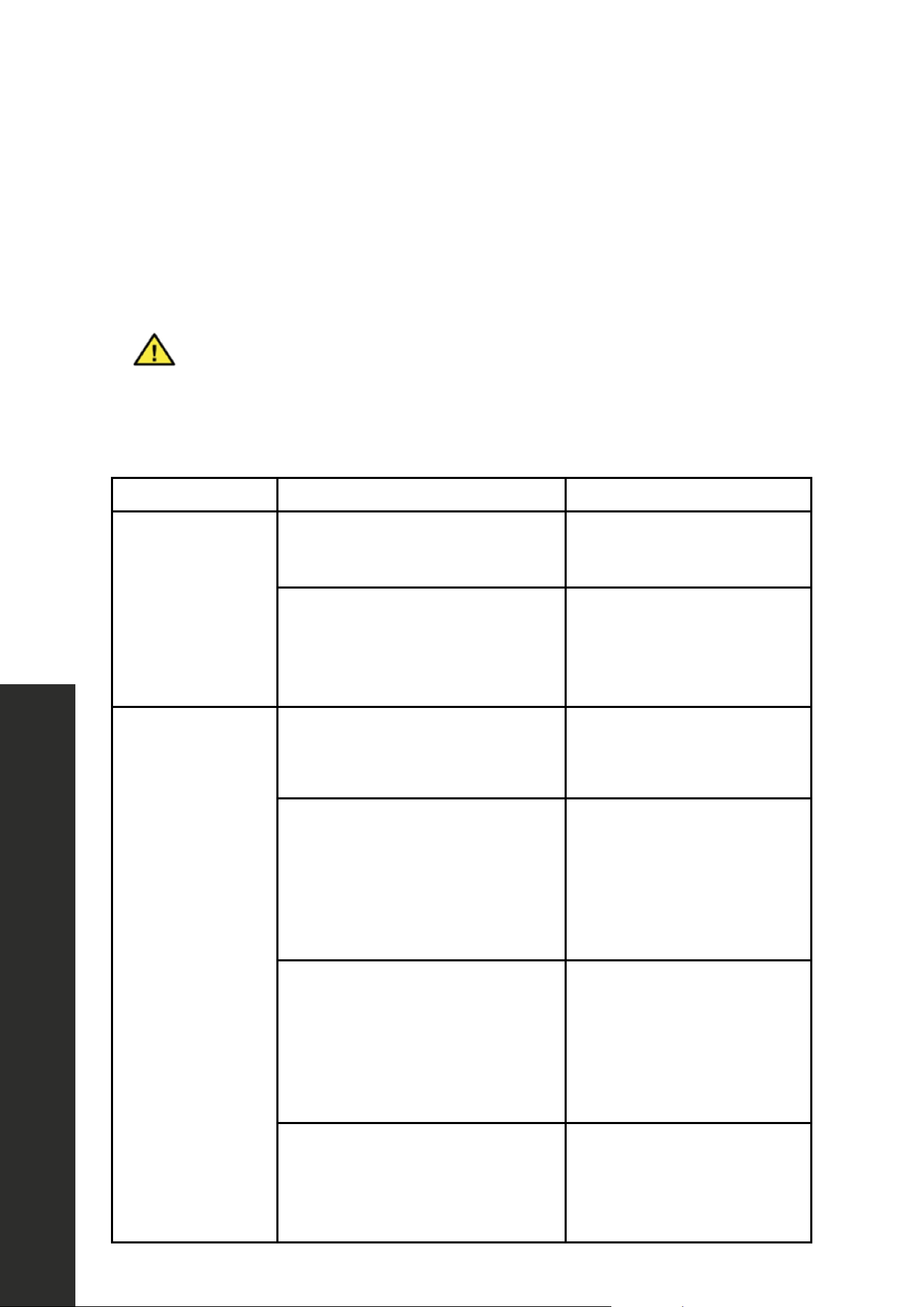
PROBLEM POSSIBLE CAUSE POSSIBLE SOLUTION
The refrigerator is
not operating.
It may not be plugged in
properly.
Plug in the product
properly.
Loss of power to the outlet
to which your refrigerator is
connected.
Check the circuit breaker or
fuse may have blown.
There is
condensation in
the refrigerator
compartment
The door may have been
opened/closed frequently.
Do not open/close the
refrigerator door frequently.
The environment may be too
humid.
Do not install the
refrigerator at locations
with a very high level of
humidity.
Foods containing liquid may
have been placed into the
refrigerator in containers without
covers.
Do not place foods
containing liquid into the
refrigerator in unsealed
containers.
The door of the refrigerator may
have been left ajar.
Do not keep the doors of
your refrigerator open for a
long time.
25
Troubleshooting
TROUBLESHOOTING
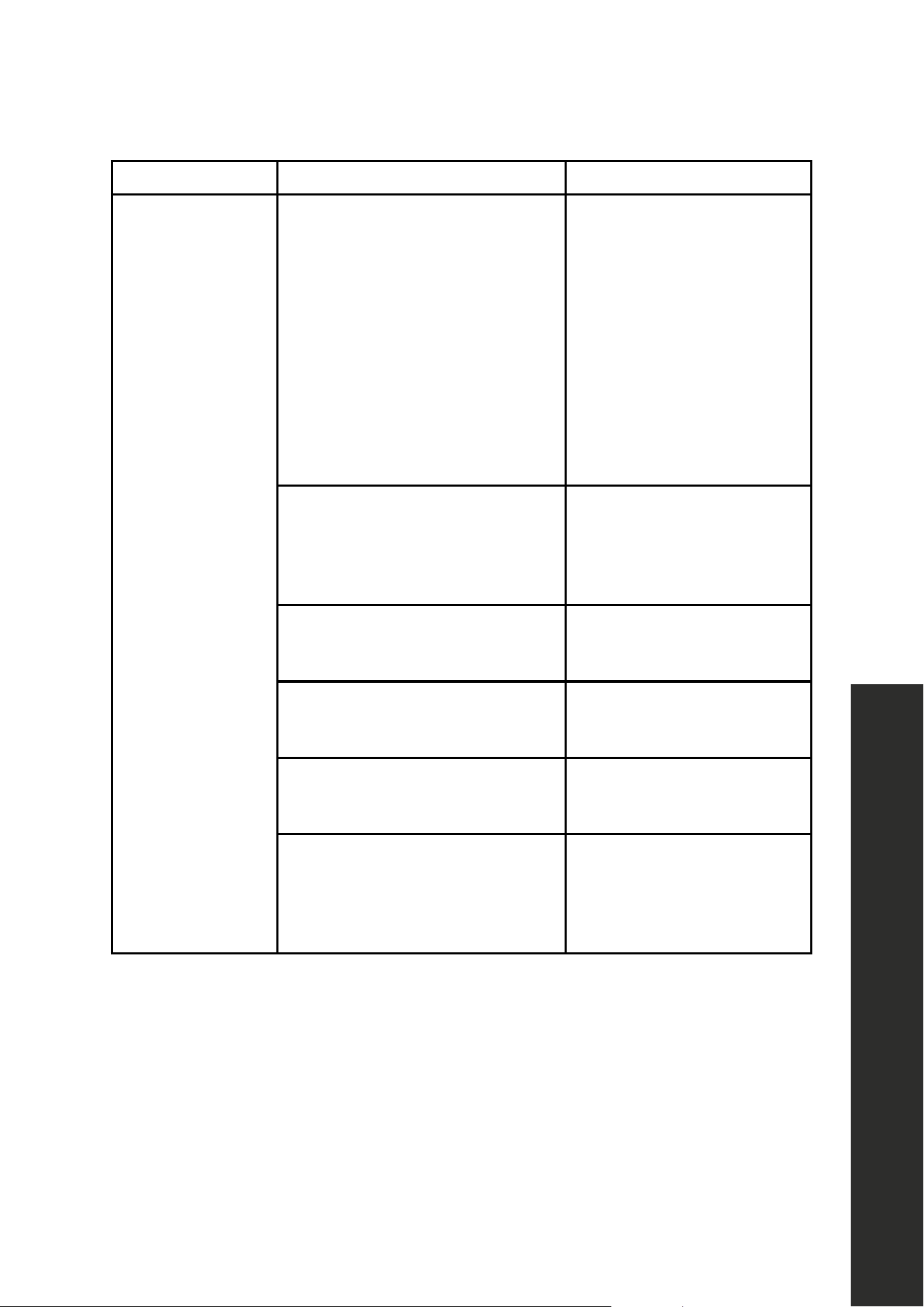
PROBLEM POSSIBLE CAUSE POSSIBLE SOLUTION
The compressor is
not operating.
The internal protector of the
compressor will open, protecting
the compressor, and it will reset
automatically.
The refrigerator will start
running approximately
after 6 minutes. Please call
ZLINE at 1-614-777-5004
if the refrigerator does
not start at the end of this
period.
The freezer is in defrosting cycle.
This is normal for a
refrigerator that performs
full-automatic defrosting.
Defrosting cycle is performed
periodically.
This is normal for the unit to
defrost periodically.
The refrigerator may not be
plugged in.
Make sure that the plug fits
the socket.
Temperature settings may be
incorrect.
Select the correct
temperature value.
Possible power failure.
The refrigerator will start
to operate normally when
power restores.
26
Troubleshooting
TROUBLESHOOTING
27
27
Troubleshooting
TROUBLESHOOTING
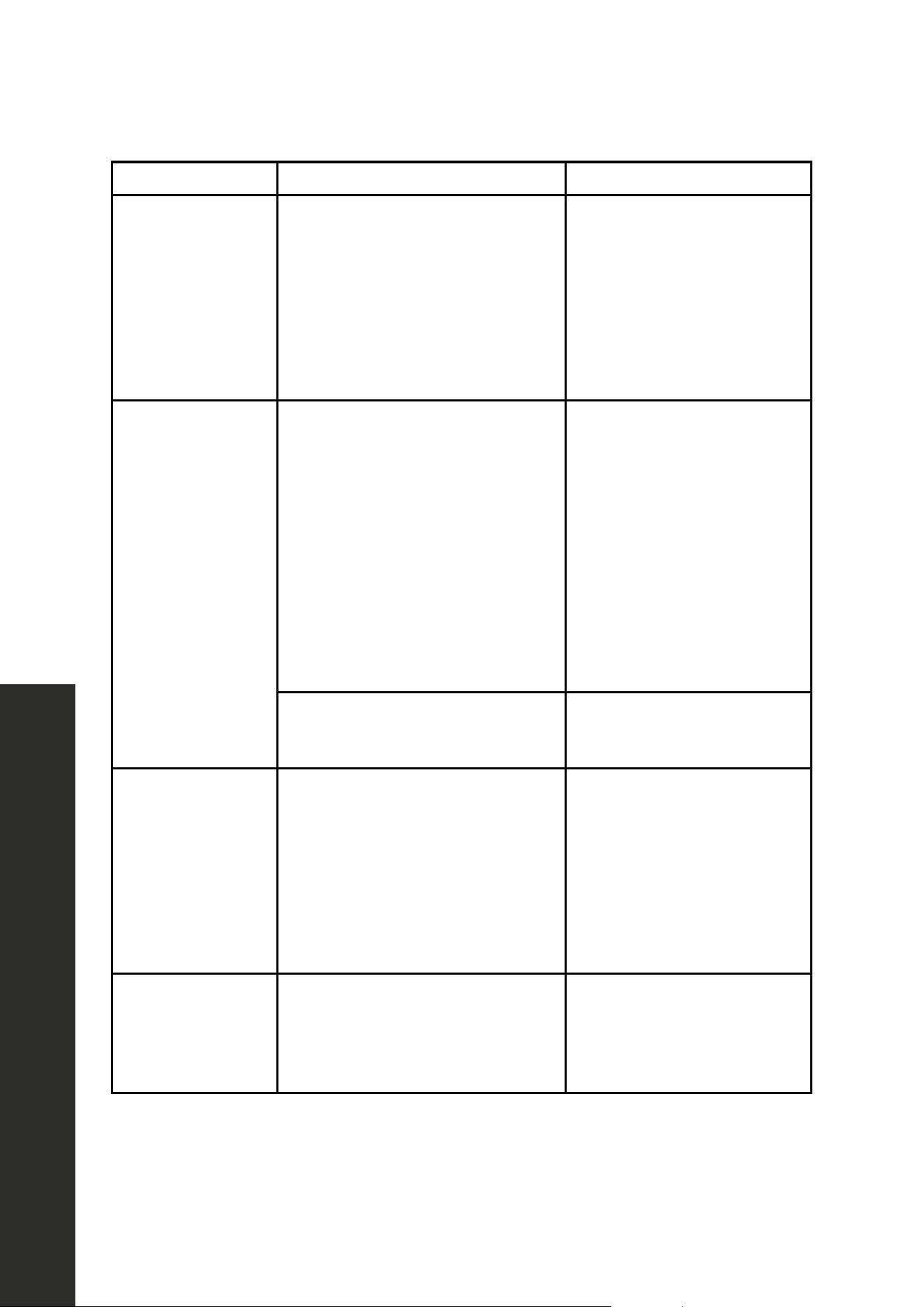
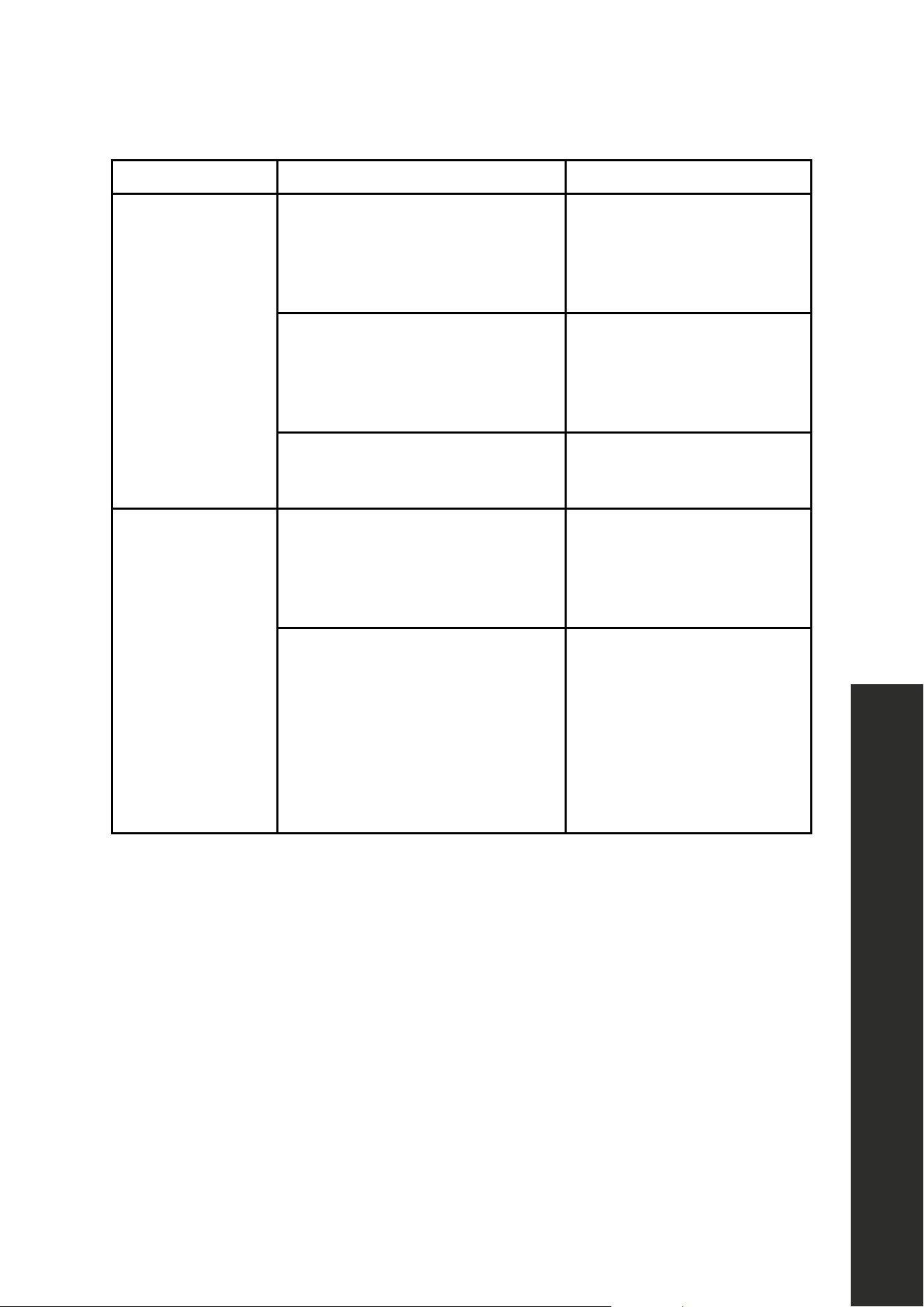
PROBLEM POSSIBLE CAUSE POSSIBLE SOLUTION
The operation
noise increases
when the
refrigerator is
running.
Operating performance of the
refrigerator may vary based
on the ambient temperature
changes.
This is normal and not a
fault.
Vibration or
noise.
The floor may not be stable or
level.
If you notice that the
refrigerator shakes when
moved slightly, make sure
that the floor is level and
capable of carrying the
refrigerator. Adjust feet as
necessary.
Objects placed on top of the
refrigerator may cause noise.
Remove the objects on the
refrigerator.
There are noises
coming from the
refrigerator like
liquid spilling or
spraying.
Liquid and gas flows occur
normally in accordance with
the operating principles of the
refrigerator.
This is normal and not a
fault.
A whistling noise
is heard from the
refrigerator.
There are fans that are used to
cool the refrigerator.
This is normal and not a
fault.
28
Troubleshooting
TROUBLESHOOTING
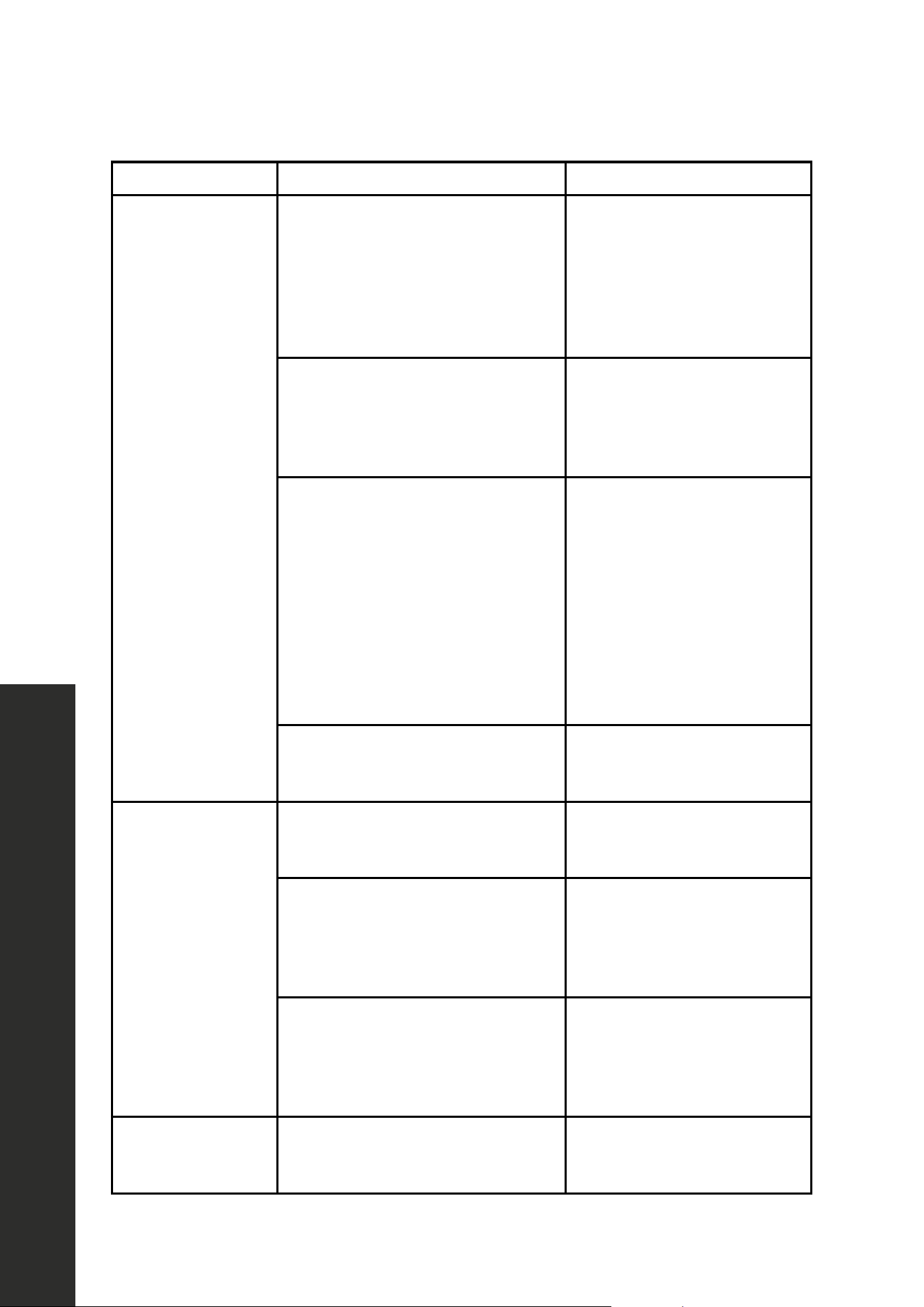
PROBLEM POSSIBLE CAUSE POSSIBLE SOLUTION
Dampness
accumulates on
the inner walls of
refrigerator.
Hot and humid weather
increases icing and
condensation.
This is normal and not a
fault.
The doors may have been
opened frequently or left ajar for
a long time.
Do not open the door
frequently. Close the
doors, if open.
The door may have been left
ajar.
Close the door completely.
Humidity occurs
on the outer
surface of the
refrigerator or
between the
doors.
Air might be humid. This is quite
normal in humid weathers.
Condensation will
disappear as the humidity
level decreases.
There might be external
condensation at the section
between two doors of the
refrigerator if you use your
product rarely.
This is normal.
Condensation will
disappear upon frequent
use.
29
29
Troubleshooting
TROUBLESHOOTING
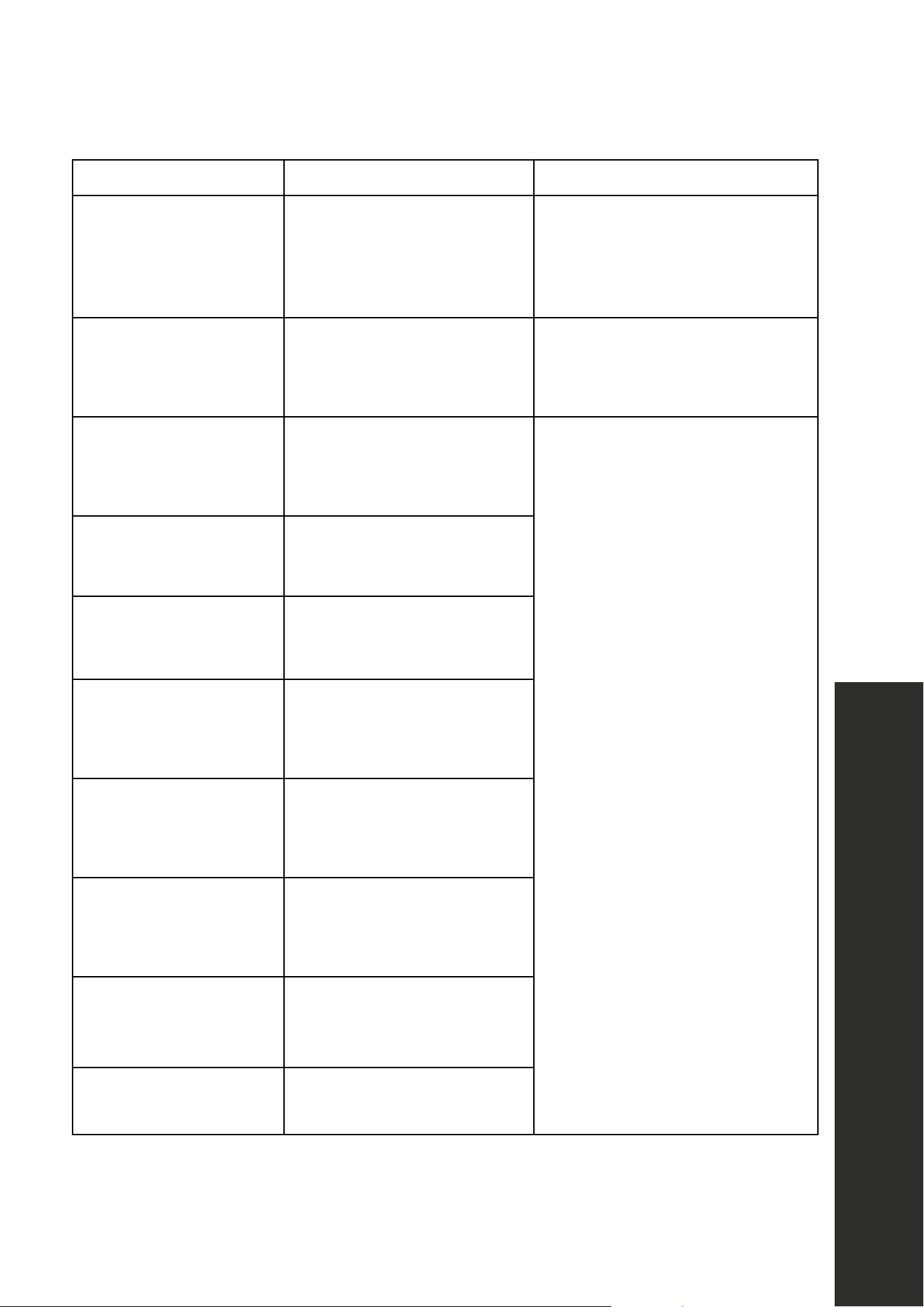
PROBLEM POSSIBLE CAUSE POSSIBLE SOLUTION
There is a bad
odor inside the
refrigerator.
No regular cleaning may have
been performed.
Clean the inside of the
refrigerator with a sponge
and lukewarm water or
carbonated water.
Some containers or packaging
materials may cause the odor.
Use another container or
packaging materials from
another brand.
Foods may have been placed
into the refrigerator in containers
without covers. Microorganisms
emitting from containers without
a cover may cause unpleasant
odors.
Store foods in closed
containers.
Food may be expired or spoiled.
Take out expired or spoiled
foods from the refrigerator.
The door cannot
be closed.
Food packages may be
preventing the door from closing.
Re-locate the packages
obstructing the door.
The refrigerator may be unstable
on the floor.
Adjust the refrigerator feet
as required to keep the
refrigerator in balance.
The floor may not be level or
solid.
Make sure that the floor
is level and capable of
carrying the refrigerator.
Crispers are
stuck.
Foods may be touching the
upper wall of the crisper.
Re-organize the foods in
the crisper.
30
TROUBLESHOOTING
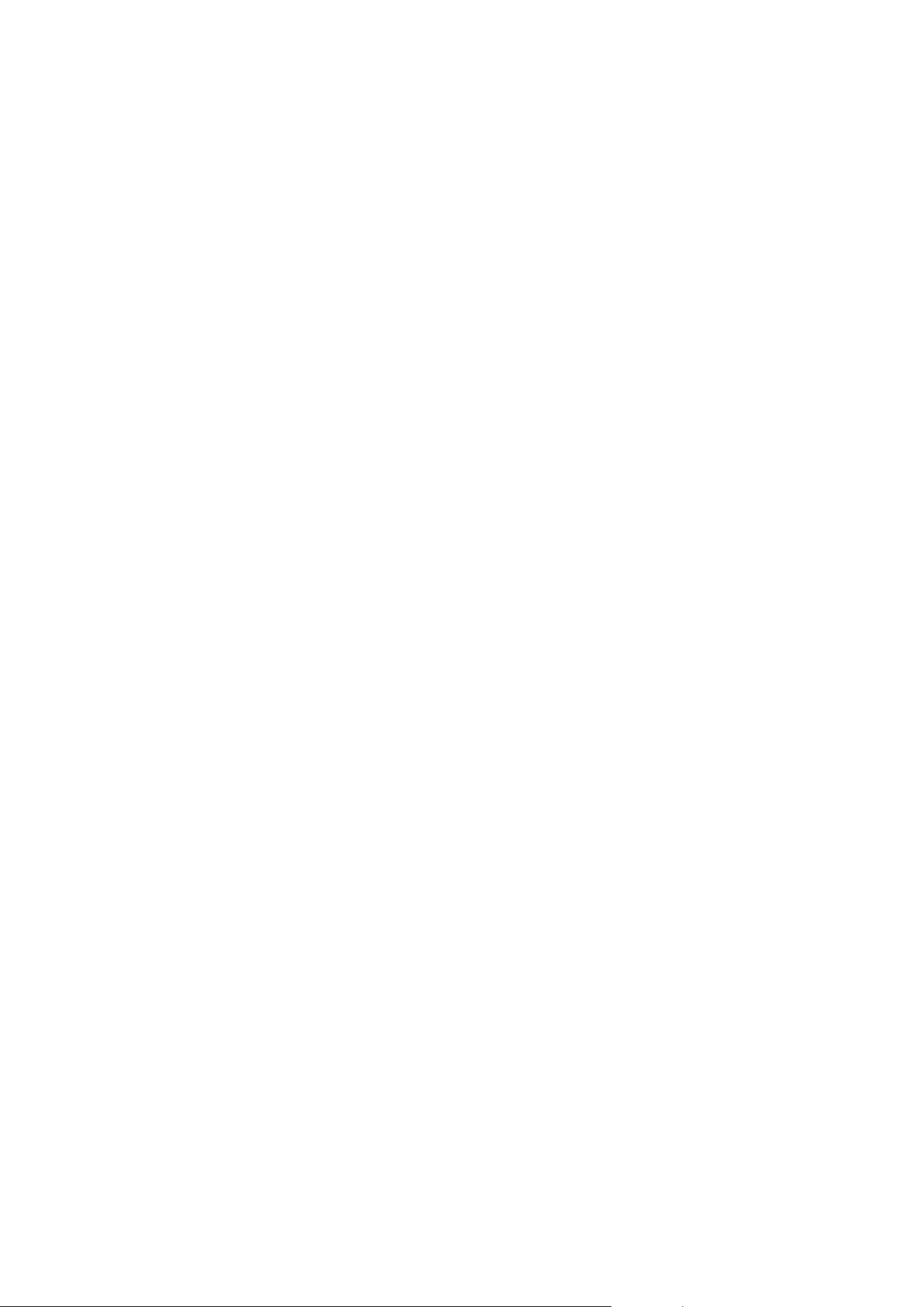
PROBLEM POSSIBLE CAUSE POSSIBLE SOLUTION
Error Code F1
Refrigerator compartment
air sensor error.
There may be an internal control
board issue requiring service;
please call ZLINE Customer
Service at 1-614-777-5004.
Error Code F2
Refrigerator compartment
defrost sensor error.
Service may be required; please
call ZLINE Customer Service at
1-614-777-5004.
Error Code F3
Special refrigerator
compartment air sensor
error.
Please call ZLINE Customer
Service at 1-614-777-5004.
Error Code F4
Freezer compartment air
sensor error.
Error Code F5
Freezer compartment defrost
sensor error.
Error Code F6
Ambient compartment air
sensor error.
Error Code CE Communication failure.
Error Code 1E
Refrigerator compartment
fan error.
Error Code 2E
Freezer compartment fan
error.
Error Code 3E Condenser fan error.
Troubleshooting
WARRANTY
COVERAGE
ZLINE Kitchen and Bath refrigerators have a two year parts and service warranty and a
five year parts warranty on the sealed system. This is from the original purchase date for the
original purchaser of the product.
TERMS
This warranty applies only to the original purchaser of the product installed for normal
residential use. This is defined as a single-family, residential dwelling in a non-commercial
setting. Commercial settings include but are not limited to: schools, churches, hotels,
restaurants, vacation rentals such as Airbnb, day care centers, private clubs, fire stations,
common areas in multi-family dwellings, nursing homes, food service locations, and
institutional food service locations such as hospitals or correction facilities. This warranty is
non-transferable and will not be extended based on the date of installation. The warranty
applies only to products installed in the contiguous United States and the District of Columbia.
Warranty shall not apply and ZLINE Kitchen and Bath is not responsible for damage resulting
from negligence, improper maintenance, misuse, abuse, alteration of or tampering with
the appliance, accident, natural disaster, improper electric supply, unauthorized service or
repair, improper installation, or installation not in accordance with the instructions contained
in the manual or the local government codes.
WARRANTY
WHAT IS NOT COVERED
1. Start-up damages or problems caused by improper installation or use.
2. Damage related to unauthorized service or unauthorized parts.
3. Installation in any commercial or non-residential application.
4. Aesthetic damage, scratches, or natural wear caused by normal use.
5. Second-hand, open box products, or products purchased from an unauthorized retailer.
NOTE: In the event that service is dispatched, and it is discovered that the reported issue is not
covered under warranty based on the disclaimers above, the customer will be responsible for all
service fees. Failure to pay these fees will result in the forfeiture of remaining warranty coverage.
The rating tag shows the model and serial number of
your refrigerator. The product label and rating tag
is located on the left-hand side of the inner door of
the 30" refrigerator and on the left-hand side of the
left-side door of the 36" model. The tag is visible
when the refrigerator door is open. Do not remove
permanently affixed labels, warnings, or plates from
the product. This will void the warranty.
WARRANTY
SERVICE
For warranty service, please contact our Customer Service team at
1-614-777-5004 or visit www.zlinekitchen.com/contact to utilize our
online Customer Experience Portal.
Scan the QR code for the Dual Built-In Refrigerator manual.
Need to purchase a part or accessory for your ZLINE product?
Visit www.zlineparts.com, ZLINE's official parts distribution partner.