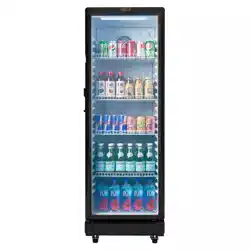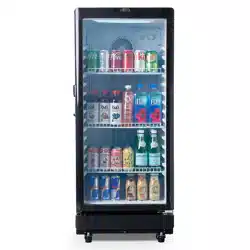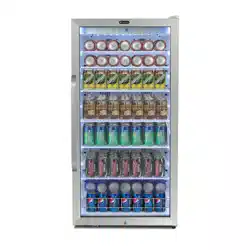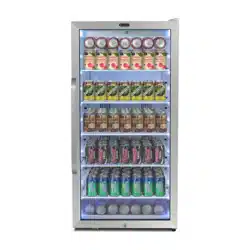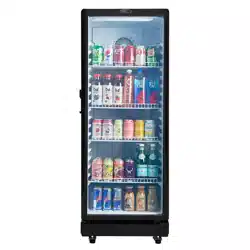
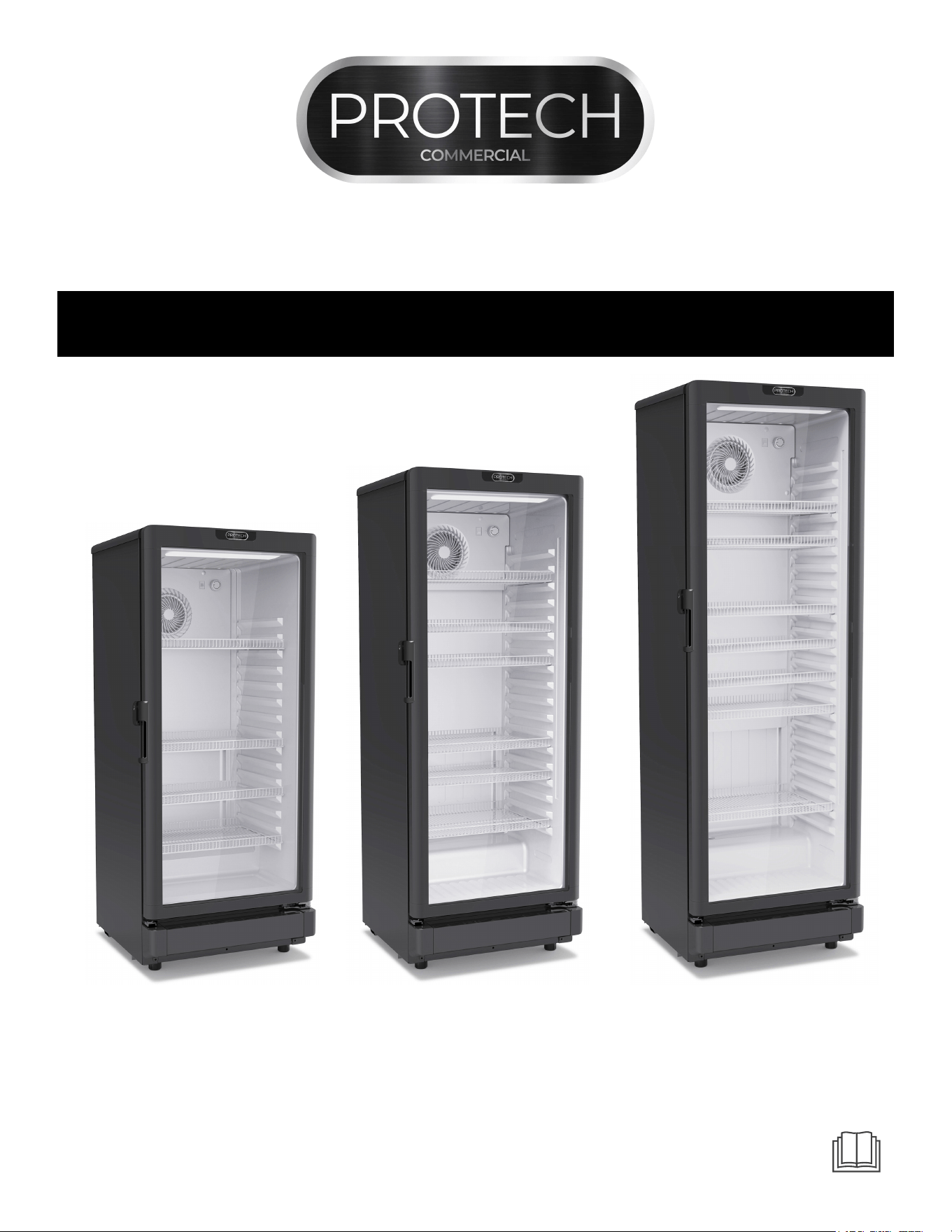
PROTECH Commercial Freestanding/Built-in Beverage Merchandiser
Display Refrigerator with Self-Closing Lockable Door and Mobility Wheels
Congratulations on your new PROTECH product. To ensure proper operation, please read this User
Manual carefully before using this product. Keep this manual in a safe place for future reference.
MODELS: CDM-600BW (6.0 cu. ft.)
CDM-710BW (7.1 cu. ft.)
CDM-850BW (8.5 cu. ft.)
IMPORTANT NOTE:
Before using your refrigerator, please read
this manual carefully and keep it for future reference.
CDM-710BW CDM-850BWCDM-600BW
by WHYNTER
Page 2
Please keep this user manual in a safe place for future reference.
Thank you for choosing PROTECH. Please follow the instructions provided in this user manual to obtain the
very best performance from your refrigerator. We trust that your PROTECH refrigerator will provide the
performance and reliability that we stand for.
This symbol on the product or its packaging indicates that this refrigerator cannot be treated as normal domestic
trash, but must be handed in at a collection point for recycling electric and electronic refrigerators. Your
contribution to the correct disposal of this product protects the environment.
Further information about the recycling of this product can be obtained from your local municipal authority.
DISPOSAL INFORMATION
SAFETY PRECAUTIONS
INSTALLATION
SPECIFICATIONS
IDENTIFICATION OF PARTS
OPERATION
LOADING PLAN
CARE AND MAINTENANCE
TROUBLESHOOTING
WARRANTY
3
4 - 5
6
7
8 - 9
10
11
12
13
TABLE OF CONTENTS
To prevent death or injury to the user or other people and property damage, the following instructions must be
followed. Incorrect operation due to ignoring of instructions may cause death, harm or damage.
Read all instructions before using the refrigerator.
Never clean refrigerator parts with flammable fluids. The fumes can create a fire hazard. Do not use an excessively
wet cloth, industrial solvents, and oil-based products to clean this refrigerator.
Do not store or use gasoline or any other flammable vapors and liquids in the vicinity of this or any other
refrigerator. The fumes can create a fire hazard.
Do not abuse, sit on, or stand on the refrigerator.
This refrigerator is not intended for use by persons (including children with reduced physical, sensory, or mental
capabilities, or lack of experience and knowledge) unless they have been given supervision or instruction
concerning use of the refrigerator by a person responsible for their safety.
Children should be supervised to ensure that they do not play with the refrigerator.
If the power cord is damaged, it must be replaced by the manufacturer or its service agent or a similarly qualified
person in order to avoid a hazard.
Use the refrigerator only for its intended function. Any other use will void the warranty.
To avoid the risk of shock, the product should never be used in bathrooms, shower rooms, or in any other steamy or
wet areas.
During installation, the power supply must not be excessively or dangerously bent or flattened.
Do not tamper with controls.
Make sure the power plug is placed fully and firmly into the wall socket. If the wall receptacle you intend to use is
not adequately grounded or protected by a time delay fuse or circuit breaker, have a qualified electrician install an
outlet that is appropriate to local electrical codes and requirements.
Do not use multiple sockets or an extension cord as it may overheat and become a risk of fire.
Make sure the power plug is clean before usage.
After turning the refrigerator off, please take the power plug out of the socket.
Make sure hands are dry when connecting the power plug. The refrigerator is equipped with a three-prong
grounded power plug on the power cord for your protection. Never modify, remove, or attempt to repair the
power plug yourself.
Do not repair, disassemble, and/or modify the refrigerator by yourself.
Transport the refrigerator in an upright position only, or leave it in an upright position for at least 4 hours before
first use.
When positioning or moving the refrigerator, ensure that it is not turned upside down or greater than 45° or more
off level.
This refrigerator must be installed in an area protected from the elements, such as wind, rain, water spray, or drips.
When using this refrigerator in confined spaces, such as a pantry, be sure to allow proper ventilation to prevent
overheating and fire. Allow at least 5" of air space on all sides of the refrigerator for good air circulation.
Always place the refrigerator on a hard, level, and even surface that can support the unit when it is full.
Ensure objects are not obstructing the air vent.
Never insert your fingers or other objects into the air outlets.
This refrigerator must be earthed.
The wires in the mains lead are colored in accordance with the following code:
Green or Green with a yellow strip: Grounding
White: Neutral
Black: Live
SAFETY PRECAUTIONS
CAUTION – RISK OF FIRE OR EXPLOSION
Flammable refrigerant used. Consult repair manual/owner’s guide before attempting to install or service this
product. All safety precautions must be followed.
Dispose of property in accordance with federal or local regulations: Flammable refrigerant used.
Due to puncture of refrigerant tubing; follow handling instructions carefully: Flammable refrigerant used.
The refrigerator should be installed in accordance with the safety standard for refrigeration systems, ASHRAE15.
The refrigerator shall not be installed in corridors or hallways of public buildings.
If the unit is with problem and needs maintenance, it should be replaced with like components, and servicing shall
be done by factory authorized service personnel to minimize the risk of possible ignition due to incorrect parts or
improper service.
Page 3
To reduce the risk of fire, electrical shock, or injury when using your refrigerator, follow these basic precautions:
GENERAL SAFETY PRECAUTIONS
Read all instructions before using the refrigerator.
Never allow children to operate, play with, or crawl inside the refrigerator.
FIRE HAZARD PRECAUTIONS
DANGER: An empty refrigerator can be hazardous for children or small pets. If disposing of the refrigerator,
remove gasket seals, latches, lids, or the entire door from your unused refrigerator, or take other action to
ensure the refrigerator is harmless.
Never clean refrigerator parts with flammable fluids or harsh chemicals. The fumes can create a fire hazard or
explosion.
Do not store or use gasoline or any other flammable vapors and liquids in the vicinity of this or any other
refrigerator. The fumes can create a fire hazard or explosion.
PRE-INSTALLATION PREPARATION
Remove the exterior and interior packing.
Before connecting the refrigerator to the power source, let it stand upright for approximately 4 hours. This will
reduce the possibility of a malfunction in the cooling system from handling during transportation.
Clean the interior surface with lukewarm water using a soft cloth.
INSTALLATION LOCATION AND SETUP
The refrigerator is designed for freestanding installation.
WARNING: Do not store or install the refrigerator outdoors.
CAUTION: This refrigerator is designed for storing and cooling beverages. Do not store perishable food,
medicine, or other medical products.
Place your refrigerator on a hard and level floor that is strong enough to support it when it is fully loaded.
To level your refrigerator, adjust the leveling legs at the bottom of the refrigerator if needed.
Allowance of at least 5 inches (127mm) of space between the back and sides of the refrigerator is suggested,
which allows proper air circulation to cool the compressor and condenser.
We do not recommend installing the refrigerator on carpet.
Avoid installing the refrigerator near an oven or other heating source, as direct sunlight and heat sources may
affect performance.
FREESTANDING INSTALLATION GUIDELINES
A freestanding installation will allow you to install the refrigerator in any place you desire provided that the
required clearance space around the refrigerator is respected.
In every setting, there must be adequate ventilation and access for service. Never install or operate the unit in an
enclosed area, such as a closed cabinet.
ELECTRICAL CONNECTION
WARNING: Improper use of the grounded plug can result in the risk of electrical shock. If the power cord is
damaged, have it replaced by a qualified electrician or contact PROTECH Service Department.
Outlet Requirements
This refrigerator requires a standard 115/120 Volt AC ~/60Hz electrical ground outlet with a three-prong plug.
Ensure that the wall outlet and circuit are properly grounded by a qualified electrician.
Secure the cord behind the refrigerator to prevent accidental injury.
Usage Guidelines
Always plug the refrigerator into its own individual electrical outlet matching the voltage rating on the
refrigerator label to prevent overloading circuits.
Avoid pulling the power cord to unplug the refrigerator; grip the plug firmly and pull straight out from the
receptacle.
Immediately repair or replace frayed or damaged power cords to prevent electrical hazards.
INSTALLATION
Page 4
EXTENSION CORD
Due to potential safety hazards, it is strongly recommended not to use an extension cord with this refrigerator.
However, if necessary:
Use only a UL/CUL-Listed, 3-wire grounding type refrigerator extension cord with a grounding type plug and
outlet.
Ensure that the electrical rating of the extension cord is 115 volts and at least 10 amperes.
POWER FAILURE
In the event of a power failure:
Most power failures are resolved within a few hours and should not significantly affect the temperature of your
refrigerator if you minimize opening the refrigerator cover.
If the power outage is expected to last longer, take the necessary steps to disconnect your refrigerator to
prevent potential hazards.
Failure to unplug the refrigerator during an extended power outage could result in electrical shock or personal
injury.
INSTALLATION
Page 5
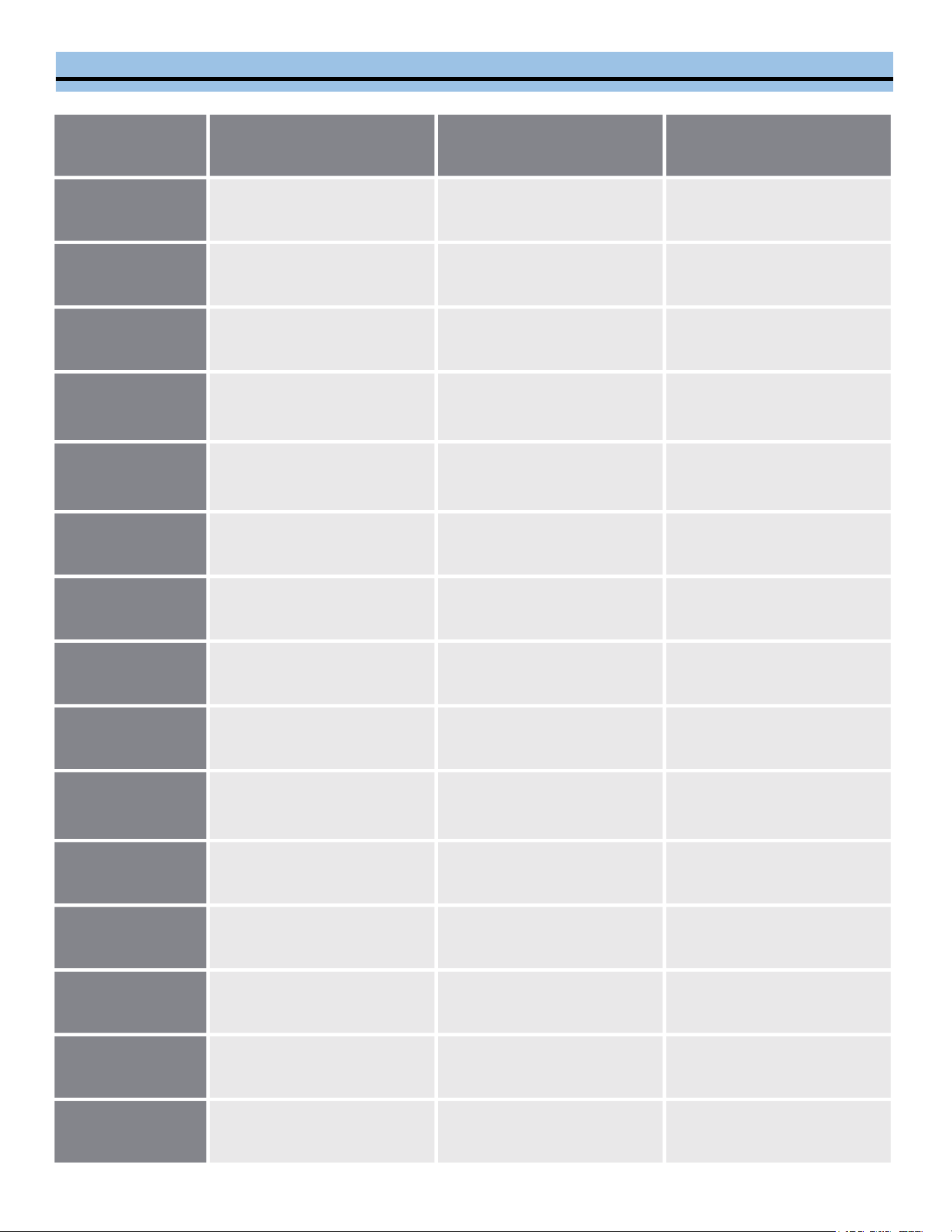
Model
CDM-600BW
CDM-710BW
CDM-850BW
Color
Black
Black
Black
Installation Type
Built-in | Freestanding
Built-in | Freestanding
Built-in | Freestanding
Storage Capacity
161 standard 12 oz. can
191 standard 12 oz. can
245 standard 12 oz. can
Cabinet
Storage Capacity
6.0 cu. ft. (170 L)
7.1 cu. ft. (200 L)
8.5 cu. ft. (240 L)
Temperature
Range
32°F - 50°F
32°F - 50°F
32°F - 50°F
Shelves
4 adjustable wire shelves
6 adjustable wire shelves
7 adjustable wire shelves
Noise Level
<53 dB
<54 dB
<54 dB
Compressor
CHC-free
CHC-free
CHC-free
Refrigerant
R600a
R600a
R600a
Power
Consumption
190W
200W
228W
Amps
2.0A
2.1A
2.4A
Power Supply
115V/60Hz
115V/60Hz
115V/60Hz
Net Weight
93 lbs
100 lbs
110 lbs
Unit Dimensions
21.1" W x 20.9" D x 50" H
21.1" W x 20.9" D x 56.5" H
21.1" W x 20.9" D x 65.7" H
UPC
850014459659
850014459666
850014459673
SPECIFICATIONS
Page 6
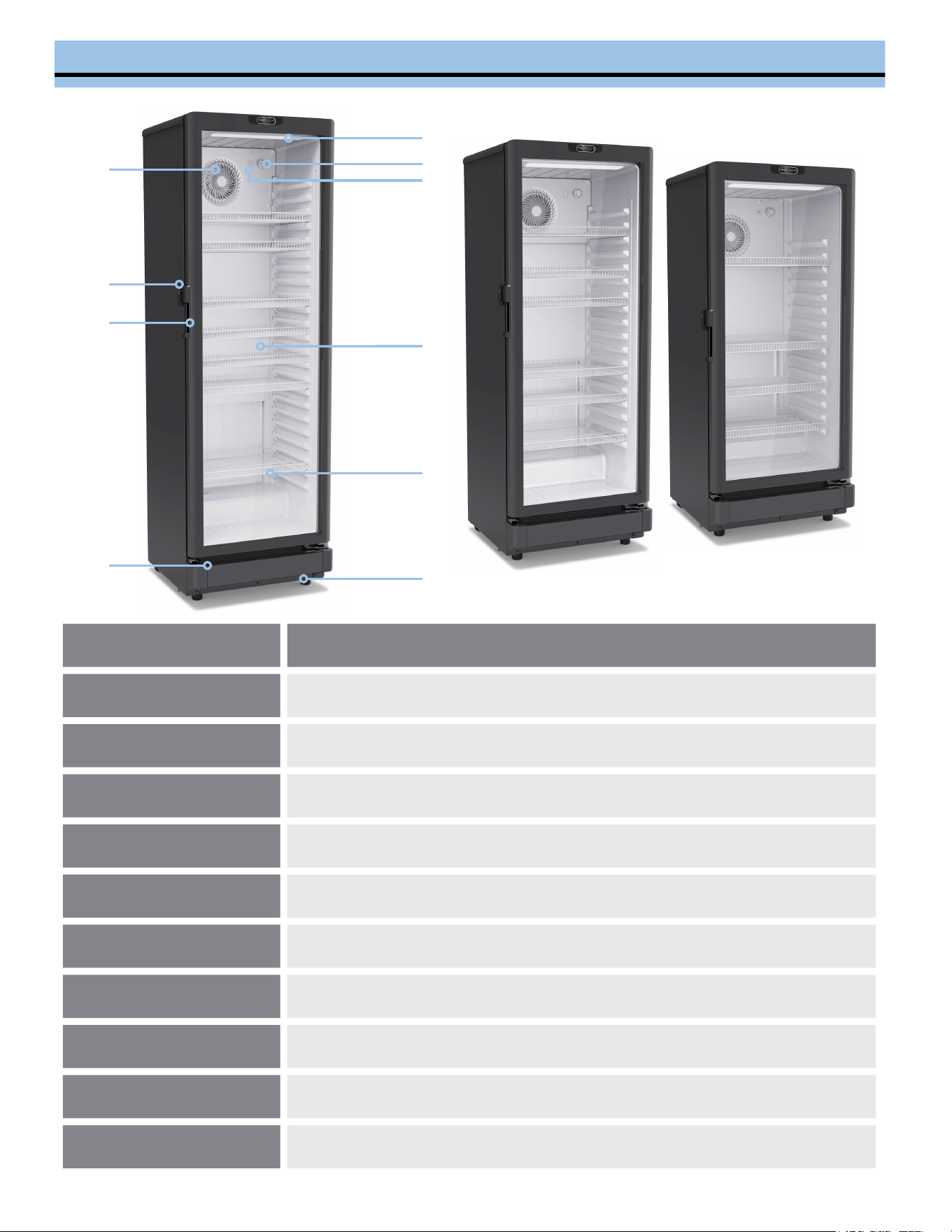
Part
Description
1
Internal Fan
2
Door Lock
3
Door Handle
4
Exhaust Vents
5
Interior Cabinet Light
6
Temperature Control Knob
7
Internal Light Switch
8
Glass Door
9
Slide-Out Wire Shelves
10
Leveling Legs (4)
IDENTIFICATION OF PARTS
1
Page 7
2
4
5
6
8
9
10
3
7
A B C D
E F G
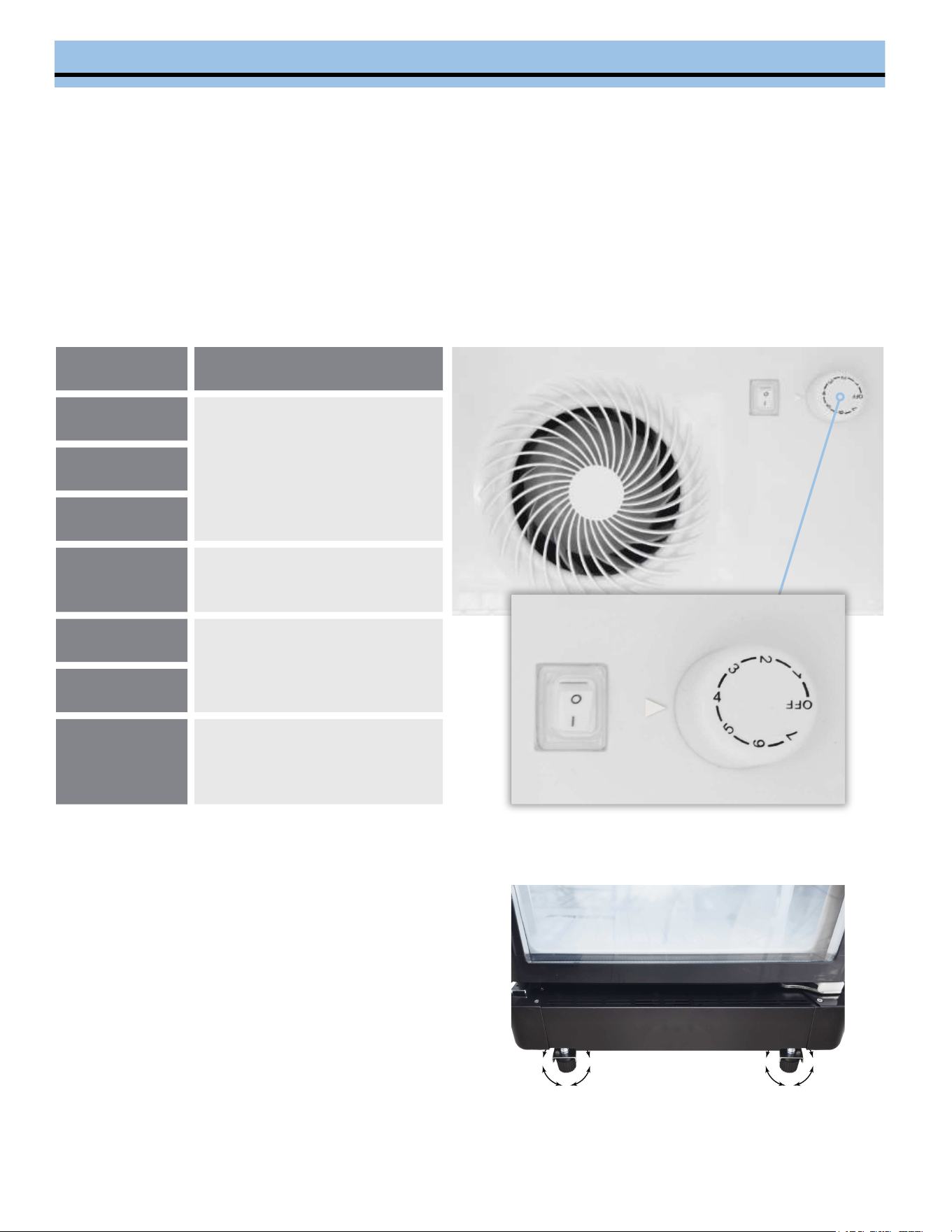
TEMPERATURE CONTROL
To achieve optimal results with your refrigerator, it is important to operate it correctly. The temperature in the
refrigerator is regulated by the thermostat control knob, which is located inside the refrigerator cabinet. To adjust
the temperature, simply turn the thermostat control knob clockwise or counterclockwise. The markings "1 – 7" and
"OFF" on the control knob indicate the different temperature settings, with "1" representing cold and "7" the
coldest (32°F-50°F). It's important to note that even when set to "1", the temperature will not exceed freezing.
Setting
Description
1
Use when a colder temperature
is not required.
2
3
4
Normal setting suitable for daily
use.
5
Use when a colder temperature
is desired.
6
7
Use when the refrigerator
needs to operate at its coldest
temperature.
OPERATION
Page 8
It is recommended to install the refrigerator in an area where the ambient temperature ranges between 60°F (16°C)
and below 90°F (32°C). If the ambient temperature exceeds or falls below these recommended ranges, it may affect
the performance of the refrigerator. For instance, placing the refrigerator in extremely cold or hot conditions can
lead to fluctuations in interior temperatures.
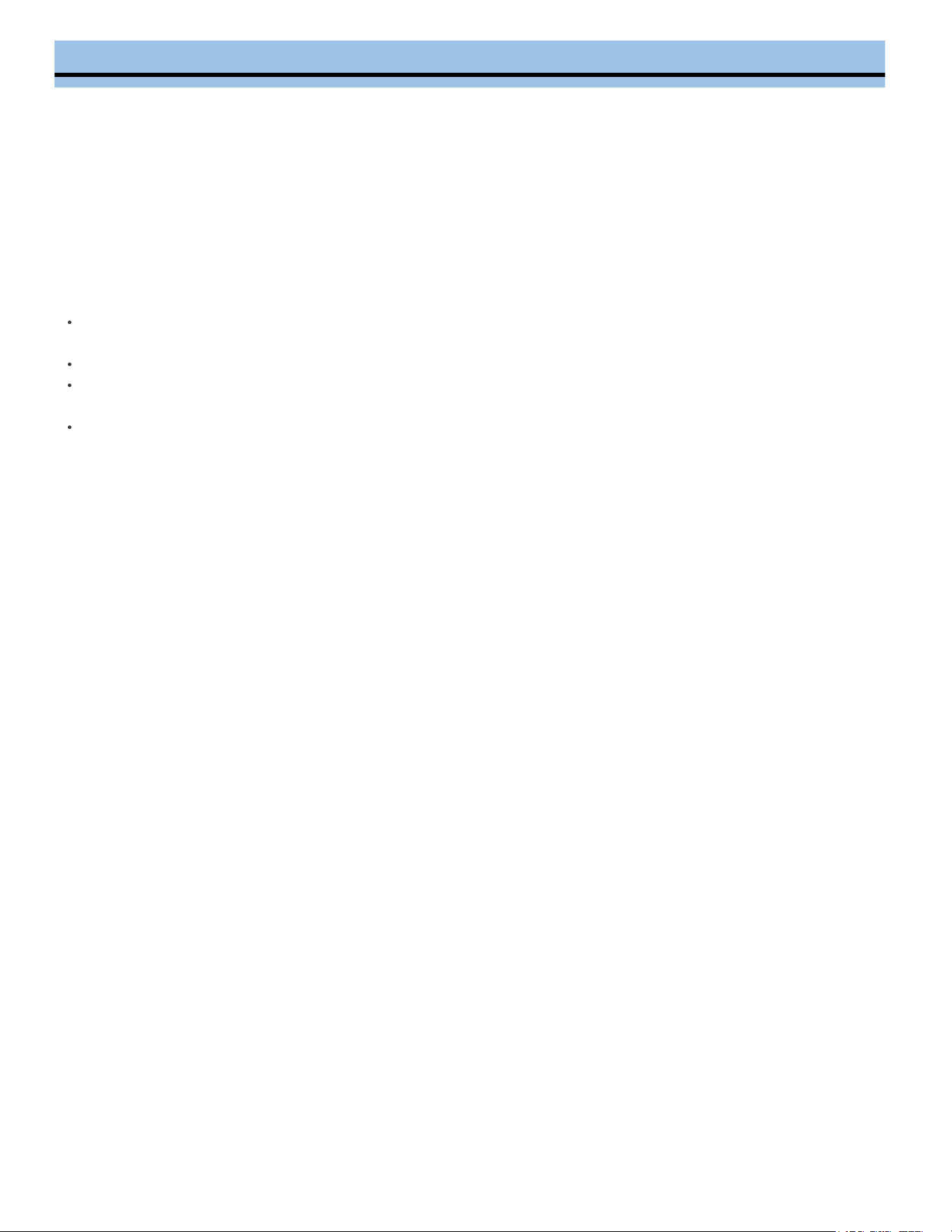
LEVELING THE REFRIGERATOR
Ensuring that the refrigerator is properly leveled is essential
for its optimal operation. You can adjust the level by
rotating each of the legs located at the bottom of the
machine. If you notice that the surface is not level, continue
adjusting the legs until the refrigerator becomes level. It
may require several adjustments to achieve the desired
level.
To ensure proper leveling, follow these steps:
Place a carpenter’s level on top of the product to check
if the refrigerator is level from front to back and side to
side.
1.
Turn the leveling legs to the right to lower that side of
the refrigerator, and turn them to the left to raise that
side of the refrigerator.
2.
DEFROSTING
Under typical ambient conditions, the refrigerator usually doesn't require defrosting. However, in colder ambient
temperatures and/or high humidity, some frost may accumulate. To defrost the refrigerator, simply set the
thermostat dial to “OFF”, and defrosting should occur within a few hours. Once defrosting is complete, return the
thermostat control knob to the desired setting. For faster defrosting, you can remove all items from inside the
cabinet, unplug the refrigerator, and leave the door open. It's important to never use a knife or any other metal
instrument to scrape ice or frost.
PLACEMENT OF YOUR REFRIGERATOR
Position the refrigerator in a dry and well-ventilated place, away from direct sunlight, heaters, and corrosive
gases or chemicals.
Clean the interior surface with lukewarm water using a soft cloth.
Place the refrigerator on a hard and level floor that is strong enough to support it when it is fully loaded.
Installing on carpet is not recommended.
If the refrigerator needs to be lifted, two or more people should move the refrigerator. Failure to do so can result
in back or other injury.
NORMAL SOUNDS
Your new refrigerator may produce sounds that are unfamiliar to you. Hard surfaces, like the floor and walls, can
amplify these sounds. Here are common sounds you may hear and their possible causes:
Rattling Noises
These noises may originate from the flow of refrigerant or the water line. Items stored on top of the refrigerator
can also contribute to rattling sounds.
Compressor Sounds
The high-efficiency compressor may emit pulsating or high-pitched sounds during operation.
Water Flow
Water running from the evaporator to the water reservoir may result in a splashing sound.
Refrigerant Circulation
At the end of each cycle, you may hear a gurgling sound caused by refrigerant flowing in the refrigerator.
Condenser Fan
You may notice the sound of air being forced over the condenser by the condenser fan.
Please note that an individual’s perception of noise is directly influenced by the environment in which the refrigerator
is situated. Our refrigerators adhere to international standards for such equipment and incorporate the latest
technical advancements. It's important to understand that some level of noise from the compressor and coolant
circulating in the system is inevitable.
POWER INTERRUPTION
If the refrigerator is unplugged, encounter power interruption, or turned off, you must wait 3 -5 minutes before
restarting the refrigerator. If attempted to restart before this time delay, the refrigerator may not start.
OPERATION
Page 9
24 cans
4 x 6
STORAGE
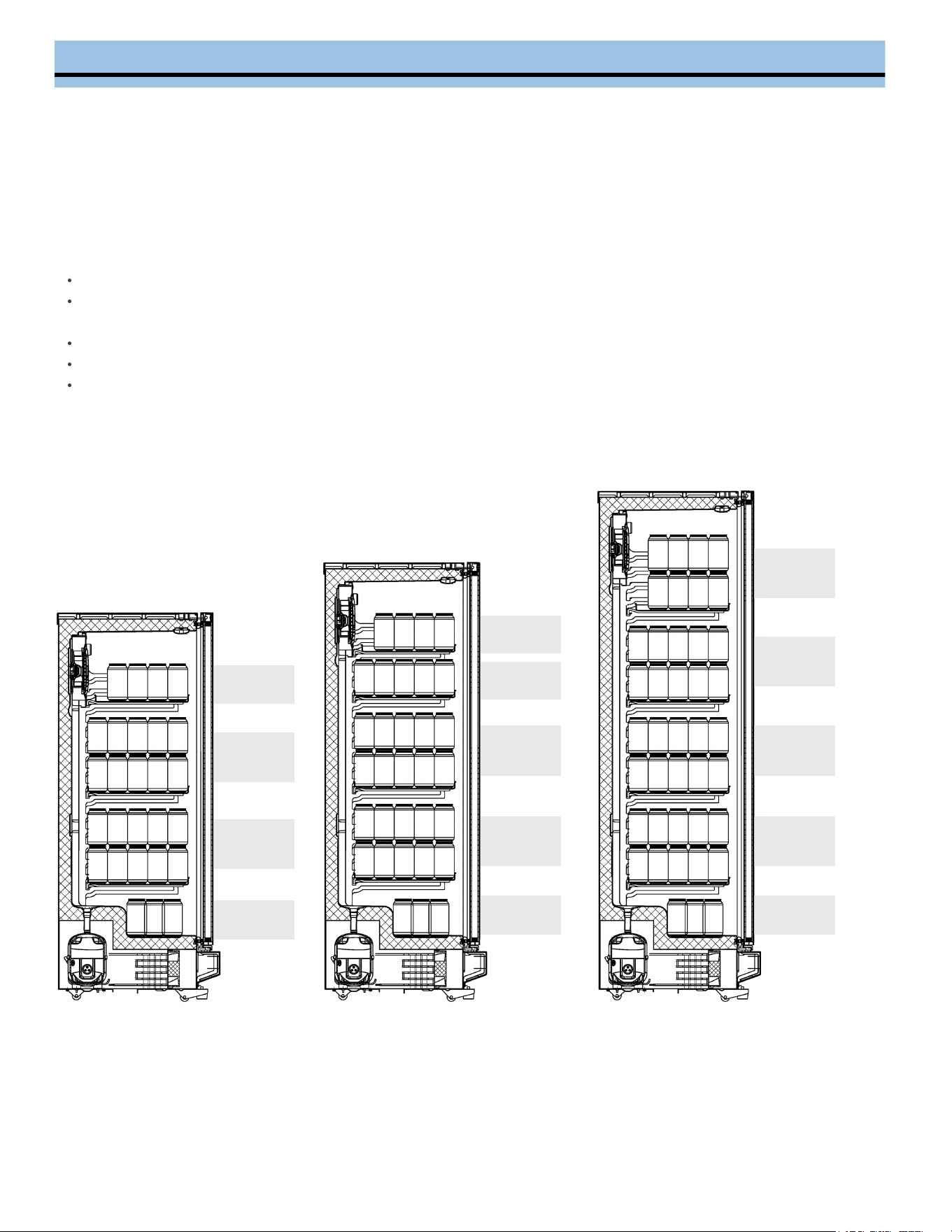
Beverage cans may vary in size and dimensions, affecting the actual number that can be stored. The beverage can
capacity is an approximate maximum when storing traditional 12 oz. cans. Other items may have different storage
requirements.
When loading the cabinet, you can arrange the items in a single row or stack them. However, it's advisable to
distribute the load throughout the refrigerator if you don't have enough items to fill it completely, to avoid
imbalanced loads.
Remove or relocate the adjustable shelves to accommodate larger cans, bottles, or other products.
Maintain small gaps between the walls and the items stored and avoid overloading the cabinet to facilitate air
circulation.
Ensure the internal cabinet fan (located on the back wall panel) is not obstructed by items stored inside.
Do not attempt to slide the shelves outwards beyond their fixed positions to prevent items from falling.
Do not pull out more than one loaded shelf at a time, as this may cause the refrigerator to tilt forward if not
properly installed.
LOADING PLAN
Page 10
1 2 3 4 5
1 2 3 4 5
1 2 3 4 5
1 2 3 4 5
1 2 3 4
1 2 3 1 2 3
1 2 3 4
1 2 3 4
1 2 3 4
1 2 3 4 5
1 2 3 4 5
1 2 3 4 5
1 2 3 4 5
1 2 3 4 5
1 2 3
1 2 3 4 5
1 2 3 4 5
1 2 3 4 5
1 2 3 4 5
1 2 3 4 5
1 2 3 4 5
CDM-710BW CDM-850BWCDM-600BW
60 cans
5 x 6
5 x 6
17 cans
6+5+6
60 cans
5 x 6
5 x 6
60 cans
5 x 6
5 x 6
60 cans
5 x 6
5 x 6
17 cans
6+5+6
30 cans
5 x 6
24 cans
4 x 6
17 cans
6+5+6
60 cans
5 x 6
5 x 6
60 cans
5 x 6
5 x 6
60 cans
5 x 6
5 x 6
48 cans
4 x 6
4 x 6
CARE AND MAINTENANCE
Page 11
PREPARING FOR STORAGE
If the refrigerator will not be used for an extended period or is to be moved to another location, it's necessary to
defrost the unit and dry the interior.
Disconnect the refrigerator from the power supply by unplugging the power plug from the wall socket.
WARNING: Do not touch the power plug with wet hands. Never unplug the unit by pulling the cord.
1.
Leave the door open to facilitate air circulation and prevent mold, mildew, and unpleasant odors.2.
CAUTION: Store the unit out of reach of children.
CLEANING YOUR REFRIGERATOR
Turn off the power, unplug the refrigerator, and remove all items including shelves.
Wipe the interior with a warm water and baking soda solution. The solution should consist of about 2
tablespoons of baking soda to one quart of water.
Clean the shelves with a mild detergent solution.
Wipe the exterior cabinet with warm water and mild liquid detergent.
Avoid using steel wool or steel brushes on the stainless steel surface, as these may cause erosion and rusting.
VACATION TIME
For short vacations lasting less than two days, leave the refrigerator operating.
For longer vacations, if the refrigerator will not be used for an extended period, remove all items, turn off the
refrigerator, and thoroughly clean and dry the interior.
MOVING YOUR REFRIGERATOR
Remove all items from inside the refrigerator.
Securely tape down (we recommend using painter’s tape) all loose items (such as shelves) inside your refrigerator.
Turn the adjustable legs up to the base to avoid damage.
Tape (we recommend using painter’s tape) the door shut.
Ensure the refrigerator remains secure in the upright position during transportation and protect the exterior with
a blanket or similar item.
ENERGY SAVING TIPS
Position the refrigerator in the coolest area of the room above 60°F (16°C) and below 90°F (32°C), away from
heat-producing refrigerators and direct sunlight.
Ensure adequate ventilation around the refrigerator. Never block the air vents.
Keep the door tightly closed and avoid frequent or prolonged opening.
Organize the contents inside the refrigerator.
Avoid overfilling the refrigerator to allow for proper air circulation.
Many common refrigerator problems are easily resolved. Try the troubleshooting suggestions below to see if the
problems can be resolved before having to contact the service department.
TROUBLESHOOTING
PROBLEM
POSSIBLE CAUSES
SOLUTIONS
The refrigerator does not operate
There is a power failure
The refrigerator is not
plugged in
A house fuse has blown or the
circuit breaker is tripped
Ensure the refrigerator is
plugged in and the power
outlet has power
Replace the broken fuse or
reset the breaker
The refrigerator is not cold
enough
The refrigerator is placed too
close to a heat source
The door is opened too often
The door is not closed
completely
The door gasket does not seal
properly
The room temperature is
outside of the normal
operating range
Items are blocking the internal
fan(s)
Adjust the temperature
Keep the refrigerator away
from sunshine or other heat
sources
Close the door tightly and do
not open the door too
frequently or for a long period
of time
Ensure the door gasket is not
loose.
Ensure the item is in an area
with temperatures above 60°F
(16°C) and below 90°F (32°C)
Ensure no items are placed
against the back internal
cabinet wall
The refrigerator turns itself on and
off frequently
The ambient (room)
temperature is too low or high
A large amount of contents
has been added to the
refrigerator
The door is opened too often
The door is not closed
completely
The fan is circulating the air in
the cabinet
The door gasket does not seal
properly
Decrease or increase the
ambient (room) temperature
To minimize internal
temperature fluctuation, do
not add large amount of
contents at once
Close the door tightly and do
not open the door too
frequently or for a long period
of time
Ensure the door gasket is not
loose
It is normal for the fan come
on and off to circulate the air
inside of the unit for even
temperature distribution and
to save energy
Page 12
Many common refrigerator problems are easily resolved. Try the troubleshooting suggestions below to see if the
problems can be resolved before having to contact the service department.
TROUBLESHOOTING
PROBLEM
POSSIBLE CAUSES
SOLUTIONS
The refrigerator makes too much
noise
The noise may come from the
flow of the refrigerant and
expansion of the inside walls
may cause popping and
crackling noises
Contraction and expansion of
the inside walls may cause
popping and crackling noises
The refrigerator is not level
It is normal that as each
cooling cycle ends, you may
hear rattling or gurgling
sounds caused by the flow of
refrigerant in the refrigerator
The high efficiency
compressor may make a
pulsating or high pitched
sound
Some popping or cracking
noises are normal as are
caused by expansion and
contraction of the inside walls
due to temperature changes
Make sure the unit is on a
hard and level surface
Do not place the refrigerator
on carpet
See Normal Sounds
The door does not close properly
The refrigerator is not level
The shelves are out of position
Make sure the refrigerator is
on a hard and level surface
Avoid placing the refrigerator
on a carpeted or soft surface
Correctly install the shelves
Condensation builds up on the
glass door
Ambient temperature or
humidity is high.
The door gasket is not sealing.
Lower the room humidity by a
dehumidifier or air
conditioner.
Ensure the door gasket is not
loose or damaged.
The unit is frosting often
The door was not closed
completely
The door gasket is not sealing
Use a screw driver to loosen
the screws to re-position the
door/hinge and tighten the
screws
Ambient temperature or
humidity is high.
Close the door tightly and do
not open the door too
frequently or for a long
period of time
The door may need to be re-
positioned
Ensure the door gasket is not
loose
Lower the room humidity with
a dehumidifier or air
conditioner
Page 13
To obtain service or information, contact
PROTECH via email at support@whynter.com
or call 866-WHYNTER.
Product contents and specifications may change without notice.
Copyright © 2024
WWW.WHYNTER.COM
ONE YEAR LIMITED WARRANTY
This PROTECH product is warranted to the original owner, purchased from an authorized PROTECH dealer
within the 48 U.S. continental states, for one year from the original purchase date against defects in material
and workmanship under normal commercial usage. Should your PROTECH product prove defective within
one year from the date of purchase, contact PROTECH’s Customer Support Team with the serial number and
proof of purchase to make a warranty claim. A Return Authorization Number must be issued before returning
any parts or products. Parts or products received without a PROTECH issued Return Authorization Number
will be refused. Under this warranty, PROTECH will repair or replace any parts found defective with new or
remanufactured parts or exchange the defective product with a new, refurbished, or remanufactured product
at our discretion. All defective products and parts covered by this warranty will be repaired or replaced on a
mail-in basis to PROTECH’s Service Center. This warranty is not transferable. After the expiration of the
warranty, the cost of labor and parts will be the responsibility of the original owner. Return freight is prepaid
by PROTECH within two months of purchase. After two months to one year, the customer will be responsible
for the return freight cost to PROTECH’s Service Center. Please package the product carefully in its original
packaging to avoid damage in transit. PROTECH is not responsible for damage resulting from shipper
mishandling or improper packaging. Please retain the original box and packaging materials.
THIS WARRANTY DOES NOT COVER:
Acts of God, such as fire, flood, hurricanes, earthquakes and tornadoes.
Improper power supply such as power surge, low voltage, defective household wiring or inadequate fuses.
Damage, accidental or otherwise, to the product while in the possession of a consumer not caused by a
defect in material or workmanship.
Damage caused by consumer misuse, tampering, lack of maintenance or failure to follow the care and
special handling provisions in the instructions.
Damage to the finish of the case, or other appearance parts caused by wear.
Damage caused by repairs or alterations to the product by anyone other than authorized by the
manufacturer.
Removal, Replacement Packaging, Freight and Insurance cost for the warranty service.
Products sold AS IS or from an unauthorized reseller.
Products that have had their serial numbers removed or defaced.
DISCLAIMER OF IMPLIED WARRANTIES; LIMITATION OF REMEDIES CUSTOMER'S SOLE AND EXCLUSIVE
REMEDY UNDER THIS LIMITED WARRANTY SHALL BE PRODUCT REPAIR OR REPLACEMENT AS PROVIDED
HEREIN. CLAIMS BASED ON IMPLIED WARRANTIES, INCLUDING WARRANTIES OF MERCHANTABILITY OR
FITNESS FOR A PARTICULAR PURPOSE, ARE LIMITED TO ONE YEAR OR THE SHORTEST PERIOD ALLOWED
BY LAW, BUT NOT LESS THAN ONE YEAR. PROTECH SHALL NOT BE LIABLE FOR CONSEQUENTIAL OR
INCIDENTAL DAMAGES SUCH AS PROPERTY DAMAGE AND INCIDENTAL EXPENSES RESULTING FROM
ANY BREACH OF THIS WRITTEN LIMITED WARRANTY OR ANY IMPLIED WARRANTY. SOME STATES AND
PROVINCES DO NOT ALLOW THE EXCLUSION OR LIMITATION OF INCIDENTAL OR CONSEQUENTIAL
DAMAGES, OR LIMITATIONS ON THE DURATION OF IMPLIED WARRANTIES, SO THESE LIMITATIONS OR
EXCLUSIONS MAY NOT APPLY TO YOU. THIS WRITTEN WARRANTY GIVES YOU SPECIFIC LEGAL RIGHTS.
YOU MAY ALSO HAVE OTHER RIGHTS THAT VARY FROM STATE TO STATE.