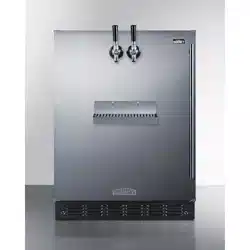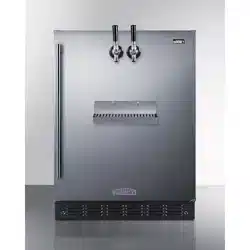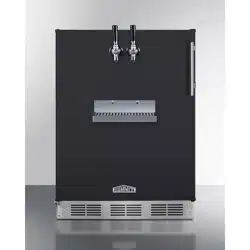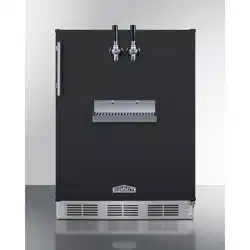
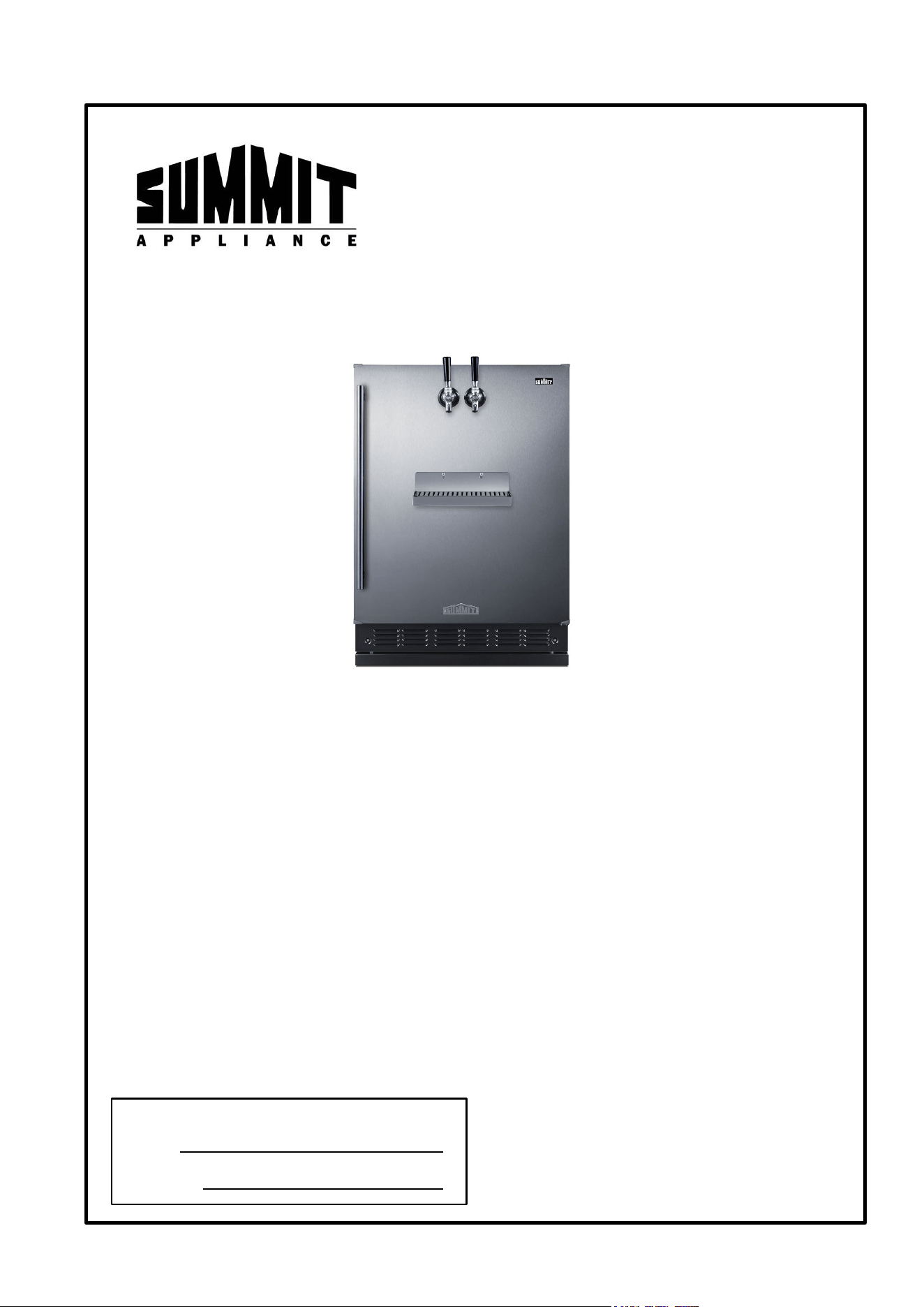
KEGERATOR WITH FRONT DISPENSING TAP(S)
Models:
SBC54OSFRTP
SBC56BGSSFRTP
SBC56GWFRTP
SBC58BSSFRTP
SBC58BLFRTP
SBC58WHFRTP
SBC56BGFRTP
SBC56GWHFRTP
SBC7BFRTP
ALBC7BFRTP
SBC7WFRTP
ALBC7WFRTP
SBC682FRTP
SBC683OSFRTP
BC3TFRTP
WBC3FFRTP
LBC24OSFRTP
BC74OSFRTP
WBC3ZOSFRTP
LBC243TFRTP
FFAR25L7FRTP
FF31L7FRTP
SBC58BFRTP
S
BC58BFRTPADA
SBC7BRSFRTP
SBC7BRSFRTPADA
SBC58BFRTPCF
SBC58BFRTPCFADA
SBC7BRSFRTPCF
SBC7BRSFRTPCFADA
Instruction Manual
BEFORE USE, PLEASE READ AND FOLLOW ALL SAFETY RULES AND OPERATING INSTRUCTIONS
Felix Storch, Inc.
An ISO 9001:2015 registered
company
770 Garrison Ave Bronx,
New York 10474
www.summitappliance.com
Write Model and Serial Numbers here:
Model:
Serial No.

2
Table of Content
Important Safeguards 3 – 5
Location of Parts & Accessories 6
Installation Instructions 7 – 11
Before Using Your Appliance 7
Installing Your Appliance 7
Electrical Connection 8
Extension Cord 8
Reversing the Door Swing 9
Door Handle Installation 9
Installing the Casters 10
Adjusting the Tilt 10
Leg Shield 10
Installing the Front Tap Kegerator 11
Beer Kegs and Keg Tappers 11 – 12
Assembling the CO
2
Regulator and CO
2
Tank 11
Installing the CO
2
Tank 12
Installing the Beer Keg 12
Coffee and Wine Keg Tappers 13 – 15
Assembling the N
2
Canister 13
Installing the Cold Brew Coffee Tap Kits 13 – 14
Installing Wine Keg Tap on Single Barrel Type Keg 15
Operating Your Appliance 16 – 20
Temperature Control 16 – 17
Mechanical Thermostat 16
Digital Thermostat 16 – 17
Defrosting Your Appliance 17
Care and Maintenance 18
Cleaning Your Appliance 18
Power Failure 18
Vacations 18
Moving Your Appliance 18
Energy-Saving Tips 18
Troubleshooting 19 – 20
Limited Warranty 24
3
Your safety and the safety of others are very important.
Before the unit is used, it must be properly positioned and installed as
described in this manual, so read the manual carefully. To reduce the
risk of fire, electrical shock or injury when using the appliance, follow
basic precautions, including the following:
• Plug into a grounded 3-prong outlet. Do not remove grounding prong, do not use
an adapter, and do not use an extension cord.
• It is recommended that a separate circuit, serving only your unit, be provided. Use
receptacles that cannot be turned off by a switch or pull chain.
• Never clean appliance parts with flammable fluids. These fumes can create a fire
hazard or explosion. And do not store or use gasoline or other flammable vapors and
liquids in the vicinity of this or any other appliance. The fumes can create a fire hazard
or explosion.
• Before proceeding with cleaning and maintenance operations, make sure the power
line of the unit is disconnected.
• Do not connect or disconnect the electric plug when your hands are wet.
• Unplug the appliance or disconnect the power before cleaning or servicing. Failure
to do so can result in electrical shock or death.
• Do not attempt to repair or replace any part of your unit unless it is specifically
recommended in this material. All other servicing should be referred to a qualified
technician.
• This appliance is CFC- and HFC-free and contains small quantities of Isobutane
(R600a) which is environmentally friendly, but flammable. It does not damage the
ozone layer, nor does it increase the greenhouse effect. Care must be taken during
transportation and setting up of the appliance that no parts of the cooling system are
damaged. Leaking coolant can ignite and may damage the eyes.
In the event of any damage:
–
Avoid open flames and anything that creates a spark.
–
Disconnect from the power source.
–
Air the room in which the appliance is located for several minutes.
–
Contact the Service Department for advice.
• The more coolant there is in an appliance, the larger the room in which it should be
installed. In the event of a leakage, if the appliance is in a small room, there is the
danger of combustible gases building up. For every ounce of coolant, at least 325 cubic
feet of room space is required. The amount of coolant in the appliance is stated on the
data plate inside the appliance. It is hazardous for anyone other than an Authorized
Service Person to carry out servicing or repairs to this appliance.
• Take serious care when handling, moving, and using the appliance to avoid either
damaging the refrigerant tubing or increasing the risk of a leak.
• Replacing component parts and servicing shall be done by factory-authorized service
personnel so as to minimize the risk of possible ignition due to incorrect parts or
improper service.
IMPORTANT SAFEGUARDS
4
• Use two or more people to move and install the unit. Failure to do so can result in back or other injury.
• To ensure proper ventilation for your appliance, the front of the unit must be completely
unobstructed. Choose a well-ventilated area with temperatures above 60
°
F (16
°
C) and below
90
°
F (32
°
C). This unit must be installed in an area protected from the elements, such as wind,
rain, water spray, or drips.
• The appliance should not be located next to ovens, radiators, or other sources of high heat.
• The appliance must be installed with all electrical connections in accordance with state and local
codes. A standard electrical supply (115V AC only, 60 Hz), properly grounded in accordance with
the National Electrical Code and local codes and ordinances, is required.
• Do not kink or pinch the power supply cord of the appliance.
• The fuse (or circuit breaker) size should be 15 amperes.
• It is important for the unit to be leveled in order to work properly. You may need to make several
adjustments to level it.
• Never allow children to operate, play with or crawl inside the unit.
• Do not use solvent-based cleaning agents or abrasives on the interior. These cleaners may
damage or discolor the interior.
• Do not use this apparatus for other than its intended purpose.
WARNING! Keep ventilation openings, in the appliance enclosure or in the built-in
structure, clear of obstruction.
WARNING! Do not use mechanical devices or other means to accelerate the defrosting
process, other than those recommended by the manufacturer.
WARNING! Do not damage the refrigerant circuit. This will also prevent pollution.
Do not store explosive substances such as aerosol cans with a flammable propellant in
this appliance.
WARNING! This appliance is intended to be used in household and similar applications
such as
–
staff kitchen areas in shops, offices, and other working environments.
–
farmhouses and by clients in hotels, motels, and other residential-type environments.
–
bed and breakfast type environments.
–
catering and similar non-retail applications.
WARNING! If the supply cord is damaged, it must be replaced by the manufacturer, its
service agent, or similarly qualified persons in order to avoid a hazard.
Risk of child entrapment!
Child entrapment and suffocation are not problems of the past. Junked or abandoned
units and freezers are still dangerous, even if they will “just sit in the garage a few days.”
Before you throw away your old unit or freezer: Take off the doors. Leave the
shelves or drawers in place so that children may not easily climb inside.
Never allow children to operate, play with, or crawl inside the appliance.
THIS APPLIANCE IS NOT INTENDED FOR USE BY YOUNG CHILDREN OR INFIRM
PERSONS UNLESS THEY HAVE BEEN ADEQUATELY SUPERVISED BY A
RESPONSIBLE PERSON TO ENSURE THAT THEY CAN USE THE APPLIANCE SAFELY.
YOUNG CHILDREN SHOULD BE SUPERVISED TO ENSURE THAT THEY DO NOT PLAY
WITH THE APPLIANCE.

5
WARNING: CO
2
cylinders contain high-pressure gas which can be hazardous if not
handled properly. Make sure you READ and UNDERSTAND the following procedures for
CO
2
cylinders BEFORE installation.
1. ALWAYS connect the CO
2
cylinder to a regulator. Failure to do so could result in an
explosion with possible death or injury when the cylinder valve is opened.
2. NEVER connect the CO
2
cylinder directly to the product container. Doing so will result in
an explosion causing possible death or injury.
3. ALWAYS follow correct procedures when cylinders are changed.
4. ALWAYS secure the cylinder in an upright position with a chain.
5. NEVER drop or throw a CO
2
cylinder.
6. ALWAYS keep a CO
2
cylinder away from heat. Store extra cylinders in a cool place
(preferably 70°F). Securely fasten with a chain in an upright position when storing. NEVER
place cylinders in direct sunlight or where the temperature could rise above 130°F.
7. ALWAYS ventilate and leave the area immediately if CO
2
gas leakage has occurred.
NEVER enter a closed area where leakage may have occurred without making certain it
has been ventilated.
8. ALWAYS check the D.O.T. test date on the cylinder neck before installation. If over five
(5) years, do not use, return cylinder to gas supplier.
9. NEVER connect a product container unless there are two (2) safeties in the pressure
system:
(a) one at or on the CO
2
regulator
(b) one at or on the product coupler or in the pressure gas line
10. CO
2
Regulators are delicate instruments and should be checked constantly for creeping,
sluggishness, damaged gauges, or any unusual behavior. If any of these symptoms occur
discontinue use immediately and return the regulator to the supplier or manufacturer
CAUTION: Failure to connect the regulator by properly following these instructions may
result in leaks explosions, asphyxiation, and cause serious personal injury or death.
- SAVE THESE INSTRUCTIONS -
6
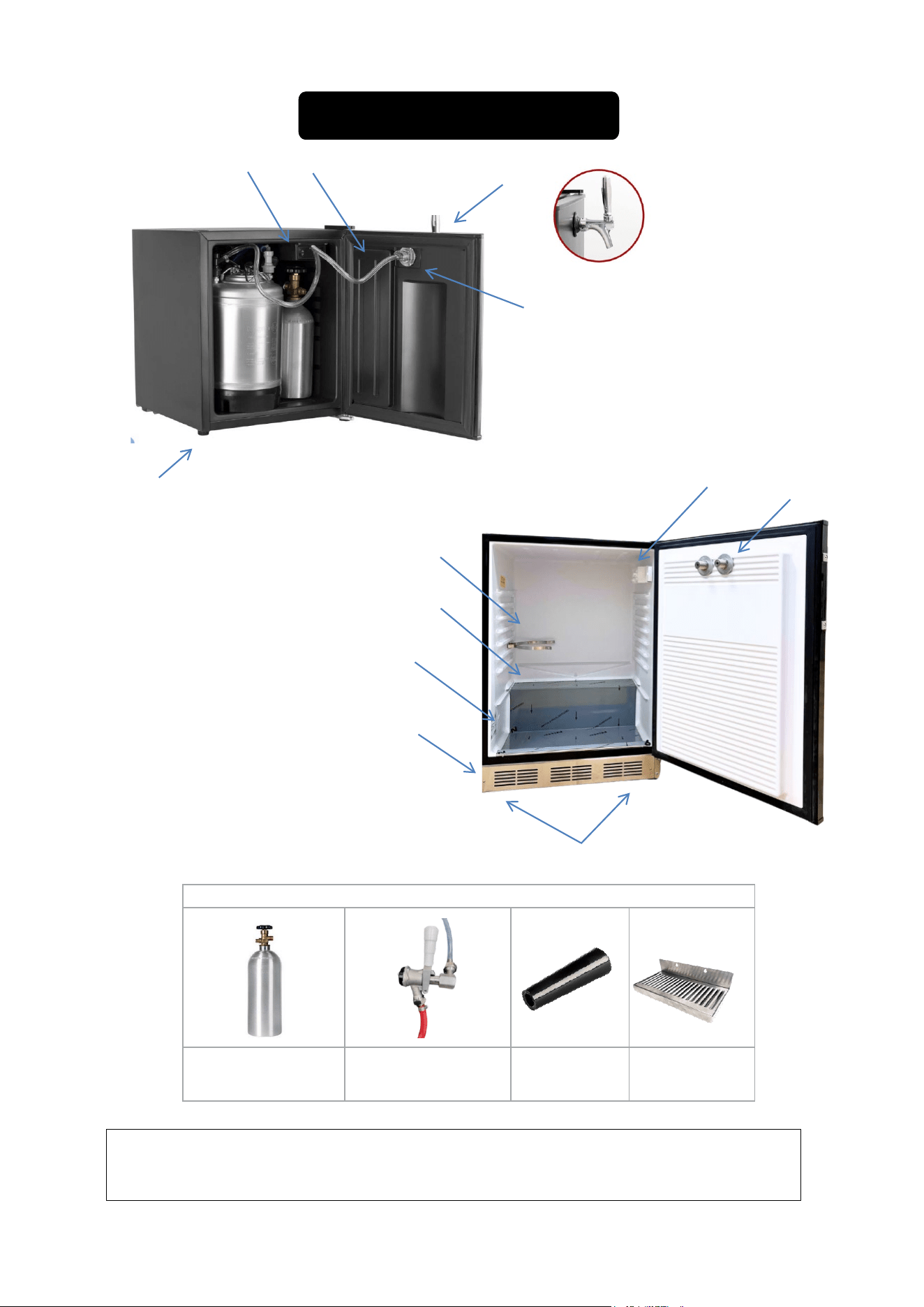
Accessories Included with the Unit
CO
2
/N tank
(empty)
Coupler or Ball & Lock
(pre-assembled)
Beer Tap Handle(s)
Drip Tray
Location of Parts
Compressor Step
Temperature Control Dial
(thermostat)
and Interior Light
Leveling/Adjustable Legs
CO
2
/N Tank Holder
Front Ventilation
S
lots (kick plate)
Adjustable Legs
Digital Control Panel
Shank
Hose
Faucet
Leg Shield
Shank
Note: This user manual is prepared for more than one model. Some of the features specified in
the manual may not be available in your appliance. Specifications are subject to change without
notice.
7
Before Using Your Appliance:
• Remove the exterior and interior packing.
• Before connecting the unit to a power source, let it stand for approximately 2 hours.
This will reduce the possibility of a malfunction in the cooling system from handling
during transportation.
• Remove the shelves and clean them and the interior surfaces of the unit with
lukewarm water using a soft cloth.
Installing Your Appliance:
1. Place the unit on a floor that is strong enough to support it when the appliance is fully
loaded. To level the unit, adjust the two leveling legs at the front.
2. This appliance is designed for freestanding use or recessed installation in a 24- inch
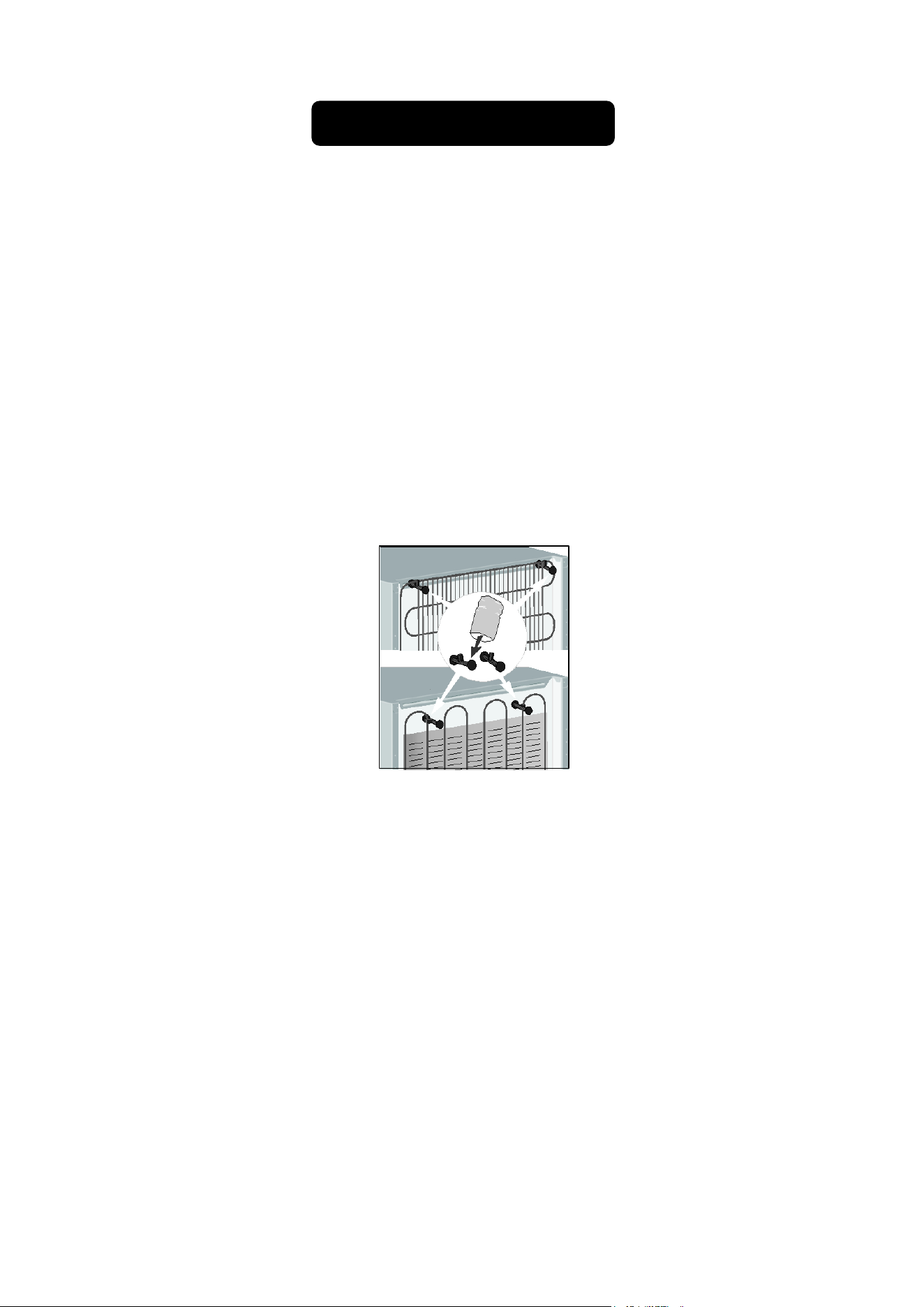
wide (minimum) opening. Please allow 2" clearance in the back and some airflow on the
sides and top of the units. The bottom grill must never be covered or blocked. If rear
spacers are provided with your specific model, they must be installed.
3. This appliance is supplied with spacers which must be mounted onto the condenser
tube at the back to make sure there is sufficient clearance between the appliance and
the wall.
4. Locate the unit away from direct sunlight and sources of heat (oven, heater, radiator,
etc.). Direct sunlight may affect the acrylic coating and heat sources may increase
electrical consumption. Extremely cold ambient temperatures may also affect the unit's
performance.
5. Avoid locating the unit in moist areas. Too much moisture in the air will cause frost to
form quickly on the evaporator, requiring more frequent defrosting of the interior.
6. Plug the unit into an exclusive, properly installed, and grounded wall outlet. Any
questions concerning power and/or grounding should be directed toward a certified
electrician or authorized service center.
Installation Instructions
8
Electrical Connection:
• This unit should be properly grounded for your safety. The power cord of this unit is equipped with a three-
prong plug which mates with a standard three-prong wall outlet to minimize the possibility of electrical shock.
• Do not under any circumstances cut or remove the third ground prong from the power cord supplied. For
personal safety, this appliance must be properly grounded.
• This unit requires a standard 115-volt AC/60Hz electrical outlet with three-prong ground. Have the wall outlet
and circuit checked by a qualified electrician to make sure the outlet is properly grounded. When a standard 2-
prong wall outlet is encountered, it is your responsibility and obligation to have it replaced with a grounded 3-
prong wall outlet.
• To prevent accidental injury, the cord should be secured behind the unit and not left exposed or dangling. The
unit should always be plugged into its own individual electrical outlet which has a voltage rating that matches
the rating label on the appliance. This provides the best performance and prevents overloading house wiring
circuits that could cause a fire hazard from overheated wires. Never unplug the unit by pulling on the power
cord.
• Always grip the plug firmly and pull straight out from the receptacle. Repair or replace immediately any power
cord that has become frayed or otherwise damaged. Do not use a cord that shows cracks or abrasion damage
along its length or at either end.
• When moving the unit, be careful not to damage the power cord.
Extension Cord:
Do not use an extension cord with this appliance. If the power cord is too short, have a qualified electrician or service
technician install an outlet near the appliance.
Improper use of the grounded plug can result in the risk of electrical shock. If the power cord
is damaged, have it replaced by the manufacturer, its service agent, or similarly qualified
persons in order to avoid a hazard.
9
Reversing the Door Swing:
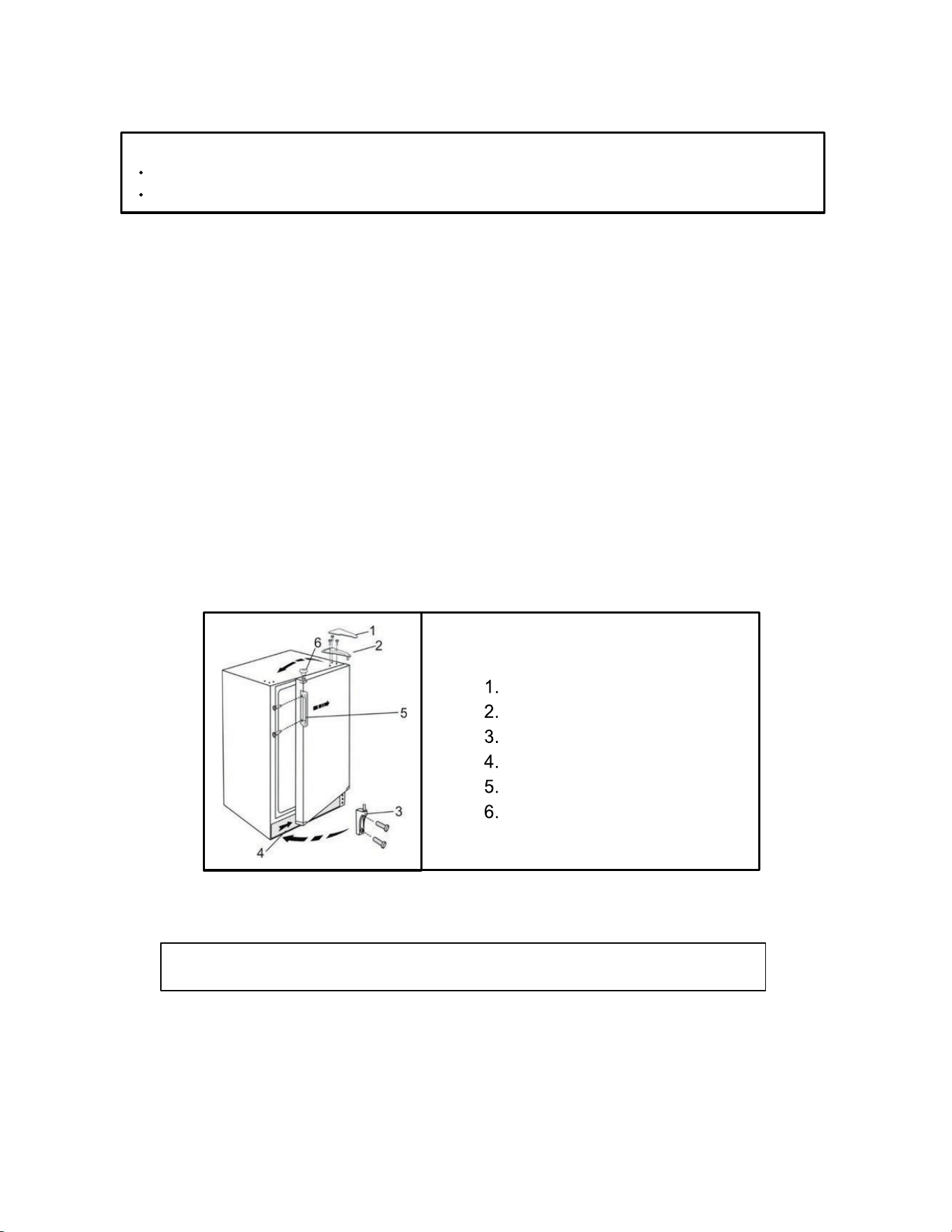
If you find the direction of opening the door of the appliance inconvenient, you can change it. Holes on the
opposite side have already been prepared at the factory.
This appliance can be opened from either the right side or the left. By default, the door hinge is on the right
side. If you prefer it on the left, please follow these instructions:
1.
Take off the upper hinge cover from the door and remove the screws that hold the top hinge.
2.
Lift the hinge straight up to free the hinge pin from the socket at the top of the door.
3.
Lift the door up and away to free its bottom socket from the hinge pin.
4.
Remove the screws to the bottom hinge.
5.
Remove the decorative caps from the opposite side and plug the holes from the original side with the
decorative caps.
6.
Move the bottom hinge to the opposite side and tighten the screws. Use any lock washers or nuts if they
were used in the original installation.
7.
Replace the door with the hinge pin on the bottom hinge. Place the top hinge pin into the door.
Insert screws into the top hinge and tighten.
Door Handle Installation:
The door has two screw holes on each side, allowing you to install a handle (included). To do so, align
the handle with the screw holes on the side you prefer. Fix the handle in place with the included screws,
then cover the screw heads with the handle seal (included).
NOTE: Some units ship with a stainless steel handle that does not require user-
installation. Units that are panel-ready do not include a handle.
Upper Hinge Cover
Upper Hinge
Lower Hinge
Kick Plate
Handle
Fastener at the corner with hole
NOTE:
If your unit’s handle is positioned horizontally, you do not need to change the handle placement.
Some units’ doors may not be user reversible.
10
Installing the Casters (optional):
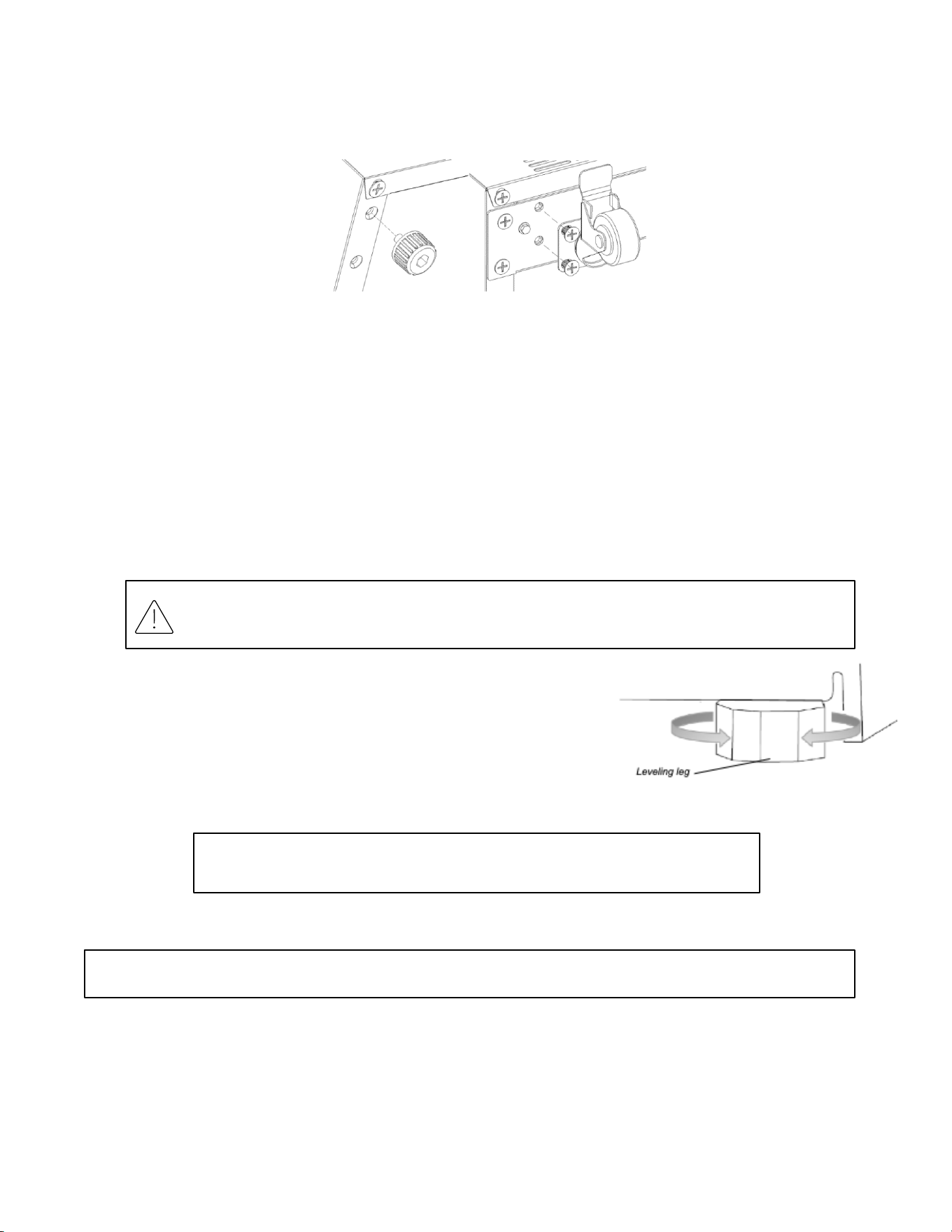
1. Remove everything from the cabinet and lay the unit on a clean, dry, and padded surface.
2. Remove the four feet at the bottom of the unit as shown, install caster into the holes and tighten with a
Phillips screwdriver.
3. The two casters equipped with locks should be installed on the front of the unit.
4. Once all four casters are attached, return the kegerator to an upright position. Allow the unit to sit for 8-10
hours before plugging in to allow the refrigerant to settle.
Adjusting the Tilt:
If your beer cooler seems unsteady or you would like the door to close more easily, you can use
the leveling legs to adjust the tilt of the unit.
Be sure that the unit is in its final position when adjusting the tilt and that it is plugged into a
grounded 3-prong outlet.
WARNING:
Two or more people are required to move and/or install the refrigerator. Failure to do so may
cause back or other injury.
• Turning a leveling leg to the right will lower the appliance toward the
position of the leg. Likewise, turning to the left will raise the unit away
from the leg.
• Several turns of the leveling legs may be required before the tilt of the
appliance is properly adjusted.
• Turning both front legs an equal amount to the left will tilt the kegerator
towards the rear. This adjustment makes it easier for the door to close.
Note: It is easier to adjust the leveling legs if someone else pushes against the
top of the appliance to take the weight off the legs.
Leg Shield:
Note: Some models include a leg shield meant to cover the exposed legs and the gap from the bottom of your
unit to the floor for a cleaner look. This feature may not be available on all appliances.
11
Installing the Front Tap Kegerator:
The unit comes pre-assembled by the manufacturer for easy installation. Users only need to connect the
coupler to the beer keg.
If using an N
2
Tank:
1. Attach the ball and lock connector to the keg by pushing it down firmly on to the keg.
If using a CO
2
Tank:
1. Attach the coupler to the keg by pressing down firmly then twist till secured in place.
2. Lift the keg by the handles and tilt it until the base aligns with the cabin floor.
3. Push into place.
4. Arrange the tubing behind the keg to allow the door to close properly.
5. Screw the tap handle(s) onto the beer taps.
6. Attach the drip tray to the screws on the front door.
Beer Kegs and Keg Tappers:
Your kegerator cooler comes with a double tap and will accommodate two “Sixth Barrel” kegs, also known
as “sixtels” or “logs”. Each sixtel has a height of 23-3/8” and a diameter of 9-1/4” and hold 5.16 gallons of
beer. Two Cornelius (“Corny”) kegs will also fit. The unit will not hold a half barrel or quarter barrel, although
it can take one “Slim Quarter” barrel.
The Sankey type keg tappers supplied with the kegerator are the most widely used in the United
States.
However, other types of keg tappers can be used. Before installing a keg tapper, check with your beer
distributor to make sure that the Sankey type keg tapper can be used.
If you need keg tappers other than the Sankey type, it is recommended that you purchase the tappers you
need from your beer distributor. Please keep the Sankey type keg tappers for future use. The Sankey
system is becoming more popular. It may be purchased from our sales department at (800) 932-4267.
Assembling CO
2
Regulator and CO
2
Tank:
Note: Your CO
2
cylinder is shipped empty to avoid any possible accidents during
transportation. When you purchase the first keg of beer, have your beer distributor
fill the CO
2
cylinder. You must read and understand the following procedures for
CO
2
cylinders before installation:
1. Install the CO
2
gas line tube to the regulator by attaching one end of the red tube to the hose
connection on the CO
2
regulator.
2. Secure the tube by using one of the self-locking black plastic snap-on clamps.
3. Insert a special washer into the regulator-to-cylinder attachment nut.
4. Attach the CO
2
regulator to the CO
2
cylinder by screwing the regulator nut onto the cylinder valve and
tightening it with an adjustable wrench.
5. Remove the bolt with the nut from the cylinder retainer. Using two screws, attach it inside the unit on
the left side of the back wall. Holes are pre-drilled, and screws are included.
6. Slide the cylinder through the retainer and secure it with the bolt and the nut. Position the cylinder this
way so that you will be able to read the numbers on the gauges and easily access the shut-off valve.
Note: Refer to the care and maintenance section of this manual for important
instructions on how to clear the beer line, located on page 18.
12
Installing the CO
2
Tank:
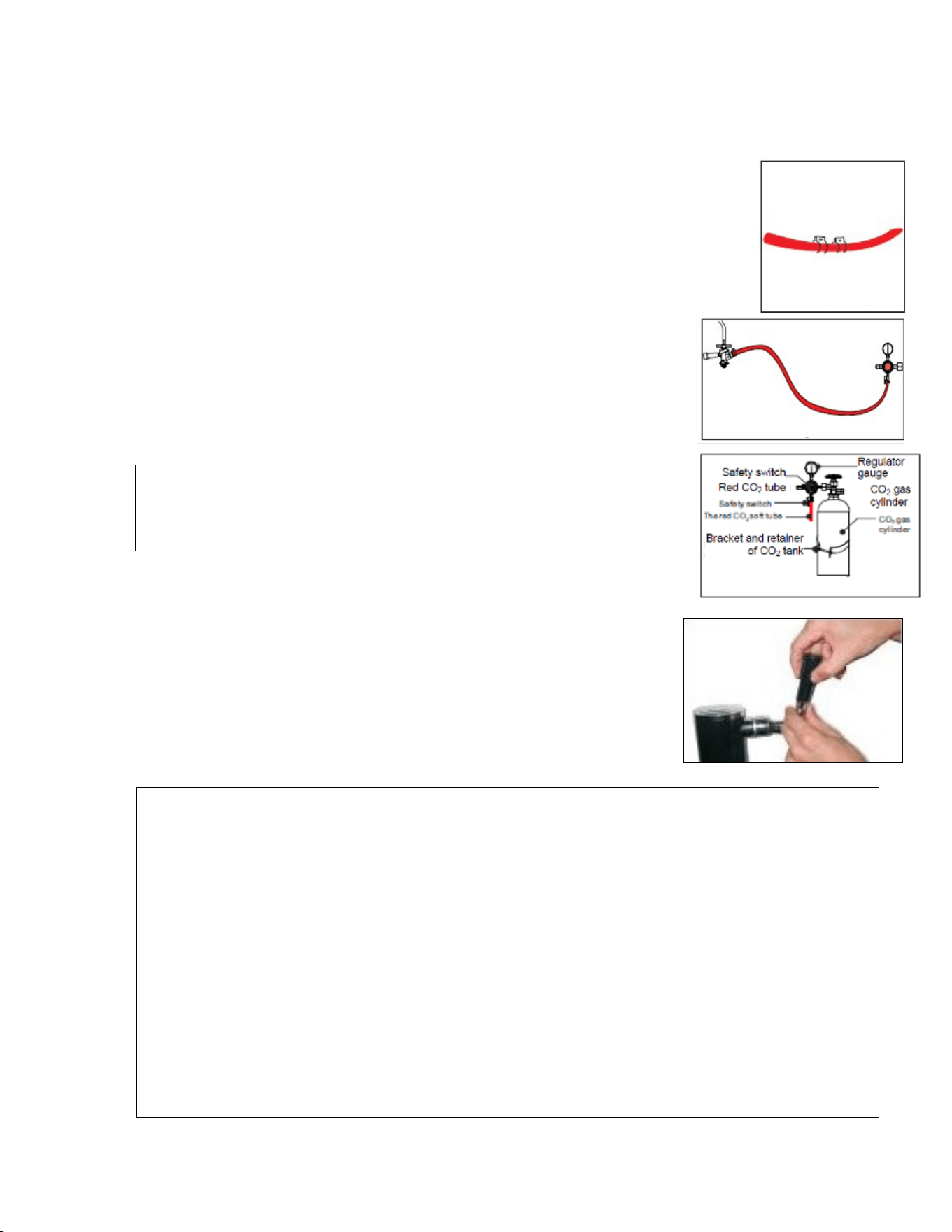
1. Install CO
2
gas cylinder and CO
2
regulator valve (for beer):
a. Remove the protective covering from the coupler’s gas line.
b. Fix the two CO
2
hose clamps on the red CO
2
tube. (See Figure 1)
c. Connect the ends of the red CO
2
tube respectively to the CO
2
intake port of the
coupler and the
round outlet of the CO
2
regulator valve. Lock these connections firmly
with the two clamps on the red CO
2
tube. (See Figure 2)
d. Using the wrench, tighten the CO
2
regulator table valve with the hex nut port to the gas
outlet of the CO
2
tank. (See Figure 3)
Installing the Beer Keg:
1. Place the CO
2
tank and CO
2
regulator valve
component into the cabinet and fix
the CO
2
tank
with tank bracket and retainer. (See Figure 3)
Note:
Some units can hold 2 one-sixth barrel kegs, but not a full-size keg. Place the
beer keg into the cabinet and firmly connect the keg’s opening to the connection
port of the coupler.
a. Hold the keg by the handles and move it to the front of the open beer
dispenser.
b. Raise bottom edge of the keg, aligning it to the edge of the cabinet.
c. Lift the keg to the same level of the cabinet floor.
d. Push the keg into
place.
e. Arrange the hose(s) behind the keg, this will help the door to close properly.
2. Screw the tap handle on to the beer tap. (See Figure 4)
Note:
• When replacing the beer keg, first turn off the safety switch on the CO
2
regulator valve and
remove the coupler to take out the keg.
• When replacing the CO
2
gas cylinder, remember to turn off the main switch of the CO
2
gas
cylinder and the safety switch on the CO
2
regulator valve. Afterward, use a wrench to loosen the
hexagonal nut port connecting the CO
2
regulator valve with the CO
2
tank. Then, using a wrench,
remove the fixed bolt of the CO
2
tank to take out the CO
2
tank.
• During the installation process, be sure that all parts are connected tightly and that there are no
gas leaks.
• When connecting the hose to the connection port, you can dip the ends into warm water to make
the connection easier.
• If the high-pressure compressed gas in the CO
2
tank is not handled properly, it could be
dangerous:
• Make a note of the D.O.T. testing date on the cylinder neck before installation. If it is more than 5
years old, do not use the product. Return it to the gas supplier.
• Keep gas cylinders away from heat sources. Unused cylinders should be placed upright in a cool,
ventilated place (preferably at 70°F).
Figure 1
Figure 2
Figure 3
Figure 4
13
Coffee and Wine Tappers:
Assembling the N
2
Canister:
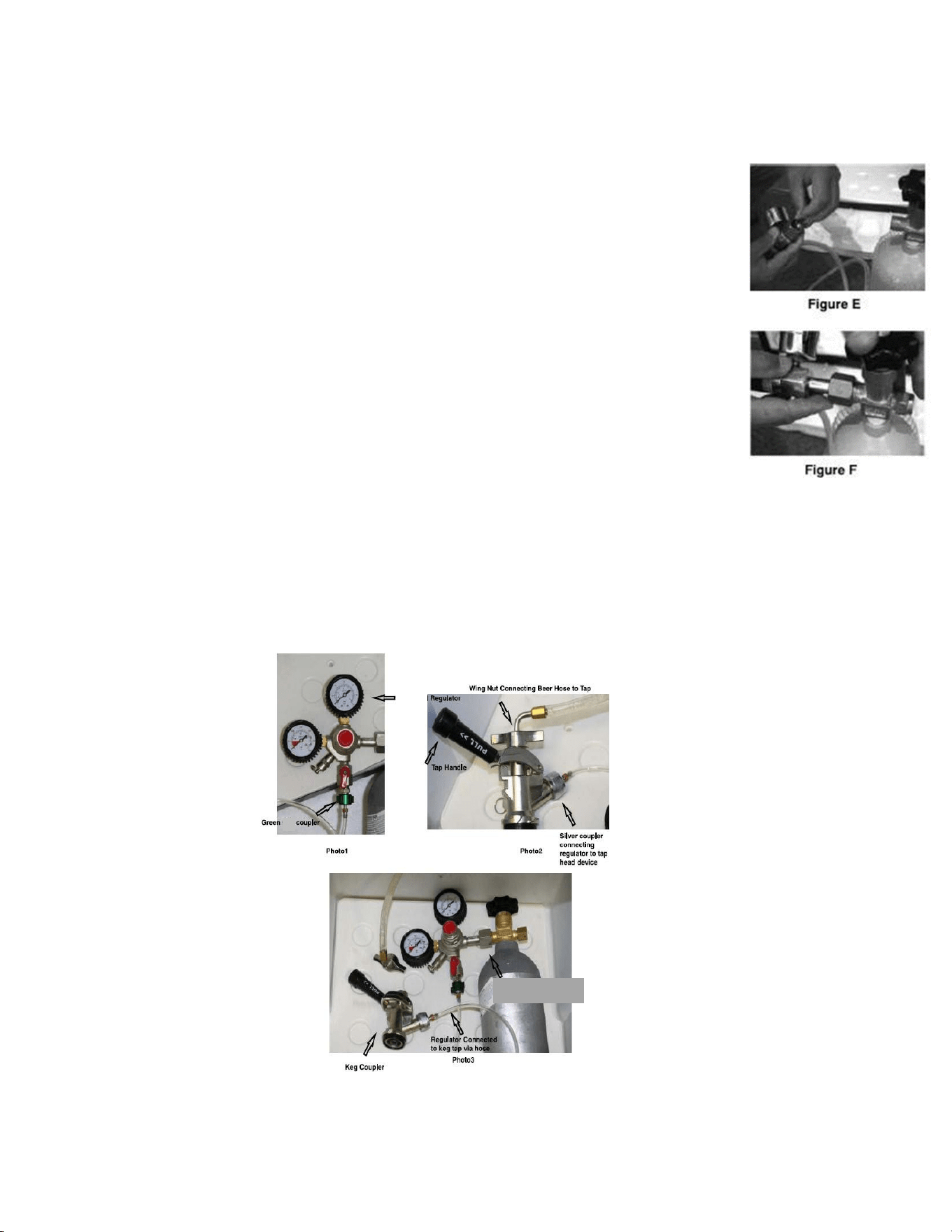
1. Insert the end of the gas line with the green coupler onto the bottom end of the regulator.
(See Figure D and Photo 1). Secure the line to the regulator by tightening the green
coupler. Secure the gas line by tightening the green coupler.
2. Insert the black rubber washer into the attachment nut into the regulator and connect the
regulator to the gas canister valve. Tighten with an adjustable wrench (not provided). DO
NOT OVERTIGHTEN. (As shown in figure E)
3. Attach the NO2 gas line to the regulator outlet nipple and secure it with a clamp.
4. Secure the canister with the rubber restraining strap (on side of the wine keg dispenser
cabinet) as shown in Figure D. Be sure to situate the canister so that the gauges are easily
readable and shut-off valves are easily accessible.
SPECIAL PRECAUTIONS: Ensure that the safety devices for your pressurized system are
installed and remain installed. Once installed, NEVER remove the rubber washers in the
regulator attachment nut to the canister or in the tap mechanism. NEVER bypass these safety
features.
Failure to comply will void your warranty and could result in serious injury or death!
Gas Regulator & Tap Connection Examples:
PLEASE NOTE: Your gas hose comes equipped and assembled with coupling connections for the regulator
(green coupler) and the tap connection (silver coupler). The photos below show correct connections.
Installing the Cold Brew Coffee Tap Kits:
Flat Iced Coffee Kits: KitCF KitCFTWIN
Nitro-Infused Coffee Kits: KitNCF KitNCFTWIN
Combination Flat/Nitro Kit: KitCMTWIN
Gas Dual
gas
Regulator connected
to gas tank
14
Note: This user manual is prepared for more than one model. Some of the features specified in the manual may
not be available in your appliance, but most details should correspond to other kegerators as well.
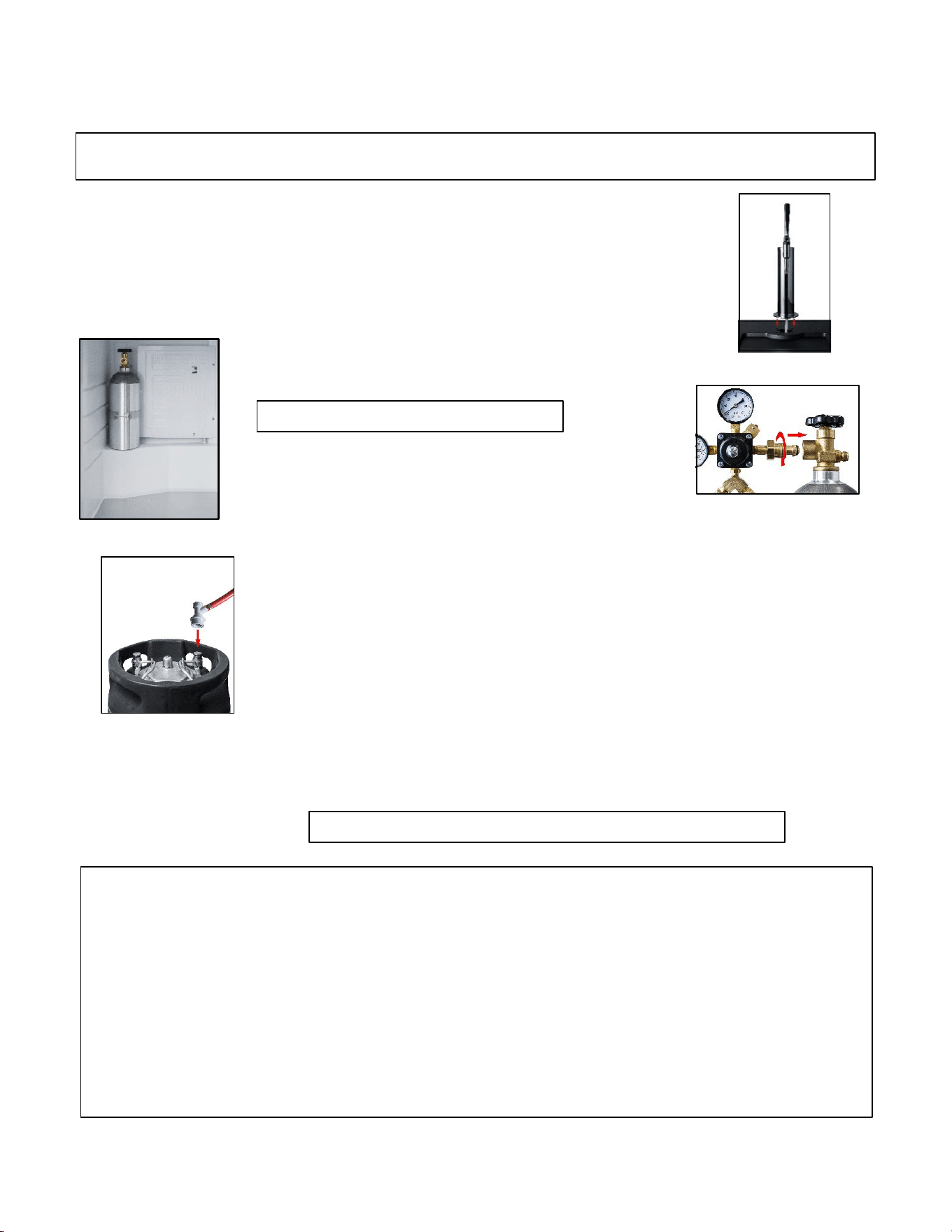
1. Put draft tower directly over the hole on the top of the coffee dispenser’s upper
surface. Fix the tower assembly with screws directly to the upper surface of the
dispenser. (See Figure 1)
2. Using a wrench, tighten the hex nut port on the regulator valve to the N
2
gas
outlet on the N
2
gas cylinder. (See Figure 2)
a. Place the N
2
gas cylinder into the bracket on the rear wall of
the kegerator’s inside cabinet and fix the N
2
gas
cylinder
with the bolt. (See Figure 3)
Note: Some units do not include a bracket.
4. Carefully place the keg inside the kegerator. Attach the coffee tube from the tower to the
“out” post of the of the Cornelius keg by pushing the ball lock down over the “out” post until
it snaps in place. (See Figure 4)
5. Attach the N
2
tube to the “in” post of the Cornelius keg by pushing the ball lock down
over the “in” post unit it snaps on.
6. Set the desired pressure on the regulator valve. If serving flat iced coffee, open the
regulator valve and set the pressure between 4-8 psi. If serving nitro-infused coffee, set
the pressure between 30-45 psi.
7. Install the tap handle(s) and coffee tap(s). Screw the tap handle clockwise into the
coffee tap to make a firm connection, then connect the tap to the coffee tower
components and tighten with a wrench.
Note: If serving nitro-infused coffee, agitate the keg before serving.
Notes:
• These taps are designed for dispensing coffee and should not be used for milk or any other substance.
• When replacing the coffee keg, first turn the safety switch on the N
2
regulator valve and remove the ball locks
to take out the keg.
• When replacing the N
2
gas cylinder, remember to turn off the main switch of the N
2
tank and the safety switch
on the N
2
regulator valve. Afterwards, use a wrench to loosen the hexagonal nut port connecting the N
2
regulator valve with the N
2
tank. Then, using a wrench, remove the fixed bolt of the N
2
tank.
• During the installation process, be sure that all parts are connected tightly and that there are no gas leaks.
• High-pressured compressed gas in the N
2
tank can be dangerous if not handled properly. For optimum safety,
make a note of the D.O.T. testing date on the cylinder neck before installation. If it is more than 5 years old,
do not use.
• Keep the gas cylinder away from heat sources. Unused cylinders should be placed upright in a cool, ventilated
place, preferably at 70°F.
Fig. 3
Fig. 4
Fig. 2
Fig. 1
15
Installing Wine Keg Tap on Single Barrel Type Keg:
This wine dispenser's coupler is compatible only with a single 1/6 barrel keg, although a second untapped
keg can be stored behind the tapped keg to keep it cold. Each 1/6 barrel keg holds approximately 5
gallons of wine.
To Tap the Wine Keg:
1. First be sure that the black dispenser handle is pushed up, indicating an
untapped keg (See Figure 1). Also, make sure the tower dispenser (on top of
the wine dispenser) is closed before starting the tap-to-keg connection.
2. Connect the other end of the NO2 pressure tubing to the NO
2
pressure inlet
nipple on the keg coupler and secure it with a clamp. Insert the keg coupler
mechanism into the top of the keg and lock it into the lugs with a one-quarter
clockwise turn (See Figure 2 & Figure 3).
3. Open the NO
2
cylinder valve by turning the knob counterclockwise, open it all
the way to be sure there are no leaks. Then, set the pressure between 5-7 psi,
this accommodates most wine kegs. After the pressure is set, tighten the
locknut to prevent tampering with the setting.
4. Connect the wine line wingnut to the keg coupler and tighten it.
5. Turn the shut-off lever down to allow the gas to flow.
6. To finalize the connection, pull the black tap handle out and push it down
until it clicks securely. There will be an audible click, indicating that the gas
and wine have been opened and your keg is tapped. (See Figure 4)
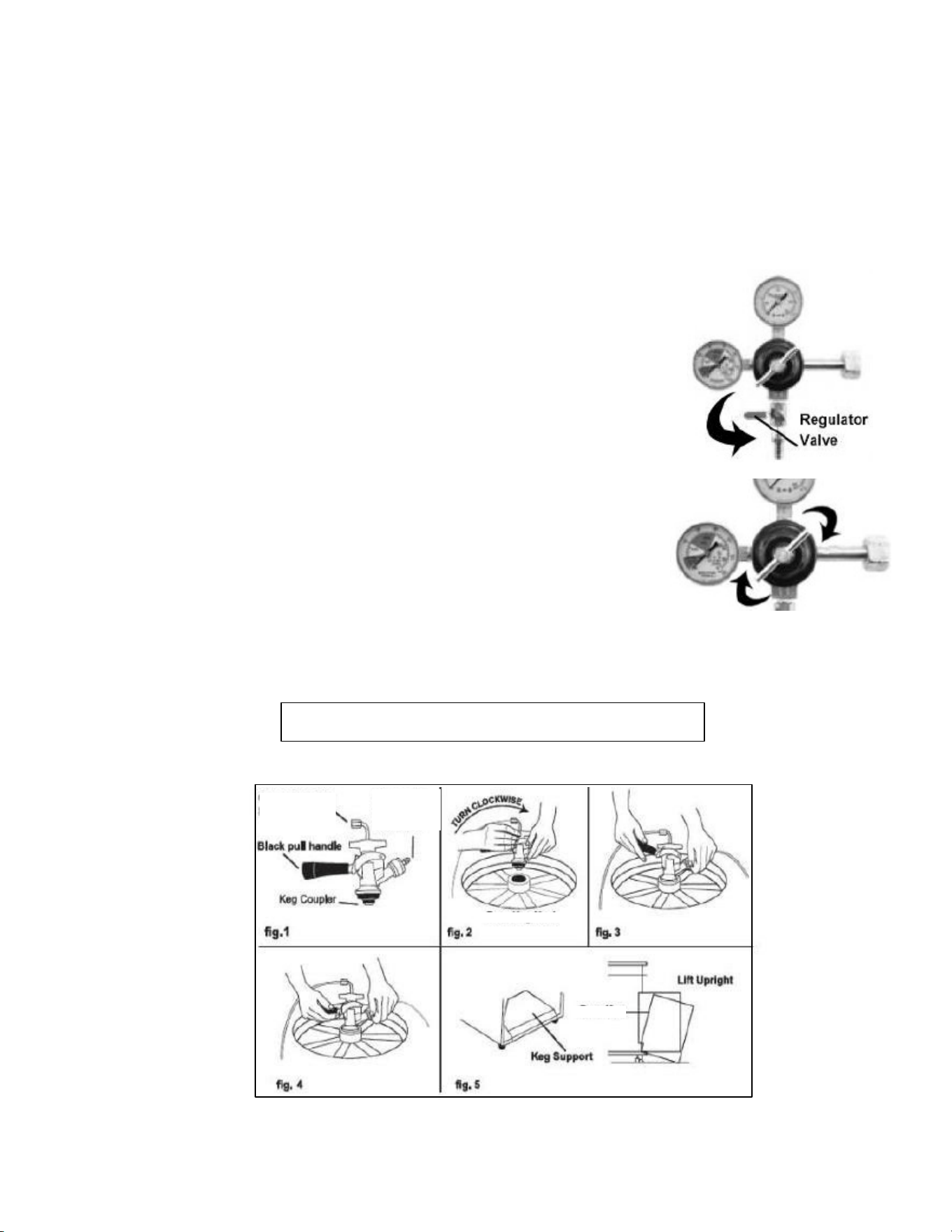
7. Open the regulator valve (top right photo) and open the valve on the gas
tank.
8. Carefully, tilt the keg onto the cabinet using the keg support (See Figure 5) and position slowly into the
cabinet body until the door can close. HANDLE CAREFULLY. Do not jostle or bang keg on the gas
canister.
Wine Keg Neck
Wine Keg
Connect
to Gas
Line
Connect to
the Wine
Line Tube
Note: The left regulator gauge indicates total tank press.
16
Temperature Control:
Your appliance may have a mechanical (dial) or digital thermostat. Listed below are instructions for both mechanical
and digital thermostats.
Mechanical (dial) Thermostat (on some models):
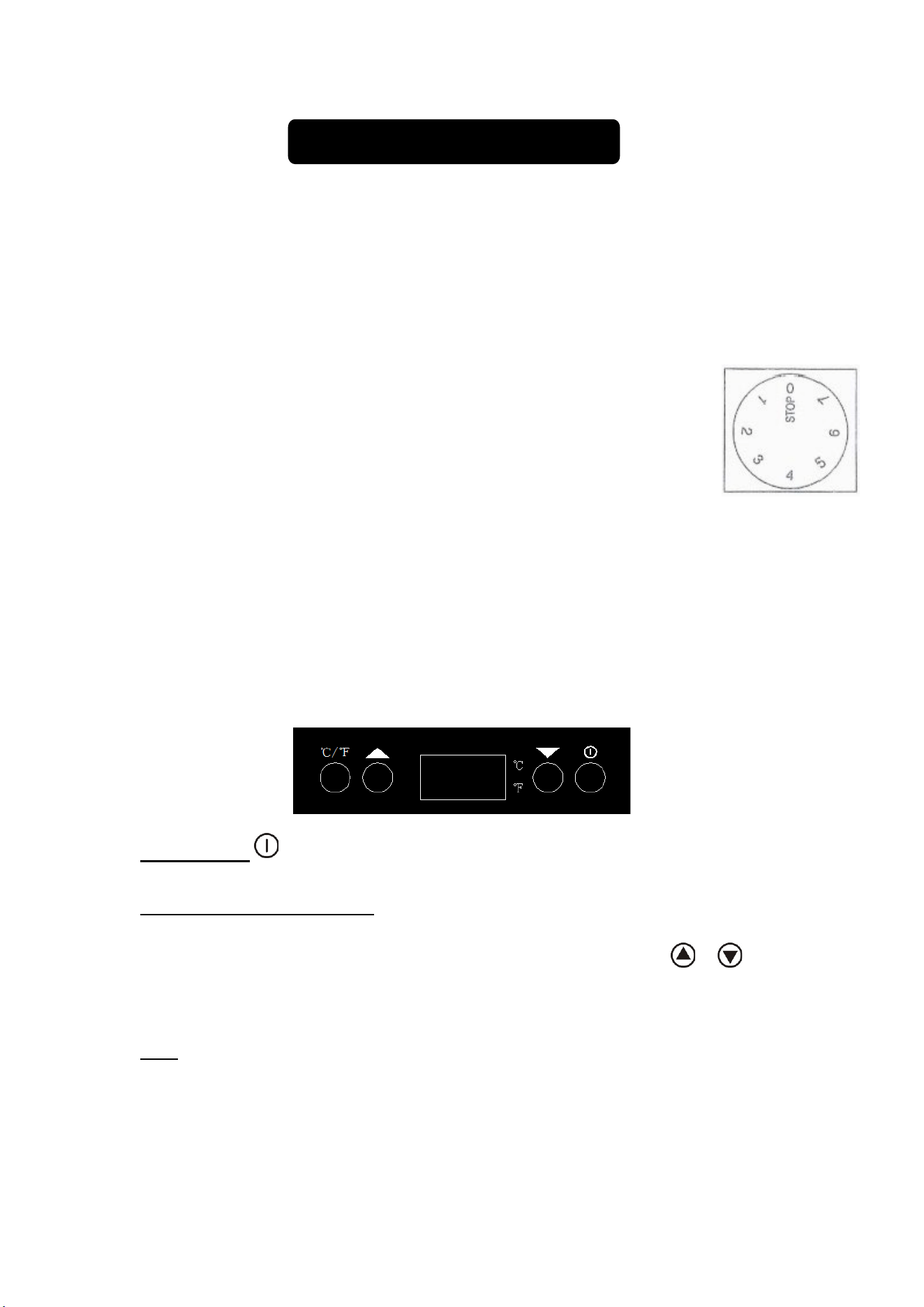
• The interior temperature is controlled with a thermostat knob located inside the unit,
towards the upper right-hand corner. Turn the knob clockwise from the STOP (0)
position toward the higher numbers for colder temperatures. Higher settings on the
knob (higher numbers) mean lower temperatures (colder) inside the unit.
• On the coldest settings, temperatures in some spots inside
• the cabinet may drop below 32°F. Use higher thermostat settings only when required or
recommended. When the ambient temperature is normal, we recommend a medium
setting.
• Changes in the ambient temperature affect the temperature inside the Unit so choose
an appropriate setting of the thermostat knob, depending on ambient conditions.
• In the STOP (0) position, the appliance does not operate (the cooling system is switched off), yet the power supply
is not interrupted (the light still works).
• The temperature inside the unit also depends on how often you open the door.
• In all small units without interior fans, temperatures are coldest near the bottom, and occasionally near the rear.
Place contents accordingly. It is best not to operate these units mostly empty. If temperatures are erratic, try
putting some water bottles inside to create a load for the compressor.
Digital Thermostat (standard on SBC682/3, WBC/BC3, LBC/BC series)
ON/OFF Power
To turn the appliance on or off, press and hold the ON/OFF button for 3 seconds.
Setting the temperature Control
• Adjustable temperature: 1°C to 20°C (34°F to 68°F)
• Set the desired cooling temperature by pressing the corresponding button or . Each depression of
the buttons will raise or lower the temperature setting by 1 degree. The temperature selected will flash in
the LED display for approximately 5 seconds, then revert to displaying the temperature of the cabinet
interior.
°C/°F
This unit has the option of displaying temperatures in either Celsius or Fahrenheit. To change the setting,
press the °C/°F button.
Operating Your Appliance
17
Digital Thermostat (standard on FFAR25L7 and FF31L7 series)
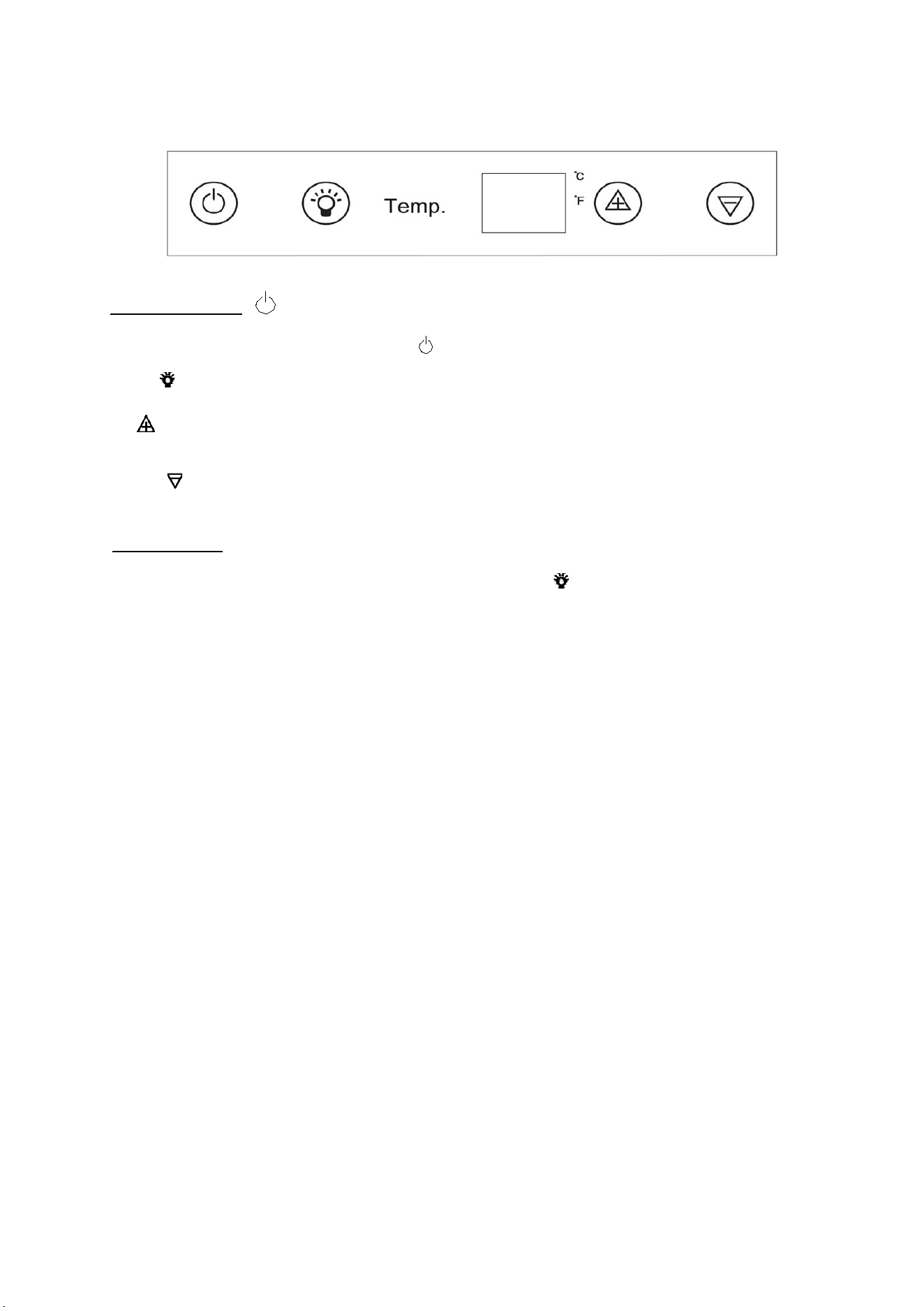
ON/OFF PO
WER
To turn the appliance ON or OFF, press the button/mark and hold for 3 seconds.
LIGHT
To turn the inner light ON and OFF.
UP
Used to raise (warm) the set temperature by 1°F/°C.
DOWN
Used to lower (cool) the set temperature by 1°F/°C.
ºF/ºC S
elector
Choose to display temperature setting in Fahrenheit or Celsius. To change the temperature from
Fahrenheit to Celsius or from Celsius to Fahrenheit, press the button for at least 5 seconds.
Setting the Temperature Control
• You can set the temperature by pressing the UP and DOWN buttons. When you press either of the two buttons
for the first time, the LED readout will show the original temperature set previously. (The temperature preset at
the factory is 38°F, or 3°C.)
• The temperature you are setting will increase by one degree each time you press the UP
• button and will decrease by one degree each time you press the DOWN button.
• The range of the temperature control is from 34°F to 43°F.
• To view the set temperature at any time, press the UP or DOWN button. The set temperature will flash in the
display window for 5 seconds. After 5 seconds, the temperature inside the unit will reappear in blue in the
display window.
Defrosting Your Appliance:
This appliance operates with an automatic defrost system, so the unit defrosts itself. While the
compressor is operating, ice will build up along the cold rear wall (the evaporator plate is behind
the wall). During the compressor’s off-cycle, ice will melt, drip down, collect in the trough at the
bottom, and drain through a small hole into a tray above the compressor, where the
compressor’s heat will evaporate the water. If you notice excessive ice build-up on the rear wall,
try adjusting the thermostat to a slightly warmer setting. Be sure that the door gasket is sealing
well and that there is no obstruction of the drain hole at the bottom rear of the interior cabinet.
18
Cleaning Your Appliance:
1. Unplug the appliance, turn the thermostat to STOP (0), and remove all contents, including
shelves and crisper.
2. Wash the inside surfaces with a solution of lukewarm water and vinegar. Wipe dry with a clean,
soft cloth.
3. Wash the shelves and crisper with a mild detergent solution, then rinse and dry thoroughly.
4. Wash the outside cabinet with a solution of warm water and mild liquid detergent. Rinse well and
wipe dry with a clean, soft cloth.
5. Wring excess water out of the sponge or cloth before cleaning the area of the temperature
control or any electrical parts.
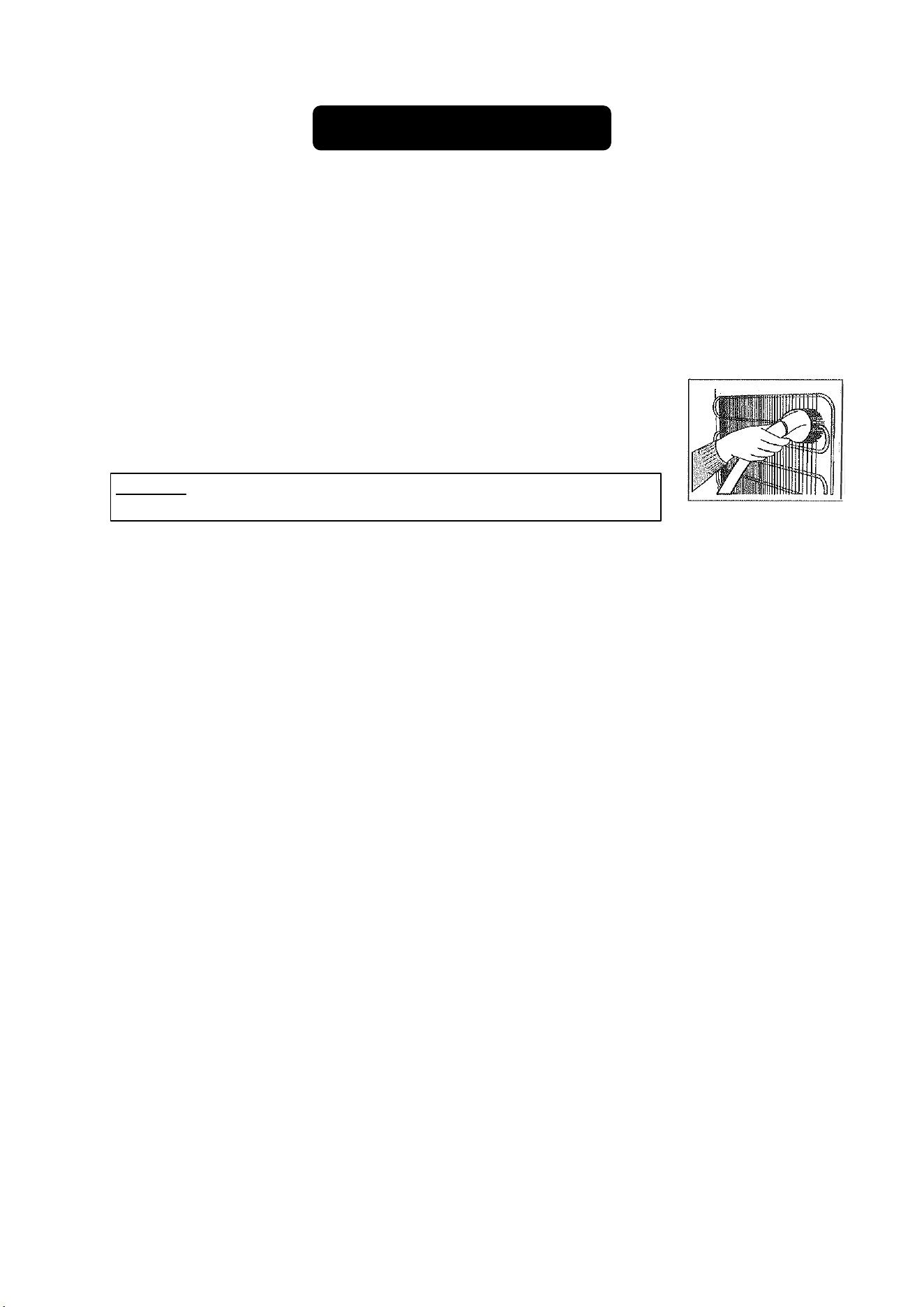
6. From time to time, wipe the condenser on the back wall with a soft non-metallic
brush or vacuum cleaner.
7. After you have cleaned the appliance, reconnect it to the power supply, reset
the thermostat and return all contents to their place.
CAUTION: Failure to unplug the unit before cleaning or maintenance could
result in electrical shock or personal injury.
Power Failure:
Most power failures are corrected within a few hours and should not affect the temperature of
your appliance if you minimize the number of times the door is opened. If the power is going
to be off for a longer period of time, you need to take the proper steps to protect your chilled
items.
Vacations:
During long absences, remove all contents. Unplug the appliance, clean it, and leave the door
open slightly to avoid possible formation of condensation, mold, or odors.
Moving Your Appliance:
1.
Remove the contents.
2. Securely tape down all shelving inside the unit.
3. Turn the leveling legs up to the base to avoid damage.
4. Tape the door shut.
5. Be sure the appliance stays secure in the upright position during transportation.
Energy-Saving Tips:
• The unit should be in the coolest area of the room, away from heat-producing appliances or heating ducts,
and out of direct sunlight.
• Try not to open the door too often, especially when the weather is damp and hot. Once you open the door,
close it as soon as possible.
• Occasionally check if the appliance is sufficiently ventilated (adequate air circulation behind the appliance).
• Set the thermostat from higher to lower settings as soon as possible (depending on how loaded the
appliance is, ambient temperature, etc.).
• Before loading items into the unit, be sure they have cooled to ambient temperature.
Care and Maintenance
19
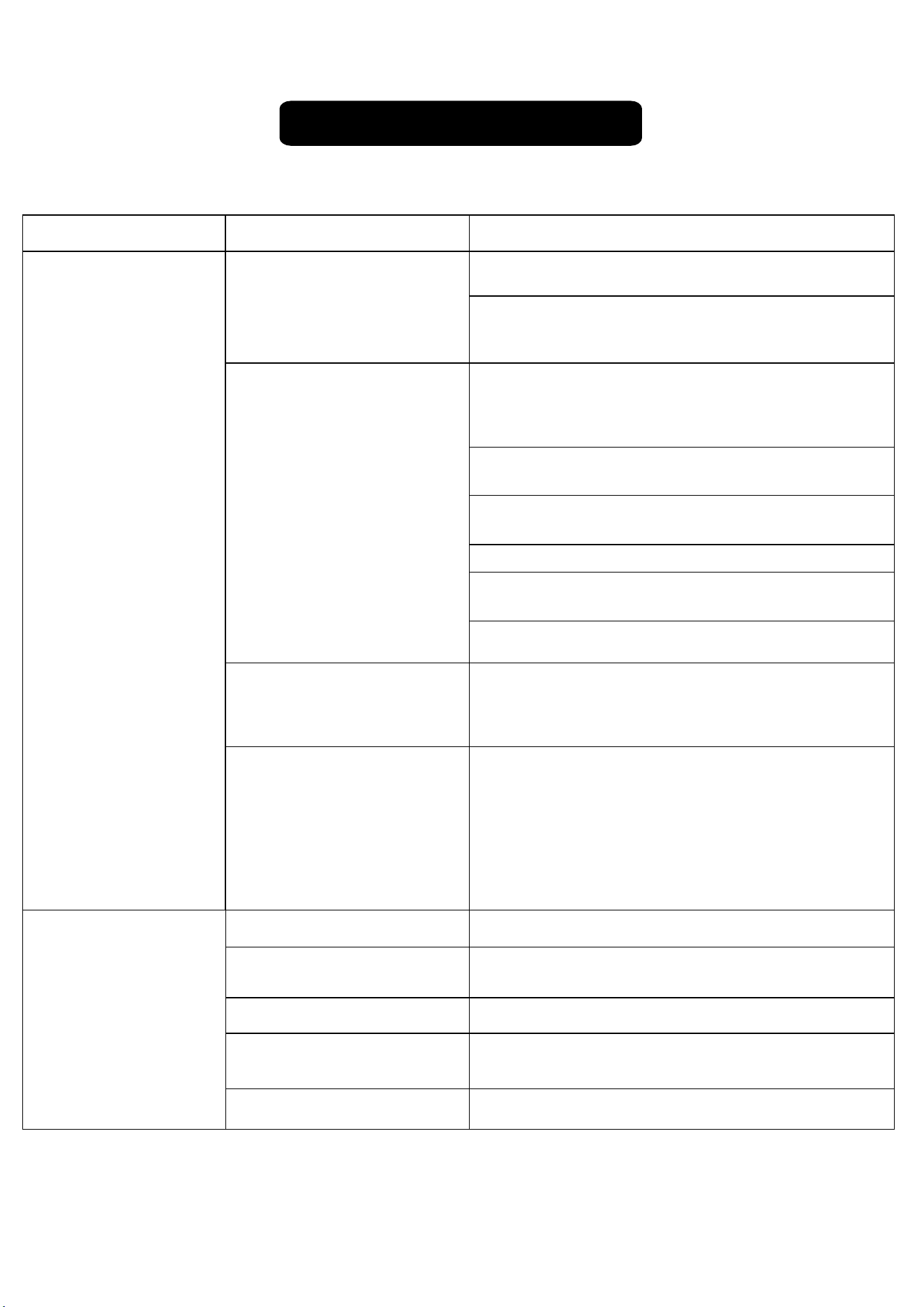
When using this appliance, you may come across some problems that in many cases result from improper handling and can
easily be eliminated.
Problem
Cause
Correction
Beer is cloudy: The beer in
the glass appears hazy and
not clear.
Excessively low temperatures may
cause hazy or cloudy beer,
particularly when the beer lies in
the cold
coil for long periods of
time.
Drain a few ounces before drinking.
Raise the temperature setting of the unit.
Glasses may not have been
cleaned properly.
Do not wash beer glasses together with glasses that contain
milk or any other fatty substance. An excessive amount of
germicide build
-up may also leave a fatty film, which will
cause the beer to go flat.
It is preferable to steam and sterilize glasses where health
laws permit.
Wash glasses thoroughly with a good detergent to remove all
fatty substances (e.g., lipstick).
Do not use soap.
Do not wipe the glasses dry. Permit glasses to air-dry by
placing them on a wire rack or
corrugated metal sheet.
Rinse the glasses in fresh cold water just before serving beer.
It is best to serve beer in a wet glass.
Improper drawing of beer into
glass
Open the faucet quickly and completely; proper foam should
be a tight creamy
head. The collar on the average glass
should be ¾" to 1" high. Beer drawn without a head has the
appearance of being flat.
Not enough pressure
Increase the pressure if the beer runs too slowly. The correct
flow should fill a 10
-oz glass in 4 seconds (approx. 8 oz of
liquid). Check the pressure source to determine whether
there are obstructions in the airline. Replace a sluggish air
source or
the CO
2
regulator and gauge. The tank pressure
must always be higher than the pressure used on the keg.
Always apply pressure to the keg before drawing beer.
The beer comes out warm
and foamy.
The beer is too warm
Adjust the temperature in the unit to make the beer colder.
Wrong CO
2
pressure
If the pressure is too high, the beer will come out foamy.
Keep the pressure range between 10
-12 PSI.
Dirty or damaged beer line
The beer line needs to either be cleaned or replaced.
Probe washer is missing or
damaged
If the probe washer is damaged or missing, the beer will
come out foamy every time. Replace it as soon as possible.
Too much time between service
Pour and discard the first cup of beer at the beginning of
service to refreshen the beer line.
Draft Beer Troubleshooting
20
CALIFORNIA CARB/SNAP DISCLOSURE
This product uses eco-friendly hydrocarbon refrigerant and fully complies with California CARB
regulations.
However, we are required by California Law to provide the following disclosure statement in every
product sold in California.
"This equipment is prohibited from use in California with any refrigerants on the 'List of Prohibited Substances' for
that specific end-use, in accordance with California Code of Regulations, title 17, section 95374. This disclosure
statement has been reviewed and approved by Felix Storch, Inc. and Felix Storch, Inc. attests, under penalty of
perjury, that these statements are true and accurate."
This product does not use any refrigerants on the 'List of Prohibited Substances'"
If you have checked the tables above and find that you still need help with your appliance, call our Customer
Service facility at 800-932-4267 (ext. 513) between 9:00 AM and 5:00 PM ET or visit
www.summitappliance.com/support at any time. We will do our best to answer your questions.
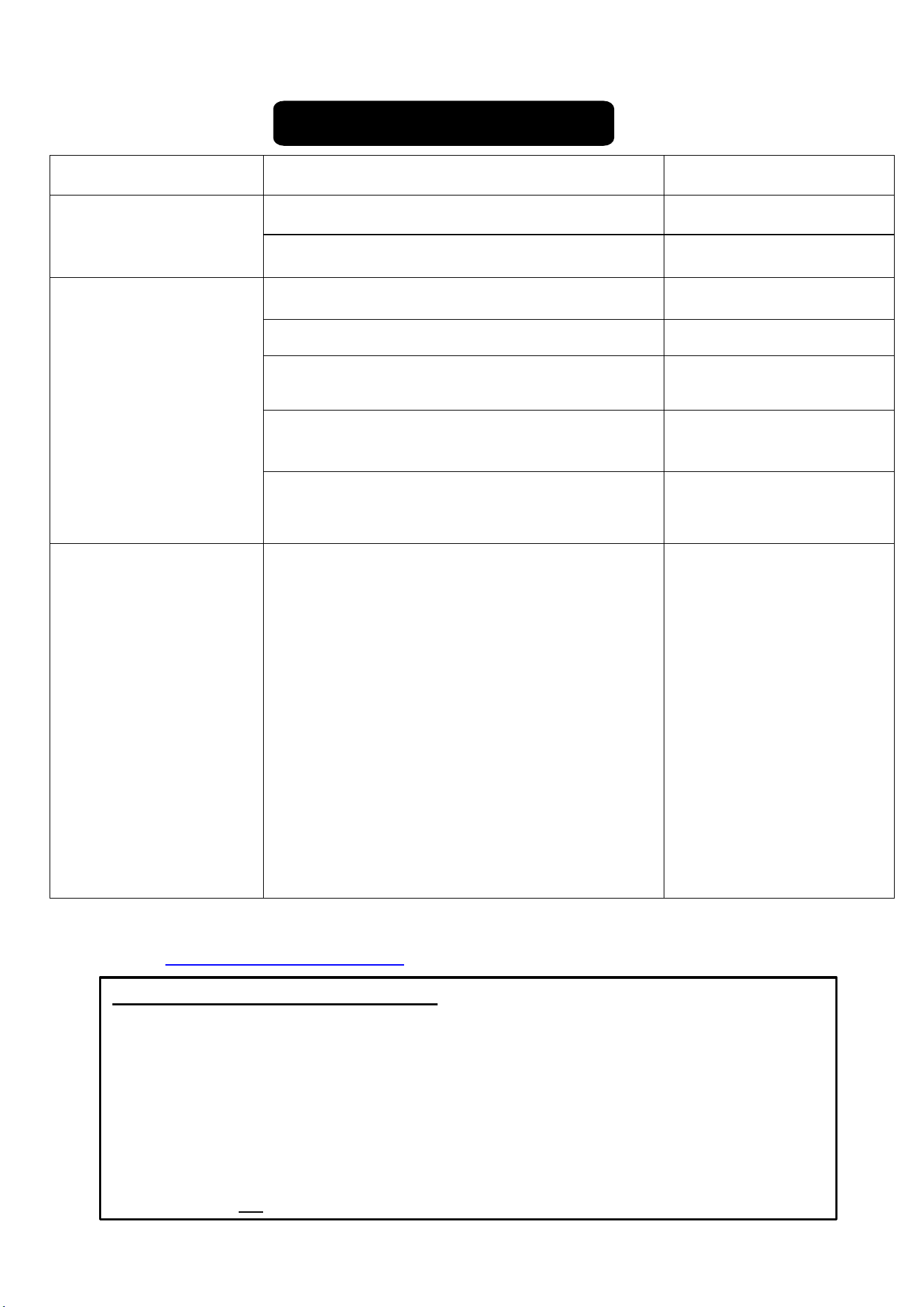
Problem
Cause
Correction
The appliance fails to
operate after connecting it to
the power source.
Power supply is inactive.
Check whether the power
supply is active.
Thermostat is set to STOP (0)
Adjust the thermostat setting
on the dial.
The compressor is running
continuously.
The door is opened frequently, or it was left open too
long.
Keep door closed when it is
not in use.
The door is not properly closed or sagging.
Adjust the door. Clean or
replace gasket.
The power supply has been interrupted for a long
period of time.
Check the power supply.
If outdoor: Check GFI/GFCI
cord.
The appliance may have been overloaded with items
above room temperature.
Allow items to reach room
temperature before adding
them to the appliance.
There may be inadequate ventilation of the compressor
and condenser.
Assure there is adequate air
circulation behind the
appliance and wipe the dust
from the condenser.
Noise
Cooling in refrigeration appliances is enabled by the
refrigerating system with a compressor. Noise can
depend on where the appliance is placed, how it is
used, and how old it is.
During the operation of the compressor, the noise of
liquid is heard and when the compressor is not
operating, the refrigerant flow is heard. This is a normal
condition and has no influence whatsoever on the
lifetime of the appliance.
After starting the appliance, the operation of the
compressor and the refrigerant flow may be louder.
This does not mean that something is wrong. The noise
will gradually reduce.
Sometimes a louder noise is heard, which is unusual for
the appliance.
This noise is often a consequence of
improper placement of the unit.
The unit should be placed and
leveled firmly on a solid base,
and it should not touch the wall
or cabinets standing next to it.
General Troubleshooting

21
Notes

22
Notes

23
Notes
24
ONE-YEAR LIMITED WARRANTY
Within the 48 contiguous United States, for one year from the date of purchase, when this appliance is
operated and maintained according to instructions attached to or furnished with the product, warrantor will
pay for factory-specified parts and repair labor to correct defects in materials or workmanship. Service
must be provided by a designated service company. Outside the 48 states, all parts are warranted for one
year from manufacturing defects. Plastic parts, shelves and cabinets are warranted to be manufactured
to commercially acceptable standards and are not covered from damage during handling or breakage.
5-YEAR COMPRESSOR WARRANTY
1. The compressor is covered for 5 years.
2. Replacement does not include labor.
ITEMS WARRANTOR WILL NOT PAY FOR:
1. Service calls to correct the installation of your appliance, to instruct you how to use your
appliance, to replace or repair fuses or to correct wiring or plumbing.
2. Service calls to repair or replace appliance light bulbs or broken shelves. Consumable parts (such
as filters) are excluded from warranty coverage.
3. Damage resulting from accident, alteration, misuse, abuse, fire, flood, acts of God, improper
installation, installation not in accordance with electrical or plumbing codes, or use of products not
approved by warrantor.
4. Replacement parts or repair labor costs for units operated outside the United States.
5. Repairs to parts or systems resulting from unauthorized modifications made to the appliance.
6. The removal and reinstallation of your appliance if it is installed in an inaccessible location or is
not installed in accordance with published installation instructions.
DISCLAIMER OF IMPLIED WARRANTIES – LIMITATION OF REMEDIES
CUSTOMER'S SOLE AND EXCLUSIVE REMEDY UNDER THIS LIMITED WARRANTY SHALL BE
PRODUCT REPAIR AS PROVIDED HEREIN. IMPLIED WARRANTIES, INCLUDING WARRANTIES OF
MERCHANTABILITY OR FITNESS FOR A PARTICULAR PURPOSE, ARE LIMITED TO ONE YEAR.
WARRANTOR SHALL NOT BE LIABLE FOR INCIDENTAL OR CONSEQUENTIAL DAMAGES. SOME
STATES DO NOT ALLOW THE EXCLUSION OR LIMITATION OF INCIDENTAL OR CONSEQUENTIAL
DAMAGES, OR LIMITATIONS ON THE DURATION OF IMPLIED WARRANTIES OF
MERCHANTABILITY OR FITNESS, SO THESE EXCLUSIONS OR LIMITATIONS MAY NOT APPLY TO
YOU. THIS WARRANTY GIVES YOU SPECIFIC LEGAL RIGHTS AND YOU MAY ALSO HAVE OTHER
RIGHTS, WHICH VARY FROM STATE TO STATE.
FELIX STORCH, INC.
770 Garrison Avenue
Bronx, NY 10474
Phone: (718) 893-3900
Fax: (844) 478-8799
www.summitappliance.com
For parts and accessory ordering,
troubleshooting and helpful hints, visit:
www.summitappliance.com/support
Limited Warranty
WARNING: This product can expose you to chemicals including Nickel
(Metallic) which is known to the State of California to cause cancer.
For more information go to www.P65Warnings.ca.gov
Note: Nickel is a component in all stainless steel and some other metallic compositions.