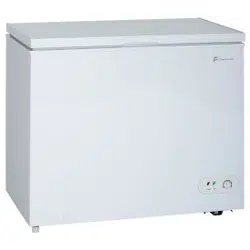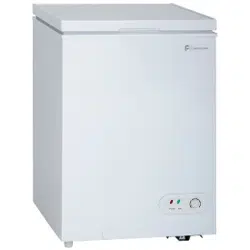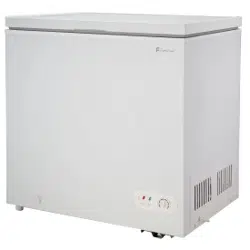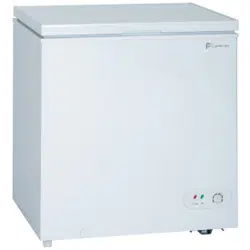
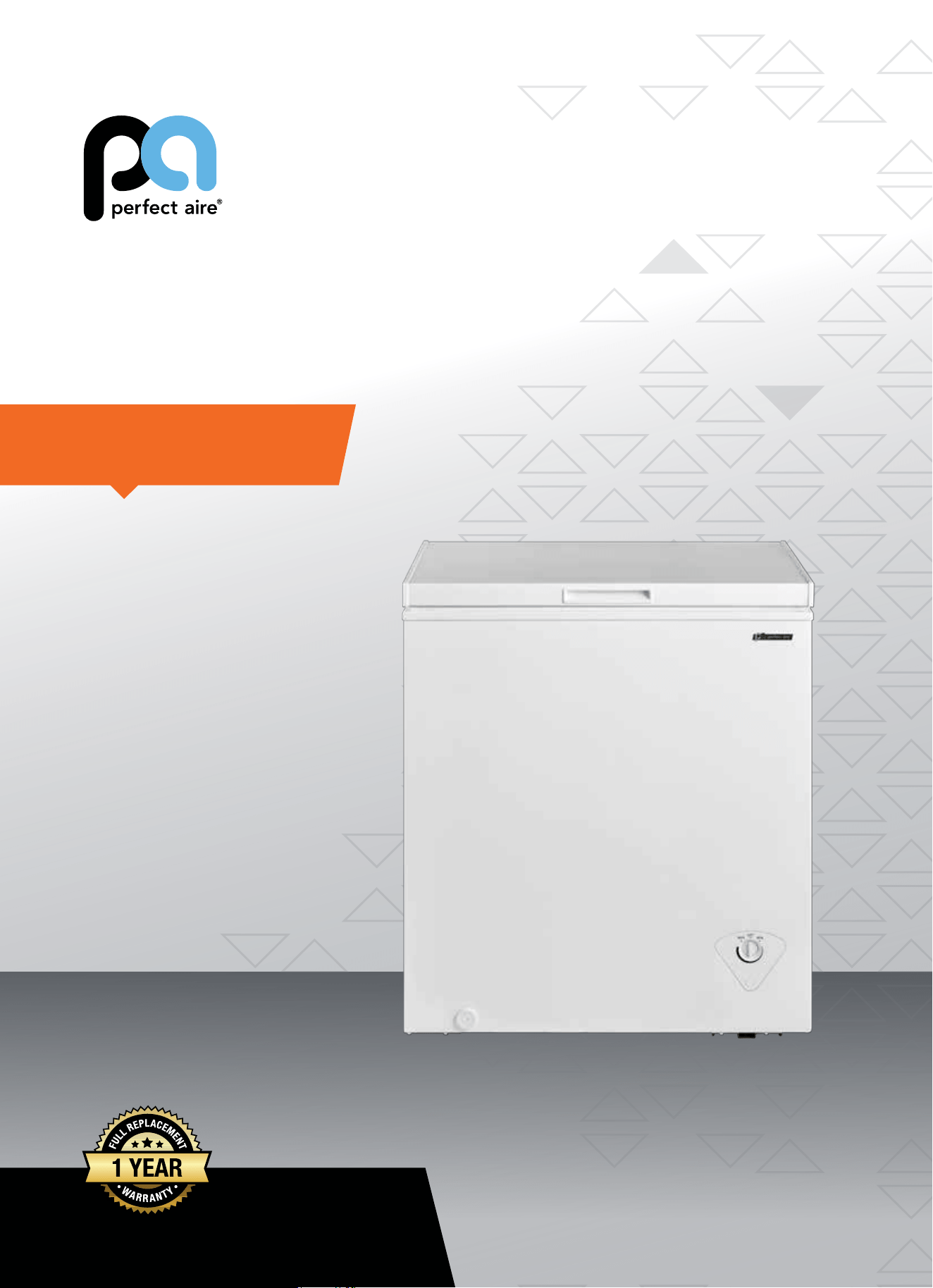
CHEST FREEZER
3.5, 5.0, 7.0 & 10.2 CU. FT.
FOR MODELS:
3W1CF35
3W1CF52
3W1CF70
3W1CF106
Before using your chest freezer, please
read this manual carefully and keep it for
future reference, along with your receipt.
USER MANUAL
For your own records, please attach a copy of your sales receipt to this manual and complete the following:
Model Number: _____________________________________ Serial Number: _______________________________________
Purchase Date: ____________________________________ Store Purchased: _____________________________________
Installation Date: ___________________________________ Installation Co.: _______________________________________
Installer Name: _____________________________________ Installer Phone No.: ___________________________________
CONSUMER PRODUCT INFORMATION

1. SAFETY WARNINGS
1.1 Warning ........................................................................................................................ 1
1.2 Meanings of safety warning symbols............................................................................ 2
1.3 Electricity related warnings ........................................................................................... 2
1.4 Related warnings for use .............................................................................................. 3
1.5 Warnings when storing food ......................................................................................... 3
1.6 Warnings for energy ..................................................................................................... 4
1.7 Warnings for disposal ................................................................................................... 4
2. PROPER USE OF THE FREEZER
2.1 Parts and features ........................................................................................................ 5
2.2 Temperature control ...................................................................................................... 5
2.3 Unit placement.............................................................................................................. 6
2.4 Start use ....................................................................................................................... 6
2.5 Energy saving tips ........................................................................................................ 6
3. MAINTENANCE AND CARE OF THE FREEZER
3.1 Defrosting ..................................................................................................................... 7
3.2 Cleaning ....................................................................................................................... 7
3.3 Power outage ............................................................................................................... 7
3.4 Vacation and moving .................................................................................................... 7
3.5 Moving the freezer ........................................................................................................ 7
4. TROUBLESHOOTING
4.1 Troubleshooting ............................................................................................................ 8
CONTENTS
To ensure that you get the best results from your new freezer, please take time to read
through the simple instructions in this booklet. Please ensure that the packing material is
disposed of in accordance with the current environmental requirements. When disposing of
any freezer equipment, please contact your local waste disposal departement for advice on
safe disposal. This appliance must be only used for its intended purpose.
This manual provides the information needed for proper use and maintenance of this freezer.
Basic preventative care can help extend the life of this unit. The “Troubleshooting” section in
this manual contains a chart with solutions to the most common problems. Referring to this
section may save time and prevent the need for a service call in the event of a problem.
1
RECOMMENDATIONS:
This appliance is intended to be used in household and similar applications such as sta kitchen areas in shops, oces
and other working environments; farm houses and by clients in hotels, motels and other residential type environments;
bed and breakfast type environments; catering and similar non-retail applications.
Children should be supervised to ensure that they do not play with the appliance.
If the supply cord is damaged, it must be replaced by the manufacturer, its service agent or similarly qualied persons
in order to avoid a hazard.
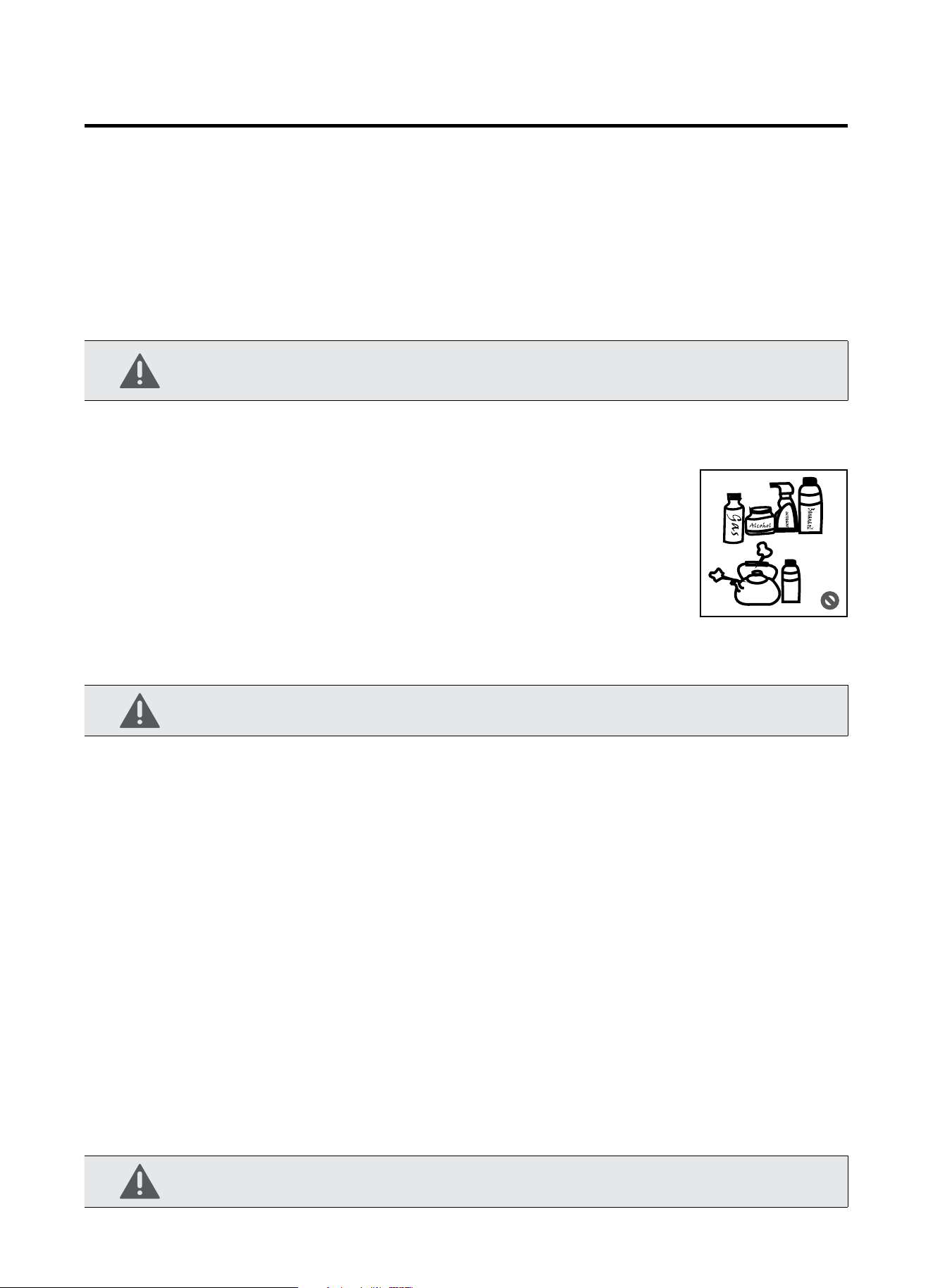
DO NOT store explosive substances such as aerosol cans with a ammable propellant in this appliance.
The appliance has to be unplugged after use and before carrying out user maintenance on the appliance.
WARNING: Risk of re / ammable materials.
WARNING: Keep ventilation openings, in the appliance enclosure or in the built-in structure, clear of obstruction.
WARNING: DO NOT use mechanical devices or other means to accelerate the defrosting process, other than those
recommended by the manufacturer.
WARNING: DO NOT damage the refrigerant circuit.
WARNING: DO NOT use electrical appliances inside the food storage compartments of the appliance, unless they are the
type recommended by the manufacturer.
WARNING: Please dispose of the freezer according to local regulators as it uses ammable blowing gas
and refrigerant.
DO NOT use extension cords or ungrounded (two prong) adapters.
DANGER: Risk of child entrapment. Before you throw away your old freezer:
-Remove the doors
-Leave the shelves in place so that children may not easily climb inside
The freezer must be disconnected from the electrical supply source before attempting accessory installation.
Refrigerant and cyclopentane foaming material used for the freezer are ammable. Therefore, when the freezer
is scraped, it shall be kept away from any re source and be recovered by a special recovering company with
corresponding qualication other than be disposed by combustion, so as to prevent damage to the environment or any
other harm.
READ SAFETY PRECAUTIONS BEFORE INSTALLATION
To prevent injury to the user or other people and property damage, the following instructions must be followed.
Incorrect operation due to ignoring of instructions may cause harm or damage.
1.1 WARNING
WARNING: Risk of re / ammable materials
1. SAFETY WARNINGS
2
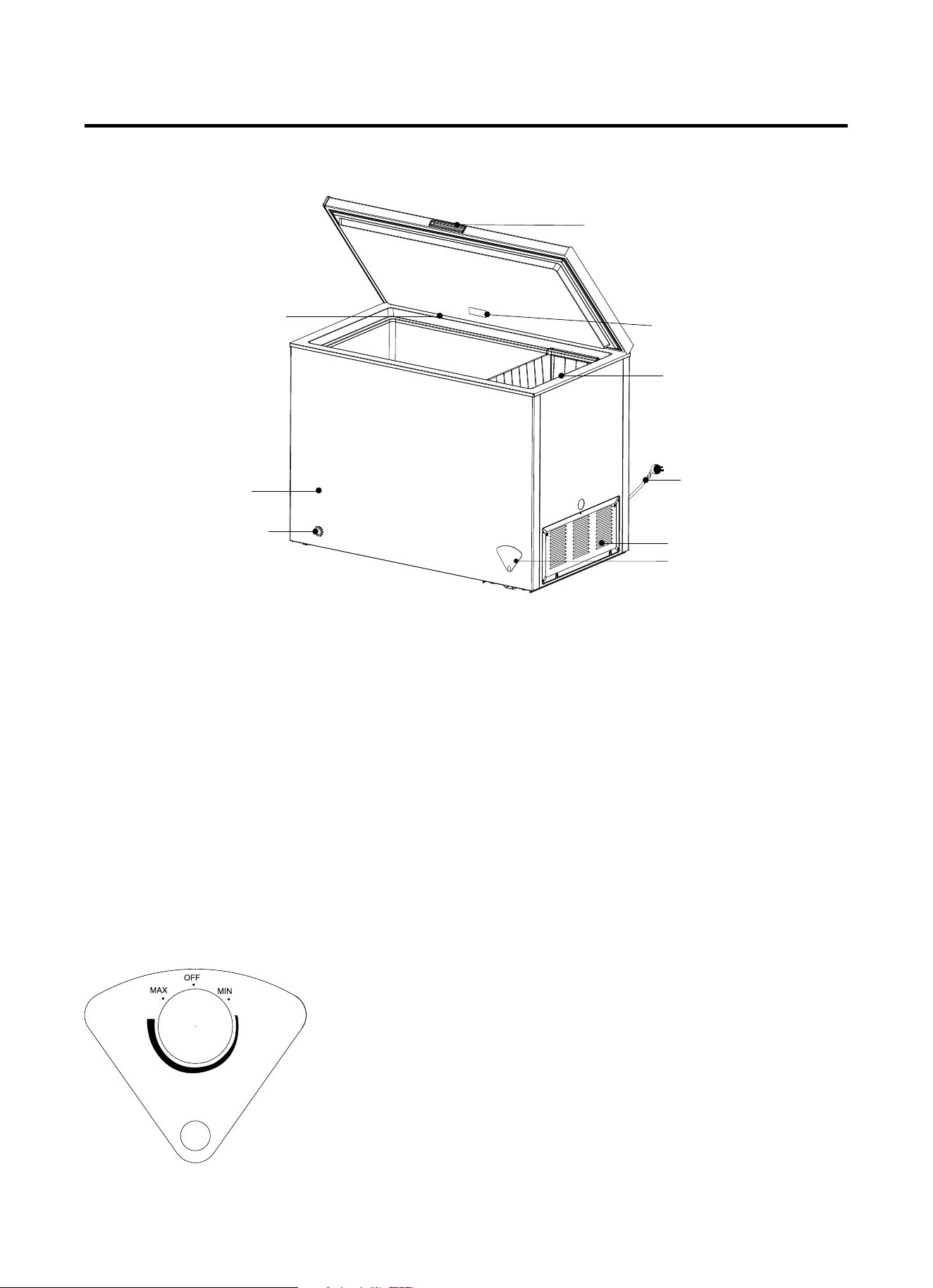
1.2 MEANING OF SAFETY WARNING SYMBOLS
Prohibition Symbol
This symbol indicates prohibited matters, and those behaviors
are forbidden. Non-compliance with the instructions may result in
product damages or endanger the personal safety of users.
Warning Symbol
This symbol indicates matters that must be followed, and those
behaviors must be strictly executed in line with the operation
requirements. Non-compliance with the instructions may result in
product damages or endanger the personal safety of users.
Note Symbol
This symbol indicates matters to pay attention to, and these
behaviors shall be specially noted. Due precautions are needed or
minor or moderate injuries or damages of the product may occur.
1.3 ELECTRICITY RELATED WARNINGS
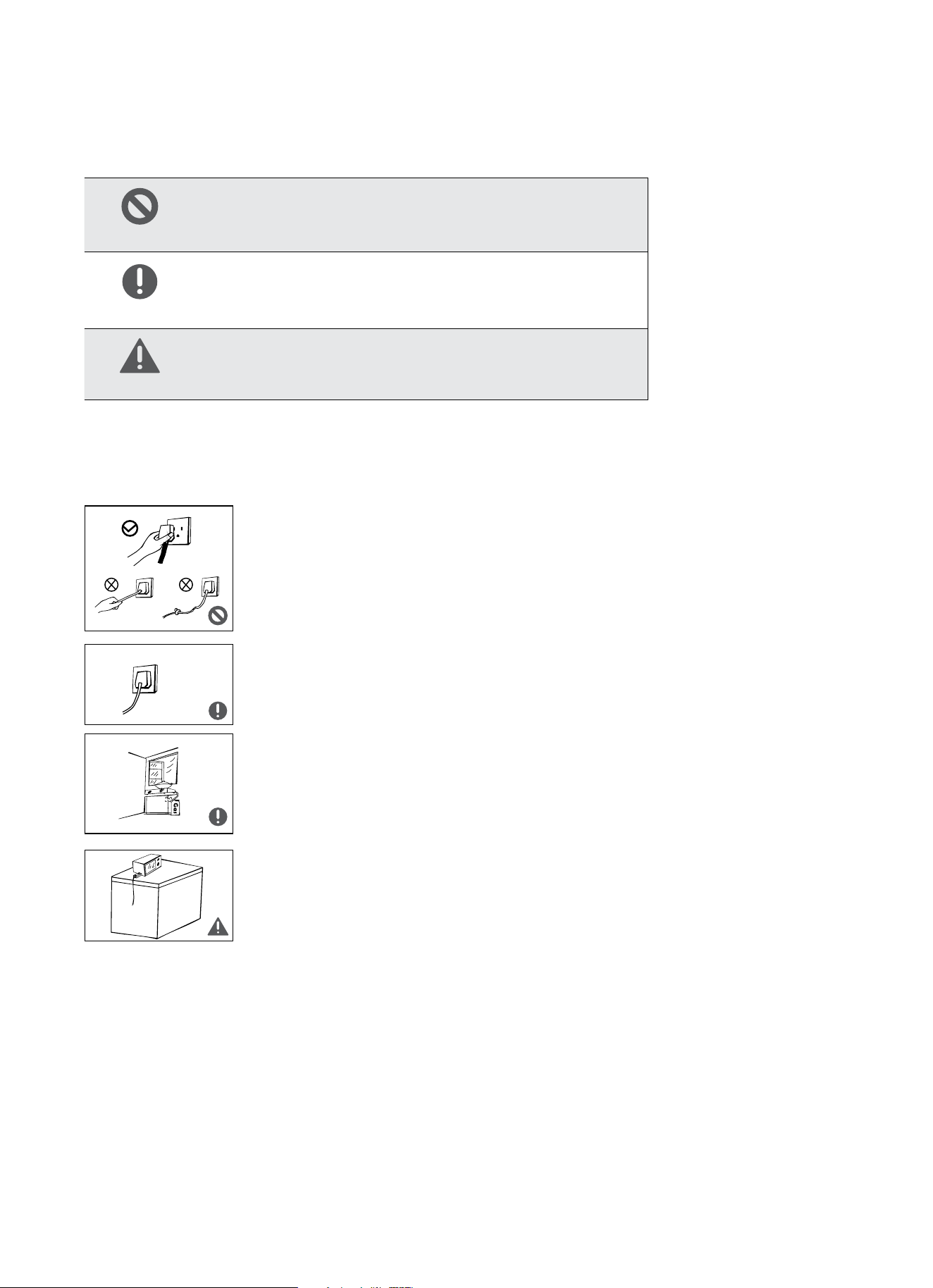
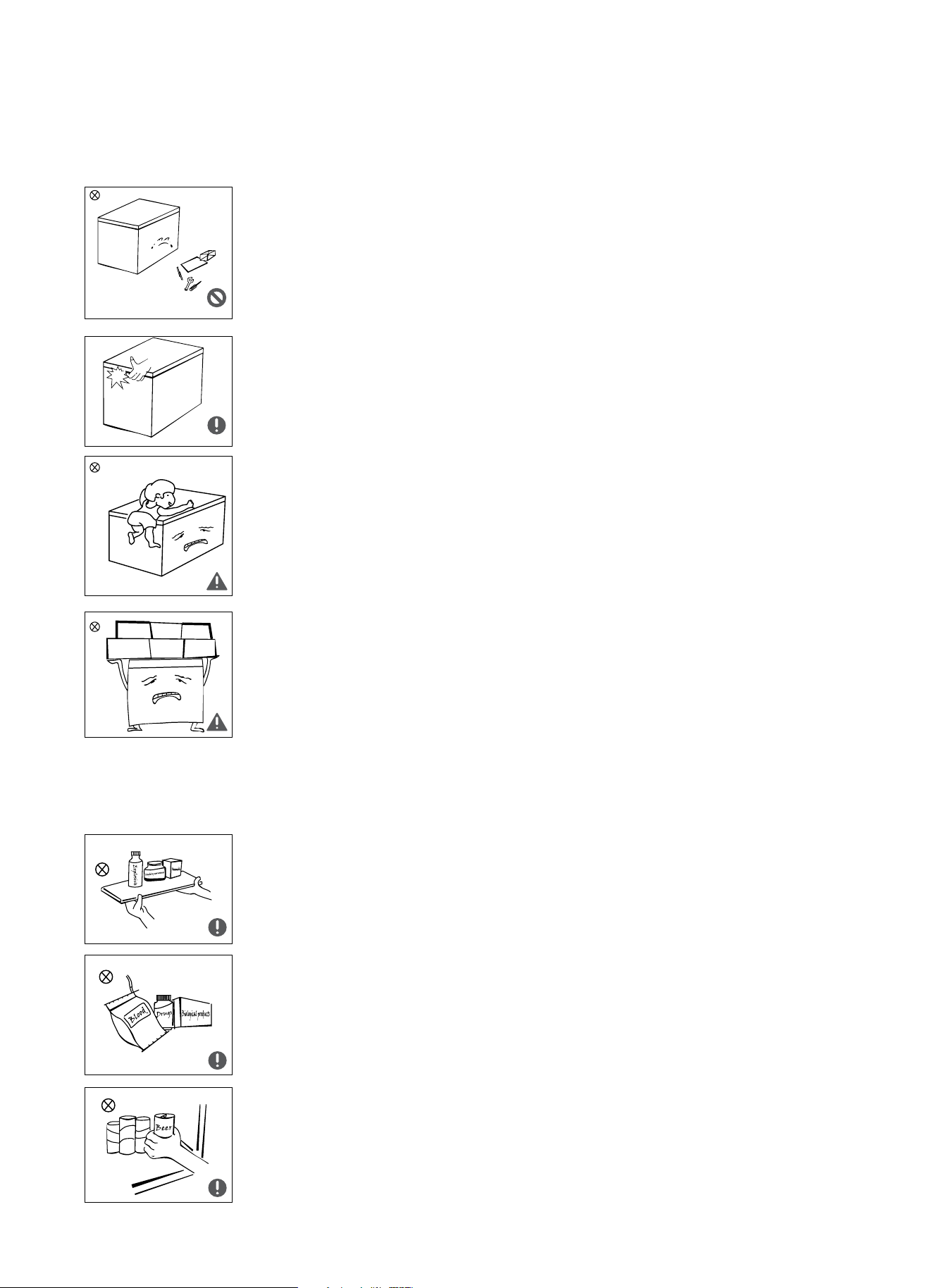
DO NOT pull the power cord when pulling the power plug of the freezer. Please rmly grasp the
plug and pull it out from the socket directly.
To ensure safe use, DO NOT damage the power cord or use the power cord when it is damaged
or worn.
Worn or damaged power cord should be replaced in manufacturer-authorized maintenance
stations.
The power plug should be rmly pressed into the socket to prevent the risk of re.
Please ensure that the grounding electrode of the power socket is equipped with a reliable
grounding line.
Please turn o the gas valve and open the doors and windows in case of gas leakage and
other ammable gases. DO NOT unplug the freezer and other electrical appliances considering
that sparks may cause a re.
To ensure safety, it is not recommended to place regulators, rice cookers, microwave ovens
and other appliances on top of the freezer.
DO NOT use electrical appliances in the food pan.
3
1.4 RELATED WARNINGS FOR USE
1.5 WARNINGS WHEN STORING FOOD
DO NOT arbitrarily disassemble or reconstruct the freezer, nor damage the refrigerant circuit;
maintenance of the appliance must be conducted by a specialist.
A damaged power cord must be replaced by the manufacturer, its maintenance department or
related professionals in order to avoid danger.
The gaps between freezer doors and between doors and freezer body are small; to avoid
possible injury to hands, DO NOT put your hand in these areas. Please be gentle when opening
the freezer door to avoid items from falling.
DO NOT grab foods or containers with wet hands in the freezing chamber when the freezer is
running, especially metal containers in order to avoid frostbite.
DO NOT place heavy objects on top of the freezer considering that objects may fall when
opening the door, causing accidental injuries.
Unplug the unit in case of power failure or cleaning. DO NOT connect the freezer to power
supply for at least ve minutes to prevent damages to the compressor due to successive
starts.
DO NOT allow children to enter or climb the freezer; suocation, falling or other injury may
occur.
DO NOT spray or wash the freezer; DO NOT put the freezer in moist places easy to be splashed
with water so as not to aect the electrical insulation properties of the freezer.
DO NOT put ammable, explosive, volatile and highly corrosive items in the freezer to prevent
damages to the product or re accidents.
DO NOT place ammable items near the freezer to avoid res.
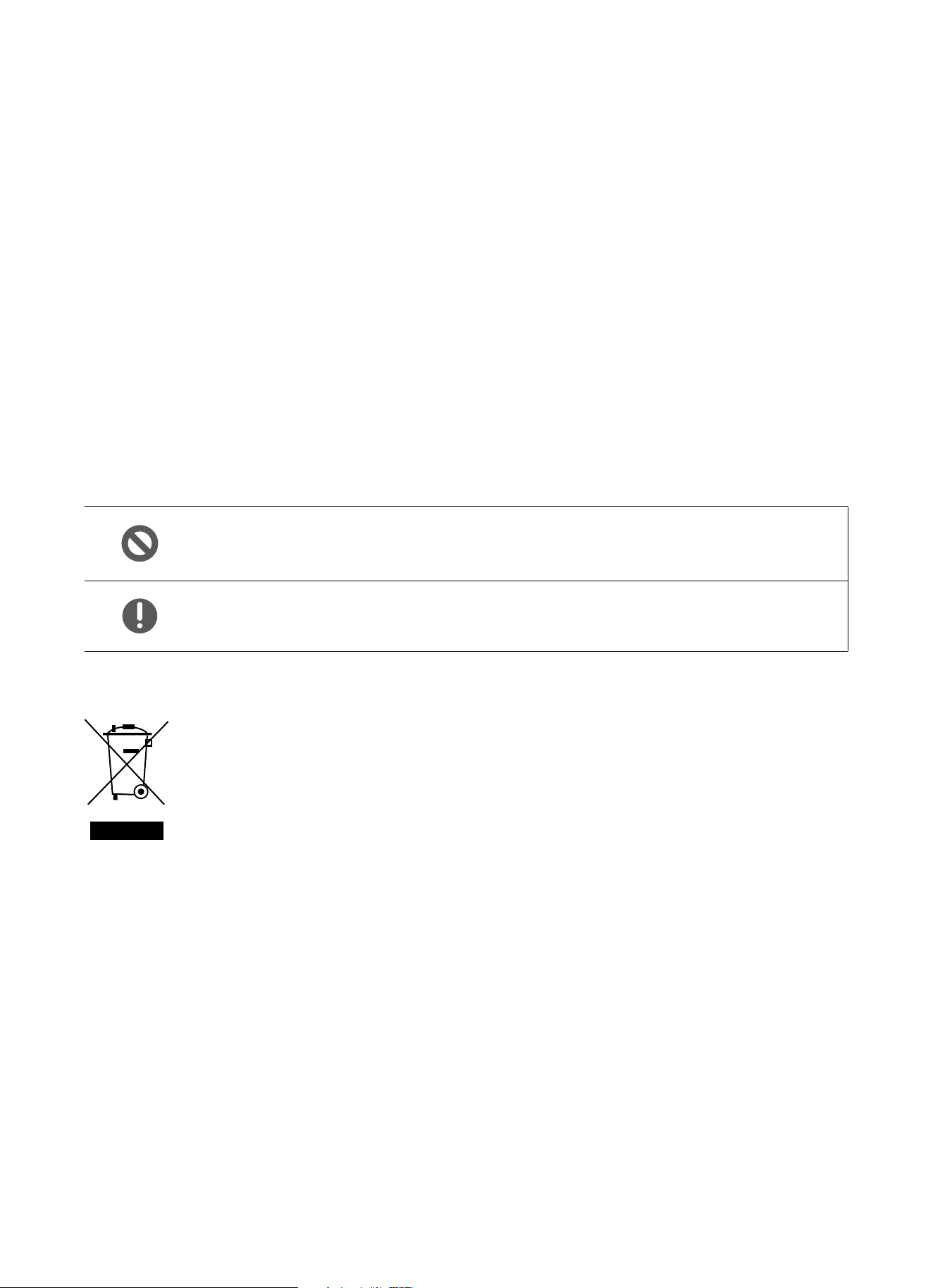
This product is for household use only and shall be only suitable for the storage of foods.
According to national standards, household freezers shall not be used for other purposes, such
as the storage of blood, drugs or biological products.
DO NOT place items such as bottled or sealed containers of uid such as bottled beer and bev-
erages in the freezer to prevent bursts and other losses.
4
1.6 WARNINGS FOR ENERGY
1) The freezer might not operate consistently when sited for an extended period of time below the cold end of the range
of temperatures for which the freezer appliance is designed.
2) Carbonated drinks should not be stored in food freezer compartments or cabinets or in low-temperature
compartments. Some products such as water ices should not be consumed too cold;
3) DO NOT exceed the storage time recommended by the food manufacturers for any kind of food and particularly for
commercially quick-frozen food in food-freezer and frozen-food storage compartments or cabinets;
4) Take precautions necessary to prevent an undue rise in the temperature of frozen food while defrosting the freezer,
such as wrapping the frozen food in several layers of newspaper.
5) A rise in temperature of frozen food during manual defrosting, maintenance or cleaning could shorten the storage life.
6) For doors or lids tted with locks and keys, keys should be kept out of reach of children and not in the vicinity of the
freezer, in order to prevent children from being locked inside.
Correct Disposal of this Product:
This marking indicates that this product should not be disposed with other household wastes
throughout the US. To prevent possible harm to the environment or human health from uncontrolled
waste disposal, recycle it responsibly. Contact your local waste management or recyclery to proper-
ly dispose of the freezer. They can take this product for environmentally safe recycling.
1.7 WARNINGS FOR DISPOSAL
The freezer’s refrigerant and cyclopentane foam materials are combustible materials. Discarded
freezers should be isolated from re sources and cannot be burned. Freezers should be disposed of
appropriately. Check your local waste management division for proper disposition.
Please remove the door of the freezer and shelves, which shall be properly placed inside the freezer,
to avoid children from climbing into the freezer.
5
2.1 PARTS AND FEATURES
2.2 TEMPERATURE CONTROL
2. PROPER USE OF THE FREEZER
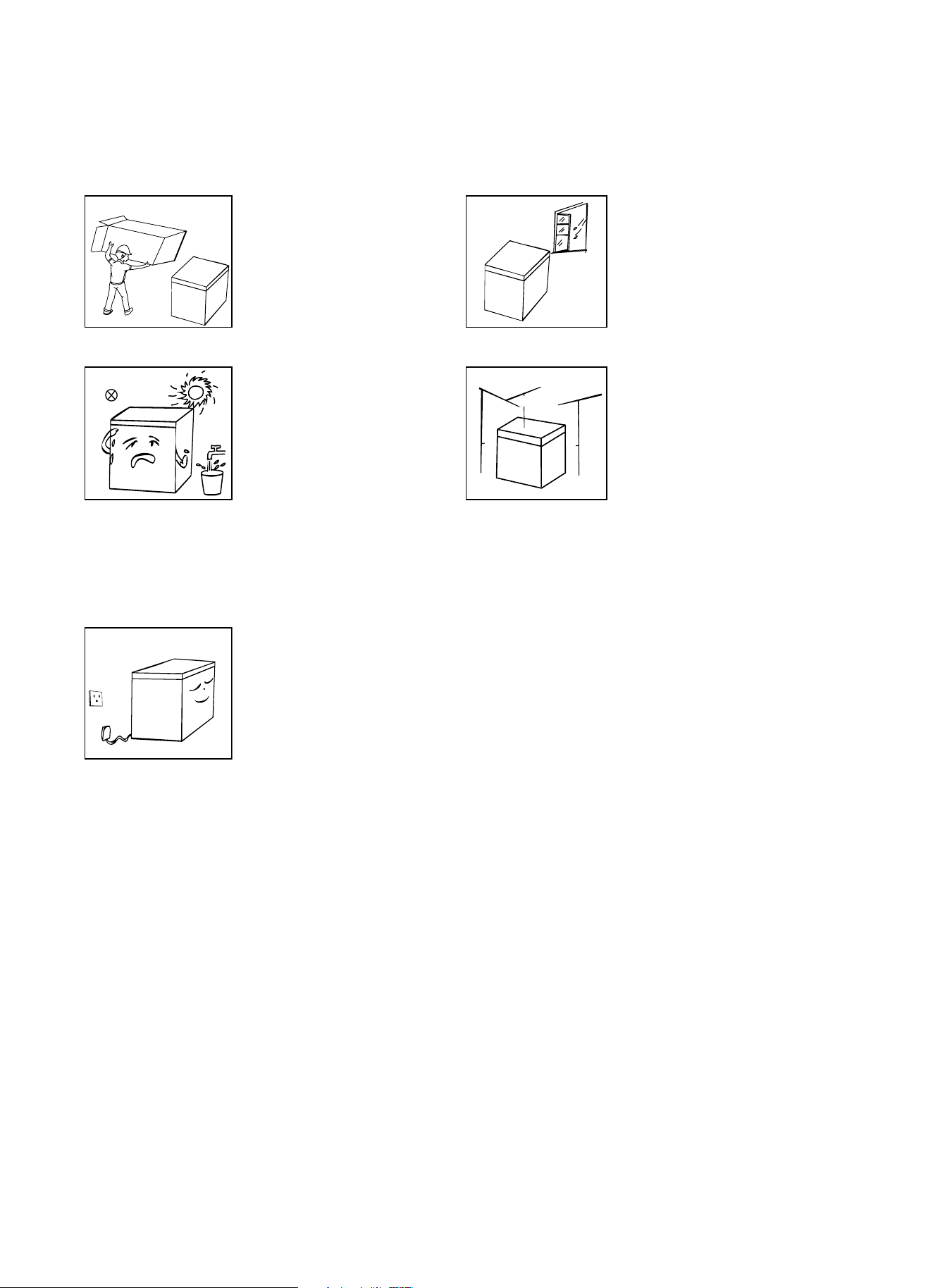
Door handle (on some models)
Control panel without indicator light
Lamp (on some models)
Storage basket
Power cord
Vent
Drainage hole
Cabinet
Hinge
Temperature
control panel
(The picture above is for reference only. The actual conguration will depend on the physical product or statement by the distributor.)
(The picture above is for reference only. The actual conguration will depend on the physical product or statement by the distributor.)
• The low temperature of the freezer may keep food fresh for a long time and is mainly used to store frozen foods and
make ice.
• The freezer is suitable for storing meat, sh, shrimp, dumplings, rice balls, poultry and other foods not to be consumed
in short term.
• Meat should be divided into small pieces for easy access. Please note food shall be consumed within the shelf time.
Note: After long term use, there may be some degree of wear with the hinge, causing noise when opening/closing the
door and reducing the service life of the hinge. As part of regular maintenance, it is recommended to put oil/grease on
the hinge to eectively eliminate noise and extend the service life of the hinge.
• Connect the freezer to power supply.
• The interior temperature of the freezer is adjusted through the
thermostat knob. Rotate the thermostat knob clockwise and the
interior temperature will get colder. “MIN” is the warmest setting,
“MAX” is the coldest setting.
• “OFF” turns the unit o when not in use.
6
2.3 UNIT PLACEMENT
2.4 START TO USE
2.5 ENERGY SAVING TIPS
• Before using the freezer,
remove all packaging
materials including bottom
cushions, foam pads and
tapes inside the freezer.
Tear o the protective
lm on the door and the
freezer body.
• Keep unit away from heat
and avoid direct sunlight.
DO NOT place the freezer
in moist or damp place to
prevent rust ore reduction
of insulating.
• The freezer should stay upright for half an hour before plugging in for the rst time.
• Run the freezer 2 to 3 hours before loading fresh or frozen foods; run the freezer for more
than 4 hours in summer, considering that the ambient temperature is high.
• The freezer should be located in the coolest area of the room, away from heat producing appliances or heating ducts,
and out of the direct sunlight.
• Let hot foods cool to room temperature before placing in the freezer. Overloading the freezer forces the compressor to
run longer. Foods that freeze too slow may lose quality or spoil.
• Be sure to wrap foods properly and wipe containers dry before placing them in the freezer. This cuts down on the frost
build-up inside the appliance.
• Storage basket should not be lined with aluminum foil, wax paper, or paper toweling. Liners interfere with cold air
circulation, making the freezer less ecient.
• Organize and label food to reduce door openings and extended searches. Remove as many items as needed at once
and close the door as soon as possible.
• The freezer should be
placed indoors on a
level, at and sturdy
surface that is well
ventilated.
• The top space of the
freezer shall be greater
than 27.75 in. (70 cm)
and the distances from
both sides and back
side shall be more than
8 in.(20 cm) to facilitate
heat dissipation.
27.75"
8"
8"
7
3.1 DEFROSTING
Manually defrost the freezer:
1. Remove foods and shelving basket before defrosting; put foods in a cool place while defrosting, before
removing accessories.
2. Turn the temperature knob to OFF, unplug the freezer and open the freezer door.
3. Open the outow hole and drainage hole. Place a water container at the outow hole. Indoor frost will naturally
melt. Wipe water with a dry, soft cloth. When the frost softens, an ice scraper might be used to accelerate the
de-icing process.
3. MAINTENANCE OF THE FREEZER
Please unplug the freezer for defrosting and cleaning. Other mechanical devices or other means shall
not be used to accelerate except those recommended by the manufacturer. DO NOT damage the
refrigerant circuit.
3.2 CLEANING
•. Dust behind the freezer and on the ground shall be cleaned in a timely manner to improve the
cooling eect and energy saving. The interior of the freezer should be cleaned regularly to
avoid odors. Soft towels or a sponge dipped in water and non-corrosive, neutral detergent are
suggested for cleaning. Finally, the freezer shall be cleaned with clean water and a dry cloth.
Open the door to air-dry the interior before the power is turned on.
• DO NOT use hard brushes, clean steel balls, wire brushes, abrasives (such as toothpaste),
organic solvents (such as alcohol, acetone, banana oil, etc.), boiling water, acid or alkaline
items to clean the freezer, considering that these may damage the appliance surface and
interior.
• DO NOT rinse with water so as not to aect the electrical insulation properties. Please use a dry cloth when cleaning
temperature control knob and electrical components.
Please unplug the freezer for defrosting and cleaning.
3.3 POWER OUTAGE
In case of power failure, foods can be preserved for a couple of hours even in summer. Reduce the frequency of opening
the door. Avoid putting fresh food in the freezer at this time.
3.4 VACATION AND MOVING
Please unplug the freezer if left unused for a long time for cleaning. Keep the door open to avoid bad odors.
SHORT TERM:
• If leaving for 3 weeks or less it is okay to leave the freezer operating during this time.
LONG TERM:
• For vacations longer than 3 weeks, turn the unit OFF and unplug the freezer.
• Follow the defrosting and cleaning instructions listed above.
• Keep the freezer door open to avoid bad odors.
3.5 MOVING THE FREEZER
DO NOT turn the freezer upside down or vibrate the freezer. DO NOT tilt the freezer more than 45°. Please tape the door
down when moving.
Continuous operation is recommended when the freezer is started. Please DO NOT stop the freezer
under normal circumstances so as not to aect the freezer’s service life.
8
4. TROUBLESHOOTING
For further assistance, contact Consumer Services at 844-4PA-AIRE (844-472-2473).
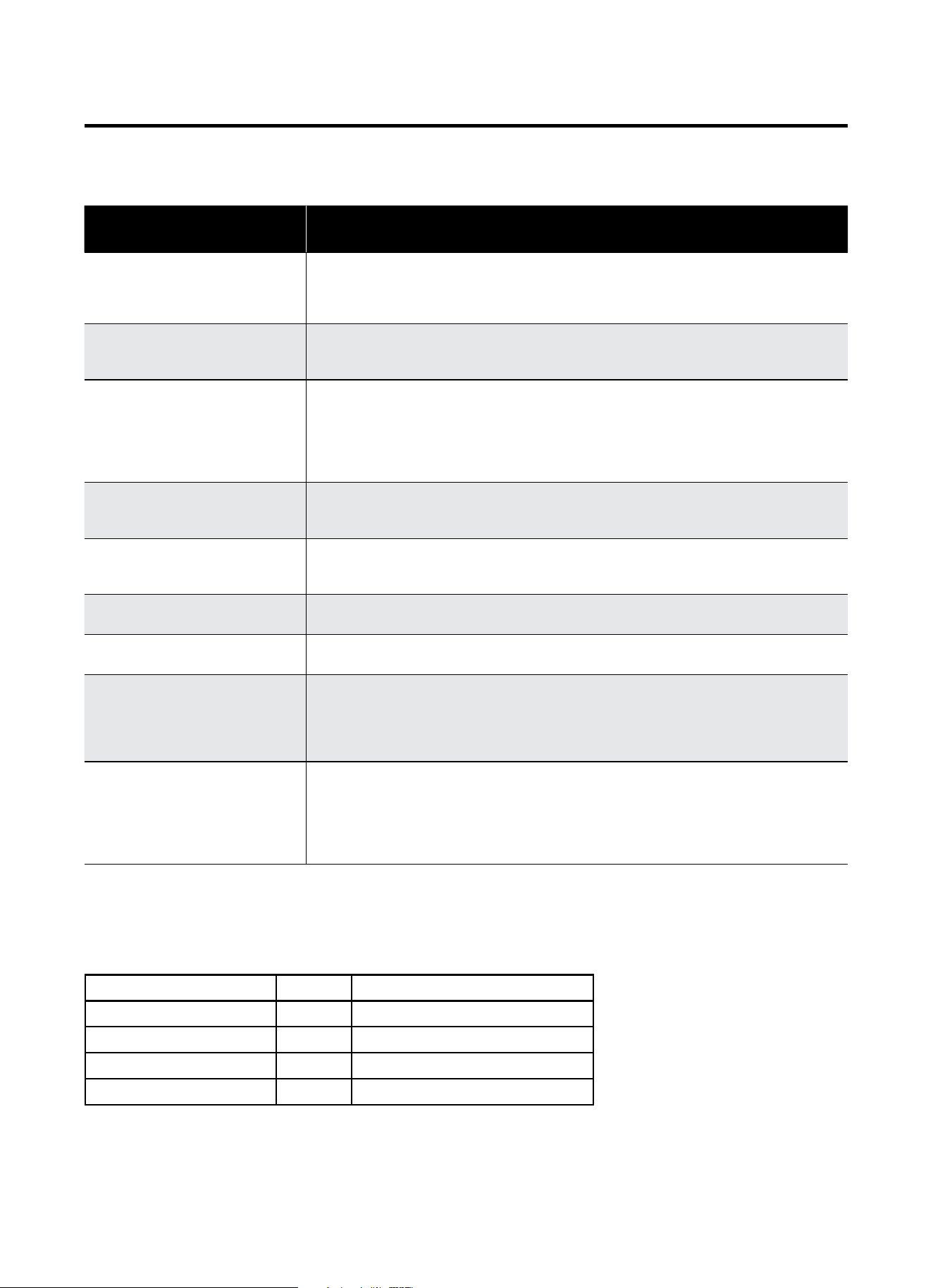
BEFORE CALLING FOR SERVICE, PLEASE REVIEW THE CHART BELOW
ISSUE CAUSES/SOLUTIONS
NOT OPERATING
• Check that the freezer is plugged in and connected to power
• Low voltage; check the outlet
• Check that the temperature control (power) knob is turned ON
• Check whether or not there is a power failure or partial circuits have tripped
ODOR
• Odorous foods should be properly wrapped
• Food has been in the freezer too long
• Defrost and clean the freezer
LONG-TIME OPERATION OF
THE COMPRESSOR
• It is normal for the freezer to operate for a long time in summer when the ambient
temperature is higher
• It is not suggested to store too much food in the freezer at the same time
• Let food cool before storing in the freezer
• The doors are opened too frequently
• There is a thick frost layer (defrost is needed)
LIGHT FAILS TO ILLUMINATE
• Check whether the freezer is connected to power supply and whether the
illuminating light is damaged
• Check if the bulb needs to be replaced
DOOR CANNOT BE PROPERLY
CLOSED
• The freezer door is obstructed by food packages
• Too much food is placed in the freezer
• The freezer is tilted/unbalanced
LOUD NOISES
• Check that the unit is sitting on a at and stable surface
• Check that accessories are properly placed inside the unit
DIFFICULTY IN OPENING DOOR
• After refrigeration, there will be a slight pressure dierence between the inside and
outside of the freezer, making t dicult to open the door. This is normal.
FREEZER ENCLOSURE HEAT
CONDENSATION
• The freezer enclosure may emit heat during operation, especially in summer; this is
caused by the radiation of the condenser
• Condensation: condensation will be detected on the exterior surface and door
seals of the freezer when the ambient humidity is large; this is normal. Wipe away
condensation with a dry towel
AIRFLOW SOUND BUZZ/CLATTER
• Refrigerants circulating in the refrigerant lines will produce eruption of sound and
grunts which is normal and does not aect the cooling eect
• Buzzing is heard when the compressor is running, especially when starting up or
shutting down
• The solenoid valve or electric switch valve will clatter; this is normal and does not
aect operation
The design and specifications are subject to change without prior notice for
product improvement. Consult with the sales agency or manufacturer for details.
TABLE 1 – CLIMATE CLASSES
CLASS SYMBOL AMBIENT TEMPERATURE RANGE
Extended Temperate SN 50 – 89.6°F (10 – 32°C)
Temperate N 60.8 – 89.6°F (16 – 32°C)
Subtropical ST 60.8 – 100.4°F (16 – 38°C)
Tropical T 60.8 – 109.4°F (16 – 43°C)
Distributed by:
Perfect Aire, LLC
5401 Dansher Rd.
Countryside, IL 60525
844-4PA-AIRE | 844-472-2473
www.perfectaire.us
Specification and performance data is subject to change without notice.
Printed in China
PA/User_ChestFreezer_Md/06072018