it Istruzioni per l’ uso
nl Gebruiksaanwijzing
de Gebrauchsanleitung
en Operating instructions
fr Notice d’utilisation
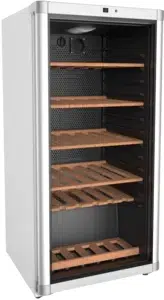
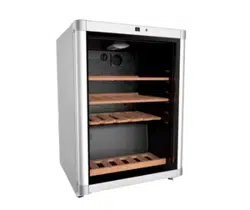
Frigo vini
Wijnkoelkast
KTW.. /KSW..
Weinlagerschrank
Wine storage
compartment
Cave à vin

deInhaltsverzeichnis
Sicherheits und Warnhinweise 4. . . . . . .
Hinweise zur Entsorgung 5. . . . . . . . . . . .
Gerät kennenlernen 6. . . . . . . . . . . . . . . . .
Gerät aufstellen 6. . . . . . .
. . . . . . . . . . . . .
Gerät ausrichten 6. . . . . . . . . . . . . . . . . . .
Raumtemperatur und
Belüftung beachten 7. . . . . . . . . . . . .
. . . .
Gerät anschließen 7. . . . . . . . . . . . . . . . . .
Gerät einschalten 8. . . . . . . . . . . . . . . . . .
Temperatur einstellen 8. . . . . .
. . . . . . . . .
Flaschen einordnen 8. . . . . . . . . . . . . . . . .
TemperaturZonen im
Kühlraum nutzen! 9. . . . . . . . . . . . . . . . . .
Praktische Tipps
zur Weinlagerung 9. . . .
Trinktemperaturen 10. . . . . . . . . . . . . . . . .
Gerät ausschalten und stilllegen 10. . . . . .
Gerät reinigen 10. . . . . . . . . . . . . . .
. . . . . .
Aktivkohlefilter 11. . . . . . . . . . . . . . . . . . . . .
Energie sparen 11. . . . . . . . . . . . . . . . . . . . .
Betriebsgeräusche 11
. . . . . . . . . . . . . . . . .
Kleine Störungen selbst beheben 12. . . . .
Kundendienst rufen 13. . . . . . . . . . . . . . . . .
enIndex
Safety and warning information 14. . . . . . .
Information concerning disposal 15. . . . . .
Getting to know your appliance 16. . . . . . .
Installing the appliance 16. . . . . . . . . . . . . .
Aligning the appliance 16.
. . . . . . . . . . . . . .
Note ambient temperature
and ventilation 17. . . . . . . . . . . . . . . . . . . . .
Connecting theappliance 17. . . . . . . . . .
. .
Switching on the appliance 18. . . . . . . . . . .
Selecting the temperature 18. . . . . . . . . . . .
Placing bottles in the refrigerator 18. . . . . .
Use temperature zones in the refrigerator
compartment! 19. . .
. . . . . . . . . . . . . . . . . .
Practical tips for storing wine 19. . . . . . . . .
Drinking temperatures 20. . . . . . . . . . . . . .
Switching off
and disconnecting
the appliance 20. . . . . . . . . . . . . . . . . . . . . .
Cleaning the appliance 20. . . . . . . . . . . . . .
Activated charcoal filter 21. . . . . .
. . . . . . . .
Tips for saving energy 21. . . . . . . . . . . . . . .
Operating noises 21. . . . . . . . . . . . . . . . . . .
Eliminating minor faults yourself 22
. . . . . . .
Customer service 23. . . . . . . . . . . . . . . . . .
frTable des matières
Consignes de sécurité et
avertissements 24. . . . . . . . . . . . . . . . . . . .
Conseils pour la mise au rebut 26. . . . . . . .
Présentation de l’appareil 27. . . . . . . . . .
. .
Installation del’appareil 27. . . . . . . . . . . . . .
Ajuster l’appareil 27. . . . . . . . . . . . . . . . . . .
Consignes pour la température
ambiante et l’aération 28. . . . . .
. . . . . . . . .
Branchement del’appareil 28. . . . . . . . . . .
Enclenchement del’appareil 29. . . . . . . . . .
Réglage de la température 29. . . . . . . . . . .
Rangement des bouteilles 30.
. . . . . . . . . .
Profitez des différentes zones
de température dans l’appareil! 30. . . . . . .
Conseils pratique destockage des vins 31
Températures de dégustation 31. . . . . . . .
Arrêt et remisage del’appareil 32. . . . . .
. .
Nettoyage de l’appareil 32. . . . . . . . . . . . . .
Filtre à charbon actif 33. . . . . . . . . . . . . . . .
Economies d’énergie 33. . . . . . . . . . .
. . . .
Bruits de fonctionnement 33. . . . . . . . . . . .
Remédier soi même aux petites pannes 34
Service aprèsvente 35. . . . . . . . . . . . . . . .

itIstruzioni per l’uso
Avvertenze disicurezza e pericolo 36. . . . .
Avvertenze per lo smaltimento 37. . . . . . . .
Conoscere l’apparecchio 38. . . . . . . . . . . .
Installazione dell’apparecchio 39. . . . . . . . .
Livellare l’apparecchio 39. . . . .
. . . . . . . . . .
Considerare latemperatura ambiente
e la ventilazione 39. . . . . . . . . . . . . . . . . . . .
Collegare l’apparecchio 40. . . . . . . . . . . . .
Accendere
l’apparecchio 40. . . . . . . . . . . .
Regolare la temperatura 41. . . . . . . . . . . . .
Sistemare le bottiglie 41. . . . . . . . . . . . . . . .
Sfruttare le zone ditemperatura
nel frigorifero! 42. . . . . . . . . . . . . . . . . . . . . .
Consigli pratici perla
conservazione delvino 42. . . . . . . . . . . . . .
Temperature di consumazione 43. . . . .
. .
Spegnere e mettere fuori servizio
l’apparecchio 43. . . . . . . . . . . . . . . . . . . . . .
Pulire l’apparecchio 44. . . . . . . . . . . . . . . . .
Filtro a carbone
attivo 44. . . . . . . . . . . . . . .
Risparmiare energia 44. . . . . . . . . . . . . . . .
Rumori difunzionamento 44. . . . . . . . . . . .
Eliminare da soli piccoli
guasti 45. . . . . . . .
Servizio assistenza clienti 46. . . . . . . . . . . .
nlInhoud
Veiligheidsbepalingen
en waarschuwingen 47. . . . . . . . . . . . . . . .
Aanwijzingen over de afvoer 48. . . . . . . . . .
Kennismaking met het apparaat 49. . . . . .
Apparaat opstellen 50. . . . . . . .
. . . . . . . . .
Apparaat horizontaal zetten 50. . . . . . . . . .
Let op omgevingstemperatuur
enbeluchting 50. . . . . . . . . . . . . . . . . . . . . .
Apparaat aansluiten 51. .
. . . . . . . . . . . . . .
Inschakelen van het apparaat 51. . . . . . . . .
Instellen van de temperatuur 51. . . . . . . . .
Flessen inruimen 52. . . . . . . . . .
. . . . . . . . .
Let op de temperatuurzones in
de koelruimte! 52. . . . . . . . . . . . . . . . . . . . .
Praktische tips bij het opslaan van wijn 53.
Drinktemperaturen 53. . . . .
. . . . . . . . . . . .
Apparaat uitschakelen en
buiten werking stellen 54. . . . . . . . . . . . . . .
Schoonmaken van het apparaat 54. . . . . .
Actiefkoolfitler 55. . . . . . . .
. . . . . . . . . . . . .
Energie besparen 55. . . . . . . . . . . . . . . . . .
Bedrijfsgeluiden 55. . . . . . . . . . . . . . . . . .
. .
Kleine storingen zelf verhelpen 56. . . . . . . .
Servicedienst 57. . . . . . . . . . . . . . . . . . . . . .
4
Sicherheits und
W arnhinweise
Bevor Sie das Gerät in
Betrieb nehmen
Lesen Sie Gebrauchs und
Montageanleitung aufmerksam durch!
Sie enthalten wichtige Informationen über
Aufstellung, Gebrauch und Wartung des
Gerätes.
Bewahren Sie alle Unterlagen für
späteren Gebrauch oder für Nachbesitzer
auf.
Technische Sicherheit
S Das Gerät enthält in geringer Menge
das umweltfreundliche, aber brennbare
Kältemittel R600a. Achten Sie darauf,
dass die Rohre des Kältemittel
Kreislaufes bei Transport oder Montage
nicht beschädigt werden.
Herausspritzendes Kältemittel kann zu
Augenverletzungen führen oder sich
entzünden.
Bei Beschädigung
− Offenes Feuer oder Zündquellen vom
Gerät fernhalten
− Raum für einige Minuten gut
durchlüften
− Gerät ausschalten und Netzstecker
ziehen
−Kundendienst benachrichtigen
Je mehr Kältemittel in einem Gerät ist,
umso größer muss der Raum sein, in
dem das Gerät steht. In zu kleinen
Räumen kann bei einem Leck ein
brennbares GasLuftGemisch
entstehen.
Pro 8 g Kältemittel muss der Raum
mindestens 1m
3
groß sein. Die Menge
des Kältemittels Ihres Gerätes steht auf
dem Typenschild im Inneren des
Gerätes.
S Das Wechseln der Netzanschluss
Leitung und andere Reparaturen dürfen
nur vom Kundendienst durchgeführt
werden. Unsachgemäße Installationen
und Reparaturen können den Benutzer
erheblich gefährden.
Beim Gebrauch
S Nie elektrische Geräte innerhalb des
Gerätes verwenden (z.B.Heizgeräte,
elektrische Eisbereiter usw.).
Explosionsgefahr!
S Nie das Gerät mit einem
Dampfreinigungsgerät abtauen oder
reinigen! Der Dampf kann an
elektrische Teile gelangen und einen
Kurzschluss auslösen.
Stromschlaggefahr!
S Keine spitzen oder scharfkantigen
Gegenstände verwenden, um Reif und
Eisschichten zu entfernen.
Sie könnten damit die Kältemittelrohre
beschädigen. Herausspritzendes
Kältemittel kann sich entzünden oder
zu Augenverletzungen führen.
S Keine Produkte mit brennbaren
Treibgasen (z.B.Spraydosen) und
keine explosiven Stoffe lagern.
Explosionsgefahr!
S Sockel, Auszüge, Türen usw. nicht als
Trittbrett oder zum Abstützen
missbrauchen.
S Zum Abtauen und Reinigen
Netzstecker ziehen oder Sicherung
ausschalten.
Am Netzstecker ziehen, nicht am
Anschlusskabel.
de
5
S Hochprozentigen Alkohol nur dicht
verschlossen und stehend lagern.
S Kunststoffteile und Türdichtung nicht
mit Öl oder Fett verschmutzen.
Kunststoffteile und Türdichtung werden
sonst porös.
S Be
und Entlüftungsöffnungen für das
Gerät nie abdecken oder zustellen.
S Dieses Gerät ist von Personen mit
eingeschränkten physischen,
sensorischen oder psychischen
Fähigkeiten oder mangelndem Wissen,
nur mit Aufsicht oder ausführlicher
Anleitung zu benutzen.
Kinder im Haushalt
S Verpackung und deren Teile nicht
Kindern überlassen. Erstickungsgefahr
durch Faltkartons und Folien!
S Das Gerät ist kein Spielzeug für Kinder!
S Bei Gerät mit Türschloss: Schlüssel
außer Reichweite von Kindern
aufbewahren!
Allgemeine Bestimmungen
Dieses Gerät ist ausschließlich zur
Lagerung von Wein bestimmt.
Dieses Gerät ist für den häuslichen
Gebrauch im Privathaushalt und das
häusliche Umfeld bestimmt.
Das Gerät ist funkentstört nach
EURichtlinie 2004/108/EC.
Der Kältekreislauf ist auf Dichtheit
geprüft.
Dieses Erzeugnis entspricht den
einschlägigen Sicherheitsbestimmungen
für Elektrogeräte (EN60335/2/24).
Hinweise zur
Entsorgung
x Verpackung entsorgen
Die Verpackung schützt Ihr Gerät vor
Transportschäden. Alle eingesetzten
Materialien sind umweltverträglich und
wiederverwertbar. Bitte helfen Sie mit:
Entsorgen Sie die Verpackung
umweltgerecht.
Über aktuelle Entsorgungswege
informieren Sie sich bitte bei Ihrem
Fachhändler oder bei der
Gemeindeverwaltung.
x Altgerät entsorgen
Altgeräte sind kein wertloser Abfall!
Durch umweltgerechte Entsorgung
können wertvolle Rohstoffe
wiedergewonnen werden.
Dieses Gerät ist entsprechend der
europäischen Richtlinie 2002/96/EG
über Elektro und Elektronikaltgeräte
(waste electrical and electronic
equipment−WEEE) gekennzeichnet.
Die Richtlinie gibt den Rahmen für
eineEU−weit gültige Rücknahme und
Verwertung der Altgeräte vor.
!
Warnung
Bei ausgedienten Geräten
1. Netzstecker ziehen.
2.Anschlusskabel durchtrennen und mit
dem Netzstecker entfernen.
Kältegeräte enthalten Kältemittel und in
der Isolierung Gase. Kältemittel und Gase
müssen fachgerecht entsorgt werden.
Rohre des KältemittelKreislaufes bis zur
fachgerechten Entsorgung nicht
beschädigen.
de
6
Gerät kennenle rnen
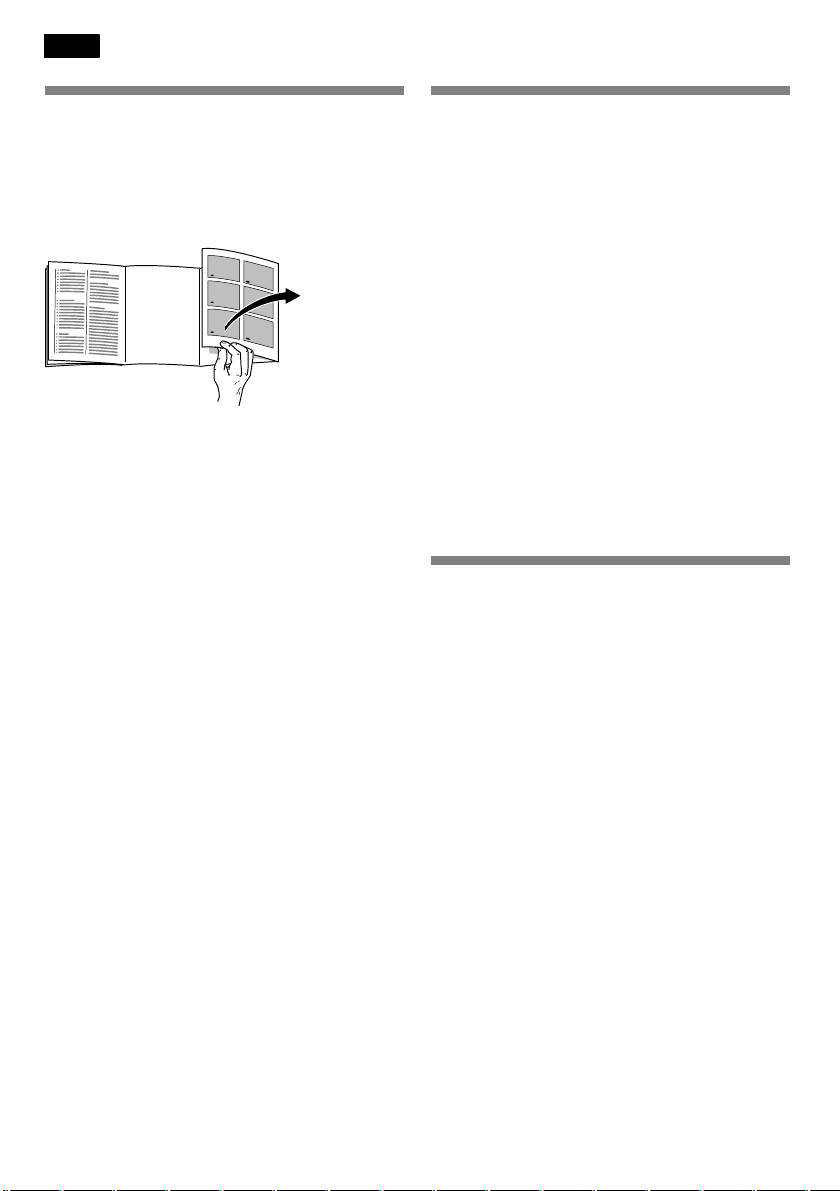
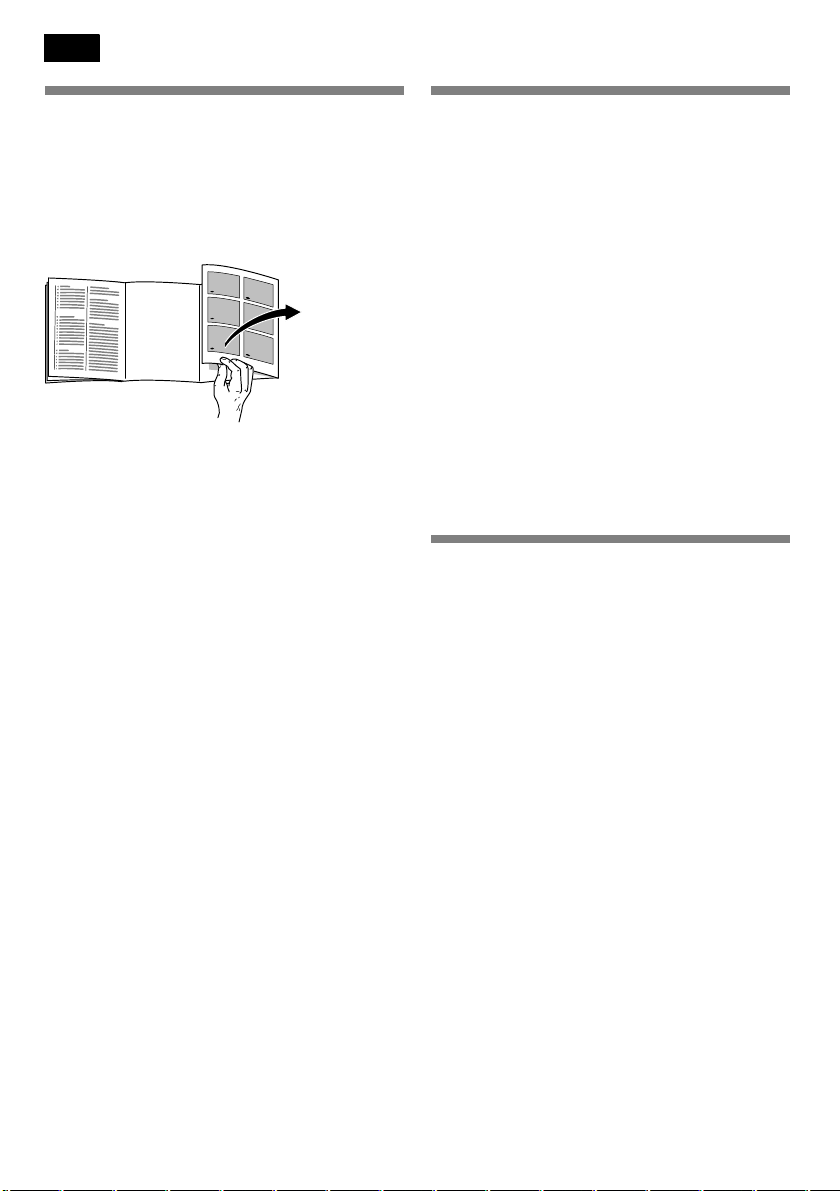
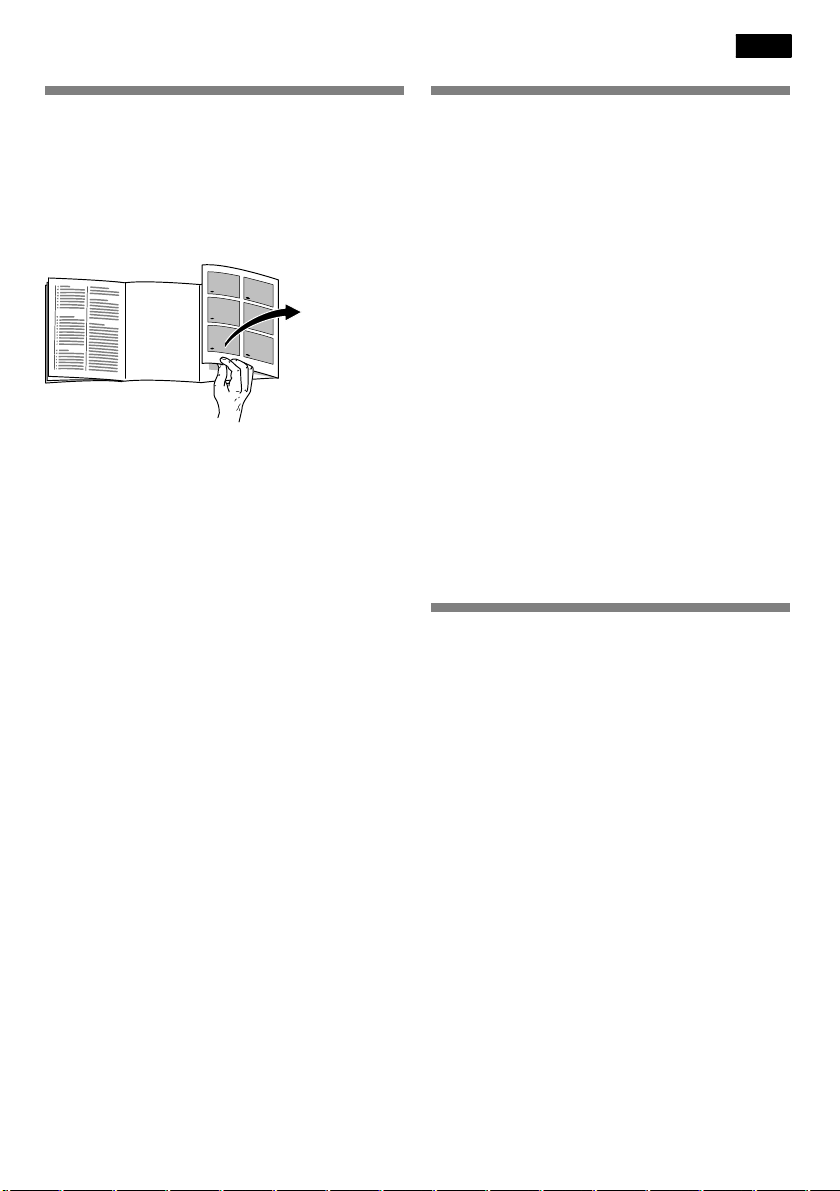
Bitte klappen Sie die letzte Seite mit den
Abbildungen aus. Diese
Gebrauchsanweisung gilt für mehrere
Modelle.
Abweichungen bei den Abbildungen sind
möglich.
Bild1
*nicht bei allen Modellen
1 Ein/Aus Taste
2 Innenbeleuchtung
3 Lichtschalter
4 Holzablage
5 Tauwasserablauf
6 Einstelltaste Temperatur
7 Anzeige Temperatureinstellung
8 Aktivkohlefilter
Gerät aufstellen
Zum Aufstellen eignet sich ein trockener,
belüftbarer Raum. Der Aufstellplatz sollte
nicht direkter Sonnenbestrahlung
ausgesetzt und nicht in der Nähe einer
Wärmequelle wie Herd, Heizkörper etc.
sein. Wenn das Aufstellen neben einer
Wärmequelle unvermeidbar ist,
verwenden Sie eine geeignete
Isolierplatteoder halten Sie folgende
Mindestabstände zur Wärmequelle ein:
Zu Elektro oder Gasherden 3 cm.
Zu
Öl oder Kohleanstellherden 30 cm.
Wechsel des Türanschlages
Ein Wechsel des Türanschlages ist bei
diesem Gerät nicht möglich.
Gerät ausrichten
Bild2
Gerät aufden vorgesehenen Platz stellen
undausrichten.
Die vorderen Schraubfüße können
verstellt werden.
de
7
Raumtemperatur und
Belüftung beachten
Die Klimaklasse steht auf dem
Typenschild. Sie gibt an, innerhalb
welcher Raumtemperaturen dasGerät
betrieben werden kann.
Klimaklasse zulässige
Raumtemperatur
N +16 °C bis 32 °C
ST +16 ° C bis 38 °C
T +16 °C bis 43 °C
!
Achtung
Die Raumtemperatur darf nicht unter
+16°C absinken.
Im Kühlraum wird es sonst zu kalt,
empfindliches Kühlgut kann geschädigt
werden.
Belüftung
Bild3
Die erwärmte Luft an den Seitenwänden
des Gerätes muss ungehindert abziehen
können. Die Kühlmaschine muß sonst
mehr leisten und das erhöht den
Stromverbrauch.
Für das Gerät sind deshalb seitliche
Abstände von mindestens 4cm zu
Wänden und Nachbarmöbeln notwendig.
Dieser Abstand ist auch notwendig, dass
die Türe mindestens um 90° geöffnet
werden kann.
Gerät anschließen
Nach dem Aufstellen des Gerätes
mindestens 1Stunde warten, bis das
Gerät in Betrieb genommen wird.
Während des Transports kann es
vorkommen, dass sich das im Verdichter
enthaltene Öl im Kältesystem verlagert.
Vor der ersten Inbetriebnahme den
Innenraum des Gerätes reinigen (siehe
KapitelReinigen").
Die Steckdose muss nahe dem Gerät
und auch nach dem Einbau frei
zugänglich sein.
Das Gerät an 220−240 V/50 Hz
Wechselstrom über eine vorschriftsmäßig
installierte Steckdose anschließen. Die
Steckdose muss mit einer
10Abis16ASicherung abgesichert
sein.
Bei Geräten, die in nichteuropäischen
Ländern betrieben werden, ist auf dem
Typenschild zu überprüfen, ob die
angegebene Spannung und Stromart mit
den Werten Ihres Stromnetzes
übereinstimmt. Das Typenschild befindet
sich im Gerät links unten. Ein eventuell
notwendiger Austausch der
Netzanschlussleitung darf nur durch
einen Fachmann erfolgen.
! Warnung
Auf keinen Fall darf das Gerät an
elektronische Energiesparstecker und an
Wechselrichter, die Gleichstrom in 230V
Wechselstrom umwandeln,
angeschlossen werden (z.B.
Solaranlagen, Schiffsstromnetze).
de
8
Gerät einschalten
Ein/Aus Ta ste Bild1/1 drücken. Das
Gerät beginnt zu kühlen. Die
Innenraumbeleuchtung leuchtet bei
geöffneter Tür.
Vom Werk aus ist das Gerät auf mittlere
Einstellung 3 eingestellt.
Hinweise zum Betrieb
Während die Kühlmaschine läuft, bilden
sich Wasserperlen oder Reif an der
Rückwand des Kühlraums, dieses ist
funktionsbedingt. Ein Abschaben der
Reifschicht oder Abwischen der
Wasserperlen ist nicht notwendig. Die
Rückwand taut automatisch ab. Das
Tauwasser wird in der Ablaufrinne Bild4
aufgefangen, zur Kühlmaschine geleitet
und dort verdunstet.
Temperatur einstellen
Die Temperatur lässt sich von Stufe 1−5
einstellen.
Ta ste Bild1/6 dreiSekunden lang
drücken, bis Anzeige blinkt. Danach
Ta ste so oft drücken, bis die gewünschte
Einstellung angezeigt wird.
Die letzte Einstellung wird gespeichert.
Einstellung 1 geringe Kühlleistung
Einstellung 5 höchste Kühlleistung
Bei einer Einstellung von 3 wird je nach
Umgebungstemperatur und Beladung
eine Kühlraumtemperatur von +8 °C bis
+12 °C erreicht.
Kühlvermögen
Die Temperatur im Kühlraum kann durch
einbringen von größeren Mengen Wein
vorübergehend wärmer werden.
Flaschen einordnen
Beim Einordnen beachten:
S Je nach Modell können auf den
Flaschenablagen eine max. Stückzahl
an Flaschen gelagert werden, siehe
Beladungsbeispiel Bild9 und0.
Diese Stückzahl kann erreicht werden,
wenn die Flaschen mit dem
Flaschenhals nach vorne abgelegt
werden.
S Um eine einwandfreie Luftzirkulation im
Gerät zu erhalten, sollten die Flaschen
nicht entgegengesetzt gelagert werden
und die Kühlraumrückwand nicht
berühren.
S Die angegebene Stückzahlen der
Flaschen können abweichen bei
anderer Flaschenform und Größe.
S Der unterste Bereich ist, bedingt durch
den Maschinenraum nicht sehr tief.
Es können Getränkedosen oder kurze
Weinflaschen gelagert werden.
Für Präsentationszwecke ist es auch
möglich, die Weinflaschen stehend zu
lagern Bild5.
Nutzinhalt
Die Angaben zum Nutzinhalt finden Sie in
Ihrem Gerät auf dem Typenschild.
de
9
TemperaturZonen im
Kühlraum nutzen!
Durch die LuftZirkulation im Gerät
entstehen Zonen unterschiedlicher
Temperatur:
Die wärmste Zone ist oben
Die kälteste Zone ist unten
Getränke einordnen
Aufbewahrung verschiedener Weintypen
gemäß folgender von oben nach unten
gehender Reihenfolge:
S schwere Rotweine
S Rose und leichte Rotweine
S Weißwein
S Champagner und Schaumweine
Es empfiehlt sich, die Weine ein paar
Grade kälter als die gewünschte
Trinktemperatur zu servieren, da sich der
Wein beim Einschenken ins Glas rasch
erwärmt.
Praktische Tipps zur
Weinlagerung
S Flaschenweine grundsätzlich
ausgepackt − nicht in Kisten oder
Kartons im Kühlraum aufbewahren.
S Alte Flaschen müssen so gelegt
werden, dass der Kork stets benetzt ist.
Niemals sollte zwischen Wein und Kork
ein Luftzwischenraum bestehen.
S Die offenen Flaschenablagen eignen
sich besonders gut, weil sie die
Luftzirkulation nicht unterbrechen.
Dadurch wird die Luftfeuchtigkeit, die
an den Flaschen
kondensiert, schnell
wieder abgetrocknet.
S Vor dem Genuss sollte der Wein
langsam angewärmt" (chambriert)
werden: Holen Sie z.B. den Rosé
ca.25 Stunden, den Roten 45
Stunden vorher auf
den Tisch, dann
haben Sie die richtige Trinktemperatur.
Weißwein dagegen kommt direkt auf
den Tisch. Sekt und Champagner
sollten kurz vor dem Genuss im
Kühlschrank gekühlt werden.
S Berücksichtigen Sie, dass Weine immer
etwas niedriger als ihre ideale
Serviertemperatur gekühlt sein sollten,
da sie sich beim Einschenken ins Glas
sofort um 1 bis 2°C erwärmen!
de
10
Trinktemperaturen
Die richtige Serviertemperatur
entscheidet über den Geschmack des
Weines und damit über Ihren
Trinkgenuss.
Wir empfehlen zum Servieren des Weines
folgende Trinktemperaturen:
Weinart
Trinktem-
peratur
Große Bordeaux rot
18°C
Côtes du Rhône rot/
Barolo
17°C
Große Burgunder rot/
Bordeaux rot
16°C
Portwein 15°C
Junge Burgunder
rot
14°C
Junge Rotweine 12°C
Junger Beaujo
lais/ Alle Weiß
weine mit wenig
Restsüße
11°C
Alte Weißweine/
große Chardonnay
10°C
Sherry 9°C
Junge Weißweine
ab Spätlese
8°C
Weißweine Lire/
EntredeuxMers
7°C
Gerät ausschalten und
stilllegen
Gerät ausschalten
Ein/Aus Ta steBild1/1 drücken.
Kühlmaschine und Beleuchtung schalten
ab.
Gerät stilllegen
Wenn Sie das Gerät längere Zeit nicht
benutzen:
1. Gerät ausschalten.
2. Netzstecker ziehen oder Sicherung
ausschalten.
3. Gerät reinigen.
4. GeräteTür offen lassen.
Gerät reinigen
Gehen Sie wie folgt vor:
1. Netzstecker ziehen oder Sicherung
ausschalten!
2. Die Türdichtung nur mit klarem Wasser
abwischen und danach gründlich
trockenreiben.
3. Reinigen Sie das Gerät mit lauwarmem
Wasser und etwas Spülmittel. Das
Wasser darf nicht in die
Bedienelemente und Beleuchtung
gelangen.
4. Nach dem Reinigen, Gerät wieder
anschließen und einschalten.
de
11
Hinweis
Verwenden Sie keine sandhaltigen oder
säurehaltigen Putz und Lösungsmittel.
TauwasserRinne und Ablaufloch Bild4
regelmäßig reinigen, damit das
Tauwasser ablaufen kann.
TauwasserRinne mit Stäbchen o.ä.
reinigen.
Das
Reinigungswasser darf nicht durch
das Ablaufloch in die Verdunstungsschale
laufen.
Aktivkohlefilter
Bild6
Der Aktivkohlefilter sorgt für
Luftaustausch und Geruchsverbesserung
im Gerät.
Wir empfehlen, den Filter jährlich
auszutauschen.
Ersatzfilter sind beim Kundendienst
erhältlich.
Energie sparen
S Gerät in einem trockenen, belüftbaren
Raum aufstellen! Das Gerät soll nicht
direkt in der Sonne oder in der Nähe
einer Wärmequelle stehen
(z.B.Heizkörper, Herd). Verwenden Sie
ggf. eine Isolierplatte.
S GeräteTür so kurz wie möglich öffnen!
S Getränke erst abkühlen lassen, dann
ins Gerät stellen!
S Die Geräterückseite sollte gelegentlich
mit einem Staubsauger oder Pinsel
gereinigt werden, um einen erhöhten
Stromverbrauch zu vermeiden.
Betriebsgeräusche
Ganz normale Geräusche
Brummen − Kälteaggregat läuft.
Blubbernde, surrende oder gurgelnde
Geräusche − Kältemittel fließt durch die
Rohre.
Klicken − Motor schaltet ein oder aus.
Geräusche vermeiden
Das Gerät steht uneben
Bitte richten Sie das Gerät mit Hilfe einer
Wasserwaage aus. Verwenden Sie dazu
die Schraubfüße oder legen Sie etwas
unter.
Das Gerät steht an"
Bitte rücken Sie das Gerät von
anstehenden Möbeln oder Geräten weg.
Schubladen, Körbe oder
Abstellflächen wackeln oder klemmen
Prüfen Sie bitte die herausnehmbaren
Teile und setzen Sie sie eventuell neu ein.
Gefäße berühren sich
Rücken Sie bitte die Flaschen oder
Gefäße leicht auseinander.
de
12
Kleine Störungen selbst beheben
Bevor Sie den Kundendienst rufen:
Überprüfen Sie, ob Sie die Störung aufgrund der folgenden Hinweise selbst beheben
können.
Sie müssen die Kosten für Beratung durch den Kundendienst selbst übe
rnehmen −
auch während der Garantiezeit!
Störung
Mögliche Ursache Abhilfe
Temperatur weicht stark
von der Einstellung ab.
In einigen Fällen reicht es, wenn Sie das
Gerät für 5 Minuten ausschalten.
Ist die Temperatur zu warm, prüfen Sie
nach wenigen Stunden, ob eine
Temperaturannäherung erfolgt ist.
Ist die Temperatur zu kalt, prüfen Sie
am nächsten Tag die Temperatur
nochmal.
Die Beleuchtung
funktioniert nicht.
Die Glühlampe ist defekt. Glühlampe austauschen Bild7/A
1. Netzstecker ziehen bzw. Sicherung
ausschalten.
2. LampenAbdeckung von hinten
abziehen.
3. Glühlampe austauschen;
Ersatzglühlampe 220−240V
Wechselstrom, Sockel E14,
Wattangabe siehe defekte Lampe
Der Lichtschalter klemmt.
Bild7/B.
Prüfen, ob er sich bewegen lässt.
Der Boden des
Kühlraums ist nass.
Das TauwasserAblaufrohr
ist verstopft Bild4.
Reinigen Sie die Tauwasserrinne und
das Ablaufrohr
(siehe Gerät reinigen")
Im Gerät ist es nicht kalt. Häufiges Öffnen der
GeräteTür.
Es wurden viele Flaschen
eingelegt.
Tür nicht unnötig öffnen.
23 Tage warten.
de
13
Störung AbhilfeMögliche Ursache
Der Kühlschrank hat
keine Kühlleistung.
Das Gerät ist
ausgeschaltet.
Ein/AusTaste Bild1/1 drücken.
Stromausfall; die
Sicherung ist
ausgeschaltet; der
Netzstecker sitzt nicht fest.
Prüfen, ob Strom vorhanden ist,
Sicherungen überprüfen.
Kundendienst rufen
Einen Kundendienst in Ihrer Nähe finden
Sie im Telefonbuch oder im
Kundendienst−Verzeichnis. Geben Sie
bitte dem Kundendienst die
Erzeugnisnummer (E−Nr.) und die
Fertigungsnummer (FD−Nr.) des Gerätes
an.
Sie finden diese Angaben auf dem
Typenschild. Bild 8.
Bitte helfen Sie durch Nennung der
Erzeugnis− und Fertigungsnummer mit,
unnötige Anfahrten zu vermeiden. Sie
sparen die damit verbundenen
Mehrkosten.
Reparaturauftrag und Beratung bei
Störungen
D 01801 22 33 55
(0,039 /Min. aus dem Festnetz,
Mobilfunk max. 0,42 /Min.)
A 0810 240 260
CH 0848 840 040
Die Kontaktdaten aller Länder finden Sie
im beiliegenden
Kundendienst−Verzeichnis.
de

14
Safety and warning
information
Before you switch ON the
appliance
Please read the operating and installation
instructions carefully.
They contain important information
onhow to install, use and maintain the
appliance.
Keep all documentation for subsequent
use or for the next owner.
Technical safety
S This appliance contains a small quantity
of environmentallyfriendly but flam
mable R600a refrigerant. Ensure that
the tubing of the refrigerant circuit is not
damaged during transportation and
installation. Leaking refrigerant may
cause eye injuries or ignite.
If damage has occurred
−Keep naked flames and/or ignition
sources away from the appliance.
− Thoroughly ventilate the room for
several minutes.
−Switch off the appliance and pull out
the mains plug or switch off the fuse.
− Notify customer service.
The more refrigerant an appliance
contains, the larger the room must be.
Leaking refrigerant can form a flam
mable gasair mixture in rooms which
are too small.
The room must be at least 1m
3
per 8g
of refrigerant. The amount of refrigerant
in your appliance is indicated on the
rating plate inside the appliance.
S Only customer service may change
thepower cord and carry out any other
repairs. Improper installations and
repairs may put the user at
considerable risk.
Important information when
using the appliance
S Never use electrical appliances inside
the appliance (e.g.heaters, electric ice
makers, etc.). Risk of explosion!
S Never use a steam cleaner to defrost
orclean the appliance. The steam may
penetrate electrical parts and cause
ashortcircuit.
Risk of electric shock!
S Do not use pointed or sharpedged
implements to remove frost or layers
ofice.
You could damage the refrigerant
tubing. Leaking refrigerant may ignite
orcause eye injuries.
S Do not store products which contain
flammable propellants (e.g.spray cans)
or explosive substances in the
appliance. Explosion hazard!
S Do not stand or support yourself on
thebase, drawers or doors, etc.
S Before defrosting or cleaning the
appliance, switch off the appliance,
pullout the mains plug or switch off
thefuse.
Pull on the mains plug, not onthe
power cord.
S Bottles which contain a high
percentage of alcohol must be sealed
and stored in an upright position.
S Keep plastic parts and the door seal
free of oil and grease. Otherwise, parts
and door seal will become porous.
S Never cover or block the ventilation
openings for the appliance.
en
15
S People who have limited physical,
sensoryor mental abilities or
inadequate knowledge must not use
this appliance unless they are
supervised or given meticulous
instructions.
Children in the household
S Keep children away from packaging
and its parts. Danger of suffocation
from folding cartons and plastic film!
S Do not allow children to play with the
appliance!
S If the appliance features a lock, keep
the key out of the reach of children.
General requirements
This appliance is only intended for the
storage of wine.
This appliance is intended for domestic
use in private households and for a
domestic environment.
The appliance has been
interference−suppressed in compliance
with EU Directive 2004/108/EC.
The refrigerant circuit has been tested for
leaks.
This product complies with the relevant
safety regulations for electrical appliances
(EN60335/2/24).
Information
concerning disposal
x Disposal of packaging
The packaging protects your appliance
from damage during transit. All packaging
materials are environmentally friendly and
recyclable. Please contribute to a better
environment by disposing of packaging
materials in an environmentallyfriendly
manner.
Please ask your dealer or inquire at your
local authority about current means of
disposal.
x Disposal of your old
appliance
Old appliances are not worthless rubbish!
Valuable raw materials can be reclaimed
by recycling old appliances.
This appliance is labelled in
accordance with European Directive
2002/96/EG concerning used
electrical and electronic appliances
(waste electrical and electronic
equipment WEEE). The guideline
determines the framework for the return
and recycling of used appliances as
applicable throughout the EU.
!
Warning
Redundant appliances:
1. Pull out the mains plug.
2. Cut off the power cord and discard
with the mains plug.
Refrigerators contain refrigerants and the
insulation contains gases. Refrigerant and
gases must be disposed of properly.
Ensur e that tubing of the refrigerant circuit
is not damaged prior to proper disposal.
en
16
Getting to know your
appliance
Please fold out the illustrated last page.
These operating instructions refer to
several models.
The illustrations may differ.
Fig.1
*not all models
1 On/Off button
2 Interior light
3 Light switch
4 Wooden shelf
5 Condensation outlet
6 Temperature selection button
7 Temperature setting display
8 Activated charcoal filter
Installing the appliance
Install the appliance in a dry, well
ventilated room. The installation location
should neither be exposed to direct
sunlight nor near a heat source, e.g.
acooker, radiator, etc. If installation next
to a heat source is unavoidable, use
asuitable insulating plate or observe the
following minimum distances to a heat
source:
3cm to electric or gas cookers.
30 cm to an oil or solidfuel cooker.
Changing over the door hinges
The door hinges on this appliance cannot
be changed over.
Aligning the appliance
Fig.2
Place the appliance in the designated
location and align.
The front screw feet can be adjusted.
en
17
Note ambient
temperature and
ventilation
The climatic class can be found on the
rating plate. It specifies the ambient
temperatur es at which the appliance may
be operated.
Climatic category
Permitted ambient
temperature
N +16 °C to 32 °C
ST +16 °C to 38 °C
T +16 °C to 43 °C
!
Attention
The room temperature must not drop
below +16°C.
Otherwise the refrigerator compartment
will become too cold and perishable
items may be damaged.
Ventilation
Fig.3
The heated air on the side panels of the
appliance must be able to escape freely.
Otherwise, the refrigerating unit must
work harder and the power consumption
is increased.
For this appliance there must be a 4 cm
gap between the wall and adjacent
furniture.
This distance is also required so that the
door can be opened by at least 90°.
Connecting
theappliance
After installing the appliance, wait at least
1hour until the appliance starts up.
During transportation the oil in the
compressor may have flowed into the
refrigeration system.
Before switching on the appliance for
thefirst time, clean the interior of the
appliance (seechapter Cleaning).
The socket must be close to the
appliance and must be freely accessible
even after the appliance has been
installed.
Connect the appliance only to
220240V/50Hz alternating current via
acorrectly installed earthed socket.
Thesocket must be fused with a 10A
to16 A fuse.
If the appliance is to be operated in
anonEuropean country, check on
therating plate whether the indicated
voltage and current type correspond
tothe values of your mains supply.
Therating plate is situated in the bottom
lefthand side of the appliance.
Thepower cord may be replaced by
atechnician only.
! Warning
Never connect the appliance to electronic
energy saver plugs or to power inverters
which convert the direct current to 230V
alternating current (e.g. solar equipment,
power supplies on ships).
en
18
Switching on the
appliance
Press the On/Off button Fig.1/1.
Theappliance starts refrigerating.
Interiorlight is switched on when the
dooris open.
At the factory the appliance has been set
to the mi
ddle setting (3)
Operating tips
While the refrigerating unit is running,
beads of water or hoarfrost form at the
back of the refrigerator compartment.
Thisis quite normal. It is not necessary to
scrape off the frost or wipe off the beads
of water. The rear panel defrosts
automatically. The condensation collects
in the drainage channel Fig.4 and is
conveyed to the refrigerating unit where
itevaporates.
Selecting the
temperature
The temperature can be set from 1−5.
Press button Fig.1/6 for 3seconds until
display flashes. Then keep pressing the
button until the required setting is
displayed.
The last setting is saved.
Setting 1, low cooling capacity.
Setting 5, maximum cooling capacity
At a setting of 3 a refrigerator
compartment temperature of +8°C to
+12°C is reached depending on the
ambient temperature and load.
Refrigerating capacity
The temperature in the refrigerator
compartment may rise temporarily if
loaded with fairly large amounts of food.
Placing bottles in the
refrigerator
Note when loading products:
S Depending on the model, a max.
number of bottles can be stored on
thebottle shelves, see loading
example, Figs.9and0.
This number of bottles can be stored
ifthe bottles are placed with their necks
facing forwards.
S To ensure good air circulation in the
appliance, the bottles should not be
stored opposite each other or touch
therear panel of the refrigerator
compartment.
S The indicated number of bottles may
vary depending on the shape and size
of the bottles.
S The area at the bottom is not very deep
on account of the motor compartment.
Drinks cans or short wine bottles can
bestored.
For presentation purposes it is also
possible to store the wine bottles
upright, Fig.5.
Usable capacity
Information on the usable capacity can
be found inside your appliance on the
rating plate.
en
19
Use temperature zones
in the refrigerator
compartment!
The air circulation in the appliance
produces different refrigeration zones:
The warmest zone is at the top.
The coldest zone is at the bottom.
Arrange drinks
Store different types of wine from top
tobottom according to the following
sequence:
S Haevy red wines
S Rosé and light red wines
S White wine
S Champagne and sparkling wines
It is recommended to serve the wine a
few degrees colder than the required
drinking temperature, as the wine warms
up quickly when poured into glasses.
Practical tips for storing
wine
S Unpack bottles of wine do not leave
incrates or cardboard boxes before
storing in the refrigerator compartment.
S Place old bottles so that the cork
is
always wet. There should never
beanair gap between the wine and
thecork.
S The open bottle shelves are especially
suitable because they do not interrupt
the air circulation.
As a result, the atmospheric humidity
which condenses on the bottles quickly
dries again.
S Before the wine is drunk, it should
be “warmed up” (chambré):
Place e.g. rosé wine on the table
approx. 2−5 hours before drinking,
redwine 4−5 hours before drinking.
Thewine will then be at the correct
drinking temperature.
Sparkling wine and Champagne should
be cooled inthe refrigerator shortly
before drinking.
S Remember that wine should always
becooled slightly lower than the ideal
serving temperature, as its temperature
increases by 1 to 2 °C assoon
as it is poured into a glass!
en
20
Drinking temperatures
The correct serving temperature is crucial
for the taste and therefore your
enjoyment of the wine.
We recommend serving wine at the
following drinking temperatures:
Type of wine
Drinking
tempera
ture
Bordeaux red
18ºC
Côtes du Rhône
red/Barolo
17ºC
Burgundy red/
Bordeaux red
16ºC
Port
15ºC
Young Burgundy red
14ºC
Young red wine
12ºC
Young Beaujolais/
all white wines with
little residual sugar
11ºC
Old white wines/
Chardonnay
10ºC
Sherry
9ºC
Young white wines
from late vintage
8ºC
White wines Loire/
EntredeuxMers
7ºC
Switching off and
disconnecting the
appliance
Switching off the appliance
Press the On/Off button Fig.1/1.
Refrigerating unit and the light switch off.
Disconnecting
theappliance
If the appliance is not used for
aprolonged period:
1. Switching off the appliance.
2. Pull out the mains plug or switch off
thefuse.
3. Cleaning the appliance.
4. Leave the appliance door open.
Cleaning the appliance
Proceed as follows:
1. Pull out the mains plug or switch off
the fuse!
2. Wipe the door seal with clear water
only and then wipe dry thoroughly.
3. Clean the appliance with lukewarm
water and a little washingup liquid.
The water must not drip onto the
controls or light.
4. After cleaning: reconnect and switch
on the appliance.
en
21
Note
Do not use abrasive or acidic cleaning
agents and solvents.
Regularly clean the condensation
channel and drainage hole, Fig.4, so
that the condensation can flow out.
Clean the condensation channel with
cotton buds, etc.
Water used for cleaning must not run
through the drainage hole into the
evaporation pan.
Activated charcoal filter
Picture6
The activated charcoal filter provides air
exchange and improved odour in the
appliance.
We recommend that you replace the filter
once a year.
Replacement filters are available from the
after−sales service.
Tips for saving energy
S Install the appliance in a dry, well
ventilated room, but not in direct
sunlight and not near a heat source
(e.g.radiator, cooker, etc.). If required,
use an insulating plate.
S Open and close the door as briefly
aspossible.
S Allow drinks to cool down before
placing in the appliance!
S Occasionally clean the rear of the
appliance with a vacuum cleaner
orpaint brush to prevent an increased
power consumption.
Operating noises
Normal noises
Humming − refrigerating unit is running.
Bubbling, gurgling or whirring noises −
refrigerant is flowing through the tubing.
Clicking − motor is switching on or off.
Preventing noises
The appliance is not level
Please align the appliance with a spirit
level. Use the heightadjustable feet
orplace something under the feet.
The appliance is not freestanding
Please move the appliance away from
adjacent units or appliances.
Drawers or storage areas wobble
orstick
Please check the removable parts and,
ifrequired, reinsert them.
Bottles or receptacles are touching
each other
Please move bottles or receptacles away
from each other.
en
22
Eliminating minor faults yourself
Before you call customer service:
Please check whether you can eliminate the fault yourself based on the following
information.
Customer service will charge you for advice, even
if the appliance is still under
guarantee!
Fault
Possible cause Remedial action
Temperature differs
greatly from the set
value.
In some cases it is adequate to switch
off the appliance for 5minutes.
If the temperature is too high wait
afewhours and check whether the
temperature has approached the set
value.
If the temperature is too low check
thetemperature again the next day.
Light does not function. The bulb is defective. Change the bulb Fig.7/A
1. Pull out the mains plug or
disconnect the fuse.
2. Remove the bulb cover from the
rear.
3. Change the bulb: Replacement bulb
220−240 a.c., E14 bulbholder, see
defective bulb for wattage.
Light switch is sticking.
Fig.7/B.
Check whether it can be moved.
Floor of the refrigerator
compartment is wet.
The condensation
drainage pipe is blocked
Fig.4.
Clean the condensation channel and
theoutlet (see Cleaning the appliance")
The appliance interior
isnot cold.
Appliance door opened
frequently.
A lot of bottles were
placed in the appliance.
Do not open the door unnecessarily.
wait 2−3 days.
en
23
Fault
Remedial actionPossible cause
Refrigerator has no
cooling capacity.
Appliance has switched
off.
Press the On/Offbutton Fig.1/1.
Power failure; the fuse has
been switched off; the
mains plug has not been
inserted properly.
Check whether the power is on, check
the fuses.
Customer service
Please check your telephone book or the
customerservice list for your nearest
customerservice facility. When
contacting customer service, please
ALWAYS quote the product number
(Enum
ber) and production number
(FDnumber) of your appliance.
These numbers can be found on the
rating plate. Fig.8
To prevent unnecessary callouts, please
assist customer service by quoting the
product and production numbers. This
will save you additional costs.
Repair order and consultation if faults
occur:
GB 0844 8928979
Calls from a BT landline will be charged
at up to 3 pence per minute. A call
set−up fee of up to 6 pence may apply.
IE 01450 2655
US 800 944 2904 toll−free
The attached after−sales service directory
contains the contact data for all
countries.
en
24
Consignes de sécurité
et avertissements
Avant de mettre l’appareil
en service
Veuillez lire attentivement et entièrement
les informations figurant dans les notices
d’utilisation et de montage.
Elle contiennent des remarques impor
tantes concernant l’installation,
l’utilisation et l’entretien de l’appareil.
Conservez toute la documentation pour
pouvoir la consulter à nouveau ultérieure
ment ou si l’appareil doit changer un jour
de propriétaire.
Sécurité technique
S Cet appareil contient une petite quantité
d’un fluide réfrigérant écologique mais
inflammable, le R600a. Pendant le
transport et la mise en place de l’appa
r eil, veillez à ne pas endommager les
tuyauteries du circuit frigo rifiq ue. Sile
fluide réfrigérant jaillit, il peut provoquer
des lésions oculair es ou s’enflammer.
Si l’appareil est endommagé
− De l’appareil, éloignez toute flamme
nue ou source d’inflammation.
− Aérez bien la pièce pendant quelques
minutes.
− Éteignez l’appareil, débranchez sa
fiche mâle ou ramenez le disjoncteur
en position éteinte.
− Prévenez le service aprèsvente.
Plus l’appareil contient du fluide réfrigé
rant et plus grande doit être la pièce
dans laqu
elle il se trouve. Dans les
pièces trop petites, un mélange gaz
airinflammable peut se former en cas
de fuite.
Comptez 1m
3
de volume minimum de
la pièce pour 8g de fluide réfrigérant.
Laquantité de fluide présente dans
l’appareil est indiquée sur la plaque
signalétique située à l’intérieur de ce
dernier.
S Le changement de cordon d’alimenta
tion et d’autres réparations sont exclu
sivement réservées au service après
vente. Les installations et réparations
inexpertes peuvent engendrer des
risques considérables pour l’utilisateur.
Pendant l’utilisation
S N’utilisez jamais d’appareils électriques
à l’intérieur de l’appareil (parex.des
appareils de chauffage, sorbetières
électriques, etc.).
Risque d’explosion !
S Ne dégivrez ni ne nettoyez jamais
l’appareil avec un nettoyeur à vapeur.
La vapeur risque d’atteindre des pièces
électriques et de provoquer un court
circuit.
Risques d’électrocution !
S Pour détacher le givre ou les couches
de glace, n’utilisez jamais d’objets
pointus ou présentant des arêtes vives.
Vous risqueriez d’endommager les
tuyaux de fluide réfrigérant. Le fluide
réfrigérant en train de jaillir risque de
s’enflammer ou de provoquer des
lésions oculaires.
fr

25
S Ne stockez dans l’appareil ni produits
contenant des gaz propulseurs inflam
mables (parex.bombes aérosols) ni
produits explosifs.
Risque d’explosion !
S Ne vous servez pas des socles,
clayettes et portes comme marche
pieds oupour vous app
uyer.
S Pour dégivrer et nettoyer, éteignez
l’appareil, débranchez la fiche mâle
dela prise de courant ou ramenez le
fusible/disjoncteur en position éteinte.
Pour débrancher, saisissez la fiche
mâle, ne tirez jamais le cordon
d’alimentation à vous.
S Stockez les boissons fortement
alcoolisées en position verticale dans
des récipients bien fermés.
S L’huile et la graisse ne doivent pas
entrer en contact avec les parties en
matières plastiques et le joint de porte.
(ces derniers pourraient sinon devenir
poreux).
S Ne recouvrez et n’obstruez jamais les
orifices de ventilation de l’appareil.
S L’utilisation de cet appareil par des
personnes présentant des capacités
physiques, sensorielles ou psychiques
restreintes, ou ne détenant pas les
connaissances voulues, devra se
dérouler sous surveillance ou après leur
avoir fourni des instructions détaillées.
Les enfants et l’appareil
S Ne permettez jamais aux enfants de
jouer avec l’emballage et ses pièces
constitutives. Ils risquent de s’étouffer
avec les cartons pliants et les feuilles
deplastique !
S L’appareil n’est pas un jouet, éloignez
les enfants.
S
Si l’appareil est équipé d’une serrure :
rangez la clé hors de portée des
enfants.
Dispositions générales
Cet appareil est uniquement destiné au
stockage du vin.
Cet appareil est conçu pour être utilisé
dans un établissement privé ou dans
environnement domestique.
L’appar eil a été antiparasité
conformément à la directive
UE2004/108/EC.
Le circuit frigorifique a subi un contrôle
d’étanchéité.
Ce produit est conforme aux dispositions
de sécurité applicables aux appareils
électriques (EN 60335/2/24).
fr
26
Conseils pour la mise
au rebut
x Mise au rebut
del’emballage
L’emballage protège votre appareil contre
les dégâts qu’il pourrait subir en cours
detransport. Tous les matériaux qui
leconstituent sont compatibles avec
l’environnement et recyclables.
Aideznous à recycler l’emballage en
respectant l’environnement.
Pour savoir comment vous débarrasser
de l’emballage, veuillez consulter votre
revendeur ou les services administratifs
de votre mairie.
x Mise au rebut de l’ancien
appareil
Les appareils usagés ne sont pas des
déchets sans valeur. Leur élimination
dans le respect de l’environnement
permet d’en récupérer de précieuses
matières premières.
Cet appareil est marqué selon la
directive européenne 2002/96/CE
relative a
ux appareils électriques et
électroniques usagés (waste electrical
and electronic equipment WEEE). La
directive définit le cadre pour une reprise
et une récupération des appareils
usagés applicables dans les pays de la
CE.
!
Attention
Avant de mettre au rebut l’appareil qui
nesert plus :
1. Débranchez la fiche mâle de la prise
decourant.
2. Sectionnez le cordon d’alimentation
puis enlevezle avec la fiche mâle.
Les appareils frigorifiques contiennent
desfluides frigorigènes et des gaz
isolants qui nécessitent une mise au
rebut adéquate. Veillez à ce que les
tuyaux ducircuit frigorifique de votre
appareil nesoient pas endommagés
jusqu’à sonélimination dans les règles de
l’art. Jusqu’à l’enlèvement de l’appareil,
veillez bien àce que son circuit
frigorifique ne soit pasendommagé.
fr
27
Présentation de
l’appareil
Veuillez déplier la dernière page, illustrée,
de la notice. La présente notice
d’utilisation vaut pour plusieurs modèles.
Selon le modèle, l’appareil peut différer
ducontenu des illustrations.
Fig.1
*selon le modèle
1 Touche Marche / Arrêt
2 Eclairage intérieur
3 Interrupteur d’éclairage
4 Clayette en bois
5 Orifice d’écoulement de l’eau
dedégivrage
6 Touche de réglage de
latempérature
7 Affichage du réglage de
latempérature
8 Filtre à charbon actif
Installa tion del’appar eil
Un local sec et aérable convient pour
installer l’appareil. Evitez de placer
l’appareil à un endroit directement
exposé aux rayons solaires ou à proximité
d’une source de chaleur telle une
cuisinière, unradiateur, etc. Si
l’installation près d’une source de chaleur
est inévitable, utilisez une plaque isolante
appropriée ourespectez les distances
minimales suivantes:
3cm par rapport aux cuisinières
électriques ou à gaz.
30cm par rapport à un appareil
dechauffage au fuel ou au charbon.
Inversion du sens d’ouverture de porte
Une inversion du sens d’ouverture de
porte n’est pas possible sur cet appareil.
Ajuster l’appareil
Fig.2
Amenez l’appareil sur l’emplacement
prévu puis ajustezle pour qu’il se
retrouve bien d’aplomb.
Il est possible de modifier le réglage
despieds à vis avant.
fr
28
Consignes pour la
température ambiante
et l’aération
La catégorie climatique est indiquée
surla plaque signalétique. Elle indique
àquelles températures ambiantes
l’appareil peut fonctionner.
Catégorie climatique
Température
ambiante admissible
N de +16 °C à 32 °C
ST de +16 °C à 38 °C
T de +16 °C à 43 °C
!
Attention
La température ambiante ne doit pas
descendre en dessous de +16°C.
Il risque sinon de faire trop froid dans le
compartiment réfrigérateur et les denrées
délicates à réfrigérer risquent de
s’abîmer.
Aération
Fig.3
L’air qui s’est échauffé au contact des
parois latérales de l’appareil doit pouvoir
s’échapper sans rencontrer d’obstacle.
Sinon le groupe frigorifique se trouverait
sollicité plus fortement, ce qui
augmenterait la consommation
decourant.
Pour cette raison, il faut que l’écart latéral
entre l’appareil et les murs et les meubles
voisins soit de 4 cm minimum.
Cet écart est nécessaire pour permettre
d’ouvrir les portes au minimum à 90°.
Branchement
del’appareil
Après l’installation de l’appareil en
position verticale, attendez au moins
uneheure avant de le mettre en service.
Ilpeuten effet arriver, pendant
letransport, que l’huile présente dans
lecompresseur se déplace vers le circuit
frigorifique.
Avant la première mise en service,
nettoyez le compartiment intérieur
del’appareil. (Voir le chapitre Nettoyage).
La prise de courant doit se situer près de
l’appareil et rester facilement accessible,
même après l’encastrement.
Branchez la fiche mâle de l’appareil dans
une prise secteur en 220−240V / 50Hz,
réglementairement reliée à la terre.
Laprise doit être protégée par un
fusible/disjoncteur supportant de 10A
à16 A.
Sur les appareils destinés aux pays
noneuropéens, vérifiez si la tension
debranchement et le type de courant
spécifiés sur la plaque signalétique
concordent bien avec ceux offerts par
lesecteur du pays concerné. La plaque
signalétique se trouve en bas à gauche
dans l’appareil. Si un changement de
cordon d’alimentation électrique
s’impose, cette opération est réservée
àun spécialiste.
! Attention
Il ne faut en aucun cas raccorder
l’appareil à des fiches d’économie
d’énergie et à des onduleurs
convertissant le courant continu
(débitépar exemple par des installations
photovoltaïques ou le réseau de bord
d’un bateau) en courant alternatif
230volts.
fr
29
Enclenchement
del’appareil
Appuyez sur la touche Marche / Arrêt
Fig.1/1. L’appareil commence
àréfrigérer. L’éclairage du compartiment
intérieur reste allumé tant que la porte
reste ouverte.
A la fabrication, l’appareil a été réglé sur
laposition médiane 3.
Remarques concer nant
lefonctionnement de
l’appareil
Pendant que le groupe frigorifique tourne,
des gouttelettes d’eau ou du givre se
forment contre la paroi arrière du
compartiment de réfrigération. Inutile de
gratter le givre ou d’essuyer les gouttes
d’eau. La paroi arrière se dégivre
automatiquement. L’eau de dégivrage
est récupérée dans la rigole
d’écoulement Fig.4, puis coule jusqu’au
groupe frigorifique où elle s’évapore.
Réglage de la
température
La température se laisse régler entre
leschiffres 1 et 5.
Appuyez3 secondes sur la touche
Fig.1/6 jusqu’à ce que le clignotement
commence. Ensuite, appuyez sur la
touche autant de
fois que nécessaire
pour que le réglage souhaité s’affiche.
L’appar eil mémorise le dernier réglage.
Réglage 1 Puissance frigorifique réduite
Réglage 5 Puissance frigorifique élevée
Lorsque l’appareil est réglé sur 3,
latempérature atteinte dans
le
compartiment réfrigérateur est comprise
entre +8°C et +12°C, ceci dépendant de
la température ambiante et de la quantité
rangée dedans.
Capacité de réfrigération
La température peut monter dans
lecompartiment réfrigérateur si vous
venez de ranger de grandes quantités
dedenrées.
fr
30
Rangement des
bouteilles
Lors du rangement, veiller à ce que:
S La quantité maximale de bouteilles
stockables varie selon le modèle
d’appareil. Voir les exemples
derangement Fig.9et0.
Cette quantité est prévue pour
lerangement des bouteilles goulot
versl’avant.
S Pour garantir une circulation
impeccable de l’air dans l’appareil,
ilnefaut pas coucher les bouteilles
«enemboîtement», et veiller à ce
qu’elle ne touchent pas la paroi arrière
du compartiment.
S Le nombre de bouteilles indiqué peut
différer si les bouteilles présentent une
forme et un volume différents.
S En raison du compartiment réservé au
groupe frigorifique, la partie inférieure
de votre cave à vin n’est pas très
profonde.
Il est possible de ranger les boissons
en boîte ou les bouteilles de vin de
petite taille.
A des fins de présentation, il est
également possible de ranger les
bouteilles de vin à la verticale Fig.5.
Contenance utile
Vous trouverez les indications relatives
àla contenance utile sur la plaque
signalétique de votre appareil.
Profitez des différentes
zones de température
dans l’appareil!
Vu que l’air circule dans l’appareil,
certaines zones sont plus froides que
d’autres.
La zone la moins froide se trouve en haut
La zone la plus froide se trouve en bas
Rangement des boissons
Conservation de différents types de vin
en respectant l’ordre suivant, de haut
enbas:
S Vins rouges corpulents
S Rosés et vins rouges légers
S Vins blancs
S Champagnes et vins mousseux
Nous vous recommandons de servir
lesvins quelques degrés en dessous
delatempérature souhaitée car ils se
réchauffent rapidement lorsqu’ils sont
versés dans les verres.
fr
31
Conseils pratique
destockage des vins
S Avant de ranger les bouteilles de vin
dans le compartiment réfrigérateur,
déballezles toujours de leur caisse
oucarton.
S Vous devrez toujours coucher les
bouteilles anciennes de sorte que
lebouchon reste
toujours mouillé.
Il ne doit jamais y avoir de cavité
remplie d’air entre le vin et le bouchon.
S Les clayettes à bouteilles, ouvertes,
conviennent particulièrement bien
parce qu’elles n’interrompent pas
lacirculation de l’air. Ceci permet
àl’humidité qui s’était condensée sur
les bouteilles de s’évaporer à nouveau
rapidement.
S Avant la dégustation, «échauffez»
(chambrez) le vin lentement. Ainsi par
exemple, mettez les vins rosés sur
latable env. 2 à −5 heures avant
ladégustation, et les vins rouges
4 à −5 heures avant.
Ils seront à la bonne température
aubout de ce délai. Par contre, sortez
les vins blancs de l’appareil juste avant
de les servir. Avant de déguster les
mousseux et champagnes, mettezles
brièvement au frais auréfrigérateur.
S Souvenezvous qu’il faut toujours
réfriger les vins à une température
unpeu plus basse que leur
température de service idéale, vu qu’à
l’instant oùvous versez le vin dans les
verres, cedernier seréchauffe
instantanément
de 1 à 2 °C!
Températures de
dégustation
La bonne température à laquelle vous
servirez les vins décide de leur goût,
doncdu plaisir de leur dégustation.
Nous recommandons de servir les vins
ciaprès aux températures suivantes:
Type de vin
Tempéra
tures de
dégusta
tion
Bordeaux rouge
18ºC
Côtes du Rhône
rouge/Barolo
17ºC
Bourgogne rouge/
Bordeaux rouge
16ºC
Porto
15ºC
Jeunes Bourgogne
rouges
14ºC
Jeunes vins rouges
12ºC
Jeunes Beaujolais/
Tous les vins blancs
demisecs à secs
11ºC
Vins blancs grand
âge/Chardonnay
10ºC
Sherry
9ºC
Vins blancs jeunes,
depuis ceux
vendangés tardivement
8ºC
Vins blancs de la vallée
de la Loire /
EntredeuxMers
7ºC
fr
32
Arrêt et remisage
del’appareil
Coupure de l’appareil
Appuyez sur la touche Marche / Arrêt
Fig.1/1. Le groupe frigorifique et
l’éclairage s’éteignent.
Remisage de l’appareil
Si l’appareil doit rester longtemps sans
servir :
1. Coupure de l’appareil.
2. Débranchez la fiche mâle du secteur
ou ramenez le disjoncteur en position
éteinte.
3. Nettoyage de l’appareil.
4. Laissez la porte de l’appareil ouverte.
Nettoyage de l’appareil
Procédure :
1. Débranchez la fiche mâle du secteur
ou ramenez le disjoncteur en position
éteinte!
2. N’essuyez le joint de porte qu’avec
unchiffon et de l’eau propre; ensuite,
séchezle à fond.
3. Nettoyez l’appareil avec de l’eau tiède
additionnée d’un peu de produit à
vaisselle. L’eau ne doit pas pénétrer
dans les éléments de commande et
dans l’éclairage.
4. Après le nettoyage, rebranchez la fiche
mâle de l’appareil puis
réenclenchezle.
Remarque
N’employez pas de produits de
nettoyage ou solvants contenant du
sable ou desacides.
Nettoyez régulièrement la rigole
d’écoulement Fig.4 et la goulotte
collectrice afin que l’eau de condensation
puisse s’écouler librement. Nettoyez
larigole avec un bâtonnet ou assimilé.
L’eau de nettoyage ne doit pas gagner
lebac d’évaporation via la goulotte
collectrice.
fr
33
Filtre à charbon actif
Fig.6
Le filtre à charbon actif permet de
changer l’air et d’améliorer l’odeur à
l’intérieur de l’appareil.
Nous vous recommandons de remplacer
le filtre une fois par an.
Les filtres de rechange sont disponibles
auprès du service après−vente.
Economies d’énergie
S Placez l’appareil dans un local sec
etaérable. Veillez à ce qu’il ne soit pas
directement exposé aux rayons solaires
et qu’il ne se trouve pas à proximité
d’une source de chaleur (par ex.
radiateur, cuisinière). Utilisez le cas
échéant une plaque isolante.
S Ouvrez le moins possible les portes
del’appareil lorsque vous mettez ou
prenez des aliments.
S Attendez que les boissons aient refroidi
avant de les ranger dans l’appareil.
S De temps en temps, nettoyez le dos
del’appareil avec un aspirateur ou un
pinceau, ceci pour éviter une hausse
dela consommation d’électricité.
Bruits de
fonc tionnement
Bruits parfaitement
normaux
Bourdonnements étouffés : ces bruits
normaux se font entendre pendant que
lecompresseur est en marche.
Gargouillis, clapotis légers ou
bourdonnements − du fluide réfrigérant
circule dans les serpentins.
Cliquetis − ils sont audibles lorsque
lemoteur se met en marche ou s’arrête.
Éviter la génération
debruits
L’appareil ne repose pas d’aplomb
Veuillez mettre l’appareil d’aplomb à
l’aide d’un niveau à bulle. Ajustez ensuite
l’horizontalité par les pieds à vis ou
placez un objet dessous.
L’appareil touche quelque chose
Eloignez l’appareil de meubles
oud’appareils voisins.
Les tiroirs ou surfaces de rangement
vacillent ou se coincent
Vérifiez les pièces amovibles puis
remettezles en place correctement.
Des bouteilles ou récipients
setouchent
Eloignez légèrement les bouteilles
ourécipients les uns des autres.
fr
34
Remédier soi même aux petites pannes
Avant d’appeler le service aprèsvente :
Vérifiez svp si vous ne pouvez pas remédier vousmême au dérangement à l’aide des
instructions qui suivent.
Si vous faites venir le technicien, ses con
seils vous seront facturés, même pendant
lapériode de garantie!
Dérangement
Cause possible Remède
La température dévie
fortement par rapport
auréglage.
Dans certains cas, il suffira d’éteindre
l’appareil pendant 5minutes.
Si la température est trop élevée,
vérifiez au bout de seulement
quelquesheures si un rapprochement
de la température a eu lieu.
Si la température est trop basse, vérifiez
à nouveau la température le lendemain.
L’éclairage ne fonctionne
pas.
L’ampoule est grillée. Changez l’ampoule Fig.7/A.
1. Débranchez la fiche mâle de la prise
de courant et/ou ramenez le
disjoncteur en position éteinte.
2. Retirez le cachelampe par l’arrière.
3. Changez l’ampoule ; montez
ampoule de rechange en 220−240V
alternatif, culotE14, Puissance voir
l’inscription sur l’ampoule
défectueuse.
L’interrupteur de
l’éclairage est coincé.
Fig.7/B
Vérifiez s’il se laisse bouger.
Le sol du compartiment
de réfrigération est
mouillé.
Le tuyau d’écoulement
del’eau de dégivrage
estbouché Fig.4.
Nettoyez la rigole d’écoulement de l’eau
de condensation et le tuyau
d’écoulement (voir «Nettoyage de
l’appareil»)
L’appareil n’est pas froid. Vous avez ouvert
fréquemment la porte.
Vous avez rangé un grand
nombre de bouteilles.
N’ouvrez pas la porte inutilement.
Attendez 2−3 jours
fr
35
Dérangement
RemèdeCause possible
Le réfrigérateur ne
refroidit pas.
L’interrupteur principal
del’appareil se trouve
enposition éteinte.
Appuyez sur la touche Marche / Arrêt
Fig.1/1.
Coupure de courant ;
lefusible / disjoncteur
agrillé / disjoncté ; la fiche
mâle n’est pas
correctement branchée
dans la prise de courant.
Vérifiez s’il y a du courant, vérifiez
lesfusibles / disjoncteurs.
Service aprèsvente
Pour connaître le service aprèsvente
situé le plus près de chez vous, consultez
l’annuaire téléphonique ou le répertoire
des services aprèsvente (SAV). Veuillez
indiquer au SAV le numéro de série (N° E)
de l’appareil et son numéro de fabrication
(N° FD).
Vous trouverez ces indications sur la
plaque signalétique Figure8.
Aideznous à éviter des déplacements
inutiles: indiquez les numéros de série et
de fabrication. Vous économiserez ainsi
des suppléments de frais inutiles.
Demande de réparation et conseil en cas
de dérangements :
FR 01 40 10 11 00
B 070 222 141
CH 0848 840 040
Vous trouverez les données de contact
de tous les pays dans le répertoire de
service après−vente joint.
fr
36
Avvertenze disicur ezza
e pericolo
Prima di mettere in funzione
l’apparecchio
Leggere attentamente tutte le istruzioni
per l’uso ed il montaggio.
Esse contengono importanti informazioni
per l’installazione, l’uso ela
manutenzione dell’apparecchio.
Conservare tutta la documentazione per
l’uso successivo o per successivi pro
prietari.
Sicurezza tecnica
S Quest’apparecchio contiene una
piccola quantità di refrigerante R600a,
un gas compatibile con l’ambiente,
mainfiammabile. Attenzione durante
iltrasporto e l’installazione dell’appa
recchio a non danneggiare i tubi del
circuito del refrigerante. Il refrigerante
fuoriuscito a pressione può
danneggiare gli occhi oppure
incendiarsi.
In caso di danni
−Tenere lontano dall’apparecchio
fiamma o fonti di accensione.
− Ventilare bene l’ambiente per alcuni
minuti.
− Spegnere l’apparecchio, estrarre la
spina di alimentazione o disinserire
ildispositivo di sicurezza.
−Informare il servizio assistenza clienti.
Quanto più refrigerante contiene un
apparecchio, tanto più grande deve
essere l’ambiente, nel quale si trova
l’apparecchio. In ambienti troppo
piccoli, in caso di fuga si può formare
una miscela infiammabile d’aria e gas.
Ogni 8g di refrigerante l’ambiente deve
disporre di un volume minimo di 1m
3
.
La quantità di refrigerante del vostro
apparecchio è indicata sulla targhetta
d’identificazione nell’interno dell’appa
recchio.
S La sostituzione del cavo di alimenta
zione ed altre riparazioni devono essere
eseguite solo dal servizio assistenza
clienti. Le installazioni e riparazioni
incompetenti possono creare notevoli
pericolo per l’utente.
Nell’uso
S Non usare mai apparecchi elettrici
nell’interno di questo apparecchio
(peres.apparecchi di riscaldamento,
produttori di ghiaccio elettrici ecc.).
Pericolo di esplosione!
S Non sbrinare o pulire mai l’apparecchio
con una pulitrice a vapore. Il vapore
può raggiungere parti elettriche e
provocare un cortocircuito.
Pericolo di scarica elettrica!
S Non utilizzare oggetti appuntiti o affilati
per rimuovere gli strati di brina e di
ghiaccio.
Così facendo si possono danneggiare
itubi del refrigerante. Il refrigerante che
fuoriesce a spruzzi può incendiarsi
oferire gli occhi.
S Non conservare nell’apparecchio
prodotti contenenti propellenti gassosi
combustibili (peres.bombolette spray)
e sostanze esplosive.
Pericolo di esplosione!
S Non usare impropriamente lo zoccolo,
icassetti estraibili, le porte ecc. come
pedana d’appoggio oppure come
sostegno.
it
37
S Per lo sbrinamento e la pulizia
dell’apparecchio, spegnere, estrarre
laspina di alimentazione o disinserire
ildispositivo di sicurezza.
Tirare direttamente la spina non il cavo
di alimentazione.
S Conservare alcool ad alta gradazione
solo ermeticamente chi
uso ed in posi
zione verticale.
S Non sporcare le parti di materiale plas
tico e la guarnizione della porta con olio
o grasso. Altrimenti le parti di materiale
plastico e la guarnizione della porta
diventano porose.
S Non coprire né ostruire le aperture
dientrata ed uscita dell’aria per
l’apparecchio.
S Le persone con ridotte capacità fisiche,
sensoriali o psichiche o con insufficienti
conoscenze devono usare questo
apparecchio solo sotto sorveglianza
ocondettagliate istruzioni.
Bambini in casa
S Non abbandonare l’imballaggio e sue
parti alla mercé di bambini. Pericolo
disoffocamento da scatole di cartone
pieghevoli e fogli di plastica!
S L’apparecchio non è un giocattolo per
bambini!
S Per gli apparecchi con serratura della
porta: conservare la chiave fuori della
portata dei bambini.
Norme generali
Questo apparecchio è destinato
esclusivamente alla conservazione del
vino.
Questo apparecchio è destinato al
normale uso casalingo e privato in
ambiente domestico.
L’appar ecchio è schermato contro
iradiodisturbi secondo la direttiva
EU2004/108/EC.
L’ermeticità del
circuito di raffreddamento
è stata controllata.
Questo prodotto è conforme alle
pertinenti norme di sicurezza per gli
apparecchi elettrici (EN 60335/2/24).
Avvertenze per lo
smaltimento
x Smaltimento
dell’imballaggio
L’imballaggio protegge il vostro
apparecchio da danni di trasporto.
Tuttiimateriali impiegati sono compatibili
con l’ambiente e riciclabili. Vi preghiamo
di collaborare: smaltite l’imballaggio nel
rispetto dell’ambiente.
Siete pregati d’informarvi presso il vostro
rivenditore specializzato o presso la
vostra amministrazione municipale sulle
attuali possibilità di smaltimento.
it
38
x Rottamazione
dell’apparecchio fuori uso
Gli apparecchi dismessi non sono rifiuti
senza valore! Attraverso uno smaltimento
ecologico corretto si possono recuperare
materie prime pregiate.
Questo apparecchio dispone di
contrassegno ai sensi della direttiva
europea 2002/96/CE in materia di
apparecchi elettrici ed
elettronici (waste
electrical and electronic equipment
WEEE). Questa direttiva definisce le
norme per la raccolta e il riciclaggio degli
apparecchi dismessi valide su tutto il
territorio dell’Unione Europea.
!
Pericolo
In caso di apparecchi fuori uso
1. Estrarre la spina d’alimentazione.
2. Tagliare e smaltire il cavo
dicollegamento con la spina
d’alimentazione.
Gli apparecchi frigoriferi contengono
refrigerante, e nell’isolamento gas.
Ilrefrigerante ed i gas richiedono
unosmaltimento appropriato. Finoallo
smaltimento appropriato, non
danneggiare i tubi del circuito
refrigerante.
Conoscere
l’apparecchio
Aprire l’ultima pagina con le figure.
Questo libretto d’istruzioni per l’uso
èvalido per diversi modelli.
Nelle figure sono possibili differenze
nellefigure.
Figura1
*non in tutti i modelli
1 Pulsante acceso/spento
2 Illuminazione interna
3 Interruttore luce
4 Ripiano in legno
5 Scarico acqua di sbrinamento
6 Pulsante di regolazione
temperatura
7Display impostazione della
temperatura
8 Filtro a carbone attivo
it
39
Installazione
dell’apparecchio
Per l’installazione è idoneo un ambiente
asciutto, ventilabile. Il luogo
d’installazione non deve essere esposto
all’irradiazione solare diretta e non essere
vicino ad una fonte di calore, come stufa,
calorifero ecc. Se è inevitabile
l’installazione accanto ad una fonte di
calore, utilizzare un idoneo pannello
isolante, oppure rispettate le seguenti
distanze minime dalla fonte dicalore.
Da cucine elettriche o a gas 3cm.
Da stufe ad olio combustibile o carbone
30cm.
Reversibilità della porta
È possibile un difetto tecnico
nell’apparecchio.
Livellare l’apparecchio
Figura2
Disporre e livellare l’apparecchio nel
luogo previsto.
I piedini a vite anteriori possono essere
regolati.
Considerare
latemperatura
ambiente e la
ventilazione
La classe climatica è indicata sulla
targhetta d’identificazione. Essa
indicaentro quali limiti di temperatura
ambiente l’apparecchio può essere
usato.
Classe climatica Temperatura
ambiente ammessa
N da +16 °C a 32 °C
ST da +16 °C a 38 °C
T da +16 °C a 43 °C
!
Attenzione
La temperatura ambiente non deve
scendere a meno di +16°C.
Altrimenti nel vano frigorifero il freddo
aumenta troppo, con possibili danni
aglialimenti delicati.
Ventilazione
Figura3
L’aria riscaldata sulle pareti laterali
dell’apparecchio deve poter defluire
liberamente. Altrimenti il frigorifero deve
lavorare più a lungo, e ciò fa aumentare
ilconsumo di energia elettrica.
Per l’apparecchio sono perciò necessarie
distanze laterali di almeno 4 cm da pareti
e mobili attigui.
Questa distanza è necessaria anche per
aprire la porta almeno a 90°.
it
40
Collegare l’apparecchio
Dopo avere collocato l’apparecchio,
attendere almeno 1 ora prima di metterlo
in funzione. Durante il trasporto può
accadere che l’olio contenuto nel
compressore penetri nel sistema
diraffreddamento.
Pulire l’interno dell’apparecchio prima
dimetterlo in funzione la prima volta
(vedicapitolo Pulizia).
La presa deve trovarsi nelle vicinanze
dell’apparecchio ed essere facilmente
accessibile anche dopo il montaggio.
Collegare l’apparecchio alla corrente
alternata a 220−240V/50Hz tramite una
presa installata a norma. Lapresa deve
essere protetta con un dispositivo di
sicurezza da 10A a 16 A.
Per apparecchi, che vengono impiegati
inpaesi non europei, controllare sulla
targhetta portadati se la tensione ed
iltipo di corrente indicati corrispondono
aivalori della propria rete elettrica.
Latarghetta d’identificazione si trova
inbasso a sinistra nell’apparecchio.
Lasostituzione del cavo di alimentazione,
se necessaria, deve essere eseguita solo
da un tecnico specializzato.
! Pericolo
L’appar ecchio non deve essere mai
collegato a prese a risparmio energetico
elettroniche e ad inverter, che
trasformano corrente continua in corrente
alternata a 230V (per es. impianti solari
per la produzione di energia, reti
elettriche navali).
Accendere
l’apparecchio
Il pulsante Acceso/Spento figura1/1.
L’apparecchio comincia a raffreddare.
L’illuminazione interna si accende
quando la porta è aperta.
L’appar ecchio è impostato di fabbrica sul
livello di refrigerazione intermedio 3.
Istruzioni per il
funzionamento
Quando il refrigeratore è in funzione sulla
parete posteriore del frigorifero si formano
goccioline d’acqua o brina, questo
dipende dal normale funzionamento.
Nonè necessario raschiare lo strato di
brina o asciugare le goccioline d’acqua.
La parete posteriore si sbrina
automaticamente. L’acqua di
sbrinamento si raccoglie nel
convogliatore di scarico, figura4, scorre
sul gruppo frigorifero e qui evapora.
it
41
Regolare la temperatura
La temperatura può essere regolata in
livelli da 1 a 5.
Premere per 3sec. il pulsante figura1/6
finché il display non lampeggia. Quindi
premere il pulsante fino a quando non
verrà visualizzata l’impostazione
desiderata.
Verrà memorizzata l’ultima impostazione.
L’impostazione 1 corrisponde al livello
minimo di refrigerazione.
L’impostazione 5 corrisponde al livello
massimo di refrigerazione.
Impostando il livello 3, a seconda della
temperatura ambiente e del grado di
riempimento del frigorifero, si raggiunge
una temperatura della cella pari
a+8°C−+12°C.
Potenza refrigerante
La temperatura nel frigorifero può
aumentare temporaneamente a causa
dell’introduzione di maggiori quantità
dialimenti.
Sistemare le bottiglie
Quando si ripongono gli alimenti nel
frigorifero:
S A seconda del modello, sui ripiani
bottiglie può essere depositato un
numero massimo di bottiglie, vedi
esempio di carico figure9 e 0.
Questo numero può essere raggiunto
se le bottiglie vengono deposte con il
collo della bottiglia rivolto verso avanti.
S Per una perfetta circolazione dell’aria
nell’apparecchio, le bottiglie non
devono essere disposte capovolte e
non devono toccare la parete
posteriore del frigorifero.
S Le quantità di bottiglie indicate possono
differire in caso di diversa forma
edimensione delle bottiglie.
S A causa del vano macchina, la zona
inferiore non è molto profonda.
Possono essere conservate lattine
dibevande o bottiglie di vino basse.
A scopi di presentazione è anche
possibile disporre le bottiglie verticali,
figura5.
Capacità utile totale
I dati del volume utile sono indicati sulla
targhetta d’identificazione
dell’apparecchio.
it
42
Sfruttare le zone
ditemperatura nel
frigorifero!
A causa della circolazione dell’aria,
nelfrigorifero si formano zone con
temperatura differente:
La zona meno fredda è in alto
La zona più fredda è in basso
Sistemare le bevande
Conservazione di diversi tipi di vino
nell’ordine seguente dall’alto in basso:
S vini rossi forti
S rosati e rossi leggeri
S vini bianchi
S champagne e spumanti
È consigliabile raffreddare i vini un paio di
gradi in meno rispetto alla temperatura di
consumazione, poiché il vino versato nel
bicchiere si riscalda rapidamente.
Consigli pratici
perlaconservazione
delvino
S Conservare nel frigorifero i vini
inbottiglia sempre disimballati,
non in casse o cartoni.
S Le bottiglie vecchie devono essere
deposte in modo che il tappo sia
sempre bagnato. Tra vino e tappo
disughero non deve mai esservi aria.
S I ripiani bottiglie aperti sono
particolarmente idonei poiché non
interrompono la circolazione dell’aria.
Grazie a questo l’umidità dell’aria,
chesi condensa sulle bottiglie,
siasciuga di nuovo rapidamente.
S Prima della degustazione il vino
dovrebbe
essere portato lentamente
atemperatura ambiente: mettere
intavola per es. il rosato ca. 2−5 ore
prima, il rosso 4−5, avrete allora
lagiusta temperatura di degustazione.
Ilvino bianco va invece direttamente
dal frigo sulla tavola. Lo spumante
e lo champagne dovrebbero essere
raffreddati nel frigorifero poco prima
della degustazione.
S Considerare che i vini devono essere
raffreddati sempre un po’ meno della
loro temperatura di degustazione
ideale, poiché quando vengono versati
nel bicchiere si riscaldano subito di 1−2
gradi (°C).
it
43
Temperature di
consumazione
La giusta temperatura di degustazione
èdecisiva per il gusto del vino e di
conseguenza per il piacere nel gustarlo.
Per servire il vino consigliamo le seguenti
temperature di consumazione:
Tipo di vino
Tempera
tura di
consuma
zione
Bordeaux rosso
18ºC
Côtes du Rhône
rosso/Barolo
17ºC
Borgogna rosso/
Bordeaux rosso
16ºC
Porto
15ºC
Borgogna nuovo
14ºC
Vini rossi nuovi
12ºC
Beaujolais nuovo/
tutti i vini bianchi con
poco residuo di gusto
amabile
11ºC
Vini bianchi vecchi/
Chardonnay
10ºC
Sherry
9ºC
Vini bianchi nuovi di
vendemmia tardiva
8ºC
Vini bianchi dellaLoira/
EntredeuxMers
7ºC
Spegnere e mette re
fuori servizio
l’apparecchio
Spegnere l’apparecchio
Il pulsante Acceso/Spento figura1/1.
Ilrefrigeratore e l’illuminazione si
spengono.
Mettere fuori servizio
l’apparecchio
Se l’apparecchio resta inutilizzato per
unlungo periodo:
1. Spegnere l’apparecchio.
2. Estrarre la spina di alimentazione
odisinserire il dispositivo di sicurezza.
3. Pulire l’apparecchio.
4. Lasciare aperta la porta
dell’apparecchio.
it
44
Pulire l’apparecchio
Procedere come segue:
1. Estrarre la spina di alimentazione
odisinserire il dispositivo di sicurezza.
2. Lavare la guarnizione della porta solo
con acqua pulita e poi asciugarla con
cura.
3. Lavare l’apparecchio con acqua
tiepida e poco detersivo. L’acqua non
deve penetrare negli elementi di
comando enell’illuminazione.
4. Dopo la pulizia, ricollegare ed
accendere l’apparecchio.
Avvertenza
Non usare prodotti per pulizia e solventi
chimici contenenti sabbia o acidi.
Pulire regolarmente il convogliatore
dell’acqua di sbrinamento ed il foro
discarico, figura4, affinché l’acqua di
sbrinamento possa scorrere liberamente.
Pulire con un bastoncino o simile il
convogliatore dell’acqua di sbrinamento.
L’acqua con detersivo per la pulizia non
deve scorrere attraverso il foro di scarico
nella vaschetta d’evaporazione.
Filtro a carbone attivo
Figura6
Il filtro a carbone attivo assicura il
ricambio dell’aria e limita la formazione di
odori all’interno dell’apparecchio.
Si consiglia di sostituire il filtro una volta
all’anno.
Presso il servizio di assistenza tecnica
sono disponibili filtri di ricambio.
Risparmiare energia
S Installare l’apparecchio un in ambiente
asciutto ventilabile. L’apparecchio non
deve essere esposto direttamente al
sole o vicino ad una fonte di calore
(peres. calorifero, stufa). Altrimenti
usare un pannello isolante.
S Aprire la porta dell’apparecchio il tempo
più breve possibile.
S Fare raffreddare le bevande calde,
prima di conservarle nel frigorifero.
S Per evitare un maggiore consumo
dienergia elettrica, la parte posteriore
dell’apparecchio dovrebbe essere pulita
ogni tanto con un aspirapolvere o con
un pennello.
Rumori
difunziona mento
Rumori normali
Ronzio − il gruppo frigorifero
èinfunzione.
Gorgoglio, scroscio o ronzio − derivano
dal refrigerante, che scorre attraverso
iraccordi.
Scatto − il motore si accende
osispegne.
Evitare i rumori
L’appoggio dell’apparecchio non
èstabile
Livellare l’apparecchio con una livella
abolla d’aria. Utilizzare a tal fine i piedini
avite oppure inserire spessori sotto
ipiedini.
it
45
L’apparecchio è in contatto laterale
Allontanare l’apparecchio dai mobili
oapparecchi con i quali è in contatto.
Cassetti o ripiani traballano o sono
incastrati
Controllare gli elementi estraibili
edeventualmente riposizionarli.
I contenitori all’interno
dell’apparecchio si toccano tra loro
Separare le
bottiglie o i contenitori.
Eliminare da soli piccoli guasti
Prima di rivolgersi al servizio assistenza clienti:
provare ad eliminare autonomamente l’inconveniente con l’aiuto delle seguenti
istruzioni.
In caso d’intervento del servizio assistenza clienti, anche durante il periodo di
garanzia, il diritto fisso di chiamata del tecnico è a carico del cliente!
Guasto
Causa possibile Rimedio
La temperatura si
discosta
notevolmente dalle
impostazioni iniziali.
In alcuni casi basta spegnere l’apparecchio
per 5minuti.
Se la temperatura è troppo alta, controllare
dopo qualche ora se vièstata una
normalizzazione della temperatura.
Se la temperatura è troppo bassa,
ricontrollare la temperatura il giorno
seguente.
L’illuminazione non
funziona.
La lampadina ad
incandescenza è
fulminata.
Sostituire la lampadina, figura7/A.
1. Estrarre la spina d’alimentazione,
oppure disinserire il dispositivo
disicurezza.
2. Rimuovere la copertura della lampadina
posteriormente.
3. Sostituire le batterie: Lampadina
adincandescenza di ricambio, 220−240
V corrente alternata, portalampadaE14,
indicazione dei Watt, vedi lampadina
fulminata.
Interruttore bloccato.
Figura7/B
Controllare se si muove.
it
46
Guasto
RimedioCausa possibile
Il fondo del vano
frigorifero è bagnato.
Il tubo di scarico
dell’acqua di sbrinamento
Fig.4 è otturato.
Pulire il convogliatore dell’acqua
disbrinamento ed il tubo di scarico
(vedi«Pulire l’apparecchio»)
Nell’interno
l’apparecchio non
èfreddo.
Frequente apertura della
porta dell’apparecchio.
Sono state introdotte molte
bottiglie.
Non aprire inutilmente la porta.
Attendere 2−3 giorni.
Il frigorifero non ha
potenza refrigerante.
L’apparecchio è spento. Il pulsante Acceso/Spento. Figura1/1.
Interruzione di corrente;
ildispositivo di sicurezza
èscattato; la spina
dialimentazione non
èinserita bene.
Controllare se vi è energia elettrica
econtrollare il dispositivo di sicurezza.
Servizio assistenza
clienti
Trovate un servizio assistenza clienti non
lontano da voi nell’elenco telefonico
oppure nell’elenco del servizio assistenza
clienti. Indicate al servizio assistenza
clienti la sigla del prodotto (ENr.) ed il
numero di fabbricazione (FDNr.) del
vostro apparecchio.
Trovate questi due dati nella targhetta
d’identificazione figura8.
Indicando la sigla del prodotto ed il
numero di fabbricazione contribuite ad
evitare interventi inutili. Risparmiate così
lespese relative.
Riparazione e assistenza in caso di
anomalie:
I 800−829120 Linea verde
CH 0848 840 040
È possibile trovare i contatti di tutti i Land
nell’elenco dei servizi di assistenza
tecnica allegato.
it
47
Veiligheidsbepalingen
en waarschuwingen
Voordat u het apparaat
ingebruik neemt
Lees de gebruiksaanwijzing en het
installatievoorschrift nauwkeurig door.
U vindt daarin belangrijke informatie over
plaatsing, gebruik en onderhoud van het
apparaat.
Bewaar de gebruiksaanwijzing en het
montagevoorschrift voor later gebruik
ofvoor een eventuele latere bezitter.
Technische veiligheid
S Het apparaat bevat een geringe hoeve
elheid van het milieuvriendelijke maar
brandbare koelmiddel R600a. Let erop
dat de leidingen van het koelcircuit bij
het transport of de installatie niet
beschadigd worden. Koelmiddel dat
naar buiten spuit kan vlam vatten of
totoogletsel leiden.
Bij beschadiging
− Open vuur of andere ontstekings
bronnen uit de buurt van het
apparaat houden.
− Ruimte gedurende een paar minuten
goed luchten.
− Apparaat uitschakelen en de stekker
uit het stopcontact trekken.
− Contact opnemen met de
Servicedienst.
Hoe meer koelmiddel het apparaat
bevat, des te groter moet de ruimte zijn
waarin het apparaat wordt opgesteld.
Ineen te kleine ruimte kan bij een lek
een ontvlambaar mengsel van gas en
lucht ontstaan.
Per 8g koelmiddel moet de ruimte
minimaal 1m
3
groot zijn. De hoeveel
heid koelmiddel in uw apparaat vindt
uop het typeplaatje aan de binnenkant
van het apparaat.
S Het vervangen van de elektrische kabel
en andere reparaties mogen alleen
door de Servicedienst worden
uitgevoerd. Onvakkundige installatie en
reparaties kunnen groot gevaar
opleveren voor debezitter.
Bij het gebruik
S Nooit elektrische apparaten in het
apparaat gebruiken (bijv.verwarmings
apparaten, elektrische ijsbereider etc.).
Kans op explosie!
S Het apparaat nooit met een stoom
reiniger ontdooien of schoonmaken!
Dehete stoom kan in de elektrische
onderdelen terechtkomen en kort
sluiting veroorzaken.
Kans op een elektrische schok!
S Gebruik geen puntige of scherpe
voorwerpen om een laag ijs of rijp
teverwijderen.
Hierdoor kunt u de koelleidingen
beschadigen. Koelmiddel dat naar
buiten spuit kan vlam vatten of tot
oogletsel leiden.
S Geen producten met brandbare drijf
gassen (bijv.spuitbussen) en geen
explosieve stoffen in het apparaat
opslaan.
Gevaar voor explosie!
S Plint, uittrekbare manden of laden,
deuren etc. niet als opstapje gebruiken
of om op te leunen.
S Dranken met een hoog alcoholpercen
tage altijd goed afgesloten en staand
bewaren.
nl
48
S Om te ontdooien of te reinigen het
apparaat uitschakelen, stekker uit het
stopcontact trekken of de zekering
uitschakelen resp. losdraaien.
Altijd aan de stekker trekken, nooit
aande aansluitkabel.
S Zorg dat de kunststof delen en de
deurafdichting niet met olie of vet in
aanraking komen. Ze kunnen poreus
worden.
S De be en ontluchtingsopeningen van
het apparaat nooit afdekken.
S Dit apparaat mag door personen
met
beperkte lichamelijke of geestelijke
vermogens, motorische storingen of
gebrekkige kennis alleen onder toezicht
ofna uitvoerige instructie gebruikt
worden.
Kinderen in het huishouden
S Verpakkingsmateriaal en onderdelen
ervan zijn geen speelgoed voor
kinderen. Verstikkingsgevaar door
opvouwbare kartonnen dozen en folie!
S Het apparaat is geen speelgoed voor
kinderen!
S Bij een apparaat met deurslot: sleutel
buiten het bereik van kinderen
bewaren!
Algemene bepalingen
Dit apparaat is uitsluitend bedoeld voor
het bewaren van wijn.
Dit apparaat is bedoeld voor
huishoudelijk gebruik door particulieren
en thuisgebruik.
Het apparaat is ontstoord volgens
EU− richtlijn 2004/108/EC.
Het koelcircuit is op
dichtheid
gecontroleerd.
Dit apparaat voldoet aan de
veiligheidsbepalingen voor elektrische
apparaten (EN 60335/2/24).
Aanwijzingen over de
afvoer
x Afvoeren van de
verpakking van uw nieuwe
apparaat
De verpakking beschermt uw apparaat
tegen transportschade. De gebruikte
materialen zijn onschadelijk voor het
milieu en kunnen opnieuw worden
gebruikt. Help daarom mee en zorg
datde verpakking milieuvriendelijk wordt
afgevoerd.
U kunt bij uw leverancier of bij de
reinigingsdienst in uw gemeente
informeren hoe u uw oude apparaat
enhet verpakkingsmateriaal van het
nieuwe apparaat kunt (laten) afvoeren
voor een milieuvriendelijke verwerking.
nl
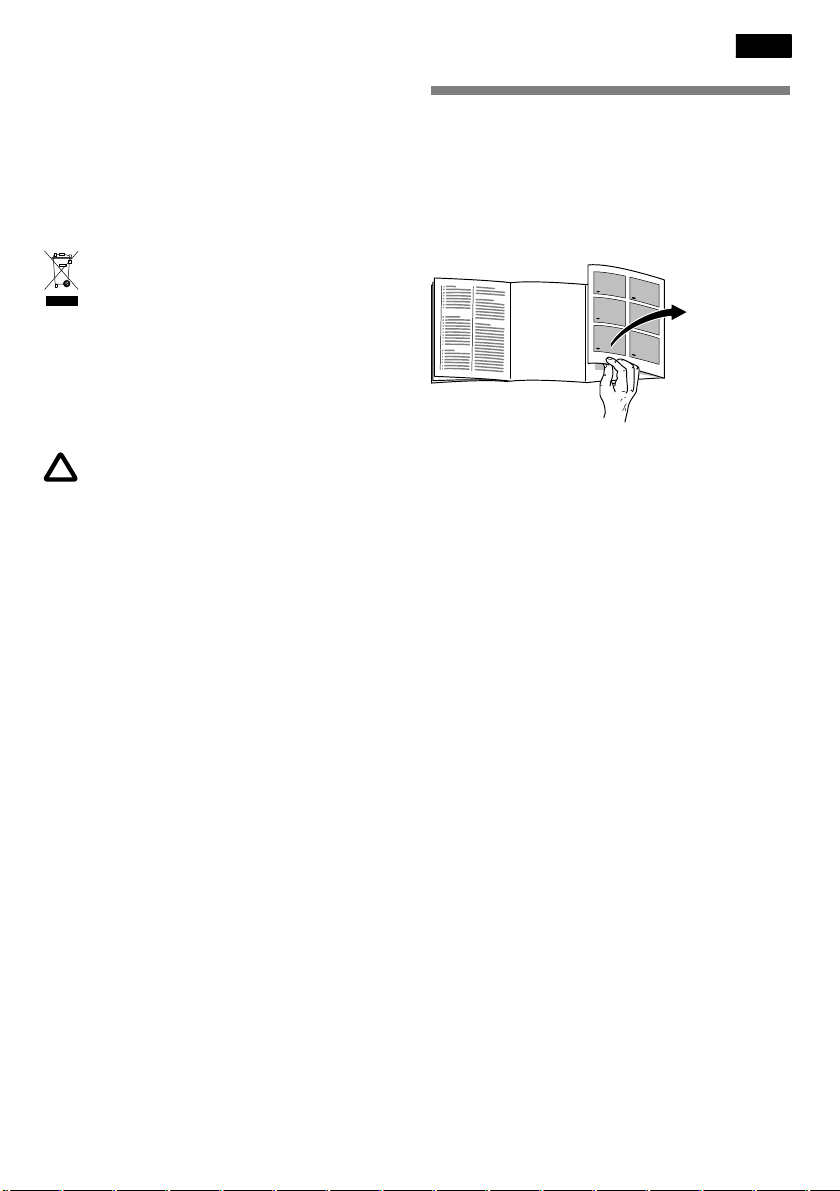
49
x Afvoer van het oude
apparaat
Oude apparaten zijn geen waardeloos
afval! Door een milieuvriendelijke afvoer
kunnen waardevolle grondstoffen worden
teruggewonnen.
Dit apparaat is gekenmerkt in
overeenstemming met de Europese
richtlijn 2002/96/EG betreffende
afgedankte elektrische en
elektronische
apparatuur (waste electrical and
electronic equipment WEEE). De
richtlijn geeft het kader aan voor de in de
EU geldige terugneming en verwerking
van oude apparaten.
!
Waarschuwing
Bij afgedankte apparaten
1. Stekker uit het stopcontact trekken.
2. Aansluitkabel doorknippen en samen
met de stekker verwijderen;
Koelapparaten bevatten koelmiddel en
inde isolatie gas. die zorgvuldig moeten
worden afgevoerd. Met het oog op een
doelmatige en milieuvriendelijke afvoer
mogen de leidingen van het koelcircuit
tothet moment van transport niet
beschadigd worden.
Kennismaking met het
apparaat
De laatste bladzijde met de afbeeldingen
uitklappen. Deze gebruiksaanwijzing is op
meer dan één type van toepassing.
Kleine afwijkingen in de afbeeldingen zijn
mogelijk.
Afb.1
*niet bij alle modellen
1 Toets Aan/Uit
2 Binnenverlichting
3 Lichtschakelaar
4 Houten legplateau
5 Dooiwaterafvoergootje
6Insteltoets voor de temperatuur
7 Indicatie Temperatuurinstelling
8 Actiefkoolfilter
nl
50
Apparaat opstellen
Geschikt voor het opstellen zijn droge,
ventileerbare vertrekken. Het apparaat
liefst niet direct in de zon of naast een
fornuis, verwarmingsradiator of andere
warmtebron plaatsen. Is plaatsing naast
een warmtebron niet te vermijden, maak
dan gebruik van een isolerende plaat of
neem de volgende minimumafstanden in
acht:
Naast elektrische of gasfornuizen 3cm.
Naast een CVinstallatie 30cm.
Verwisselen van de deurophanging
Verwisselen van de deurophanging is bij
dit apparaat niet mogelijk.
Apparaat horizontaal
zette n
Afb.2
Het apparaat op de daarvoor bestemde
plaats zetten en stellen.
De voorste schroefvoetjes kunnen
versteld worden.
Let op omgevings
temperatuur
enbeluchting
De klimaatklasse staat aangegeven
ophet typeplaatje. Hiermee wordt
aangegeven bij welke
omgevingstemperatuur het apparaat
gebruikt kanworden.
klimaatklasse
toelaatbare
omgevingstemperatuur
N +16 °C tot 32 °C
ST +16 °C tot 38 °C
T +16 °C tot 43 °C
!
Attentie
De omgevingstemperatuur mag niet
onder +16°C dalen.
Anders wordt het in de koelruimte te
koudwaardoor gevoelige levensmiddelen
gevaar kunnen lopen.
Beluchting
Afb.3
De verwarmde lucht aan de zijwanden
van het apparaat moet ongehinderd
kunnen wegtrekken. Anders moet de
koelmachine meer presteren waardoor
het energieverbruik toeneemt.
Daarom moet aan de zijkanten van het
apparaat een minimumafstand van 4cm
tot de wanden en/of keukenmeubelen in
acht worden genomen.
Deze afstand is ook noodzakelijk om
dedeur minimaal 90º te kunnen openen.
nl
51
Apparaat aansluiten
Na het plaatsen van het apparaat moet
uminimaal een 1 uur wachten voordat
uhet apparaat in gebruik neemt. Tijdens
het transport kan het gebeuren dat de
olie van de compressor in het
koelsysteem terecht komt.
Vóór het eerste gebruik de binnenruimte
van het apparaat schoonmaken
(ziehoofdstuk Schoonmaken).
Het stopcontact dient zich dichtbij het
apparaat te bevinden en ook na de
inbouw vrij toegankelijk te zijn.
Het apparaat uitsluitend via een volgens
de voorschriften aangebracht,
randgeaar d stopcontact
op220240V/50Hz wisselstroom
aansluiten. Het stopcontact moet zijn
beveiligd met een zekering van10A tot
16A.
Bij apparaten die in niet Europese landen
worden gebruikt op het typeplaatje
controleren of de aansluitspanning en
destroomsoort overeenkomen met
dewaarden van uw elektriciteitsnet.
Hettypeplaatje bevindt zich links
onderaan in het apparaat. Een eventueel
noodzakelijke vervanging van de
aansluitkabel mag alleen door een
vakkundig monteur worden uitgevoerd.
! Waarschuwing
Het apparaat mag nooit worden
aangesloten op elektronische
energiebesparende stekkers of op
omvormers die gelijkstroom omzetten in
230V wisselstroom (bijv. installaties voor
zonneënergie of netwerken voor
schepen).
Inschakelen van het
apparaat
Toets Aan/Uit afb.1/1 indrukken.
Hetapparaat begint te koelen.
Debinnenverlichting is bij geopende
deuringeschakeld.
In de fabriek is het apparaat op de
gemiddelde instelling 3 ingesteld.
Aanwijzingen bij het gebruik
Terwijl de koelmachine loopt, vormen zich
dooiwaterdruppels of een laagje rijp op
de achterwand van de koelruimte. Dit is
normaal. U hoeft de dooiwaterdruppels
niet af te wissen of de rijp af te schrapen.
De achterwand wordt automatisch
ontdooid. Het dooiwater loopt via het
afvoergootje afb.4 naar de koelmachine,
waar het verdampt.
Instellen van de
temperatuur
De temperatuur kan van stand 1 tot 5
worden ingesteld.
Toets afb.1/6 gedurende 3seconden
indrukken tot de indicatie knippert.
Hierna de toets net zo vaak indrukken tot
de gewenste instelling wordt
aangegeven.
De laatste instelling wordt opgeslagen.
Instelling 1 lage koelcapaciteit
Instelling 5 hoogste koelvermogen
Bij een instelling op 3 wordt, afhankelijk
van omgevingstemperatuur en belading,
in de koelruimte een temperatuur van
+8°C tot +12°C bereikt.
nl
52
Koelcapaciteit
De temperatuur in de koelruimte kan
door het inladen van grotere
hoeveelheden wijn tijdelijk warmer
worden.
Flessen inruimen
Attentie bij het inruimen:
S Afhankelijk van het model kan op de
flessenrekken een maximum aantal
flessen bewaard worden, zie
inruimvoorbeeld afb.9en0.
Dit aantal kan bereikt worden als de
flessen met de hals naar voren worden
neergelegd.
S Om de luchtcirculatie in het apparaat
optimaal te houden, mogen de flessen
niet om en om worden neergelegd en
mogen ze de achterwand van de
koelruimte niet raken.
S Het aantal flessen kan bij een andere
vorm of grootte van de flessen van het
aangegeven aantal afwijken.
S Vanwege de machineruimte is het
onderste gedeelte niet bijzonder diep.
Er kunnen dranken in blik of korte
flessen wijn worden opgeslagen.
Voor demonstratiedoeleinden is het ook
mogelijk de flessen wijn staande op te
slaan afb.5.
Nettoinhoud
De gegevens over de nettoinhoud vindt
uop het typeplaatje in uw apparaat.
Let op de
temperatuurzones
inde koelruimte!
Door de luchtcirculatie in het apparaat
ontstaan er zones met verschillende
temperaturen:
De warmste zone is bovenin
De koudste zone is onderin
Dranken inruimen
Verschillende soorten wijn in
onderstaande volgorde van boven naar
beneden bewaren:
S volle rode wijn
S rosé en lichte rode wijn
S witte wijn
S champagne en mousserende wijn
Wij raden u aan de wijn een paar graden
kouder te serveren dan de gewenste
drinktemperatuur omdat de wijn tijdens
het inschenken in het glas snel verwarmd
wordt.
nl
53
Praktische tips bij het
opslaan van wijn
S De flessen wijn altijd uitgepakt,
nooit in kistjes of dozen bewaren.
S Oude flessen altijd zó neerleggen dat
dekurk vochtig blijft. Tussen de wijn
ende kurk mag nooit een luchtruimte
zijn.
S De ope
n flessenrekken zijn uitstekend
geschikt omdat de luchtcirculatie niet
wordt onderbroken, waardoor
deluchtvochtigheid die op de flessen
condenseert, snel weer droogt.
S Alvorens van de wijn te genieten, moet
deze langzaam op temperatuur komen
(chambreren). Zet bijv. rosé ca. 2−5 uur
en rode wijn 4−5 uur van tevoren
optafel. Ze hebben dan de juiste
drinktemperatuur. Witte wijn moet
direct uit de koelkast op tafel komen.
Sektenchampagne kort voor het
uitschenken in de koelkast koelen.
S Let erop dat wijn altijd iets kouder
gekoeld moet worden dan de ideale
schenktemperatuur omdat hij tijdens
het inschenken in het glas onmiddellijk
ca. 1 tot 2 °C warmer wordt!
Drinktemperaturen
De juiste schenktemperatuur is
doorslaggevend voor de smaak van
dewijn en daarmee voor het drinkgenot.
Wij raden bij het schenken van de wijn de
volgende temperaturen aan:
Soort wijn
Drink
tempera
tuur
Rode Bordeaux
18ºC
Côtes du Rhone,
rood/Barolo
17ºC
Rode Bourgogne/
rode Bordeaux
16ºC
Port
15ºC
Jonge rode Bourgogne
14ºC
Jonge rode wijn
12ºC
Jonge Beaujolais/
alle witte wijnen met
weinig suikergehalte
11ºC
Oude witte
wijn/Chardonnay
10ºC
Sherry
9ºC
Jonge witte wijn vanaf
Spätlese
8ºC
Witte Loirewijn/
EntredeuxMers
7ºC
nl
54
Apparaat uitschakelen
en buiten werking
stellen
Uitschakelen van het
apparaat
Toets Aan/Uit afb.1/1 indrukken.
Koelmachine en verlichting worden
uitgeschakeld.
Buiten werking stellen van
het apparaat
Als het apparaat langere tijd niet wordt
gebruikt:
1. Uitschakelen van het apparaat.
2. Stekker uit het stopcontact trekken
ofde zekering losdraaien resp.
uitschakelen.
3. Apparaat schoonmaken.
4. Deur van het apparaat open laten
staan.
Schoonmaken van het
apparaat
U gaat als volgt te werk:
1. Stekker uit het stopcontact trekken
ofde zekering losdraaien resp.
uitschakelen!
2. Deurafdichting alleen met schoon
water schoonmaken en grondig
droogwrijven.
3. Het apparaat met lauw water met een
sch
eutje afwasmiddel schoonmaken.
Het water mag niet in de
bedieningselementen en de verlichting
terechtkomen.
4. Na het schoonmaken het apparaat
weer aansluiten en inschakelen.
Attentie
Geen schoonmaakmiddelen gebruiken
die schuurmiddelen, zand of zuren resp.
chemische oplosmiddelen bevatten.
Dooiwatergootje en afvoergaatje afb.4
regelmatig schoonmaken, zodat het
dooiwater ongehinderd kan weglopen.
Dooiwatergootje met een staafje of iets
dergelijks schoonmaken.
Het sop mag niet via het afvoergaatje in
de dooiwateropvangschaal
terechtkomen.
nl
55
Actief koolf itler
afb. 6
De actiefkoolfilter zorgt voor
luchtverversing en geurverbetering in het
apparaat.
Wij raden aan de filter jaarlijks te
vervangen.
Reservefilters zijn verkrijgbaar bij de
Servicedienst.
Energie besparen
S Het apparaat in een droge, goed te
ventileren ruimte plaatsen! Niet direct in
de zon of in de buurt van een
warmtebron ( bijv. verwarmingsradiator,
fornuis). Gebruik eventueel een
isolatieplaat.
S De deur van het apparaat zo kort
mogelijk openen!
S Drank eerst laten afkoelen en dan pas
in het apparaat leggen.
S De achterkant van het apparaat af en
toe met met een stofzuiger of borstel
reinigen om toename van het
energieverbruik te voorkomen.
Bedrijfsgeluiden
Heel normale geluiden
Gebrom − de koelmachine loopt.
Geborrel, gebruis of geklok − het
koelmiddel stroomt door de leidingen.
Geklik − de motor wordt in
ofuitgeschakeld.
Voorkomen van geluiden
Het apparaat staat niet waterpas
Het apparaat met behulp van een
waterpas stellen. Gebruik hiervoor
deschroefvoetjes of leg iets onder het
apparaat.
Het apparaat staat tegen een ander
meubel of apparaat
Het apparaat van het meubel of apparaat
ernaast wegschuiven.
De laden of legplateaus wiebelen
ofklemmen
Controleer de delen die eruit gehaald
kunnen worden en zet ze eventueel
opnieuw in het apparaat.
Flessen of serviesgoed raken elkaar
De flessen of het serviesgoed los van
elkaar zetten.
nl
56
Kleine storingen zelf verhelpen
Alvorens de Servicedienst in te schakelen:
Ga aan de hand van de volgende punten eerst even na of u de storing zelf kunt
verhelpen.
Als u om een monteur vraagt, en het blijkt dat
hij alleen maar een advies (bijv. over
debediening of het onderhoud van het apparaat) hoeft te geven om de storing te
verhelpen, dan moet u, ook in de garantietijd, de volledige kosten van dat bezoek
betalen!
Storing
Eventuele oorzaak Oplossing
De temperatuur wijkt
ergaf van de instelling.
In sommige gevallen is het voldoende
om het apparaat gedurende 5minuten
uit te schakelen.
Als de temperatuur te warm is:
naenkele uren controleren of de
temperatuur de temperatuurinstelling
genaderd is.
Als de temperatuur te koud is:
devolgende dag de temperatuur
nogmaals controleren.
De verlichting
functioneert niet.
Het lampje is kapot. Lampje vervangen afb.7/A
1. Stekker uit het stopcontact trekken
resp. zekering uitschakelen of
losdraaien.
2. Lampafdekking van achteren eraf
trekken.
3. Gloeilampje vervangen 220−240V
wisselstroom, fittingE14, voor
wattage zie het kapotte lampje.
De lichtschakelaar klemt.
Afb.7/B.
Controleer of er beweging in zit.
De bodem van de
koelruimte is nat.
De dooiwaterafvoerbuis
afb.4 is verstopt.
Dooiwatergootje en afvoergaatje
schoonmaken (zie Schoonmaken van
het apparaat")
Het is niet koud in het
apparaat.
De deur van het apparaat
werd te vaak geopend.
Veel flessen in het
apparaat gelegd.
Deur niet onnodig openen.
2−3 dagen wachten.
nl
57
Storing
OplossingEventuele oorzaak
Het apparaat koelt niet.
Het apparaat is
uitgeschakeld.
Toets Aan/Uit afb.1 /1 indrukken.
Stroomuitval; de zekering
is uitgeschakeld; de
stekker zit niet goed in het
stopcontact.
Controleer of er stroom is. Controleer
dezekeringen.
Servicedienst
Adres en telefoonnummer van de
Servicedienst kunt u vinden in het
telefoonboek of in de meegeleverde
brochure met serviceadressen. Geef
a.u.b. aan de Servicedienst het
Enummer en het FDnummer van het
apparaat op.
U vindt
deze gegevens op het typeplaatje
afb. 8.
Door deze nummers aan de
Servicedienst door te te geven voorkomt
u onnodig heen en weer rijden van de
monteur en de hieraan verbonden
kosten.
Voor reparatieorders en advies bij
storingen:
NL 020 430 3 430
B 070 222 141
In de meegeleverde lijst met
serviceadressen vindt u voor alle landen
de contactgegevens.
nl
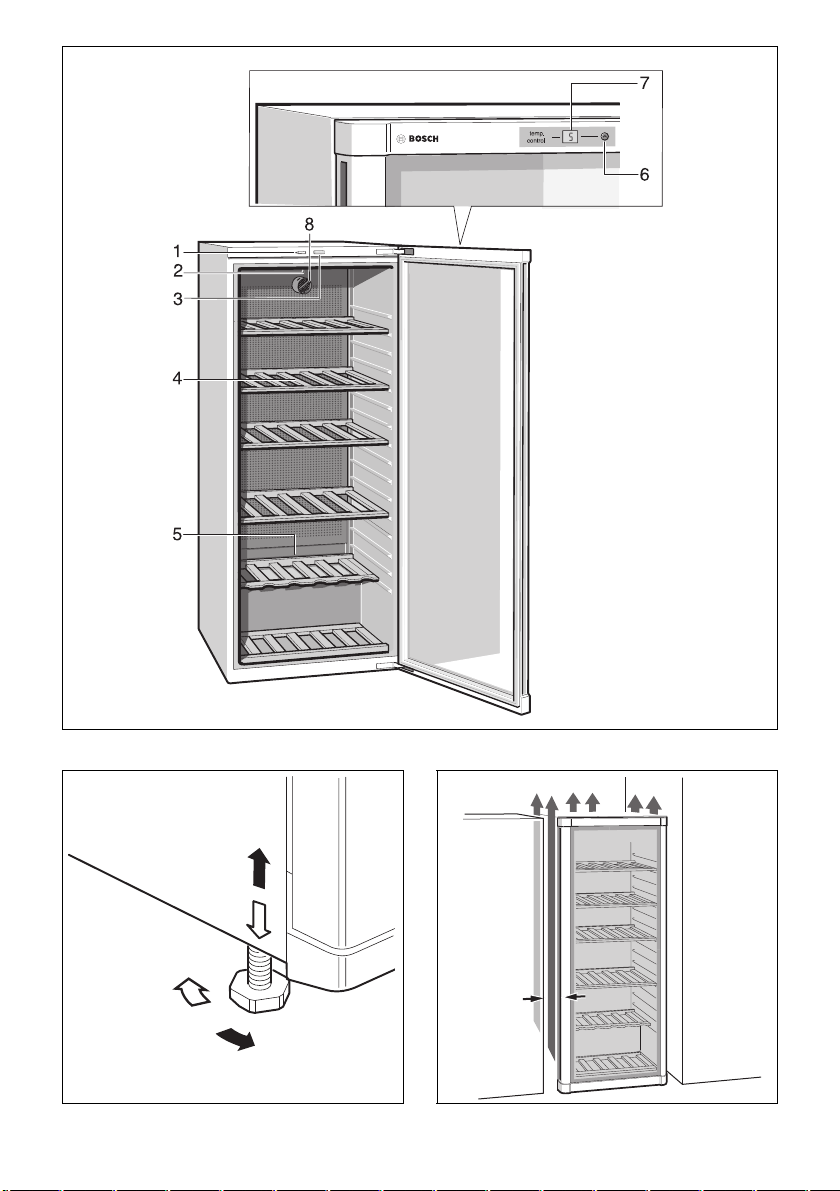
1
4 cm
23
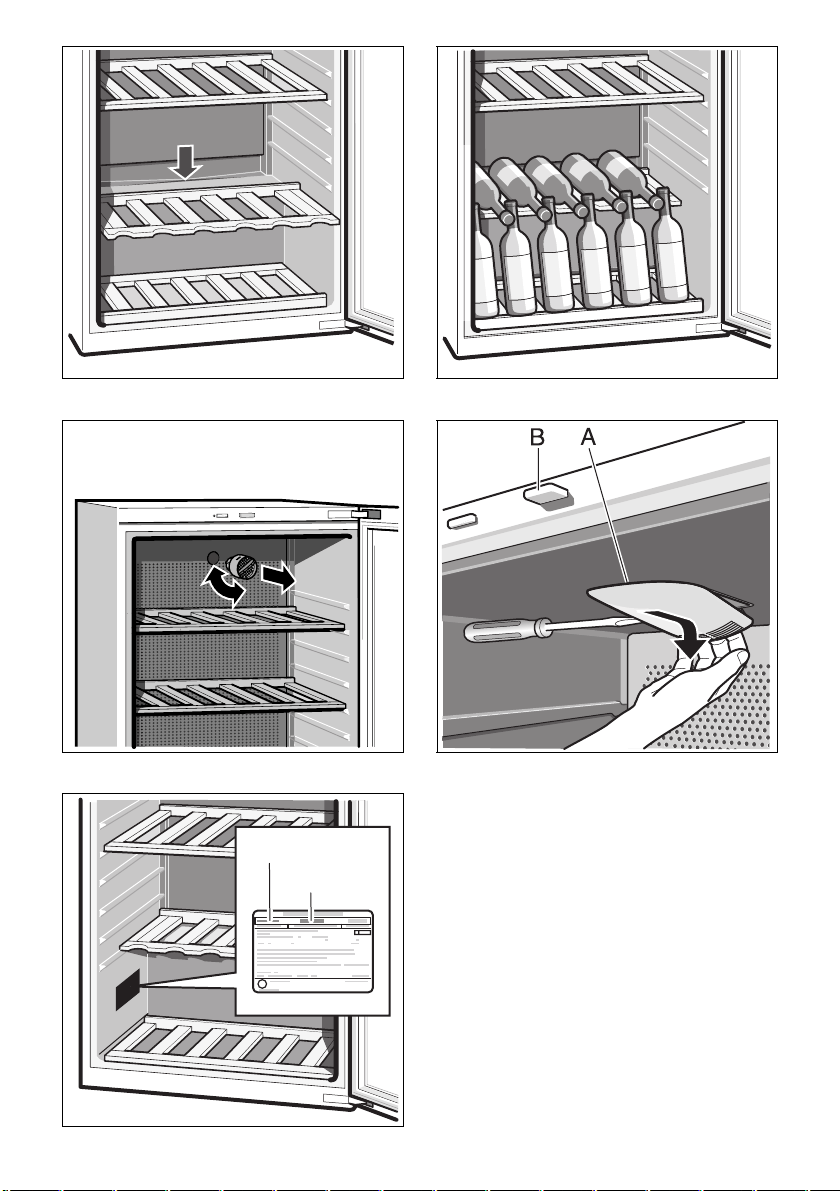
45
1.
2.
67
FD - Nr
E - Nr
8
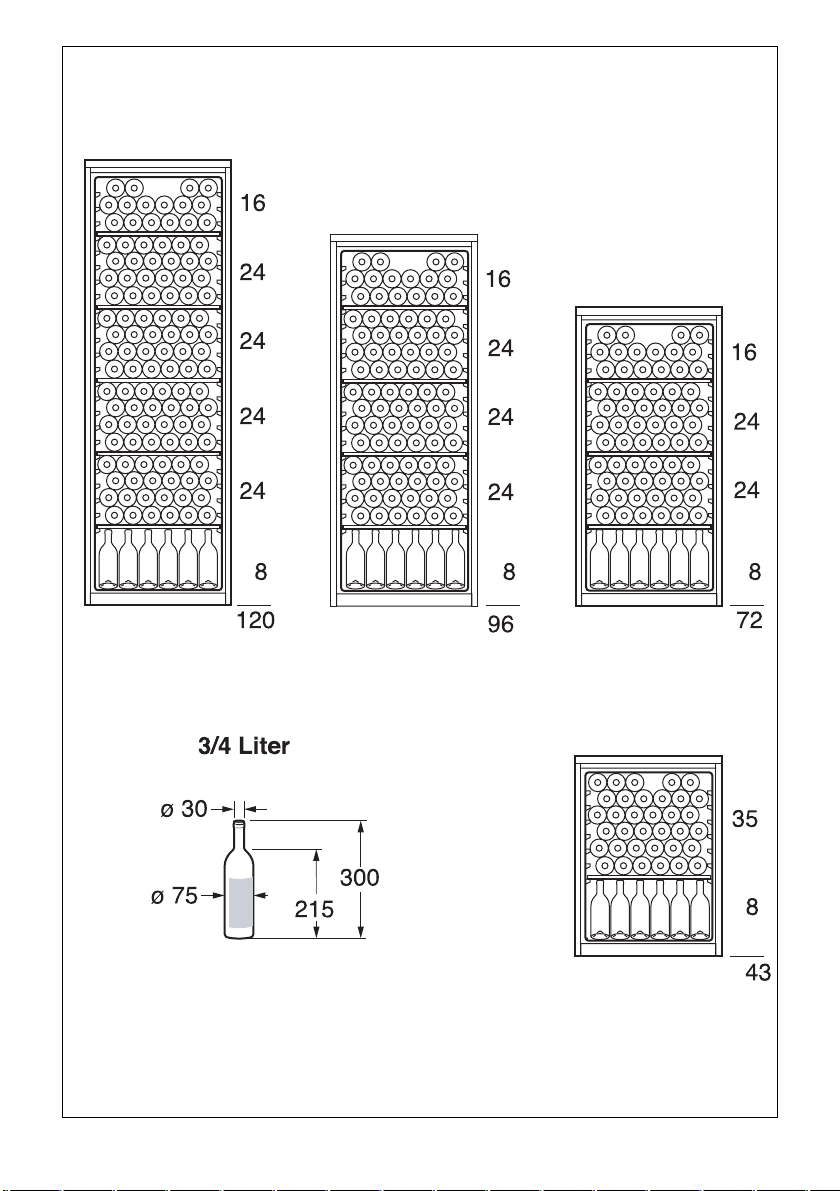
9
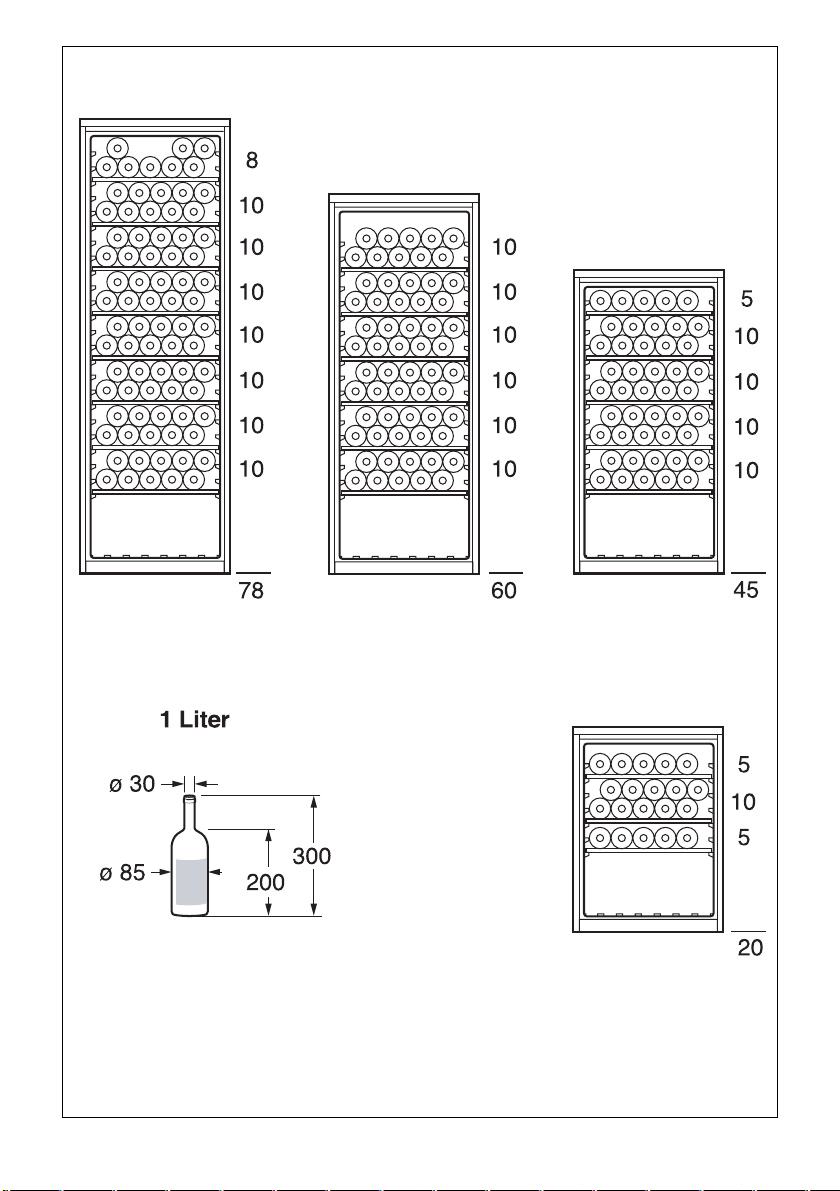
0
*9000659275*
ROBERT BOSCH HAUSGERÄTE GMBH
CarlWeryStraße 34
81739 München
Germany
www.boschhome.com
9000 659 275 (9106)