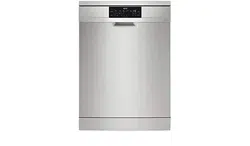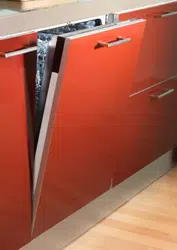

Commands and programs of washing
Commandes et Programmes de lavage
FAVORIT F89088VI-S

EN
CONTENTS
Rev. 0.0 1
Contents
1 INTRODUCTION .....................................................................................................................3
2 DESCRIPTION OF THE CONTROLS..................................................................................5
2.1 Upper panel ................................................................................................................5
2.2 Setting the washing program and switching on and o ............................ 6
2.2.1 Switching on ...............................................................................................................9
2.2.2 Selecting and starting the program ................................................................ 10
2.2.3 End of program ....................................................................................................... 10
2.2.4 Interrupting a program ........................................................................................ 10
2.2.5 Changing the current program ......................................................................... 10
2.2.6 Canceling the current program ........................................................................ 11
2.2.7 Options ...................................................................................................................... 11
2.2.8 Switching o ............................................................................................................ 12
2.2.9 Removing the dishes ............................................................................................ 12
3 ENERGY SAVING AND ENVIRONMENTAL RESPECT ............................................. 13
4 TROUBLESHOOTING ........................................................................................................ 14
5 OPERATING INSTRUCTIONS .......................................................................................... 16
5.1 Using the rinse-aid and detergent dispenser .............................................. 16
5.1.1 Adding the rinse-aid ............................................................................................. 17
5.1.2 Adjusting the rinse-aid dispenser setting ..................................................... 17
5.1.3 Adding the detergent ........................................................................................... 18
5.2 General warnings and recommendations .................................................... 20
5.3 Using the racks ........................................................................................................ 22
5.3.1 Lower rack ................................................................................................................. 23
5.3.2 Cutlery basket .......................................................................................................... 25
5.3.3 Upper rack ................................................................................................................ 26
6 CLEANING AND USER MAINTENANCE ...................................................................... 29
6.1 General warnings and recommendations .................................................... 29
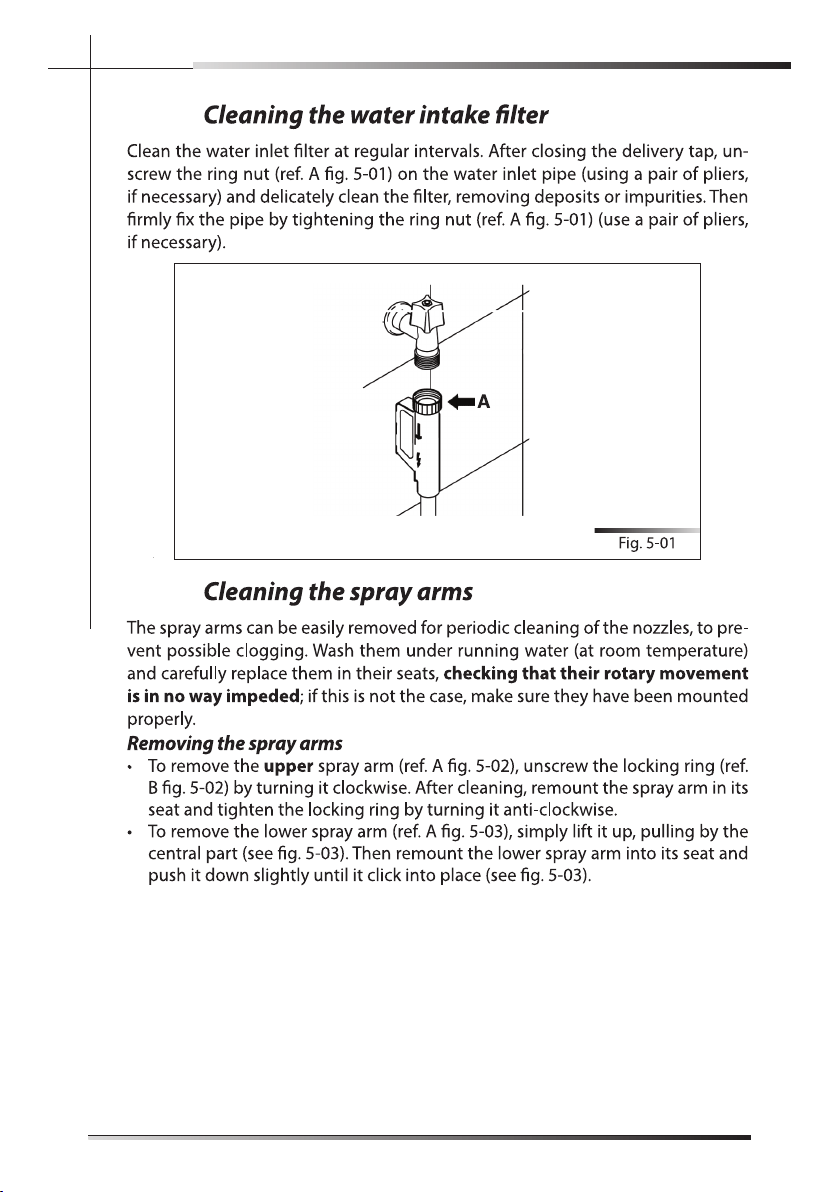
6.2 Cleaning the water intake lter ......................................................................... 30
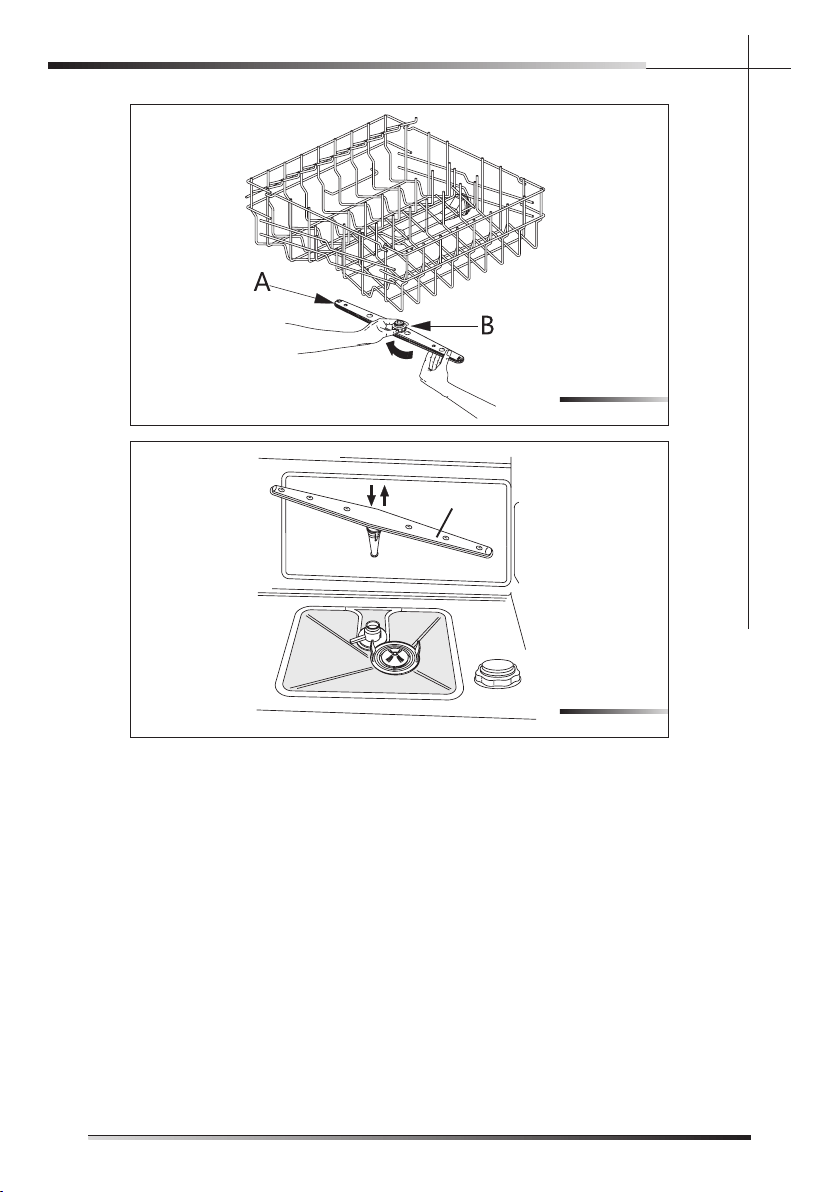
6.3 Cleaning the spray arms ...................................................................................... 30
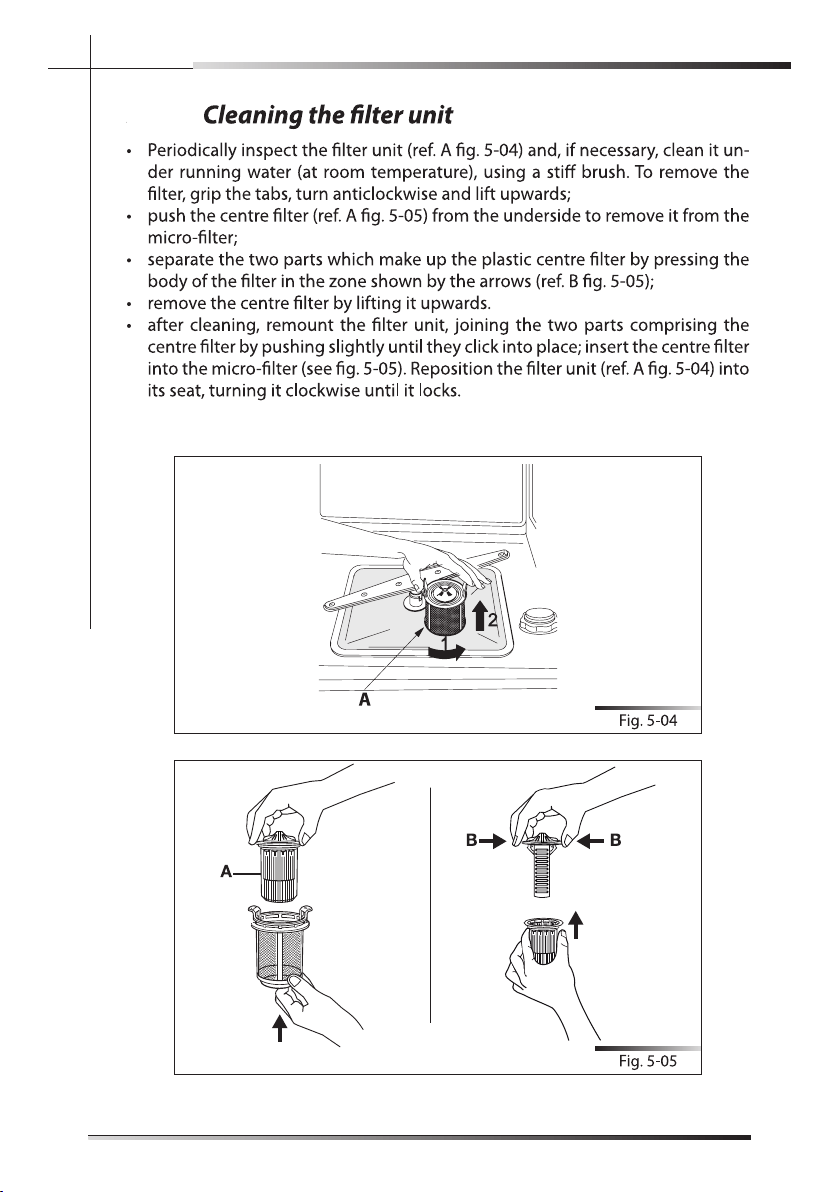
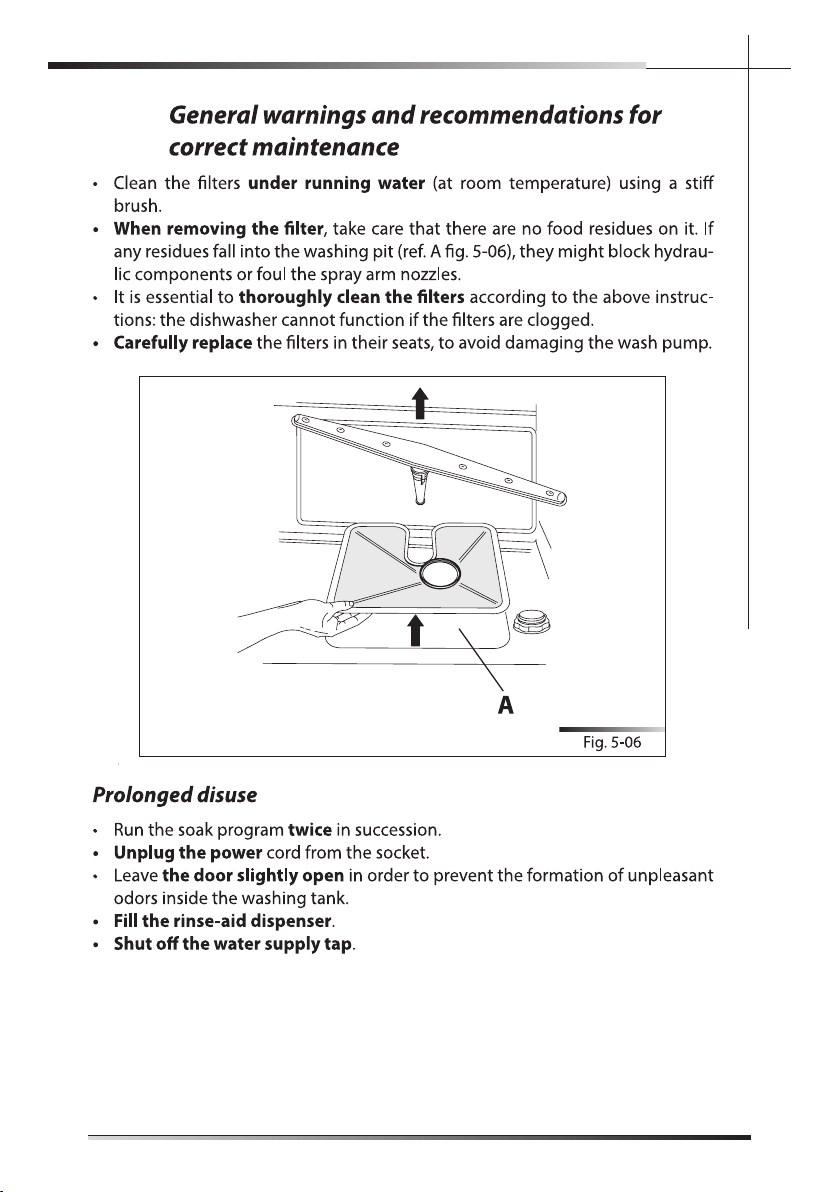
6.4 Cleaning the lter unit ......................................................................................... 32
6.5 General warnings and recommendations for correct maintenance ... 33
6.6 Troubleshooting minor problems .................................................................... 34
7 IMPORTANT SAFETY AND INSTRUCTIONS ............................................................. 36
8 INSTALLATION AND HOOK-UP ..................................................................................... 42
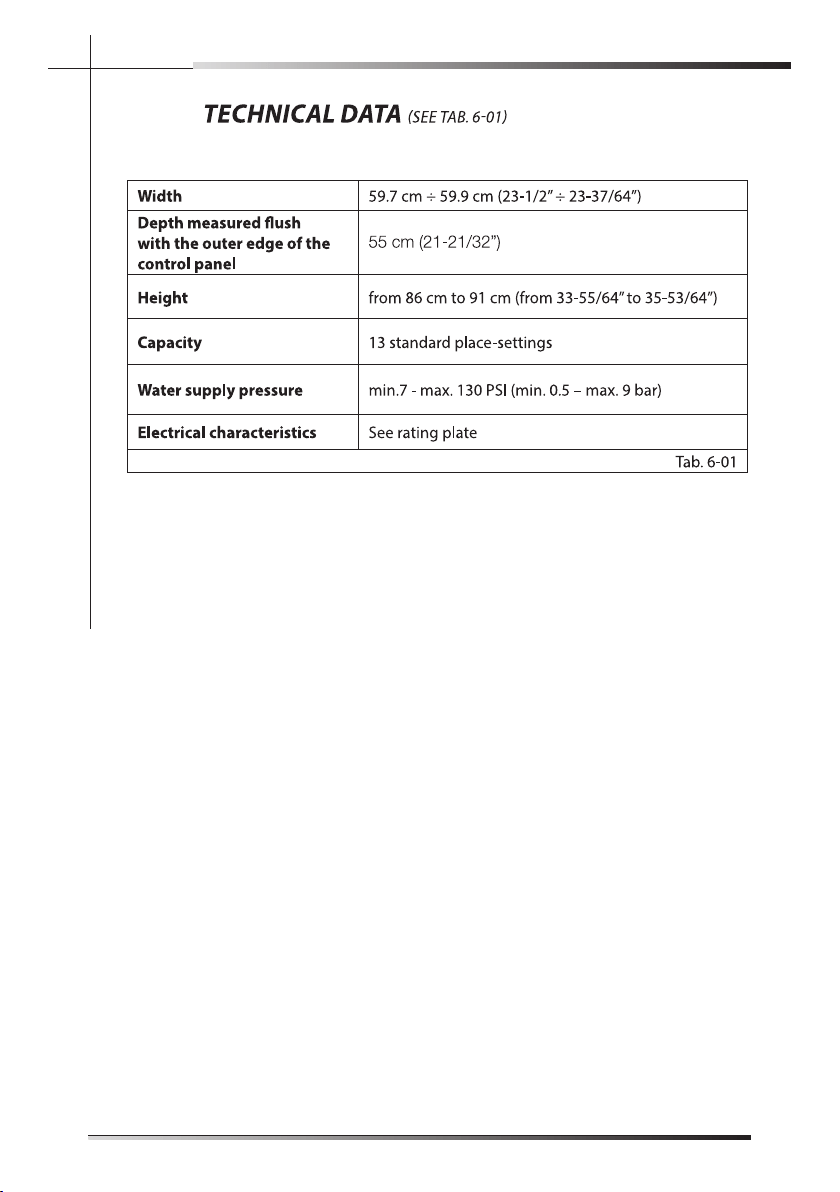
9 TECHNICAL DATA ............................................................................................................... 44

EN
2 Rev. 0.0

EN
Rev. 0.0 3
INTRODUCTION
1 INTRODUCTION
Thank you for choosing one of our products. To use this dishwasher
correctly and safely, please read this manual carefully. The manual is
divided into sections giving you a step-by-step guide to all your appli-
ance’s functions.
The texts are easy to understand and are complete with detailed illus-
trations. Following the cleaning instructions provided here will keep
dishwasher performance at peak levels in the long term. This user-
friendly manual will provide answers to all your questions about use
of the dishwasher.
This manual comprises the following sections:
INTRODUCTION: general information about the manual.
USER INSTRUCTIONS: advice on using the washing programs and in-
formation about all the dishwasher functions.
Useful advice is provided for the use of racks, spray arms, containers
and lters.
WARNINGS: a list of warnings concerning safety and use of the dish-
washer.
INSTALLATION INSTRUCTIONS: for the qualied technician who
must carry out the installation, hook-up and testing of the appliance.
Nomenclature of gures and tables:
The progressive number of each gure is shown in the bottom right-
hand corner of the relative box. An example of a progressive number
is “Fig. 4-01”, where the rst number (4) indicates the section to which
the gure belongs, while the second number (01) indicates the pro-
gressive number of the gure in section 4 (Fig. 4-01 is the rst gure in
section 4). The tables are numbered in the same way, bearing in mind
that “Tab.” is used instead of “Fig.” (e.g.: Tab. 4-01 is the rst table in
section 4). If a table occupies more than one page, a letter is added
after the progressive number (e.g.: “Tab. 4-01a”, Tab. 4-01b”).
EN
4 Rev. 0.0
INTRODUCTION
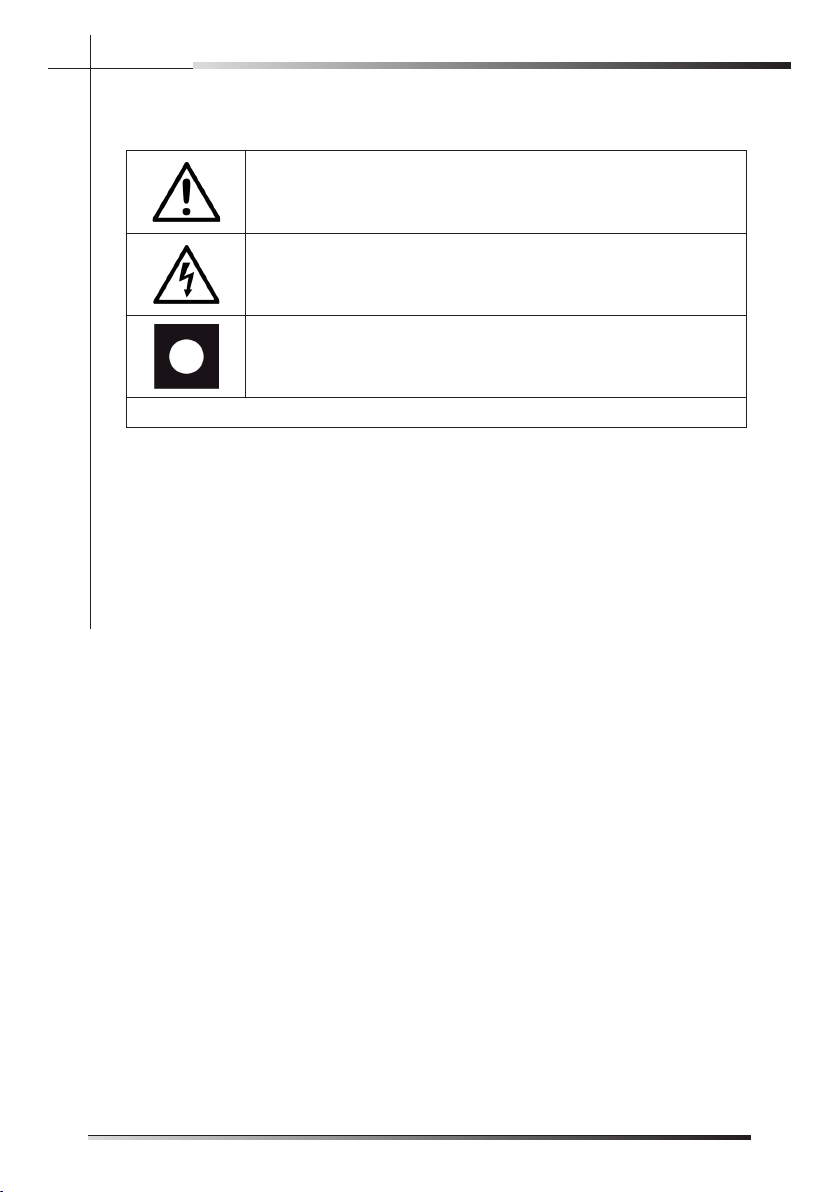
Symbols used in this manual (see tab. 1-01)
DANGER. This symbol highlights information and warnings
which, if not observed, may compromise personal safety or dam-
age the appliance.
DANGER OF ELECTROCUTION. This symbol highlights informa-
tion and warnings of an electrical nature which, if not observed,
may compromise personal safety or damage the appliance.
This symbol highlights general information and warnings.
Tab. 1-01
EN
Rev. 0.0 5
USER INSTRUCTIONS
SLORTNOC EHT FO NOITPIRCSED 2
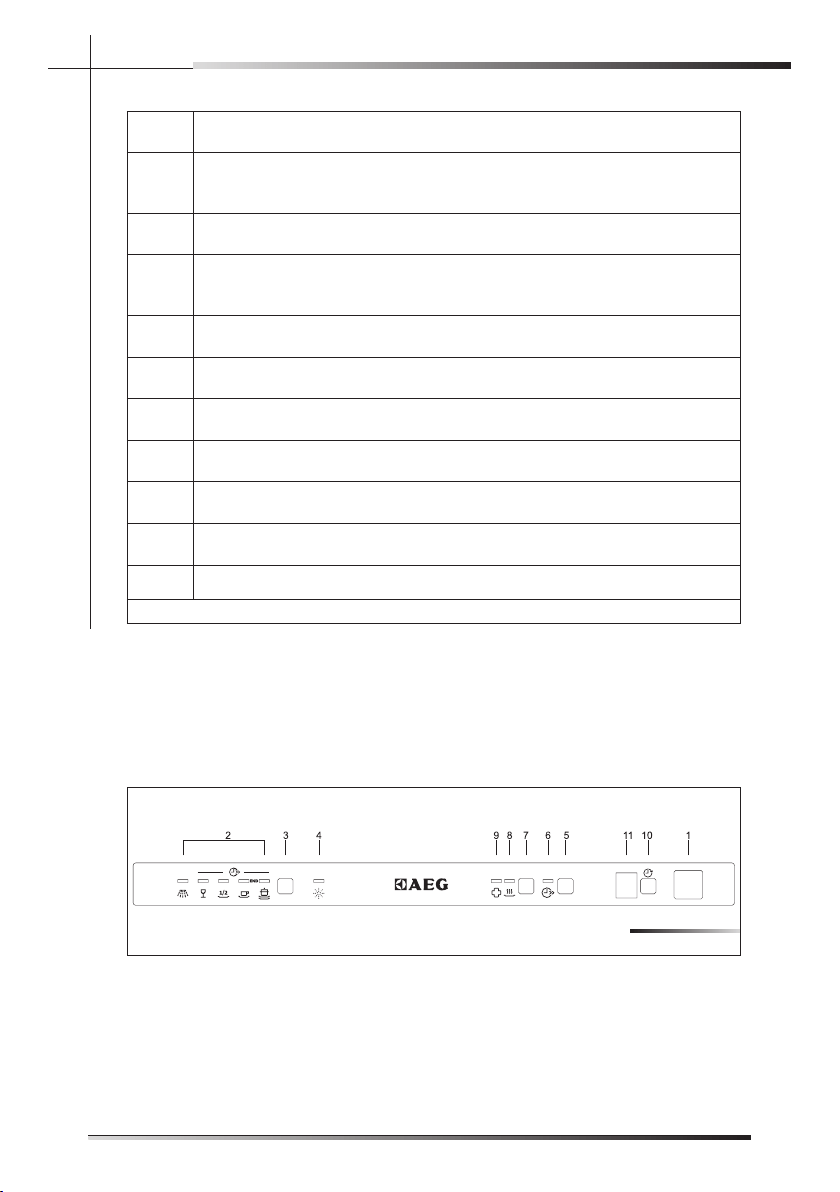
lenap reppU 1.2
ehT .)10-2 .g fi ees( lenap reppu eht no depuorg era slortnoc rehsawhsid eht llA
dishwasher can only be switched on, programmed, switched off, etc. with the
door open.
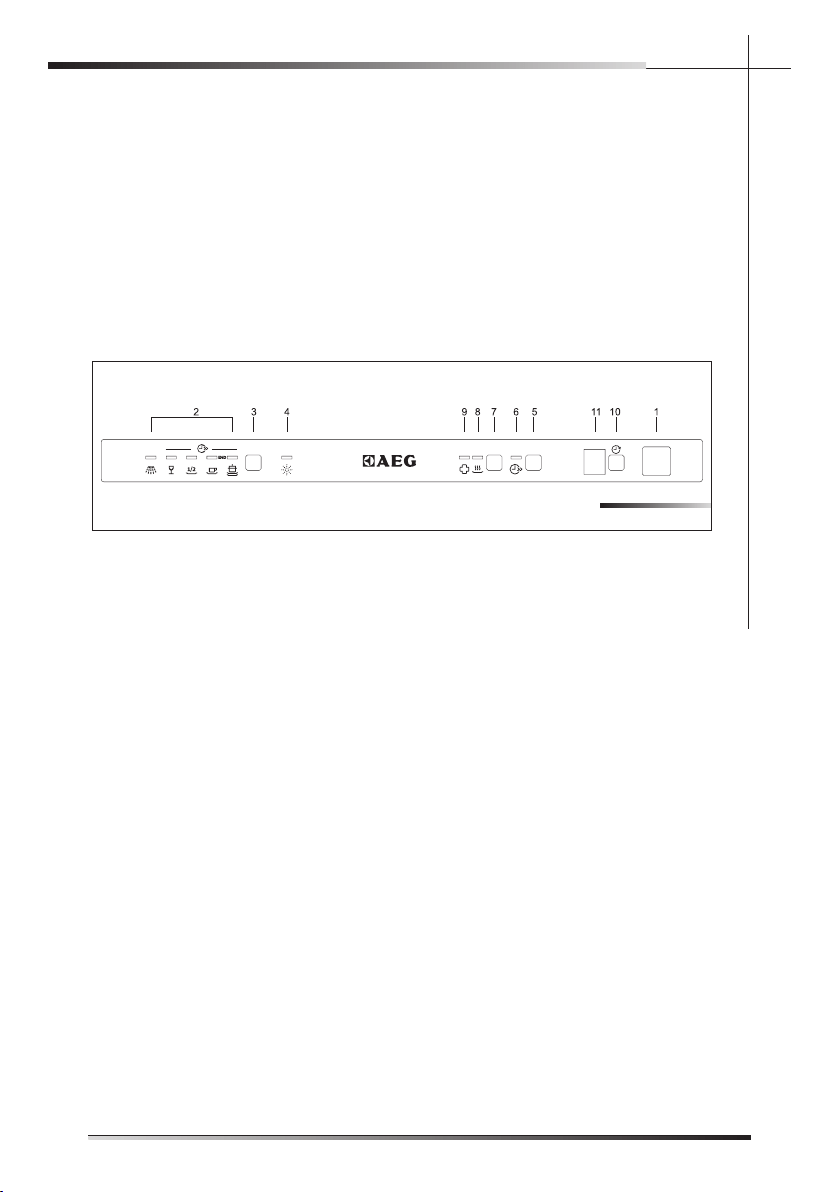
A brief description (see tab. 2-01) of the various controls on the upper panel is
given below.
FIG. 2-01
EN
6 Rev. 0.0
USER INSTRUCTIONS
1
On/off button
Press to power the appliance.
2
Program indicator lights
These show which program is selected and whether there are any faults
(Troubleshooting).
3
Program selection button
Press in sequence to select the required program.
4
Add rinse aid indicator light
(only fi tted on some models)
Shows the appliance has run out of rinse aid.
5
Quick time option button
Press this button to start one of the 4 quick time programmes (see table).
6
Quick time programmes indicator light
Shows that one of the 4 quick time programmes will be run
7
Extra drying option button
Press to select the extra drying option
8
Extra drying option indicator light
Shows the function is active
9
Sanitation indicator light
Shows that sanitation has been completed (see notes in the programmes table)
10
Programme delay button
Press to delay the start of the programme up to 9 hours.
11 Information display
Tab. 2-01
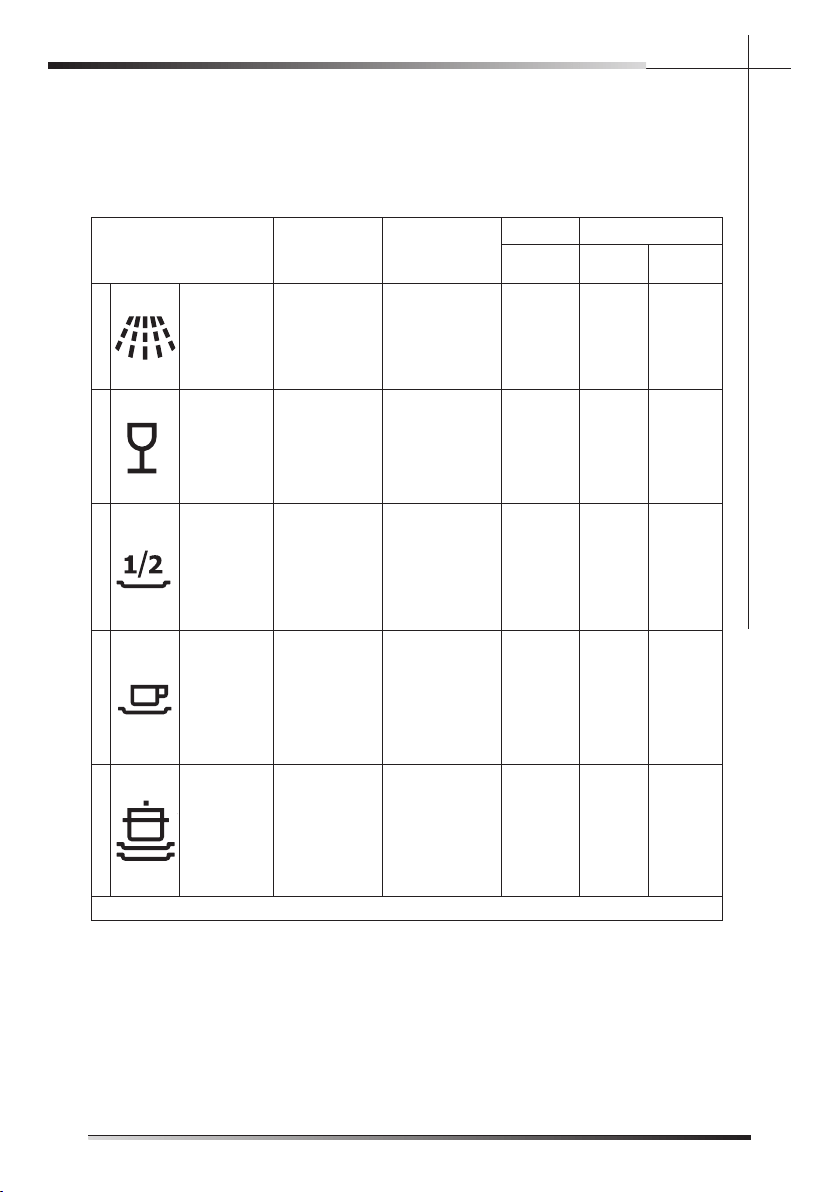
gnihctiws dna margorp gnihsaw eht gnitteS 2.2
on and off
desu si hcihw )20-2 .g fi ees( lenap lortnoc a htiw deppiuqe si rehsawhsid ehT
to program the appliance and switch it on and off.
FIG. 2-02
EN
Rev. 0.0 7
USER INSTRUCTIONS
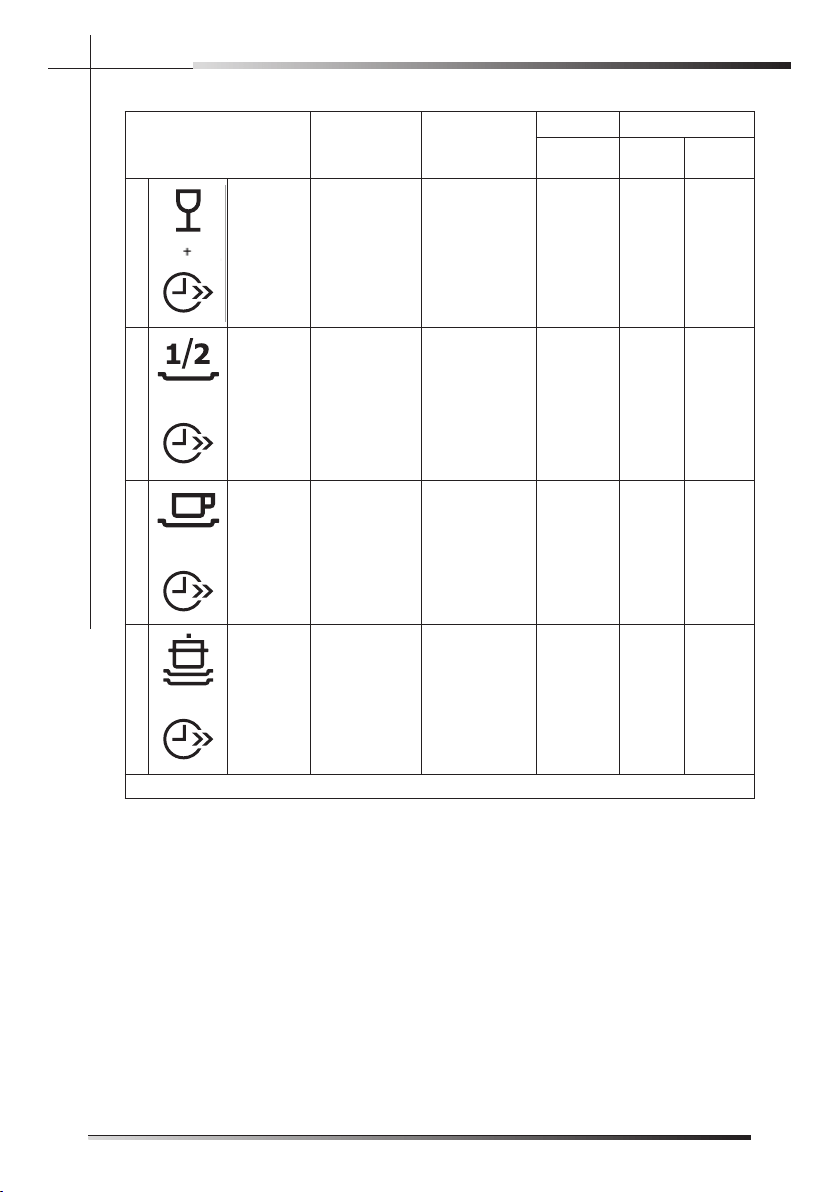
-lof eht tlusnoc ,hsaw ot sehsid eht rof margorp elbatius tsom eht tceles oT
lowing table which specifi es the most appropriate type of washing sequence
depending on the kind of dishes and how dirty they are (see tabs. 2-02a and
2-02b).
PROGRAMME,
NUMBER & SYMBOL
LOAD
CROCKERY
AND CUTLERY
PROGRAM
PROGRESS
DURATION CONSUMPTION
MINUTES
(1)
WATER
ENERGY
kWh (1)
1
RINSE
Pans and
dishes
awaiting
completion of
the load
Cold prewash
15 3,5 l 0,02
2
CRYSTAL
Glass, china
and mixed
dishes with
light dirt.
Wash at 45°C
(113°F)
Cold rinse
Rinse at 70°C
(158°F)
Dry
65
12 l
3,17 gal.
0,93 gal.
0,5
3
DAILY HALF
LOAD
Half load of
dishes with
normal dirt,
washed
immediately
after use
Wash at 65°C
(149°F)
Cold rinse
Rinse at 70°C
(158°F)
Dry
90
13 l
3,45 gal.
1,00
4
NORMAL
(2)
Dishes with
normal dirt,
including
dried-on
residue
Wash at 50°C
(122°F)
Cold rinse
Rinse at 66°C
(150,8°F)
Dry
100
12 l
3,17 gal.
0,7
5
EXTREME
WASH
ETL
SANITATION
LISTED
Very dirty
pans and
dishes,
including
dried-on
residue
Hot prewash
Wash at 70°C
(158°F)
2 cold rinses
Rinse at 70°C
(158°F)
Dry
122
18,3 l
4,83 gal.
1,12
Tab. 2-02a
EN
8 Rev. 0.0
USER INSTRUCTIONS
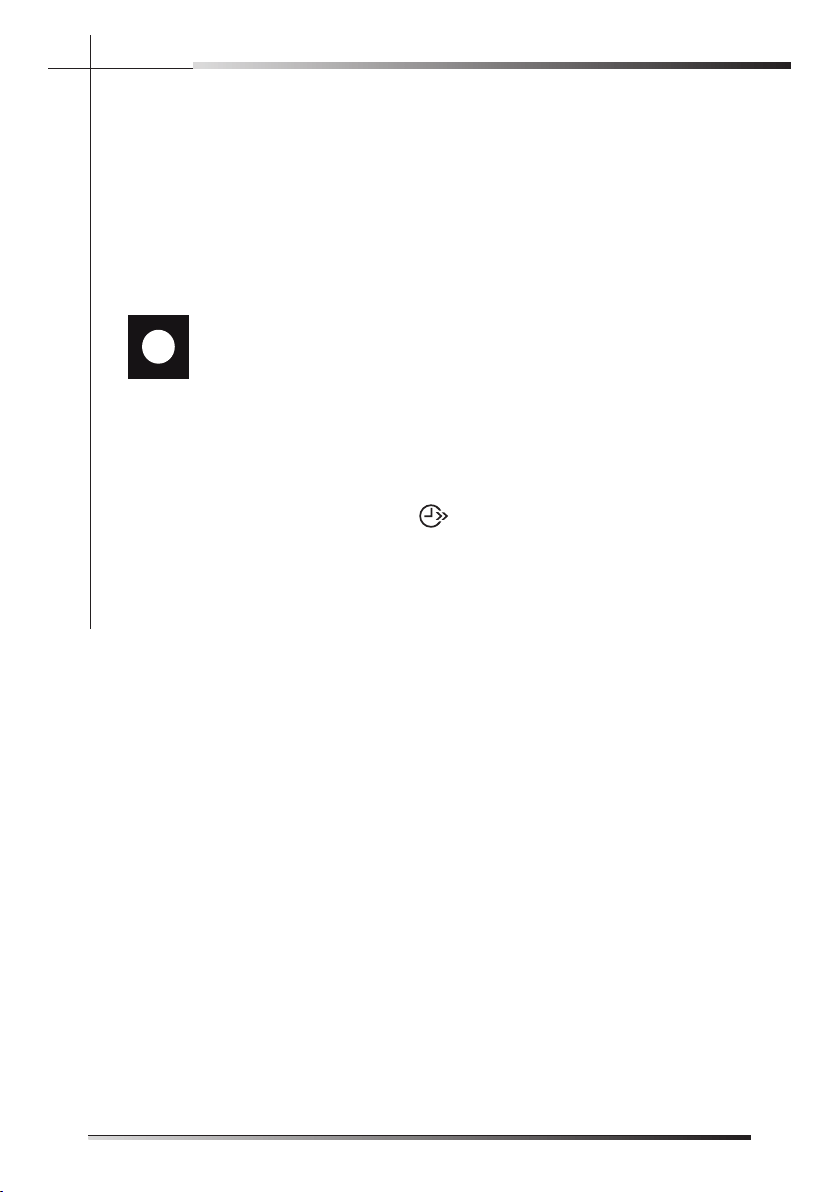
PROGRAMME,
NUMBER & SYMBOL
LOAD
CROCKERY
AND CUTLERY
PROGRAM
PROGRESS
DURATION CONSUMPTION
MINUTES
(1)
WATER
LITRES
ENERGY
kWh (1)
6
+
RAPID 27’
Dishes with
light dirt,
washed
immediately
after use
Wash at 38°C
(100,4°F)
Rinse at 50°C
(122°F)
27
6,5 l
1,72 gal.
0,40
7
+
ECO
QUICK
Dishes with
normal dirt,
washed
immediately
after use.
Cold prewash
Wash at 60°C
(140°F)
Cold rinse
Rinse at 70°C
(158°F)
70
12,5 l
3,3 gal.
0,9
8
+
NORMAL
QUICK
Dishes with
normal dirt,
washed
immediately
after use.
Cold prewash
Wash at 70°C
(158°F)
Cold rinse
Rinse at 70°C
(158°F)
80
13 l
3,44 gal.
1,1
9
+
STRONG
and FAST
Mixed dishes
with normal
dirt without
dried-on
residues.
Wash at 65°C
(149°F)
Cold rinse
Rinse at 70°C
(158°F)
55
9,5 l
2,51 gal.
1,00
Tab. 2-02b
( (1) The cycle times and electrical energy listed use and care manual are based on normal soil loads
and 120°F (49°C) incoming water and will vary based on your actual conditions.
(2) Program for energy star.
- Only “EXTREME WASH” program conforms to NSF std 184 and is certifi ed by INTERTEK with
the ETL SANITATION LISTED.
- When the “Sanitized” light shine it means that the dishwasher and its contents have been saniti-
zed according to the requirements of the National Sanitation Foundation (NSF).
- When the “AUTO PROGRAMMES” are selected, the dishwasher recognizes the type of dirt and
automatically adjusts the washing parameters as appropriate.

EN
Rev. 0.0 9
USER INSTRUCTIONS
Only run the soak program with half loads.
To run programmes 6, 7, 8, 9, 10 (see tab. 2-02b), select the required standard
programme (see programmes 1, 2, 3, 4, 5 in tab. 2-02a) and then press the
quick time option button (ref. 6 fi g. 2-02).
After using the above tables to choose the most suitable washing cycle, pro-
gram the appliance.
:taht erus ekam ,margorp gnihsaw a gnitrats erofeB
• The water supply tap is open.
• The correct amount of detergent has been added to the di-
spenser (to add detergent, see the instructions in the general
manual).
• The spray arms are able to rotate freely and without obstruction.
• The racks have been correctly loaded (see the instructions in the
general manual).
• The dishwasher door is securely closed.
no gnihctiwS 1.2.2
Press the on/off button (ref. 1 fi g. 2-02) to start the dishwasher. Then wait for
one of the program indicator lights .)20-2 .g fi 2 .fer( no nrut ot
EN
10 Rev. 0.0
USER INSTRUCTIONS
margorp eht gnitrats dna gnitceleS 2.2.2
eht sserP • program selection button (ref. 3 fi g. 2-02) several times until
the indicator light corresponding to the required program turns on (ref. 2 fi g.
2-02);
• if required, press the relative buttons to select any complementary functions
(e.g.: “extra drying”, “program delay”; see para 2.2.7 “options”);
• close the door; the program will start after about 2 seconds and the relative
.)langis gninnur ¬margorp( elcyc eht tuohguorht hsa fl lliw thgil rotacidni
-rocni neeb sah ro desolc neeb ton sah rehsawhsid eht fo rood eht fI
rectly closed, the washing cycle will not begin.
QUICK TIME PROGRAMS OPTION
• Select this option together with any washing program (except the soak pro-
gram) to SHORTEN the cycle by from a minimum of 10% to a maximum
of 55%, depending on the cycle selected. To activate this option, press the
QUICK TIME OPTION button
(light comes on) after selecting the pro-
gram required. The option is automatically deactivated at the end of the
program.
margorp fo dnE 3.2.2
The end of the program is signaled by a short beep. Additionally the indicator
.hsa fl )”dne“ dekram( smargorp gnorts dna lamron eht fo thgil
margorp a gnitpurretnI 4.2.2
To interrupt the current program simply open the door of the dishwasher; to
restart the program, simply close the door again. The program restarts from
.detpurretni saw ti erehw
margorp tnerruc eht gnignahC 5.2.2
To change the current program, simply open the door of the dishwasher and
.yllacitamotua margorp wen eht nur ot rood eht esolC .margorp wen eht tceles
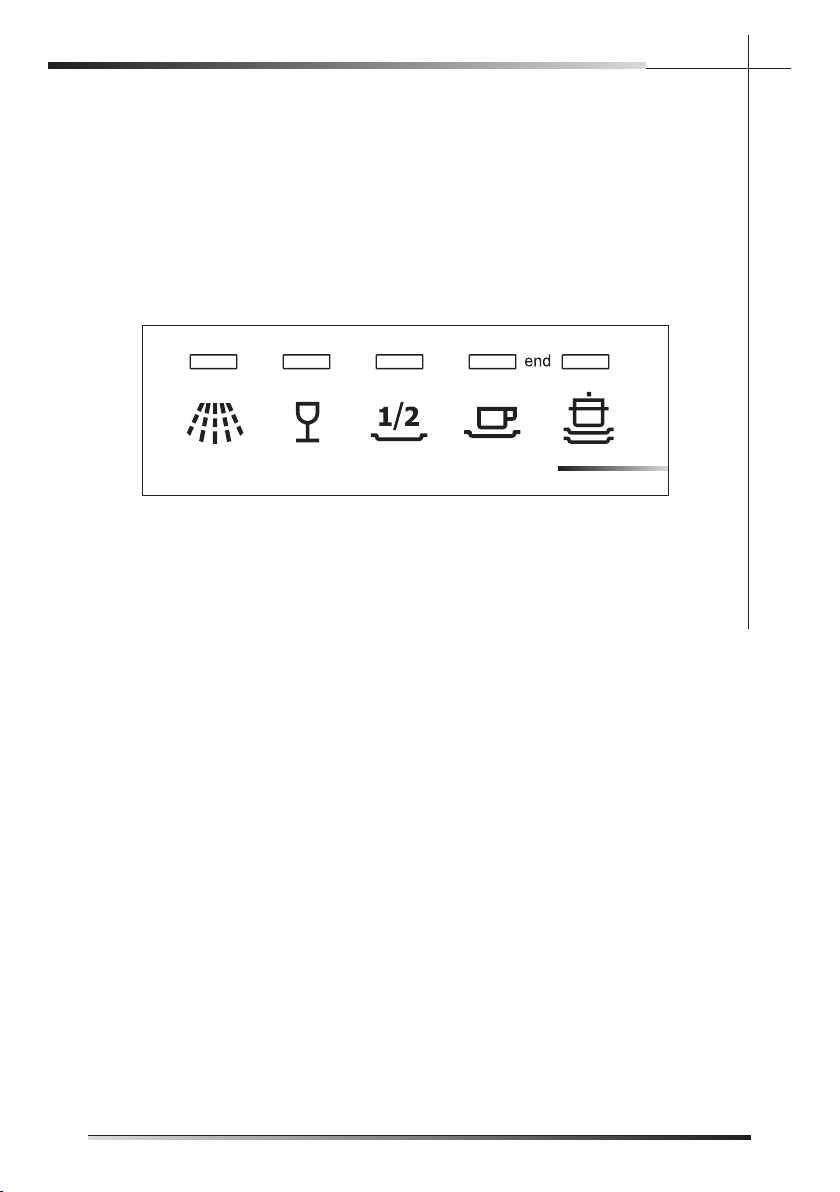
FAST CYCLES OPTION
• Select this option together with any washing program (except the soak
program) to SHORTEN the cycle by from a minimum of 10% to a maxi-
mum of 55%, depending on the cycle selected. To activate this option,
press the FAST CYCLES button
(light comes on) after selecting the
program required. The option is automatically deactivated at the end of
the program.
EN
Rev. 0.0 11
USER INSTRUCTIONS
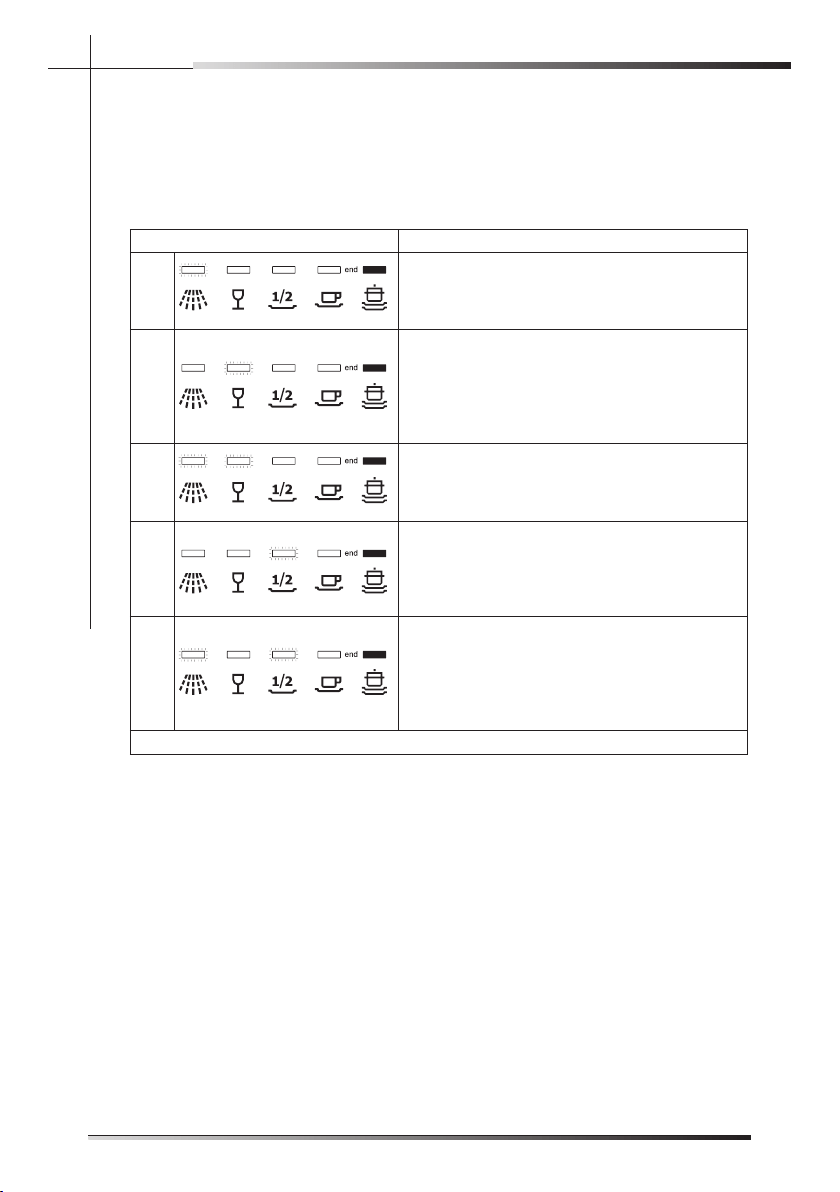
margorp tnerruc eht gnilecnaC 6.2.2
eht nwod dloh dna sserp dna rood eht nepo ,margorp tnerruc eht lecnac oT •
program selection button (ref. 3 fi g. 2-02) for a few seconds until the indi-
cator lights of the fourth and fi fth programs turn on (ref. pr. 4, pr. 5 fi g. 2-03).
• Close the door again.
• After about 1 minute, the dishwasher terminates the cycle and the indicator
lights of the fourth and fi fth programs (ref. pr. 4, pr. 5 fi g. 2-03) start fl ashing.
FIG. 2-03
2.2.7 Options
Function designed for loads with hard to dry item s such as saucepans, non-
stick pans and plastic containers. Increases the hot rinse temperature and can
be used in programmes featuring a fi nal drying phase (see programmes table).
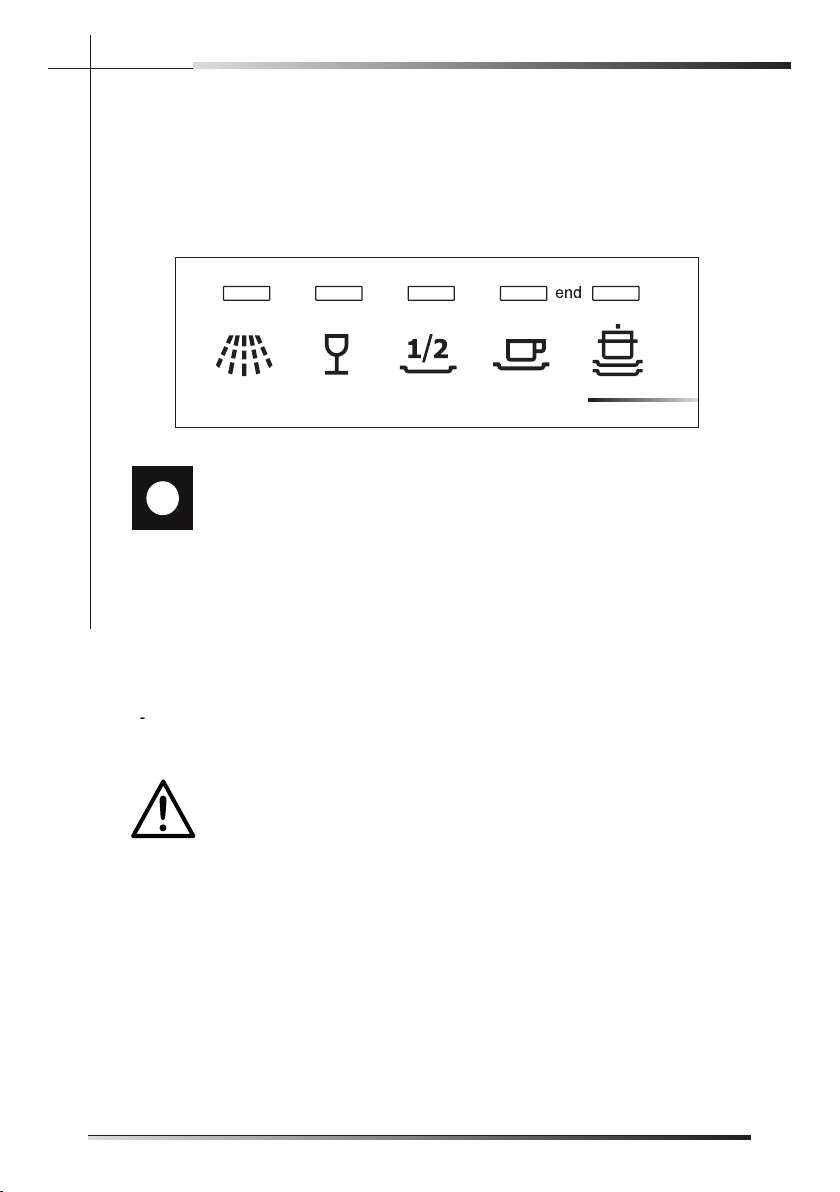
PROGRAM DELAY
(available for all programs except soak)
The “Program delay” function delays the beginning of the washing program
up to 9 hours from the moment in which programming takes place. This makes
it possible to use the dishwasher at a certain time of day.
Before programming a delay, open the door of the dishwasher, select the
required washing program (see para 2.2 “Setting the washing program and
switching on and off”). Select the day by pressing the Program delay button
(ref. 11 fi g. 2-02); each time you press the button, the display increases the
delay before the appliance starts by 1 hour.
EN
12 Rev. 0.0
USER INSTRUCTIONS
ffo gnihctiwS 8.2.2
eht dna peeb trohs a stime rehsawhsid eht ,margorp eht fo dne eht tA indi-
cator lights of the fourth and fi fth program (ref. pr. 4, pr. 5 fi g. 2-04) fl ash.
Turn off the appliance by opening the door and pressing the on/off button (ref.
1 fi g. 2-02).
FIG. 2-04
If it is necessary to open the door during the washing cycle, the
program will be interrupted, the relative indicator light will continue to
fl ash and a beep will indicate that the cycle has not terminated. Wait
for about 1 minute before closing the door and continuing with the
program. When the door closes, the program will start from where it
was interrupted. This operation should be performed only if neces-
sary as it could cause irregular program performance.
SEHSID EHT GNIVOMER 4
tsael ta tiaw ,margorp gnihsaw eht fo dne eht tA 20 minute before
removing the dishes in order to allow them to cool. To prevent any
water droplets on the upper rack from falling onto the dishes in the
lower rack, empty the lower rack fi rst and then the upper one.
2.2.9

EN
Rev. 0.0 13
USER INSTRUCTIONS
LATNEMNORIVNE DNA GNIVAS YGRENE 3
RESPECT
• Always try to run the dishwasher fully loaded.
• Do not wash the dishes under a running tap.
• Use the most suitable washing program for each type of load.
• Do not pre-rinse.
• If available, connect the dishwasher to a hot water system with a tempera-
ture of up to 60°C (140°F).
• When possible, skip the drying cycle by opening the door after washing:
the air and the residue heat will dry the dishes to perfection.
3.1 Reducing the consumption of detergent
and respecting the environment
-ivne eht ot lufmrah era stnegreted rehsawhsid ni deniatnoc setahpsohp ehT
ronment. To avoid using excessive amounts of detergent and to save on elec-
tricity:
• Separate the more delicate items from those that are more resistant to ag-
gressive detergents and high temperatures;
• Do not pour . sehsid eht otno yltcerid tnegreted eht
EN
14 Rev. 0.0
USER INSTRUCTIONS
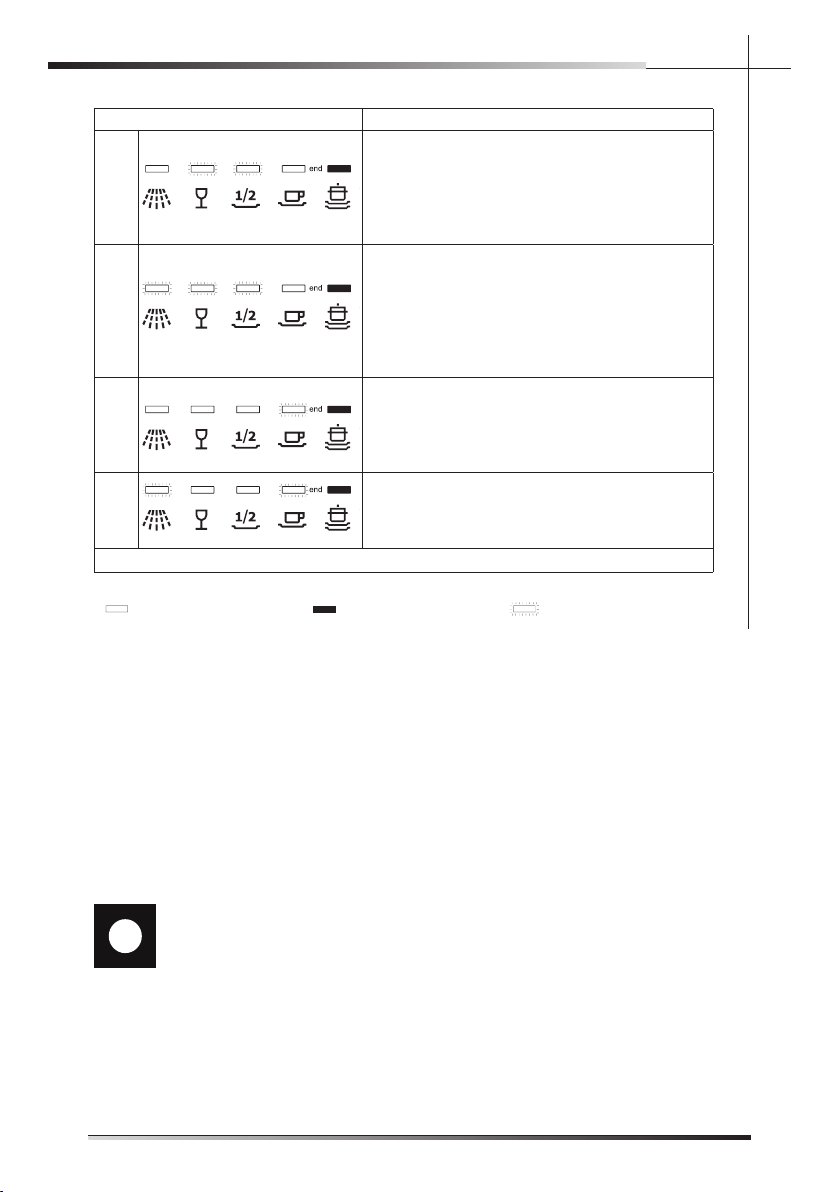
GNITOOHSELBUORT 5
The dishwasher can to signal a number of malfunctions by turning on various
:)elbat gniwollof ees( woleb debircsed sa ,sthgil rotacidni
FAULT DESCRIPTION
E1
Acquastop failure
The anti-fl ooding system has tripped (only for models
fi tted with this feature). Activates in case of water leaks.
Contact the technical assistance service.
E2
Safety level
The system limiting the water level in the dishwasher
has tripped. Interrupt the current program. Switch off
the dishwasher, switch it back on again, program a new
cycle and press start. If the problem persists, contact
the technical assistance service.
E3
Water heating malfunction
The water is not heated or is incorrectly heated. Repeat
the washing program; if the problem persists, contact
the technical assistance service.
E4
Water temperature monitoring malfunction
Interrupt the current program. Switch off the dishwasher,
switch it back on again, program a new cycle and press
start. If the problem persists, contact the technical
assistance service.
E5
Water intake malfunction
The appliance does not take in water or does so
incorrectly. Make sure the water connections are
correct, that the water supply tap is open and that the
fi lter is not clogged. If the problem persists, contact the
technical assistance service.
Tab. 5-01a
EN
Rev. 0.0 15
USER INSTRUCTIONS
FAULT DESCRIPTION
E6
Water pump-out malfunction
The appliance does not pump out the water or does so
incorrectly. Make sure the drain hose is not kinked or
crushed and that the siphon and fi lters are not clogged.
If the problem persists, contact the technical assistance
service.
E7
Turbine fl ow-regulator malfunction
(only for models fi tted with this feature)
The appliance is unable to precisely measure the
quantity of incoming water. Interrupt the current program
and switch off the dishwasher. Switch it back on again,
program a new cycle and press start. If the problem
persists, contact the technical assistance service.
E8
Alternate washing system malfunction
Interrupt the current program and switch off the
dishwasher. Switch it back on again, program a new
cycle and press start. If the problem persists, contact
the technical assistance service.
E9
Water intake system malfunction
Contact the technical assistance service.
Tab. 5-01b
Light off Light on Light fl ashing
If an alarm situation occurs, the dishwasher interrupts the current program and
signals the fault.
smralA • E1, E2, E3, E4, E8, E9 immediately terminate the current program.
• Alarms E5, E6 interrupt the current program and, after the problem has been
eliminated, resume the cycle.
• Alarm E7 is displayed at the end of the cycle which, however, is completed
given that it does not jeopardize the operation of the dishwasher.
:mrala na ”teser“ oT
siht tA .niaga ffo kcab dna no ecnailppa eht hctiws ro ,rood eht esolc ro nepo •
point, the dishwasher can be programmed again.
-reS ecnatsissA lacinhceT dezirohtuA eht tcatnoc ,stsisrep tluaf eht fI
vice.
EN
16 Rev. 0.0
USER INSTRUCTION
5 OPERATING INSTRUCTIONS
BEFORE STARTING TO USE THE APPLIANCE, MAKE SURE YOU HAVE
READ AND UNDERSTOOD ALL THE WARNINGS CONTAINED IN CHAP-
TER 2 “IMPORTANT SAFETY INSTRUCTION”.
Once the dishwasher has been correctly installed, prepare for use as follows:
•addtherinse-aidanddetergent.
5.1 Using the rinse-aid and detergent dispensers
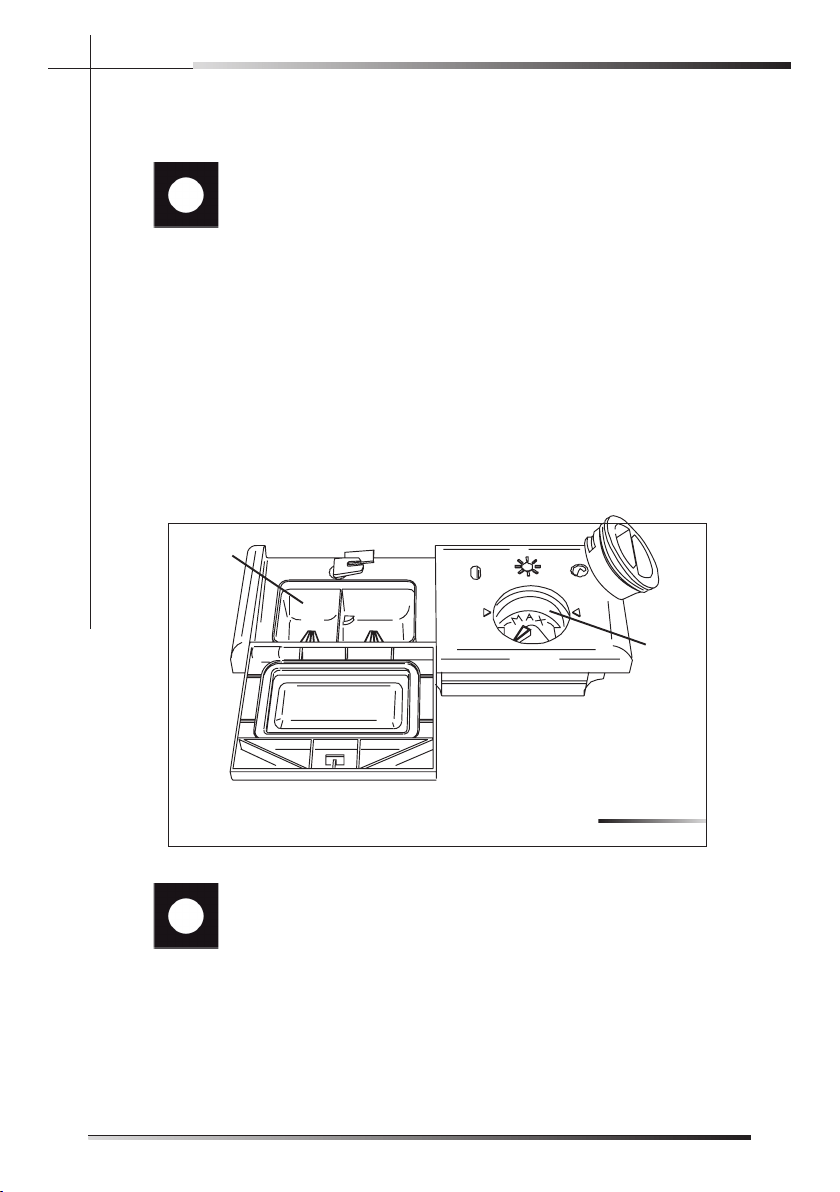
The detergent and rinse aid dispensers are situated on the inner part of the door:
the detergent dispenser (ref. A “ g. 4-03) is on the left, and the rinse-aid dispenser
(ref. B g. 4-03) is on the right.
A
B
Fig. 4-03
WITH THE EXCEPTION OF THE SOAK PROGRAM, BEFORE EVERY
WASHING CYCLE IT IS NECESSARY TO ADD THE REQUIRED AMOUNT
OF DETERGENT TO THE DETERGENT DISPENSER. THE RINSE AID,
ON THE OTHER HAND, SHOULD ONLY BE ADDED AS REQUIRED.
EN
Rev. 0.0 17
USER INSTRUCTIONS
5.1.1 Adding the rinse-aid
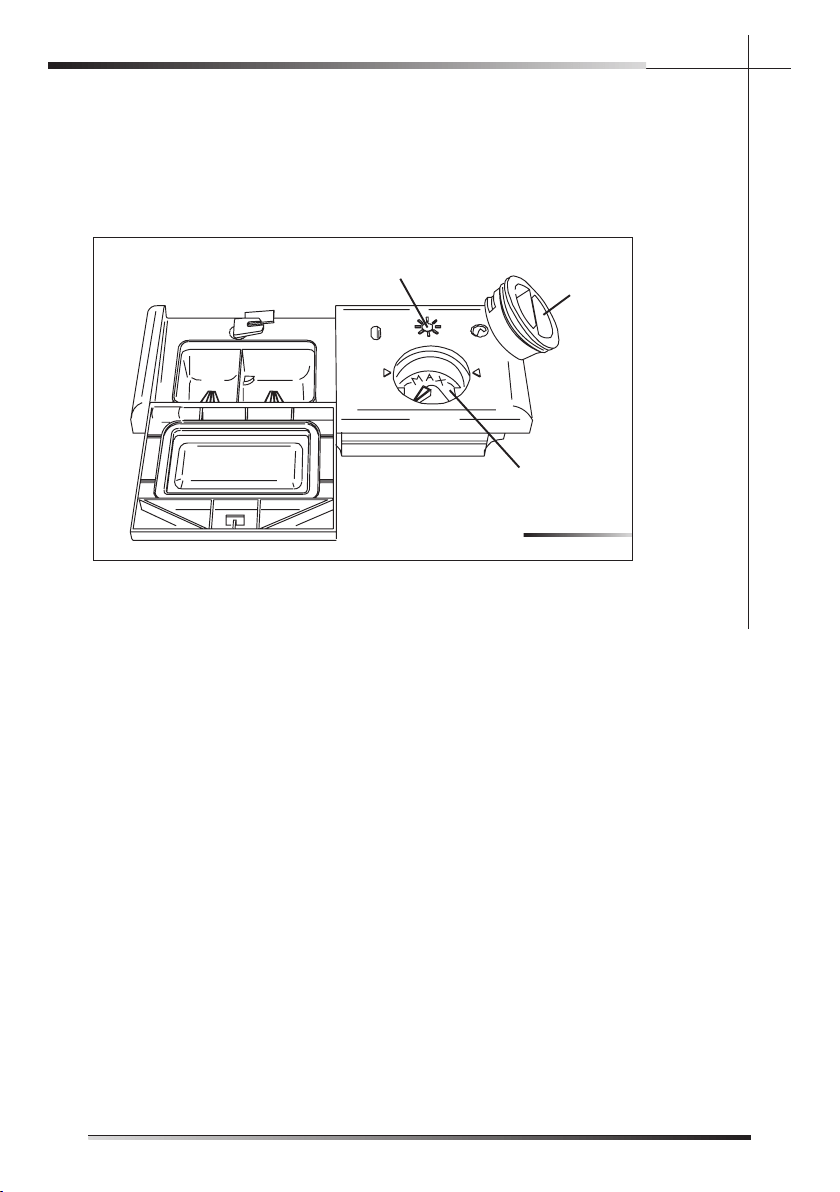
The rinse aid helps the dishes dry faster and prevents the formation of scale deposits
and staining; it is automatically added to the water during the nal rinse cycle, from
the container situated on the inner side of the door.
A
C
B
Fig. 4-04
To add rinse aid:
•Openthedoor.
•Rotatethecontainercover(ref.Ag.4-04)anticlockwiseby¼ofaturnandre-
move it.
•Addtherinseaiduntilthecontainerisfull(approximately140ml).Theoptical
level indicator (ref. B g. 4-04), on the side of the cap should be completely ob-
scured. Rell the rinse aid when the optical level indicator becomes clear again,
or when the rinse aid warning light illuminates (see “Description of controls”
manual).
•Replacethecover(ref.A“g.4-04)byturningitinaclockwisedirectionuntilitis
fully closed.
•Useaclothtoremoveanyspillageofrinseaidwhichmightleadtotheformation
of excess foam.
5.1.2 Adjusting the rinse-aid dispenser setting
The rinse-aid dispenser can be set to one of 6 dierent levels. The dishwasher is
factory set for medium water hardness (selector set to “3”). To change the setting,
turn the dispenser selector (ref. c g. 4-04) to the desired position: the amount of
rinse-aid dispensed is proportional to the position of this selector. Make sure that
the minimum amount of rinse-aid (selector turned to “1”) is approximately 1 ml and
the maximum amount (selector turned to “6”) is approximately 6 ml.
EN
18 Rev. 0.0
USER INSTRUCTIONS
•Toadjusttherinseaidsetting,rotatethedispensercover(ref.Ag.4-04)through
a quarter turn in an anticlockwise direction and remove it.
•Thenuseascrewdrivertorotatetherinseaidselectortothedesiredposition.
•Replacethecover(ref.Ag.4-04)byturningitinaclockwisedirectionuntilitis
fully closed.
•Theamountofrinseaidmustbeincreasedifthewasheddishesappeardullor
feature circular stains.
•If,ontheotherhand,thedishesarestickyorhavewhitestreaks,itisnecessaryto
reduce the rinse aid setting.
5.1.3 Adding the detergent
DO NOT INHALE OR SWALLOW DETERGENT AS THIS MAY CAUSE
BURNS AND/OR PERMANENT DAMAGE TO THE NOSE, MOUTH AND
THROAT, AND EVEN LEADING TO SUFFOCATION; KEEP DETERGENT
AWAY FROM YOUR EYES. IF ONE OF THE ABOVE SITUATIONS OCCURS,
SEEK MEDICAL ASSISTANCE IMMEDIATELY.
PREVENT CHILDREN FROM COMING INTO CONTACT WITH DETER-
GENT;
KEEP THEM AWAY FROM THE DISHWASHER WHEN THE DOOR IS
OPEN AS IT MAY CONTAIN DETERGENT RESIDUES. FILL THE DISH-
WASHER JUST BEFORE STARTING THE WASHING CYCLE AND THEN
KEEP THE DETERGENT OUT OF THE REACH OF CHILDREN.
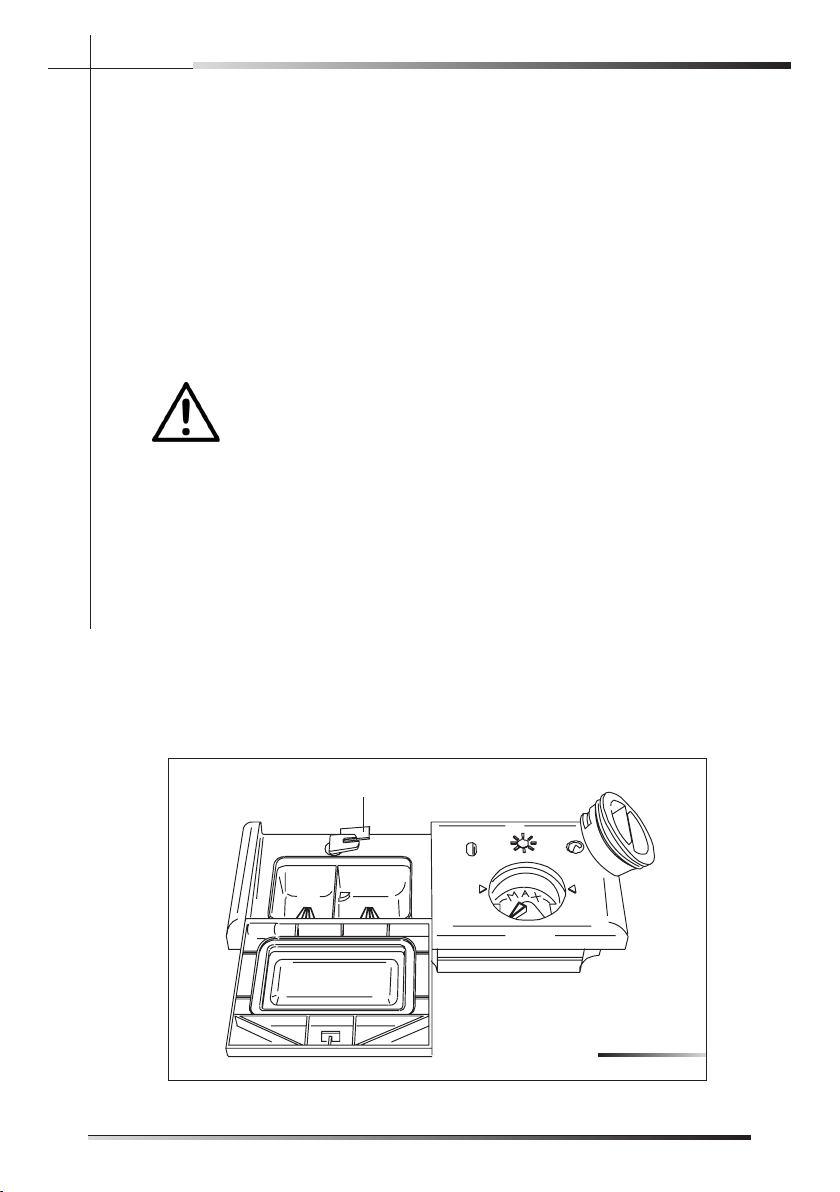
To open the detergent dispenser cover, lightly press the relative button (ref. A g.
4-05). Add the detergent and close the cover carefully, pushing down on the arrow
(ref. B g. 4-05). During the washing cycle, the dispenser will be opened automati-
cally.
A
Fig. 4-05
EN
Rev. 0.0 19
USER INSTRUCTIONS
A
B
Fig. 4-06
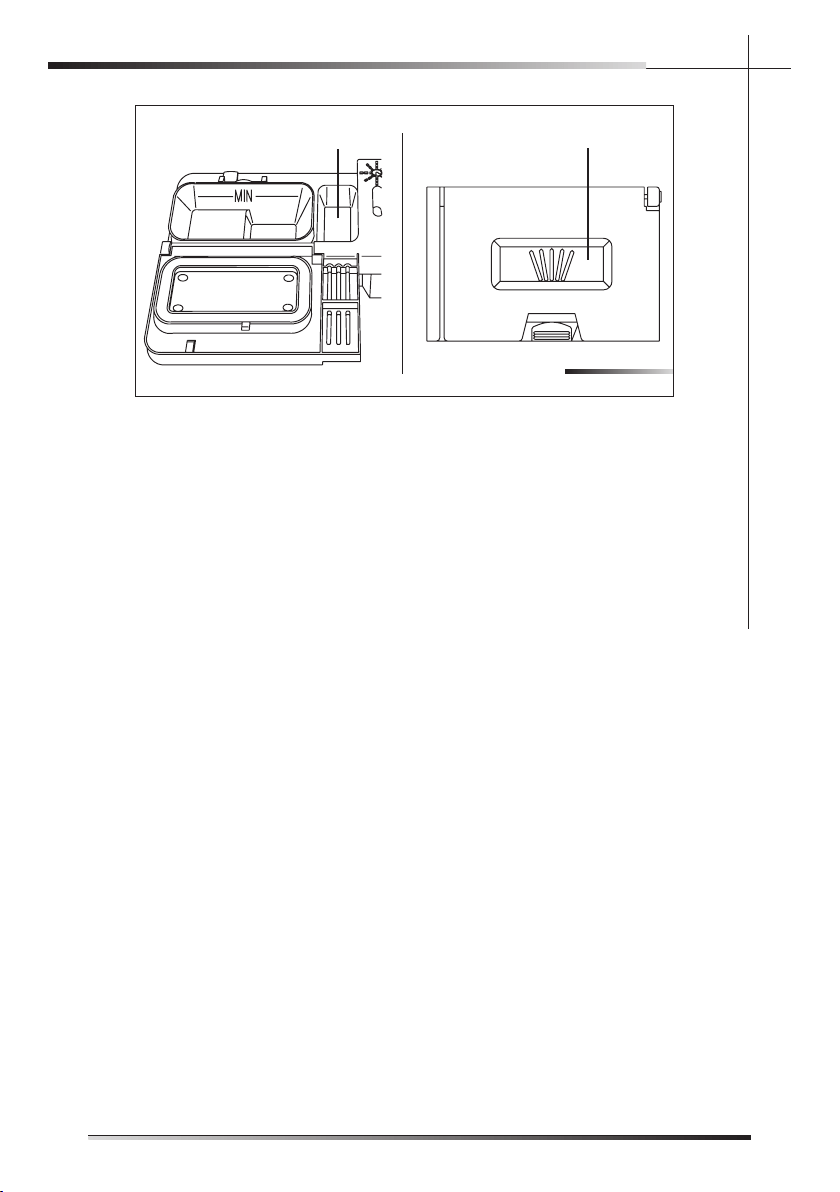
•Whenaprogramwithhotprewashisselected(seeprogramtableinthe“De-
scription of Controls” manual), extra detergent must be placed in the cavity (ref.
A or B g. 4-06, depending on models).
•Only use dishwasher-specic detergents. For optimal washing results it is impor-
tant to use a good quality detergent.
•Thedetergentpacksmustbesealedandstoredinadryplacetopreventthefor-
mation of lumps which may negatively aect washing results. Once opened the
detergent packs should not be kept for too long, otherwise the detergent loses
its eectiveness.
•Donotusedetergentsformulatedforwashingdishesbyhand,becausethey
produce a great deal of foam and may negatively aect the operation of the
dishwasher.
•Addthecorrectamountofdetergent.Aninsucientamountofdetergentwill
result in a partial removal of dirt from the dishes, whereas an excessive amount
is wasteful and does not improve the washing results.
•Themarketoersliquidandpowderdetergentswithdieringchemicalcompo-
sitions, which may contain phosphates, or be phosphate-free but contain natu-
ral enzymes.
•Detergentscontainingphosphates are more eective against grease and starch
at temperatures above 60°C (140°F).
•Enzymedetergents,ontheotherhand,arealsoeectiveatlowertemperatures
(from 40 to 55°C / from 104 to 131°F)andaremoreeasilybiodegradable.With
enzymedetergentsitispossibletoobtainatlowtemperaturescomparablere-
sults to those which can only be achieved at 65°C (149°F) using traditional de-
tergents. For the safeguarding of the environment we recommend the use of
phosphate- and chlorine-free detergents.
EN
20 Rev. 0.0
• When using detergent tabs, place them in the cutlery basket. The dispenser
has been designed for powder or liquid detergent. As the cover does not open
completely during the washing cycle, tabs are not fully released ( dissolved).
This could generate the following problems:
rinse cycle.
THE INTRODUCTION OF DETERGENT INTO THE RINSE AID DISPENSER,
EVEN IN LIQUID FORM, WILL DAMA GE THE DISHW ASHER.
General warnings and recommendations
recommendations concerning dish types to be washed and their loading. There
are generally n o constraints on t he washing of domestic d ishes, but i n certain
cases it is necessary to take their characteristics into account. Before loading the
dishes into the racks it is necessary to:
•soak any pots or pans with burnt-on food remains on the bottom to facilitate
removal, then load them into the LOWERRACK.
Use the “ ” option (if available) for washing small amounts of dishes;
it saves water and electricity. When using this function, only load the rack se-
; the other rack must remain empty. There is no need
to pre-wash the dishes under running water before loading them into the racks
since this only wastes water. Correct loading of the dishes helps ensure opti-
.stluser gnihsaw lam
WARNING!
•ake sure that the dishes are securely in place so that they cannot tip over or
obstruct the rotation of the spray arms during the washing cycle;
•do not place very small objects in the racks as these could fall and obstruct the
spray arms or the wash pump;
•containers such as cups, bowls, glasses and pots should always be loaded with
the opening facing downwards and with any cavities at an angle, to allow the
water to drain out;
•do not stack dishes or place them in such a way that they cover one other;
•do not place glasses too close together because they may knock against each
other and break, or there might be staining at the point where they touch.
m
5.2
USER INSTRUCTION

EN
Rev. 0.0 21
MAKE SURE that the items being washed are dishwasher-safe.
Items which are not dishwasher-safe:
• Wooden dishes, pots or pans: these may be damaged by the high washing
temperatures.
•Handcrafted i tems: these a re r arely suitable for washing in a d ishwasher.
The relatively high water temperatures and the detergents used may damage
them.
•Lightweight objects: place lightweight objects in the upper rack where the
water pressure is lower.
•Dishes and objects in copper, tin, zinc or brass: these tend to stain.
•Aluminum dishes: items made from anodizedaluminum may lose their col-
or.
•Silverware: silver items may stain.
•Glass and crystal: in general, glass and crystal objects can be washed in the
dishwasher. However, certain types of glass and crystal may become dull and
lose their clearness after many washings. Therefore, for these items we recom-
mend using the least aggressive program available (see “Description of con-
trols” manual).
•Decorated items: the decorated objects available on the market are generally
able to withstand washing in t he d ishwasher, although the colors may fade
after a great many washes. If in doubt as to the fastness of the colors, it is advis-
able to wash just a few items at a time for approximately one month.
USER INSTRUCTION
EN
22 Rev. 0.0
skcar eht gnisU
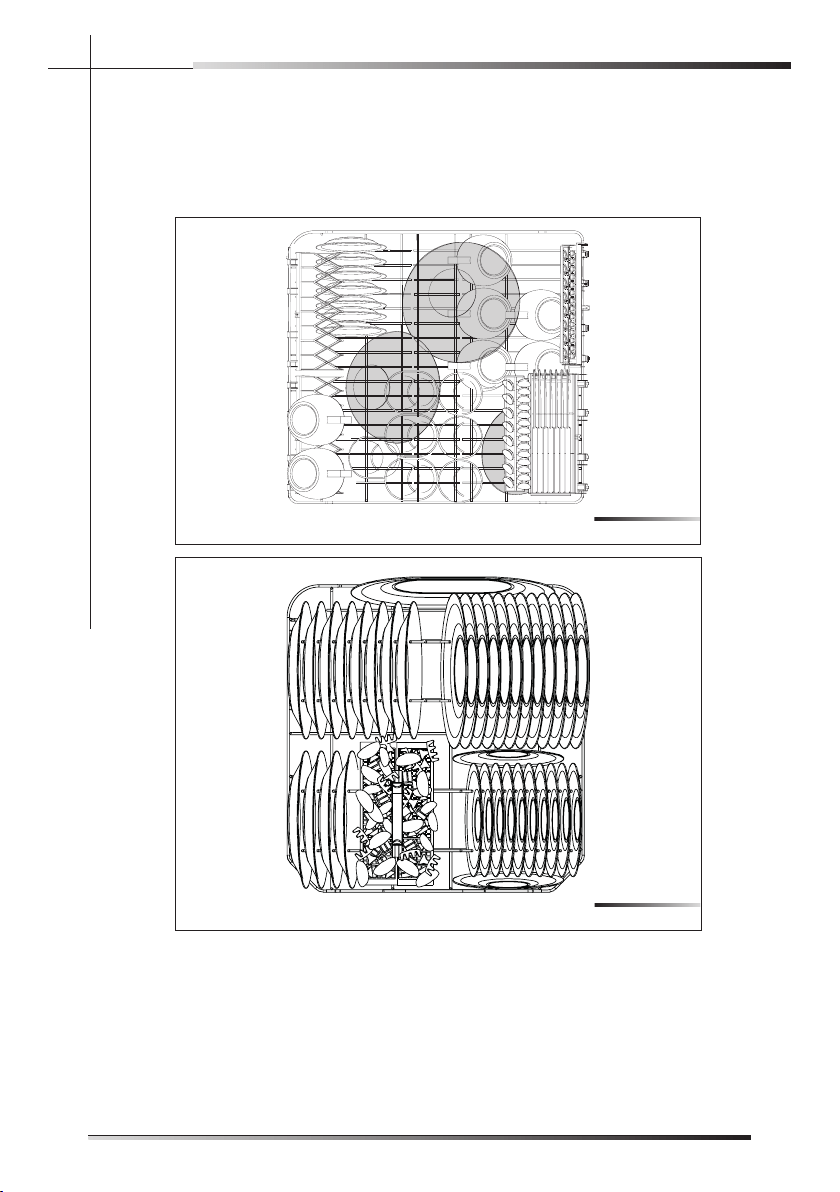
fo yticapac a sah rehsawhsid ehT 13 place-settings, including serving dishes.
Examples of loading 13 place-settings in the upper rack (see fi g. 4-07) and in
the lower rack (see fi g. 4-08) are shown below.
Fig. 4-07
Fig. 4-08
5.3
USER INSTRUCTION
EN
Rev. 0.0 23
kcar rewoL
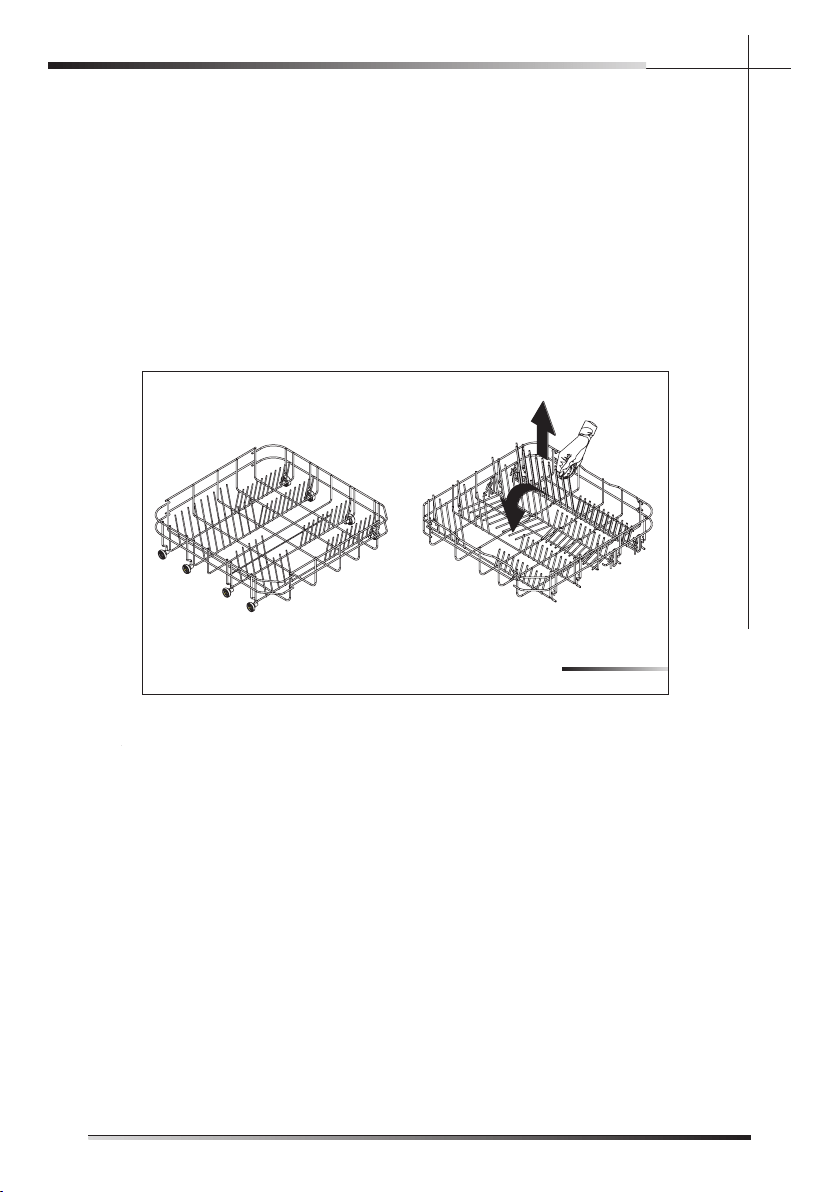
-ereht dluohs dna ,mra yarps rewol eht fo ecrof lluf eht seviecer kcar rewol ehT
fore be used for the “toughest” items with a heavier degree of soiling.
All types and combinations of loads are permitted, provided that the dishes,
pots and pans are arranged with all the soiled surfaces exposed to the water
jets coming from the bottom.
To make the most of the space inside the rack when loading large items, cer-
tain models are equipped with tip-up supports for plates in 2 or 4 sections (see
fi g. 4-09).
Con supporti fissi Con supporti ribaltabili
Fig. 4-09
With fi xed supports
With tip-up supports
5.3.1
USER INSTRUCTION
EN
24 Rev. 0.0
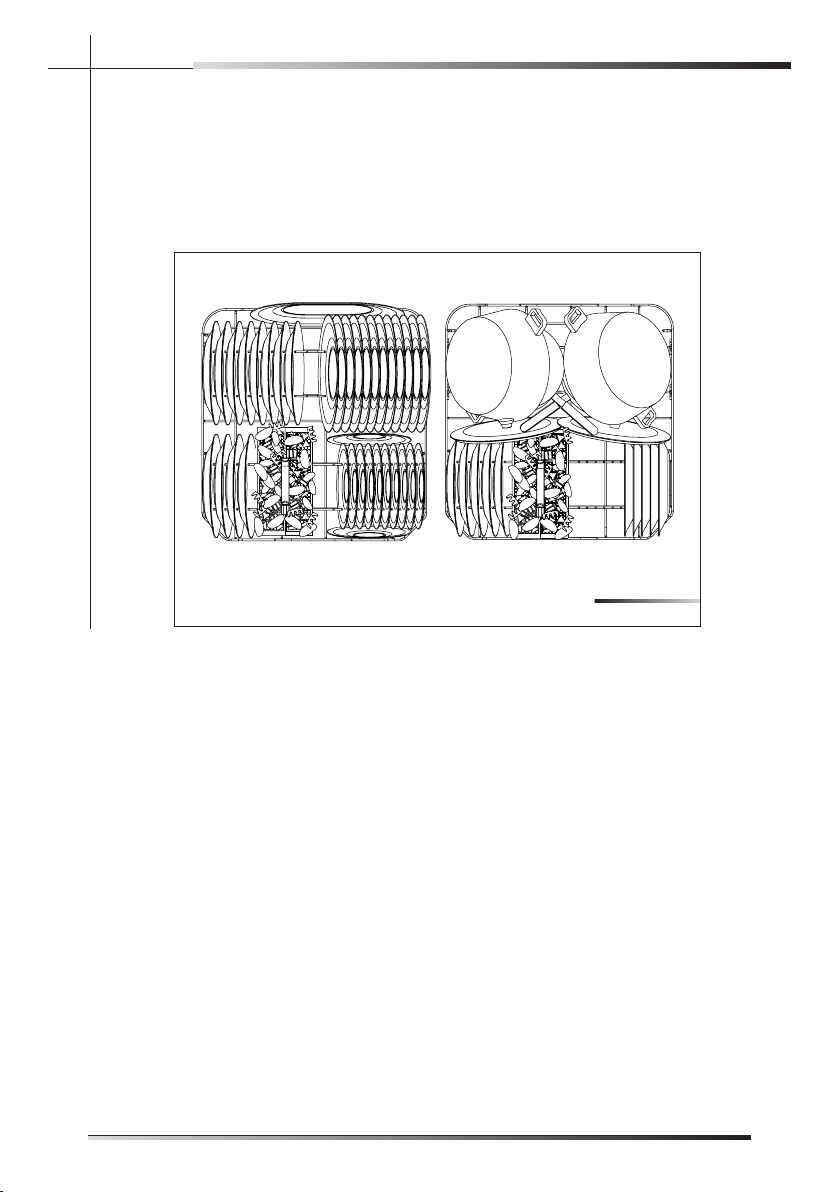
Loading the lower rack
(see fi g. 4-10)
-noitisop ,sehsid gnivres dna tressed ,setalp puos ,setalp ta fl daol ylluferaC
ing them vertically. Pots, pans and their covers must be loaded upside down.
When loading soup plates and dessert bowls, be sure to leave a gap between
them.
Loading examples:
Fig. 4-10
USER INSTRUCTION
EN
Rev. 0.0 25
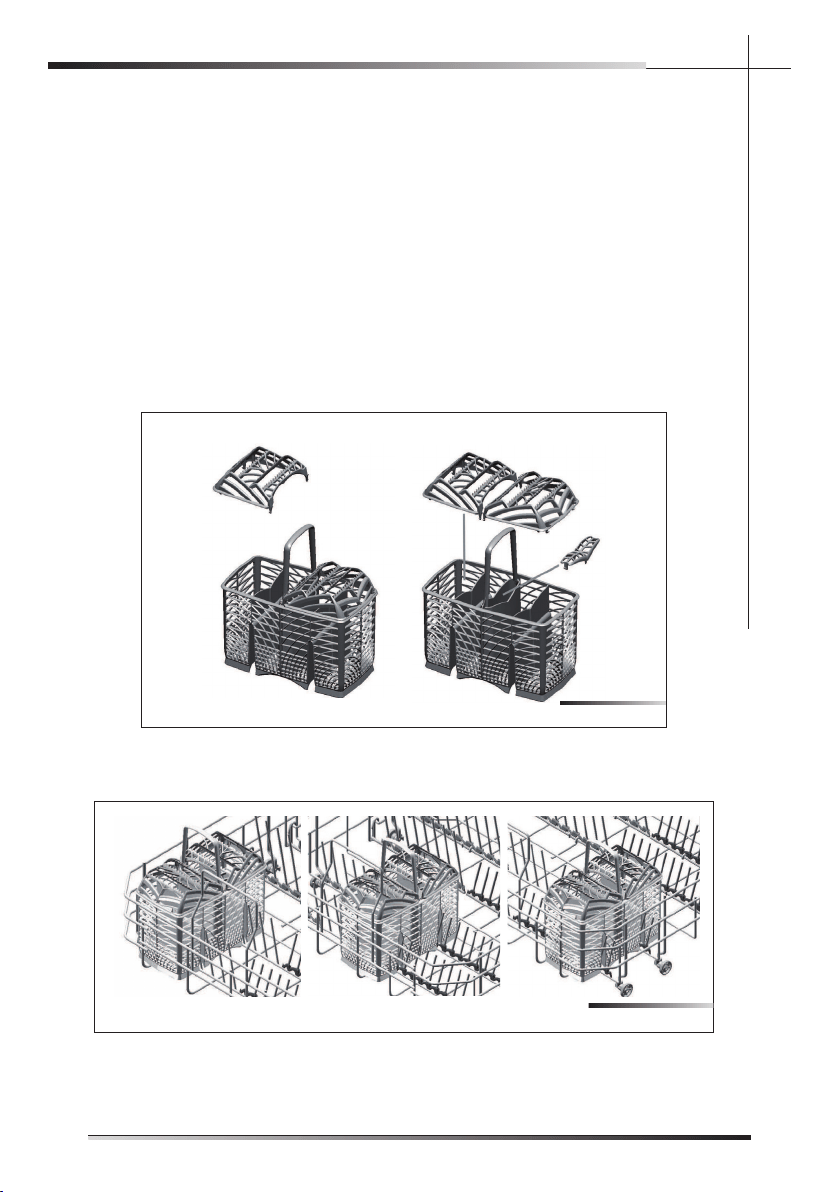
teksab yreltuC (see fi g. 4-11/4-12 depending on models)
The basket has removable top grids i nto which items of cutlery s hould be
inserted to keep them properly spaced and allow water to pass between them
effectively. T he top grids and central lid are i n the bag o f accessories. The
central lid functions as a lid only.
The top grids can be detached and used separately.
The cutlery should be arranged in an orderly manner inside the basket, with the
handles pointing downwards. Take care during loading to avoid injury from the
knife blades. The basket is suitable for all types of cutlery, except t hose long
enough to interfere with the upper spray arm. Ladles, wooden spoons and co-
oking knives can be placed in the upper basket, making sure that the knife
blades do not protrude from the basket.
The cutlery basket s lides across the dishwasher and can b e p laced i n any
position to allow optimal use of the space in the bottom basket.
Fig. 4-12
Fig. 4-11
5.3.2
USER INSTRUCTION
EN
26 Rev. 0.0
kcar reppU
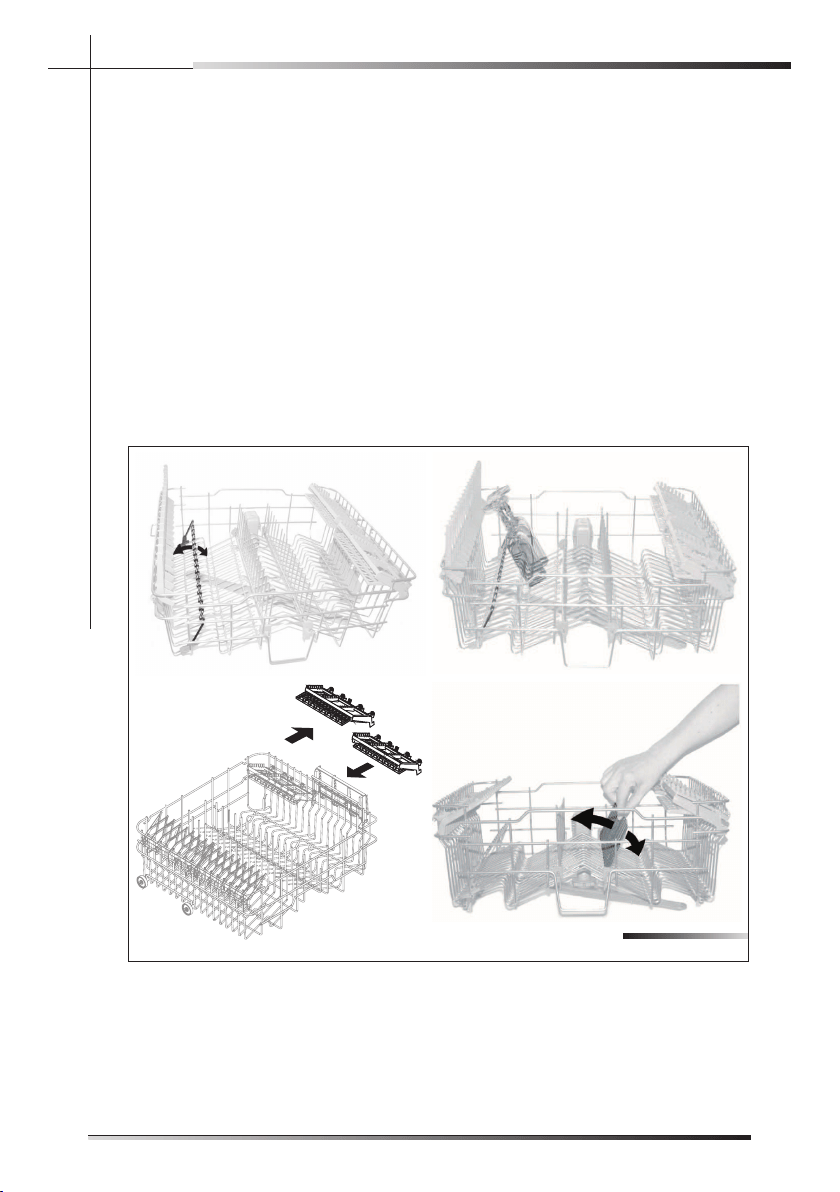
(see fi g. 4-13)
Depending on the models, the basket may be equipped with some or all of the
following accessories:
- Supports f or cups o r long objects (ladles, s poons…), on t he l eft; can b e
tipped to the vertical position when not in use.
- Long-stemmed glass holder, on the left; to use, simply lift and fi x onto the
hooks provided.
- Cutlery racks, on the right, designed for knives and teaspoons; for teaspo-
ons, pull out t he s liding support. T he r acks can b e tipped to t he vertical
position when not in use.
- Fixed or movable racks in the middle. The movable supports can be fi xed
vertical, resting on the bottom of the basket when not in use, or set in the
intermediate position, as required.
Fig. 4-13
5.3.3
USER INSTRUCTION
EN
Rev. 0.0 27
kcar reppu eht gnidaoL
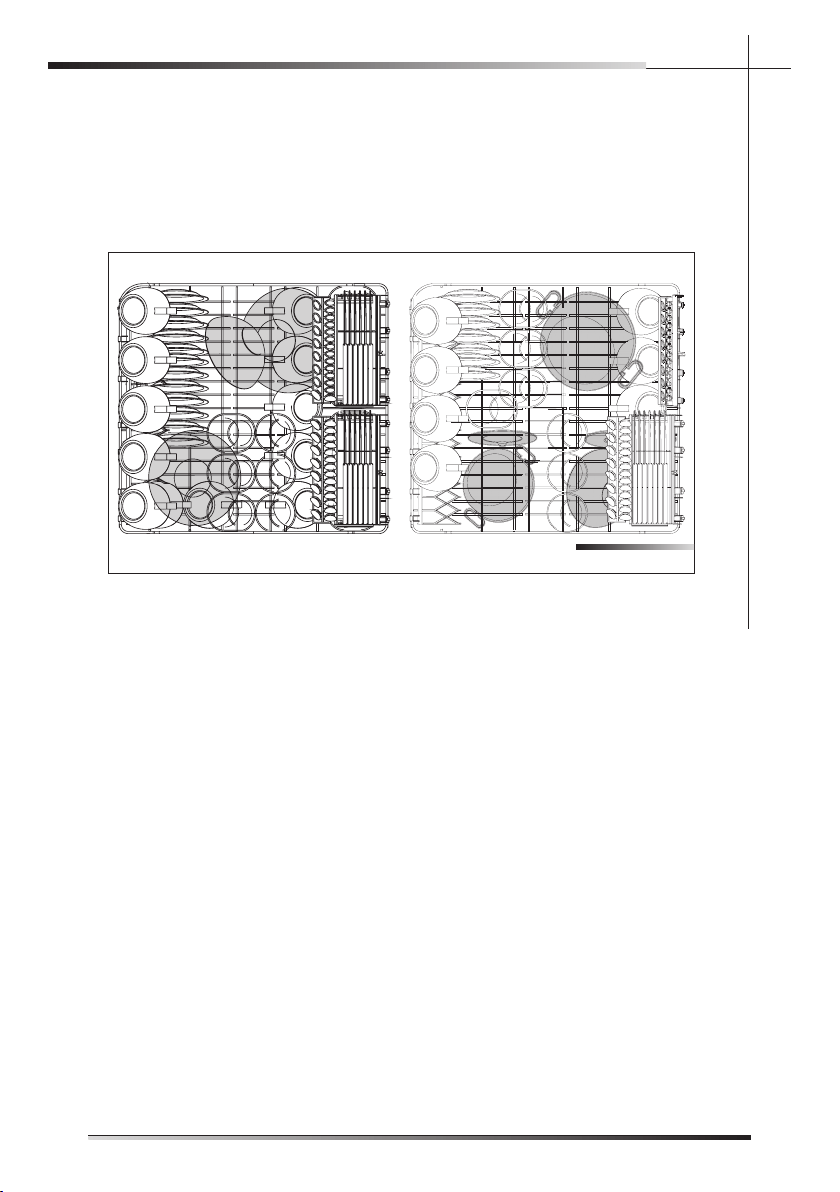
(see fi g. 4-14)
-rawnwod gnicaf eb syawla tsum .cte slwob ,spuc ;drawrof gnicaf setalp daoL
ds. The left-hand side of the rack can be loaded with two layers of cups and
glasses. The centre can be fi lled with plates and side-plates, fi tted upright into
the supports provided.
Fig. 4-14
Loading examples:
USER INSTRUCTION
EN
28 Rev. 0.0
USER INSTRUCTION
kcar reppu eht gnitsujdA
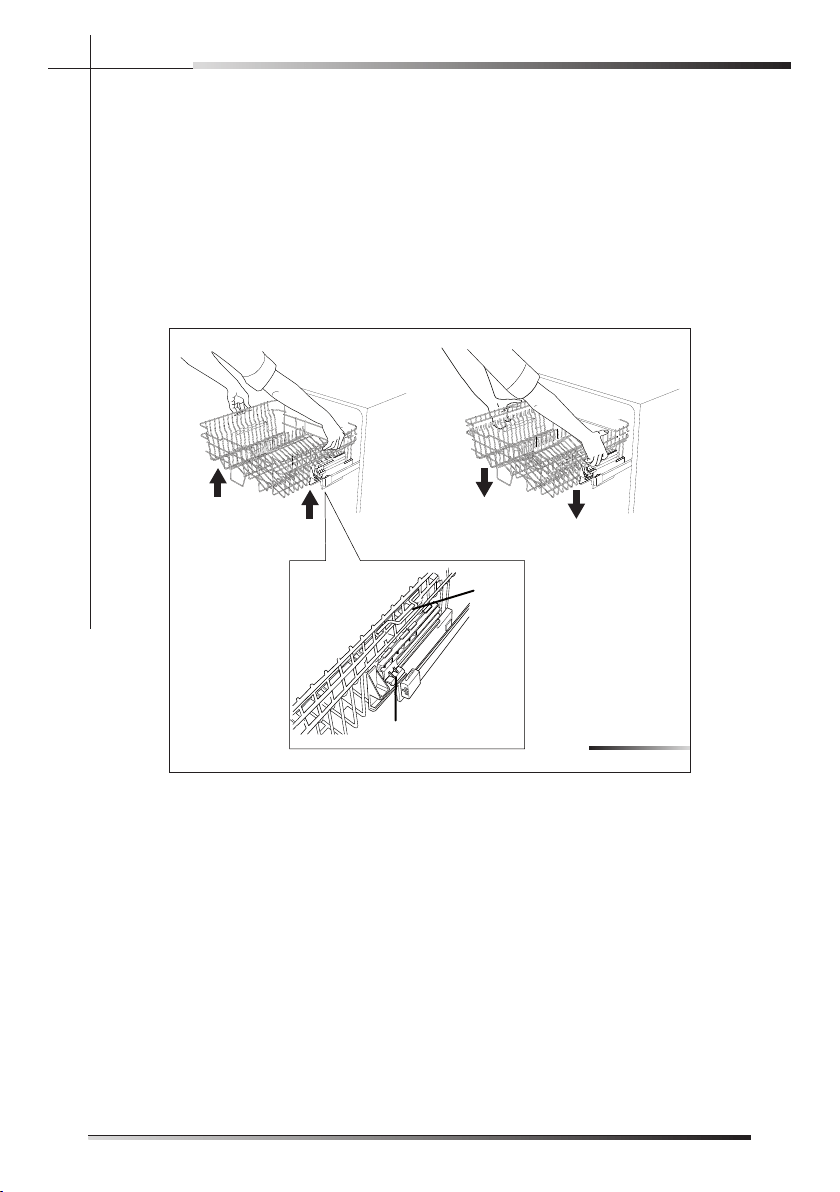
kcar ehT .sedis htob no snoitisop tnereffid eerht ni tes eb nac kcar reppu ehT
must be level on both sides.
To raise the rack (ref. A fi g. 4-15), lift it with the two handles (e.g.: ref. B fi g.
4-15) to the fi rst or second catch depending on the height required. To lower it
(ref. c fi g. 4-15), pull up the two release levers (e.g.: ref. D fi g. 4-15). This is also
possible with the rack loaded, but in this case when lowering the rack it should
be held steady with one hand to avoid knocking the dishes.
A
B
D
C
Fig. 4-15
EN
Rev. 0.0 29
USER INSTRUCTION
6
6.1
EN
30 Rev. 0.0
USER INSTRUCTION
6.2
6.3
EN
Rev. 0.0 31
A
Fig. 5-02
Fig. 5-03
USER INSTRUCTION
EN
32 Rev. 0.0
USER INSTRUCTION
6.4
EN
Rev. 0.0 33
USER INSTRUCTION
6.5
EN
34 Rev. 0.0
USER INSTRUCTION
6.6
EN
Rev. 0.0 35
USER INSTRUCTION
EN
36 Rev. 0.0
WARNINGS
7 IMPORTANT SAFETY INSTRUCTION
(Save this instructions)
THIS MANUAL FORMS AN INTEGRAL PART OF THE APPLIANCE: IT
MUST ALWAYS BE KEPT INTACT TOGETHER WITH THE DISHWASHER.
BEFORE USING THE APPLIANCE, CAREFULLY READ ALL THE INSTRUC-
TIONS CONTAINED IN THIS MANUAL.
INSTALLATION MUST BE PERFORMED BY A QUALIFIED TECHNICIAN,
IN COMPLIANCE WITH THE REGULATIONS IN FORCE. THIS APPLIANCE
IS INTENDED FOR DOMESTIC USE AND SIMILAR APPLICATIONS SUCH
AS THE STAFF KITCHENS OF SHOPS, OFFICES AND OTHER WORK-
PLACES, INSTITUTIONS, AND FOR THE USE OF GUESTS AT HOTELS,
HOSTELS, BED AND BREAKFAST ESTABLISHMENTS AND OTHER RESI-
DENTIAL FACILITIES AND COMPLIES WITH DIRECTIVES 2006/95/EC
AND 2004/108/EC CURRENTLY IN FORCE, INCLUDING THE PREVEN-
TION AND ELIMINATION OF RADIO FREQUENCY INTERFERENCE.
THE APPLIANCE IS DESIGNED FOR THE FOLLOWING PURPOSE:
WASHING AND DRYING OF DISHES; ANY OTHER USE SHALL BE
CONSIDERED IMPROPER. THE MANUFACTURER DECLINES ALL
RESPONSIBILITY FOR USES OTHER THAN THOSE DESCRIBED
ABOVE.
THE NAME PLATE FEATURING THE TECHNICAL DATA, SERIAL NUMBER
AND MARKINGS IS VISIBLY POSITIONED ON THE INNER EDGE OF THE
DOOR. THE NAME PLATE MUST NEVER BE REMOVED.
THIS APPLIANCE IS NOT SUITABLE FOR USE ON BOATS, CARAVANS OR
THE LIKE.
DISHWASHERS CERTIFIED FOR DOMESTIC USE ARE NOT SUITABLE
FOR AUTHORISED FOOD FACTORIES.
CHECK THAT THE VOLTAGE, FREQUENCY AND PROTECTION OF THE
DOMESTIC MAINS POWER SUPPLY MATCH THE RATINGS ON THE
NAME PLATE OF THE APPLIANCE.
DO NOT LEAVING DISCARDED PACKAGING MATERIALS UNSUPER-
VISED WITHIN THE HOME. SEPARATE THE VARIOUS PACKAGING
MATERIALS AND TAKE THEM TO THE NEAREST SORTED WASTE COL-
LECTION CENTRE. KEEP CHILDREN, PHYSICALLY AND/OR MENTALLY
IMPAIRED ADULTS, AND ANIMALS AWAY FROM PACKAGING WASTE;
DANGER OF SUFFOCATION.
EN
Rev. 0.0 37
WARNINGS
BEFORE PROCEEDING WITH INSTALLATION, DISCONNECT THE MAINS
POWER SUPPLY FROM THE WORK AREA.
DO NOT USE EXTENSION CORDS, ADAPTORS OR SHUNT CONNEC-
TIONS IN ORDER TO AVOID THE POSSIBILITY OF OVERHEATING OR
BURNING WITH CONSEQUENT FIRE HAZARD.
DURING INSTALLATION, TAKE CARE NOT TO INJURE YOURSELF ON
THE SHARP EDGES OF THE APPLIANCE; WEAR SAFETY GLOVES.
THEAPPLIANCEMUSTBEPROVIDEDWITHANEARTHCONNEC-
TIONINACCORDANCEWITHTHEELECTRICALSAFETYREGULA-
TIONS IN FORCE.
IFINDOUBT,HAVETHESYSTEMCHECKEDBYAQUALIFIEDELEC-
TRICIAN(SEEALSOTHEWARNINGSINDICATEDINCHAPTER3).
THE MANUFACTURER DECLINES ALL RESPONSIBILITY FOR DAM-
AGE TO PERSONS OR PROPERTY RESULTING FROM THE FAILURE
TO EARTH THE APPLIANCE OR FROM A DEFECTIVE EARTH CON-
NECTION.
ALWAYSSWITCHOFFTHEDISHWASHERAFTEREACHUSETO
AVOIDWASTINGELECTRICITY.
INTHEEVENTOFAFAULT,DISCONNECTTHEDISHWASHERFROM
THEELECTRICALPOWERSUPPLYANDSHUTOFFTHEWATERTAP.
DONOTUSEAPPLIANCESWHICHHAVEBEENDAMAGEDDURING
TRANSIT!IFINDOUBT,CONSULTYOURDEALER.THEAPPLIANCE
MUSTBEINSTALLEDANDCONNECTEDINACCORDANCEWITH
THEINSTRUCTIONSPROVIDEDBYTHEMANUFACTURERORBYA
QUALIFIEDTECHNICIAN.
ONLYUSEDETERGENTSSPECIALLYFORMULATEDFORDISH-
WASHERS.
DONOTUSEDETERGENTSFORMULATEDFORWASHINGDISHES
BYHAND.
ONLYUSERINSE”AIDSPECIALLYFORMULATEDFORDOMESTIC
DISHWASHERS.
EN
38 Rev. 0.0
WARNINGS
DO NOT INHALE OR SWALLOW DETERGENT AS THIS MAY CAUSE
BURNS AND/OR PERMANENT DAMAGE TO THE NOSE, MOUTH AND
THROAT, AND EVEN LEADING TO SUFFOCATION; KEEP DETERGENT
AWAY FROM YOUR EYES. IF ONE OF THE ABOVE SITUATIONS OCCURS,
SEEK MEDICAL ASSISTANCE IMMEDIATELY.
TO PREVENT CHILDREN FROM COMING INTO CONTACT WITH DE-
TERGENT, FILL THE DISHWASHER JUST BEFORE STARTING THE WORK
PROGRAM AND THEN KEEP THE DETERGENT OUT OF THE REACH OF
CHILDREN.
THIS DISHWASHER MUST BE USED BY ADULTS. USE BY PERSONS WITH
REDUCED MENTAL AND/OR PHYSICAL CAPABILITIES IS ONLY PER-
MITTED UNDER THE SUPERVISION OF A PERSON RESPONSIBLE FOR
THEIR SAFETY.
DO NOT ALLOW CHILDREN TO APPROACH AND/OR PLAY IN OR ON
THE DISHWASHER. THE APPLIANCE MAY CONTAIN RESIDUES OF DE-
TERGENT WHICH CAN CAUSE PERMANENT DAMAGE TO THE EYES,
MOUTH AND THROAT, AS WELL AS POSSIBLE DEATH BY SUFFOCA-
TION; IF THE ABOVE OCCURS, SEEK MEDICAL ASSISTANCE IMMEDI-
ATELY.
BEWARE; IT IS POSSIBLE FOR CHILDREN TO GET TRAPPED INSIDE THE
DISHWASHER!
DO NOT INTRODUCE SOLVENTS SUCH AS ALCOHOL OR TURPENTINE
WHICH MAY CAUSE AN EXPLOSION.
DONOTPOURPOWDERAND/ORLIQUIDDETERGENTINTOTHE
RINSEAIDCONTAINERASTHISWILLDAMAGETHECONTAINER.
DONOTPOURPOWDERAND/ORLIQUIDDETERGENTINTOTHE
WASTERSOFTENERTANKASTHISWILLDAMAGETHETANK.
DONOTUSEINDUSTRIALDETERGENTSASTHISMAYDAMAGE
THEAPPLIANCEAND/ORTRIGGERVIOLENTCHEMICALREAC-
TIONS (E.G. EXPLOSIVE GAS).
DONOTLOADDISHESTHATARESOILEDWITHASH,WAXOR
PAINTS.
DO NOT INTRODUCE ITEMS IN HEAT-SENSITIVE PLASTIC, SUCH AS
DISPOSABLECUTLERYORPLATES,ASTHESEMAYBECOMEDE-
FORMED.DONOTWASHOBJECTSINPLASTICUNLESSTHEYARE
MARKED“DISHWASHERPROOF”ORTHELIKE.FORUNMARKED
OBJECTS,FOLLOWTHEINSTRUCTIONSOFTHEMANUFACTURER;
IFNOINFORMATIONISAVAILABLE,DONOTWASHTHESEOB-
JECTSINTHEDISHWASHER.
EN
Rev. 0.0 39
WARNINGS
DO NOT INTRODUCE ANIMALS INTO THE DISHWASHER.
WHEN OPENING THE DISHWASHER DOOR DURING A CYCLE THERE IS
A RISK OF SCALDING DUE TO THE HEAT CONTAINED INSIDE; DO NOT
GET IN THE WAY OF THE STEAM LEAVING THE APPLIANCE AND DO
NOT TOUCH THE COMPONENTS INSIDE.
WAIT 20 MINUTES AFTER THE END OF THE WASHING CYCLE OR AFTER
INTERRUPTING IT BEFORE REMOVING THE DISHES IN ORDER TO AL-
LOW THEM TO DRY.
IN CERTAIN SITUATIONS, HYDROGEN MAY BE GENERATED INSIDE
A HOT WATER SYSTEM THAT HAS NOT BEEN USED FOR OVER TWO
WEEKS.
HYDROGEN IS AN EXPLOSIVE GAS. IF THE HOT WATER SYSTEM
HAS NOT BEEN USED FOR TWO WEEKS OR MORE, OPEN ALL THE HOT
WATER TAPS AND ALLOW THE WATER TO RUN FOR A FEW MINUTES
BEFORE USING THE DISHWASHER. THIS WILL DISCHARGE ANY HY-
DROGEN BUILDUPS. AS THIS GAS IS FLAMMABLE, DO NOT SMOKE
OR USE NAKED FLAMES WHILE PERFORMING THIS OPERATION.
LEANING OR SITTING ON THE DISHWASHER DOOR WHEN OPEN
MAY CAUSE THE APPLIANCE TO OVERTURN, PUTTING PEOPLE
AT RISK. NEVER LEAVE THE DISHWASHER DOOR OPEN; PEOPLE
MIGHT TRIP OVER IT.
DO NOT LEAN AGAINST OR STAND ON THE DISHWASHER RACKS.
DO NOT DRINK THE WATER RESIDUES WHICH MAY BE PRESENT IN-
SIDE THE DISHES OR DISHWASHER.
KNIVES OR OTHER SHARP”ENDED COOKING UTENSILS MUST BE
PLACED IN THE CUTLERY BASKET BLADE”DOWN, OR LAID HORIZON-
TAL IN THE UPPER RACK. TAKE CARE NOT TO CUT YOURSELF AND EN-
SURE THAT THEY DO NOT PROJECT FROM THE RACK.
POSITION SHARP/POINTED OBJECTS SO AS TO PREVENT THEM FROM
DAMAGING THE DOOR GASKETS.
DO NOT OPERATE THE DISHWASHER UNLESS ALL THE OUTER PANELS
HAVE BEEN POSITIONED CORRECTLY.
DO NOT TAMPER WITH THE DISHWASHER CONTROLS.
EN
40 Rev. 0.0
WARNINGS
AQUASTOP MODELS; THE AQUASTOP DEVICE PREVENTS FLOOD-
ING IN THE EVENT OF A WATER LEAK. WHEN THE AQUASTOP DEVICE
IS TRIPPED (THE ERROR IS INDICATED ON THE DISPLAY), CALL IN A
QUALIFIED TECHNICIAN TO IDENTIFY AND REPAIR THE FAULT. IN
MODELS EQUIPPED WITH THE AQUASTOP DEVICE, THERE IS A SO-
LENOID VALVE INSIDE THE WATER INTAKE HOSE. DO NOT CUT THE
HOSE AND DO NOT ALLOW THE SOLENOID VALVE TO DROP
INTO WATER. IN THE EVENT OF DAMAGE TO THE WATER INTAKE
HOSE, DISCONNECT THE APPLIANCE FROM THE ELECTRICAL POWER
SUPPLY AND FROM THE WATER SUPPLY.
IMMEDIATELY AFTER INSTALLING THE DISHWASHER, PERFORM A
QUICK TEST OF THE APPLIANCE (SEE “INSTALLATION” MANUAL).
IF THE DISHWASHER FAILS TO OPERATE CORRECTLY, DISCONNECT
IT FROM THE ELECTRICAL POWER SUPPLY AND CALL THE NEAREST
TECHNICAL SERVICE CENTRE. DO NOT ATTEMPT TO REPAIR THE
APPLIANCE.
THE DISHWASHER MEETS ALL THE REQUIREMENTS SET OUT BY THE
REGULATIONS IN FORCE CONCERNING SAFETY AND ELECTRICAL
EQUIPMENT. ANY TECHNICAL CHECKS SHOULD BE CONDUCTED EX-
CLUSIVELY BY A TRAINED AND AUTHORIZED TECHNICIAN: REPAIRS
CARRIED OUT BY UNAUTHORIZED PERSONS WILL INVALIDATE
THE WARRANTY, AS WELL AS POSING A POTENTIAL HAZARD TO
THE USER.
BEFORE CLEANING OR SERVICING THE APPLIANCE, REMOVE THE
PLUG OR TURN OFF THE MULTI-POLE SWITCH.
REMOVETHEWASHINGCOMPARTMENTDOORANDDISCON-
NECTTHEMAINSPOWERSUPPLYWHENREMOVINGTHEOLD
DISHWASHERFORMAINTENANCEORDISPOSAL.
THESYMBOL ON THE PRODUCT, OR ON THE DOCUMENTS AC-
COMPANYINGTHEPRODUCT,INDICATESTHATTHISAPPLIANCE
MAYNOTBETREATEDASHOUSEHOLDWASTE.INSTEADITSHALL
BE HANDED OVER TO THE APPLICABLE COLLECTION POINT FOR
THERECYCLINGOFELECTRICALANDELECTRONICEQUIPMENT.
DISPOSALMUSTBECARRIEDOUTINACCORDANCEWITHLO-
CALENVIRONMENTALREGULATIONSFORWASTEDISPOSAL.FOR
MOREDETAILEDINFORMATIONABOUTTREATMENT,RECOVERY
ANDRECYCLINGOFTHISPRODUCT,PLEASECONTACTYOURLO-
CALCITYOFFICE,YOURHOUSEHOLDWASTEDISPOSALSERVICE
ORTHESHOPWHEREYOUPURCHASEDTHEPRODUCT.
EN
Rev. 0.0 41
WARNINGS
BY ENSURING THIS PRODUCT IS DISPOSED OF CORRECTLY, YOU WILL
HELP PREVENT POTENTIAL NEGATIVE CONSEQUENCES FOR THE EN-
VIRONMENT AND HUMAN HEALTH.
THE MANUFACTURER DECLINES ALL RESPONSIBILITY FOR
DAMAGE TO PERSONS, ANIMALS OR PROPERTY RESULTING
FROM FAILURE TO OBSERVE THE ABOVE PRECAUTIONS, FROM
TAMPERING WITH EVEN A SINGLE COMPONENT OF THE APPLI-
ANCE, OR FROM THE USE OF UNORIGINAL SPARE PARTS.
IF IN DOUBT ABOUT THE CONTENTS OF THIS MANUAL, CON-
TACT THE TECHNICAL ASSISTANCE SERVICE.
DO NOT USE STEAM CLEANERS TO CLEAN THE DISHWASHER.
WARNING: SOME DISHWASHER DETERGENTS ARE STRONGLY ALKA-
LINE. THEY CAN BE EXTREMELY DANGEROUS IF SWALLOWED. AVOID
CONTACT WITH THE SKIN AND EYES AND KEEP CHILDREN AWAY
FROM THE DISHWASHER WHEN THE DOOR IS OPEN. CHECK THAT
THE DETERGENT RECEPTACLE IS EMPTY AFTER COMPLETION OF THE
WASH CYCLE.
EN
42 Rev. 0.0
INSTALLATION INSTRUCTIONS
8 INSTALLATION AND HOOK-UP
To install and hook up this appliance, consult the attached installation manual.
Bear in mind the following warnings when installing and hooking up the dishwasher.
DURING INSTALLATION, TAKE CARE NOT TO INJURE YOURSELF ON
THE SHARP EDGES OF THE APPLIANCE; WEAR SAFETY GLOVES.
INSTALLATION, REPAIRS AND SERVICING MUST BE PERFORMED
BY QUALIFIED AND AUTHORIZED TECHNICIANS. AS WELL AS IN-
VALIDATING THE WARRANTY, WORK CARRIED OUT BY UNAUTHOR-
IZED PERSONS MAY GENERATE HAZARDS. INSTALLATION MUST BE
PERFORMED IN COMPLIANCE WITH ALL THE DIRECTIVES IN FORCE
IN THE COUNTRY OF INSTALLATION AND, IF THESE DO NOT EXIST: IN
THE UNITED STATES THE NATIONAL ELECTRIC CODE; IN CANADA THE
CANADIAN ELECTRIC CODE C22.1 - LATEST EDITION/PROVINCIAL
AND MUNICIPAL CODES AND/OR LOCAL CODES.
BUILDING-IN A DISHWASHER UNDERNEATH A CERAMIC HOB IS AB-
SOLUTELY FORBIDDEN. A DISHWASHER CAN BE BUILT-IN UNDER-
NEATH A CONVENTIONAL HOB PROVIDED THERE IS NO BREAK IN
THE KITCHEN WORKTOP, AND THE DISHWASHER AND HOB ARE IN-
STALLED AND SECURED CORRECTLY, SO THAT NO HAZARDS ARE
GENERATED.
PREVENTING THE RISK OF CLOGGING OR DAMAGE: IF THE WA-
TER PIPE IS NEW OR HAS NOT BEEN USED FOR A LONG TIME, BEFORE
CONNECTING TO THE WATER SUPPLY CHECK THAT THE WATER IS
CLEAR AND FREE OF IMPURITIES, TO PREVENT DAMAGE TO THE AP-
PLIANCE. THE DISHWASHER MUST ALWAYS BE CONNECTED TO
THE WATER SYSTEM WITH NEW HOSES; OLD OR USED HOSES
MUST NEVER BE REUSED.
CHECK THAT THE VOLTAGE AND THE FREQUENCY OF THE MAINS
MATCH THE RATINGS ON THE NAME PLATE OF THE APPLIANCE POSI-
TIONED ON THE INNER EDGE OF THE DOOR.
IN THE EVENT OF DAMAGE TO THE SUPPLY CORD, HAVE IT RE-
PLACED BY THE MANUFACTURER OR AN AUTHORIZED TECHNICAL
SERVICE CENTRE.
THIS APPLIANCE MUST BE EARTHED. IN CASE OF A MALFUNCTION OF
FAULT, THE EARTH REDUCES THE RISK OF ELECTROCUTION BY PRO-
VIDING THE ELECTRICAL CURRENT WITH AN ALTERNATIVE, LESS RE-
SISTANT PATH.
EN
Rev. 0.0 43
INSTALLATION INSTRUCTIONS
BEFORE MAKING ELECTRICAL CONNECTIONS, DISCONNECT THE
MAINS POWER SUPPLY FROM THE WORK AREA.
CHECK THAT THE MAINS SUPPLY IN THE PLACE OF INSTALLATION
COMPLIES WITH THE REGULATIONS IN FORCE IN THE COUNTRY OF
USE, AND THAT IT IS CORRECTLY EARTHED.
THIS APPLIANCE MUST BE EARTHED. IN CASE OF A MALFUNCTION OF
FAULT, THE EARTH REDUCES THE RISK OF ELECTROCUTION BY PRO-
VIDING THE ELECTRICAL CURRENT WITH AN ALTERNATIVE, LESS
RESISTANT PATH. THIS APPLIANCE IS FITTED WITH A SUPPLY CORD
CONTAINING AN EARTH WIRE AND PLUG. FIT THE PLUG INTO A SUIT-
ABLE SOCKET, INSTALLED AND EARTHED IN COMPLIANCE WITH THE
LAWS IN FORCE IN THE COUNTRY OF INSTALLATION.
AN INCORRECTLY CONNECTED EARTH WIRE MAY GENERATE THE RISK
OF ELECTROCUTION. IF IN DOUBT AS TO THE CORRECT EARTHING OF
THE APPLIANCE, CALL IN A QUALIFIED ELECTRICIAN OR THE TECH-
NICAL ASSISTANCE SERVICE. DO NOT CHANGE THE PLUG ATTACHED
TO THE APPLIANCE. IF THE PLUG IS NOT SUITABLE FOR THE SOCKET,
CALL IN A QUALIFIED ELECTRICIAN TO FIT A SUITABLE PLUG.
IN THE EVENT OF DAMAGE TO THE SUPPLY CORD, HAVE IT REPLACED
BY THE MANUFACTURER OR AN AUTHORIZED TECHNICAL SERVICE
CENTRE IN ORDER TO AVOID ANY RISK.
DO NOT USE EXTENSION CORDS, ADAPTORS OR SHUNT CONNEC-
TIONS IN ORDER TO AVOID THE POSSIBILITY OF OVERHEATING OR
BURNING, WITH CONSEQUENT FIRE HAZARD.
EN
44 Rev. 0.0
USER INSTRUCTION
9

EN
Rev. 0.0 45