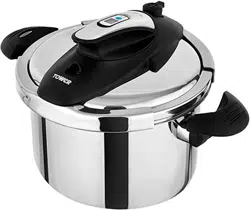
Care & Use Instructions
PLEASE READ CAREFULLY
T90126/T90129
*Subject to registering Your Extended Guarantee online at www.towerhousewares.co.uk.
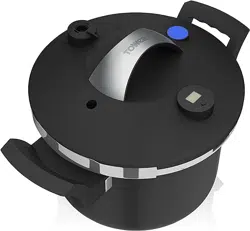
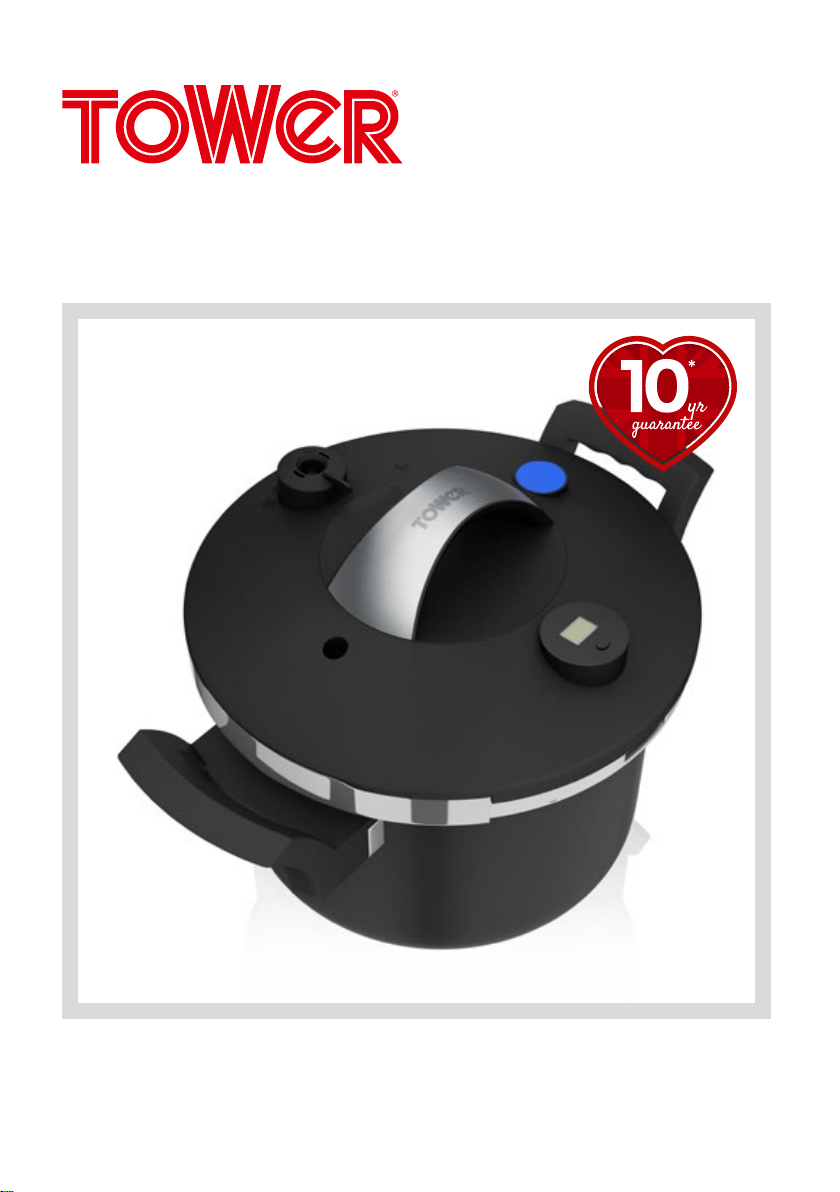
6 Litre Stainless Steel
Sure Touch Pressure Cooker

2
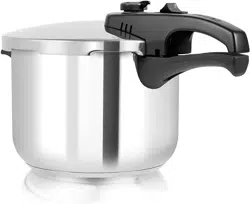
Stainless Steel Pressure Cooker
2
For your safety, please read and understand all the instructions before using
your pressure cooker. Keep these instructions for your future reference.
Register online at www.towerhousewares.co.uk for your FREE extended guarantee.
1. The pressure cooker must be used by a
responsible adult. Use and store it out
of reach of children.
2. Do not leave the pressure cooker
unattended while it’s under pressure.
You don’t have to stand over it, but keep
an eye on it.
3. Do not let children near the pressure
cooker when in use. Close supervision
is needed when the pressure cooker is
used where there are children or pets
around. Do not allow children to use the
pressure cooker.
4. Do not place the pressure cooker in a
heated oven.
5. Extreme caution must be used when
moving the pressure cooker containing
hot liquids or when it is at pressure. Do
not touch hot surfaces. Use the handles
or oven gloves when handling the
pressure cooker.
6. Do not use the pressure cooker for a
purpose other than its intended use.
This pressure cooker is intended for
domestic use only and is not designed
for commercial use. The manufacturer
accepts no liability if the appliance is
used for commercial purposes or in a
manner which does not comply with the
instructions in this manual.
7. The pressure cooker heats and cooks
food under pressure. Inappropriate use
of the pressure cooker may result in a
scalding injury. To avoid injury, ensure
that the cooker is closed correctly and
securely before applying heat. See
details in the instructions.
8. When the food is at boiling temperature,
and when the pressure is decreasing
rapidly, steam and boiling liquid can
escape from the pressure cooker.
Take care of the ejected steam. Do
not position the pressure cooker and
the decompression window in close
proximity to other people or yourself
so as to prevent injury from escaping
steam.
9. Never force open the pressure cooker
until all the internal pressure has been
completely and safely released. Strictly
follow the instructions.
10. Never use your pressure cooker without
adding a liquid that will give off steam
when boiled i.e. water, wine, stock,
beer, cider, etc, or letting it boil dry, as
these will cause severe damage to the
pressure cooker. Use at least 300ml
(1/2pt) of liquid. This will give you up
to 15 minutes cooking. When cooking
for more than 15 minutes, increase the
amount of water by 150ml (1/4pt) for
each additional 15 minute period or
part period.
11. Do not fill the cooker beyond 2/3 of its
capacity. When cooking foodstuffs
which expand during cooking, such
as rice or dehydrated vegetables, do
not fill the cooker to more than 1/3 or
half of its capacity depending on the
foodstuffs. See min and max fill guide in
the instructions.
12. Use the appropriate heat source(s)
according to the instructions for use.
Only use the pressure cooker on a heat
source with a stable position.
USER SAFETY INFORMATION

Care & Use Instructions
3
Helpline: +44 (0)333 220 6066
13. After cooking meat with a skin (e.g.
ox tongue) which may swell under the
effect of pressure, do not prick the skin
while the skin is swollen, you may be
scaled by escaping water/steam.
14. When cooking any doughy food, gently
shake the pressure cooker before
opening the lid to avoid food being
ejected when you open it. Don’t cook
dumplings in the pressure cooker with
the lid on. The dough will rise and
may block the safety devices. Cook
the food without dumplings for the
recommended time, release the steam,
remove the lid, then add the dumplings
and cook them without the lid.
15. You may use boilable plastic containers
capable of withstanding 130°C
(266°F) with the pressure cooker.
Don’t fit them with lids, they may blow
off as the contents expand.
16. Tie down greaseproof or foil coverings
or they may block the safety devices.
17. Before each use, check that the valves
and sealing ring are not obstructed and
in good condition. See the instructions
for use.
18. Never use the pressure cooker in its
pressurized mode for deep or shallow
frying of food.
19. Do not tamper with any of the safety
systems beyond the maintenance
instructions specified in the instructions
for use.
20. Only use authentic manufacturer’s
spare parts in accordance with the
relevant model. In particular, use a body
and a lid from the same manufacturer
indicated as being compatible.
21. If the pressure cooker functions
abnormally i.e. it has been dropped or
show signs of damage, stop using it.
22. KEEP THESE INSTRUCTIONS.
USER SAFETY INFORMATION

4
Stainless Steel Pressure Cooker
Register online at www.towerhousewares.co.uk for your FREE extended guarantee.
CONTENTS
User safety Information
2-3
1. Specications 5-6
1.1 Components, accessories and spare parts 5
1.2 Technical information 6
1.3 Suitable hob types for cooking 6
2. Using your pressure cooker – step by step guide 7-14
2.1 Benefits of using a pressure cooker 7
2.2 Before the first use 8
2.3 Filling your pressure cooker and steam cooking preparation 9-10
2.4 Selecting the cooking pressure 11
2.5 How to set the timer and change the battery 12
2.6 Starting to cook 12-13
2.7 At the end of cooking - steam release 14
2.8 Opening the pressure cooker 14
3. Basic rules of pressure cooking 15
4. Cleaning, maintenance and storage 16-17
5. Troubleshooting and disposal of the product 18-19
6. Cooking times and sample recipes 20-24
7. Warranty information 25
8. Your Receipt 26
9. Notes 27
Care & Use Instructions
5
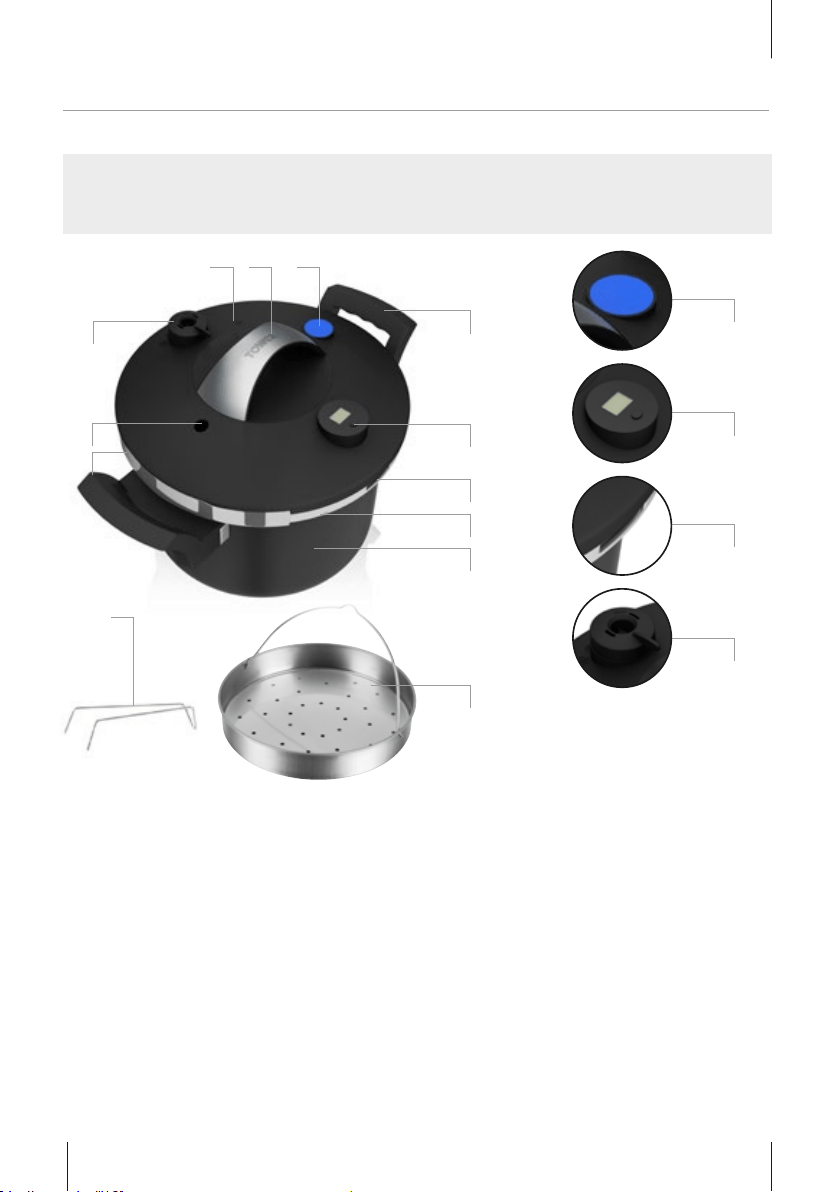
1. 2. 3.
4.
5.
6.
3.
5.
11.
6.
7.
10.
9.
13.
11.
1. SPECIFICATIONS
1.1 Components, accessories and spare parts
Structure of your pressure cooker:
This box contains:
Pressure Cooker, 20cm Stainless Steel Basket, 30 Minute Timer,
Steamer Stand/Trivet and Instruction Manual
Helpline: +44 (0)333 220 6066
5
Part No. Description
TS1013 22cm sealing ring/gasket
Spare parts (not included, available to order via website/customer service)
1. Pressure cooker lid
2. Lid lock/unlock handle
3. Blue pressure indicator
4. Side handles
5. 30 minute timer/alarm
6. Decompression window
7. 22cm sealing ring/gasket
8. Pressure cooker body
9. Lid clamps
10. Red pressure indicator valve
11. Black pressure regulator & steam release pipe
12. Steamer stand/trivet
13. 20cm steamer basket
8.
12.

Stainless Steel Pressure Cooker
6
Register online at www.towerhousewares.co.uk for your FREE extended guarantee.
1. SPECIFICATIONS
The Tower Pressure Cooker can be used on all types of hob, including gas and electric, with a power rating
of less than 2KW.
When using an electric hob, ensure that the hob has a diameter as close as possible to that of the cooker.
NEVER use a hob that is too large for the cooker base. Also ensure the pressure cooker is only used on a
heat source with a stable position.
When using a gas hob, always ensure that the flames DO NOT encroach upon the sides of the cooker but
remain beneath it. DO NOT place or attempt to heat the pressure cooker in a heated oven.
Always thoroughly clean and dry the base of the pressure cooker before placing on the hob.
When using your pressure cooker on ceramic style hobs such as halogen, lift and place your pressure
cooker rather than dragging it across the hob surface, to minimise damage to both your hob and pressure
cooker.
1.3 Suitable hob types for cooking
1.2 Technical Information
Model No: T90126 (Black); T90129 (Stainless Steel)
Diameter: 22cm
Capacity: 6 Litre
2 Pressure Settings: 50kPa | 7.25psi | 0.5bar
80kPa | 11.16psi | 0.8bar
Material: High quality stainless steel body and lid; encapsulated steel base
for even heat distribution; phenolic handles
Featuring: Unique twist lock/unlock handle
Inner capacity markings
30 minute timer/alarm
Suitable Hob Types: Ceramic / Electric / Gas / Halogen / Induction / Radiant /
Sealed and solid plates
INDUCTION GAS ELECTRIC CERAMIC HALOGEN
7
Care & Use Instructions
Helpline: +44 (0)333 220 6066
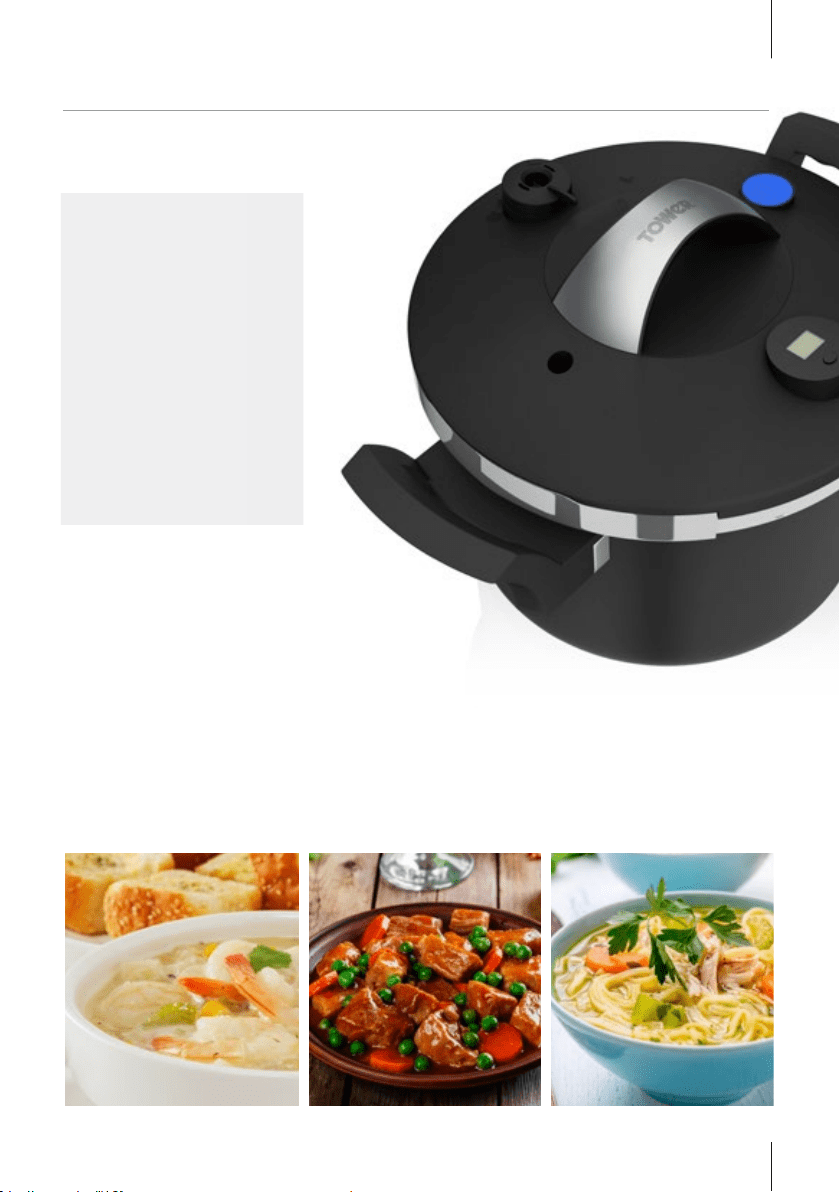
2.1 Benets of using a pressure cooker
Creates healthier and tastier foods; uses less time and save energy.
Healthier:
Retains more nutrients,
vitamins and minerals.
Vegetables retain their textures
and flavour; meats stay tender,
juicy and succulent.
What foods?
A wide variety of meals, side
dishes and deserts can be
cooked using a pressure
cooker.
• Beans, rice and pulses
• Joints of meat, poultry
• Pasta dishes
• Soups
• Steamed puddings
• Steamed vegetables
• Stews and casseroles
• And many more
2. USING YOUR PRESSURE COOKER – STEP BY STEP GUIDE
Healthier and tastier food; use less time
and save energy
Efficient:
Pressure cookers cook
food up to 70% faster
than conventional cooking
techniques, saving you time
and energy bills.
Versatile:
Less washing up is required
as only one cooking pot is
used and the pressure cooker
lid eliminates splashes and
boil overs.
8
Stainless Steel Pressure Cooker
Register online at www.towerhousewares.co.uk for your FREE extended guarantee.
2. USING YOUR PRESSURE COOKER – STEP BY STEP GUIDE
Before using your pressure cooker for the first time, it is recommended that all labels, packaging and
accessories are removed. Retain the instruction manual. Clean the pressure cooker following the cleaning
instructions in this manual.
2.2 Before the rst use
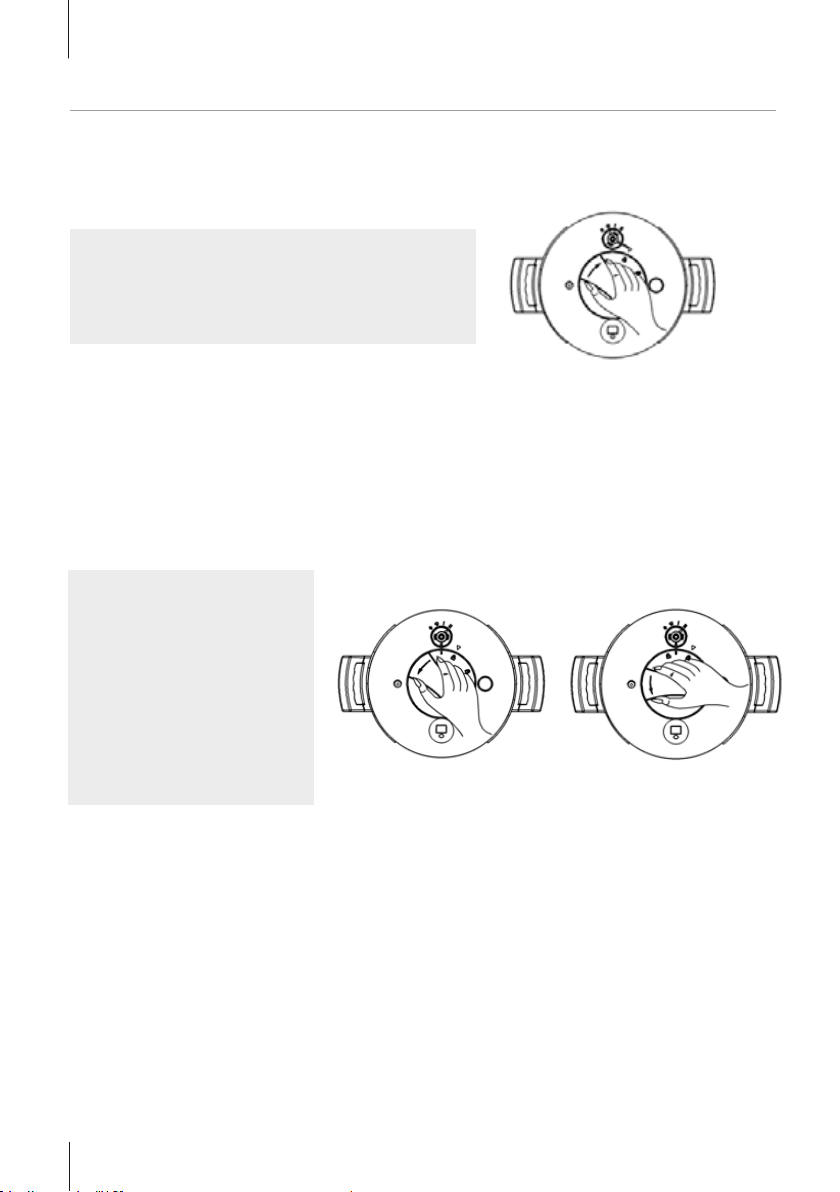
To open the pressure cooker, use the lid lock/unlock
handle and turn the handle clockwise by 45 degrees, the
triangle symbol ◀ on the lid should be directing at the
unlock symbol. Lift the lid off the cooker body.
Before washing the pressure cooker, set the timer aside, do not let the timer come in contact with water, lift
out the sealing ring from under the rim of the lid and take out the black pressure regulator. Wash all with a
non-abrasive, mild detergent solution and rinse and dry thoroughly.
Ensure the sealing ring and the black pressure regulator are re-fitted correctly. If the sealing ring fits correctly,
it should sit in the groove of the lid rim and the 6 positive stops.
To remove any new product smell, fill the pressure cooker 2/3 full with water (add a tablespoon of lemon
juice or vinegar to the water to prevent discolouration after).
Direct the triangle ◀ on the pressure regulator to the cooking setting II and heat for 15 minutes. Allow to cool
(make sure the internal pressure has been completely released and the red indicator valve has dropped) and then
empty the heated water. Rinse and dry. Your pressure cooker is now ready to use.
Safety checks before each use
a. Lift the lid off the pressure cooker and keep the lid lock/unlock handle
in the closed position. Take the black pressure regulator off the lid.
Hold it up to the light and make sure the black regulator,
steam release pipe and the safety valves are free of blockages.
b. Turn the lid over, and check that the red pressure indicator valve moves freely.
c. Press down the blue pressure indicator and check if the spring of the indicator moves normally.
d. Remove the sealing ring, and stretch it all directions then replace it under the lid groove.
e. Turn the lid the right way up and refit it on to the cooker body.
f. Press the regulator bottom to check if the spring mechanism is working fine and refit it.
To close the lid, rest the lid
on the cooker body, press
it down slightly and make
sure it’s directly on top of the
cooker body. Turn the lock/
unlock handle anti-clockwise
by 45 degrees, a click sound
indicates the two lid clamps are
in place and the lid is closed
correctly.
Care & Use Instructions
9
2.3 Filling your pressure cooker and steam cooking preparation
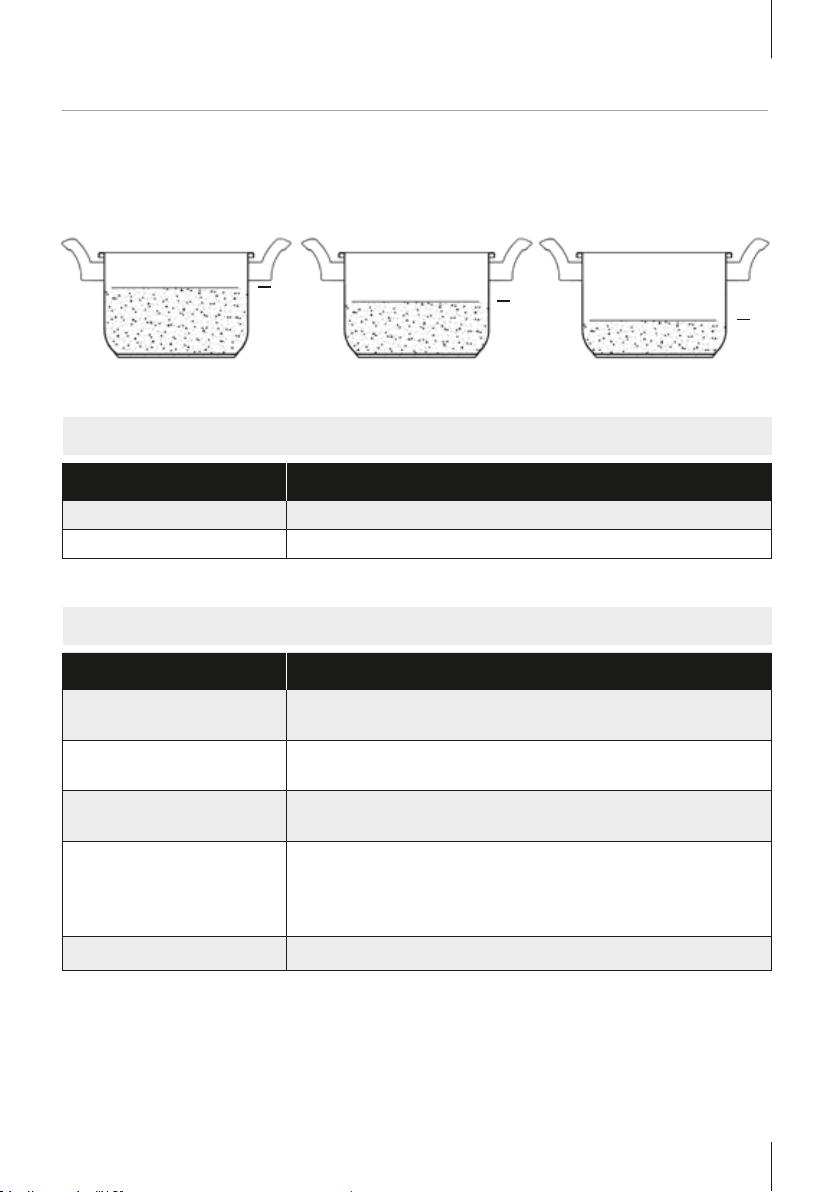
Before filling your pressure cooker with your favourite ingredients, please read and follow the below
minimum and maximum fill levels.
Note: Please ensure the above is strictly followed to avoid the risk of boiling dry.
Minimum Fill Level
Note: The above is only a general guide. Please check your recipes for any exceptions to these rules.
Maximum Fill Level
Helpline: +44 (0)333 220 6066
2. USING YOUR PRESSURE COOKER – STEP BY STEP GUIDE
2/3
1/2
1/3
Fill Level Types Of Foods
Do not exceed 2/3 of
the volume
Solid meat and vegetables which do not expand or foam
when cooked.
Do not exceed 1/2 of
the volume
Dried vegetables, soup, stews, etc, which need room for the food to
expand without blocking the steam pipe.
Do not exceed 1/3 of
the volume
Rice, cereal, pearl barley, oatmeal or other cereals, pulses which
expands quite a lot when cooked, will need extra room.
Do not cook these foods in the
pressure cooker.
Foods such as macaroni, noodles and spaghetti etc, that produce large
amount of foam during cooking are not suitable for pressure cooking,
as they may block the steam pipe. We do not recommend these to be
cooked using a pressure cooker.
Food with skins - Always pierce the skins before cooking.
Liquid Cooking Time
300ml or 1/2 pint For the first 15 minutes of cooking
150ml or 1/4 pint For each additional 15 minutes or part of 15 minutes
10
Stainless Steel Pressure Cooker
Register online at www.towerhousewares.co.uk for your FREE extended guarantee.
Steam cooking
The steam basket should be placed on top of the
steamer stand in the pressure cooker to allow the
steam to circulate freely in and around the food. At
least 750ml or 1 and ¼ pint of water should be
used for steam cooking. The water level must not
exceed the level of the steamer stand otherwise
the food will be immersed in the water instead of
cooking in steam.
Some heatproof containers may be used in
the pressure cooker i.e. metal, enamel, glass,
earthenware or boilable plastic. Do not use any
containers that are cracked. Containers should
easily fit into the cooker and must not come to
within 2.5cm (1”) of the top of the cooker body.
Caution: Always use oven gloves when handling
any hot containers.
Pre-steaming
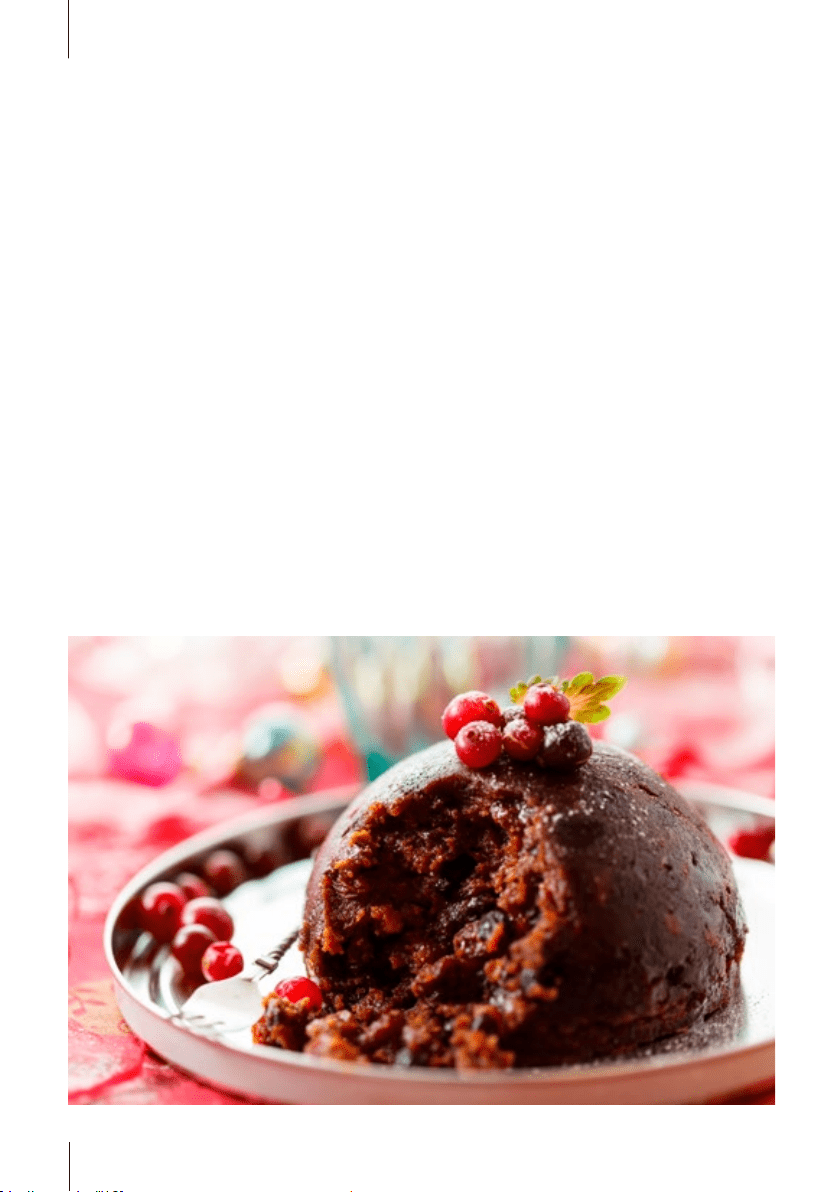
Some recipes, such as Christmas pudding, require
pre-steaming before being brought to cooking
temperature. Pre-steaming can be carried out in a
closed pressure cooker, over a medium heat with
the pressure regulator left off.
Make sure there is enough water in the pressure
cooker to cover the pre-steaming and the normal
cooking time. Once steaming begins, the heat
should be turned down as low as possible in order
to reduce the amount of steam that escapes and
the amount of water that is consumed. Once
pre-steaming is complete, check that there is still
sufficient water remaining to complete the cooking
stage. If in doubt, remove the lid and check the
water level before moving from pre-steaming to
pressure cooking. The lid should be locked into
position, the pressure regulator fitted and the heat
turned up to bring the pressure cooker up
to cooking pressure.
Care & Use Instructions
11
Helpline: +44 (0)333 220 6066
2.4 Selecting the cooking pressure
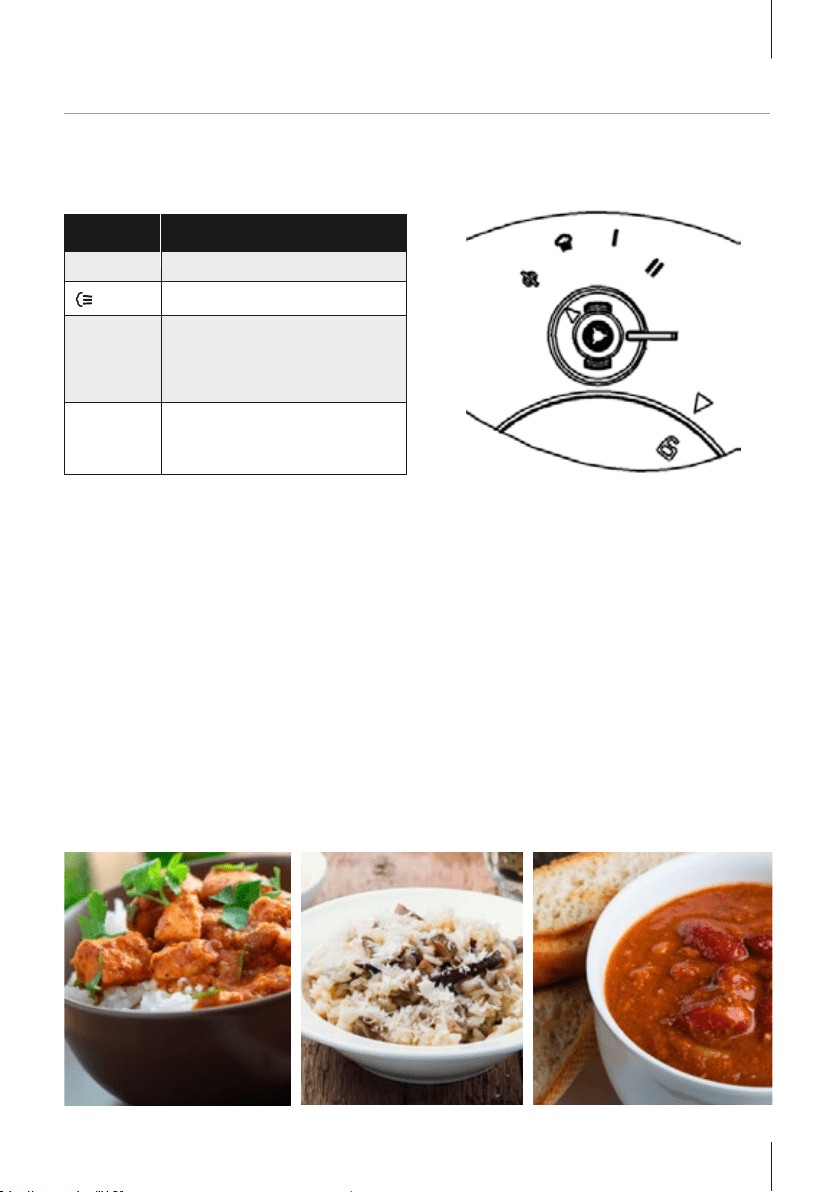
This pressure cooker has one pressure regulator
with four positions:
To select a position, push down the regulator gently, twist and turn to the required setting, and line up the
position with ◀ on the pressure regulator.
Steam release:
At the end of cooking, if your recipe requires quick release of the pressure, press the regulator down slightly
and turn to the steam release position. Please handle with care as the hot steam will be released quickly.
Caution:
When moving the regulator from the cooking position to the steam release position, do not completely pull
the regulator out and reposition it as it will cause scalding injury due to the internal pressure is at its highest
level and the hot steam/liquid will be ejected from the steam release pipe.
If liquid starts ejecting from the steam release pipe while releasing the steam, the food may not be suitable
for quick release. Turn the regulator back to the cooking position and let the pressure cooker cool naturally.
2. USING YOUR PRESSURE COOKER – STEP BY STEP GUIDE
Icon Feature
Ф
Fitting or removing position
Steam release position
l
Lower pressure setting (50kPa |
7.25psi | 0.5bar) for steaming and
gentle cooking of delicate foods
such as fish and vegetables.
ll
High pressure setting (80kPa |
11.16psi | 0.8bar) for most foods
including meat and poultry.

12
Stainless Steel Pressure Cooker
2. USING YOUR PRESSURE COOKER – STEP BY STEP GUIDE
2.5 How to set the timer
The timer is attached to the lid by 2 magnetic studs and it can be removed from the lid and replaced after. To
place the timer correctly, make sure the button on the timer is near the edge of the lid.
To set the timer, press the button on the timer. The number ‘00’ will be displayed. Then press the button the
required number of time i.e. if you need 10 minutes, press the button 10 times.
The digital clock will then start counting down, and when it reaches '00' the alarm will sound. To stop the
alarm, press the button. After a few seconds, the numbers will disappear.
If you wish to stop the timer counting down, press and hold down the button for a few seconds; the numbers
‘00’ will be displayed and then the screen will go clear.
Changing the battery in the timer (battery type: 1 x type LR41 button cell battery)
If the battery needs changing, use a small cross screwdriver to open the battery cover at the bottom of the
timer. Remove the old battery by using a non-metal stick. Carefully insert the new battery and ensure the
side with battery model number on is facing outwards. Replace the lid and use the screwdriver to tighten the
battery into position. Press the button on the timer to check if it is now working. You should see the number
‘00’. Insert the timer into the slot of the lid.
2.6 Start to cook
Turn the hob to the highest setting in order to get the pressure cooker to the required cooking pressure as
quickly as possible. When using a gas hob, ensure the flame is under the pressure cooker and does not
encroach upon the sides.
Note: Some steam will escape from the red pressure indicator valve after the pressure cooker has been
heating. This is normal and will cease once the red pressure indicator valve has risen. It’s now not possible
to open the lid until the pressure has been safely released at the end of cooking.
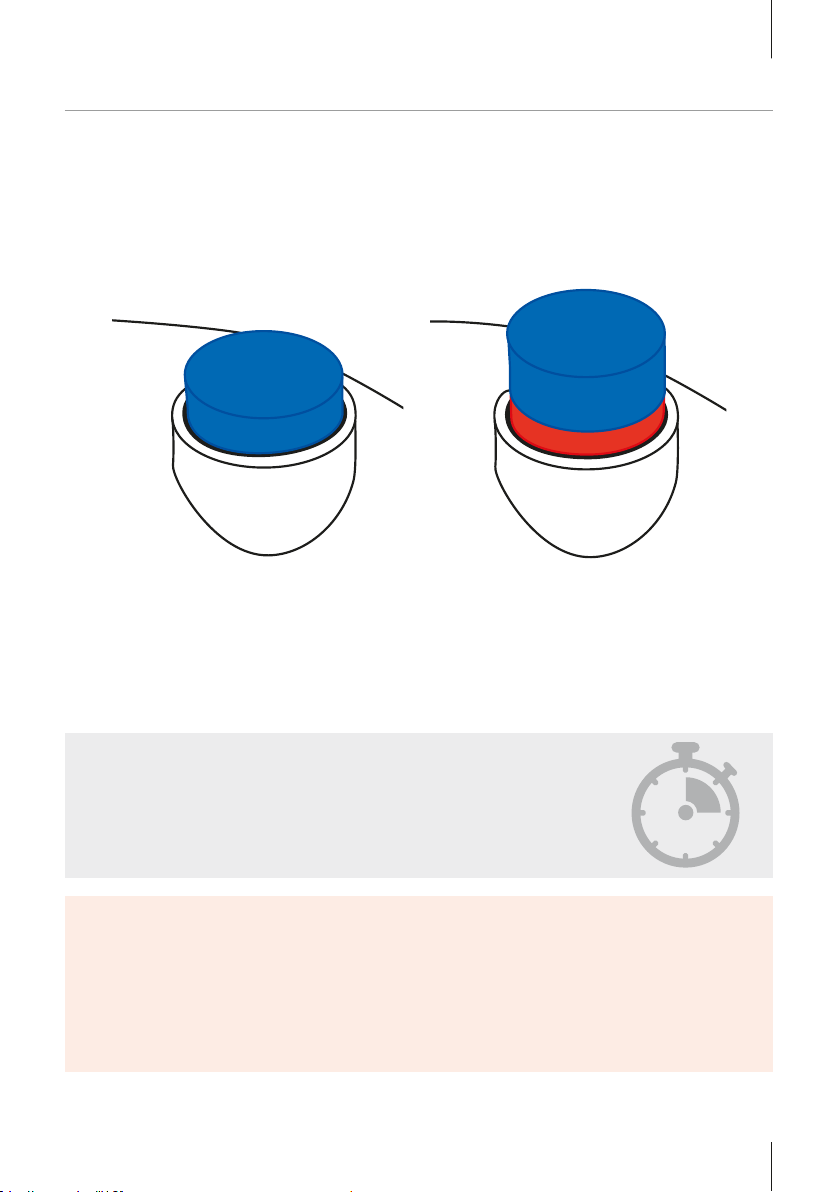
Once the required cooking pressure has been reached:
a. The red pressure indicating valve will rise.
b. Excess steam will escape intermittently from the pressure regulator, emitting a hissing sound as it does so.
c. The blue pressure indicator will rise to show the first line (blue).
Care & Use Instructions
13
Helpline: +44 (0)333 220 6066
Cooking time:
The cooking time begins directly as the heat is turned down, once
the red pressure indicator valve rises and the pressure cooker begins
to hiss to release excess steam. Once the cooking time has finished,
the hob should be turned off and the pressure cooker allowed to cool.
Caution:
a. Do not leave the pressure cooker unattended during cooking.
b. Do not touch the metal surfaces of the pressure cooker during cooking as they will be very hot.
Always use oven gloves and hold the pressure cooker by both handles, keeping the pressure
cooker level.
c. Keep the pressure cooker away from children and pets.
d. Never remove the pressure regulator until all the pressure has been released.
2. USING YOUR PRESSURE COOKER – STEP BY STEP GUIDE
At this point the heat should be turned down to the lowest possible level and you can start timing the cooking
process.
If the heat is too high, there will be a constant loud hissing sound. If the heat is too low, there is little or no
noise. You may need to adjust the heat level during cooking to maintain constant pressure. If the pressure
indicator drops down during cooking, increase the heat slightly and extend the cooking time.
Correct pressure
with blue line
Incorrect pressure
with red line
Should the blue pressure indicator rise to show a second line (red), the pressure is incorrect and action
needs to be taken. The pressure cooker should be taken off the heat and allowed to cool. When the pressure
indicator has dropped, the red pressure indictor valve has dropped and the pressure has been completely
reduced. The pressure regulator should then be removed, the lid cover can then be opened and the pressure
cooker checked to ensure that it has been set up correctly.

14
Stainless Steel Pressure Cooker
Register online at www.towerhousewares.co.uk for your FREE extended guarantee.
2.7 At the end of cooking – Steam release
When the cooking time indicated in the recipe has finished, turn off the heat and release the steam either
quickly or slowly as indicated in the recipe or according to the type of food cooked.
Quickly: For stews, vegetables and fish dishes.
Turn the pressure regulator to the steam release position. Take great care as hot steam is
released through the regulator. Make sure there is nothing in the way of where the steam will
travel to.
Slowly: For recipes containing rice or pasta, egg custards, puddings, dried vegetables, pulses and stocks.
This is the natural cooling, preferred method.
Using oven gloves and gripping the handles, carefully move the pressure cooker on to a level, heat-resistant
surface and leave it to stand until the pressure has reduced and the red pressure indicator valve has
lowered. This process normally takes about 15 minutes (depending on the amount of food being cooked, it
may vary slightly) to cool at room temperature.
2.8 Opening the pressure cooker
2. USING YOUR PRESSURE COOKER – STEP BY STEP GUIDE
To open the pressure cooker, use the
lid lock/unlock handle, and turn the
handle clockwise by 45 degrees, the
triangle symbol on the lid ◀ should be
directing at the unlock symbol. Hold
the side handle with one hand and lift
the lid off with another.
Note: Remove food from the pressure cooker as soon as possible after cooking. Do not leave food in the
cooker for a long period of time as this may discolour the interior.
Before opening the pressure cooker lid:
a. Wait until the steam inside the cooker has completely released;
b. The red pressure indicator valve has dropped down;
c. The pressure regulator has been removed to safely open the lid.
Caution: The pressure cooker will require a gentle shake to disperse any air bubbles or residual
pressure prior to opening the lid after cooking certain foods, such as rice or soup. Always wait for the
pressure to completely reduce before shaking.

15
Care & Use Instructions
Helpline: +44 (0)333 220 6066
Strictly follow the minimum and maximum fill levels
in this manual. Check in recipes for any exceptions
to this rule such as Christmas puddings, pulses and
steamed puddings, as extra liquid is required.
Always use a liquid that will give off steam when
boiled i.e. water, wine, stock, beer, cider, etc. All
pressure cooking requires liquid. Never just use oil
or melted fat only.
Pressure cooking times vary accordingly to the
thickness and size of the food and not the weight.
For example, half a kilo of potatoes cut into quarters
takes 7 minutes to cook. Half a kilo of potatoes cut
in half takes 10 minutes.
Never cook dumplings with the lid securely closed
as they could rise and block the safety devices.
Cook the stew and at the end of the cooking time,
release the steam and add the dumplings to the
pressure cooker. Cook gently for about 10-15
minutes without the lid on.
Cooking containers and coverings must be able to
withstand temperatures of 130°C (266°F). Do not
use plastic lids as they prevent steam from being in
contact with the mixture. Coverings on containers
i.e. foil, must be securely tied otherwise they could
block the safety devices.
The cooker body can be used without the lid for
pre-frying foods i.e. to brown and seal meat. Always
remove the cooker from the heat source and allow
to cool slightly before adding the liquid, otherwise
the liquid could evaporate off and leave insufficient
for pressure cooking.
When pressure cooking times are short, such as for
vegetables and fruit, accurate timing is essential to
avoid overcooking.
If adapting a conventional recipe for pressure
cooking, a general guide is to calculate one-third
of the conventional cooking time. For example, if
the usual cooking time is one and a half hours, the
pressure cooking time is half an hour.
Calculate the amount of liquid required according
to the pressure cooking time and type of food.
The cooking times in pressure cooker recipe books
suggesting using higher pressure may require less
cooking time than these models. These recipes
can be adjusted for use in your pressure cooker by
increasing the cooking time and altering the quantity
of liquid used accordingly.
3. BASIC RULES OF PRESSURE COOKING

16
Stainless Steel Pressure Cooker
Register online at www.towerhousewares.co.uk for your FREE extended guarantee.
4. CLEANING, MAINTENANCE AND STORAGE
Cleaning your pressure cooker
After every use, the pressure cooker should be
carefully cleaned and thoroughly dried before putting
away. The pressure cooker is not suitable for storing
food when not in use. Salted and acidic food will
mark the interior.
Only the cooker body is dishwasher safe. Do not
put any other parts of the pressure cooker in a
dishwasher. We recommend this pressure cooker to
be hand washed by using a mild detergent and warm
water. Dry immediately and thoroughly.
To avoid damaging the surface of the pressure
cooker, do not use implements or cleaning materials
made from metals, hard materials or abrasives.
To remove stubborn food residuals on the inner
walls of the pressure cooker, use a suitable cleaning
solution mixed with warm water and leave to soak
until softened and ready to be cleaned.
Do not leave the exterior of the pressure cooker to
soak in water as this will damage the exterior finish.
To clean the lid, remove and wash the sealing ring
and regulator. Rinse the lid under running warm
water. Do not immerse the lid in water. Check all the
safety devices are clean and dry.
Make sure the steam release pipe is clear. If it’s
blocked, turn the lid upside down and use a 2mm
diameter needle or skewer to clear the blockage and
rinse under a tap.
If the inside of the pressure cooker body becomes
discoloured due to hard or chalky water, or cooking
ingredients i.e. salt and oil, any white spots or
discolouration on the inner walls and base of the
pressure cooker can be removed by wiping with
fresh lemon juice, then rinse and dry immediately and
thoroughly.
To prevent discolouration, add a tablespoon of lemon
juice or vinegar to the water when steaming foods
i.e. Christmas pudding, steamed puddings and
vegetables.
Maintenance
After each use, check whether the following parts
need maintenance. Do not attempt to dismantle any
other parts of the pressure cooker other than those
mentioned. Available replacements parts are listed in
the product specification section.
The body and lid
Check before each use if the body and the lid are in
good condition. If they show any signs of fatigue or
damages, stop using the pressure cooker.
Occasionally, use a suitable stainless steel polish
and soft cloth to maintain the original shine of any
stainless parts.
Do not immerse the lid in water. Rinse the lid under
running warm water.
The sealing ring
We recommend that the sealing ring be replaced
every one or two years, depending upon the amount
of use.
Do not use substitute sealing ring otherwise your
guarantee will be invalidated. You can order your
replacement sealing ring for this model from the
Tower website or by calling our customer helpline.
Wash the sealing ring after each use in warm water
and detergent to remove any debris from both the
seal and the groove in which it sits. The sealing ring
lifts out and is put back by easing in place under the
rim of the lid.
Note: If the pressure cooker is not used for a long
period of time, the sealing ring may need replacing
as it can harden and then will not form an air-tight
seal. Replace the seal immediately if it is damaged or
has changed shape.

Care & Use Instructions
17
Helpline: +44 (0)333 220 6066
4. CLEANING, MAINTENANCE AND STORAGE
The steam release pipe
The pipe is under the pressure regulator. Remove the
pressure regulator. Check before each use that the
pipe is not blocked. Hold it up to the light and make
sure that the pipe is clean and free of food debris.
Clean with a needle or skewer, especially after
cooking foods which produce scum (puddings, rice,
lentils, etc). Check that the hole at the base of the
pipe is clean.
Red pressure indicator valve
Keep the lid lock/unlock handle in the closed position.
Turn the lid over, and check that the red pressure
indicator valve moves freely.
Blue pressure indicator
Turn the lid upside down and press the underside of
the indicator to check if the spring moves normally.
Storage
Please make sure all parts are thoroughly dried
before storage. To avoid damage to the sealing ring,
do not store your pressure cooker with the cover
fitted in place; instead, place the cover upside down,
with the seal uppermost and store the pressure
cooker in a cool, dry place away from direct sunlight.
The pressure regulator
The pressure regulator must be cleaned after each
use. After lifting the pressure regulator off the lid,
clean and rinse the pressure regulator under running
water.
18
Stainless Steel Pressure Cooker
Register online at www.towerhousewares.co.uk for your FREE extended guarantee.
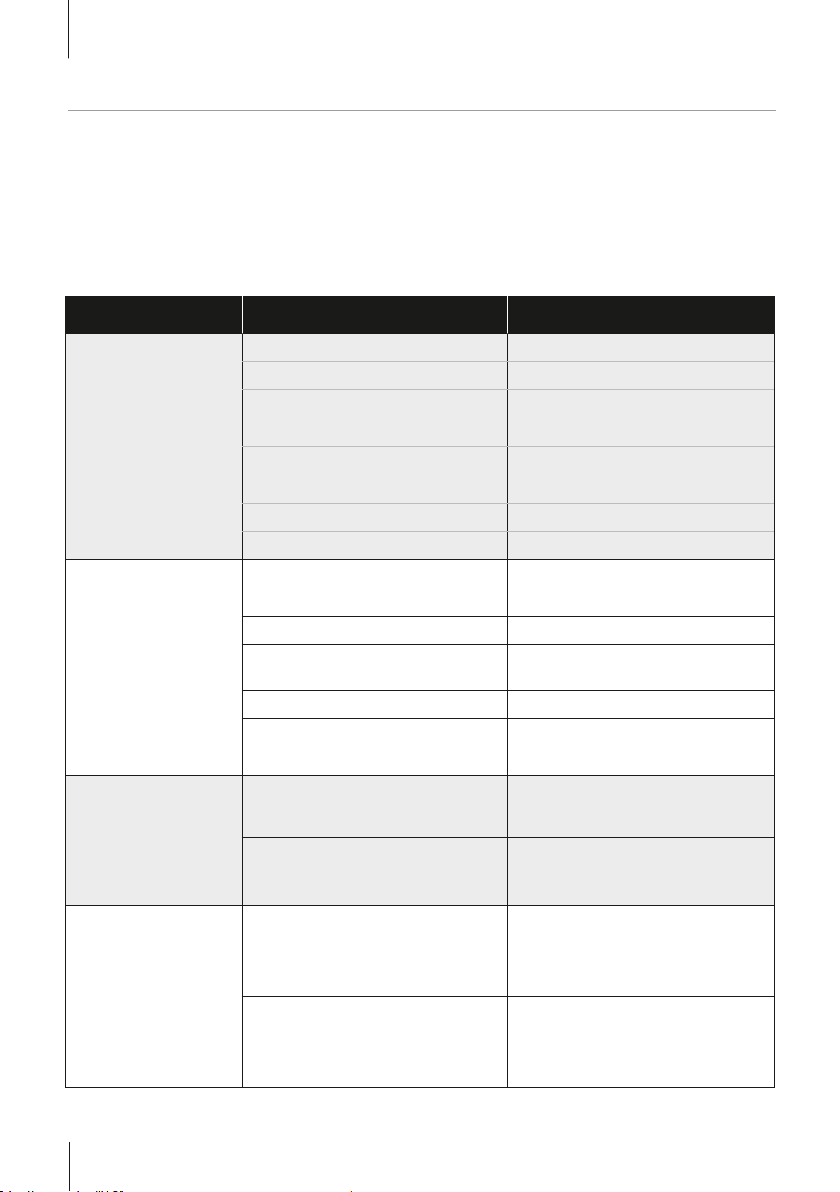
If your pressure cooker is not performing as it should, turn off the heat source immediately, taking special
care to protect your hands and yourself.
Do not move the pressure cooker. Leave it to cool naturally and wait until all the pressure has been released
completely, then open the lid safely and examine and take appropriate actions.
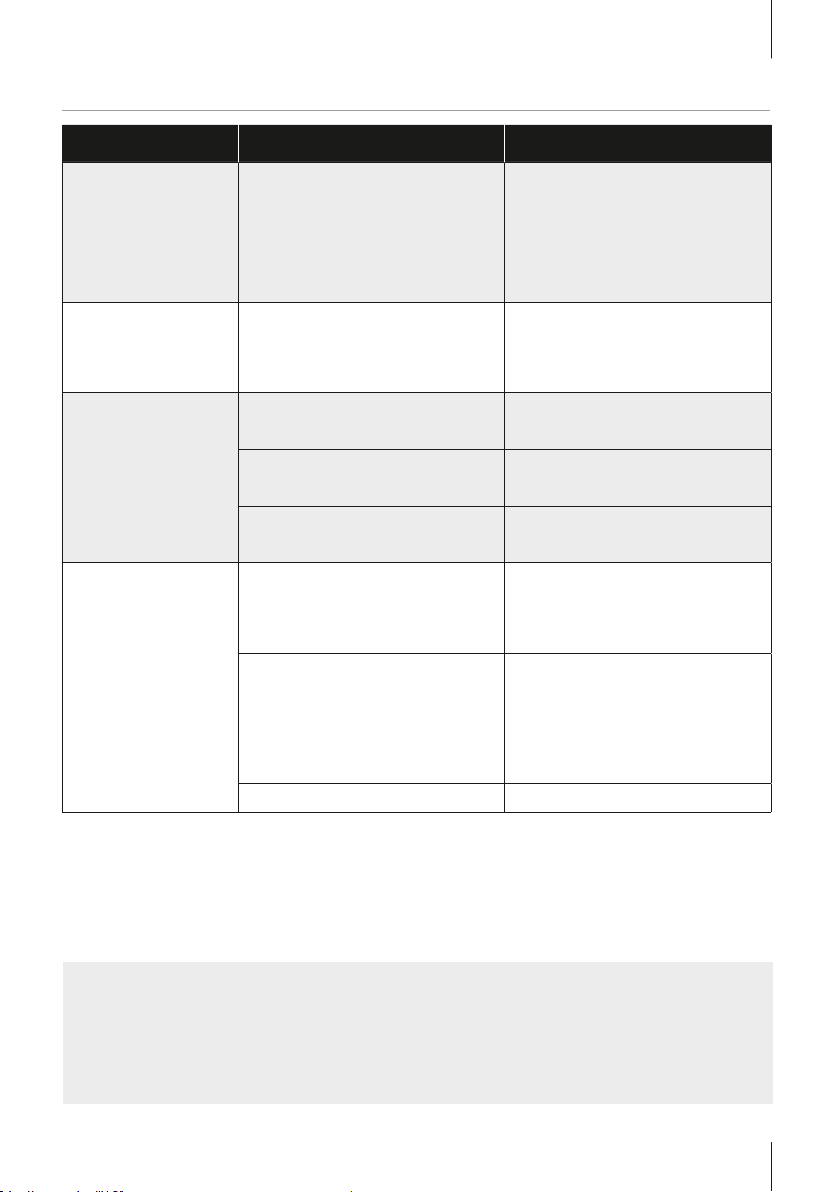
The table below details some common problems and how to solve them.
Problem Cause Solution
The pressure cooker
does not come to
pressure. The red
pressure indicator
valve is not rising.
The heat is too low. Increase the heat.
No liquid. Add liquid.
The pressure regulator is incorrectly
positioned.
Reposition the regulator and close it
correctly.
The pressure cooker lid is closed
incorrectly.
Check the lid and close it correctly.
The steam release pipe is blocked. Check and clean the steam pipe.
The sealing ring needs changing. Replace the sealing ring.
Steam escapes from
under the cover
The lid is closed incorrectly.
Check if the lid is fitted correctly in
place.
The sealing ring is not fitted correctly. Clean the sealing ring and refit.
The sealing ring is dirty.
Clean the sealing ring, the rim of the
cooker body and the rim of the cover.
The sealing ring is old or damaged. Replace the sealing ring.
The lid is damaged or dented or
faulty.
Dispose the product if it has reached
its end of life or refer to the warranty.
The lid can not be
opened.
There is still pressure inside the
pressure cooker.
Release the pressure correctly and
completely. Do not force open the lid.
Due to high temperature, the sealing
ring might have melted.
The lid can then only be removed
by a qualified technician (This is not
covered by the warranty).
Steam and liquid
suddenly escape from
the pressure regulator
or from under the lid.
The pressure cooker safety devices
have operated or the pressure
regulator is blocked.
Turn off the heat and allow the
pressure cooker to cool and the
pressure to reduce. Open the lid and
clean the pressure regulator.
The pressure cooker safety devices
have operated.
The sealing ring has been activated
and has started decompressing the
excess pressure. Check if the steam
pipe is blocked.
5. TROUBLESHOOTING
Care & Use Instructions
19
Helpline: +44 (0)333 220 6066
Note: If you continue having issues with your pressure cooker or would like some advice of how to use the
product, please contact a member of our customer service team. They would be happy to help you. The
details of the customer service team can be found at the back of this manual.
Disposal of the product
Please visit www.recycle-more.co.uk or www.recyclenow.co.uk for access to information about the
recycling of non-electrical items.
Please arrange to take this appliance to your local Civic Amenity site for recycling, once it has
reached the end of its life.
5. TROUBLESHOOTING
Problem Cause Solution
The pressure cooker
was heated without any
liquid by error.
Misuse of the product.
Have the product checked over by
a qualified technician to determine if
it’s safe to continue using the product
as it may be damaged. This is not
covered by the warranty. Otherwise
dispose of the product as it has
reached its end of life.
The lid will not lock to
the cooker body.
The lid and the body are not
aligned correctly.
Check that the lid is sitting directly
above the cooker body, press the lid
down slight, then twist the lock/unlock
handle to lock the lid in position.
The food is not cooked.
Heat was too low causing loss of
pressure.
Adjust the heat to maintain a constant
pressure and extend the cooking time.
Loss of pressure.
The sealing ring needs refitting,
cleaning or changing.
Required cooking time was not
achieved.
Check your recipes for the correct
cooking time.
The food is burnt.
Incorrect cooking time.
Clean the burnt food and check the
pressure cooker for any signs of
damage. Check and follow the correct
cooking time.
Heat was too high.
Liquid has been evaporated too fast
and the food was left with insufficient
liquid. Higher heat doesn’t mean the
food will be cooked faster, it only
wastes energy. Reduce the heat to
maintain constant pressure.
Not enough liquid. Check the instructions for guidance.

20
Stainless Steel Pressure Cooker
Register online at www.towerhousewares.co.uk for your FREE extended guarantee.
6. COOKING TIMES AND SAMPLE RECIPES
The cooking time begins directly as the heat is turned down, once the red pressure indicator valve rises and
the pressure cooker begins to hiss to release excess steam. Once the cooking time has finished, the hob
should be turned off and the pressure cooker allowed to cool. Cooking times are determined by the size of
the pieces of food. It’s best to cut different foods to a uniform size if they are going to be cooked together. If
necessary, cooking may be interrupted, pressure released, and foods with shorter cooking times added later.
Use these cooking times purely as a guide. Check food is cooked through before serving.
If in doubt, increase the cooking time.
Cook meat, poultry, and any derivatives (mince, burgers, etc.) until the juices run clear.
Cook fish until the flesh is opaque throughout.
When cooking pre-packed foods, follow any guidelines on the package or label.
Soup - 4 to 6 minutes Rice - 6 to15 minutes
Fish - 3 to 8 minutes Beef - 12 to15 minutes (per 450g/lb)
Fruit - 2 to 5 minutes Poultry - 5 to 8 minutes (per 450g/lb)

Care & Use Instructions
21
Helpline: +44 (0)333 220 6066
Food Cooking Times
(Minutes)
Soup
Chicken 6
Fish 5
Leek and potato 5
Onion 4
Vegetable 5
Vegetables
Carrots 6
Leeks 4
Potatoes 6
Runner beans 6
Fish &
Shellfish
Lobster 8
Crab 5-8
Steaks and fillets 3-4
Whole fish 4 min per 450g/lb
Skate wings 4
Fruit
Apple slices 4
Blackcurrants 2-5
Damsons 4
Gooseberries 4
Peaches/pears 3-4
Raspberries 2-5
Rhubarb 4
Dried Fruit
Apricots /
Peaches
3-4
Apples / Figs 4-5
Pears / Prunes 4-5
Food Cooking Times
(Minutes)
Rice
Long grain 6
Brown, long
grain
12-15
Veal
Breast 12 min per 450g/lb
Knuckle 12 min per 450g/lb
Loin 10 min per 450g/lb
Shoulder 12 min per 450g/lb
Beef
Topside 12-15 min
per 450g/lb
Brisket 15 min per 450g/lb
Silverside 12 min per 450g/lb
Pork
Shoulder 12 min per 450g/lb
Loin 12 min per 450g/lb
Lamb
Breast 12 min per 450g/lb
Shoulder 13 min per 450g/lb
Best end 10 min per 450g/lb
Poultry
Poussin (whole) 5-7
Chicken (whole) 5mins per 450g/lb
Partridge (whole) 8
Pheasant (whole) 8
Note: Please make sure any frozen food
is completely defrosted before the cooking
commences.
6. COOKING TIMES AND SAMPLE RECIPES

22
Stainless Steel Pressure Cooker
6. COOKING TIMES AND SAMPLE RECIPES
Beef Stew
1. Heat the oil in the bottom of the pressure
cooker over medium high heat. Add the onion
and beef, and cook until browned on the
outside.
2. Stir in the stock, water, carrots and salt, close
the lid, and secure the pressure regulator. Heat
until you start to hear sizzling, then reduce the
heat to medium, and set your timer for 20
minutes.
3. Meanwhile, place the potatoes in a saucepan
with enough water to cover. Bring to the boil,
and cook until tender, about 10 minutes. Drain.
This whole process should take about the same
amount of time as the rest of the stew.
4. When the 20 minutes are up, release the
pressure from the cooker according to the
manufacturer’s instructions.
5. Remove the lid, and place the pot over medium
heat. Bring to the boil. Stir the cornflour into a
small amount of cold water until dissolved. Stir
this into the stew, and cook for a few minutes.
Add the potatoes to the stew, or place them in
serving dishes, and ladle the stew over them.
Cooking Instructions
1 tablespoon olive oil
1 small onion, diced
1kg beef stewing meat, cubed
225ml beef stock
225ml water
5 carrots, peeled and diced
1 dessert-spoon salt, or to taste
8 medium baking potatoes, peeled and diced
1 dessert-spoon cornflour
Ingredients
Cooking time
10 MINUTES
Prep time
15 MINUTES
Ready in
35 MINUTES
Serves
8
Food Allergies
Important Note: Some of these recipes may contain nuts and/or other allergens. Please be careful
when making any of our sample recipes that you are NOT allergic to any of the ingredients. For more
information on allergies, please visit the Food Standards Agency’s website at: www.food.gov.uk
More pressure cooker recipes and recipe books can be found online and in local book stores and
retailers.

Care & Use Instructions
23
6. COOKING TIMES AND SAMPLE RECIPES
Leek and Hazlenut Risotto
1. In a medium sized pot, bring the stock to the
boil. Peel the carrots and cut them into little
cubes. Cut the leeks in half lengthways, wash
them under running water, get rid of the dark
green part and then cut them into little (2mm)
pieces.
2. Put the pressure cooker on medium heat and
melt 1 knob of butter. Brown the leeks, carrots
and the rosemary sprig. Pour half of the white
wine and let it simmer. (Keep the other half for
later to pour over the rice.)
3. When the wine has evaporated, add the rice,
mixing it so that the butter is absorbed, and
then pour the rest of the wine over the rice.
Let the wine evaporate again. Add the salt and
the boiling stock to the rice, stir and close the
pressure cooker straight away.
4. Put the pressure cooker to the highest heat
level and bring it to pressure. Depending on the
model, you can turn off the cooker when it gets
to pressure or lower the heat. Calculate about 4
minutes from when the pressure cooker comes
to pressure.
5. While the rice is cooking, toast the hazelnuts
in a dry frying pan on medium heat for a few
minutes until they are golden, stirring constantly.
6. After 4 minutes in the pressure cooker, remove
it from the heat, relieve the pressure by letting
the steam escape. Pay attention while doing this
because some liquid can come out of the valve.
7. Open the pressure cooker, stir the risotto and
check to see if it needs more salt. Add the
other knob of butter and stir, letting it cream the
risotto before serving. Serve the risotto with a
generous sprinkling of Parmesan cheese and
the toasted nuts.
Cooking Instructions
850ml hot meat or vegetable stock
2 baby carrots
2 to 3 small leeks
1 knob of butter
1 rosemary sprig
225ml dry white wine
400g Carnaroli, Arborio or Vialone Nano rice
1 teaspoon salt (or less if the stock is already salty)
1 handful of hazelnuts, roughly chopped
with a grinder
1 knob of butter
Grated Parmesan cheese, to serve
Ingredients
Cooking time
15 MINUTES
Prep time
10 MINUTES
Ready in
25 MINUTES
Serves
4

Register online at www.towerhousewares.co.uk for your FREE extended guarantee.
Stainless Steel Pressure Cooker
6. COOKING TIMES AND SAMPLE RECIPES
Chocolate Pudding
1. Butter a 1.2 litre pudding basin. Cream the
butter with the sugar until light and fluffy. Beat
the eggs in a separate bowl and add gradually.
Add the vanilla extract and mix in.
2. Meanwhile, heat at least 5cm water in your
pressure cooker with a steamer insert or an
improvised steamer rack in place.
3. Sift the flour and cocoa into the mixture. Gently
fold, adding the chocolate. Add a tablespoon
of water until the mixture is soft enough to drop
from the spoon.
4. Pour the mixture into your prepared basin,
filling only three-quarters to allow room to rise.
5. Take a double square of greaseproof paper,
large enough to hang over the rim of the basin
by a few centimetres, and fold a pleat into it.
Butter the underside and secure the paper with
a long piece of string under the rim. Loop the
string over the basin and tie on the opposite
side to make a handle.
6. Put the basin into the steamer, cover the
pressure cooker without clamping the cover
closed and steam for 15 minutes. This is
essential to allow the sponge to rise.
7. Now clamp on the cover. Bring up to full
pressure, turn the heat down to medium and
cook for 25 minutes.
8. Turn off the heat and release the pressure
immediately. Remove the basin using the
handle. Run a knife around the inside of the
basin and turn out on to a plate. Serve with
double cream or crème fraîche.
Cooking Instructions
Butter 100g, plus a little extra
Golden caster sugar 100g
Eggs 2
Vanilla extract 1 tsp
Self-raising flour 100g
Cocoa powder 1 tbsp
Grated dark chocolate 2 tbsp
Ingredients
Cooking time
20 MINUTES
Prep time
15 MINUTES
Ready in
35 MINUTES
Serves
4-6
Care & Use Instructions
25Helpline: 0844 984 0055
7. WARRANTY
This product is guaranteed for 12 months from the
date of original purchase.
The main body and lid are guaranteed for the
extended free warranty subject to registration. The
spares and accessories are guaranteed for 1 year
with proof of purchase.
If any defect arises due to faulty materials of
workmanship, the faulty products must be returned
to the place of purchase.
Refund or replacement is at the discretion of the
retailer.
Extended warranty only valid with proof of purchase.
Proof of purchase and the registration certificate
must be kept for the entirety of the guarantee.
The Following Conditions Apply:
• The product must be returned to the retailer
with proof of purchase.
• The product must be installed and used in
accordance with the instructions contained
in this instruction guide.
• It must be used only for domestic purposes.
• It does not cover wear and tear, damage,
misuse or consumable parts.
• Tower has limited liability for incidental or
consequential loss or damage.
This guarantee is valid in the UK and Eire Only.
The standard one year guarantee is only
extended to the maximum available for each
particular product upon registration of the
product within 28 days of purchase. If you do
not register the product with us within the 28
day period, your product is guaranteed for 1
year only.
To validate your extended warranty, please visit
www.towerhousewares.co.uk and register with us
online. Alternatively, call our customer registration
line on +44 (0)333 220 6066.
Please note that length of extended warranty
offered is dependent on product type and that
each qualifying product needs to be registered
individually in order to extend its warranty past the
standard 1 year.
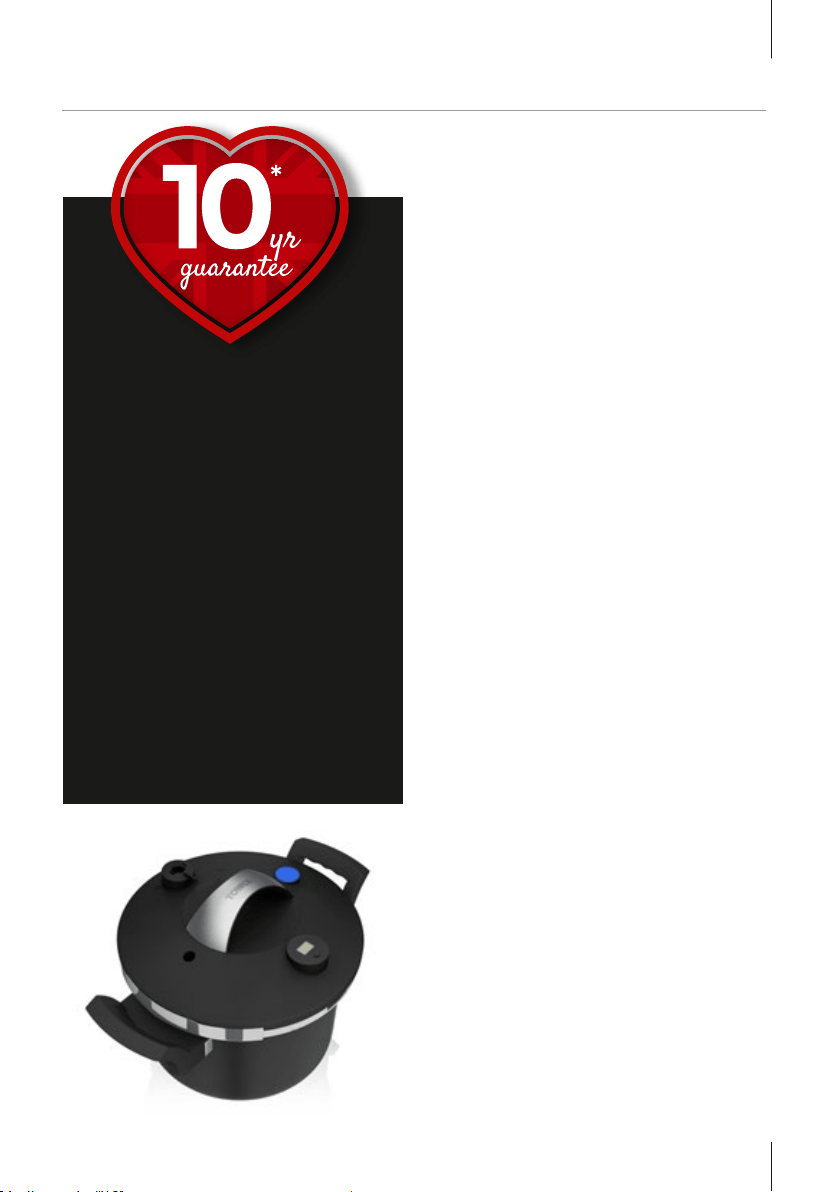
We hope that you will
enjoy your Tower pressure
cooker for many years.
As a thank you for
purchasing one of our
fantastic products,
we are giving you 10 years
peace of mind.
To receive your 10 year
guarantee, simply register
your product
online by visiting
www.towerhousewares.co.uk

8. YOUR RECIEPT
Affix your store receipt to this page for safe keeping.
AFFIX
RECIEPT
HERE
Should you have a problem with your product,
or need any help, please contact our Service
Department on +44 (0) 333 220 6066
Register online at www.towerhousewares.co.uk for your FREE extended guarantee.
Stainless Steel Pressure Cooker

Care & Use Instructions
27Helpline: 0844 984 0055
9. NOTES
thank you!
We hope you enjoy your product for
many years. As a thank you for purchasing
one of our fantastic products, we are giving
you an extra 9 years peace of mind.
To receive your extra 9 years guarantee,
register your product online by visiting:
www.towerhousewares.co.uk
Should you have a problem with your
product, or need any spare parts,
please contact our Service Department on:
+44 (0)333 220 6066
great british design, innovation and excellence since 1912
Your warranty becomes void should you decide
to use non Tower spare parts. Spare parts can be
purchased from www.towerhousewares.co.uk