
USER GUIDE
UK IE EU
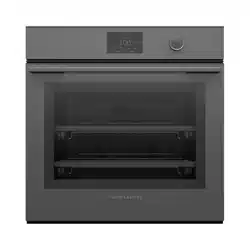
COMBINATION STEAM OVEN
MINIMAL
OS60SMTDG1, OS60SMTDB1
CONTEMPORARY
OS60SDTDX2


3
CONTENTS
Safety and warnings 5
Before you begin 9
First use 10
Using the oven light 22
Using the kitchen timer 23
Changing the time 25
Locking the control panel 26
Unlocking the control panel 27
Cooking options 28
Delayed cook 29
Auto off 30
Temperature sensor 31
Guided cooking 34
Cooking guide 36
Cooking charts 46
User preference settings 54
Wifi connection and remote mode 56
Sabbath Mode 58
Care and cleaning 60
Descaling the oven 68
Using Steam Clean 70
Troubleshooting 71
Alert codes 74
European Directive 2012/19/EU on Waste
ElectricalandElectronic Equipment(WEEE) 75
Energy guidelines (UK IE) 76
Manufacturer’s Warranty and Service guide 77
Customer care 78
Registration
To register your product visit our website: fisherpaykel.com/register

5
SAFETY AND WARNINGS
!
WARNING!
Electric Shock Hazard
• Turn the oven off at the wall before replacing
the oven lamp.
!
WARNING!
Fire Hazard
• Do not place aluminium foil, dishes, trays, water
or ice on the oven floor during cooking, this will
irreversibly damage the enamel. Lining the oven
with aluminium foil may cause fire.
• Never use your appliance for warming or
heating the room. Persons could be burned or
injured or a fire could start.
• Flammable materials should not be stored in an
oven or near its surface.
!
WARNING!
Cut Hazard
• Take care: some edges are sharp.
6
SAFETY AND WARNINGS
!
WARNING!
Hot Surface Hazard
• To avoid burns and scalds, keep children away
from this appliance.
• Surfaces of the appliance may become hot
enough to cause burns. Examples include the
oven vent, the surface near the oven vent, and
the oven door.
• Do not touch heating elements or interior
surfaces of the oven. Heating elements may be
hot, even when they are dark in colour.
• Use protection when handling hot surfaces, such
as oven shelves or dishes, or when using steam
functions.
• Be careful when opening the oven door as hot
air and steam can be emitted, especially when
using steam functions. Allow hot air and steam
to dissipate before removing or replacing food.
• During and after use, do not touch or let
clothing or other flammable materials contact
heating elements or interior surfaces of the oven
until they have had sufficient time to cool.

7
SAFETY AND WARNINGS
READ AND SAVE THIS GUIDE
To reduce the risk of fire, electrical shock, injury to persons or damage when using the
oven, follow the important safety instructions listed below. Read all the instructions
before using the oven. Use the oven only for its intended purpose as described in
these instructions.
Installation
Servicing
Fire Hazard
Food Safety
General Use

8
SAFETY AND WARNINGS
Cleaning
9
BEFORE YOU BEGIN
Make sure the installer has completed the ‘Final checklist’ in the Installation guide.
Read this guide, taking special note of the ‘Safety and warnings’ section.
Remove all internal and external packaging and dispose of it responsibly. Recycle items
that you can.
Refit the shelves to your desired position in the oven.
Condition the oven, using the instructions under ‘First use’.
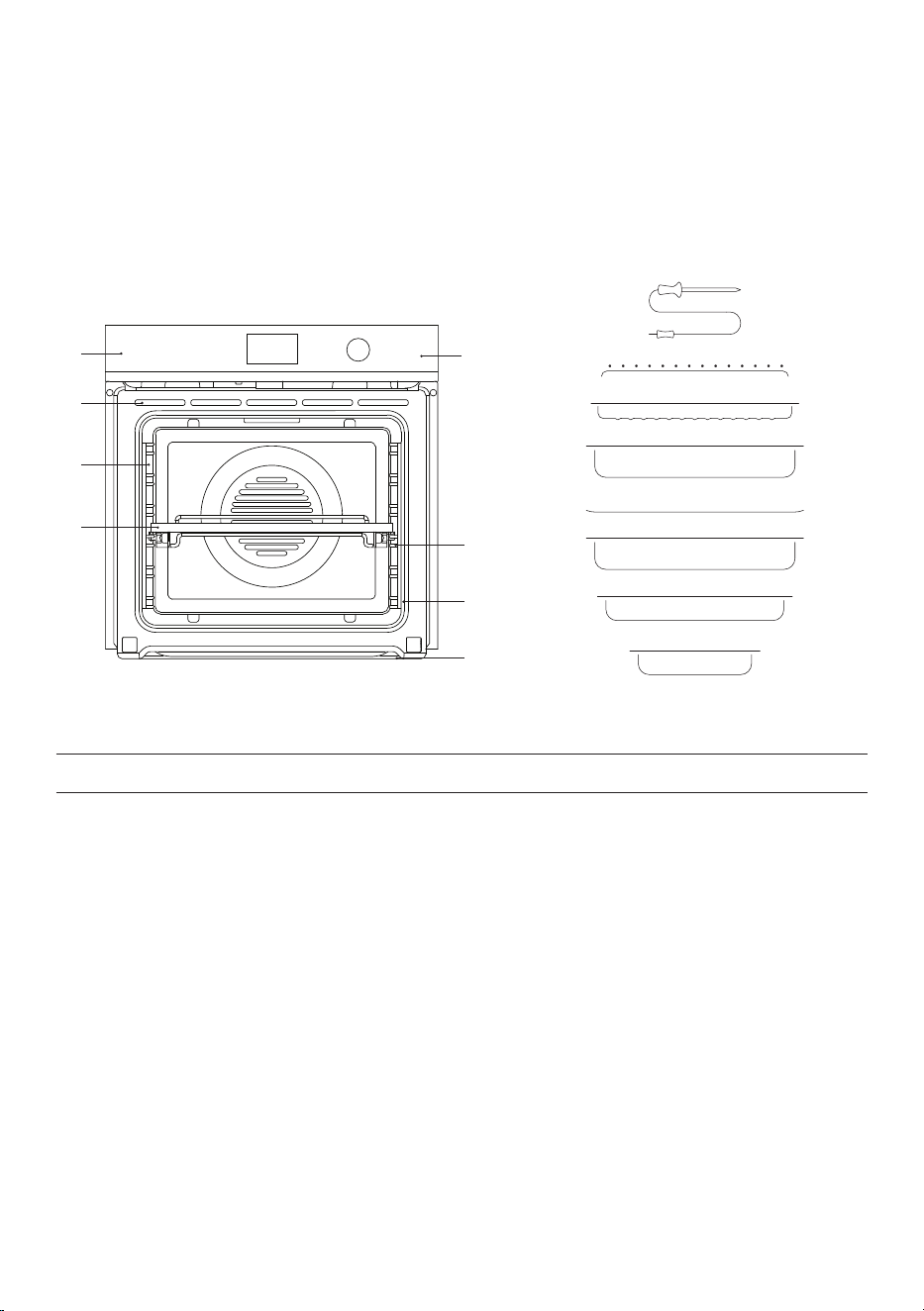
Not shown: oven door and handle, step down wire shelf and water tank.
Not all accessories are provided with all models. To purchase other accessories, contact
your nearest Fisher & Paykel Service Centre, Customer Care or visit www.fisherpaykel.com
Control panel
Water tank compartment
Oven vent louvres
Oven light location
Full extension sliding shelf (x2)
Side rack
Oven seal
Drip channel
Temperature sensor
Grill rack
Grid
Roast dish
Baking tray
Large solid dish*
Large perforated dish*
Small perforated dish*
10
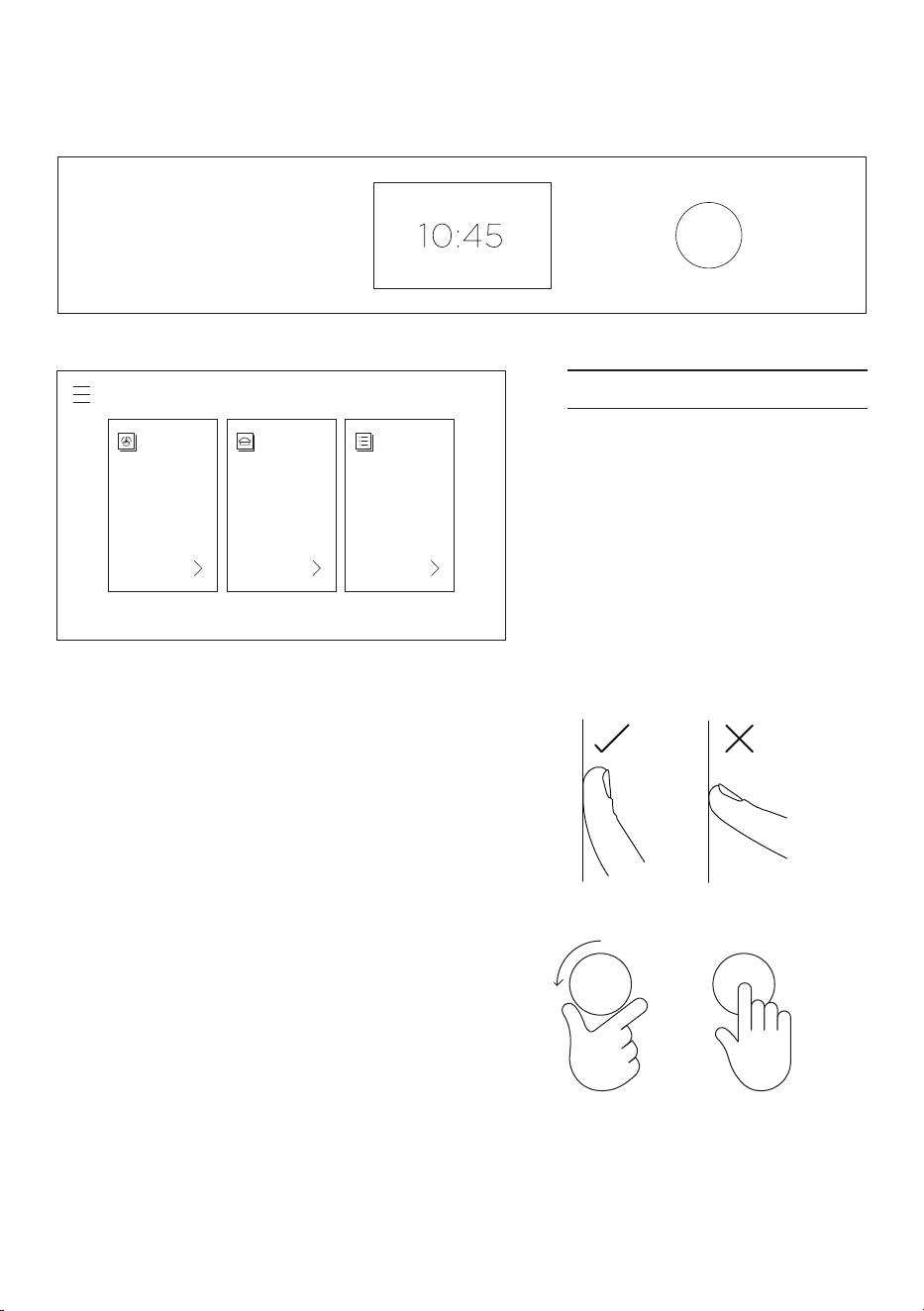
Your oven is operated using an intuitive touch
screen display. Use the screen to navigate cooking
functions, guided cooking features and settings.
Use the ball of your finger, not its tip. The controls
respond to touch, so pressure is not needed.
Turn the control dial to scroll through menu
items and set timers.
Press to select or confirm.
Press and hold to go back.
Control panel
FIRST USE
Touch screen display
Control dial
Menu
Clock
Oven functions
Guided cooking features
11
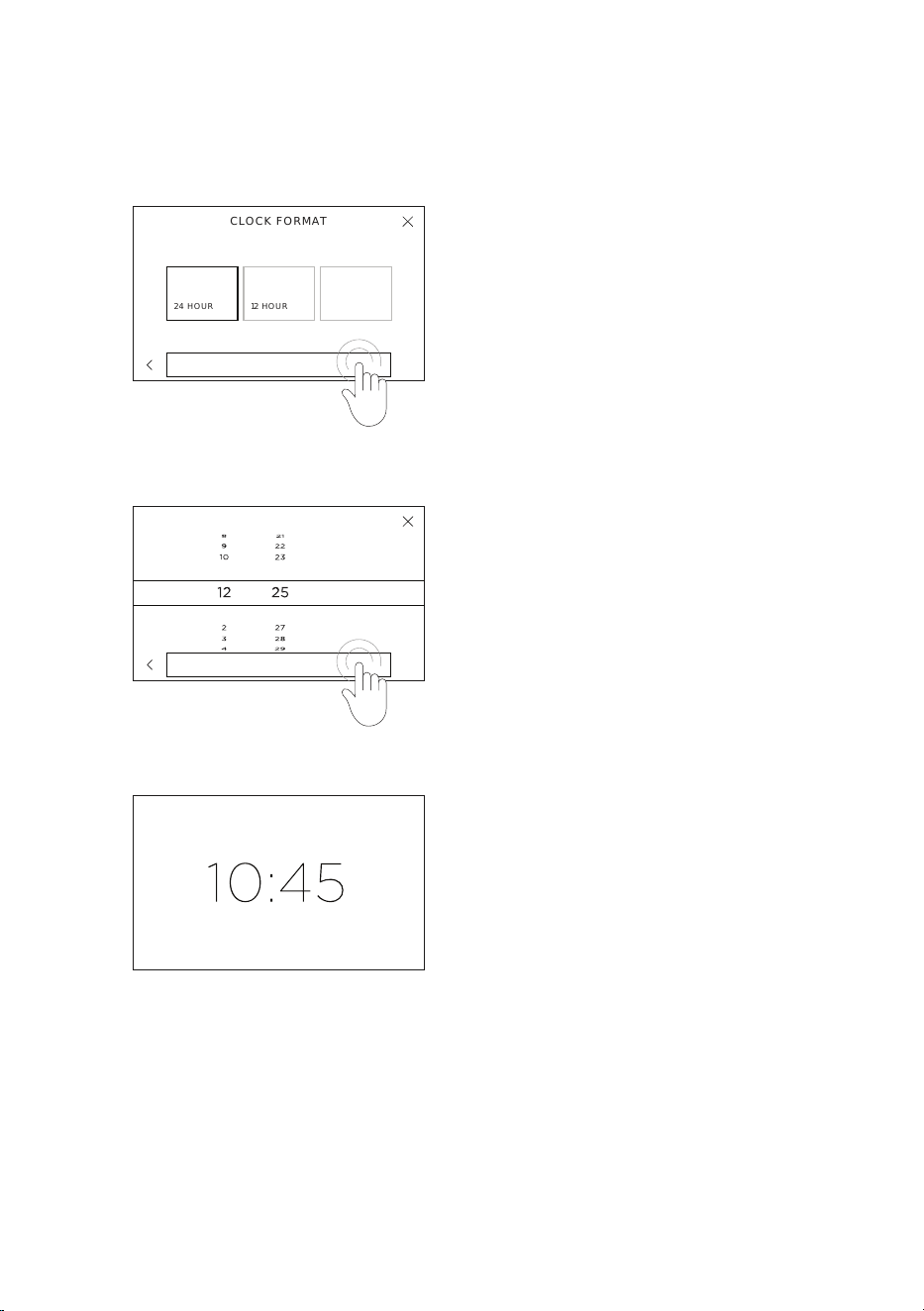
Set the clock format. Choose between
, or then select
.
Scroll to set the correct time then
select
.
The time is now set and will show on
the screen.
FIRST USE
Setting the clock
You’ll need to set the time on your oven when it is first turned on, or after a power cut.
CLOCK FORMAT
24 HOUR
12 HOUR
CLOCK FORMAT
24 HOUR
12 HOUR
CLOCK FORMAT
24 HOUR
12 HOUR
12
FIRST USE
Oven racks
Your oven comes with the shelves positioned and secured inside. The following shows you
how to remove and reposition them to your preferred position.
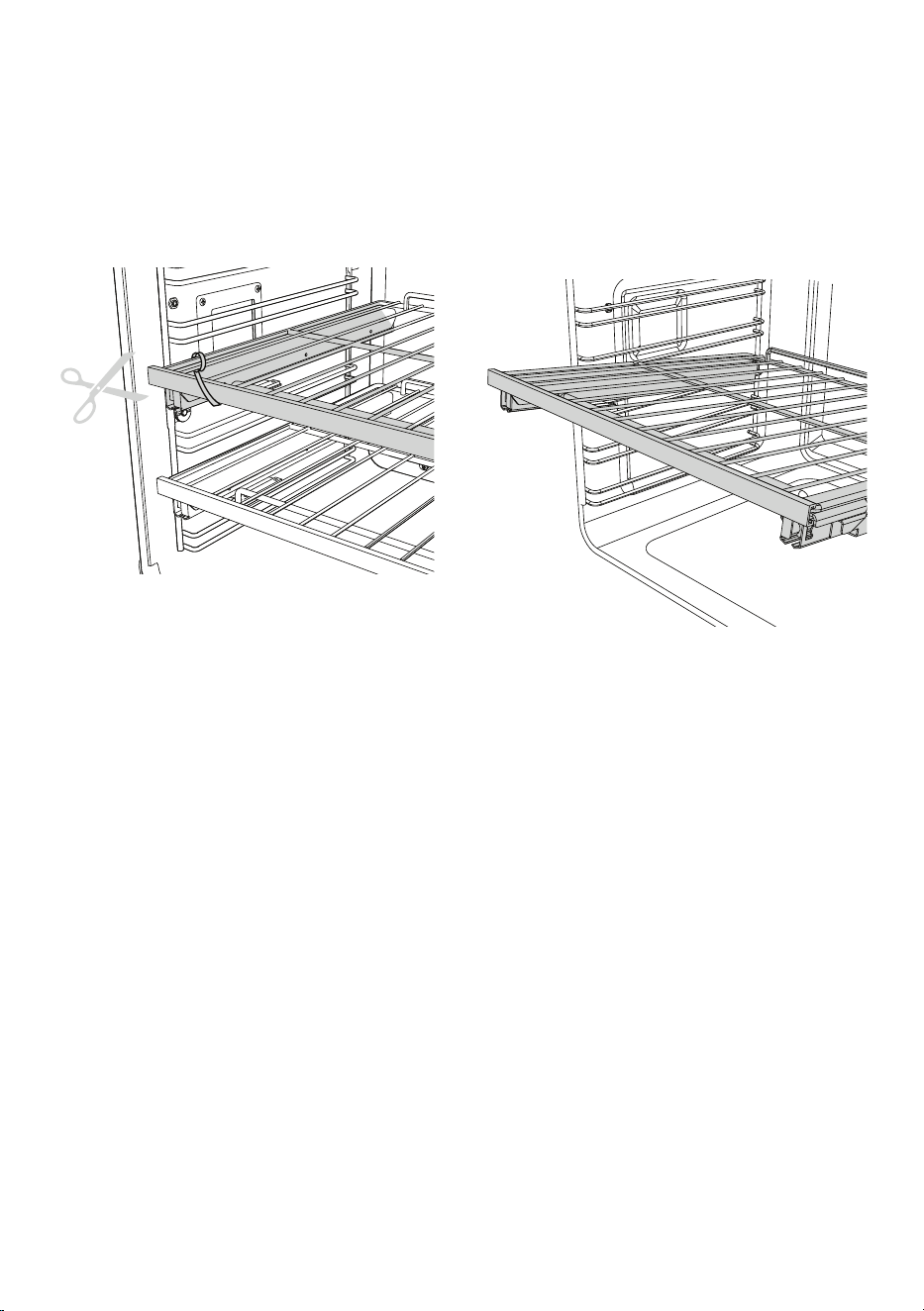
Remove shelves from the oven
Remove all cable ties and packaging holding the shelves in place.
Remove all the shelves, taking special care with the sliding shelves.
To remove a sliding shelf, grip it at the front (making sure you are gripping the wire
shelf and the sliding frame together), lift upwards and pull it out of the oven.
For your safety, the wire shelves and sliding frames are built together as one unit and are
not separable. When placed properly on the side racks, the slides will prevent the wire
shelves from tilting when pulled towards you.
13
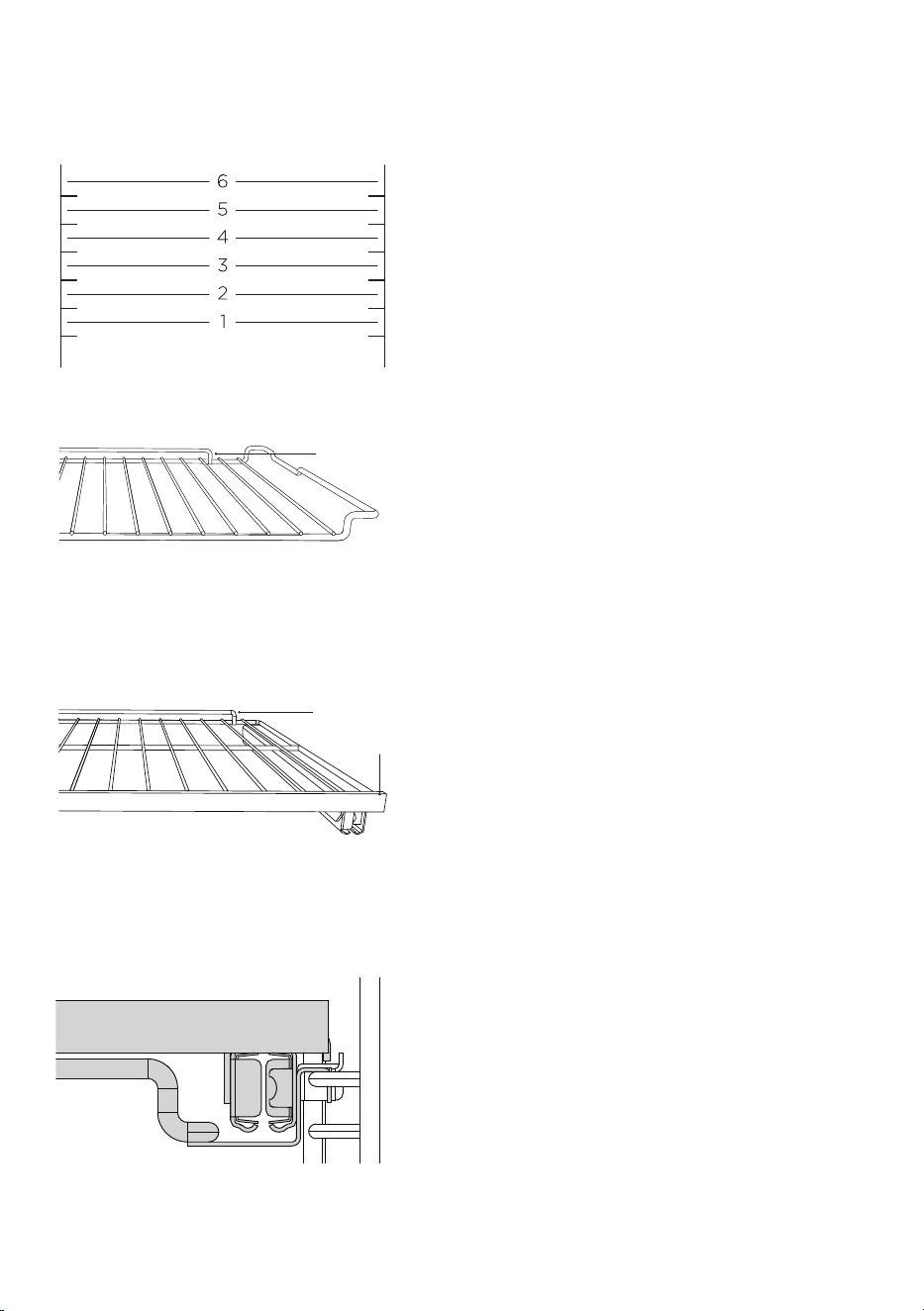
Grip the shelf at the front (making sure
you are holding the wire shelf and the
sliding frame together).
Make sure the shelf is level and facing
the right way with the guard rail at
the back.
Place the shelf on top of the side racks
at the desired height, hooking the rear
tags over the side racks on both sides.
Push the shelf all the way into the oven,
making sure the front tags are also
securely hooked over the side racks.
Check the shelf is positioned correctly,
with the guard rail at the back, then slide
into place on the side racks.
Ensure sliding shelves are positioned
on top of the side rack wires instead of
between them.
When there is food in the oven, take care
to slide the shelves horizontally when
extending them. This will prevent the tags
lifting off the side racks and the shelf
tipping over.
We recommend placing the sliding shelves
on positions 2 and 4 for everyday cooking.
FIRST USE
Replace shelving in your preferred positions
14
Water tank compartment
Some parts of the water tank compartment have protective packaging. The following shows
you how to access the water tank compartment and remove the protective wrap.
FIRST USE
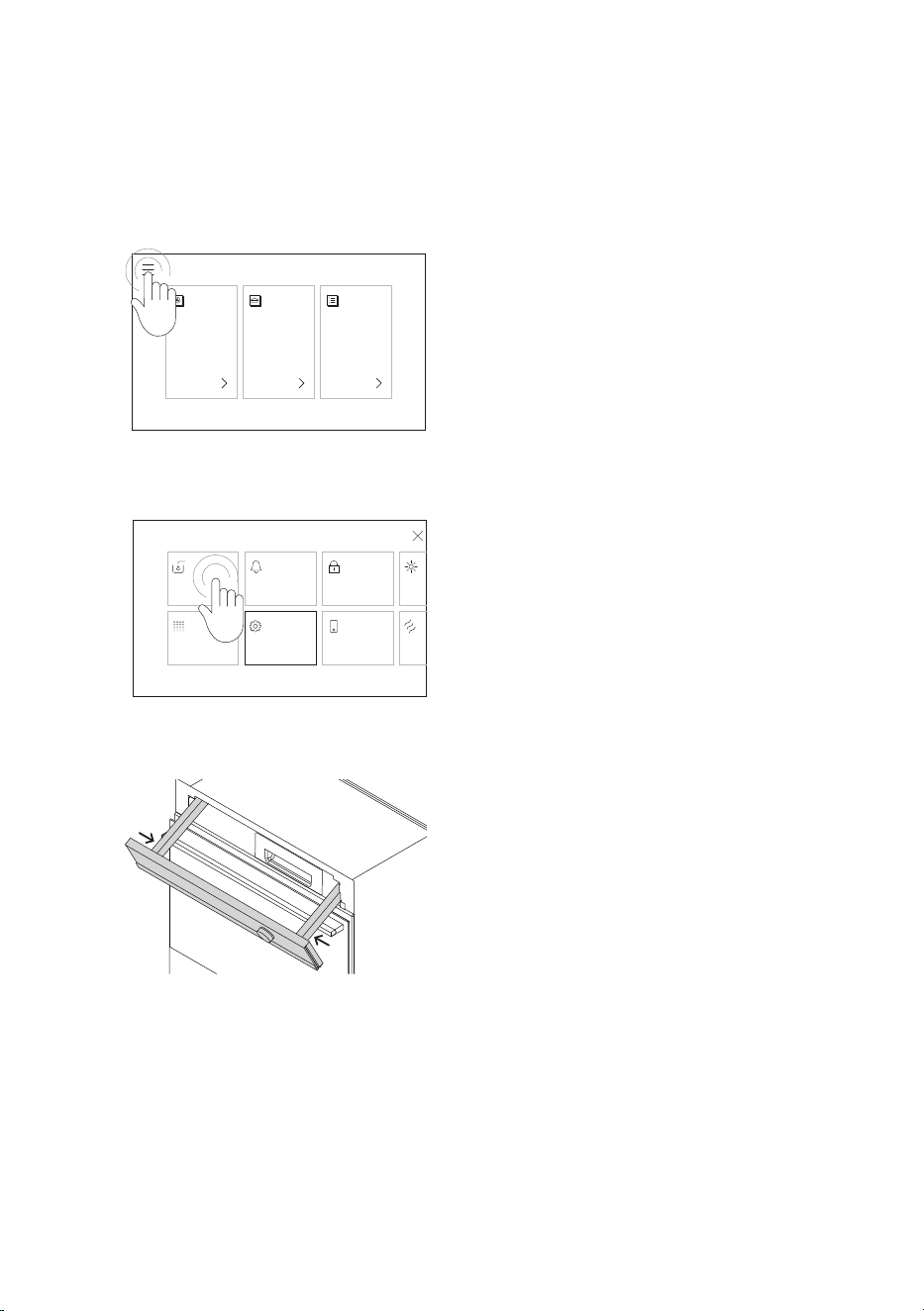
Touch the menu icon in the top left corner
of the screen.
Remove protective wrap from the control
panel arms.
Press the screen to close control panel.
Select
15
There will be a distinctive smell and a small amount of smoke during the conditioning
process as manufacturing residue is burnt off. This is normal, but make sure the kitchen is
well ventilated. Once cooled, wipe out the oven with a damp cloth and mild detergent, and
dry thoroughly.
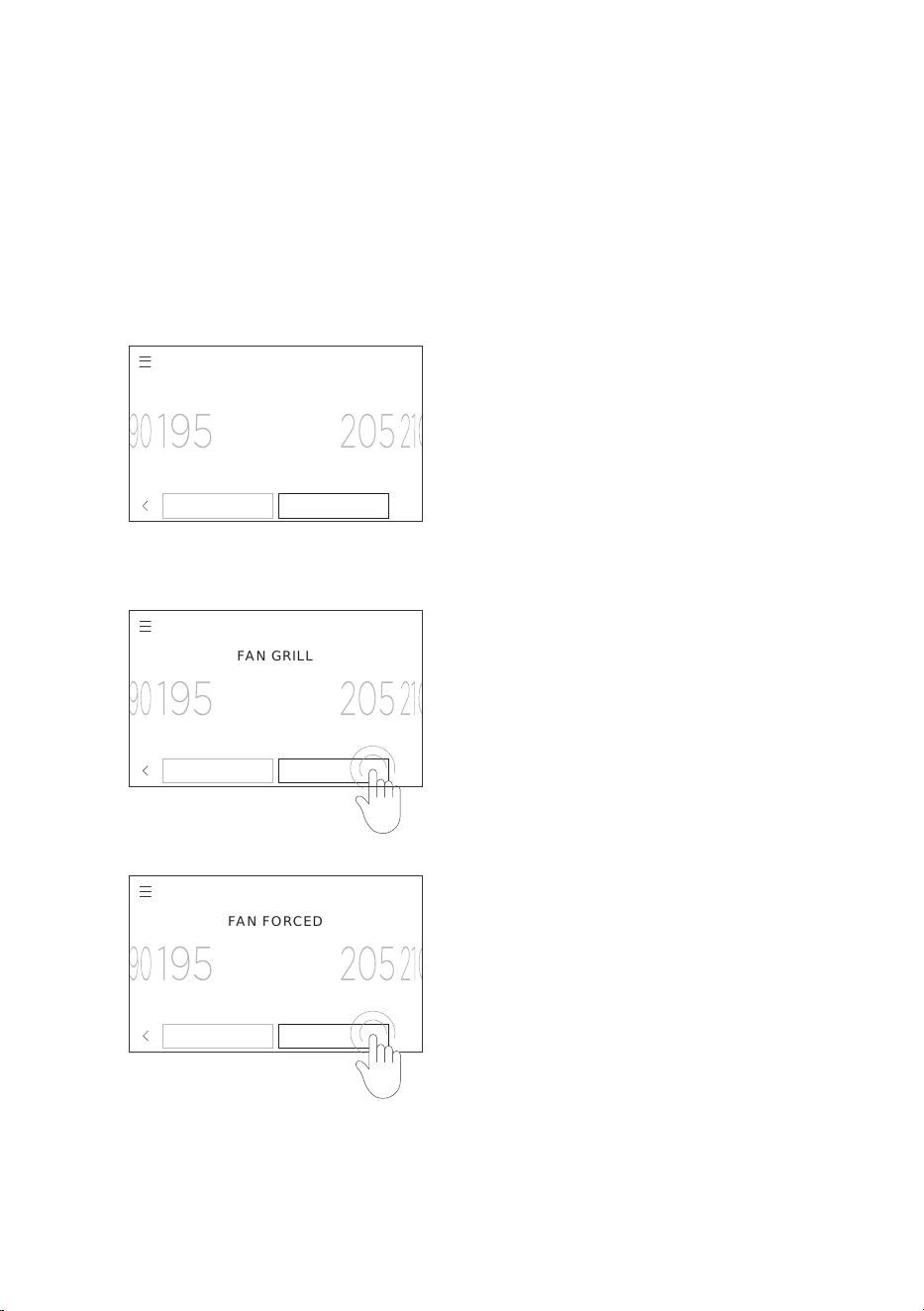
Set the function to
at 200°C and heat
for 30 minutes.
After 30 minutes change the function to
and heat for 5 minutes.
After 5 minutes, change the function
to
and heat for a further
20 minutes.
When you have finished, turn the oven off.
FIRST USE
Conditioning the oven
It is important to condition your oven before using it for cooking. This will burn off any
manufacturing residues and ensure that you get the best results right from the start. It
will take approximately 1 hour.
Ensure you have removed all packaging and any cable ties used to secure the shelving
during transit. Ensure all shelves are fitted in the oven. Ensure the kitchen is well
ventilated during conditioning.
FAN GRILL
FAN FORCED
FAN GRILL
FAN FORCED
FAN GRILL
FAN FORCED
16
Setting the water hardness level
Before using any steam functions for the first time, the water hardness level should be set. If
you are unsure on your water hardness level, contact your local water supplier.
FIRST USE
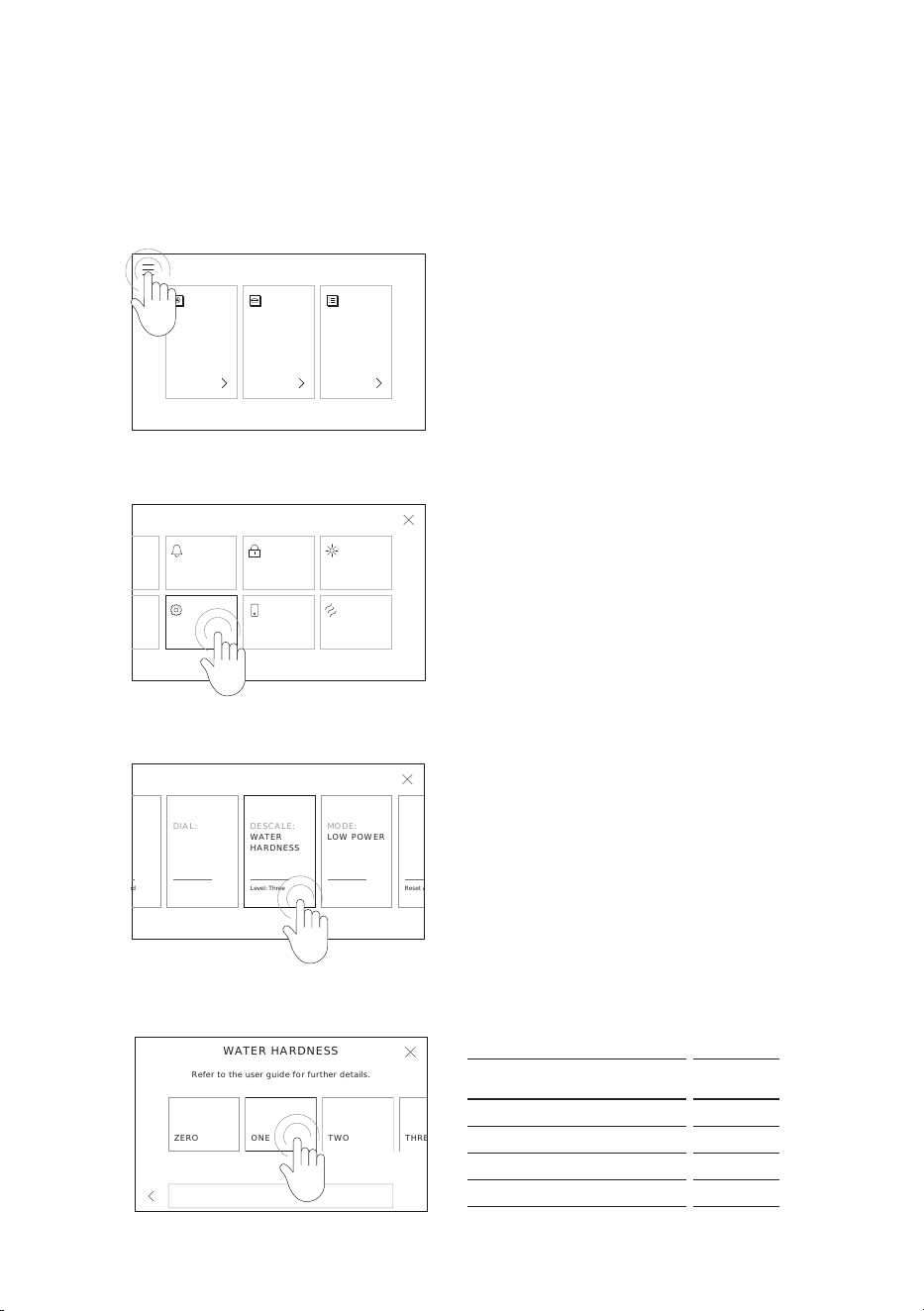
Select your water hardness level:
Touch the menu icon in the top left corner
of the screen.
Select
.
Enter the settings menu.
ZERO
ONE
TWO
THREE
WATER HARDNESS
Refer to the user guide for further details.
DIAL:
DESCALE:
WATER
HARDNESS
MODE:
LOW POWER
Reset Appliance
Disconnected
Level: Three
ZERO
ONE
TWO
THREE
WATER HARDNESS
Refer to the user guide for further details.
DIAL:
DESCALE:
WATER
HARDNESS
MODE:
LOW POWER
Reset Appliance
Disconnected
Level: Three
ZERO
ONE
TWO
THREE
WATER HARDNESS
Refer to the user guide for further details.
DIAL:
DESCALE:
WATER
HARDNESS
MODE:
LOW POWER
Reset Appliance
Disconnected
Level: Three
WATER HARDNESS (PPM) LEVEL
0 - 100
100 - 250
250 - 350
350 - 450
17
To guarantee perfect results,
we recommend filling the tank
with fresh water before cooking.
SKIP
Filling the water tank
Before using any steam functions, you’ll need to fill the water tank. For best results, we
recommend filling the tank with fresh water before you cook.
FIRST USE
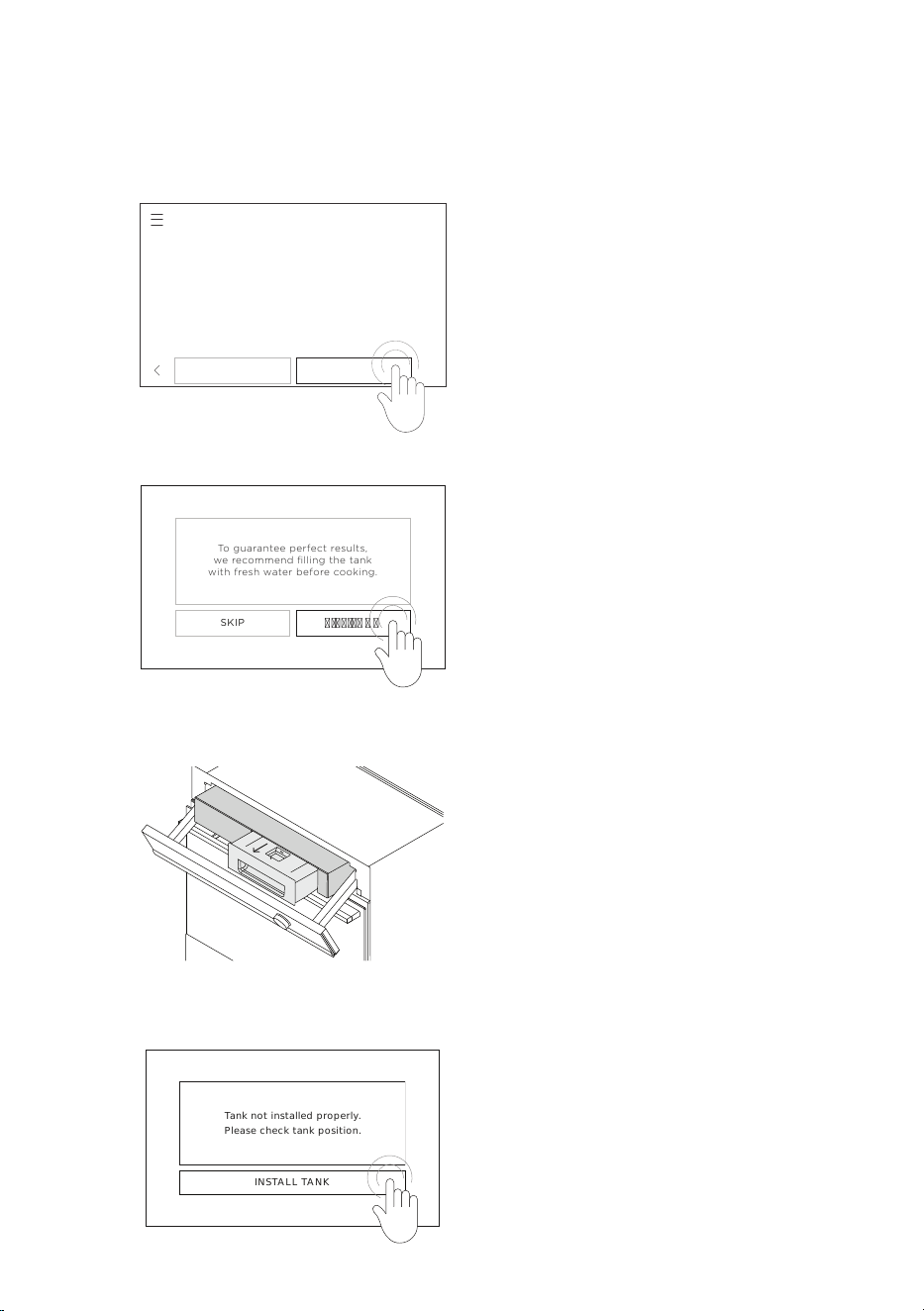
Select the desired steam function and
temperature, and press start.
Select
When prompted, press the touch screen
to open the control panel. Pull water tank
out and fill to the fill line.
Push the tank back in and press the
screen to close control panel.
If the tank is incorrectly re-installed or the
water level is too low, follow the onscreen
guidance before continuing.
STEAM CALIBRATION
For consistent steam cooking, calibration is required:
POSTPONE
Calibration
finishes after
15 minutes.
To maximum
level with
fresh water.
MEASURE
Optimal steam
levels for
your oven.
Tank not installed properly.
Please check tank position.
INSTALL TANK
18
FIRST USE
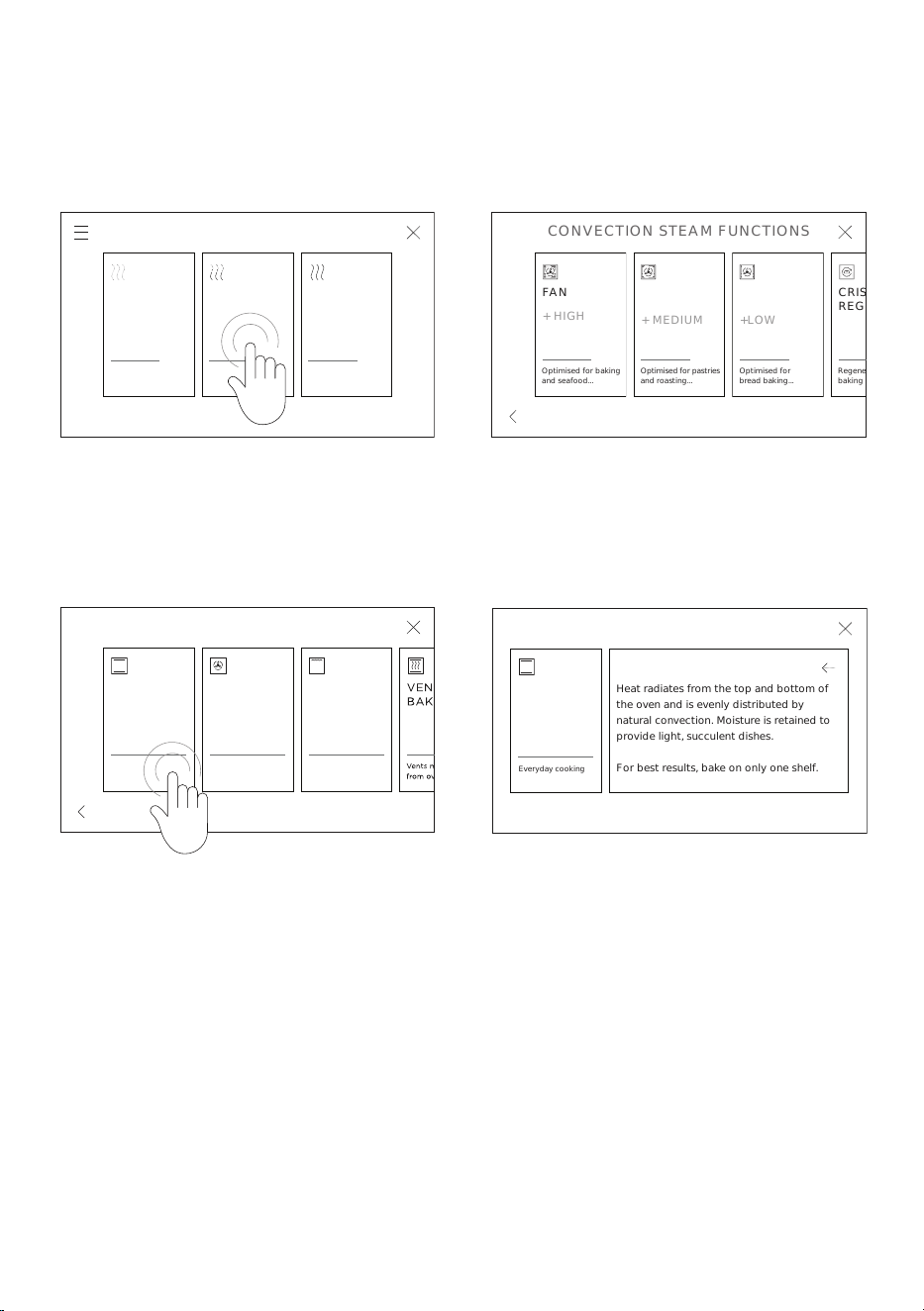
Expanding a description
For more information on each function or category, touch the description underneath
each function or category name.
Selecting a function
To select and use a function, enter the function category menu before touching the
function name or icon to select.
Everyday cooking
Heat radiates from the top and bottom of
the oven and is evenly distributed by
natural convection. Moisture is retained to
provide light, succulent dishes.
For best results, bake on only one shelf.
CONVECTION STEAM FUNCTIONS
+LOW
CRIS
REG
FAN
+ HIGH
+ MEDIUM
Optimised for
bread baking...
Regene
baking
Optimised for pastries
and roasting...
Optimised for baking
and seafood...
CONVECTION STEAM FUNCTIONS
+LOW
CRIS
REG
FAN
+ HIGH
+ MEDIUM
Optimised for
bread baking...
Regene
baking
Optimised for pastries
and roasting...
Optimised for baking
and seafood...
Everyday cooking
Heat radiates from the top and bottom of
the oven and is evenly distributed by
natural convection. Moisture is retained to
provide light, succulent dishes.
For best results, bake on only one shelf.
CONVECTION STEAM FUNCTIONS
+LOW
CRIS
REG
FAN
+ HIGH
+ MEDIUM
Optimised for
bread baking...
Regene
baking
Optimised for pastries
and roasting...
Optimised for baking
and seafood...
CONVECTION STEAM FUNCTIONS
+LOW
CRIS
REG
FAN
+ HIGH
+ MEDIUM
Optimised for
bread baking...
Regene
baking
Optimised for pastries
and roasting...
Optimised for baking
and seafood...
Everyday cooking
Heat radiates from the top and bottom of
the oven and is evenly distributed by
natural convection. Moisture is retained to
provide light, succulent dishes.
For best results, bake on only one shelf.
CONVECTION STEAM FUNCTIONS
+LOW
CRIS
REG
FAN
+ HIGH
+ MEDIUM
Optimised for
bread baking...
Regene
baking
Optimised for pastries
and roasting...
Optimised for baking
and seafood...
CONVECTION STEAM FUNCTIONS
+LOW
CRIS
REG
FAN
+ HIGH
+ MEDIUM
Optimised for
bread baking...
Regene
baking
Optimised for pastries
and roasting...
Optimised for baking
and seafood...
Everyday cooking
Heat radiates from the top and bottom of
the oven and is evenly distributed by
natural convection. Moisture is retained to
provide light, succulent dishes.
For best results, bake on only one shelf.
CONVECTION STEAM FUNCTIONS
+LOW
CRIS
REG
FAN
+ HIGH
+ MEDIUM
Optimised for
bread baking...
Regene
baking
Optimised for pastries
and roasting...
Optimised for baking
and seafood...
CONVECTION STEAM FUNCTIONS
+LOW
CRIS
REG
FAN
+ HIGH
+ MEDIUM
Optimised for
bread baking...
Regene
baking
Optimised for pastries
and roasting...
Optimised for baking
and seafood...
19
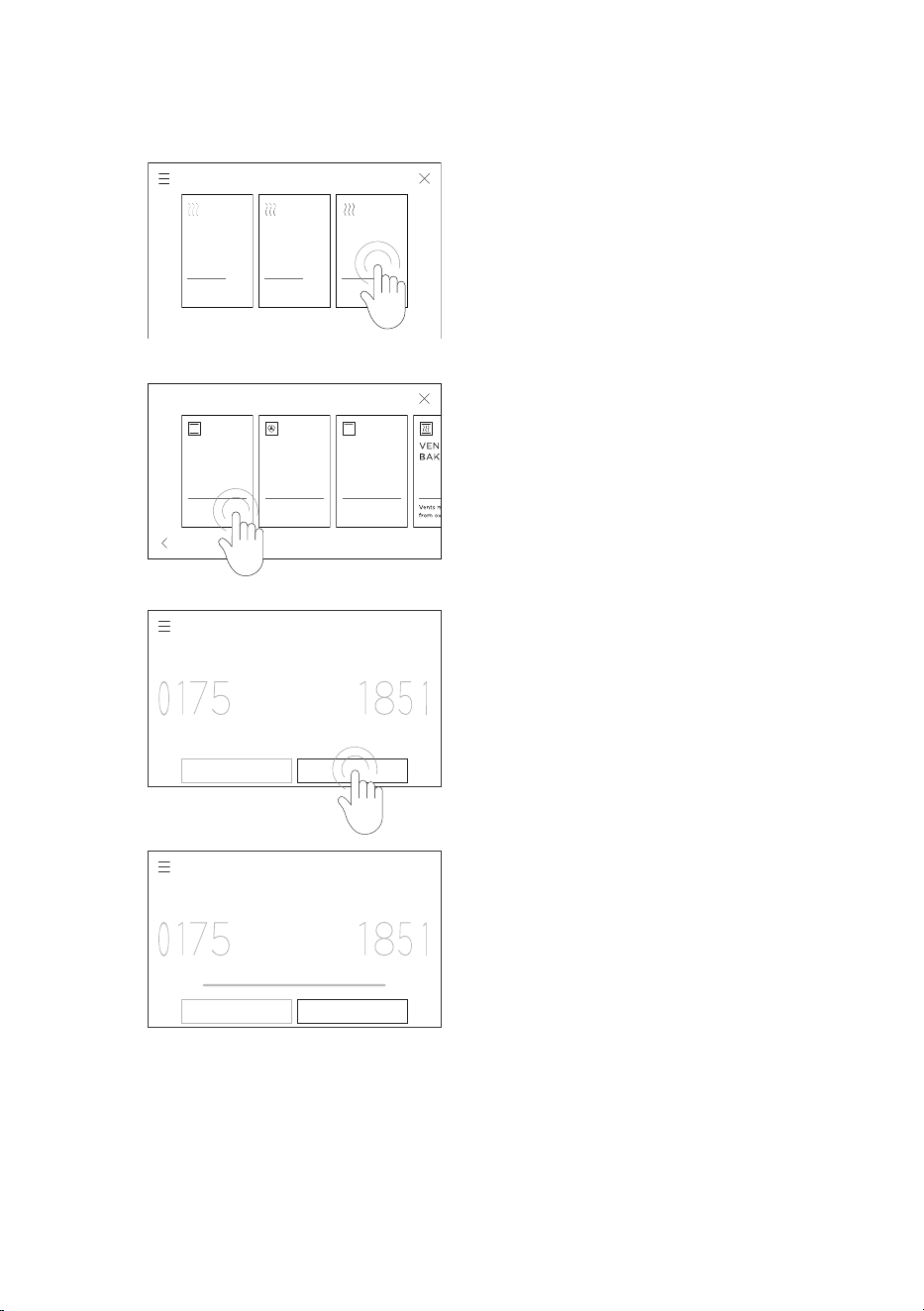
Scroll through the functions and select the
desired option.
To adjust the preset temperature, swipe
left or right or use the dial. Touch
to
heat the oven and begin cooking.
A red bar will show on the screen while
the oven is heating.
When the oven has reached the set
temperature, a tone will sound, the bar will
disappear and the dial will turn red.
Some functions do not need to preheat.
For those functions the bar won’t
show and the dial halo will remain red
throughout cooking.
FIRST USE
Setting a function and temperature
Touch the screen or turn the dial to enter
the menu. Select
,
followed by the desired function category
menu.
Rapid preheating stage
For some cooking functions, the oven will go through an initial rapid preheat stage. In this
stage, the fan and both bake and grill elements will turn on to quickly heat the oven to the
set temperature. Depending on the cooking function, the fan, bake and grill elements will
turn off once the oven reaches the set temperature.
20
FIRST USE
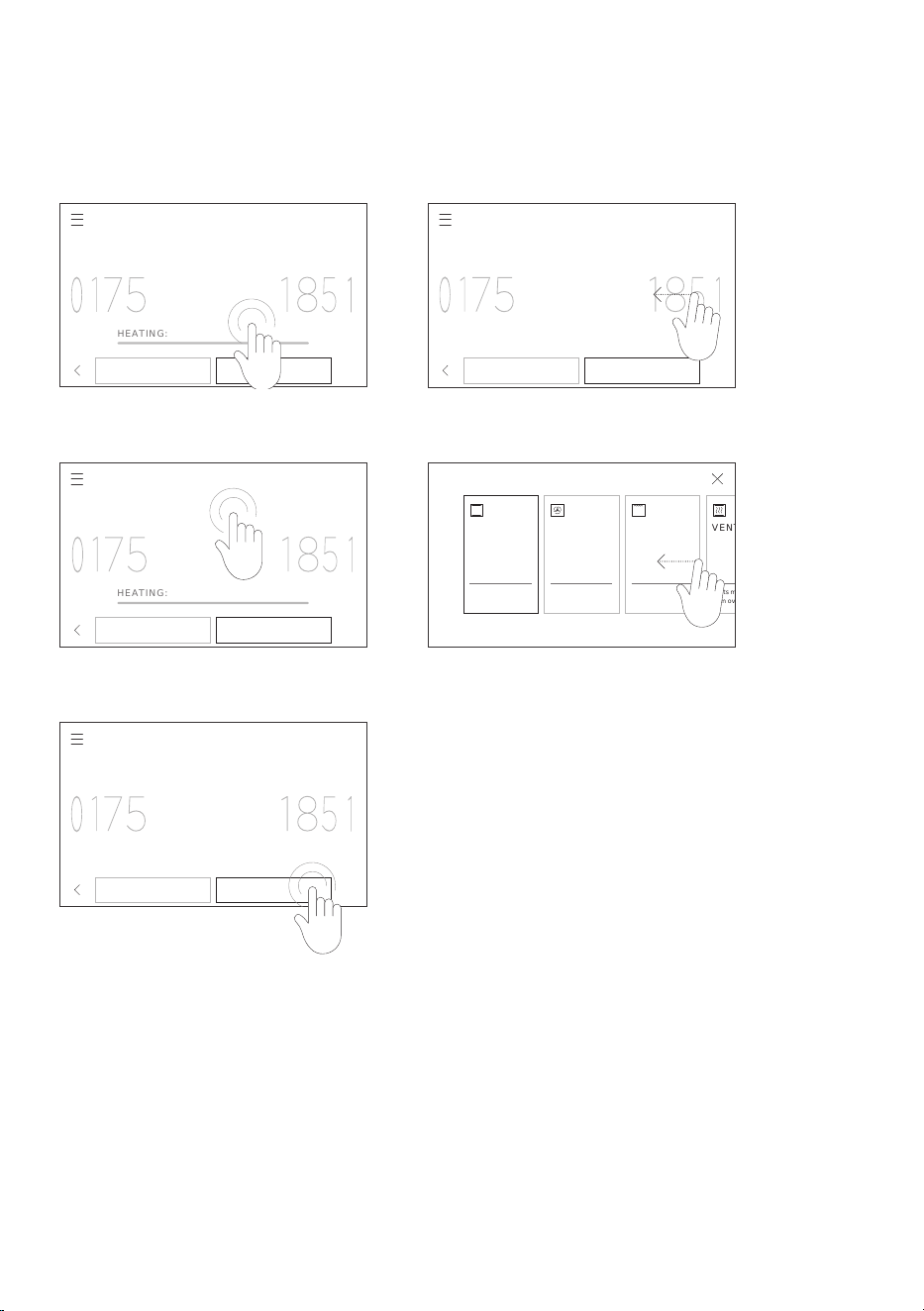
Editing or cancelling cooking
Touch the function name or temperature at any point during cooking to adjust.
To stop cooking and turn the oven off,
press
and then at
any point
HEATING:
HEATING:
VENT
Vents moisture
from oven…
HEATING:
HEATING:
VENT
Vents moisture
from oven…
HEATING:
HEATING:
VENT
Vents moisture
from oven…
HEATING:
HEATING:
VENT
Vents moisture
from oven…
HEATING:
HEATING:
VENT
Vents moisture
from oven…

21
FIRST USE
Post steam drying
After running a steam function, there may be some moisture left in the oven. Wait for the
oven to cool, then wipe out the base of the cavity with a sponge or soft cloth.
You may also be prompted to run a dry cycle after you have finished cooking.
During this stage, the fan and both bake and grill elements will turn on to quickly heat and
dry the oven. After the dry cycle, the drip tray should be removed and emptied if required.
It is important to remove any food from the oven before starting drying due to the cavity
heating.
You may postpone the dry cycle if further cooking is required, however a dry cycle should
be completed at the earliest possible opportunity.
22
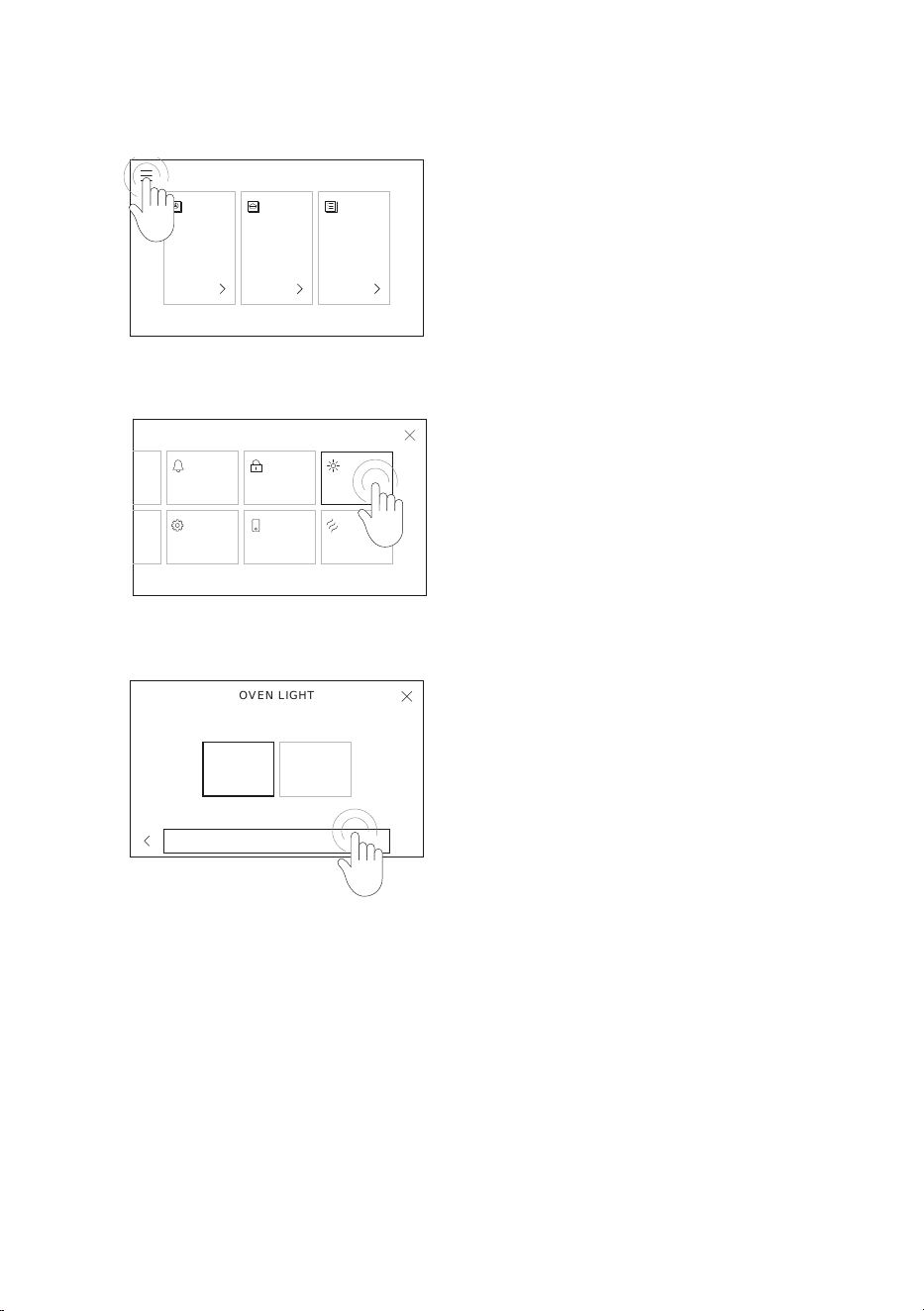
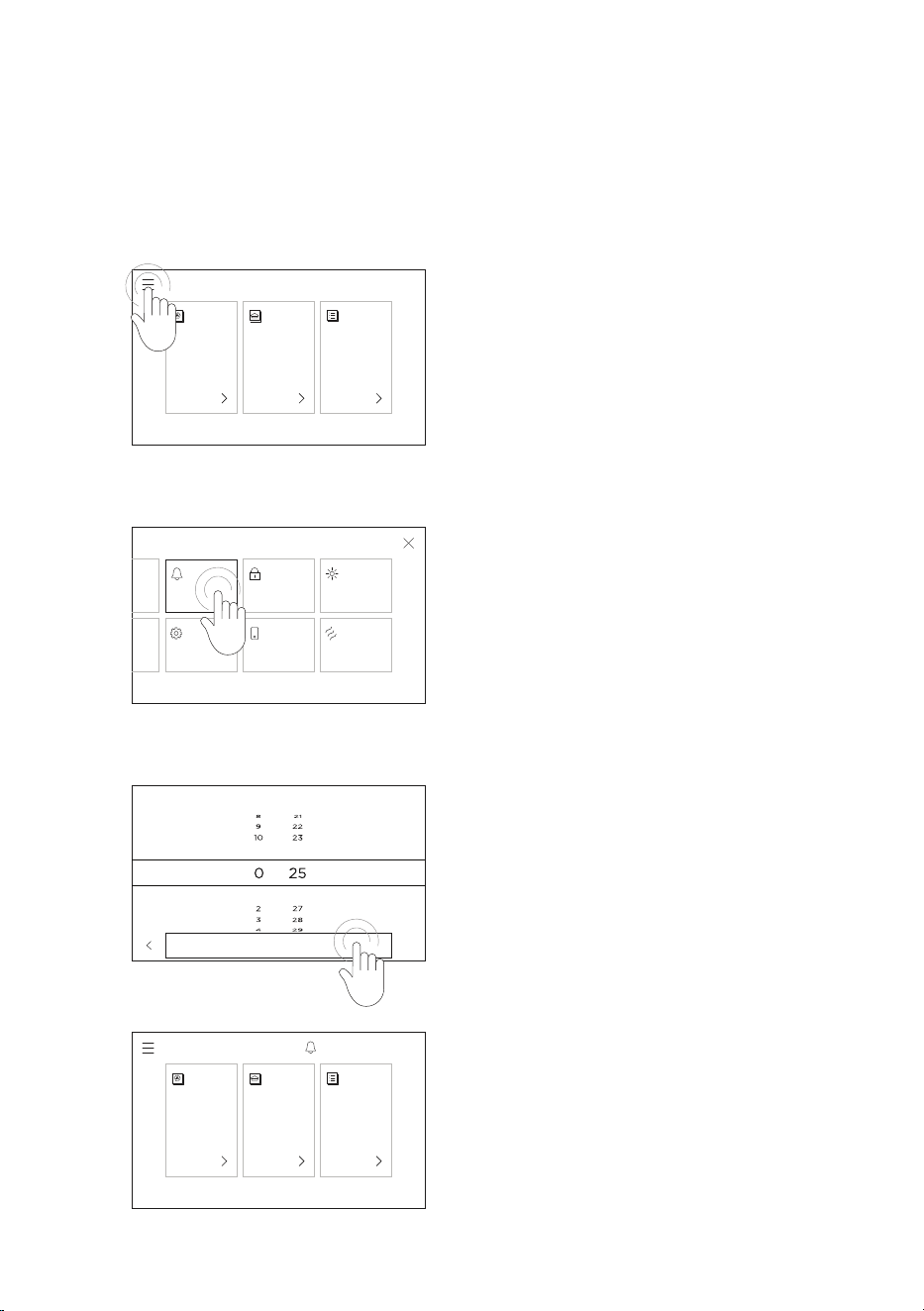
Touch the menu icon in the top left corner
of the display.
Select
Select or as required and then
select .
USING THE OVEN LIGHT
Turning the oven light ON or OFF
OVEN LIGHT
OVEN LIGHT
OVEN LIGHT
23
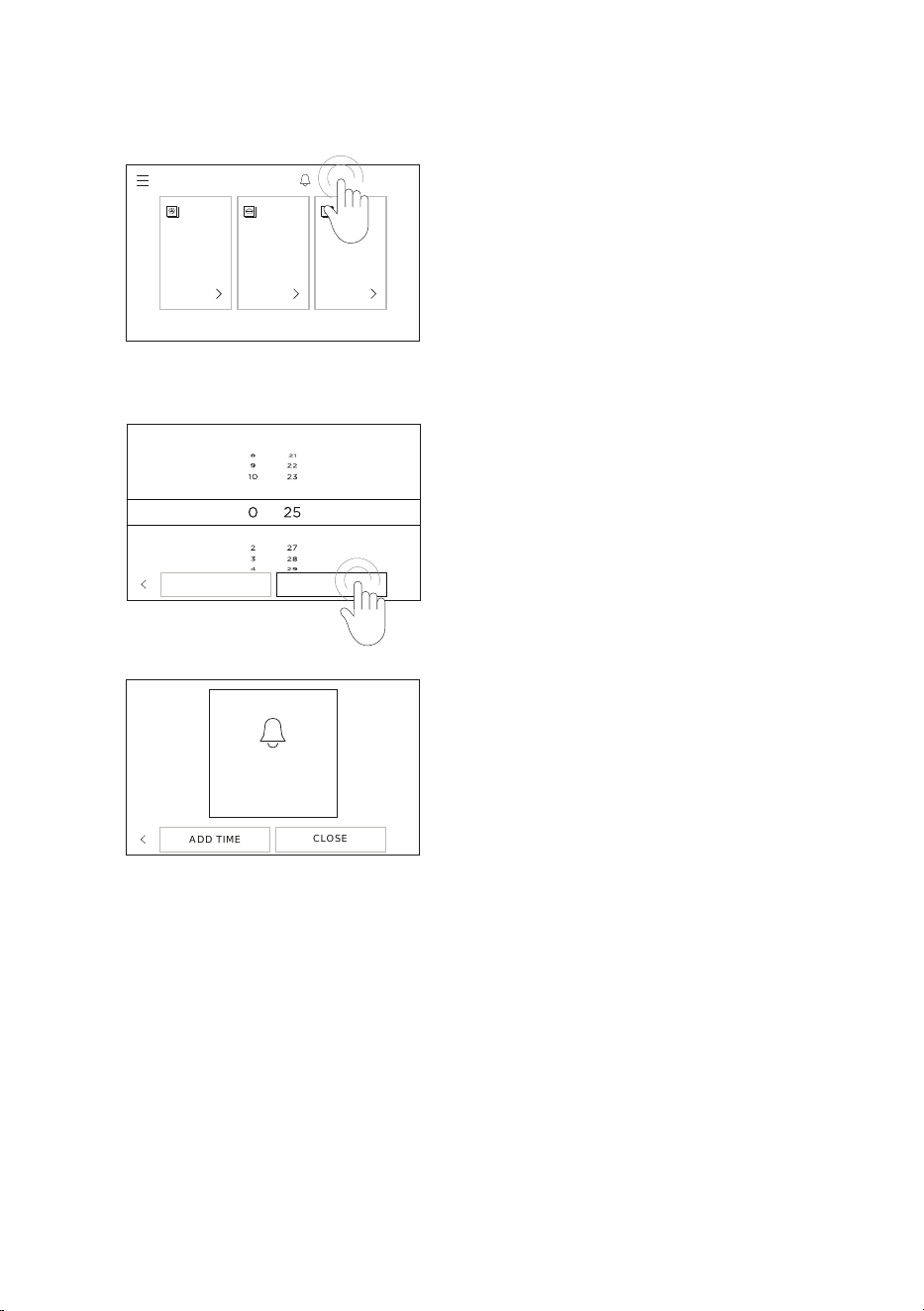
Touch the menu icon in the top left corner
of the screen.
Select
.
Scroll to set the timer length then
select
.
You can set the timer up to 11 hours 59 minutes.
The timer countdown will show on the screen.
USING THE KITCHEN TIMER
Use the kitchen timer to keep track of cooking times. You can use it at any time, even
if you are not using the oven.
The kitchen timer does not turn the oven off. See ‘Guided cooking’ for how to set the
timer or .
Setting the timer
24
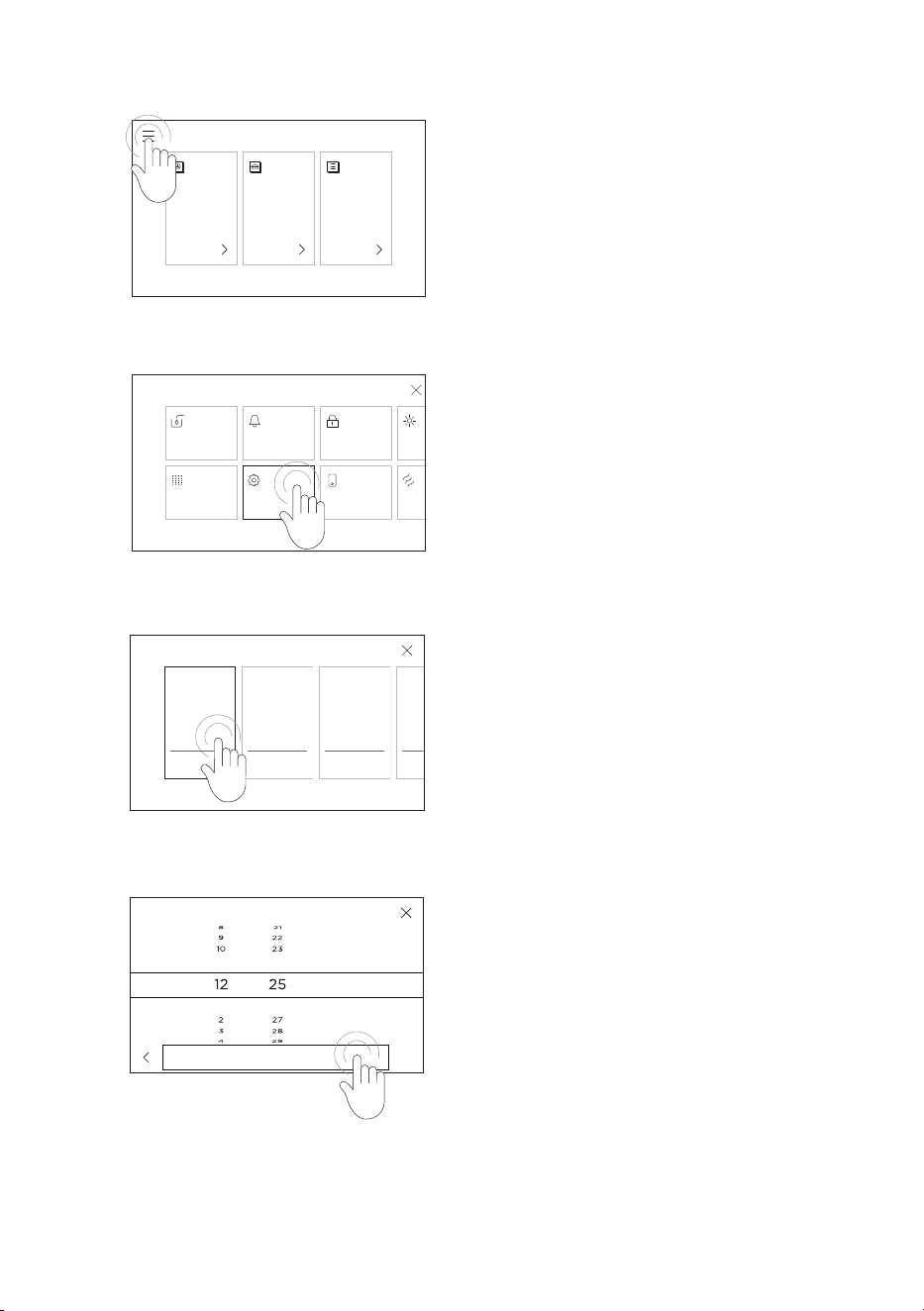
Touch the timer countdown in the upper
right of the screen.
Adjust the timer as needed and select
, or touch to cancel the
timer completely.
At the end of the timer a tone will sound
intermittently.
Select
to return to the home screen, or
touch to set another timer.
USING THE KITCHEN TIMER
Editing or cancelling the timer
ADD TIME
CLOSE
ADD TIME
CLOSE
ADD TIME
CLOSE
25
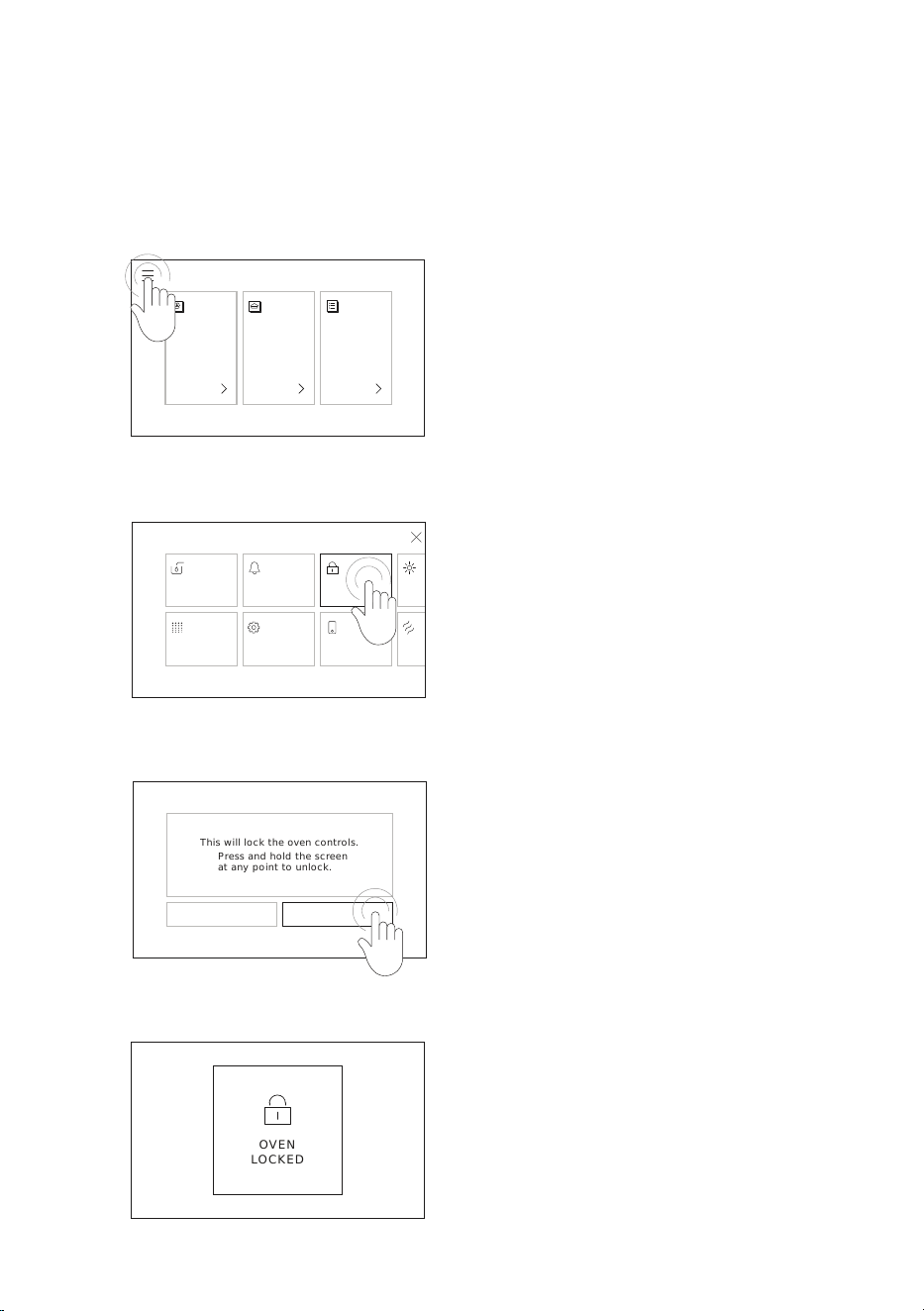
CHANGING THE TIME
Touch the menu icon in the top left corner.
Select
.
Select
.
Scroll to change the time then
select .
26
Touch the menu icon in the top left corner
of the screen.
Select
.
Select
.
The control panel is now locked. The controls
will remain unresponsive until it is unlocked.
LOCKING THE CONTROL PANEL
Lock the oven controls to prevent accidental use of the oven by children or when
cleaning. When locked, the controls are unresponsive and the oven will not turn on.
For safety reasons you cannot lock the oven controls while the oven is in use or if
automatic cooking options have been set.
OVEN
LOCKED
This will lock the oven controls.
Press and hold the screen
at any point to unlock.
OVEN
LOCKED
This will lock the oven controls.
Press and hold the screen
at any point to unlock.
OVEN
LOCKED
This will lock the oven controls.
Press and hold the screen
at any point to unlock.
OVEN
LOCKED
This will lock the oven controls.
Press and hold the screen
at any point to unlock.

27
Press anywhere on the screen and hold
until the bar fills to unlock the oven.
UNLOCKING THE CONTROL PANEL
Press and hold to unlock
Unlocked
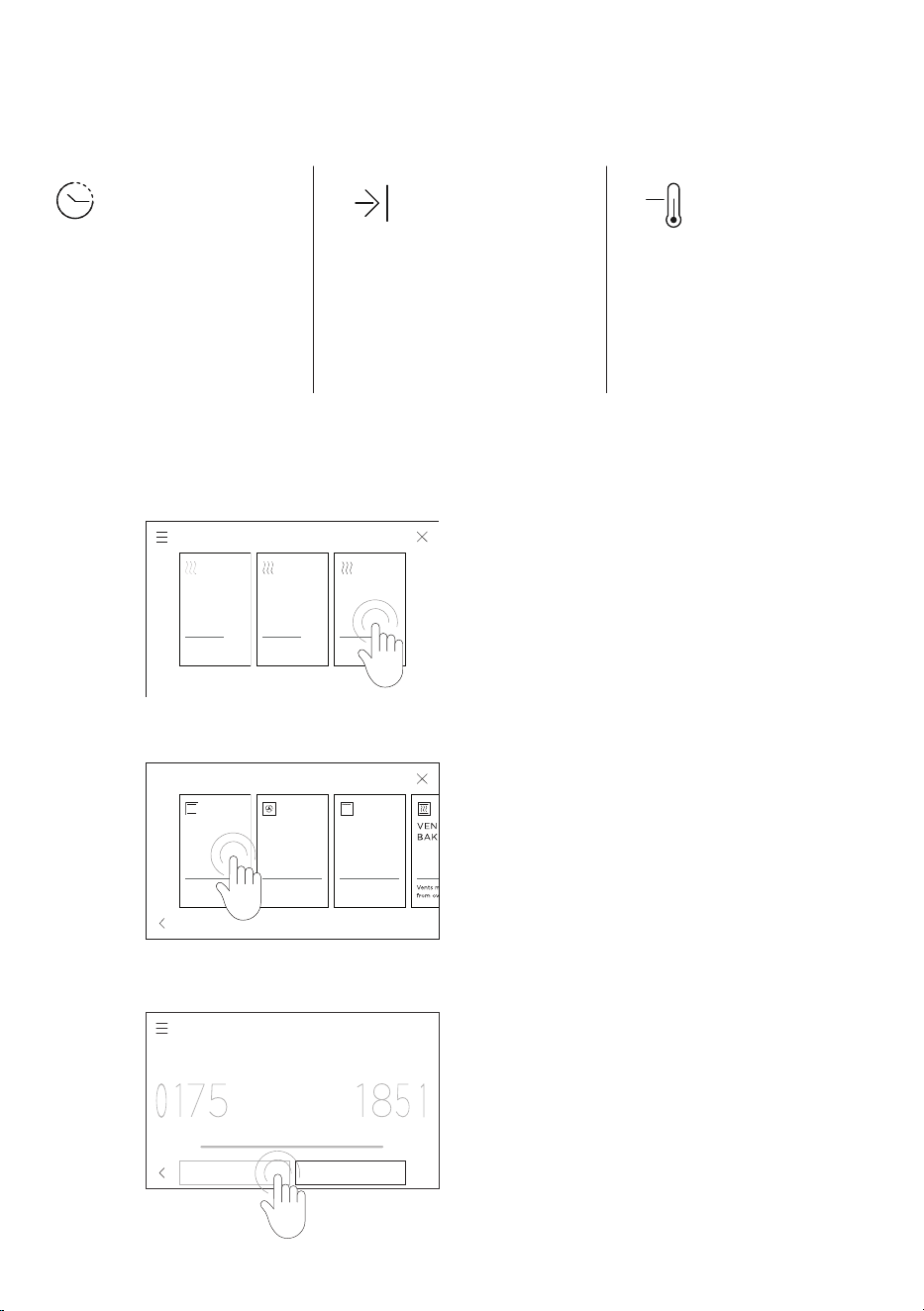
28
Select followed by the
desired function category.
Select the function you want to cook with.
Touch
at the bottom of the screen
and select either: ,
and .
COOKING OPTIONS
Your oven comes with a number of automatic cooking options to help you get the best
results:
You can set these options either before you start cooking, or at any point once your oven is
already running.
Set the oven to turn on
later in the day, cook for
a set length of time and
turn off automatically.
Use the temperature
sensor to automatically
turn your oven off when
your food reaches a set
internal temperature.
Set the oven to turn off
after a set length of time.
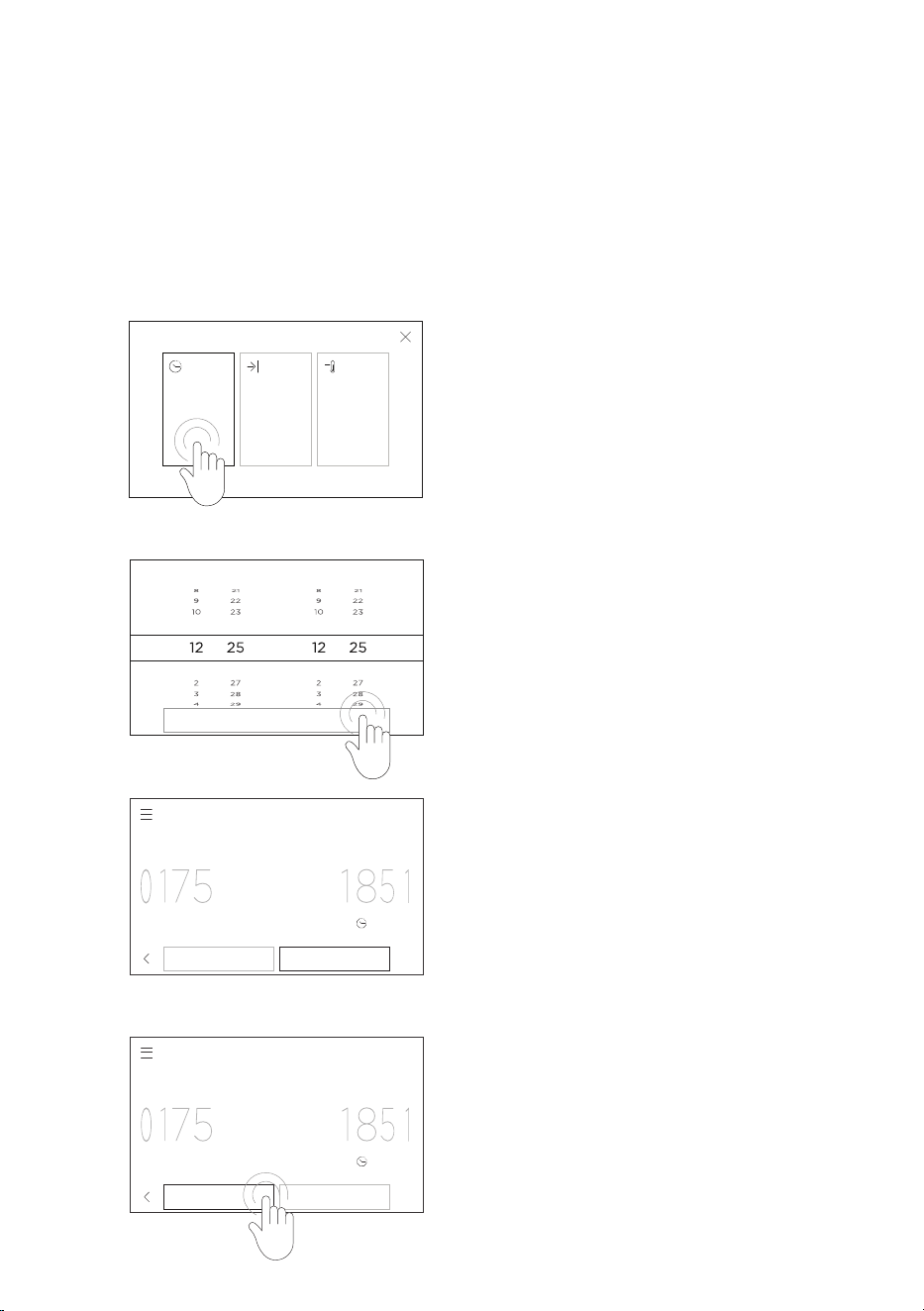
29
DELAYED COOK
The grill element will come on while the oven is heating up. Position food on a lower shelf or
cover to prevent burning as the oven heats up.
Safe food handling: leave food in the oven for as short a time as possible before and
after cooking or defrosting, to avoid contamination by organisms which may cause food
poisoning. Take particular care during warmer weather.
When using
we do not recommend using , , ,
or functions.
Select
from the
menu.
Scroll to set a cook duration and an end
time, then select
.
is now set.
Your oven will automatically calculate when
it needs to turn on based on what cook
duration and end times are set.
Touch
and select at
any point to edit or cancel.
The oven will automatically turn off and a
tone will sound.
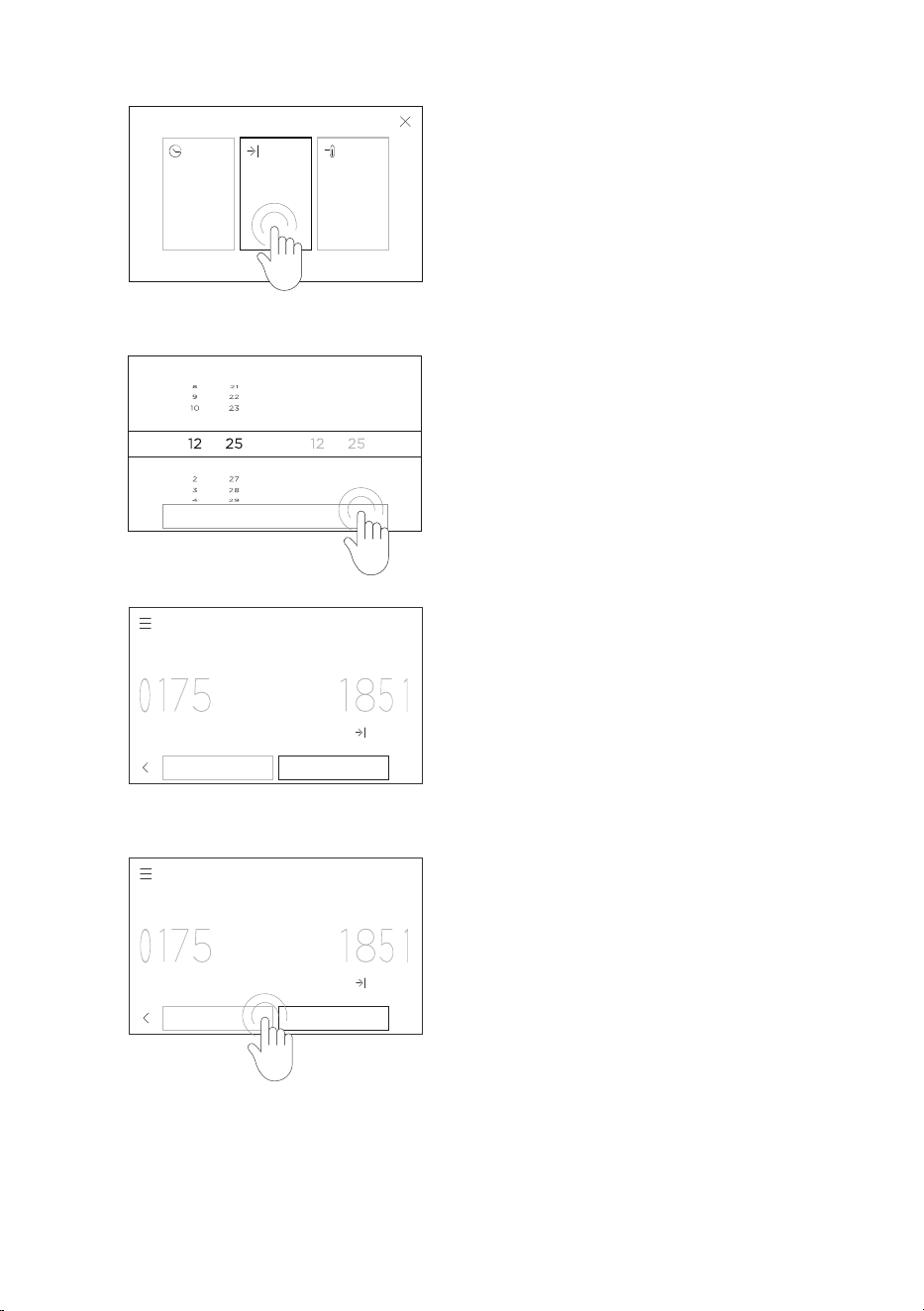
30
AUTO OFF
Select from the menu.
Scroll to set a cook duration and select
.
Your oven will automatically calculate the end
time based on what cook duration is set.
is now set.
Your oven will cook for the set length of time
and then turn off automatically.
Touch
and select at any
point to edit or cancel.
The oven will automatically turn off and a
tone will sound.

31
TEMPERATURE SENSOR
Tips for using the temperature sensor
You can still use the kitchen timer when the probe is in use.
You cannot use the temperature sensor with or .
The internal temperature of meat will continue to rise by a few degrees after you have
removed it from the oven, so allow for this in your calculations. After cooking, cover and
let the meat rest for 15 to 20 minutes.
If you wish to remove food from the oven (eg basting), unplug the temperature sensor
from the oven but do not remove it from the meat. When you are ready to resume
cooking, ensure you plug the probe plug back into the oven.
When cooking meat, insert the probe horizontally into the centre of the thickest part.
The thicker the meat, the longer it will take to cook, so it is important that the tip of the
probe is measuring the temperature of the meat at its thickest point. Make sure the tip of
the probe is not protruding out of the meat, and does not touch bone, fat or gristle, as
these will heat up more quickly than the lean meat.
Internal temperatures and food safety
Ensure meat is fully defrosted before cooking. The temperatures given onscreen and
in the Cooking Guides are recommendations. Results will depend on the quality and
composition of the food.
Rest meat after cooking to allow the internal temperature to continue to rise.
For food safety, high risk foods such as fish should reach a minimum internal
temperature of 63°C and poultry and minced meat should reach 75°C.
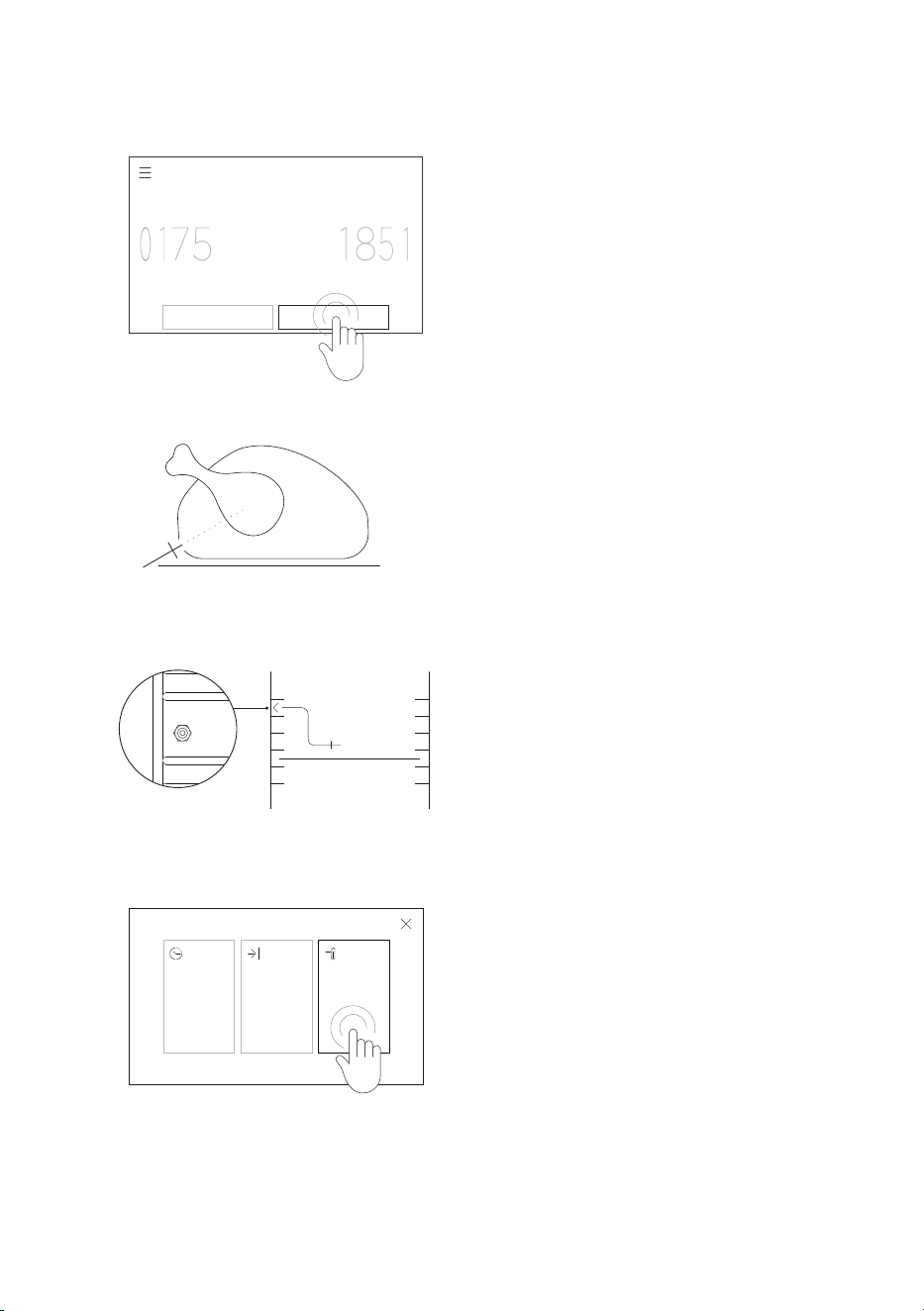
32
TEMPERATURE SENSOR
Setting Temperature sensor
Select your function and temperature and
preheat the oven if needed.
Insert the probe into your food.
Always position the tip of the probe in the
thickest part of the dish, avoiding fat and
bone in meat.
Ensure the tip of the probe doesn’t
protrude out the other side of food or
touch cookware.
Place food in the oven and plug the probe
into the socket inside the oven, on the left
hand side.
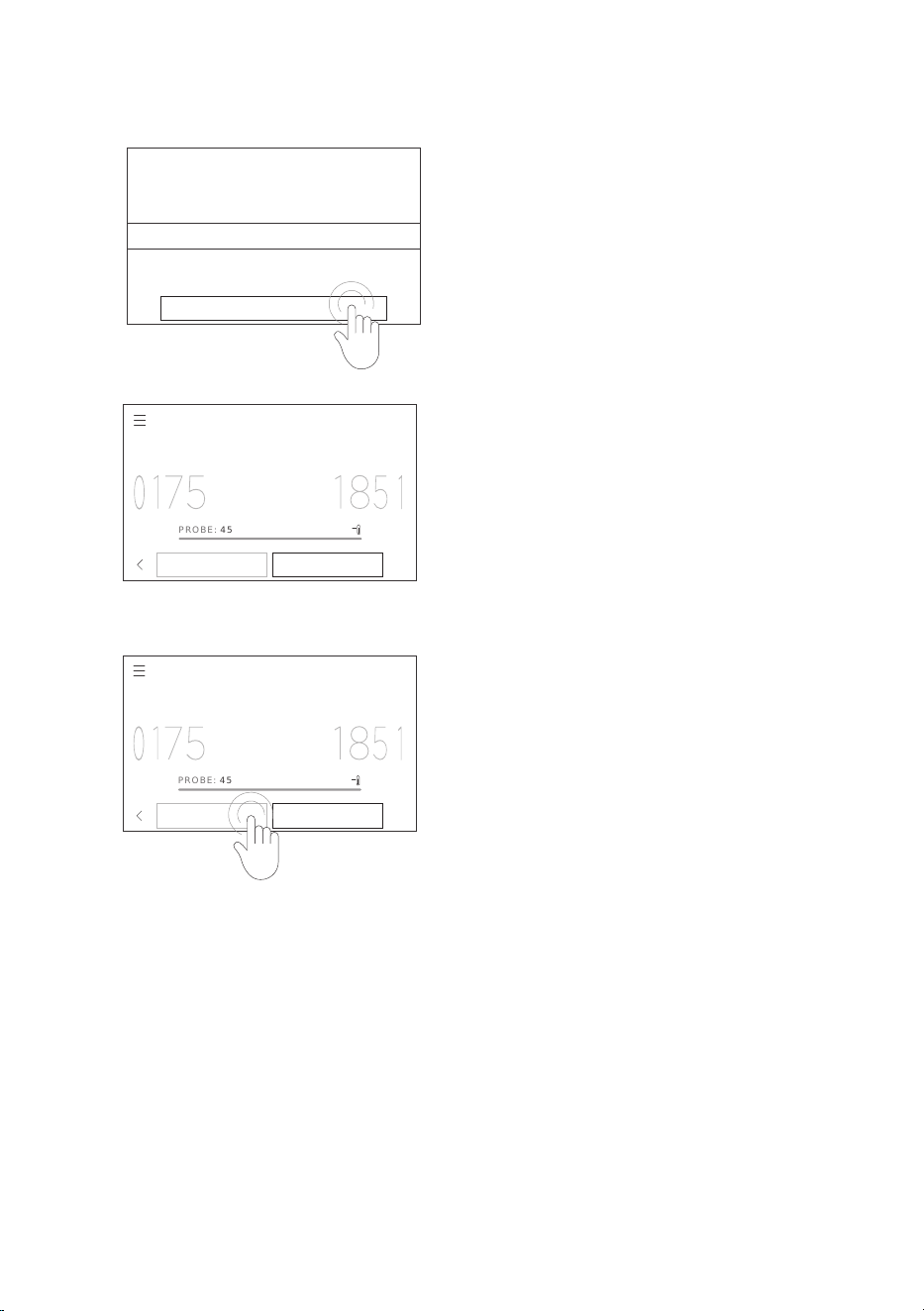
Go to the
menu and select
.
33
TEMPERATURE SENSOR
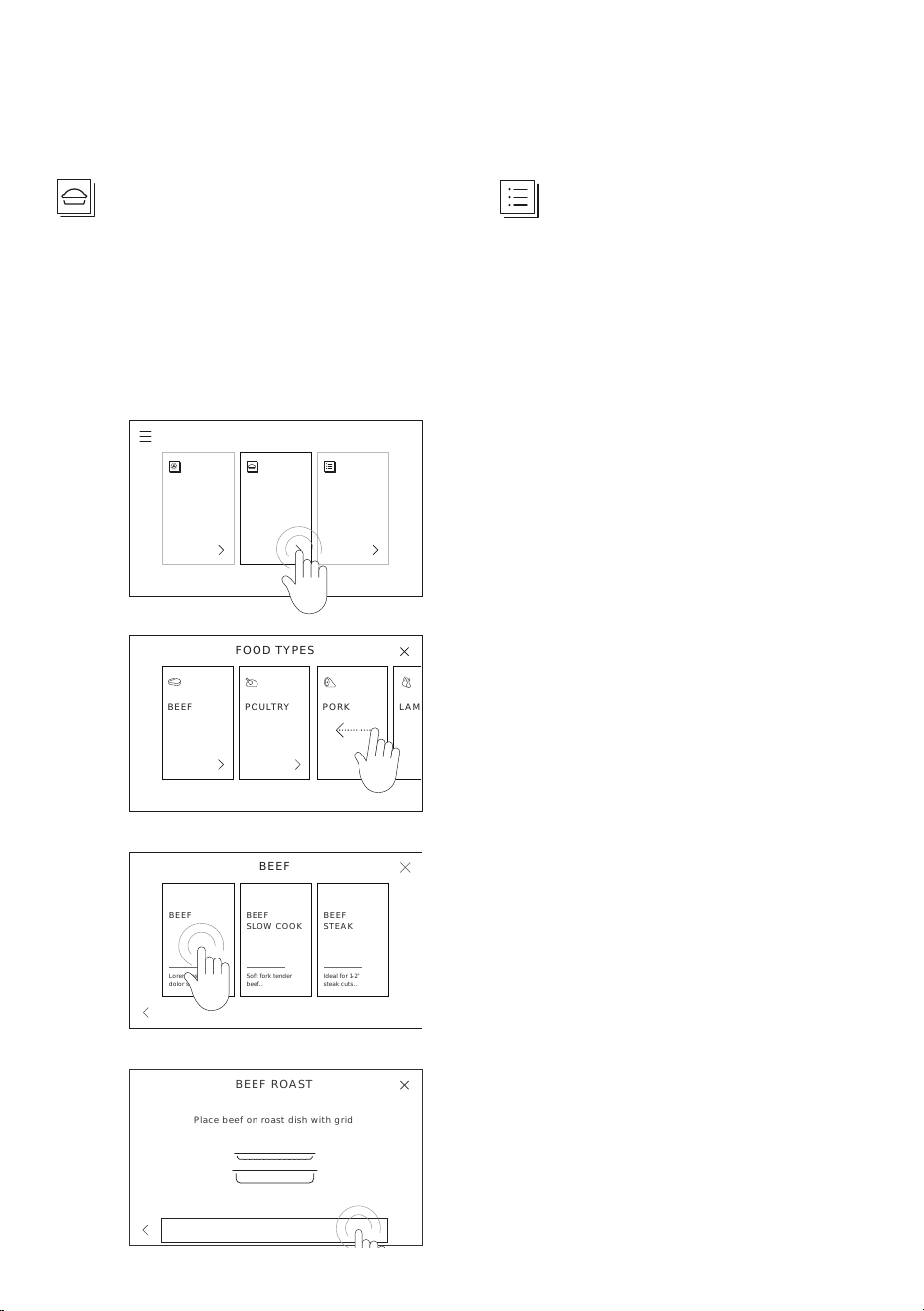
is now set.
Your oven will cook until the set temperature
is reached and then turn off automatically.
Touch
and select
at any point to edit or
cancel.
The oven will automatically turn off and a
tone will sound.
PROBE:
45
PROBE:
45
PROBE:
45
PROBE:
45
Scroll to select a food type and adjust the
temperature if desired. Select to begin.
34
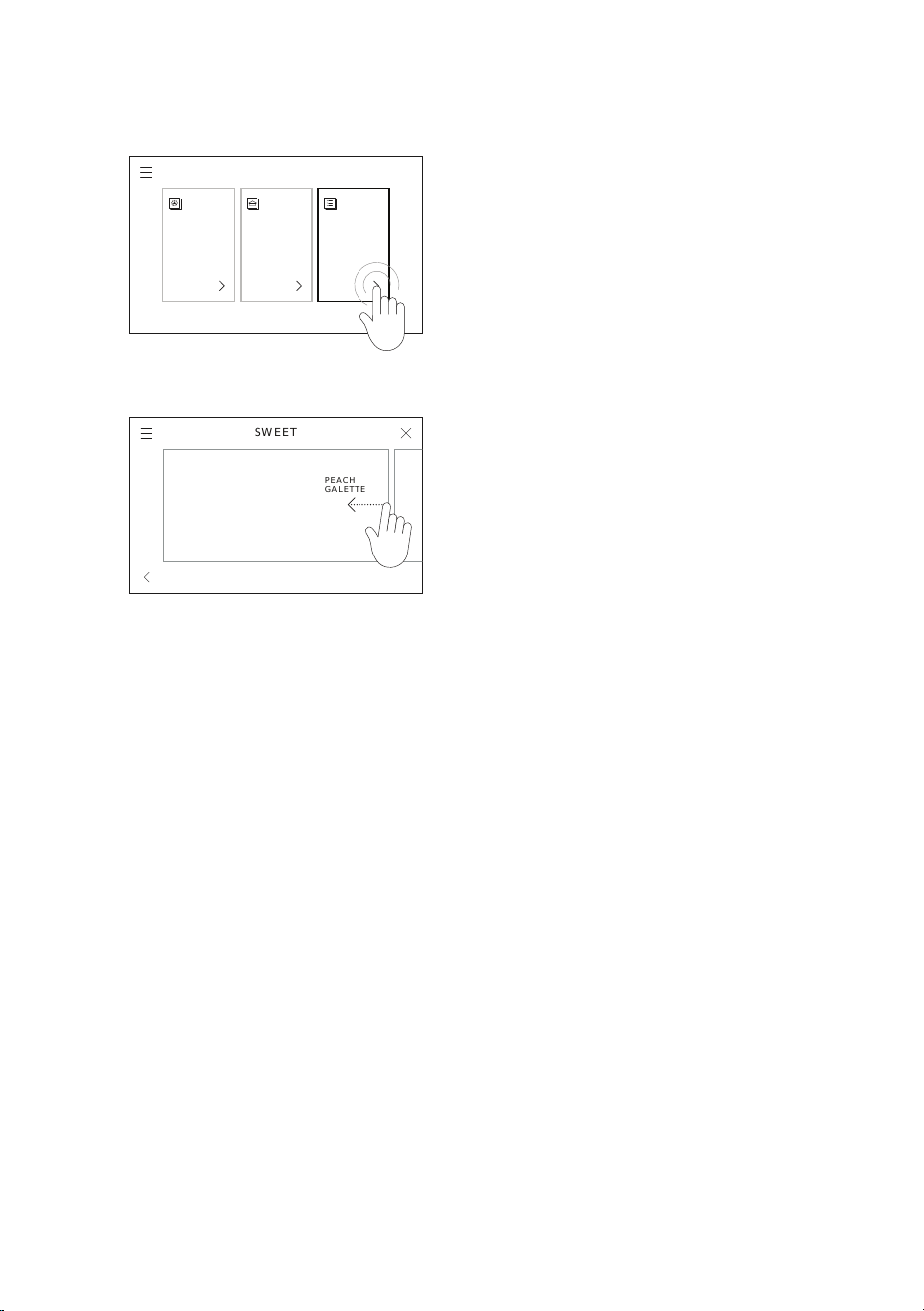
From the home screen, select
.
Scroll through the various food types and
select the type of food you want to cook.
Follow the instructions onscreen for
what accessories and cookware to use
and how to set up your oven.
Select the cooking option you want to use.
For more information, touch the description
underneath each option to expand.
GUIDED COOKING
Your oven comes with guided cooking features that help you choose the optimal oven
settings, accessories and methods to get the best results:
Using COOK BY FOOD TYPE
Optimum oven settings, shelf positions,
cookware and accessories for cooking a
particular type of food or cut of meat.
A collection of recipes that have been
specifically designed for and tested in
this style of oven.
FOOD TYPES
BEEF
POULTRY
PORK
LAM
BEEF
BEEF
BEEF
SLOW COOK
BEEF
STEAK
Lorem ipsum
dolor sit…
Soft fork tender
beef…
Ideal for 1-2”
steak cuts…
BEEF ROAST
Place beef on roast dish with grid
FOOD TYPES
BEEF
POULTRY
PORK
LAM
BEEF
BEEF
BEEF
SLOW COOK
BEEF
STEAK
Lorem ipsum
dolor sit…
Soft fork tender
beef…
Ideal for 1-2”
steak cuts…
BEEF ROAST
Place beef on roast dish with grid
FOOD TYPES
BEEF
POULTRY
PORK
LAM
BEEF
BEEF
BEEF
SLOW COOK
BEEF
STEAK
Lorem ipsum
dolor sit…
Soft fork tender
beef…
Ideal for 1-2”
steak cuts…
BEEF ROAST
Place beef on roast dish with grid
35
GUIDED COOKING
Using COOK BY RECIPE
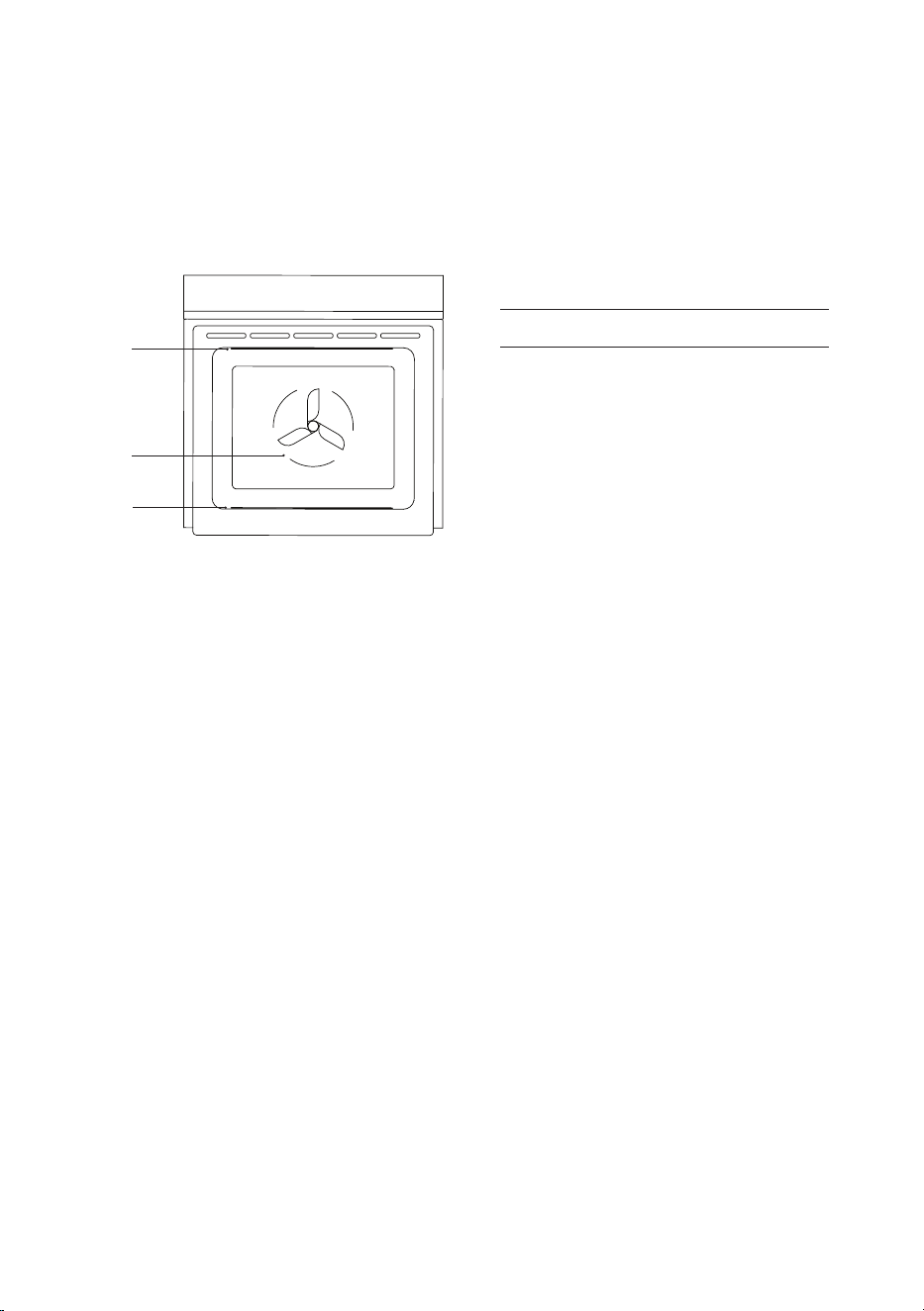
Select
.
Scroll to look through the recipe collection
and select your favourite.
Follow the instructions onscreen for
ingredients and method, and oven set up.
PEACH
GALETTE
SWEET
36
COOKING GUIDE
General guidelines
This oven has been designed to utilise its four elements and rear fan in different
combinations to provide you with enhanced performance. The wide range of functions
allow you to cook all food types to perfection.
upper outer element
upper inner element
rear element (concealed)
lower element (concealed)
For best results when baking, always pre-heat your oven. The screen will show a red
progress bar while the oven is heating up.
place your baking on a shelf that will position the top of your pan
near the centre of the oven.
Always leave a space between shelves to allow the air to circulate.
Always grill with the oven door completely shut.
Always keep a close watch on your food to avoid charring or burning.
If you use glass or ceramic pans, be sure they can withstand high oven temperatures.
For thinner cuts of meat, or for toasting or browning foods, use a higher shelf position.
Thicker cuts of meats should be grilled on lower shelves or at a lower grill setting to
ensure even cooking.
The function is designed to brown the outside of the meat, but still keep the
inside moist and juicy.
Boneless, rolled or stuffed roasts require longer than roasts containing bones. Poultry
should be well cooked with the juices running clear and a minimum internal temperature
of 75°C.
Always roast meat fat side up.
If using a roasting bag or a covered roast dish, do not use the function.

37
COOKING GUIDE
Never reheat food more than once.
Use or to reheat food, or follow the instructions in
Always reheat food to piping hot, or to a minimum internal temperature of 85°C. This
reduces the risk of contamination.
Reheat food in a dish with a lid or cover tightly with foil.
Once hot, use the function to keep the food warm.
Use the function to proof dough for breadmaking and pizza.
Place dough in a lightly oiled bowl and cover with plastic wrap, a clean damp cloth or
uncovered if using Steam Proof.
Position in the centre of the oven.
To prevent overproofing check the dough every 30 minutes.
When using perforated pans, always place the solid dish at a shelf position lower to
collect cooking juices.
Slice or chop vegetables into equal sized shapes for even cooking.
After each steam use, it is recommended to empty drip tray before next use to
prevent overfilling.
For best results, ensure food is laid out evenly across pans for even cooking.
Use steam to retain nutrients & texture of a wide range of food.
Maximum steam cooking times
The maximum cooking times apply when using steam
functions.
We recommend staying within these cooking times to avoid
a build up of condensation inside the oven.
TEMP
(°C)
MAX COOKING
TIME (MIN)
100 120
90 120
80 120
70 280
60 320
50 360
38
Steam cooking will increase the quantity of steam emitted from the product when the door
is opened. Use caution when opening the door and allow any excess hot air and steam to
dissipate before removing or replacing food.
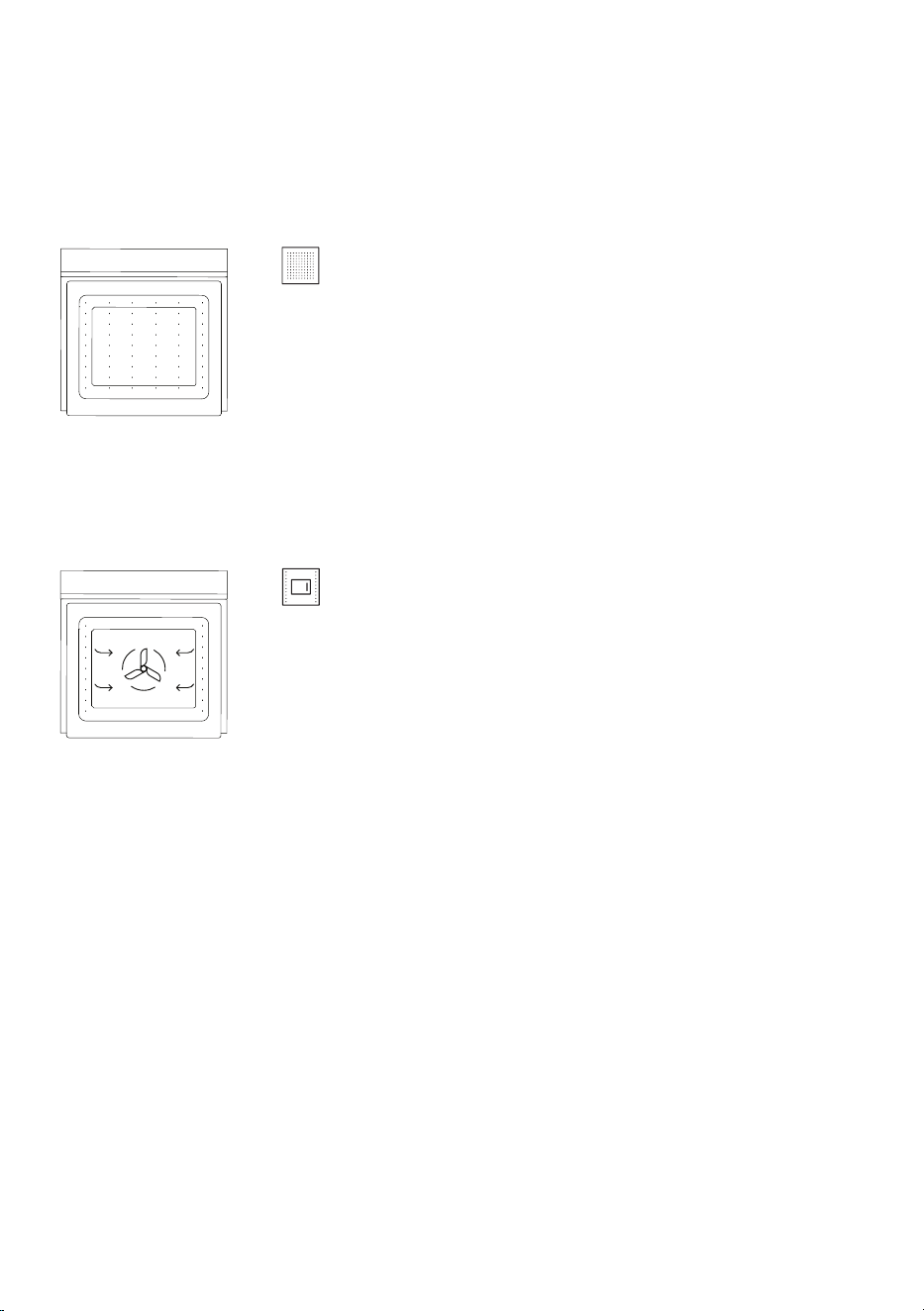
STEAM
maximising nutrients and flavour.
Steam retains foods nutrients, colour and texture. Use steam
within the whole temperature range to cook a wide variety of
foods, maximising quality & flavour.
Alternative uses include heating towels & sanitising jars.
Steamed vegetables are best cooked in fully preheated oven.
SOUS VIDE
proteins: eggs, meat, poultry, seafood, as well as a wide range of
fruit & vegetables.
Allows temperatures to be adjusted by 1°C increments,
guaranteeing even cooking. Can be used with or without
vacuum sealing food.
Preheating oven is not required, however oven should be
around room temperature before using .
COOKING GUIDE
39
COOKING GUIDE
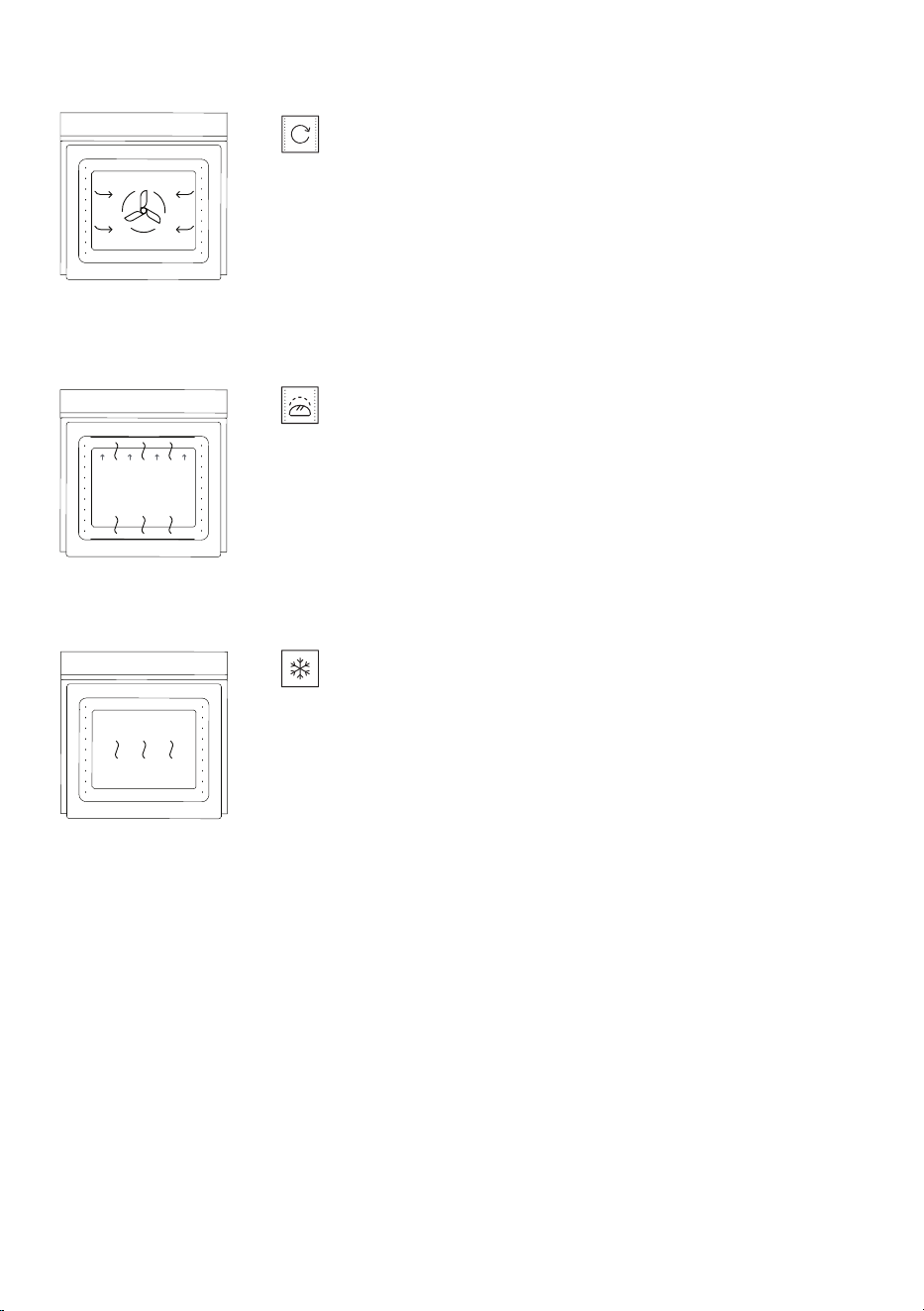
STEAM REGENERATE
reheating precooked foods.
Ensure cooked meals, roast meats, risottos are reheated to
perfection without drying.
Preheating oven is not required.
STEAM PROOF
any dough based recipe.
Steam prevents dough from drying out by providing an ideal
environment for the activation of yeast.
Preheating oven is not required, however oven should be
around room temperature before using .
STEAM DEFROST
frozen vegetables, meat, and fruit, as well as frozen meals.
Steam helps retain colour and moisture.
Preheating oven is not required.
40
For best results, preheat oven fully before cooking
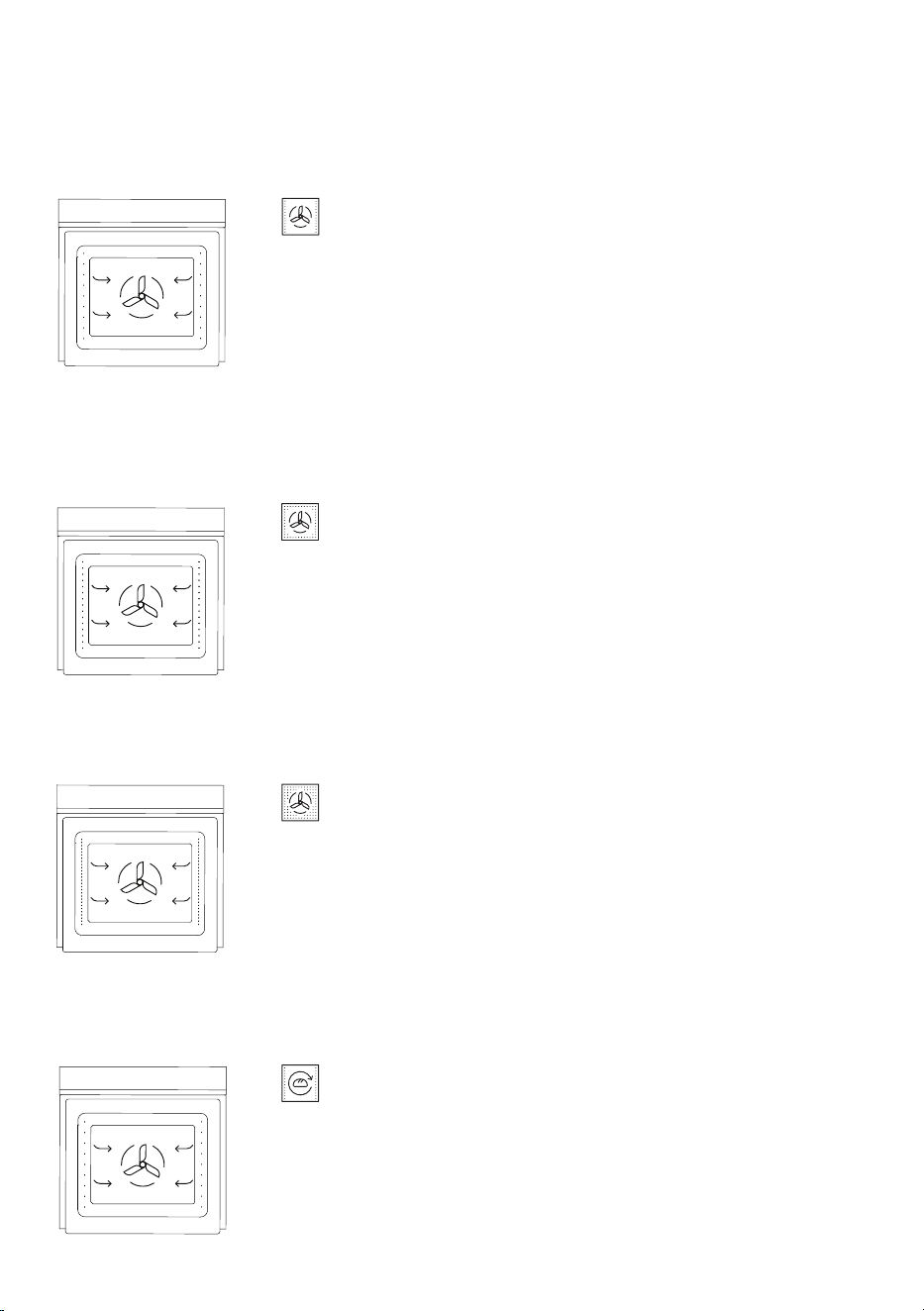
CRISP REGENERATE
Pastries and breads.
Heat and steam create perfect conditions to regenerate
pastries, breads, pizza & pies as if they were just freshly baked.
FAN FORCED + HIGH STEAM
providing moisture for delicate cooking.
High moisture provides an ideal environment for delicate
seafood while ensuring dense fruit cakes brown without
drying out.
FAN FORCED + LOW STEAM
for promoting thin crust and colour to baked dishes.
Low moisture adds benefit for browning baked dishes such as
lasagne. Promotes a thin crust and even colour when baking
bread and provides a soft internal texture and crisp exterior
when roasting vegetables.
FAN FORCED + MEDIUM STEAM
promoting browning and soft textures.
Medium level of moisture promotes even browning of
scones and gratins while enhancing a soft, even texture to
baked cheesecakes.
COOKING GUIDE
41
For best results, preheat oven fully before cooking
COOKING GUIDE
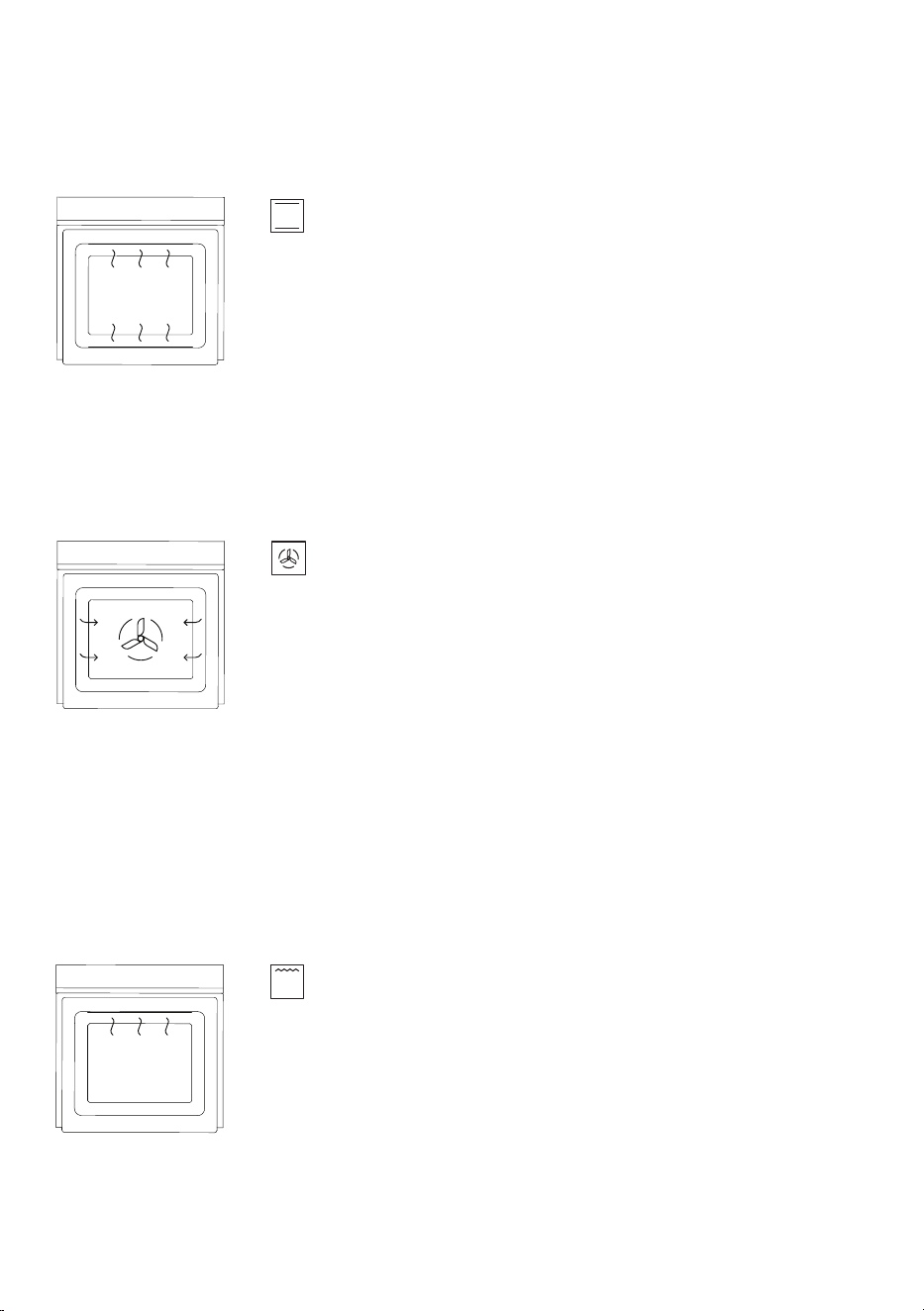
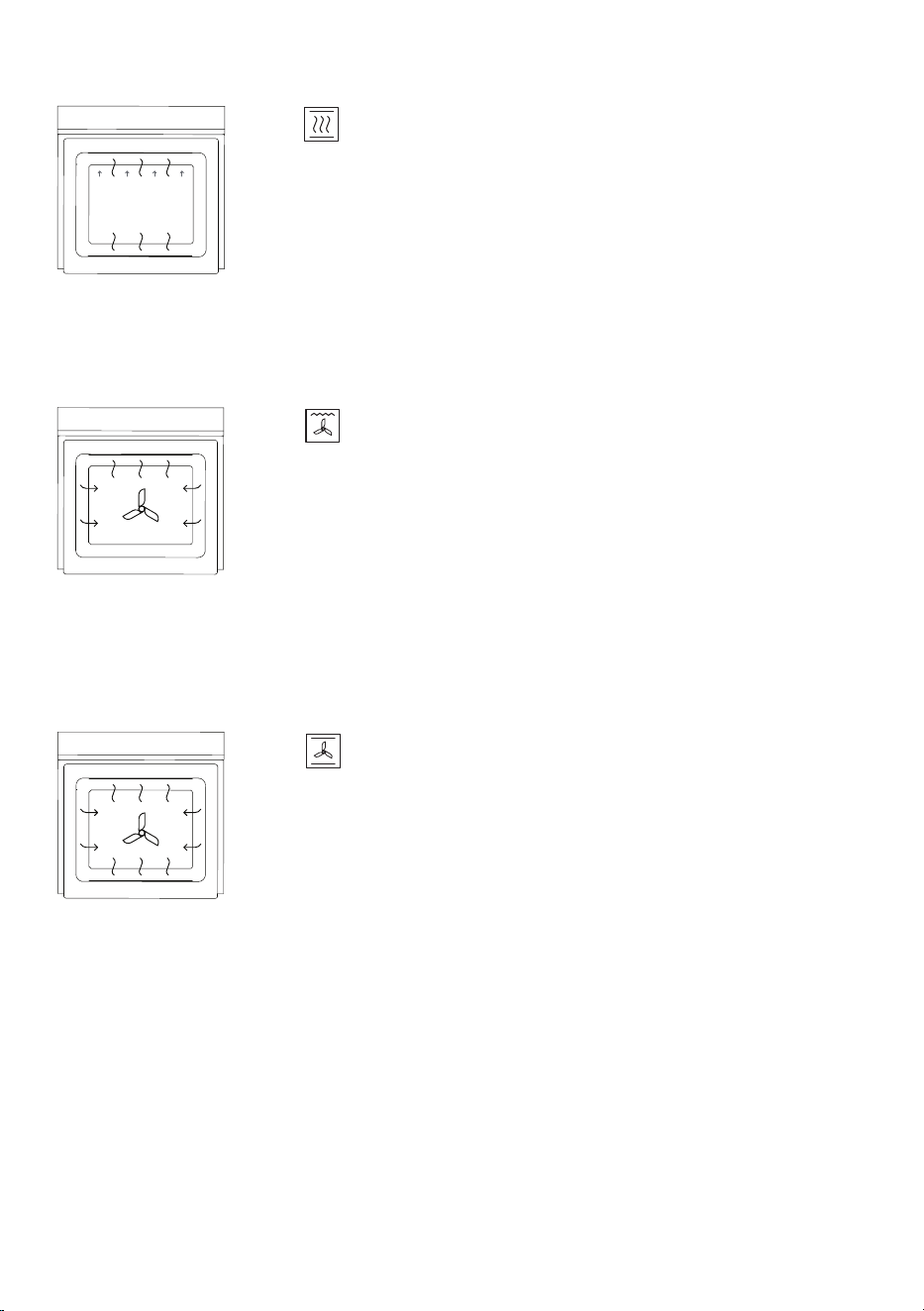
GRILL
toasting bread or for top-browning to finish off dishes.
Intense radiant heat is delivered from both top elements.
There are 9 steps between and (100% power).
For best results allow oven to heat for 5 minutes before grilling.
The dial halo* will remain red while using the function.
BAKE
foods that require a longer cooking time eg rich fruit cake,
brownies, or bread in combination with
.
This function will preheat for around 8 minutes to 180°C.
Retains moisture.
Ideal for cakes and foods that require baking for a long time or
at low temperatures.
This function is not suitable for multi-shelf cooking.
FAN FORCED
multi-shelf cooking, eg biscuits, cookies, scones, muffins
and cupcakes.
This function will for around 8 minutes to 180°C.
Hot air is blown into the cavity, providing a consistent
temperature at all levels
Always leave a gap between trays to allow air to move freely.
This ensures food on the lower tray can still brown.
If converting a recipe from to , we recommend
that you decrease either the bake time and/or the temperature
by approximately 20°C, especially for items with longer
bake times.
42
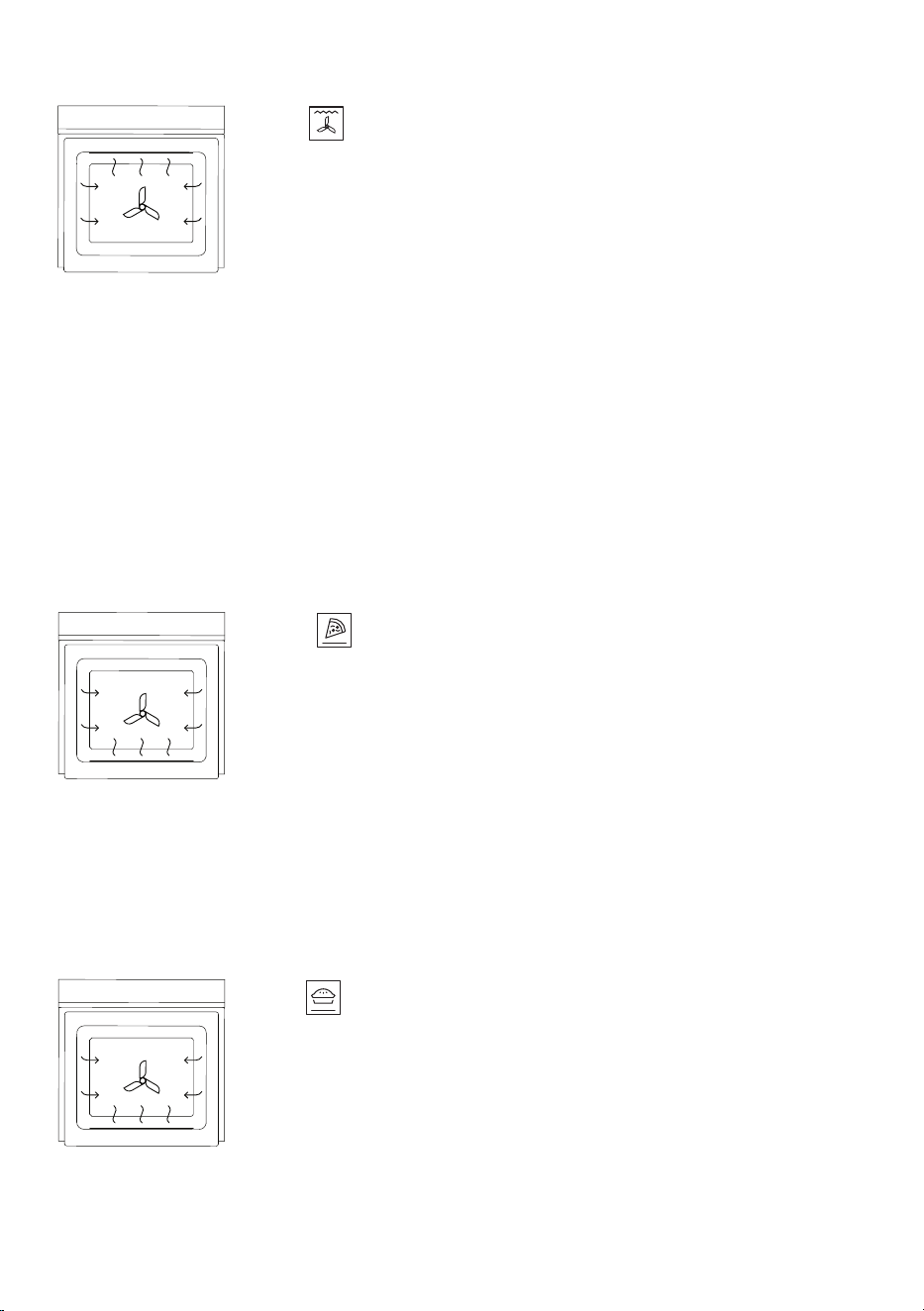
FAN GRILL
whole chicken, beef tenderloin or grilling fish or steak.
Uses the intense heat from the elements for top-browning
and the fan to ensure even cooking of foods.
Meat, poultry and vegetables cook beautifully; food is crisp
and brown on the outside while the inside remains moist
and tender.
FAN BAKE
single shelf baking that requires less than an hour to cook.
Foods such as muffins, biscuits and cupcakes.
This function will
for around 8 minutes to 180°C.
The oven fan circulates hot air from the top outer and the
lower elements and distributes it around the oven cavity.
Food cooked tends to brown quickly.
VENT BAKE
meringues, yorkshire pudding, and finishing off choux pastry,
croissants and bread.
Vents removes excess moisture from the oven, promoting
the gradual development of delicious, savoury flavours.
Gently cooks to gives a succulent and tender result.
COOKING GUIDE
43
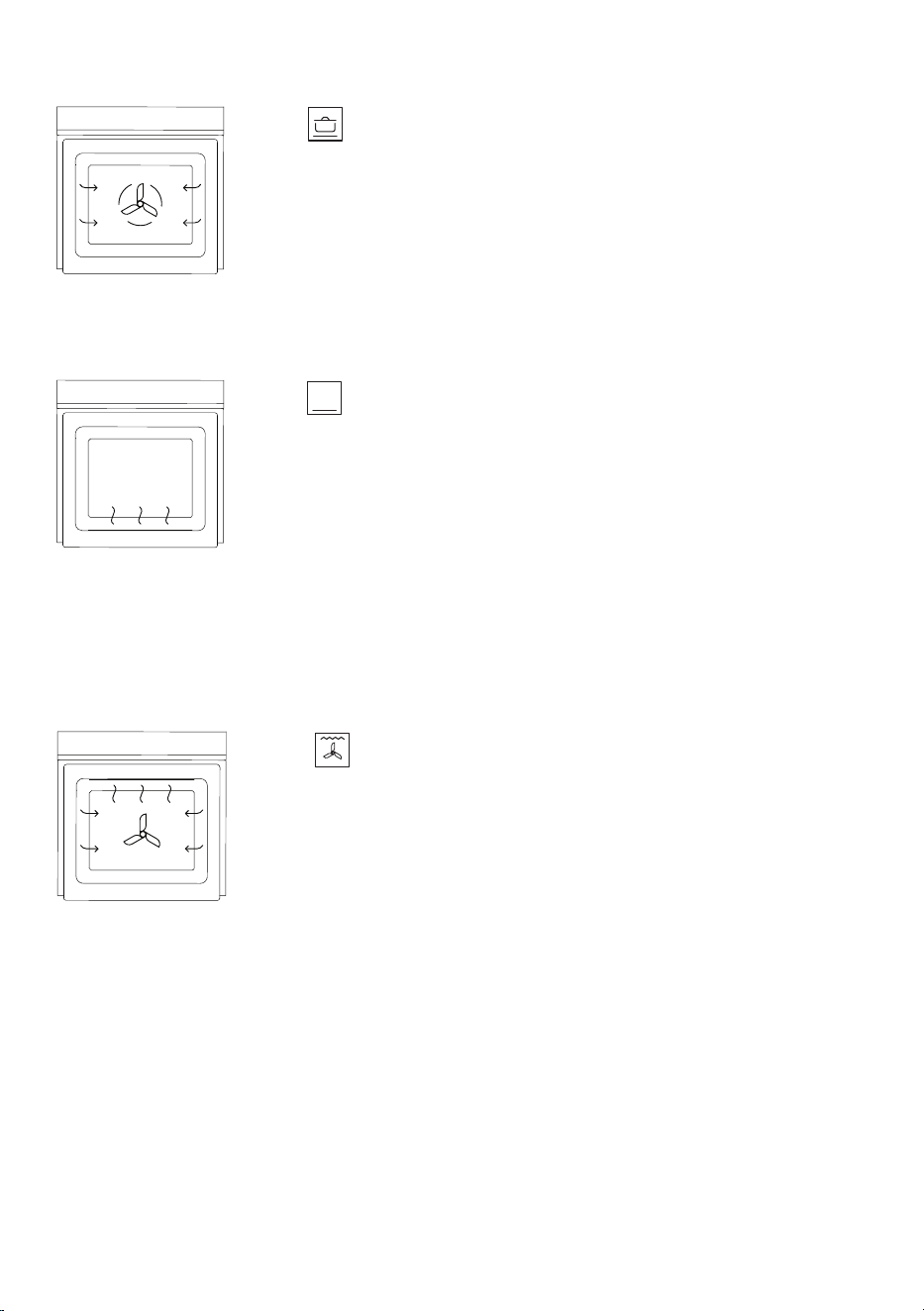
PIZZA BAKE
crisp-based pizzas.
This function will preheat for around 8 minutes to 180°C.
The fan circulates heat from the lower element throughout
the entire oven.
Excellent for cooking pizza as it crisps the base beautifully
without overcooking the topping.
For best results, pre-heat a pizza stone for at least 1 hour
and bake on oven shelf position 1 or 2.
ROAST
roasting meat and vegetables.
an initial 20-minute stage that crisps and browns the roast, and
caramelises the outside of the meat.
after searing, the temperature will decrease to your preset level
for the remainder of the cook time, producing a tender and
juicy roast.
The oven does not need preheating.
If desired, use the grill rack or grid, or place vegetables
under the roast to allow the juices to drain away from
your meat. This will allow the hot air to circulate under
the meat as well.
COOKING GUIDE
PASTRY BAKE
sweet and savoury pastry foods and delicate foods that require
a crisp base and some top-browning, eg frittata, quiche.
This function will preheat for around 8 minutes to 180°C.
The fan circulates heat from the lower element throughout
the oven.
Provides intense heat to the base of foods and allows
gentle top-browning.
44
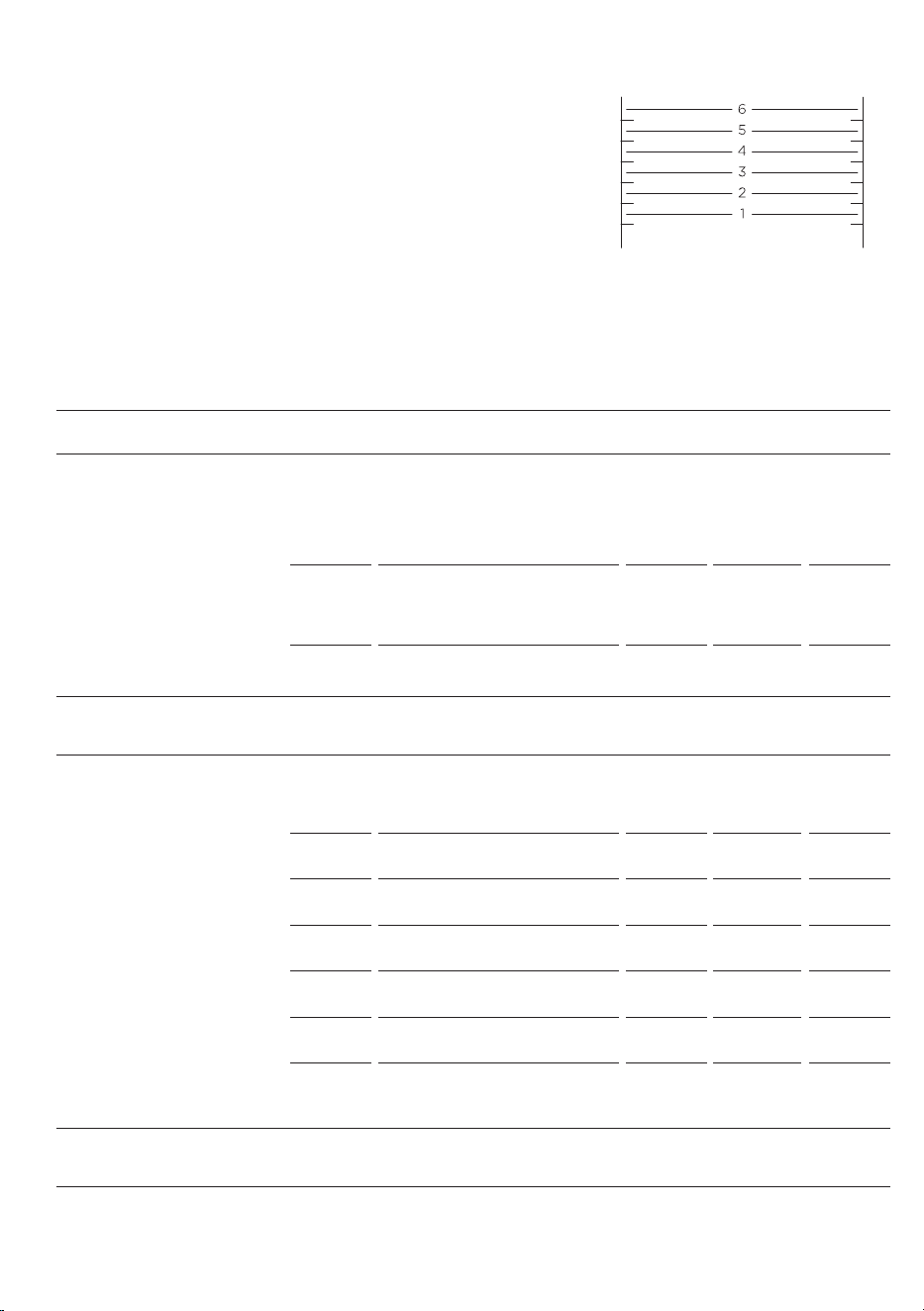
SLOW COOK
slow-cooked dishes such as casseroles, stews and braises.
The fan circulates heat from the rear element to gently
cook food.
This function has low energy consumption.
CLASSIC BAKE
dishes that require delicate baking and have a pastry base,
such as custard tarts, pies, quiches and cheesecake.
This function will preheat for around 8 minutes to 180°C.
Heat comes from the lower element only.
This is the traditional baking function, suitable for recipes
that were developed in conventional ovens.
Bake using only one shelf at a time.
COOKING GUIDE
AIR FRY
food cooked from frozen, or battered and crumbed food that
would usually be deep fried.
Replicates the conditions used in an air fryer.
A healthier way of frying which crisps food while using less
oil. For best results, coat food with 1 – 2 tablespoons of oil.
For pre-packaged food: if the manufacturer’s cooking
advice suggests using a function that isn’t fan-based,
decrease temperature by 20°C.
cook in the upper part of the oven,
but not at the highest shelf position.

45
WARM
keeping cooked food hot, or to warm plates and
serving dishes.
Provides a constant low heat of less than 90°C.
To reheat food from cold, use another function or
to heat the food piping hot, then change to
, as this function alone will not bring cold food up to
a high enough temperature to kill any harmful bacteria.
COOKING GUIDE
46
Position shelves before you turn the oven on.
Shelf positions are counted from the base up, with
1 being the lowest shelf position and 6 the highest.
Preheat the oven to the required temperature.
The grill element may come on while the oven is heating up.
The screen will show a red temperature bar while the oven is heating up.
Oven accessories may temporarily deform slightly when they become hot. This is normal
and does not affect their function.
COOKING CHARTS
BAKING
SHELVES FUNCTION
SHELF
POSITION
TEMP
(°C)
TIME
(MIN)
Plain
Single Fan Bake 4 180-190 13-17
Multi Fan Forced 3 and 5 160-170 13-17
Chocolate chip
Single Fan Bake 4 180-190 15-20
Multi Fan Forced 3 and 5 160-170 15-20
Oatmeal Single Pastry Bake/Fan Bake 4 160-170 12-15
Single Pastry Bake/Fan Bake 3 160-165 15-20
Vanilla Single Bake 3 160-165 30-35
Butter/chocolate Single Bake 3 160-180 50-60
Light fruit Single Bake 2 155-165 1hr 30
Rich fruit Single Classic Bake/Bake 2 120-160 2.5 hrs
Sponge
(single large) Single Bake 2 175 30-40
Sponge
(2 small pans) Single Bake 2 170-190 15-25
Brownie Single
Bake/
Fan Forced + Medium Steam
2 160-180 30-40
Single Fan Forced + Low Steam 2 160-190 60-70

47
COOKING CHARTS
BAKING
SHELVES FUNCTION
SHELF
POSITION
TEMP
(°C)
TIME
(MIN)
Single Pastry Bake/Fan Bake 3 130-140 20-25
Single Fan Bake 3 180-190 13-17
Multi Fan Forced 2 and 4 160-170 16-21
Single
Fan Bake/Fan Forced +
Medium Steam
2 200-230 8-12
Multi Fan Forced 2 and 4 210-230 8-12
Single Vent Bake 2 100-120 60
Rolls Single Fan Forced + Low Steam 2 160-190 15-25
Loaf Single Fan Forced + Low Steam 2 190-210 30-40
Reheat soft rolls Single Crisp Regenerate 3 160 5-10
Reheat crusty bread Single Crisp Regenerate 3 200 5-10
Filo Single Fan Bake 3 190-200 15-25
Flaky/puff Single
Pastry Bake/Fan Forced +
Low Steam
3 185-200 20-30
Choux
Single Bake then Vent Bake 2 200-210 30-40
Multi Fan Forced 2 and 4 200-210 30-35
Croissants
Single Bake then Vent Bake 3 190-200 15-25
Multi Fan Forced 3 190-200 15-25

48
COOKING CHARTS
GRILLING
SHELVES FUNCTION
SHELF
POSITION
TEMP
(°C)
TIME
(MIN)
Boneless pieces Single Fan Grill 5 175-190 30-50
Steak, rare Single Fan Grill 4 230 10-15
Steak, medium Single Fan Grill 4 230 15-20
Burgers Single Grill 4 HI 12-15
Meatballs Single Grill 4 HI 12-15
Chops, medium Single Grill 4 HI 15-20
Chops, well done Single Grill 4 HI 20-25
Chops, well done Single Grill 4 HI 15-20
Ham steak Single Grill 4 HI 15-20
Bacon Single Grill 4 HI 4-7
Single Grill 5 HI 10-15
Sliced Single Grill 4 HI 8-12
10-15mm thick Single Grill 4 HI 1-3
BAKING
SHELVES FUNCTION
SHELF
POSITION
TEMP
(°C)
TIME
(MIN)
Apple Single Pastry Bake/Fan Bake 2 190-200 25-30
Lemon meringue Single Pastry Bake/Fan Bake 2 175-180 30-40
Baked cheesecake Single Fan Forced + Medium Steam 2 120-160 50-60
Reheat pastry Single Crisp Regenerate 2 180 10-20

49
COOKING CHARTS
SAVOURY
SHELVES FUNCTION
SHELF
POSITION
TEMP
(°C)
TIME
(MIN)
Chicken/Steak/Mince Single Pastry Bake/Fan Bake 3 190-195 30-40
Single Pastry Bake/Fan Bake 3 190-195 30-40
Single Bake 2 190 60-70
Thin crust Single Pizza Bake 1 and 2 230 8-12
Deep dish Single Pizza Bake 1 and 2 160-220
1
50-60
Single Fan Forced + Low Steam 3 175-190 35-40
Single Pastry Bake 2 180-200 30-40
Traditional Baked Single Bake 3 175-190 40-50
Grill to finish Single Pastry Bake/Fan Bake 3 170-180 30-45
Single Slow Cook 2 120-150 2-4 hr
Single Steam Regenerate 3 80-90 15-20
Fillets Single Fan Grill 5 200-220 8-12
Whole Single
Fan Forced + Medium
Steam
2 180-200 15-20

50
COOKING CHARTS
ROASTING
SHELVES* FUNCTION
SHELF
POSITION
TEMP
(°C)
TIME**
(MIN)
Rare
Single*
Roast/Fan Forced +
Medium Steam
2 160-170 18-32
Medium
Single*
Roast/Fan Forced +
Medium Steam
2 160-170 25-40
Well done Single*
Roast/Fan Forced +
Medium Steam
2 160-170 30-55
Rare Single* Roast/Fan Forced +
Medium Steam
2 160-170 15-30
Medium Single* Roast/Fan Forced +
Medium Steam
2 160-170 20-35
Well done Single* Roast/Fan Forced +
Medium Steam
2 160-170 25-40
Medium Single* Roast/Vent Bake 2 160-170 18-28
Well done Single* Roast/Vent Bake 2 160-170 20-33
Medium Single* Roast/Vent Bake 2 160-170 20-35
Well done Single* Roast/Vent Bake 2 160-170 25-45
With stuffing Single* Roast/Fan Forced +
Medium Steam
2 175-190 17-22
Without stuffing Single* Roast/Fan Forced +
Medium Steam
2 175-190 15-20
Butterflied Single* Roast/Fan Forced +
Medium Steam
2 175-190 15-20
With stuffing Single* Vent Bake/Bake 1 165-180 17-22
Without stuffing Single* Vent Bake/Bake 1 150-165 15-20

51
COOKING CHARTS
ROASTING
SHELVES* FUNCTION
SHELF
POSITION
TEMP
(°C)
TIME**
(MIN)
Crisp Vent Bake 3 230 20
Medium Single* Roast/Vent Bake 3 160-170 20-40
Well done Single* Roast/Vent Bake 3 160-170 25-45
Medium Single* Roast/Vent Bake 2 170-175 25-40
Well done Single* Roast/Vent Bake 2 170-175 30-45
Rare Single* Fan grill
2
4 225 7.5
Medium Single* Fan grill
2
4 225 9.5
AIRFRYING
SHELVES* FUNCTION
SHELF
POSITION
TEMP
(°C)
TIME
(MIN)
Hash browns Single* Air Fry 4 210 15-20
Fries Single* Air Fry 4 210 15-20
Single* Air Fry 4 190 15-20
Battered/crumbed Single* Air Fry 4 180 15-20
Nuggets Single* Air Fry 4 180 15-20

52
COOKING CHARTS
STEAMING
SHELVES FUNCTION
SHELF
POSITION
TEMP
(°C)
TIME
(MIN)
Root
(Potatoes, carrots, beets, yams)
Single*** Steam 2 100 20- 30
Leafy
(Spinach, kale, chard) Single*** Steam 2 100 6-10
Eggs
(in shell) Single*** Sous Vide 2 63 60- 65
Steak, 300g
(vacuum sealed, medium rare)
Single*** Sous Vide 2 55 60-70
Steak, 300g
(vacuum sealed, medium)
Single*** Sous Vide 2 58 60-70
Fish fillet
(Sole, snapper, cod)
Single*** Steam 2 70 15-25
Fish fillet
(140 - 160g de-boned salmon)
Single*** Sous Vide 2 52 40- 50
Whole fish
(1 - 1.4kg, scaled & gutted)
Single*** Steam 2 85 40- 50
Seafood
(Clams/mussels)
Single*** Steam 2 100 6-10
Seafood
(Whole raw prawns, large)
Single*** Steam 2 100 5-8
Yeast dough Single*** Steam Proof 2 35 30-45
Fresh bao buns
Single*** Steam 2 100 10-15
Frozen meat filled buns
Single*** Steam 2 100 20-25
Fresh dumplings
Single*** Steam 2 100 10-15
Frozen dumplings
Single*** Steam 2 100 15-20

53
COOKING CHARTS
STEAMING
SHELVES FUNCTION
SHELF
POSITION
TEMP
(°C)
TIME
(MIN)
Crème brulee Single*** Steam 2 85 25-30
Crème Caramel Single*** Steam 2 95 40-50
Cooked dim sums
(Reheat)
Single***
Steam
Regenerate
2 80 10-20
Frozen minced meat
(450g)
Single*** Steam Defrost 2 60 40-60
Basmati rice
(1 cup: 1.5 Cups water)
Single*** Steam 2 100 20-30
Yoghurt
Single Steam 2 40-45 5-8 hrs

54
USER PREFERENCE SETTINGS
The settings menu allows you to adjust your user preferences to:
Change the time
Change the clock format (12 hours, 24 hours or off)
Display the temperature in degrees Celsius or Fahrenheit
Adjust the volume of audio feedback
Turn timer alarms on or off
Turn audio tones on or off
Operate in Sabbath Mode
Change the language of the display
Manage your WiFi connection
Adjust the brightness of the display
Manage dial settings:
Change the dial scroll direction
Adjust the water hardness level for the area you live in
Restore all settings to factory original
55
USER PREFERENCE SETTINGS
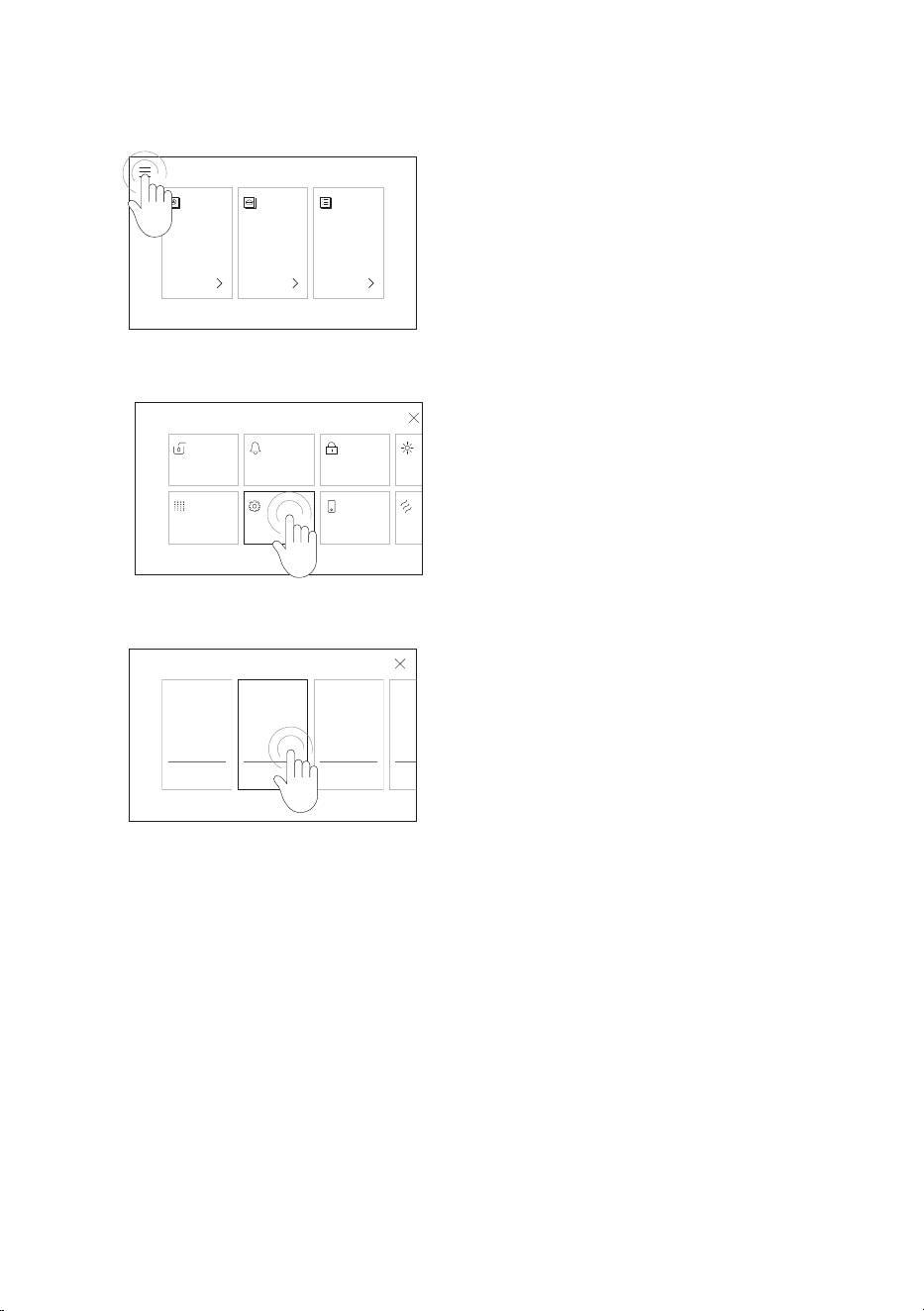
Changing the settings
Touch the menu icon in the top left corner
of the screen.
Select
.
Select the setting you want to change,
adjust as needed then select
.
METRIC
IMPERIAL
UNITS WEIGHT
METRIC
IMPERIAL
UNITS WEIGHT
METRIC
IMPERIAL
UNITS WEIGHT
56
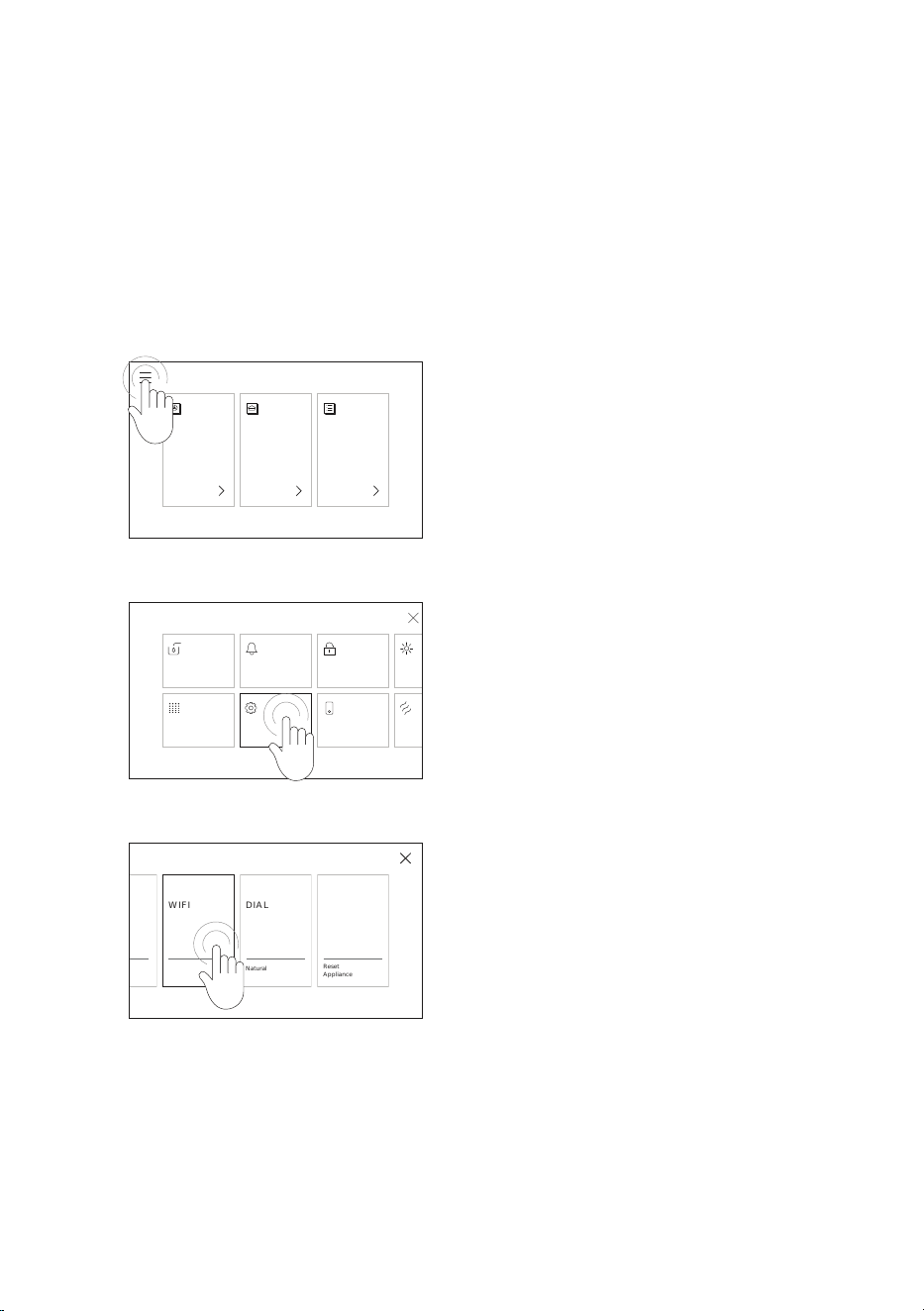
Select .
WIFI CONNECTION AND REMOTE MODE
Your oven can be connected to your home wireless network and operated remotely using
the app.
Ensure your home WiFi network is turned on.
You will be given step by step guidance on both your oven and mobile device.
It may take up to 10 minutes to connect your oven.
Connecting to your home wifi
Select
and follow the
onscreen guidance
Download the app from www.fisherpaykel.com/connect
Register and create an account.
Add your appliance and set up the WiFi connection.
DIAL
PRESS
Function
Selection
WIFI
DIAL
ROTATE
Natural
DIAL
PRESS
Function
Selection
WIFI
DIAL
ROTATE
Natural
Touch the menu icon in the top left corner
of the screen.
WIFI
DIAL
Natural
Reset
Appliance
57
WIFI CONNECTION AND REMOTE MODE
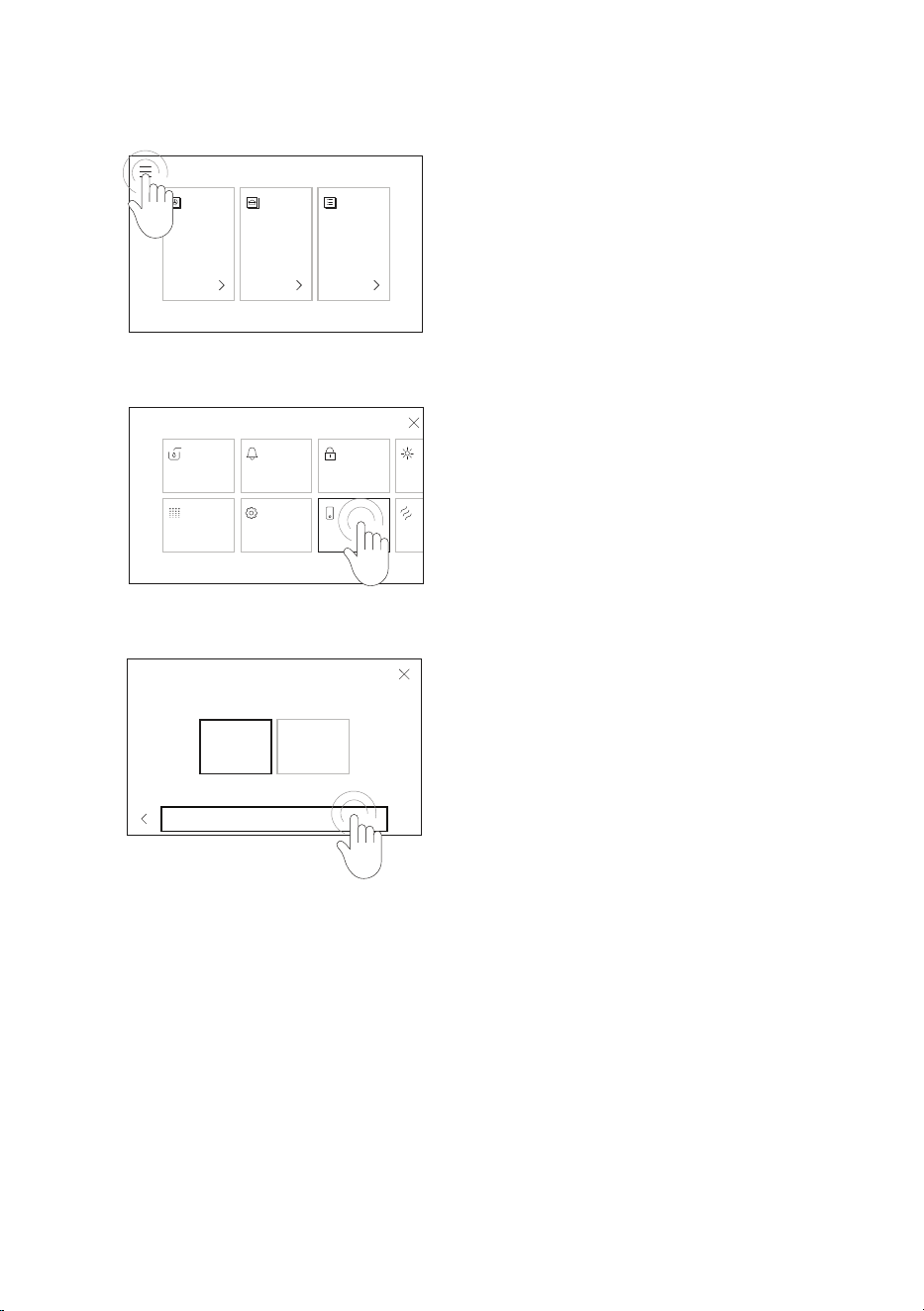
Enabling Remote Mode
Touch the menu icon in the top left corner
of the screen.
Select
Select then press
58
HEAT
LEVEL
APPROXIMATE
TEMP (°C)
APPLICATION
Low 75 – 100 Keep hot food warm
Moderate 155 – 180 Reheat cooked food from cold
High 185 – 210 Cooking raw food
SABBATH MODE
This setting is designed for religious faiths
that observe a ‘no work’ requirement on
the Sabbath.
While your oven is in Sabbath Mode it will
not have the usual accurate temperature
control:
Setting Sabbath Mode
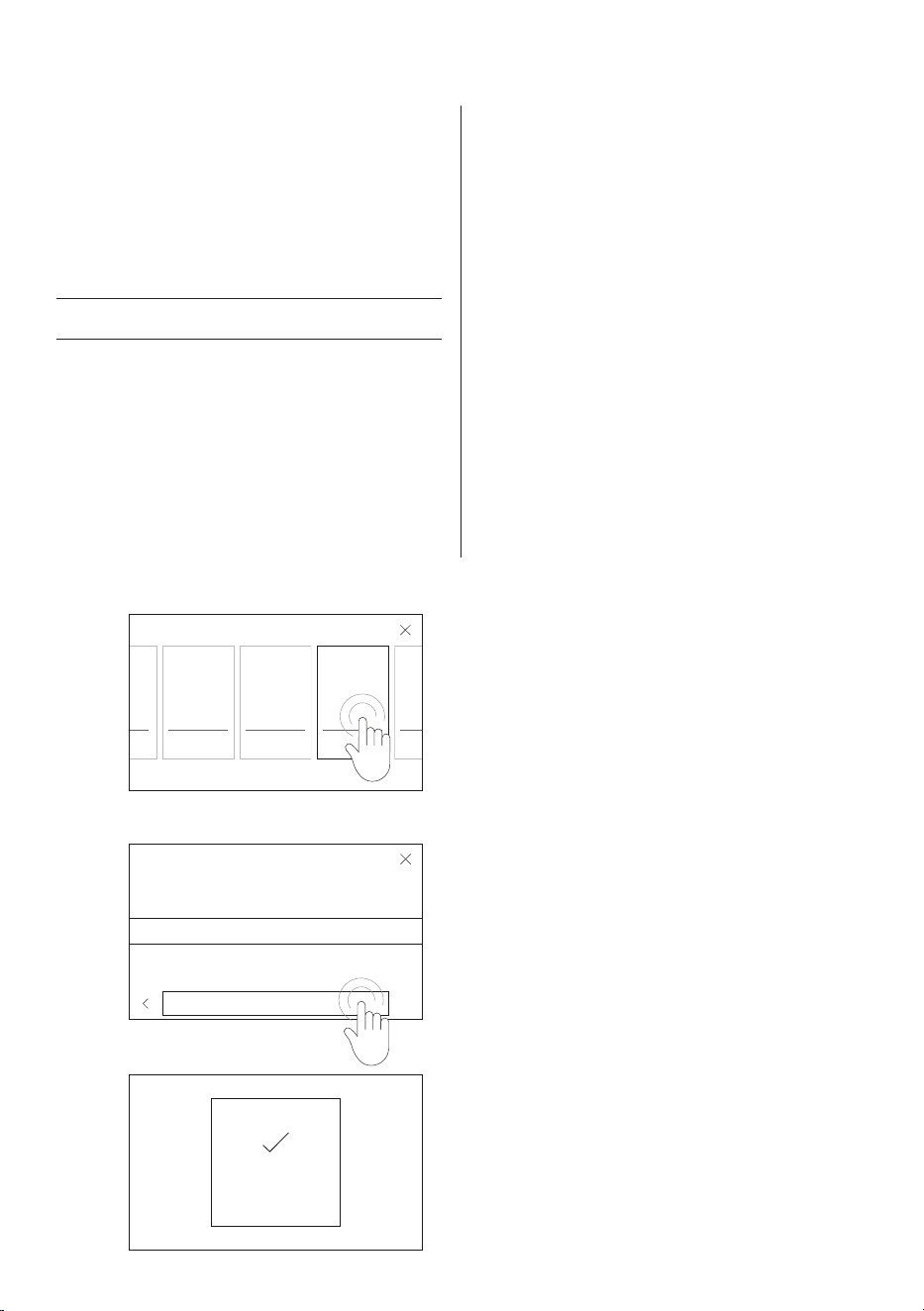
In the settings menu select
and follow the instructions on the screen.
Set your desired heating level and select
whether you want the oven light
or
during cooking.
Scroll to set your desired cook time and
then select
. You can set the oven to
heat for up to 74 hours.
The oven will heat for the set length of
time and then turn off.
The oven will remain in Sabbath Mode
until it is cancelled.
the oven will not react to any actions
lights, fans and display will not respond
to the door opening
if the door is open for too long, this
may result in loss of temperature
no tones or alarms will sound and alert
codes or temperature changes will not
be displayed
the oven light can be set to remain
either on or off
the oven will remain in Sabbath Mode
until cancelled
is the only
function available
WiFi will be disconnected
to maintain cavity temperature
minimise the number of door openings

59
SABBATH MODE
Cancelling Sabbath Mode
Touch and hold the screen until the bar fills.
will appear and
you can now use your oven normally.

60
CARE AND CLEANING
ALWAYS NEVER
Before any manual cleaning or maintenance, first wait for
the oven to cool down to a safe temperature to touch,
then turn its power supply off at the wall.
Read these cleaning instructions and the “Safety and
warnings” section before you start cleaning your oven.
To prevent soiling from becoming ‘baked on’ and
stubborn, we recommend removing any easy-to-reach
spills, food or grease stains from the oven cavity enamel
after each use.
Never use a steam cleaner.
Never store flammable substances in
the oven.
Never use abrasive or harsh cleaners,
cloths, scouring pads or steel wool.
Some nylon scourers may also scratch.
Check the label first.
Never leave alkaline (salty spills) or
acidic substances (such as lemon juice
or vinegar) on the oven surfaces.
Never use cleaning products with a
chlorine or acidic base.
Manual cleaning
WHAT? HOW? IMPORTANT!
Take particular care when cleaning
the control panel glass and screen.
Only use a damp cloth with
detergent.
Do not use any oven cleaners,
harsh or abrasive cleaners,
scouring pads, steel wool or sharp
metal scrapers on the glass. These
may scratch and damage the
surface.
Clean with a solution of mild
detergent and hot water, then wipe
dry.
Do not use stainless steel or oven
cleaner on the dial, as doing so
may damage its coating.
Clean with a solution of mild
detergent and hot water, then wipe
dry with a microfibre cloth.
If necessary, use a suitable
stainless steel cleaner and polish.
Always read the label to make
sure that your stainless steel
cleaner does not contain chlorine
compounds as these are corrosive
and may damage the appearance
of your oven.
Always rub the stainless steel in
the direction of the grain.
Clean with a solution of mild
detergent and hot water, then wipe
dry with a microfiber cloth.
Clean after every use to avoid
contamination.
Do not wash in the dishwasher,
immerse in soapy water, or use
oven cleaner on it.

61
CARE AND CLEANING
WHAT? HOW? IMPORTANT!
Clean with a solution of mild
detergent and hot water, then wipe
dry.
To clean light soiling off the
enamelled surfaces:
• Wipe with a damp cloth and a
solution of hot water and mild
detergent or an ammonia-
based cleaner.
• Wipe dry with a soft cloth.
After steam cooking, wait for the
oven to cool then wipe out any
moisture from the bottom of the
cavity.
After wiping out the oven, we
recommend running a dry cycle to
remove any remaining moisture.
To prevent soiling from
becoming ‘baked on’ and
stubborn, we recommend
removing any easy-to-reach
spills, food or grease stains from
the enamelled surfaces after
each use.
To make wiping out the oven
easier you may remove the oven
door. See the following pages for
more information.
To help lift stubborn spills, run
the steam clean cycle before
wiping out the oven.
Wipe with a damp cloth and mild
detergent. Do not wipe off or wash
away the white lubricating grease
(visible when the shelf is
extended).
Do not wash the shelf in the
dishwasher, immerse in soapy
water, or use oven cleaner on it.
Doing so will prevent the slides
from running smoothly.
Clean with a solution of mild
detergent and hot water.
Clean with a solution of mild
detergent and hot water.
Do not wash in the dishwasher.

62
CARE AND CLEANING
WHAT? HOW? IMPORTANT!
Do not clean this part. Take care not to rub, damage or
move the oven seal.
Do not remove this part.
Use a soft cloth and a mixture of
warm water and dishwashing liquid
to remove soiling after every use.
For stubborn stains, try a mixture
of baking soda and warm water
with a non-abrasive scrubbing pad,
then wipe dry with a soft, lint-free
cloth.
Do not use oven cleaners or any
other harsh/abrasive cleaners,
cloths, scouring pads, steel
wool or sharp metal scrapers to
clean the oven door glass. These
scratch the glass, which in turn
could result in the glass cracking
and shattering.
Only a Fisher & Paykel trained
and supported service technician
can take apart the door.
Do not attempt to take the
door apart for cleaning. If the
inner panes of glass in the door
become dirty, please contact
a Fisher & Paykel trained and
supported service technician or
Customer Care.
63
CARE AND CLEANING
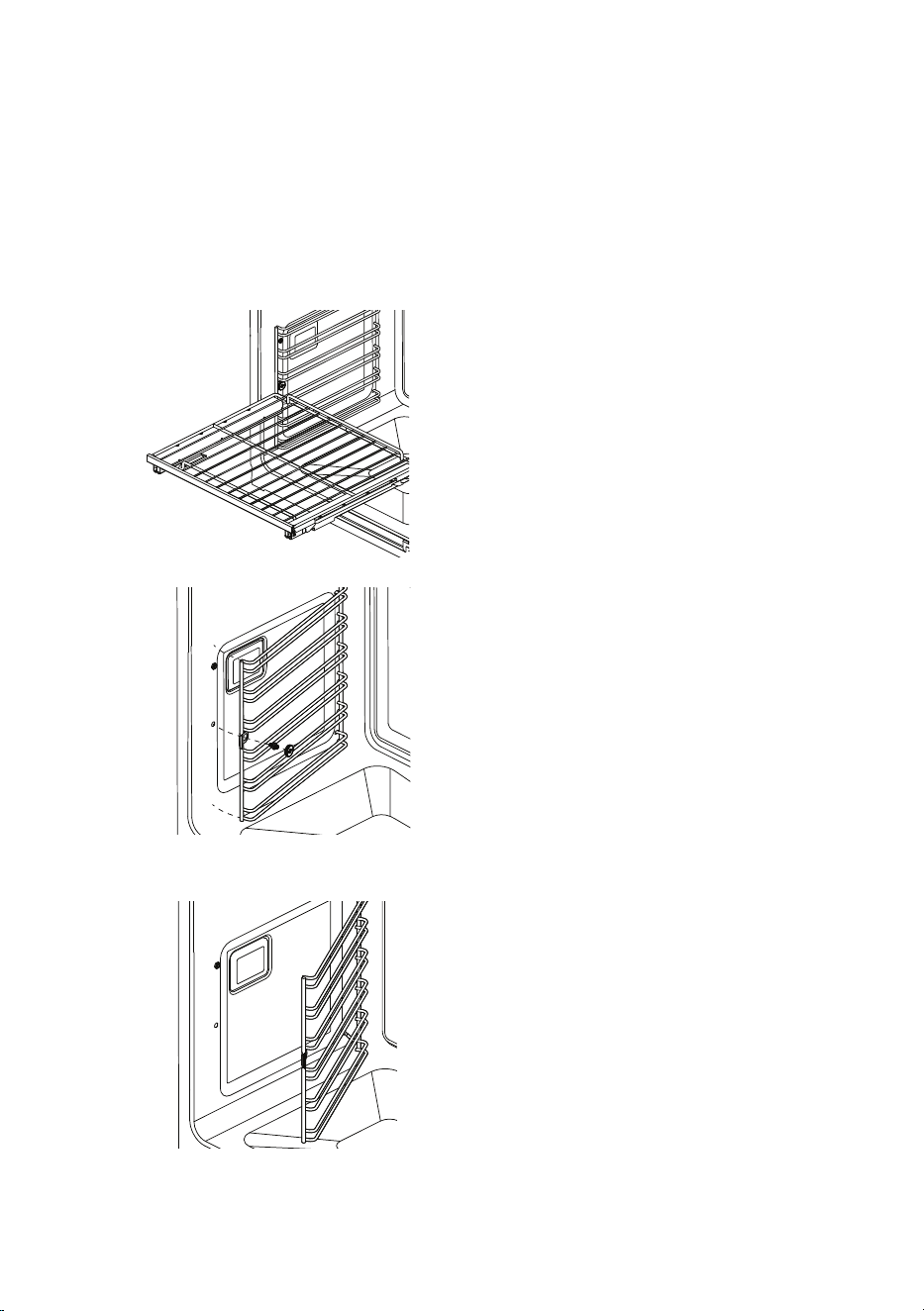
Removing the side racks
Remove the side racks to make cleaning the oven easier.
Slide out all shelves and remove.
Unscrew and remove the fixing nut at the
front of the side rack. Use a coin to loosen
the nut if necessary.
Pull the front of the rack toward the back
of the oven until the front tab is clear of
the fixing nut.
Slide the side rack forward until the rear
tabs are clear of the mounting studs.
64
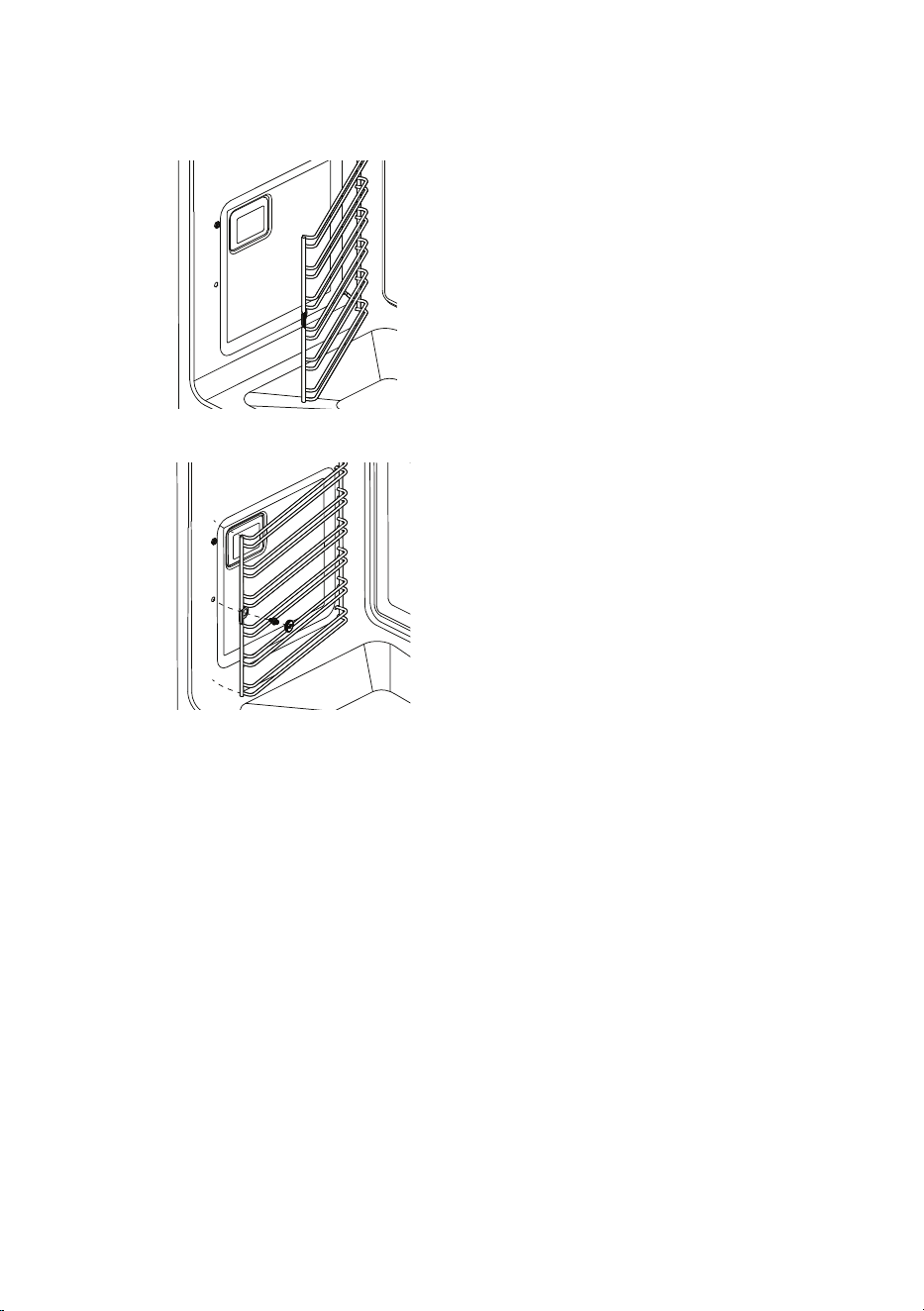
CARE AND CLEANING
Refitting the side racks
Slide the rear tabs of the side rack back
onto the mounting studs, ensuring the rack
is firmly pushed up against the side wall of
the oven.
Fit the side rack front tab over the
fixing screw.
Replace the fixing nut. You may use a coin
to tighten the nut.

66
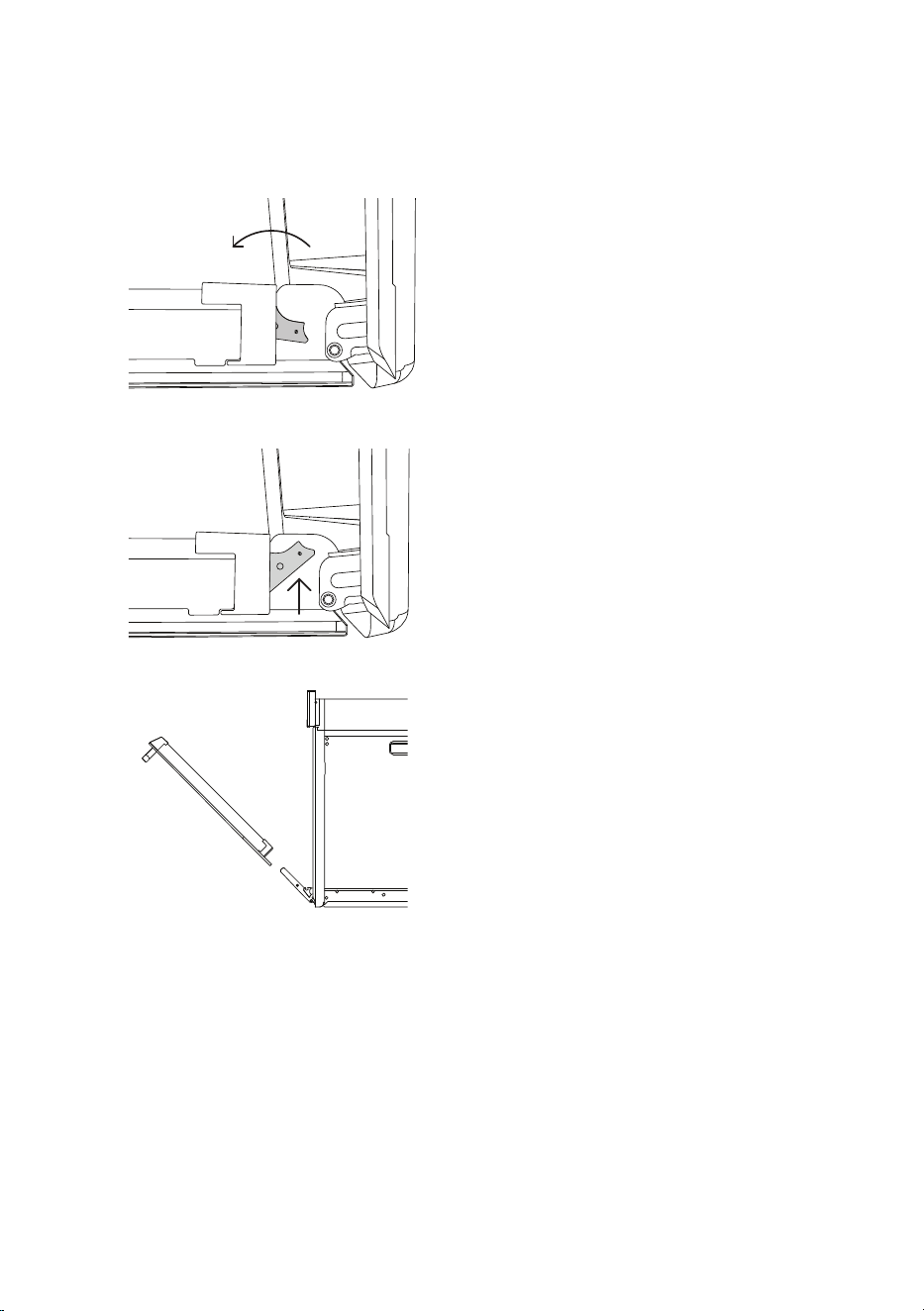
CARE AND CLEANING
Removing and refitting the oven door.
Open the door fully.
Locate the two small metal locking levers
on both door hinges either side.
Push each locking lever up fully to release
the door from the hinge.
Holding the door on both sides, lift door
back up to 45° and carefully pull the door
out and away from the hinges.
67
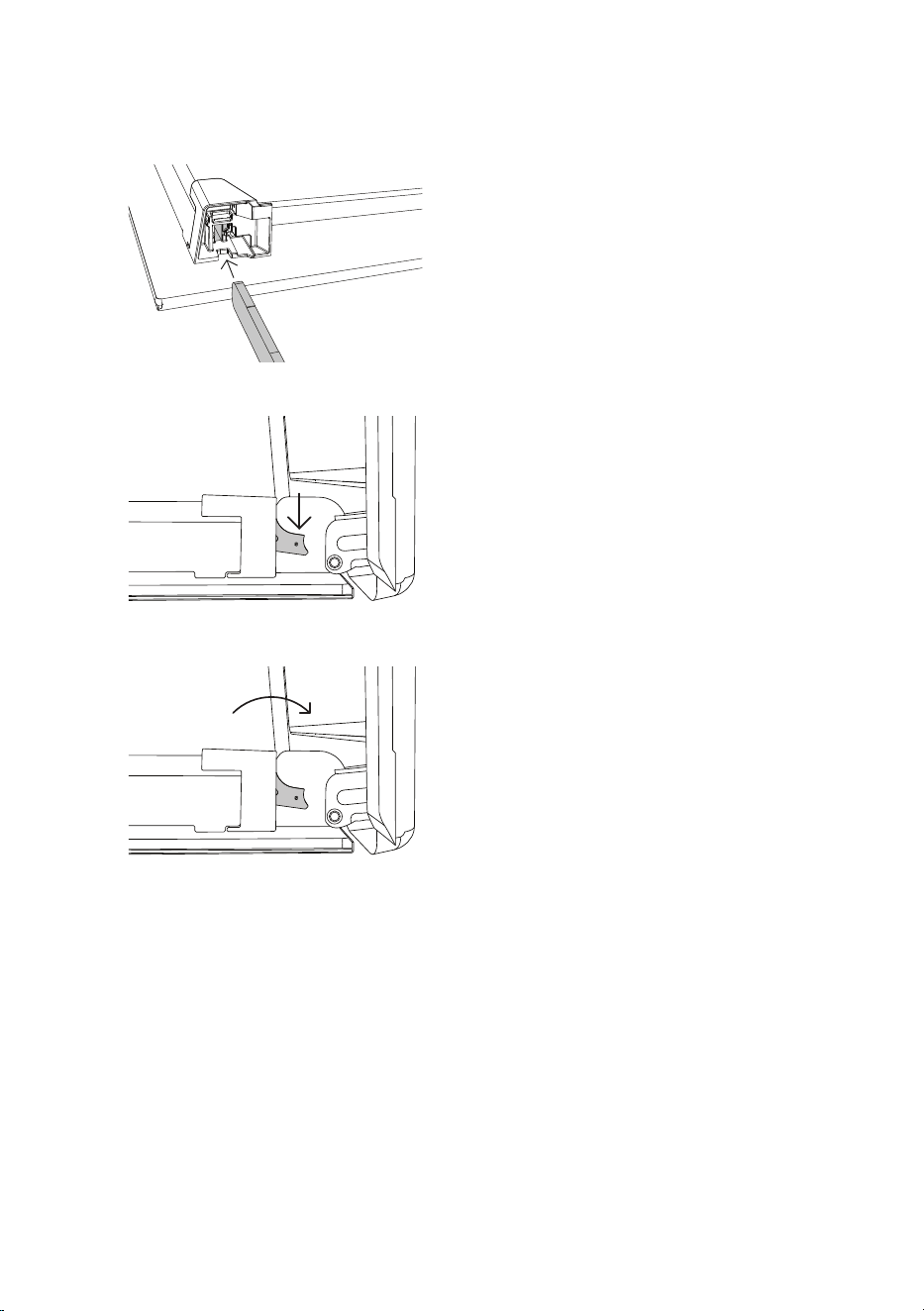
CARE AND CLEANING
To refit the door
Holding the door on both sides, line up
the holes in the base of the door with the
hinges and slide the door on.
Ensure the door is firmly in place on the
hinges. Open the door fully again and push
each locking lever down to lock the door
onto the hinge.

