Owner's Manual and Installation
Models 23. 25. 26. 27 and 29
Operating InstructionsAbout the temperature controls

The temperature controls are preset in the factory at 37°F for the refrigerator compartment and O°Ffor the freezer compartment. Allow 24 hours for the temperature to stabilize to the preset recommended settings.
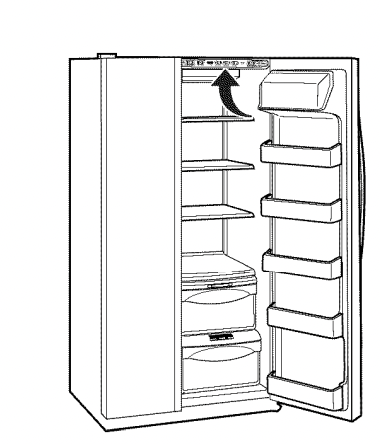
The temperature controls can display both the SET temperature as well as the actual temperature in the refrigerator and freezer.
The actual temperature may vary slightly from the SET temperature based on usage and operating environment.
Setting either or both controls to OFFstops cooling in both the freezer and refrigerator compartments. but does not shut off electrical power to the refrigerator.
NOTE: The refrigerator is shipped with protective film covering the temperature controls. If this film was not removed during installation. remove it now.
To change the temperature. press and release the WARMER ox COLDER pad. The SETlight will come on and the display will show the set temperature.
To change the temperature. tap either the WARMER ox COLDER pad until the desired temperature is displayed. Refrigerator termperatures can be adjusted between 34°F and 44°F and the freezer temperatures can be adjusted between —6°F and +6°F.
Once the desired temperature has been set. the temperature display will return to the actual refrigerator and freezer temperatures after 5 seconds. Several adjustments may be required. Each time you adjust controls. allow 24 hours for the refrigerator to reach the temperature you have set.
To turn the cooling system off. tap the WARMER pad for either the refrigerator or the freezer until the display shows OFF. To turn the unit back on. press the COLDER pad for either the refrigerator or freezer. The SET light will illuminate on the side you selected. Then press the COLDER pad again (on the side where the SET light is illuminated) and it will go to the preset points of 0°F for the freezer and 37°F for the ret controls to OFF stops cooling in both the freezer and refrigerator compartments. but does not shut s the rigerator ing either or both off electrical power to the refrigerator.
About TurboCool
How it Works
TurboCool rapidly cools the refrigerator compartment in order to more quickly cool foods. Use TurboCool when adding a large amount of food to the refrigerator compartment. putting away foods after they have been sitting out at room temperature or when putting away warm leftovers. It can also be used if the frigerator has been without power for an extended period.
Once activated. the compressor will turn on immediately and the off at high speed as needed for eight hours.
The compressor will continue to run until the refrigerator compartment cools to approximately 34°F (1°C). then it will cycle on and off to maintain this setting. After 8 hours. or if TurboCool is pressed again. the refrigerator compartment will return to the original setting.
How to Use
Press TurboCool. The refrigerator temperature display will show TC.
After TurboCool is complete. the refrigerator compartment will return to the original setting.
NOTES:
The refrigerator temperature cannot be changed during TurboCool.
The freezer temperature is not affected during TurboCool.
When opening the refrigerator door during TurboCool. the fans will continue to run if they have cycled on.
About ClimateKeeper2.
How it Works
The new ClimateKeeper2 is the industry's most advanced refrigeration system. delivering optimum temperature and humidity performance to keep food garden fresh longer and reduce freezer burn, while maintaining E star-level efficiency.
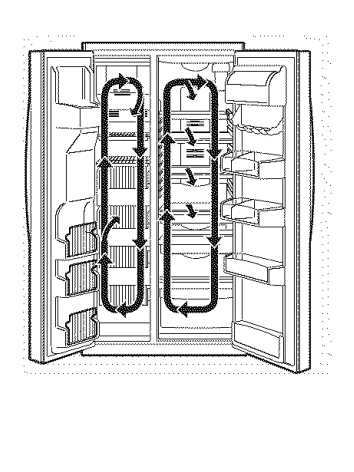
The new ClimateKeeper2 system features two evaporators—one for the refrigerator and one for the freezer.
This provides two separate cooling systems for the entire unit, and separates the airflow between the fresh food and freezer sections during normal cooling operations.*
This ensures that the humidity levels in the fresh food section are significantly higher than in a conventional system** allowing fresh produce and other unsealed foods to retain their moisture content and freshness longer. Moisture sensitive foods such as fresh fruit. salads. rice. etc. can now be stored on open shelves without excessive moisture loss. Due to the higher humidity in the refrigerator. you may on occasion experience fog or small amounts of moisture in the refrigerator compartment.
This is normal and may come and go as different food loads and environmental conditions change. Wipe dry with a paper towel if desired.
The separate airflow system minimizes the mixing of air between the two compartments. which reduces odor transfer to improve the taste of ice.
The ClimateKeeper2 system also reduces the number of defrosting cycles in the freezer evaporator. thereby reducing freezer burn.
*“Freezer air is used in the CustomCeol feature.
**“Testing shows a higher level of humidity in the Fresh Food section in ClimateKeeper2 refrigerators versus conventional units.
This ensures that the humidity levels in the fresh food section are significantly higher than in a conventional system. fresh produce and other un: allowing aled foods to retain their moisture content and freshness longer. Moisture sensitive foods such as fresh fruit. salads. rice. etc. can now be stored on open shelves without exces e moisture loss. Due to the higher humidity in the refrigerator. you may on occasion experience fog or small amounts of moisture in the refrigerator compartment.
This is normal and may come and go as different food loads and environmental conditions change. Wipe dry with a paper towel if desired. irflow system minimizes
The separate the mixing of compartments. which reduces odor transfer to improve the taste of ice. air between the two
The ClimateKeeper2 s the number of defrosting cycles in the freezer evaporator. thereby reducing stem also reduces freezer burn. “Freezer air is used in the CustomCool feature. “Testing shows a higher level of humidity in the Fresh Food section in ClimateKeeper2 refrigerators versus conventional units.
How it Works
TurboCool rapidly cools the refligerator coml)artnent in order to more quickly cool fi)o(ls. Use TurboCoolwhen adding large amount of fi)od to the x'eflJgex'ator coml)artment. putting away fi)o(ls after they have been sitting out at room temperature or when putting away waxm leflovex.
It can also be used if the refligerator has been without power fin" an extended period.
Once acfiwted. the compressor will tm'n on immediately and the tiros will cycle on and off at high speed as needed fi)r eight horns.
The compressor will continue to run tmfil the refrigerator compartment cools to approximately 34°F (l °C). then it will cvcle on and off to maint;fin this setting.
Mter 8 hom. or if TurboCoolis pressed again. the refrigerator compartment will return to the original setting.
How to Use
Press TurboCooLThe refligerator
Mter TurboCool is complete. the refigerator
NOTES:
Therefngeratortemperaturecannotbechanged duringTurboCool.
Thefreezertemperatureisnot affectedduring TurboCool.
Whenopeningtherefngeratordoordunng TurboCool. hefaro will continuetorunif they havecycledon.
About ClimateKeeper2/H
How it Works
The new ClimateKeeper2 TM is the industrv's
The new ClimateKeeper2system teatm'es
This provides two separate cooling systems fin" the entire trait. and separates the ailow between the fl'esh food and fl'eezer
This ensures that the humidi V levels in the fresh t0od section are significantly higher than in a conventional system. * allowing fresh produce and other unsealed foods to retain their moisture content and ti'eshness
The separate ai{low system minimizes
The ClimateKeeper2system also reduces
Freezerairis used inthe CustomCoolfeature.
+*Testingshowsa higherieve/ofhumidityin theFreshFoodsectioninClimateKeeper2 refweratorsversusconventionaiunits.
About CustomCool
How it Works
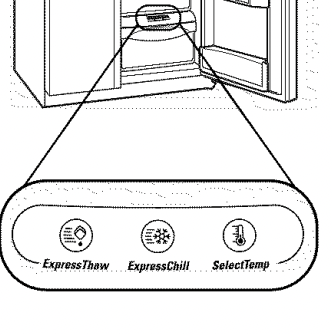
The CustomCool feature is a system of dampers. a fan. a temperature thermistor and a heater. Depending on the function selected. a combination of these will be used to quickly chill items. thaw items or hold the pan at a specific temperature.
The pan is tightly sealed to prevent the pan’s temperature from causing temperature fluctuations in the rest of the refrigerator.
Some CustomCool models feature a beverage center. It is designed to store beverages at colder temperatures. Select the Beverage
Center pad if you like to keep extra-chilled refreshments on hand.
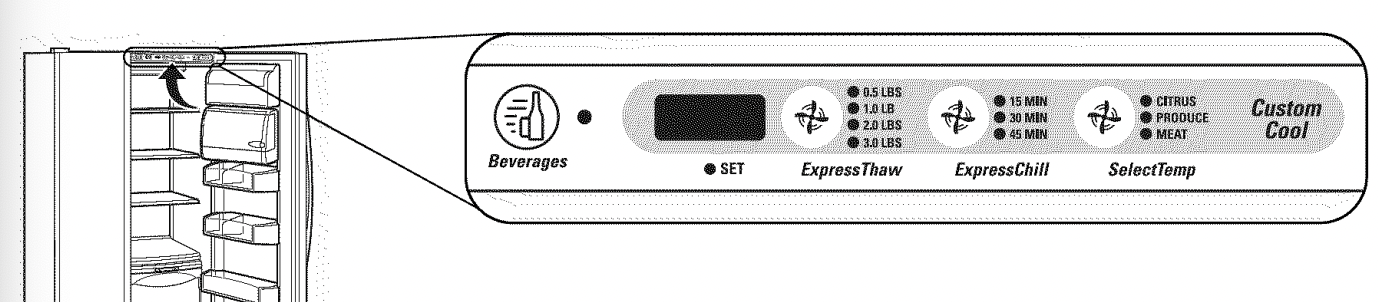
The controls for this pan are located at the top of the refrigerator with the temperature controls.
How to Use
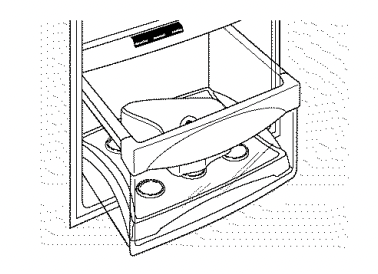
- Empty the pan. Place the Chill/Thaw tray in the pan. Place the items on the tray and close the pan completely.
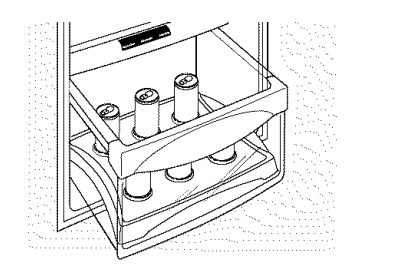
- Select the ExpressThaw. ExpressChill or SelectTemp pad. The display and SET light will come on. Tap the pad until the light appears next to the desired setting. Use the chart to determine the best setting to use.
- To stop a feature before it is finished. tap that feature’s pad until no options are selected and the display is off.
- During ExpressThaw and ExpressChill. the display on the controls will count down the time in the cycle.
- After the ExpressThaw cycle is complete. the pan will reset to the MEAT setting (32°F) to help preserve thawed items until they are used.
- The displayed actual temperature of the CustomCool pan may vary slightly from the SET temperature based on usage and operating environment.
ExpressThaw
ExpressChfll
NOTE: For food safety reasons. it is recommended that foods be wrapped in plastic wrap when using ExpressThaw. This will help contain meat juices and improve thawing performance.
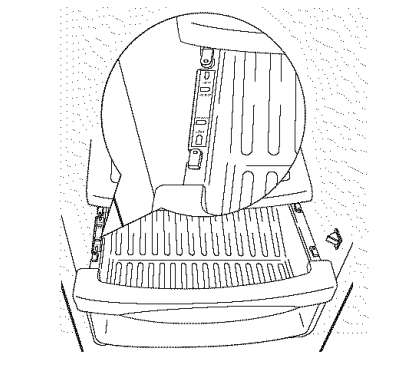
How to Remove and Replace the Drawer
To remove:
- Pull the drawer out to the stop position.
- Rotate all four swing locks to the unlock position.
- Lift the front of the drawer up and out.
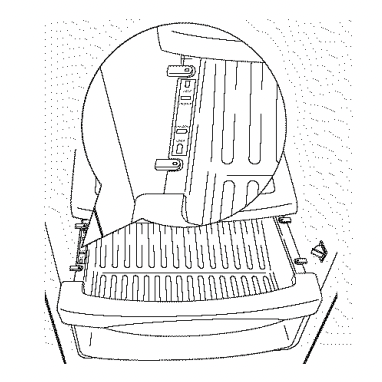
To replace:
- Make sure all four swing locks are in the unlock position.
- Place the sides of the drawer into the drawer supports. making sure the swing locks fit on the drawer slots.
- Lock all four swing locks by rotating them to the lock position.
About CustomCool.
CustomCool Chart
NOTE: Results may vary depending on packaging. starting temperature and other food traits.
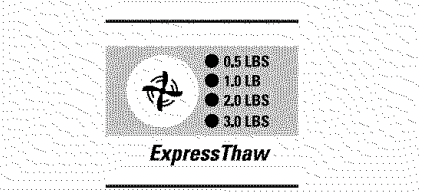
0.5 Lb. (4 hours)
- Hamburger Patties (0.5 Ib)
- Individually Wrapped Filet Mignon (0.5 Ib)
1.0 Lb. (6 hours)
- Chicken Breasts (1.0 Ib)
- Ground Beef (1.0 lb)
- Steak (1.0 lb)
2.0 Lhs. (10 hours)
- Chicken Breasts (2.0 lbs)
- Ground Beef (2.0 Ibs)
- Steak (2.0 Ibs)
3.0 Lbs. (12 hours)
- Chicken Breasts (3.0 Ibs)
- Ground Beef (3.0 Ibs)
- Steak (3.0 Ibs)
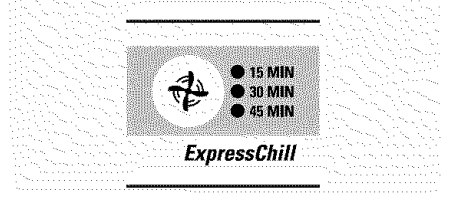
15 Minutes
- I Beverage Can (12 oz)
- 2 Small Juice Boxes (6-8 oz each)
30 Minutes
- 2 to 6 Beverage Cans (12 oz each)
- 2 Plastic 20 oz Bottles of Beverage
- 4 to 6 Small Juice Boxes (6-8 oz each)
- 3 Foil Juice Packets
- Wine (750 ml bottle)
45 Minutes
- 2 Liter of Beverage
- 1/2 Gallon of Juice
- Gelatin-1 package
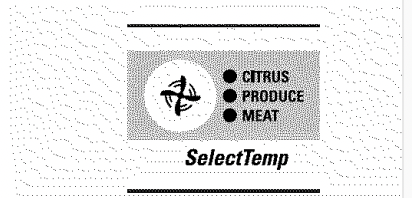
Citrus Setting (43°F)
- Oranges. Lemons. Limes, Pineapple. Cantaloupe
- Beans. Cucumbers. Tomatoes, Peppers. Eggplant. Squash
Produce Setting (35°F)
- Strawberries. Raspberries. Kiwifruit. Pears. Cherries. Blackberries. Grapes. Plums. Nectarines. Apples
- Asparagus. Broccoli. Corn. Mushrooms. Spinach. Cauliflower. Kale. Green Onion. Beets. Onions
Meat Setting (32°F)
- Raw Meat. Fish and Poultry
How to Use
- Select the Beverage Center pad. The set light will come on and the feature wiill operate as required.
- To turn off the feature, press Beverage Center pad and set light will turn off.
NOTE: Unless turned off as above,feature will remain active for six months. Press the Beverage Center pad to restart.
How to Remove and Replace the Beverage Center
Toremove:
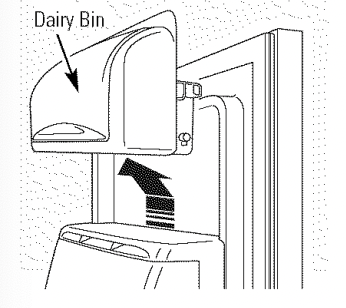
- Remove dairy bin first. Holding the bottom of the dairy bin. lift the front straight up. then lift up and out.
- Holding left and right side of beverage center. lift straight up and out.
- Leave adapter in place.
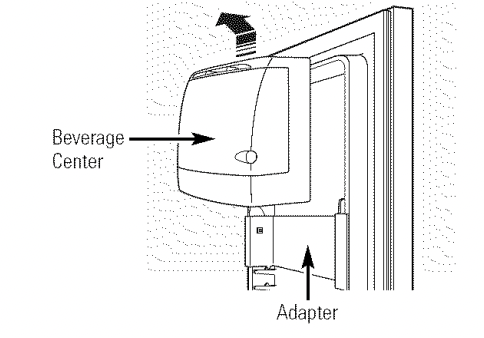
To replace:
- Engage backside of beverage center in molded supports on adapter. Then push down on the sides of the beverage center. The beverage center will lock into place.
- Replace dairy bin.
Care and cleaning of the refrigerator
Cleaning the Outside
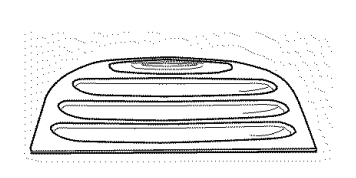
Dispenser drip area.
The dispenser drip area. beneath the grille. should be wiped dry. Water left in thi may leave deposits. Remove the deposits by adding undiluted vinegar to the well. Soak until the deposits disappear or become loose enough to rinse away.
The dispenser cradle. Betore cleaning. lock the dispenser by pressing and holding the LOCK CONTROL pad for 3 seconds. Clean with warm water and baking soda solution—about a tablespoon (15 ml) of baking soda to a quart (1 liter) of water. Rinse thoroughly and wipe dry.
The door handles and trim. Clean with a cloth dampened with soapy water.
Dry with a soft cloth.
The stainless steel panels and door handles (on some models) can be cleaned with a commercially available stainless steel cleaner. A spray-on stainless steel cleaner works best.
Do not use appliance wax or polish on the stainless steel.
Keep the outside clean. Wipe with a clean cloth lightly dampened with kitchen appliance wax or mild liquid dish detergent. Dry and polish with a clean. soft cloth.
Do not wipe the refrigerator with a soiled dish cloth or wet towel. These may leave a residue that can erode the paint. Do not use scouring pads. powdered cleaners. bleach or cleaners containing bleach because these products can scratch and weaken the paint finish.
Cleaning the Inside
To help prevent odors. leave an open box of baking soda in the fresh food and freezer compartments.
Unplug the refrigerator before cleaning. \f this is not practical. wring excess moisture out of sponge or cloth when cleaning around switches. lights or controls.
Use warm water and baking soda solution— about a tablespoon (15 ml) of baking soda to a quart (1 liter) of water. This both cleans and neutralizes odors. Rinse and wipe dry.
Use of any cleaning solution other than that which is recommended. especially those that contain petroleum distillates. can crack or damage the interior of the refrigerator.
Avoid cleaning cold glass shelves with hot water because the extreme temperature difference may cause them to break. Handle glass shelves carefully. Bumping tempered glass can cause it to shatter.
Do not wash any plastic refrigerator parts in the dishwasher.
The chill/thaw tray is dishwasher safe.
Behind the Refrigerator
Be careful when moving the refrigerator away from the wall. All types of floor coverings can be damaged. particularly cushioned coverings and those with embossed surfaces.
Pull the refrigerator straight out and return it to position by pushing it straight in.
Moving the refrigerator in a side direction may result in darnage to the floor covering or refrigerator.
When pushing the refrigerator back. make sure you don’t roll over the power cord or icemaker supply line.
Preparing for Vacation
For long vacations or absences. remove food and unplug the refrigerator. Clean the interior with a baking soda solution of one tablespoon (15 ml) of baking soda to one quart (1 liter) of water. Leave the doors open.
Set the icemaker power switch to the 0 (off) position and shut off the water supply to the refrigerator.
If the temp: rature can drop below freezing. have a qualified servicer drain the water supply system to prevent serious property damage due to flooding.
Preparing to Move
Secure all loose items such as shelves and drawers by taping them securely in place to prevent damage.
When using a hand truck to move the refrigerator. do not rest the front or back of the refrigerator against the hand truck.
This could damage the refrigerator. Handle only from the sides of the refrigerator.
Be sure the refrigerator stays in an upright position during moving.
Replacing the light bulbs.
Setting the controls to OFF does not remove power to the light circuit.
Reveal appliance bulbs are used on some models. They can be identified by their blue color when they are not illuminated.
Not all features are on aft models.
Yourlight shield will look like one of the following:
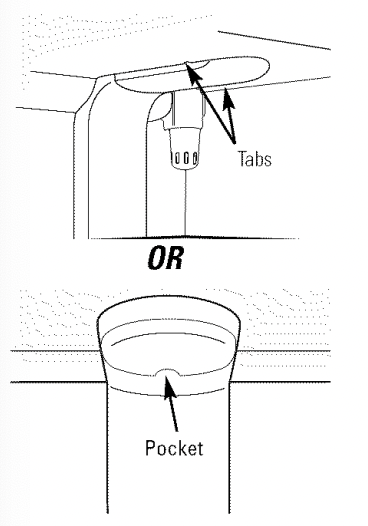
Refrigerator Compartment—Upper Light
- Unplug the refrigerator.
- The bulbs are located at the top of the compartment. inside the light shield. On some models. a screw at the front of the light shield will have to be removed. On other models. the screw is located in the pocket located at the back of the light shield.
- To remove the light shield. on some models. press in on the tabs on the sides of the shield and slide forward and out. On other models just slide the shield forward and out.
- After replacing the bulb with an appliance bulb of the same or lower wattage. replace the light shield and screws (on some models). When replacing the light shield. make sure that the tabs at the back of the shield fit into the slots at the back of the light shield housing.
- Plug the refrigerator back in.
Refrigerator Compartment - Lower Light
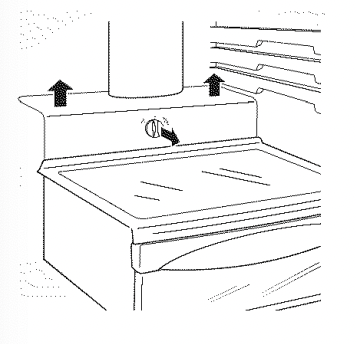
This light is located above the top drawer.
- Unplug the refrigerator.
- Remove the convertible meat drawer control knob by pulling straight out.
- Lift the light shield up and pull it out.
- After replacing the bulb with an appliance bulb of the same or lower wattage. replace the shield and the knob.
- Plug the refrigerator back in.
Freezer Compartment
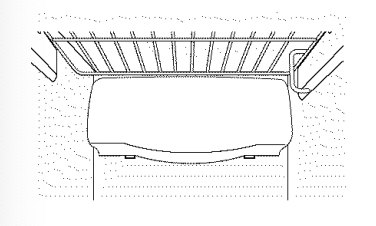
- Unplug the refrigerator.
- Remove the shelf just above the light shield. (The shelf will be easier to remove if it is emptied first.) On some models. a screw at the top of the light shield will need to be removed.
- To remove the light shield. press in on the sides. and lift up and out.
- Replace the bulb with an appliance bulb of the same or lower wattage. and reinstall the light shield. When reinstalling the light shield. make sure the top tabs snap securely into place. Replace the screw (on some models).
- Reinstall the shelf and plug the rator back in.
Dispenser (on some models)
- Unplug the refrigerator.
- The bulb is located on the dispenser under the control panel. Remove the light bulb by turning it counterclockwise.
- Replace the bulb with a bulb of the same size and wattage.
- Plug the refrigerator back in.
Normal operatingsounds.
Newer refrigerators sound different from older refrigerators.
Modern refrigerators have more features and use newer technology.
Do you hear what I hear? These sounds are normal
HUMMM... --WHOOSH...
- The new high efficiency compressor may run faster and longer than your old refrigerator and you may hear a high-pitched hum or pulsating sound while it is operating.
- Sometimes the refrigerator runs for an extended period. especially when the doors are opened frequently. This means that the Frost Guard feature is working to prevent freezer burn and improve food preservation.
- You may hear a whooshing sound when the doors close. ssure equalizing within the refrigerator.
WHIR!
- You may hear the fans spinnin at high speeds. This happens when the refriger: in. when the door at high speeds. tor is first plugged are opened frequently or when a large amount of food is added to the refrigerator or freezer compartments. The fans are helping to maintain the correct temperatures.
- If either door is open for over 3 minutes. you may hear the fans come on in order to cool the light bulbs.
- The fans change speeds in order to provide optimal cooling and energy savings.
- You may hear the fans running after selecting one of the CustomCoof" settings.
CLICKS, POPS, CRACKS and CHIRPS
- You may hear cracking or popping sounds when the refrigeretor is first plugged in. This happens as the igerator cools to the correct temperature.
- Electronic dampers click open and closed to provide optimal cooling and energy savings.
- The compressor may cause a clicking or chirping sound when attempting to restart (this could take up to 5 minutes).
- The electronic control board may cause a clicking sound when relays activate to control refrigerator components.
- Expansion and contraction of cooling coils during and after defrost can cause a cracking or popping sound.
- On models with an icemaker. after an icemaking cycle. you may hear the ice cubes dropping into the ice bucket.
WATER SOUNDS
- The flow of refrigerant through the freezer cooling coils may make a gurgling noise like boiling water.
- Water dropping on the defrost heater can cause a sizzling. popping or buzzing sound during the defrost cycle.
- A water dripping noise may occur during the defrost cycle as ice melts from the evaporator and flows into the drain pan.
- Closing the door may cause a gurgling sound due to pressure equalization.
Troubleshooting Tips
Troubleshooting Tips
Save time and money! Review the charts on the following pages first and you may not need to call for service.
Refrigerator does not operate
Refrigerator in defrost cycle.
- Wait about 30 minutes for defl'ost cycle to end.
Either or both controls set to OFF
- Set the controls to a temperature setting.
Refrigerator is unplugged.
- Push the plug completely into the outlet.
The fuse is blown /circuit breaker is tripped.
- Replace fuse or reset the breaker.
The refrigerator is in showroom mode.
- Unplug the refrigerator and plug it back in.
Vibration or rattling (slight vibration is normal)
Rollers need adjusthag.
- See Rollers
Motor operates for long periods or cycles on and off frequently. (Modern refrigerators with more storage space and. a larger freezer require more operating time. They start and stop often to maintain even temperatures.)
Normal when refrigerator is first plugged in.
- Wait 24 hours for the refrigerator to completely cool down.
Often occurs when large amounts of food are placed in refrigerator.
- This is normal.
Door left open.
- Check to see if package is holding door open.
Hot weather or frequent door openings.
- This is normal.
Temperature controls set at the coldest setting.
- See About the controls.
Refrigerator or freezer compartment too warm
Temperature control not set cold enough.
- See About the controls.
Warm weather or frequent door openings.
- Set the temperature control one step colder. See About the controls.
Door left open.
- Check to see if package is holding door open.
Frost or ice crystals on frozen food (frost within package is normal)
Door left open.
- Check to see if package is holding door open.
Too frequent or too long door openings.
Divider between refrigerator and freezer compartments feels warm
Automatic energy saver system circulates warm liquid around front edge of freezer compartment.
- This helps prevent condensation on the outside.
Automatic icemaker does not work
Icemaker power switch is in the off position.
- Set the power switch to the on position.
Water supply turned off or not connected.
- See /nstalling the water line.
Freezer compartment too warm.
- Wait 24 hours for the refrigerator to completely cool down.
Piled up cubes in the storage bin cause the icemaker to shut off.
- Level cubes by hand.
Ice cubes stuck in icemaker. (Green power light on icemaker blinking).
- Turn off the icemaker. remove cubes and turn the icemaker back on.
Frequent "buzzing" sound
Icemaker power switch is in the I (on) posifion, but the water supply to the refrigerator has not been connected.
- Set the power switch to the 0 (off) position. Keeping it in the I (on) position will danmge the water valve.
Ice cubes have odor/taste
Ice storage bin needs cleaning.
- Empty and wash bin. Discard old cubes.
Food transmitting odor/taste to ice cubes.
- Wrap foods well.
Interior of refrigerator needs cleaning.
- See Care and cleaning.
Small or hollow cubes
Water filter clogged.
- Replace filter cartridge with new cartridge or with plug.
Slow ice cube freezing
Door left open.
- Check to see if package is holding door open.
Temperature control not set cold enough.
- See About the controls.
Cube dispenser does not work
Icemaker turned off or water supply turned off.
- Turn on icemaker or water supply.
An item is blocking or has fallen into the ice chute inside the top door bin of the freezer.
- Remove any item that might be blocking. or has fallen into the chute.
Ice cubes are frozen to icemaker feeler arm.
- Remove cubes.
Irregular ice clumps in storage container.
- Break up with fingertip pressure and discard remaining clumps.
- Freezer may be too warm. Adjust the freezer control to a colder setting. one position at a time. until clumps do not form.
Dispenser is LOCKED.
- Press and hold the LOCK CONTROL pad for 3 seconds.
Water has poor taste/odor.
Water dispenser bas not been used for along time.
- Dispense water until all water in system is replenished.
Water in first glass is warm.
Normal when refrigerator is first installed.
- Wait 24 hours for the refrigerator to completely cool down.
Water dispenser has not been used for a long time.
- Dispense water until all water in system is replenished.
Water system has been drained.
- Allow several hours for replenished supply to chill.
Water dispenser does not work
Water supply line turned off or not connected.
- See installing the water line.
Water filter clogged.
- Replace filter cartridge or remove filter and install plug.
Air may be trapped in the water system.
- Press the dispenser arm for at least two minutes.
Dispenser is LOCKED.
- Press and hold the LOCK CONTROL pad for 3 seconds.
Water spurting from dispenser
Newly-installed filter cartridge.
- Run water from the for 3 minutes (about dispenser one and a half gallons).
Water is not dispensed but icemake ris working
Water in reservoir is frozen.
- Call for service.
Refrigerator control setting is too cold.
- Set to a warmer setting.
No water or ice cube production
Supply line or shutoff valve is clogged.
- Call a plumber.
Water filter clogged.
- Replace filter cartridge or remove filter and install plug.
Dispenser is LOCKED.
- Press and hold the LOCK CONTROL pad for 3 seconds.
CUBED ICE was selected but CRUSHED ICE was dispensed
Last setting was CRUSHED ICE.
- A few cubes were left in the crusher from the previous setting. This is normal.
Orange glow in the freezer
Defrost heater is on.
- This is nomml.
Refrigerator has odor to refrigerator
Foods transmitting odor
- Foods with strong odors should be tightly wrapped.
- Keep an open box of baking soda in the refrigerator replace every three months.
Interior needs clemfing.
- See Care and cleaning.
Door not closing properly
Door gasket on hinge side sticking or folding over.
- Apply paraftin wax to the face of the gasket.
A door bin is hitting a shelf inside the refrigerator.
- Move the door bin up one position.
Moisture forms on outside of refrigerator
Not unusual during periods of high humidity.
- Wipe surface dry.
Moisture collects inside (in humid weather. air carties moisture into refrigerator when doors are opened)
Too frequent or too long door openings.
- This is normal for the beverage center.
Due to the higher humidity in the refrigerator. you may on occasion experience fog or small amounts of moisture in the refrigerator compartment.
- This is normal and may come and go as different food loads and environmental conditions change. Wipe dry with a paper towel if desired.
Interior light does not work
No power at outlet.
- Replace fuse or reset the breaker.
Light bulb burned out.
- See Replacing the light bulbs.
Water on kitchen floor or on bottom of freezer
Cubes jammed in chute.
- Poke ice through with a wooden spoon.
Hot air from bottom of refrigerator
Normal air flow cooling motor. In the refrigeration process. it is normal that heat be expelled in the area under the refrigerator. Some floor coverings are sensitive and will discolor at these normal and safe temperatures.
Refrigerator never shuts off but thetemperatures are OK
Adaptive defrost keeps compressor running during door openings.
- This is normal. The refrigerator will cycle off after the door remains closed for 2 hours.
Refrigerator beeping
Door open.
- Close door.
Food isn't thawing/chilling
Packaging.
- Increase time or re-package in plastic.
Wrong weight selected.
- Select a larger weight.
Item with high fat content.
- Select a larger weight.
Not using Chill /Thaw tray.
- Place items on tray and allow space in between items for better airflow.
Actual temperature not equal to Set temperature
Unit just plugged in.
- Allow 24 hours for system to stabilize.
Door open for too long.
- Allow 24 hours for system to stabilize.
Warm food added to refrigerator.
- Allow 24 hours for system to stabilize.
Defrost cycle is in process.
- Allow 24 hours for system to stabilize.
Select Temp or Beverage Center feature is not working
Refrigerator compartment temperature control is set at warmest setting.
- This is normal. In order to minimize energy usage. the Select Temp and Beverage Center features are disabled when the refrigerator temperature control is set at the warmest setting.
Beverage Center feature turns off after six months of continuous operation.
- Press Beverage Center pad to restart.