Frymaster, a member of the Commercial Food Equipment Service Association, recommends
using CFESA Certified Technicians.
819-5278
24-Hour Service Hotline 1-800-551-8633
May 2003
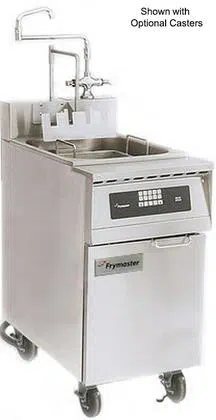
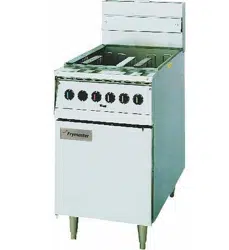
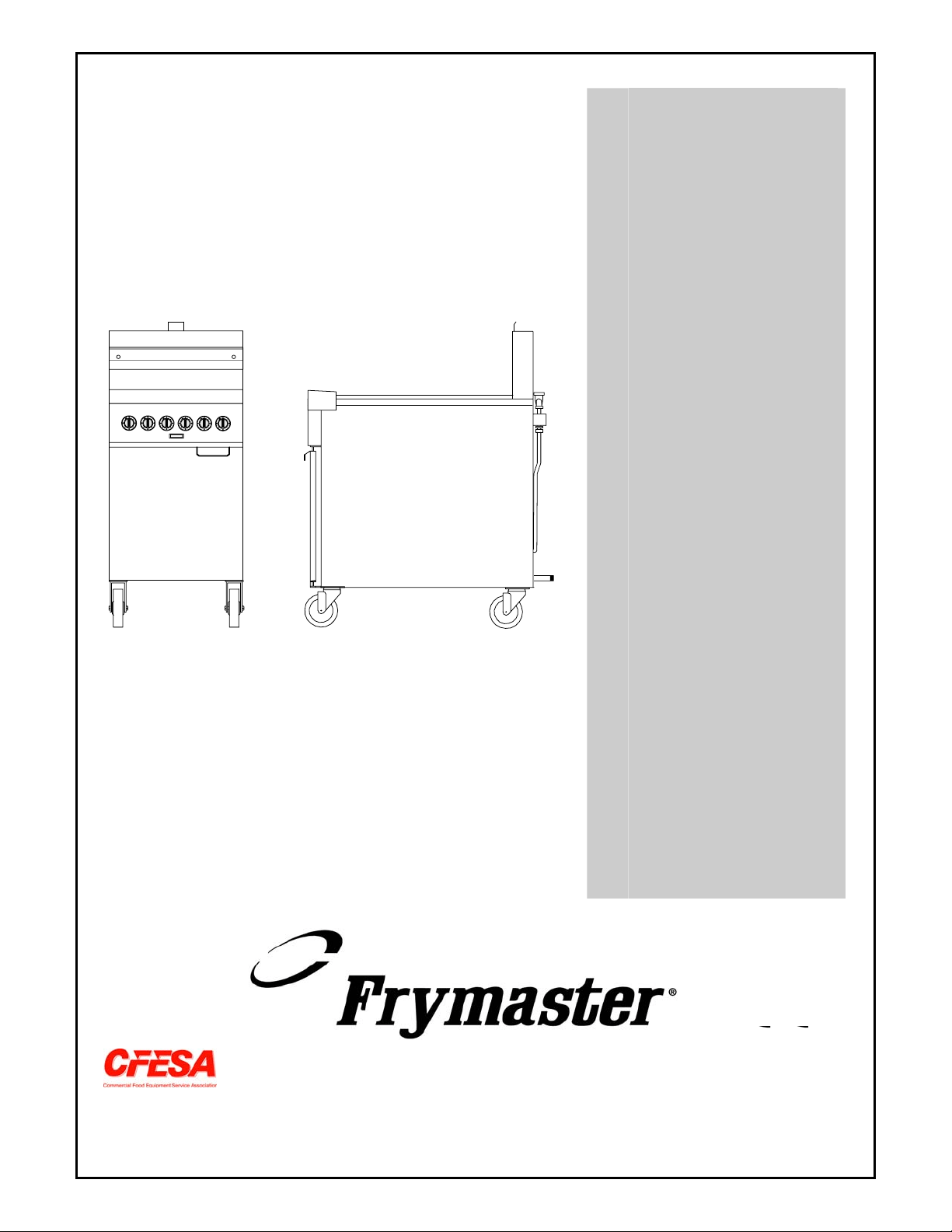
FBR18 & FBRA18 Series
Gas Rethermalizers
Installation, Operation, Service, and Parts Manual
NOTICE
IF, DURING THE WARRANTY PERIOD, THE CUSTOMER USES A PART FOR THIS ENODIS
EQUIPMENT OTHER THAN AN UNMODIFIED NEW OR RECYCLED PART PURCHASED
DIRECTLY FROM FRYMASTER/DEAN, OR ANY OF ITS AUTHORIZED SERVICE CENTERS,
AND/OR THE PART BEING USED IS MODIFIED FROM ITS ORIGINAL CONFIGURATION, THIS
WARRANTY WILL BE VOID. FURTHER, FRYMASTER/DEAN AND ITS AFFILIATES WILL NOT BE
LIABLE FOR ANY CLAIMS, DAMAGES OR EXPENSES INCURRED BY THE CUSTOMER WHICH
ARISE DIRECTLY OR INDIRECTLY, IN WHOLE OR IN PART, DUE TO THE INSTALLATION OF
ANY MODIFIED PART AND/OR PART RECEIVED FROM AN UNAUTHORIZED SERVICE CENTER.
NOTICE
This appliance is intended for professional use only and is to be operated by qualified
personnel only. A Frymaster/DEAN Factory Authorized Service Center (FASC) or other qualified
professional should perform installation, maintenance, and repairs. Installation, maintenance,
or repairs by unqualified personnel may void the manufacturer’s warranty. See Chapter 1 of
this manual for definitions of qualified personnel.
NOTICE
This equipment must be installed in accordance with the appropriate national and local codes of
the country and/or region in which the appliance is installed. See NATIONAL CODE
REQUIREMENTS in Chapter 2 of this manual for specifics.
NOTICE TO U.S. CUSTOMERS
This equipment is to be installed in compliance with the basic plumbing code of the Building
Officials and Code Administrators International, Inc. (BOCA) and the Food Service Sanitation
Manual of the U.S. Food and Drug Administration.
NOTICE
Drawings and photos used in this manual are intended to illustrate operational, cleaning and
technical procedures and may not conform to onsite management operational procedures.
NOTICE TO OWNERS OF UNITS EQUIPPED WITH COMPUTERS
U.S.
This device complies with Part 15 of the FCC rules. Operation is subject to the following two
conditions: 1) This device may not cause harmful interference, and 2) This device must accept
any interference received, including interference that may cause undesired operation. While
this device is a verified Class A device, it has been shown to meet the Class B limits.
CANADA
This digital apparatus does not exceed the Class A or B limits for radio noise emissions as set
out by the ICES-003 standard of the Canadian Department of Communications.
Cet appareil numerique n’emet pas de bruits radioelectriques depassany les limites de classe A
et B prescrites dans la norme NMB-003 edictee par le Ministre des Communcations du Canada.

i
FBR18 & FBRA18 SERIES GAS RETHERMALIZERS
TABLE OF CONTENTS
CHAPTER 1: General Information
1.1 Parts Ordering and Service Information ............................................................................1-1
1.2 Safety Information .............................................................................................................1-1
1.3 Equipment Description ......................................................................................................1-2
1.4 Installation, Operating, and Service Personnel ..................................................................1-2
1.5 Definitions..........................................................................................................................1-2
1.6 Shipping Damage Claim Procedure...................................................................................1-3
CHAPTER 2: Installation Instructions
2.1 General Installation Requirements.....................................................................................2-1
2.2 Caster/Leg Installation .......................................................................................................2-2
2.3 Pre-Connection Preparations .............................................................................................2-2
2.4 Connecting to the Gas Supply............................................................................................2-4
2.5 Converting to Another Gas Type.......................................................................................2-5
CHAPTER 3: Operating Instructions
3.1 Introduction........................................................................................................................3-1
3.2 FBR18/FBRA18 Digital Controller...................................................................................3-1
Operating the FBR18/FBRA18 Digital Controller ............................................................3-1
Operating the FBR18/FBRA18 Timers .............................................................................3-2
3.3 Start-Up Procedure.............................................................................................................3-2
3.4 Boiling Out the Cookpot....................................................................................................3-3
3.5 Shutting the Rethermalizer Down......................................................................................3-4
CHAPTER 4: Preventive Maintenance
4.1 Daily Checks and Services.................................................................................................4-1
4.2 Quarterly Checks and Services ..........................................................................................4-1
4.3 Semi-Annual Checks and Services ....................................................................................4-2
Clean Combustion Air Blower...........................................................................................4-2
Clean Gas Valve Vent Tube ..............................................................................................4-2
Check Burner Manifold Pressure.......................................................................................4-3
CHAPTER 5: Operator Troubleshooting
5.1 Introduction........................................................................................................................5-1
5.2 Operator Troubleshooting Guides......................................................................................5-2
5.3 Replacing the Computer or Computer Wiring Harness.....................................................5-6
CHAPTER 6: Service Procedures
6.1 Functional Description.......................................................................................................6-1
The Electronic Ignition System .........................................................................................6-1
Controller and Mechanical Timers ....................................................................................6-2
Interface Boards .................................................................................................................6-2

ii
Temperature Probe ............................................................................................................ 6-3
Water Level Sensors (FBRA18 Only)............................................................................... 6-3
6.2 Accessing the Rethermalizer for Servicing ....................................................................... 6-4
6.3 Cleaning the Gas Valve Vent Tube................................................................................... 6-4
6.4 Checking the Burner Manifold Gas Pressure .................................................................... 6-4
6.5 Measuring Flame Current.................................................................................................. 6-4
6.6 Replacing Components...................................................................................................... 6-5
6.6.1 Replacing the Controller or Controller Wiring Harness ................................................... 6-5
6.6.2 Replacing the Temperature Probe ..................................................................................... 6-5
6.6.3 Replacing the Interface Board........................................................................................... 6-5
6.6.4 Replacing an Ignition Module........................................................................................... 6-6
6.6.5 Replacing an Ignitor Assembly ......................................................................................... 6-6
6.6.6 Replacing the Combustion Air Blower ............................................................................. 6-7
6.6.7 Replacing the Gas Valve ...................................................................................................6-7
6.6.8 Replacing a Burner Assembly........................................................................................... 6-7
6.6.9 Replacing the Cookpot ...................................................................................................... 6-8
6.7 Troubleshooting and Problem Isolation ............................................................................ 6-8
6.7.1 Ignition Failures ................................................................................................................ 6-9
6.7.2 Improper Burner Functioning.......................................................................................... 6-10
6.7.3 Improper Temperature Control ....................................................................................... 6-12
6.8 Troubleshooting Guides .................................................................................................. 6-12
6.8.1 Troubleshooting the Gas Valve....................................................................................... 6-13
6.8.2 Troubleshooting the 24 VAC Circuit in FBR18 Units.................................................... 6-14
6.8.3 Troubleshooting the 24 VAC Circuit in FBRA18 Units................................................. 6-16
6.8.4 Troubleshooting the Temperature Probe......................................................................... 6-21
Probe Resistance Chart.................................................................................................... 6-22
6.9 Wiring Diagram for FBR18 Units................................................................................... 6-23
6.10 Wiring Diagram for FBRA18 Units................................................................................ 6-24
CHAPTER 7: Parts List
7.1 Burner System Components.............................................................................................. 7-1
7.2 Cabinetry and Associated Components............................................................................. 7-2
7.3 Control Box Assembly and Associated Parts, FBR18/FBRA18....................................... 7-3
7.4 Controller and Component Box Assemblies..................................................................... 7-4
7.5 Cooking Timer Control Panel Components ...................................................................... 7-5
7.6 Cookpot, FBR18................................................................................................................ 7-6
7.7 Cookpot, FBRA18.............................................................................................................7-7
7.8 Gas Supply Components ................................................................................................... 7-8
7.9 Plumbing Components ...................................................................................................... 7-9

1-1
FBR18 & FBRA18 SERIES GAS RETHERMALIZERS
CHAPTER 1: GENERAL INFORMATION
1.1 Parts Ordering and Service Information
In order to assist you as quickly as possible, the Frymaster Factory Authorized Service Center
(FASC) or Service Department representative requires certain information about your equipment.
Most of this information is printed on a data plate affixed to the inside of the door.
Parts orders may be placed directly with your local FASC or distributor. Included with the unit
when shipped from the factory is a list of FASCs. If you do not have access to this list, contact the
Frymaster Technical Service Department at 1-800-551-8633 or 1-318-865-1711.
When ordering parts, the following information is required:
Model Number:
Serial Number:
Gas Type:
Item Part Number:
Quantity Needed:
Service information may be obtained by contacting your local FASC/Distributor. Information may
also be obtained by calling the Frymaster Technical Service Department at 1-800-551-8633 or
1-318-865-1711. When requesting service, please have the following information ready:
Model Number:
Serial Number:
Gas Type:
In addition to the model number, serial number, and gas type, please be prepared to describe the na-
ture of the problem and have ready any other information that you think may be helpful in solving
your problem.
RETAIN AND STORE THIS MANUAL IN A SAFE PLACE FOR FUTURE USE.
1.2 Safety Information
Before attempting to operate your unit, read the instructions in this manual thoroughly.
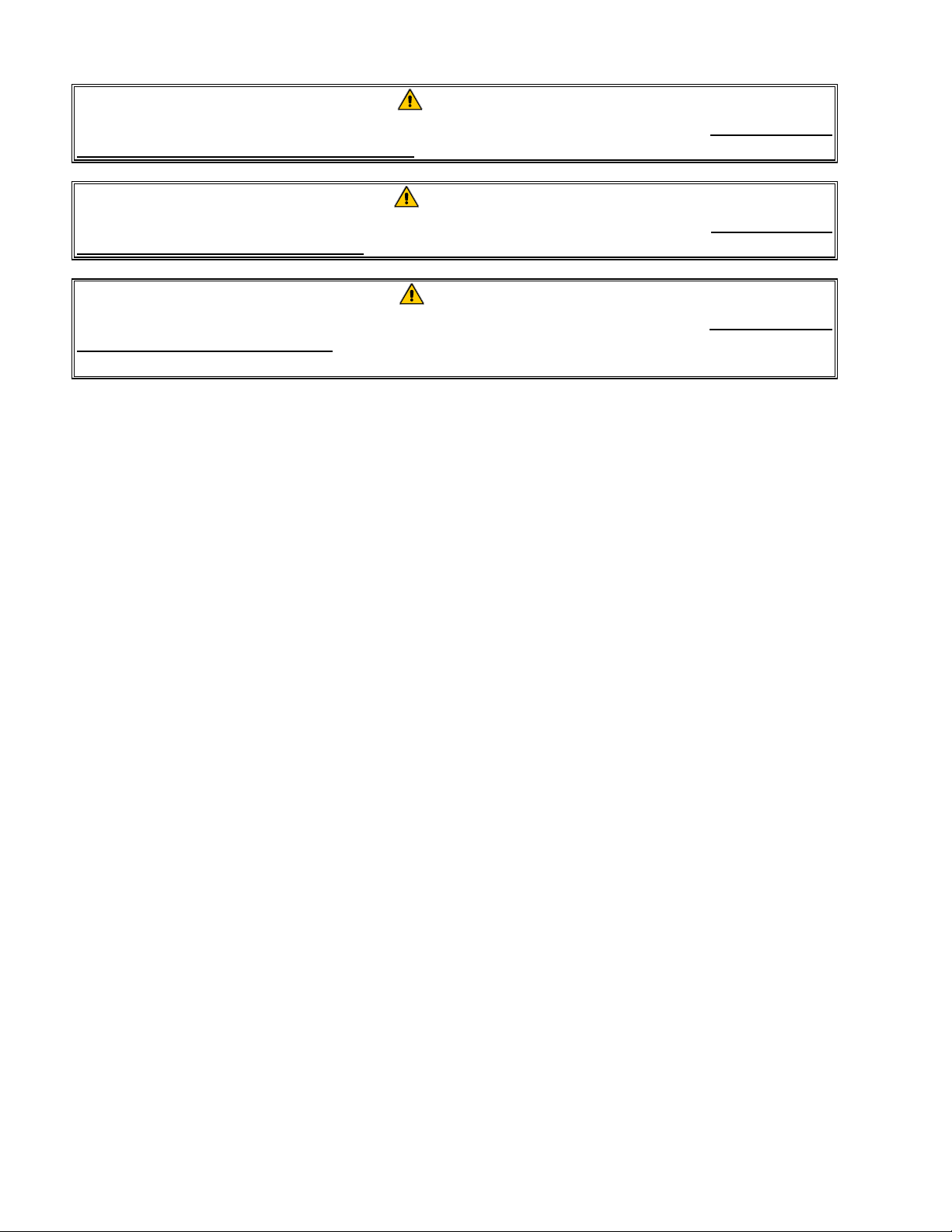
Throughout this manual, you will find safety notations enclosed in double-bordered boxes similar to
the ones illustrated on the following page.
1-2
CAUTION
CAUTION boxes contain information about actions or conditions that may cause or
result in a malfunction of your system.
WARNING
WARNING boxes contain information about actions or conditions that may cause or
result in damage to your system, and which may cause your system to malfunction.
DANGER
DANGER boxes contain information about actions or conditions that may cause or
result in injury to personnel, and which may cause damage to your system and/or
cause your system to malfunction.
1.3 Equipment Description
The FBR18 and FBRA18 Series Gas Rethermalizers are specifically designed to rethermalize meats,
sauces, and other vacuum packaged foods at a safe temperature range that prevents overcooking.
They can be configured for either natural or LP (Propane) gas, and their efficient infrared burners
deliver 90,000 BTUs (94.9 MJ – 26.4 kW).
The two models are identical except that the FBRA18 has an automatic filling (AutoFill) feature.
Both models feature digital temperature controls with continuous temperature display and individual
color-coded timer controls with corresponding color-coded baskets. Each unit can rethermalize up
to 15 lbs. (7 kg) of food an hour in large capacity 2-5 lb. (0.9-2.3 kg) baskets.
The rethermalizers are safeguarded against boil-over by a standpipe overflow drain, and come with a
1¼” cookpot drain for fast, clog-free emptying. The unit has a rethermalizing area of 18” x 24”
(457mm x 609mm) and holds 25 gallons (94.6 liters) of water.
1.4 Installation, Operating, and Service Personnel
Operating information for Frymaster equipment has been prepared for use by qualified and/or au-
thorized personnel only, as defined in Section 1.5.
All installation and service on Frymaster equipment must be performed by qualified, certified,
licensed, and or/authorized installation or service personnel, as defined in Section 1.5.
1.5 Definitions
QUALIFIED AND/OR AUTHORIZED OPERATING PERSONNEL
Qualified/authorized operating personnel are those who have carefully read the information in this
manual and have familiarized themselves with the equipment functions, or who have had previous
experience with the operation of the equipment covered in this manual.

1-3
QUALIFIED INSTALLATION PERSONNEL
Qualified installation personnel are individuals, or firms, corporations, or companies which, either in
person or through a representative, are engaged in and are responsible for the installation of electri-
cal and gas appliances. Qualified personnel must be experienced in such work, be familiar with all
electrical precautions involved, and have complied with all requirements of applicable national and
local codes.
QUALIFIED SERVICE PERSONNEL
Qualified service personnel are those that are familiar with Frymaster equipment and who have been
authorized by
Frymaster
to perform service on Frymaster equipment. All authorized service per-
sonnel are required to be equipped with a complete set of service and parts manuals, and to stock a
prescribed minimum amount of Frymaster equipment parts.
A list of Frymaster Factory Authorized Service Centers (FASC) was included with the unit when it
was shipped from the factory. Failure to use qualified service personnel will void the Frymaster
Warranty on your equipment.
1.6 Shipping Damage Claim Procedure
Your Frymaster equipment was carefully inspected and packed before leaving the factory. The
transportation company assumes full responsibility for safe delivery upon acceptance of the equip-
ment for transport.
What to do if your equipment arrives damaged:
1. File a claim for damages immediately, regardless of the extent of damages.
2. Inspect for and record all visible loss or damage and ensure that this information is noted on
the freight bill or express receipt and is signed by the person making the delivery.
3. Concealed loss or damage that was unnoticed until the equipment was unpacked should be re-
corded and reported to the freight company or carrier immediately upon discovery. A concealed
damage claim must be submitted within 15 days of the date of delivery. Ensure that the shipping
container is retained for inspection.
Frymaster
DOES NOT ASSUME RESPONSIBILITY
FOR DAMAGE OR LOSS INCURRED IN TRANSIT.
2-1
FBR18 & FBRA18 SERIES GAS RETHERMALIZERS
CHAPTER 2: INSTALLATION INSTRUCTIONS
2.1 General Installation Requirements
PROPER INSTALLATION IS ESSENTIAL FOR EFFICIENT, TROUBLE-FREE OPERATION OF YOUR
RETHERMALIZER. ANY UNAUTHORIZED ALTERATIONS MADE TO THIS EQUIPMENT WILL VOID
THE
Frymaster
WARRANTY.
Upon arrival, inspect the rethermalizer carefully for visible or concealed damage. (See Shipping
Damage Claim Procedure in Chapter 1.)
CLEARANCE AND VENTILATION
This equipment must be installed with a 6” (150mm) clearance at both sides and back when installed
adjacent to combustible construction. No clearance is required when installed adjacent to noncom-
bustible construction. A minimum of 24” (600mm) clearance should be provided at the front of the
unit.
One of the most important considerations of efficient operation is ventilation. Make sure the equip-
ment is installed so that products of combustion are removed efficiently, and that the kitchen ventila-
tion system does not produce drafts that interfere with proper burner operation.
The equipment flue opening must not be placed close to the intake of the exhaust fan, and the flue
must never be extended in a “chimney” fashion. An extended flue will change the combustion char-
acteristics of the equipment, causing longer recovery times. It also frequently causes delayed igni-
tion. To provide the airflow necessary for good combustion and burner operation, the areas sur-
rounding the front, sides, and rear of the unit must be kept clear and unobstructed.
This equipment must be installed in an area with an adequate air supply and adequate ventilation.
For U.S installations, information on construction and installation of ventilating hoods can be found
in NFPA Standard 96. This document can be ordered from the National Fire Protection Association,
Battery March Park, Quincy, MA 02269. For installations in countries other than the U.S., the ap-
propriate regulating authority should be contacted for information related to hood construction and
installation.
DANGER
Do not attach an apron drain to a single rethermalizer. The rethermalizer may be-
come unstable, tip over, and cause injury to personnel.
NATIONAL CODE REQUIREMENTS
This equipment is to be installed in compliance with the Basic Plumbing Code of the Building Offi-
cials and Code Administrators International, Inc. (BOCA) and the Food Service Sanitation Manual
of the U.S. Food and Drug Administration.

2-2
This equipment is manufactured to use the type of gas specified on the rating plate attached to the
door. Connect equipment stamped “NAT” only to natural gas and that stamped “PRO” only to LP
(Propane) gas.
Installation shall be made with a gas connector that complies with national and local codes. Quick
disconnect devices, if used, shall likewise comply with national and local codes.
ELECTRICAL GROUNDING REQUIREMENTS
All electrically operated appliances must be grounded in accordance with all applicable national and
local codes. A wiring diagram is located on the inside of the door. In the United States and Canada,
the electrical supply must be 120VAC, 60 Hz. In other countries, refer to the rating plate on the in-
side of the door for proper voltages.
FCC COMPLIANCE
The user is cautioned that any changes or modifications to Frymaster computers not expressly ap-
proved by the party responsible for compliance could void the user’s authority to operate the equip-
ment. Frymaster computers have been tested and found to comply with the limits for a Class A digi-
tal device, pursuant to Part 15 of the FCC rules. While these devices are verified as Class A devices,
they have been shown to meet the Class B limits. These limits are designed to provide reasonable
protection against harmful interference when the equipment is operated in a commercial environ-
ment. This equipment generates, uses, and can radiate radio frequency energy and, if not installed
and used in accordance with the instruction manual, may cause harmful interference to radio com-
munications. Operation of the equipment in a residential area is likely to cause harmful interference
in which case the user will be required to correct the interference at his own expense. If necessary,
the user should consult the dealer or an experienced radio and television technician for additional
suggestions.
The user may find the booklet “How to Identify and Resolve Radio-TV Interference Problems” help-
ful. It is prepared by the Federal Communications Commission and is available from the U.S. Gov-
ernment Printing Office, Washington, DC 20402, Stock No. 004-000-00345-4.
2.2 Caster/Leg Installation
Your unit requires casters or legs to be installed. IT MAY NOT BE CURB MOUNTED!
If casters or legs are not already installed, install them in accordance the instructions included
in your accessory package. FAILURE TO INSTALL CASTERS OR LEGS WILL RESULT
IN IMPROPER OPERATION OF YOUR UNIT.
2.3 Pre-Connection Preparations
DANGER
Do not connect this equipment to the gas supply before completing each step in this
section.

2-3
After the unit has been positioned in the area where it will be used, ensure the following has been
accomplished before connecting the unit to the gas supply:
1. Adequate means must be provided to limit the movement of this equipment without depending
upon the gas line connections. If a flexible gas hose is used, a restraining cable must be con-
nected at all times when the equipment is in use.
2. The rethermalizer must be stabilized by installing restraining chains on units equipped with cast-
ers or anchor straps on units equipped with legs. Follow the instructions shipped with the cast-
ers/legs to properly install the chains or straps.
3. Level rethermalizers equipped with legs by screwing out the legs approximately 1 inch then ad-
justing them so that the rethermalizer is level.
4. For rethermalizers equipped with casters, there are no built-in leveling devices. The floor where
the rethermalizer is to be installed must be level.
5. Connect the water hose to the fitting at the rear of the unit.
NOTE 1: The hose comes with a quick-disconnect coupling. The quick disconnect may be at-
tached to the rethermalizer or to the water supply line, or it may be left off entirely, whichever
you prefer. Whichever of the options is chosen, Teflon thread-seal tape or Loctite™ PST56765
or equivalent thread sealer must be used when installing the fittings.
NOTE 2: Either hot or cold water may be connected to the unit. Connecting to hot water will
minimize the amount of time required to bring the unit to boil when filling with fresh water.
NOTE 3: In order for the water level sensors to work properly, a certain amount of mineral con-
tent in necessary in the water. For that reason, purified, deionized, or highly filtered water
should not be used.
4. Connect the desired drain plumbing to the 1¼” drain valve.
5. Test the equipment electrical system by plugging the power cord into a grounded 120VAC outlet
and pressing the controller’s ON/OFF button. After four (4) seconds, the last programmed set-
point temperature will display constantly.
6. Turn the controller off. Verify that the display is blank.
7. Verify that the minimum and maximum incoming gas pressures for the type of gas to be used are
in accordance with the accompanying table.
Incoming Gas Pressures
Gas Minimum Maximum
Natural
6" W.C.
1.49 kPa
14.93 mbar
14" W.C.
3.48 kPa
34.84 mbar
LP
11" W.C.
2.74 kPa
27.37 mbar
14" W.C.
3.48 kPa
34.84 mbar

2-4
2.4 Connecting to the Gas Supply
GAS CONNECTIONS AND PIPE SIZES
The size of the gas supply pipe is very important. If the pipe is too small, the gas pressure at the
burner manifold will be low. This will cause slow recovery and delayed ignition. The incoming gas
supply line should be a minimum of 1½ inches (38mm) ID.
When configured for natural gas, this equipment requires a standard gas pipe size of ¾ inch (19mm)
ID for connections within 20 feet (6m) of the supply line, provided no more than 4 fittings or elbows
are used in the run. For a pipe run over 20 feet (6m), increase the pipe size to 1 inch (25.4mm). For
use with LP (Propane) gas, the next smaller pipe size may be used.
IF IN DOUBT ABOUT THE PIPE SIZE TO BE USED, CONSULT YOUR LOCAL GAS
COMPANY.
DANGER
Before connecting new pipe to this equipment, the pipe must be blown out
thoroughly to remove all foreign material. Foreign material in the burner and gas
controls may cause improper and dangerous operation.
1. Connect the equipment to the gas supply line.
When making connections, apply a small amount of Loctitite
®
PST 56765 or equivalent thread
compound to the male threads only. DO NOT apply the compound to the first two threads. This
will prevent clogging of the burner orifices and control valve.
2. Open the gas supply to the fryer and check all piping, fittings, and gas connections for leaks. A
soap and water solution should be used for this purpose.
DANGER
Never use matches, candles, or any other ignition source to check for leaks.
If gas odors are detected, shut off the gas supply to the fryer at the main shut-off
valve and contact the local gas company or an authorized service agency for service.
The rethermalizer and any shut-off valves installed between the rethermalizer and
the gas supply line must be disconnected from the gas supply line during any
pressure testing of the supply line at pressures equal to or greater than ½ PSIG
(3.45kPa, 13.84 inches W.C.).
3. Close the drain valve and fill the cookpot with water and boil-out solution to the overflow. Light
the burners and perform the boil-out procedures that are described in the “Start-Up Procedure”
and “Boiling Out the Cookpot” sections in Chapter 3 of this manual.
2-5
WARNING
“Dry-firing” this equipment will cause damage to the cookpot. Always ensure that
the cookpot is filled with water before firing your unit.
4. It is suggested that the burner manifold pressure be checked at this time by the local gas com-
pany or an authorized service agent. Refer to “Check Burner Manifold Pressure” in Chapter 4 of
this manual for the proper procedure.
2.5 Converting to Another Gas Type
This equipment is configured at the factory for either natural gas or LP (Propane) gas.
If you desire to switch from one type of gas to the other, a gas conversion kit must be installed by a
Factory Authorized Service Center technician.
DANGER
Switching to a different type of gas without installing the proper conversion kit may
result in fire or explosion! NEVER attach your fryer to a gas supply for which it is
not configured.
3-1
FBR18 & FBRA18 SERIES GAS RETHERMALIZERS
CHAPTER 3: OPERATING INSTRUCTIONS
3.1 Introduction
Mechanically, the FBR18 and FBRA18 rethermalizers are virtually identical, the only difference
being that the FBRA18 units have an automatic filling (AutoFill) feature. Both units use the same
digital temperature controller and mechanical timers.
In operation, a setpoint is programmed into the controller which then regulates burner firing to
maintain the water in the cookpot at the desired temperature. Six individual color-coded mechani-
cal timers allow different types or quantities of product to be rethermalized simultaneously. The
timers are equipped with an alarm to notify the operator that rethermalizing is complete. The prod-
uct baskets have color-coded handles that correspond to the timers to eliminate confusion.
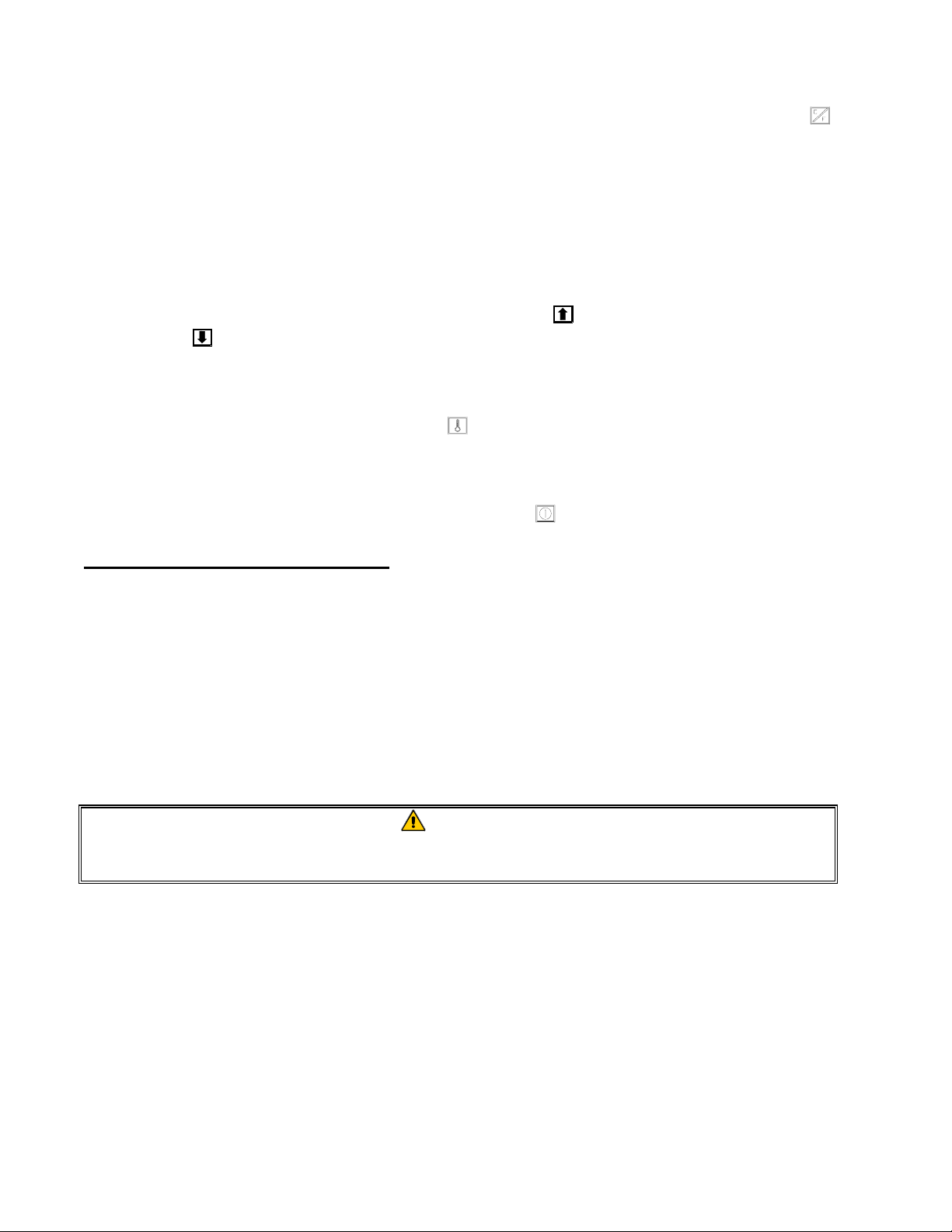
3.2 FBR18/FBRA18 Digital Controller
Heating
Mode
Indicator
Setpoint
Adjustment
Arrows
Temperature
or Setpoint
Display Switch
Melt
Cycle
Switch
Digital
Display
Power
Switch
Celsius or
Fahrenheit
Display Switch
Frymaster
9 . 9 9 9
C
OPERATING THE FBR18/FBRA18 DIGITAL CONTROLLER
WARNING
Ensure the cookpot is filled with water before turning the controller on. “Dry firing”
will cause damage to the cookpot!
1. Turn the controller on by pressing the Power
switch. The controller software version num-
ber will display for 4 seconds in the digital display then change to the last programmed setpoint
temperature.
3-2
NOTE: The unit comes from the factory configured to display in degrees Fahrenheit. To
toggle back and forth between Fahrenheit and Celsius, press the Celsius/Fahrenheit display
switch.
2. The controller will automatically cycle the burners on and off seven times or until the tempera-
ture in the cookpot reaches 160°F (71°C), whichever comes first. At that time, it will enter the
continuous heat mode. When in the continuous heat mode the Heat Mode indicator (a decimal
point between the first two digits of the temperature display) will appear. When the setpoint is
reached, the Heat Mode indicator will go out, indicating the rethermalizer is ready for use.
3. To enter or change the setpoint temperature, press the up arrow key to raise the setpoint or
the down arrow keys to lower the setpoint. The display will change at a rate of about 1
degree per second for approximately the first 12 degrees, then change at a faster rate if the
arrow is continuously pressed.
4. Pressing the Temperature/Setpoint display switch toggles the display back and forth be-
tween constant temperature display and constant setpoint display. Use this feature if you want
to check the actual cookpot temperature.
5. To turn the controller (and burners) off, press the Power switch.
OPERATING THE FBR18/FBRA18 TIMERS
1. Place a packet of product in one of the rethermalizing baskets and note the handle color of the
basket.
2. Place the basket into the water and rotate the correspondingly colored timer knob to the desired
rethermalizing time, up to 60 minutes.
3. An alarm will sound when the rethermalizing time has elapsed.
3.3 Start-Up Procedure
CAUTION
If this is the first time the unit is being used after installation, refer to Section 3.4,
Boiling-Out the Cookpot.
Before turning the rethermalizer on, ensure that:
• the unit is connected to the water supply
• the water supply is turned on
• the unit is plugged into a 120VAC outlet
• the electrical power supply to the rethermalizer is turned on
• the gas supply to the rethermalizer is turned on.

3-3
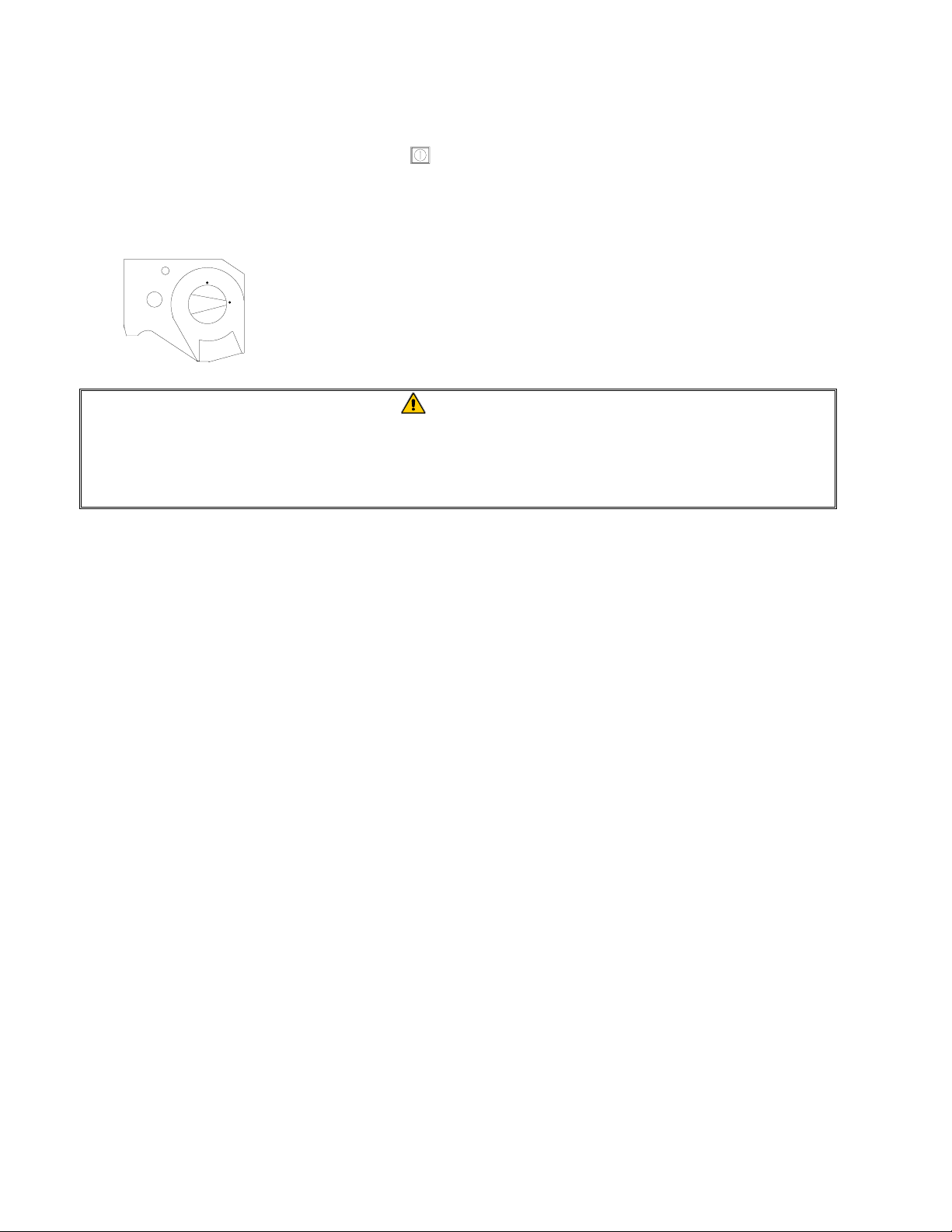
1. Turn the gas valve to the ON position (see illustration below).
OFF
ON
Honey well
2. Press the controller Power switch.
On FBR18 models, the burners will light for several seconds then go out. A few seconds later
they will light again. This cycle will repeat seven times or until the water in the cookpot
reaches 160°F (71°C), whichever comes first, at which time the burners will remain lit until the
setpoint is reached.
On FBRA18 models, if the cookpot is not already full of water, the AutoFill feature will im-
mediately begin adding water. When the water level reaches the upper water level sensor, the
AutoFill solenoid valve will cut off the water flow. (If the water level drops below the upper
water level sensor during operation, the AutoFill solenoid valve will open and add water to the
cookpot). When the water level is above the lower water level sensor, the burners will light for
several seconds then go out. A few seconds later they will light again. This cycle will repeat
seven times or until the water in the cookpot reaches 160°F (71°C), whichever comes first, at
which time the burners will remain lit until the setpoint is reached.
3. When the burners have been lit continuously for at least 90 seconds, observe the burners
through the burner viewing ports. The burners should display a bright orange-red glow. If a
blue flame is observed, or if there are dark spots on a burner face, the air/gas mixture requires
adjustment. Refer to Chapter 4, Section 4.4, Clean Combustion Air Blower for adjustment pro-
cedures.
3.4 Boiling-Out the Cookpot
To ensure that the cookpot is free of any contamination resulting from its manufacture, shipping,
and handling during installation, the cookpot must be boiled out before first use.
1. Close the drain valve and fill the cookpot with a solution of cold water and 1 cup of Frymaster
FRYER ‘N’ GRIDDLE cleaner or detergent.
2. Place the unit into operation in accordance with Section 3.3.
3. Program the setpoint for 200°F (93°C). When the Heat Mode indicator (decimal between the
first two digits of the display) goes out, set one of the product timers for 60 minutes.
4. After the solution simmers for an hour, turn the unit off, allow the solution to cool, then add 2
gallons (7.75 liters) of cold water and stir. Drain the solution and clean the cookpot thoroughly.
5. Rinse the cookpot at least twice by filling with clean water and draining.
3-4
6. Reprogram the setpoint to the appropriate temperature.
3.5 Shutting the Rethermalizer Down
1. Turn the unit off by pressing the Power switch.
2. If shutting down at the end of the day, turn the gas valve to the OFF position (see illustration
below), and drain and clean the cookpot.
OFF
ON
Hon e ywell
CAUTION
The electronic circuitry in your controller can be adversely affected by current
fluctuations and electrical storms. Should it fail to function or program properly for
no apparent reason, unplug the controller and plug it back in to reset it. This could
prevent a service call.

4-1
FBR18 & FBRA18 SERIES GAS RETHERMALIZERS
CHAPTER 4: PREVENTIVE MAINTENANCE
4.1 Daily Checks and Services
Inspect Rethermalizer and Accessories for Damage
Look for loose or frayed wires and cords, leaks, foreign material in cookpot or inside cabinet, and
any other indications that the rethermalizer and accessories are not ready and safe for operation.
Clean Cabinet Inside and Out
Clean inside the cabinet with a dry, clean cloth. Wipe all accessible metal surfaces and components
to remove accumulations of oil, dust, or cooking residue.
Clean the outside of the cabinet with a clean cloth dampened with dishwashing detergent, removing
oil, dust, or cooking residue.
DANGER
Never attempt to clean rethermalizer during the rethermalizing process or when the
cookpot is filled with hot water and/or food products.
Clean Water-Level Sensors, Temperature Probe, and Cookpot
Press the controller power switch to the OFF position.
FBRA18 Units: Remove the cap nut at the top of the shield (located on the left front of the cook-
pot) and remove the shield by lifting up until it can be removed from the stud that holds it at the
bottom. Clean the exposed screw heads with a solution of detergent and water. A Scotchbrite™ or
equivalent nylon pad may be used to scrub away any accumulated mineral deposits.
FBR18 & FBRA18 Units
: Clean the temperature probe, located on the lower front centerline of
the cookpot, using a small bottlebrush wet with a solution of detergent and water.
Using a Scotchbrite™ or similar abrasive pad and a solution of detergent and water, clean the inside
of the cookpot.
Rinse the cookpot thoroughly with clean water at least twice.
4.2 Quarterly Checks and Services
Check Digital Controller Set Point Accuracy
1. Fill the cookpot with water. Press the controller power switch. When the Heat Mode indicator
(decimal between the first and second digits of the display) goes out, insert a good-grade
thermometer or pyrometer probe into the cookpot, with the end touching the temperature probe
at the lower front centerline of the cookpot and wait one minute.

4-2
2. Press the Temperature Display switch once to display the temperature of the water as sensed
by the temperature probe. Press the Temperature Display switch again to display the set
point. The displayed water temperature should be within ±10°F (5°C) of the setpoint and the
temperature shown on the thermometer or pyrometer should be within ± 5ºF (2ºC) of the
displayed water temperature. If either set of readings is outside its range, contact a Factory
Authorized Service Center for assistance.
4.3 Semi-Annual Checks and Services
Clean Combustion Air Blower
1. Unplug the rethermalizer.
2. There are 4 wires (2 orange, 1 white, and 1 black) running from the motor. Remove the wire
nuts and disconnect these wires from the rethermalizer wiring harness, marking each to ensure
proper reconnection.
3. Remove the 4 nuts and bolts securing the blower to its mounting bracket and remove the blower
from beneath the rethermalizer.
4. Remove the 3 motor flange nuts from the side of the blower housing and remove the motor and
blower wheel from the housing.
5. Wrap the motor with plastic wrap to prevent water from entering it. Spray degreasing detergent
on the blower wheel and blower housing. Wait 5 minutes, then rinse under hot water, being
careful not to get water into the motor. Dry with a clean cloth.
6. Reverse steps 1-5 to reinstall the blower.
7. Light the rethermalizer in accordance with the procedure described in Chapter 3, Section 3.1.
8. After the burners have been lit for at least 90 seconds, observe the flames through the burner
viewing ports. The air/gas mixture is properly adjusted when the burner manifold gas pressure
is in accordance with the table on page 4-3 and the burners display a bright orange-red glow. If
a blue flame is observed, or if there are dark spots on a burner face, the air/gas mix requires ad-
justment.
On the side of the blower housing opposite the motor is a plate with one or two locking nuts.
Loosen the nut(s) enough to allow the plate to be moved, then adjust the position of the plate to
open or close the air intake opening until a bright orange-red glow is obtained. Carefully hold
the plate in position and retighten the nut(s).
Clean Gas Valve Vent Tube
1. Set the rethermalizer power switch and the gas valve to the OFF position.
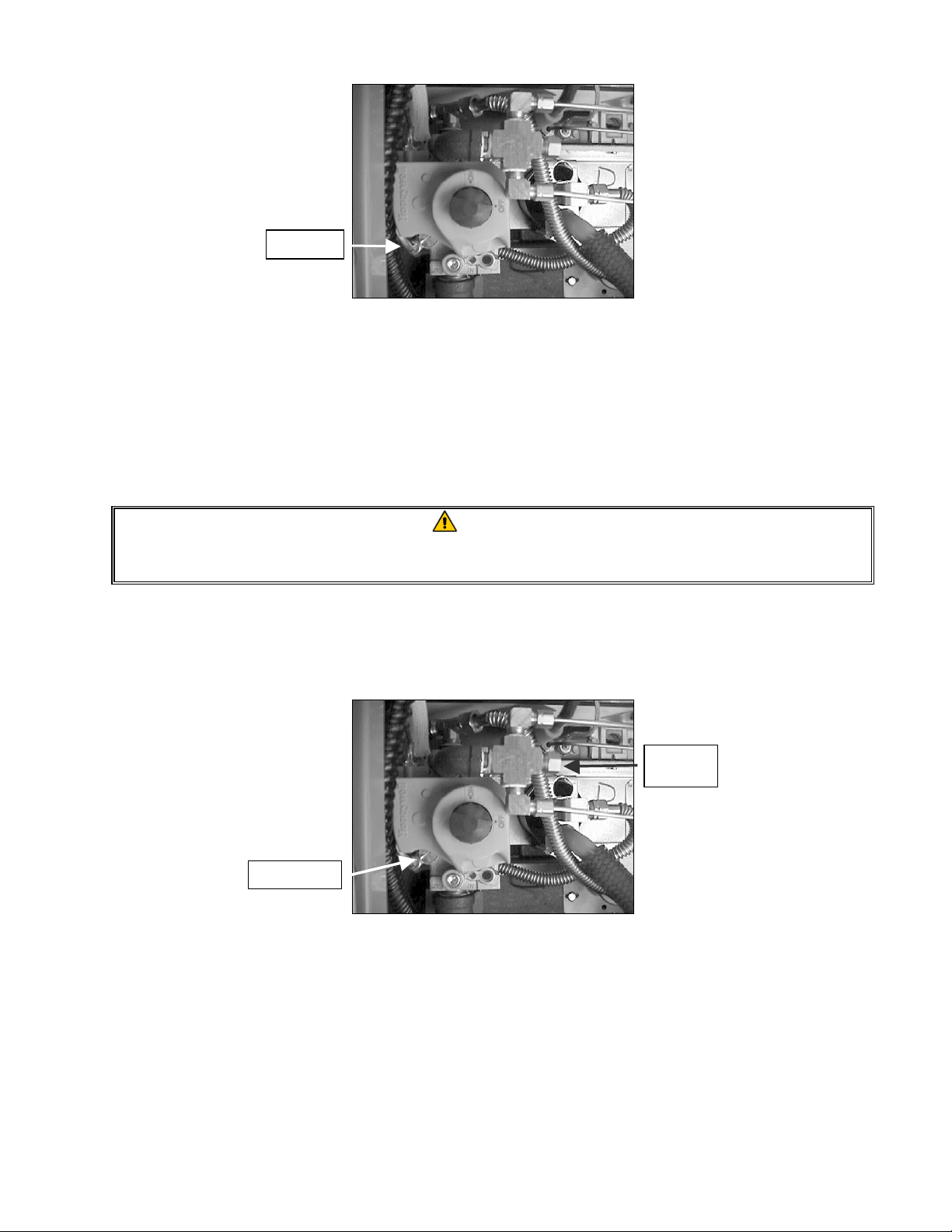
2. Carefully unscrew the vent tube from the gas valve. NOTE: The vent tube may be straightened
for ease in removal.
4-3
3. Pass a piece of ordinary binding wire (.052 inch diameter) through the tube to remove any
obstruction.
4. Remove the wire, then blow through the tube to ensure it is clear.
5. Reinstall tube and bend so that the opening is pointing downward.
Check Burner Manifold Pressure
WARNING
Frymaster recommends that this task be performed by the local gas company or an
authorized service technician only.
1. Ensure that the gas valve knob is in the OFF position.
2. Remove the pressure tap plug from the gas valve assembly and attach the fitting for a gas
pressure-measuring device to the tap.
3. Place the gas valve in the ON position. Place the controller power switch in the ON position.
When the burner lights and continues to burn, compare the indicated pressure to the table
below.
Vent Tube
Pressure
Tap Plug
Regulator Cap

4-4
Burner Manifold Gas
Pressures
Gas Pressure
Natural
3.5" W.C.
0.8 kPa
LP
8.25" W.C.
2.5 kPa
4. If necessary, adjust the burner gas pressure by removing the cap from the gas valve regulator
and turning the regulator screw to obtain the correct pressure. When the correct pressure is
obtained, reinstall the cap.
5. Place the controller power switch and the gas valve in the OFF position. Remove the fitting
from the pressure tap hole and reinstall the pressure tap plug.
5-1
FBR18 & FBRA18 SERIES GAS RETHERMALIZERS
CHAPTER 5: OPERATOR TROUBLESHOOTING
5.1 Introduction
This chapter provides an easy reference guide to the more common problems that may occur during
the operation of your equipment. The troubleshooting guides in this chapter are intended to help you
correct, or at least accurately diagnose, problems with your equipment. Although the chapter covers
the most common problems reported, you may very well encounter a problem not covered. In such
instances, the Frymaster Technical Service Department will make every effort to help you identify
and resolve the problem.
When troubleshooting a problem, always use a process of elimination starting with the simplest
solution and working through to the most complex. Never overlook the obvious. Anyone can forget
to plug a cord into a receptacle or open the valve on the water supply line. Don’t assume that you
are exempt from such occurrences.
Always try to establish a clear idea of why a problem has occurred. Part of your corrective action
involves taking steps to ensure that it doesn’t happen again. If a controller malfunctions because of
a poor connection, check all other connections while you’re at it. If a fuse continues to blow, find
out why. Keep in mind that failure of a small component may often be indicative of potential failure
or incorrect functioning of a more important component or system.
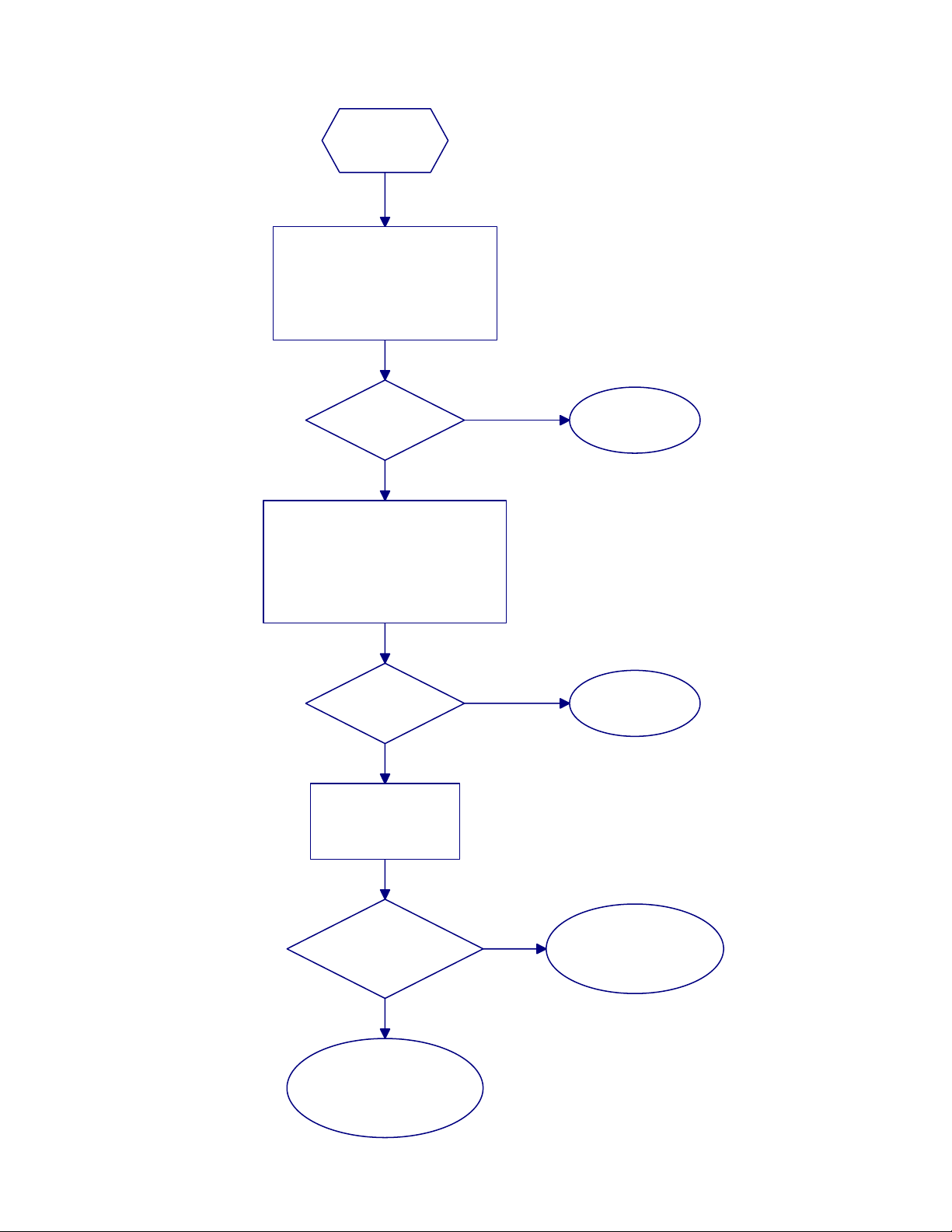
Each guide begins with a description of a common problem in a six-sided figure. Simply follow the
arrows and answer the questions to determine the corrective action to take. If you have doubts as to
the proper action to take, do not hesitate to call the Frymaster Technical Service Department or your
local Frymaster Factory Authorized Service Center for assistance.
DANGER
Hot water can cause severe burns. Never attempt to move a rethermalizer
containing hot water or to transfer hot water from one container to another.
DANGER
Use extreme care when performing electrical circuit tests. Live circuits will be
exposed.
WARNING
Inspection, testing, and repair of electrical equipment should be performed only by
qualified service personnel. The equipment should be unplugged when servicing,
except when electrical tests are required.
5-2
5.2 Troubleshooting Guides
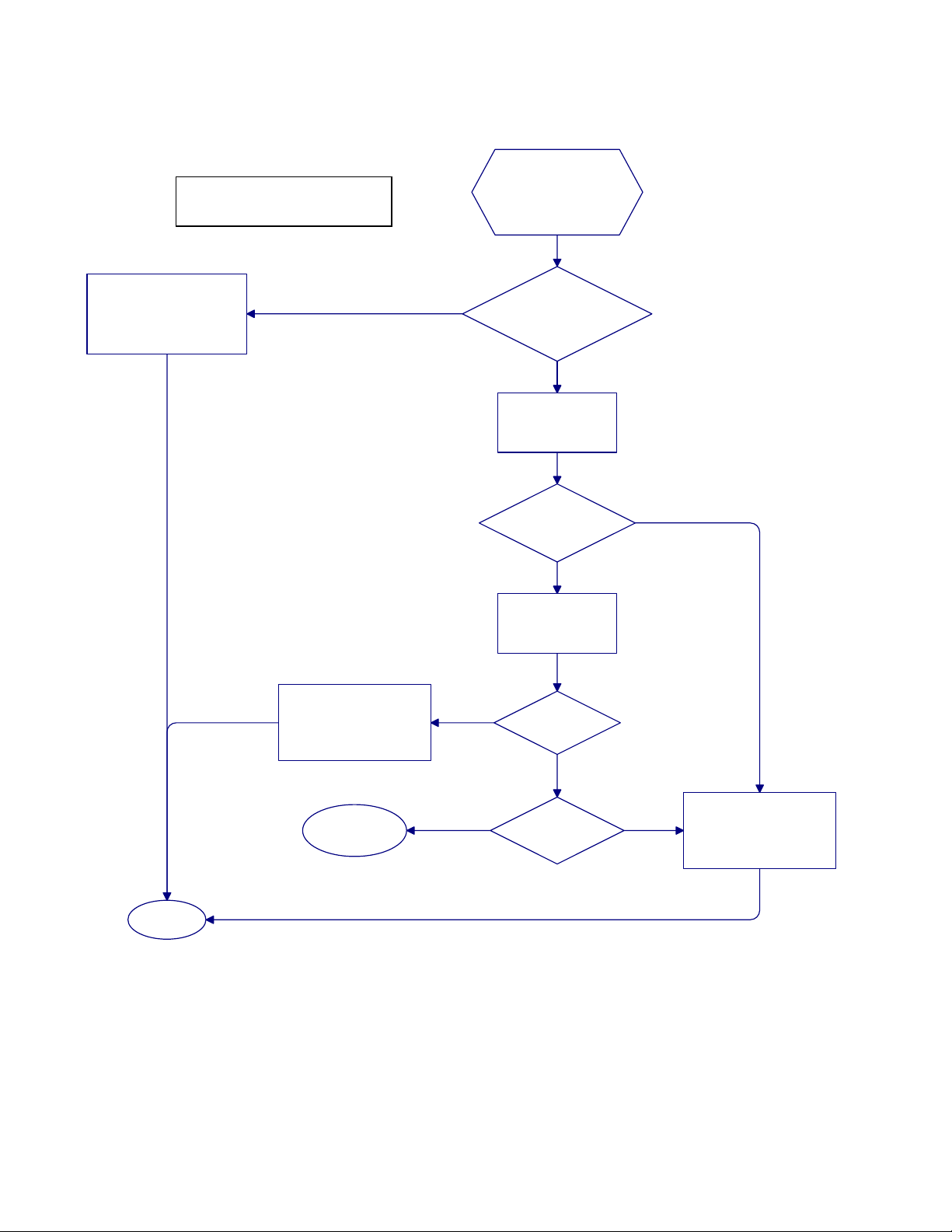
COOKPOT DID NOT FILL
WHEN UNIT WAS TURNED ON.
WATER SUPPLY TO UNIT
VERIFIED TO BE ON.
Did anything appear
in controller display when unit
was turned on?
Open control panel by
removing screws in
each upper corner.
Is WATER
LED on interface board
illuminated?
Probable causes are a failed
water solenoid or a failed
interface board.
Call FASC.
Use bottlebrush to
clean water level
sensors.
Did LED
illuminate?
Did unit begin
to fill?
Problem
resolved.
Probable causes are a failed
interface board or
failed/loose high-level water
sensor wiring.
Controller is not functioning.
Probable causes are failed 12V
transformer, failed interface
board, or failed controller.
Yes
No
Yes
No
Yes
No
NoYes
NOTE: This guide applies
to FBRA18 units only.
5-3
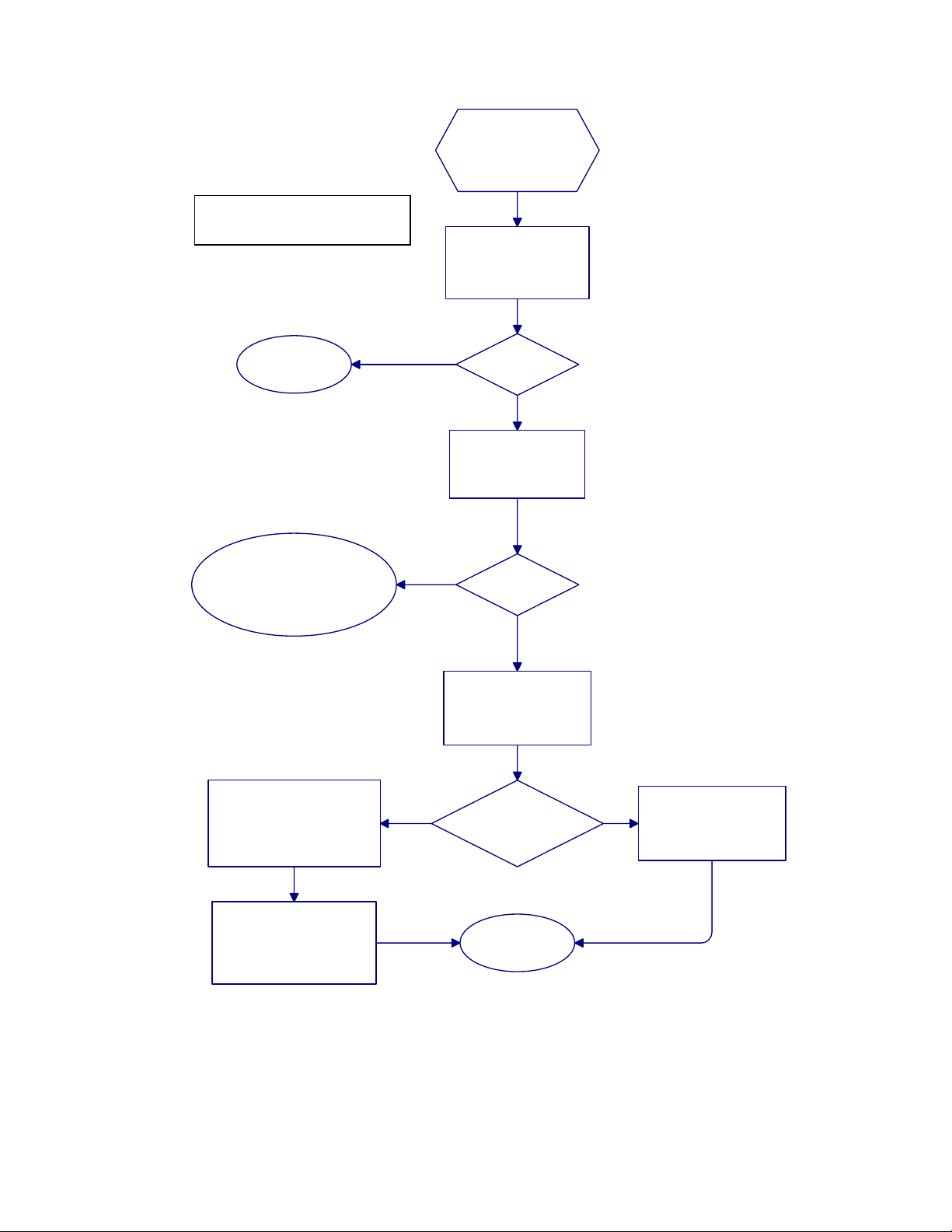
WATER DID NOT SHUT
OFF WHEN COOKPOT
WAS FULL.
Use bottlebrush to clean
water level sensors.
Did water
stop?
Problem
resolved.
Add 1/8 cup of salt to
water in cookpot and
stir.
Did water
stop?
Mineral content of water is
insufficient for water sensor to
detect it. Whenever cookpot is
refilled, add 1/8 cup of salt.
Open control panel by
removing screws in each
upper corner.
Is WATER
LED on interface board
illuminated?
Remove the cover over the
water sensors and thoroughly
clean the sensors with a
Scotchbrite or similar pad.
If water still does not stop,
probable cause is
failed/loose high water
sensor wiring.
Call FASC.
Probable cause is failed
water solenoid.
Yes
No
Yes
No
Yes No
NOTE: This guide applies
to FBRA18 units only.
5-4
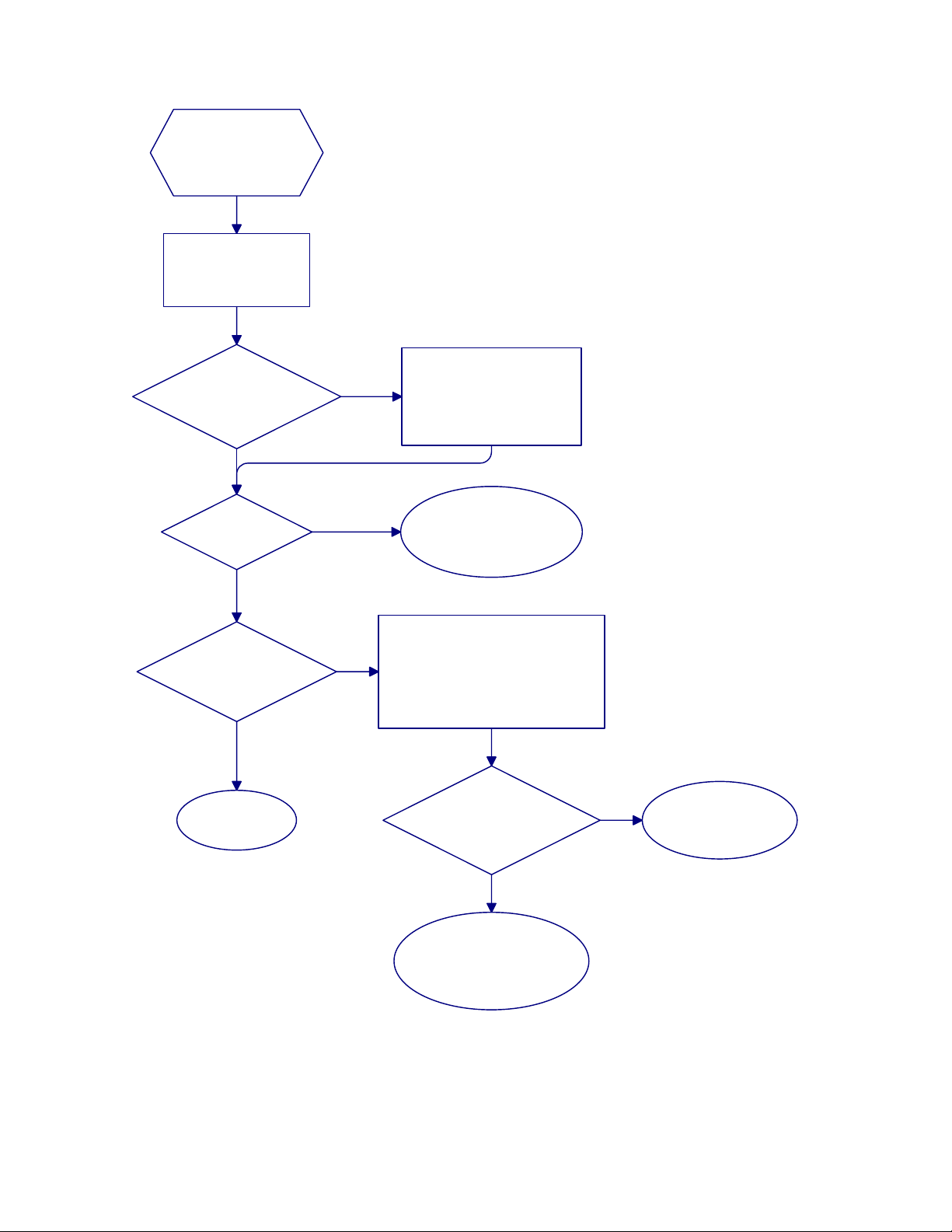
WATER NOT HEATING.
AUTOFILL (IF INSTALLED)
WORKED PROPERLY.
Press the Temperature
Check button twice to
display setpoint.
Has the correct setpoint
been programmed?
Did burners
light?
Did water reach
setpoint temperature?
Problem
resolved.
Insert a good grade thermometer into
cookpot with tip near temperature
probe and wait two minutes. Press
the Temperature Check button once to
display cookpot temperature.
Is temperature
displayed reasonably
close to thermometer
reading?
Temperature control
features are working properly.
If water still fails to reach
setpoint, call FASC.
There is a problem in
temperature probe
circuit. Call FASC.
Refer to troubleshooting
guide "BURNERS DO NOT
LIGHT".
Program setpoint in
accordance with instructions
in Chapter 3.
Yes
No
Yes
No
Yes
No
Yes
No
5-5
BURNERS DO
NOT LIGHT.
Verify that correct setpoint has
been programmed, that main gas
supply valve is open, and that
equipment gas valve is set to ON.
Press ON/OFF button.
Did burners
light?
Problem
resolved.
Use bottlebrush to clean low water
sensor. If burners still do not light,
remove the cover over the water
sensors and thoroughly clean them
with a Scotchbrite or similar nylon pad.
Did burners
light?
Problem
resolved.
Open control panel by
removing screws in
each upper corner.
Is HEAT LED
on interface board
illuminated?
Problem is with the gas
supply or ignition system.
Call FASC.
Problem is with a
failed interface board or a
malfunctioning computer.
Call FASC.
Yes
No
Yes
No
Yes
No
5-6
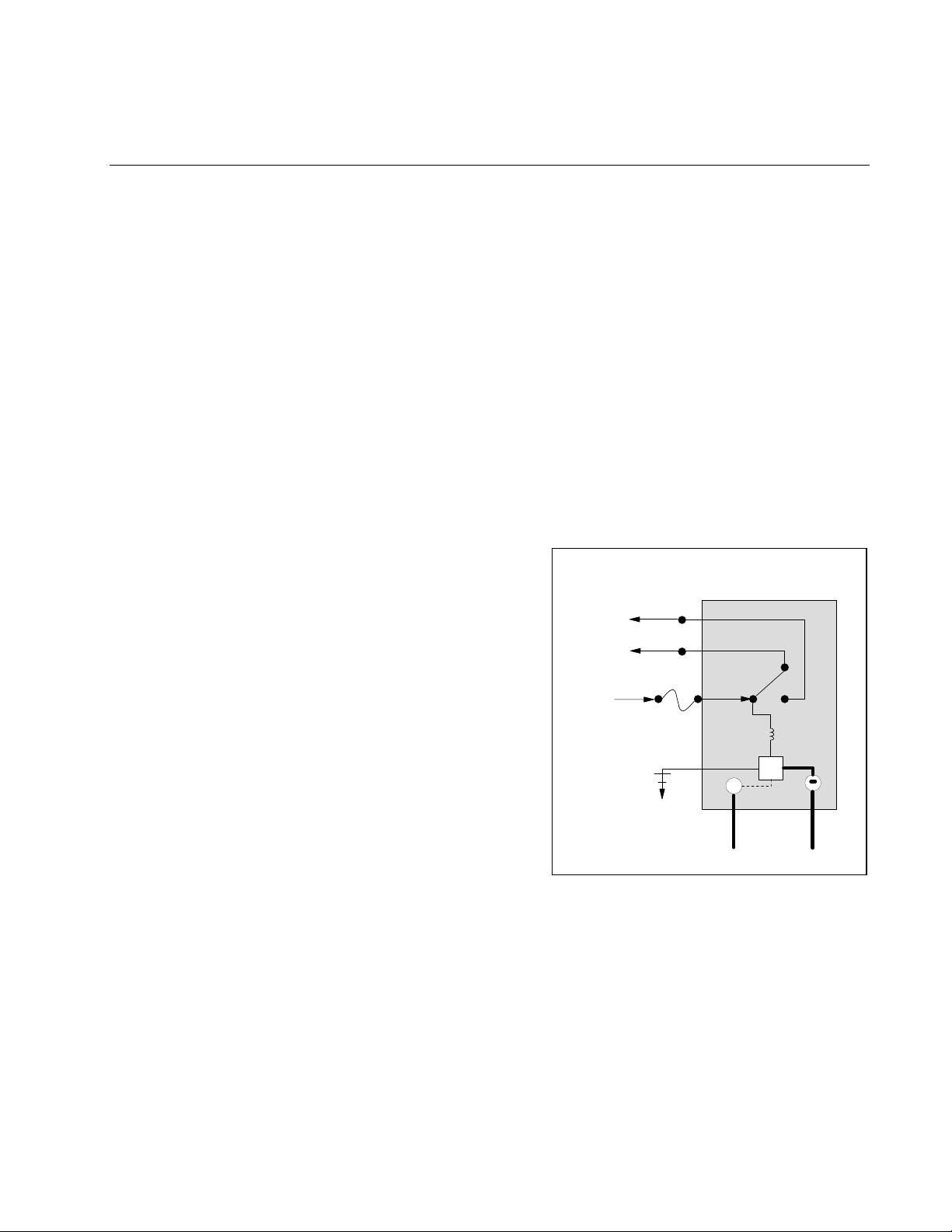
5.3 Replacing the Controller or Controller Wiring Harness
1. Disconnect the rethermalizer from the electrical supply.
2. Remove the two screws in the upper corners of the control panel and swing the panel open from
the top, allowing it to rest on its hinge tabs.
3. Disconnect the wiring harness from the back of the controller. If replacing the harness, discon-
nect it from the interface board, install the new harness, and then reverse steps 1 and 2 to
complete the process.
4. Disconnect the ground wire from the controller. Remove the control panel by lifting it from the
hinge slots in the frame.
If substituting one complete control panel for another, reverse steps 1-4 to complete the
procedure.
If replacing the controller, remove the nuts securing the controller to the control panel and install
the replacement controller on the control panel. Reverse steps 1-4 to complete the procedure.
Wiring Harness
Connection
Ground Wire
6-1
Inside the Ignition Module
TD
Out to
Gas Valve
To Alar m
25 V +
25 V GND
HV
Ignition Wire Flame Sensor
Coil
FBR18 & FBRA18 SERIES GAS RETHERMALIZERS
CHAPTER 6: SERVICE PROCEDURES
6.1 Functional Description
These rethermalizers contain a welded stainless steel cookpot that is directly heated by a high effi-
ciency burner system requiring approximately 43% less energy than conventional burner systems to
heat the same volume of water.
Two self-contained combustion chambers (referred to as “burners”) are located beneath the cookpot.
Each combustion chamber is fitted with special ceramic tiles that are heated by the burning of a
forced air/gas mixture. The tiles transfer their heat to the cookpot by means of infrared radiation,
providing much more constant and uniform heat dispersion over the surface of the cookpot than do
conventional burners. Because relatively less heat is lost to the atmosphere in the process, compared
to “open-burner” designs, less fuel is required to achieve and maintain a given cookpot temperature.
Gas flow to both of the burners is regulated by one electromechanical gas valve.
THE ELECTRONIC IGNITION SYSTEM
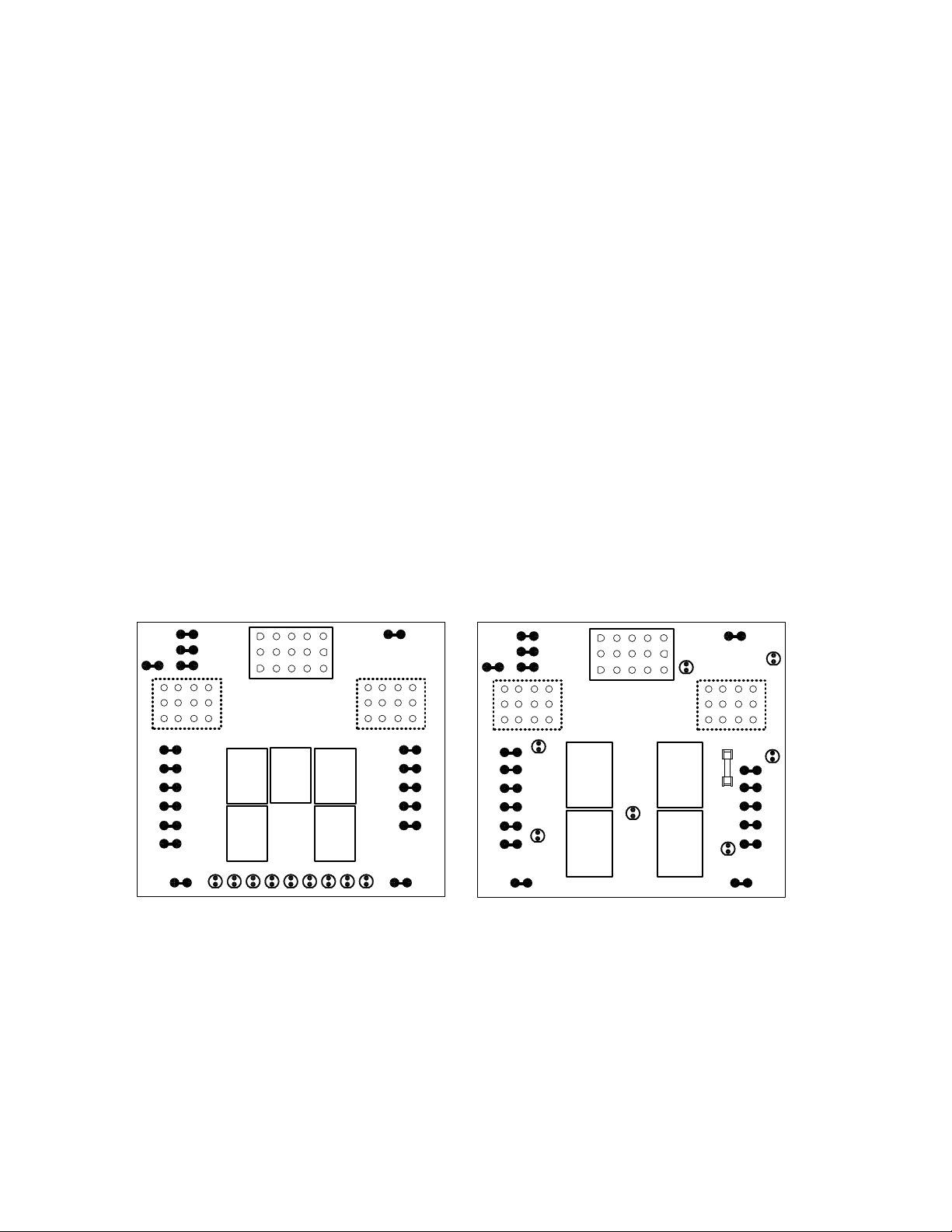
Ignition modules, located in the component box, are
connected to ignitor assemblies at each burner. An
ignition module performs four important functions: it
provides fuse protection for the 24-volt circuit, provides
an ignition spark, supplies voltage to the gas valve, and
proofs the burner flame. The module contains a 4-
second time delay circuit and a coil that activates the
gas valve.
The ignitor assembly consists of a spark plug, an
enrichment tube, and a flame sensor.
At start-up, the power switch is placed in the ON
position, supplying approximately 12-volts DC to the
heat control circuitry in the controller and to one side of
the heat relay coil on the interface board. If resistance
in the temperature probe indicates the temperature in the cookpot is below 160ºF (71ºC), the current
flows through a warm-up circuit containing a timer switch that alternately closes for 4 seconds and
opens for 24 seconds. If the temperature is 160ºF (71ºC) or above, the current flows through a heat
circuit, bypassing the timer switch. In either case, ground is supplied to the other leg of the heat re-
lay coil, which then closes an electronic switch in the 24 VAC circuit to provide current to the igni-
tion module.
Circuitry in the ignition module sends 24 VAC to the gas valve. Simultaneously, the module causes
the ignitor to spark for 4 seconds to light the burner. A flame sensor verifies that the burner is lit by
measuring the flow of microamps through the flame. If the burner does not light (or is extin-
6-2
guished), current to the ignition module is cut, preventing the main valve from opening, and the igni-
tion module “locks out” until the power switch is turned off and then back on.
A probe monitors the temperature in the cookpot. When the programmed setpoint temperature is
reached, resistance in the probe causes the heat cycle circuitry in the controller to cut off current
flow through the heat relay. This in turn cuts off the 24 VAC to the ignition module, causing the gas
valve to close.
CONTROLLER AND MECHANICAL TIMERS
FBR18 and FBRA18 Series rethermalizers are equipped with a digital controller that allows the op-
erator to enter or adjust a specific rethermalizing temperature for the cookpot. The controller does
not control rethermalizing times. Rethermalizing times for up to six different products are specified
by means of 60-minute mechanical timers arrayed across the front of the unit.
INTERFACE BOARDS
An interface board is located in the component box directly behind the control panel. The interface
board provides a link between the controller and the rethermalizer’s individual components without
requiring excessive wiring, and it allows the controller to execute commands from one central point.
FBR18 and FBRA18 models use different interface boards. The boards are not interchangeable.
FBR18 rethermalizers have been manufactured with two different interface boards, similar in ap-
pearance to the ones illustrated below. Regardless of the board used when manufactured, the uni-
versal replacement part is 806-3398. Earlier design boards may be replaced with later design
boards and vice versa.
K4
K1 K2
SOUND
1
2
3
GND
GND
V2D
PWR
AD
AS
V2S
GND
V1D
PWR
ALR
V1S
GND GV PWR
AL 12V AIR 24V AL
PWR
GV
GND
NOT
USED
HEAT
RELAY
J2
EARLIER DESIGN INTERFACE BOARD P/N 806-3398
GND
12 6345
J3
3 6 9 12
2 5 8 11
1 4 7 10
J1
3 6 9 12
2 5 8 11
1 4 7 10
15
12963
14
11852
13
10741
BLOWER
MOTOR
RELAY
NOT
USED
NOT
USED
K3 K5
K4
K1
SOUND
1
2
3
GND
GND
V2D
PWR
AD
AS
V2S
GND
GV
PWR
12V
AIR
24V
PWR
GND
V1D
PWR
ALR
V1S
GV
GND
J2
LATER DESIGN INTERFACE BOARD P/N 806-3398
GND
J3
3 6 9 12
2 5 8 11
1 4 7 10
J1
3 6 9 12
2 5 8 11
1 4 7 10
15
12963
14
11852
13
10741
K2 K3
HEAT
RELAY
AND
BLOWER
MOTOR
RELAY
NOT
USED
D1
D2
D3
D4
D6
D7
NOT
USED
NOT
USED
Blower
Motor
2 Amp
D5
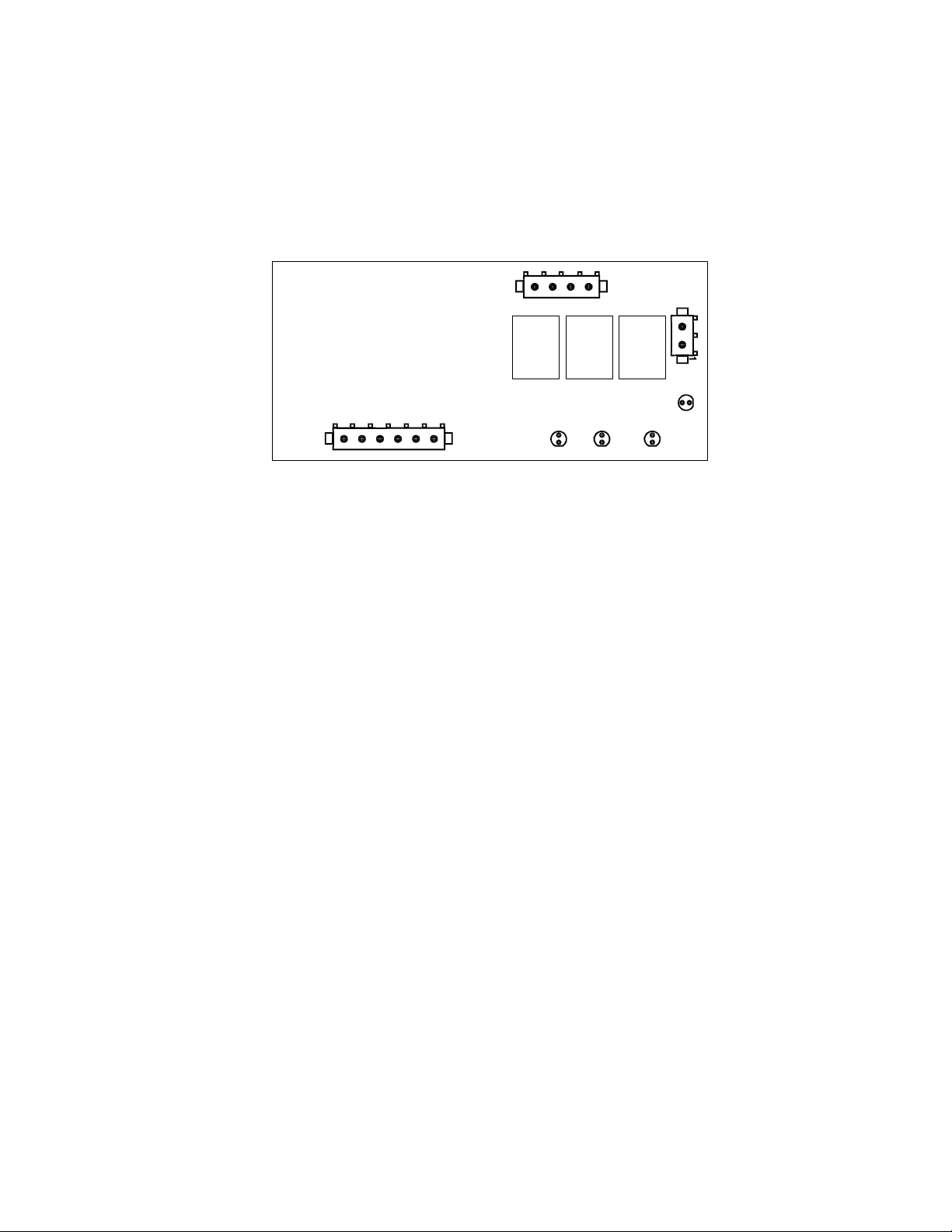
In earlier versions, nine diagnostic LEDs are arrayed along the bottom edge of the board. Each of
the LEDs is labeled with two or three letters indicating its function, and six of them are numbered.
In later versions, there are seven LEDs scattered around the board. All of these LEDs are labeled
and numbered. The diagnostic purposes of LEDs 1 through 6 on one board correspond directly to
those of LEDs 1 through 6 on the other board. When lit, LED 3 indicates the 24VAC is being re-
ceived from the transformer. LEDs 2 and 4, when lit, indicate that 24VAC is being supplied to the
left and right ignition modules respectively. LED 5, when lit, indicates that 24VAC is being sup-
plied to the gas valve. A lit LED 6 indicates that 12VAC is being received from the transformer.
All other LEDs have no diagnostic purpose in rethermalizer applications.
6-3
The relays in earlier design boards are soldered on and cannot be replaced. Later design boards fea-
ture replaceable plug-in relays. In earlier designs boards, a heat relay (K2) switches 24VAC to the
ignition and gas valve circuits when the controller heat logic circuit calls for heat. Simultaneously, a
blower motor relay (K4) switches 120VAC to the blower motor. In later design boards, relay K3
serves as both the heat relay and blower motor relay.
FBRA18 rethermalizers use interface board 806-9592, often referred to as a water board.
INTERFACE BOARD P/N 806-9592
J2
1
1
J1
J3
CYCLE WATER BLOWER
POWER
K3
BLOWER
K2
WATER
K1
HEAT
On interface board 806-9592, the heat (or cycle) relay (K1) switches 24VAC to the ignition and gas
valve circuits when the controller’s heat logic circuit calls for heat and the lower water level sensor
is grounded (i.e., the water level in the cookpot is above the lower water level sensor). If the water
level in the cookpot is below the upper water level sensor, the water relay (K2) closes, switching
power to the normally closed water solenoid valve, causing it to open. When the water level reaches
the upper sensor, the relay opens, cutting power to the valve, causing it to close. The blower relay
(K3) closes and switches 120VAC to the blower motor only when the heat relay (K1) is closed. The
board has four LEDs to assist in troubleshooting. Three of the LEDs (CYCLE, WATER, and
BLOWER) are arrayed along the lower edge of the board. The fourth LED (POWER) is located at
the right edge of the board. When the cycle, water, and blower LEDs are illuminated, they indicate
that the associated relay is closed. The power LED indicates that 24VAC is being supplied to the
interface board by the transformer.
TEMPERATURE PROBE
A temperature probe is located on the front centerline of the cookpot. The probe is a type of thermo-
stat in which the resistance varies directly with the temperature. That is, as the temperature changes,
so does resistance, at a rate of approximately 2 ohms for every 1° of rise or fall. Circuitry in the
controller monitors the probe resistance and controls burner firing when the resistance exceeds or
falls below a programmed temperature (setpoint). The temperature is programmed by means of up
or down arrow buttons on the face of the controller.
WATER LEVEL SENSORS (FBRA18 Only)
A pair of water level sensors is arranged one above the other on the left front of the FBRA18 cook-
pot. When water contacts the sensors they are grounded. The lower sensor acts as a safety device to
keep the burner from firing when there is no water in the cookpot. When the sensor is grounded by
contact with water, a transistor on the interface board is biased and the heat relay (K1) pulls in, sup-
plying power to the blower via relay K3 and to the gas valve via the ignition modules. Grounding
6-4
the upper water level sensor causes the water relay (K2) to open. This cuts power to the water sole-
noid valve, which closes, cutting off water flow into the cookpot.
6.2 Accessing the Rethermalizer for Servicing
DANGER
Moving a rethermalizer filled with hot water may cause spilling or splattering of the
hot water. Always drain the cookpot before attempting to relocate the unit for servic-
ing.
1. Shut off the gas supply to the unit. Unplug the electrical power cord. Disconnect the unit from
the gas supply.
2. Remove any attached restraining devices.
3. Relocate the rethermalizer for service accessibility.
4. After servicing is complete, reconnect the unit to the gas supply, reattach restraining devices, and
plug in the electrical power cord.
6.3 Cleaning the Gas Valve Vent Tube
Refer to Semi-Annual Checks and Services in Chapter 4, Preventive Maintenance.
6.4 Checking the Burner Manifold Gas Pressure
Refer to Semi-Annual Checks and Services in Chapter 4, Preventive Maintenance.
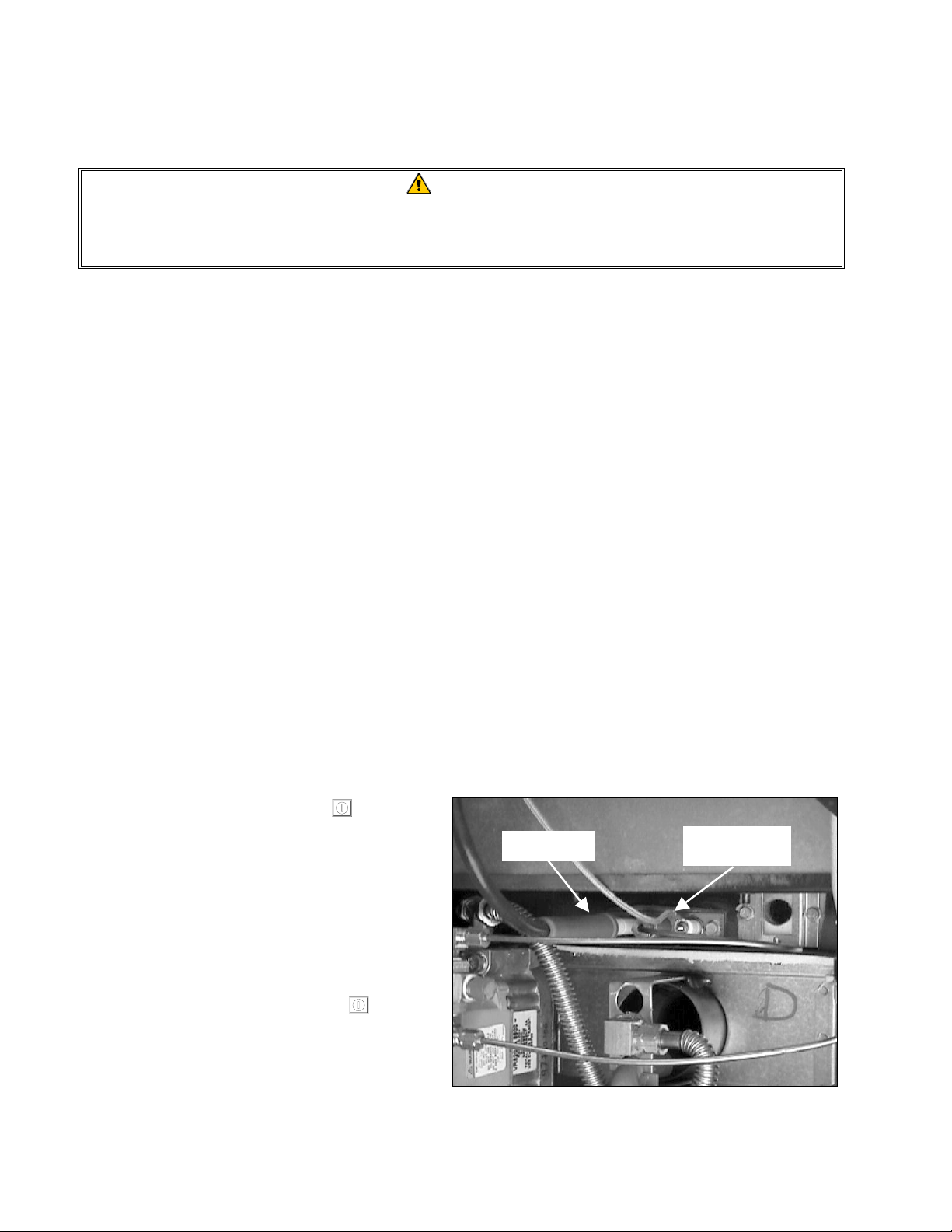
6.5 Measuring Flame Current
When the burner flame is properly adjusted, it will produce a current between 3.5 µA and 6.5 µA.
Flame current is measured by placing a microamp (not milliamp) meter in series with the white sens-
ing wire on the ignitor. This is accomplished as follows:
1. Turn the unit OFF (press the button).
2. Disconnect the white flame sensor wire
from one of the burner ignitor assemblies
and connect it to the positive lead of the
meter. Connect the negative lead of the
meter to the terminal from which the
sensing wire was removed.
3. Turn the unit ON (press the button).
When a cold unit is first turned on, the
burner will cycle on and off repeatedly
until the temperature in the cookpot
reaches 180°F (82°C). When the water in
Ignitor Wire
Flame Sensor
Wire

6-5
the unit exceeds that temperature, the burner will stay on until the setpoint is reached. Check the
reading when the burner has been on continuously for at least one minute.
6.6 Replacing Components
6.6.1 Replacing the Controller or Controller Wiring Harness
Refer to Chapter 5, Section 5.3 for this procedure.
6.6.2 Replacing the Temperature Probe
1. Unplug the rethermalizer and drain the cookpot.
2. Remove the screws from the upper corners of the timer panel and swing the panel open from the
top, allowing it to rest on its hinge tabs. Cut the probe leads off at the rear of the probe. NOTE:
Once the probe leads have been cut, the probe cannot be reused. Work the Tinnerman retaining
clip rearward off the probe.
3. Remove the two screws securing the probe cover to the probe block and remove the cover. Slip
the failed probe out of the block from the cookpot side and replace with a new probe. Carefully
remove the Tinnerman retaining clip from the replacement probe to allow the leads and short end
of the probe to be inserted through the probe block from cookpot side. When the replacement
probe has been inserted, work the retaining clip onto the probe until the probe is held securely in
place. Reinstall the probe cover and timer panel.
4. Remove the screws from the upper corners of the control panel and swing the panel open from
the top, allowing it to rest on its hinge tabs. Remove the two upper screws securing the compo-
nent box to the rethermalizer. Rotate the box forward and outward to expose the 12-pin connec-
tor on the rear of the interface board.
5. Unplug the 12-pin connector from the interface board. Using a pin pusher, remove the cut off
pieces of wire from the connector one at a time, and insert the corresponding wire from the new
probe.
6. Reattach the 12-pin connector to the interface board, rotate the component box back into posi-
tion, and replace and tighten the mounting screws. Close the control panel and replace the
screws in each upper corner.
6.6.3 Replacing the Interface Board
1. Unplug the rethermalizer and drain the cookpot.
2. Remove the screws from the upper corners of the control panel and swing the panel open from
the top, allowing it to rest on its hinge tabs.
3. Detach the grounding wire from the controller, unplug the 15-pin connector from the interface
board, and remove the control panel from the unit by lifting it up and out of the hinge slots in the
control panel frame.

6-6
7. Remove the two upper screws securing the component box to the rethermalizer. Rotate the box
forward and outward to expose the 12-pin connector on the rear of the interface board, and un-
plug it from the board.
4. On FBRA18 models only, mark the water level sensor wires and disconnect them from terminals
J1-1 (upper sensor) and J1-2 (lower sensor).
5. Remove the nuts in each corner of the interface board and carefully pull the board off the mount-
ing studs, being careful not to dislodge the spacers on the studs.
6. Position the replacement board on the studs and replace the four nuts.
7. Reconnect the water level sensor wires (FBRA18 models only) and the 12-pin connector to the
interface board.
8. Rotate the component box back into position and replace and tighten the mounting screws. Re-
mount the control panel to the component box and reattach the grounding wire.
9. Reattach the 15-pin connector to the interface board.
10. Close and secure the control panel.
6.6.4 Replacing an Ignition Module
1. Unplug the rethermalizer and drain the cookpot.
2. Disconnect the ignitor wire and flame sensor wire from the right burner assembly.
3. Remove the five screws from the rear of the transformer box and pull the box out of the unit suf-
ficiently to allow the removal of the five screws in the cover of the box. Remove the cover.
4. Unplug the ignitor wire and flame sensor wire from the module to be replaced. Disconnect the
remaining wires from the ignition module one at a time and mark them to facilitate reconnection.
5. Remove the four screws securing the module in place and lift the module out of the box. Re-
move the four spacers from the back of the failed module and insert them into the holes on the
replacement module, tapered end in.
6. Reverse steps 1 through 5 to complete the procedure.
6.6.5 Replacing an Ignitor Assembly
1. Unplug the rethermalizer and drain the cookpot.
2. Remove the ignitor wire and flame sensor wire from the ignitor assembly. Disconnect the gas
enrichment tube from the assembly.
3. Remove the two mounting screws and pull the ignitor assembly out of the burner.
4. Install the replacement ignitor assembly.

6-7
5. Reconnect the ignitor wire, flame sensor wire, and gas enrichment tube.
6.6.6 Replacing the Combustion Air Blower
Refer to Chapter 4, Section 4.4, Clean Combustion Air Blower, for instructions on removing and
reinstalling the combustion air blower.
6.6.7 Replacing the Gas Valve
1. Turn off the gas supply to the rethermalizer, unplug the unit, and drain the cookpot.
2. Disconnect the unit from the gas supply line and remove any fitting that may be attached to the
gas manifold at the rear of the unit.
3. Disconnect the gas lines at each burner orifice.
4. Disconnect the gas enrichment tubes at the gas valve cross fitting.
5. Disconnect the wires from the gas valve terminal, marking each wire to facilitate reconnection.
6. Remove the two nuts securing the gas manifold bracket to the base frame.
7. Pull the gas manifold assembly out the front of the unit.
8. Remove the gas valve from the manifold assembly and remove all fittings from the old valve.
9. Install the fittings removed from the old valve on the new valve, using Loctite
®
PST56765 or
equivalent pipe thread sealant.
10. Apply Loctite
®
PST56765 pipe thread sealant or equivalent to the threads of the manifold and
install the new gas valve.
11. Position the gas manifold system in the unit and replace the two nuts removed in step 6.
12. Reverse steps 1-5 to complete installation.
13. Check burner manifold gas pressure in accordance with procedure given in Chapter 4.
6.6.8 Replacing a Burner Assembly
(NOTE: If space permits, it is recommended that the unit be disconnected from the gas line and laid
on its back when performing this procedure. Be sure to place blocks under the unit to protect the
end of the gas line.)
1. Unplug the rethermalizer.
2. Disconnect the flexible gas line at the burner orifice.
3. Remove both air hoses from the blower assembly and the burner assemblies.

6-8
4. Remove the four screws from the blower stabilizing bracket attached to the blower assembly and
to each burner. Remove the stabilizing bracket from the unit.
5. Remove the screw securing the blower support bracket to the cookpot assembly and lower the
blower assembly out of the way. It is not necessary to disconnect the blower wiring.
6. Remove the two screws at the front of the burner assembly to be replaced, then pull the assembly
toward the front of the unit slightly to free it from its rear support. Remove the assembly
through the bottom of the unit.
7. Reverse steps 1-6 to install replacement burner assembly, being careful to get the insulation strip
running along the top of the blower support bracket back in place.
6.6.9 Replacing the Cookpot
1. Remove the cookpot insert.
2. Remove the top cap by removing the two screws on the front and the screw on each end.
3. Remove the flue cap and lid assembly by removing the two screws on each side and the two out-
ermost screws on the back. Rotate the bottom of the flue cap forward slightly to allow the top of
the flue cap to slip out from under the back panel.
4. Remove the four screws securing the upper flue assembly to the back panel.
5. Remove the blower motor by removing the four nuts securing it to blower mounting bracket.
6. Disconnect the flexible gas lines, gas enrichment tubes, ignitor wires, and flame sensor wires
from the burner assemblies.
7. Remove the temperature probe from the cookpot. Leave wires attached.
8. Disconnect the water fill line at the cookpot and at the solenoid valve inlet.
9. Disconnect the wires from the water level sensors, marking them to facilitate reconnection.
10. Lift the cookpot assembly out of the cabinet and set it, top down, on a suitable work surface.
11. Remove all other hardware from the old cookpot and install the components on the replacement
cookpot, using Loctite
®
PST56765 on the drain valve threads. (NOTE: Install any replacement
insulation that might be required before installing components.)
12. Reverse steps 1-10 to install the replacement cookpot.
6.7 Troubleshooting and Problem Isolation
Because it is not feasible to attempt to include in this manual every conceivable problem or trouble
condition that might be encountered, this section is intended to provide technicians with a general

6-9
knowledge of possible problems, and the probable causes of each. With this knowledge, the techni-
cian should be able to isolate and correct any problem encountered.
Problems that are likely to be encountered can be grouped into five broad categories:
1. Ignition failures
2. Improper burner functioning
3. Improper temperature control
4. Controller-related problems
5. Autofill system problems.
The probable causes of each category are discussed in the following sections. A series of trouble-
shooting guides (decision trees) is also included at the end of the chapter to assist in identifying
some of the more common problems.
6.7.1 Ignition Failures
Ignition failure occurs when the ignition module fails to sense a flame within 4 seconds and locks
out. When this happens, the module sends 24 VAC through the interface board alarm circuit to the
controller and the trouble light on the timer control panel lights.
The three primary reasons for ignition failure, listed in order of probability, are:
1. Problems related to the gas and/or electrical power supplies.
2. Problems related to the electronic circuits.
3. Problems related to the gas valve.
PROBLEMS RELATED TO THE GAS AND/OR ELECTRICAL POWER SUPPLIES
The main indicator of a problem with the electrical power supply is that there are no indicator lights
illuminated on the unit. The main indication of a problem with the gas supply is failure of the unit to
fire. Verify that the gas line quick-disconnect fitting (if used) is properly connected, the unit is
plugged in, the main gas supply valve is open, and the circuit breaker for the unit’s electrical supply
is not tripped.
PROBLEMS RELATED TO THE ELECTRONIC CIRCUITS
If gas and electrical power are being supplied to the rethermalizer, the next most likely cause of igni-
tion failure is a problem in the 24 VAC circuit. First, verify that the drain valve is fully closed. (The
drain valve assembly includes a microswitch that must be closed for power to reach the gas valve.
Often, although the valve handle appears to be in the closed position, the microswitch is still open.)
If the drain valve is fully closed, refer to the troubleshooting guide
TROUBLESHOOTING THE 24 VAC
CIRCUIT
.
Some typical causes of ignition failure in this category include a defective sensing wire in the ignitor
assembly, a defective module, a defective ignition wire, or a defective ignitor. Occasionally an igni-
6-10
tion failure situation may be encountered in which all components appear to be serviceable and the
microamp reading is within specification, but the unit nevertheless goes into ignition failure during
operation. The probable cause in this case is an intermittent failure of an ignition module. When the
unit is opened up for troubleshooting, the module cools down enough to operate correctly, but when
the unit is again closed up and placed back into service, the module heats up and fails.
PROBLEMS RELATED TO THE GAS VALVE
If the problem is not in the 24 VAC circuit, it is most likely in the gas valve itself, but before replac-
ing the gas valve, refer to the troubleshooting guide
TROUBLESHOOTING THE GAS VALVE.
6.7.2 Improper Burner Functioning
With problems in this category, the burner ignites but exhibits abnormal characteristics such as
“popping,” dark spots on the burner ceramics, fluctuating flame intensity, and flames shooting out of
the flue.
“Popping” indicates delayed ignition. In this condition, the main gas valve is opening but the burner
is not immediately lighting. When ignition does take place, the excess gas “explodes” into flame,
rather than smoothly igniting.
The primary causes of popping are:
Incorrect or fluctuating gas pressure
A defective, dirty, or incorrectly adjusted combustion air blower
Inadequate make-up air
Heat damage to the controller or ignition module
A cracked ignitor or broken/loose ignition wire
A defective ignition module
A cracked burner tile.
If popping occurs only during peak operating hours, the problem is most likely incorrect or fluctuat-
ing gas pressure. Verify that the incoming gas pressure (pressure to the gas valve) is in accordance
with the following table, and that the pressure remains constant throughout all hours of usage.
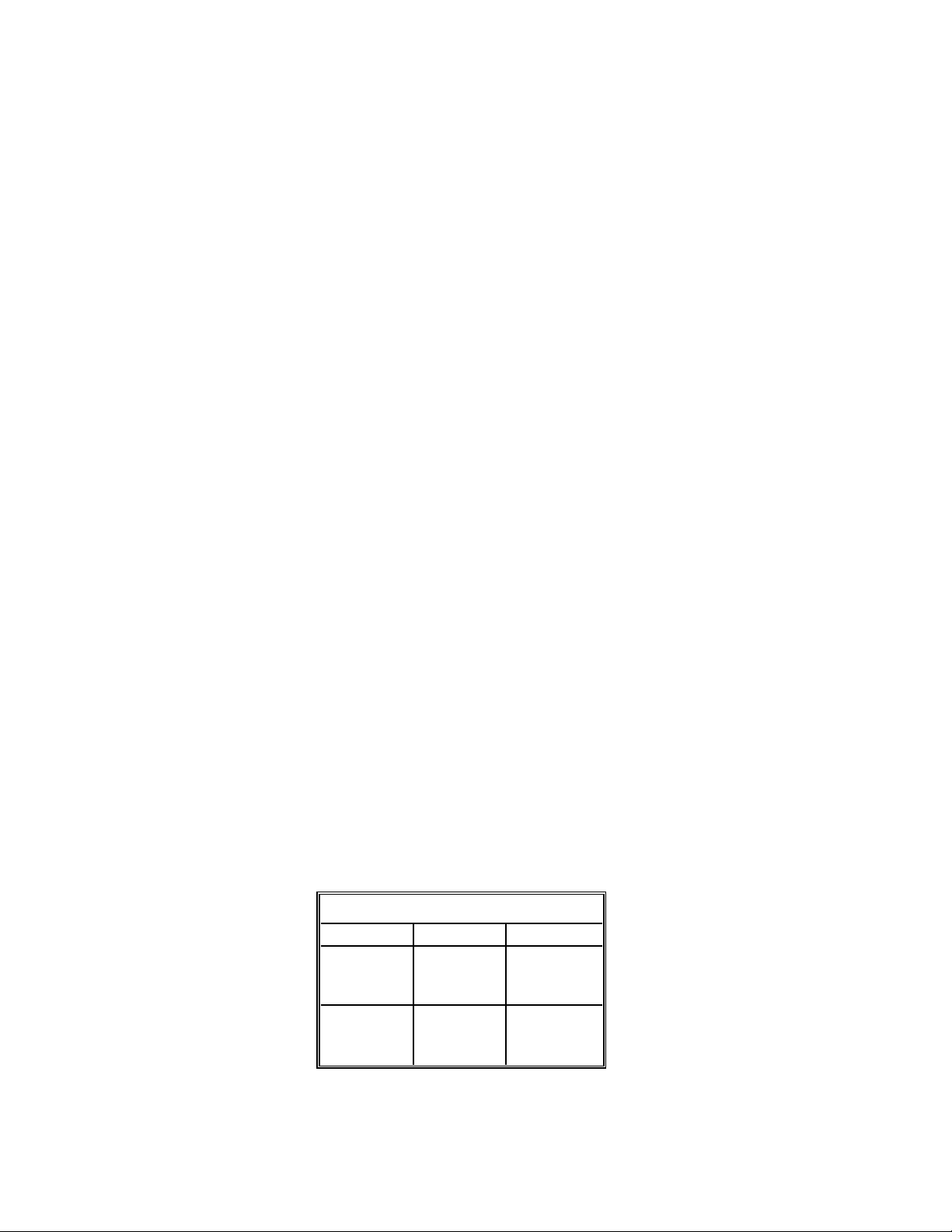
Incoming Gas Pressures
Gas Minimum Maximum
Natural
6" W.C.
1.49 kPa
14.93 mbar
14" W.C.
3.48 kPa
34.84 mbar
LP
11" W.C.
2.74 kPa
27.37 mbar
14" W.C.
3.48 kPa
34.84 mbar
Refer to Check Burner Manifold Pressure in the Semi-Annual Checks and Services section of
Chapter 4 for the procedure for checking the gas pressure supplied to the burner.
6-11
If popping is consistent during all hours of operation, the most likely cause is an insufficient air sup-
ply. Check for “negative pressure” conditions in the kitchen area. If air is flowing into the kitchen
area, this indicates that more air is being exhausted than is being replenished, and the burners may
be starved for air.
If the rethermalizer’s gas and air supplies are okay, the problem is most likely with one of the elec-
trical components. Examine the ignition module and controller for signs of melting/distortion and/or
discoloration due to excessive heat build-up in the equipment. (This condition usually indicates im-
proper flue performance.) A melted or distorted ignition module is automatically suspect and should
be replaced, but unless the condition causing excessive heat is corrected, the problem is likely to re-
cur.
Verify that the ignition wire is tightly connected at both ends and free of obvious signs of damage.
Again, if damage is due to excessive heat in the equipment, that problem must also be corrected.
Check for proper operation by disconnecting the wire from the ignitor, inserting the tip of a screw
driver into the terminal, and holding it near the frame of the unit as the power switch is placed in the
on position. A strong blue spark should be generated for at least 4 seconds.
DANGER
Make sure the insulated handle of the screwdriver is held and not the blade. The
sparking charge is approximately 25,000 volts.
Examine the ignitor for any signs of cracking. A cracked ignitor must be replaced.
If all other causes have been ruled out, examine the burner tiles for any signs of cracking. If found,
the burner must be replaced.
Fluctuating flame intensity is normally caused by either improper or fluctuating incoming gas pres-
sure, but may also be the result of variations in the kitchen atmosphere. Verify incoming gas pres-
sure in the same way as for popping discussed in the preceding paragraphs. Variations in the kitchen
atmosphere are usually caused by air conditioning and/or ventilation units starting and stopping dur-
ing the day. As they start and stop, the pressure in the kitchen may change from positive or neutral
to negative, or vice versa. They may also cause changes in airflow patterns that may affect flame
intensity.
Dark spots on the burner tiles are the result of an improper air/gas mixture. Adjust the combustion
air blower to reduce the amount of air in the mixture to correct this problem.
Flames shooting out of the flue are usually an indication of negative pressure in the kitchen. Air is
being sucked out of the burner enclosure and the flames are literally following the air. If negative
pressure is not the cause, check for high burner manifold gas pressure in accordance with the proce-
dures in Chapter 4.
An excessively noisy burner, especially with flames shooting out of the flue, may indicate that the
gas pressure is too high, or it may simply be that the gas valve vent tube is blocked. If the incoming
gas pressure is correct and the vent tube is unobstructed, the gas valve regulator is probably defec-
tive.

6-12
6.7.3 Improper Temperature Control
Temperature control is a function of several interrelated components, each of which must operate
correctly. The principle component is the temperature probe. Other components include the inter-
face board, the water level sensors (on FBRA18 units), the controller, and the ignition module.
Whatever the cause, the symptom is failure of the unit to attain or maintain setpoint temperature.
On FBR18A models, the unit will not call for heat unless the controller senses that the unit is full of
water. Sensing is accomplished when the water level in the cookpot contacts the upper water level
sensor, grounding it. If the mineral content of the water is unusually low, such as with distilled, pu-
rified, or highly filtered water, the water will not ground the sensor. If this is the cause, adding ap-
proximately ⅛-cup of salt to the water will usually solve the problem.
Similarly, if the upper water level sensor becomes encrusted with lime, starch, or some other build-
up, it will not ground properly. The solution is to clean the water level sensors thoroughly with a
Scotchbrite™ or similar nylon scouring pad.
6.8 Troubleshooting Guides
The troubleshooting guides found in the pages that follow are intended to assist service technicians
in quickly isolating the probable causes of equipment malfunctions by following a logical, step-by-
step process. An additional set of operator troubleshooting guides is contained in Chapter 5. It is
suggested that service technicians thoroughly familiarize themselves with both sets.
6-13
6.8.1 Troubleshooting the Gas Valve
NOTE: All voltage measurements
must be made within 4 seconds of
unit calling for heat. If unit does
not fire within 4 seconds, ignition
modules will lock out and
controller must be turned off then
back on to reset.
MAIN GAS SUPPLY
VALVE VERIFIED TO BE
OPEN AND EQUIPMENT GAS
VALVE IN ON POSITION.
Is there 24VAC
on gas valve main coil (PV
terminal)?
What gas is the
unit configured for?
Natual Gas
Is incoming
gas pressure 6-14"
W.C. (1.49-3.49
kPa)?
Is burner manifold
gas pressure 3.5" W.C.
(0.8 kPa)?
Is gas valve vent tube
obstructed?
Clear obstruction.
Problem is not with
gas valve.
Adjust pressure to
specification. If gas valve
will not adjust, replace gas
valve.
Problem is with gas
supply to fryer.
LP (Propane)
Gas
Is incoming
gas pressure 11-14"
W.C. (2.74-3.49
kPa)?
Is burner manifold
gas pressure 8.25" W.C.
(2.5 kPa)?
Is gas Valve vent tube
obstructed?
Problem is with
24VAC circuit. Refer to
Troubleshooting the
24VAC Circuit.
Yes
No
Yes
No
Yes
No
Yes
No
No
Yes
No
Yes
Yes
No

6-14
6.8.2 Troubleshooting the 24 VAC Circuit in FBR18 Units
NOTE: All voltage measurements must
be made within 4 seconds of unit
calling for heat. If unit does not fire
within 4 seconds, ignition modules will
lock out and controller must be turned
off then back on to reset.
UNIT IS CONNECTED TO
POWER SUPPLY, DRAIN VALVE
IS FULLY CLOSED, CONTROLLER
IS ON AND IS CALLING FOR HEAT
(decimal appears between first
two digits in controller display).
Is 24VAC present on
interface board J3 pin 9
(LED 5 (GV) lit)?
Is 24VAC
present across the gas
valve main coil (PV
terminal)?
24V circuit is
OK.
Probable cause is
failed wire between
interface board and gas
valve.
Is LED 3 (24V) lit
continuously?
Is LED 4
(PWR) lit?
Is LED 2
(PWR) lit?
Is 24VAC
present on 25V terminal
of LEFT ignition
module?
Is 24VAC
present on VALVE
terminal of ignition
module?
Probable cause is
failed wiring harness.
If fuse is not blown,
module has failed.
Is 24VAC
present on 25V terminal
of RIGHT ignition
module?
Probable causes are failed
wiring between blower centrifugal
switch and module, failed centrifugal
switch, or failed wiring harness.
Check for 12VDC across interface
board J2 pins 4 & 5 when controller is calling
for heat. If 12VDC is not present, probable
causes are failed controller or failed relay on
interface board. On later design boards, relay K3
may be replaced. On earlier design boards,
the entire interface board must be
replaced..
Probable causes are failed
24V transformer or failed
wiring between transformer
and interface board.
Yes
No
Yes
No
Yes
No
Yes
No
Yes
No
Yes
No
Yes
No
Yes
No
6-15
THE 24 VAC CIRCUIT IN FBR18 UNITS
24V
TRANSFORMER
BLOWER
CENTRIFUGAL
SWITCH
RIGHT
IGNITION
MODULE
LEFT
IGNITION
MODULE
GAS
VALVE
J3 PIN 8
LED
3 (24V)
RELAY K2 ON EARLY DESIGN BOARDS
OR
RELAY K3 ON LATER DESIGN BOARDS
LED
4 (PWR)
RIGHT PWR TERMINAL
J2 PIN 7
J2 PIN 5
V1S TERMINAL
LED
2 (PWR)
LEFT PWR TERMINAL
J2 PIN 2
LED
5 (GV)
J3 PIN 9
J2 PIN 4
V2S TERMINAL

6-16
6.8.3 Troubleshooting the 24 VAC Circuit in FBRA18 Units
UNIT IS CONNECTED TO
POWER SUPPLY, DRAIN
VALVE IS FULLY CLOSED,
NO WATER IS IN POT,
CONTROLLER IS ON.
Is POWER
LED lit?
Is WATER
LED lit?
Is unit filling
with water?
Once water
reaches upper water
level sensor, does filling stop
and WATER LED
go out?
Water leg of 24V
circuit is OK.
Is WATER
LED lit?
Most probable cause is dirty upper
water level sensor, but could also be a
loose connection between sensor and
interface board, or a failed interface
board.
Most probable cause
is failed solenoid, but may
also be a failed water relay
on interface board.
Most probable cause is
a failed solenoid, but may
also be a failed water relay on
interface board or failed
interface board.
Ensure upper water level
sensor is not grounded (i.e., 24VAC
present across sensor and cabinet). If
sensor is not grounded, most
probable cause is failed
interface board.
Go to
"A".
Yes
No
Yes
No
Yes
No
Yes
No
Yes
No

6-17
6.8.3 Troubleshooting the 24 VAC Circuit in FBRA18 Units (Continued)
NOTE: All voltage measurements involving the
gas valve leg of the 24V circuit must be made
within 4 seconds of unit calling for heat. If unit
does not fire within 4 seconds, ignition modules
will lock out and controller must be turned off
then back on to reset.
A
Is 24VAC
present on N/O
terminal of latch
relay?
Is 24VAC
present on COM
terminal of latch
relay?
Is 24VAC
present on J1 pin
3?
When water level
is above lower water level
sensor, is CYCLE LED lit?
Go to
"B".
Go to
"C".
Probable causes are failed
wiring between terminal block
and computer, or failed
computer.
If 12VDC is applied across coil,
probable cause is failed relay. If not,
probable cause is failed wiring between
controller and latch relay or failed
controller.
Probable causes are failed
24V transformer or failed wiring
between transformer box and
component box.
Yes
No
Yes
No
Yes
No
Yes
No

6-18
6.8.3 Troubleshooting the 24 VAC Circuit in FBRA18 Units (Continued)
NOTE: All voltage measurements involving the
gas valve leg of the 24V circuit must be made
within 4 seconds of unit calling for heat. If unit
does not fire within 4 seconds, ignition
modules will lock out and controller must be
turned off then back on to reset.
B
Is 24VAC
present across the gas
valve main coil (PV)
terminal?
Gas valve leg
of 24V circuit is
OK.
Is
24VAC present on
VALVE terminal of LEFT
ignition module?
Probable cause is
failed wiring between
module and gas valve.
Is 24VAC present
on 25V terminal of LEFT
ignition module?
If fuse is not
blown, module
has failed.
Is 24VAC
present on J2
pin 4?
Is 24VAC present
on 25V terminal of RIGHT
ignition module?
Is
24VAC present on
VALVE terminal of RIGHT
ignition module?
Probable cause
is failed wiring
harness.
Probable causes are failed
wiring between blower centrifugal
switch and module, failed
centrifugal switch, or failed
wiring harness.
Is 24VAC
present on J2
pin 3?
Probable cause
is failed CYCLE
relay.
Probable cause is
failed wiring between
terminal block and J2
pin 3.
Yes
No
Yes
No
Yes
No
Yes
No
Yes
No
No
Yes
Yes
No
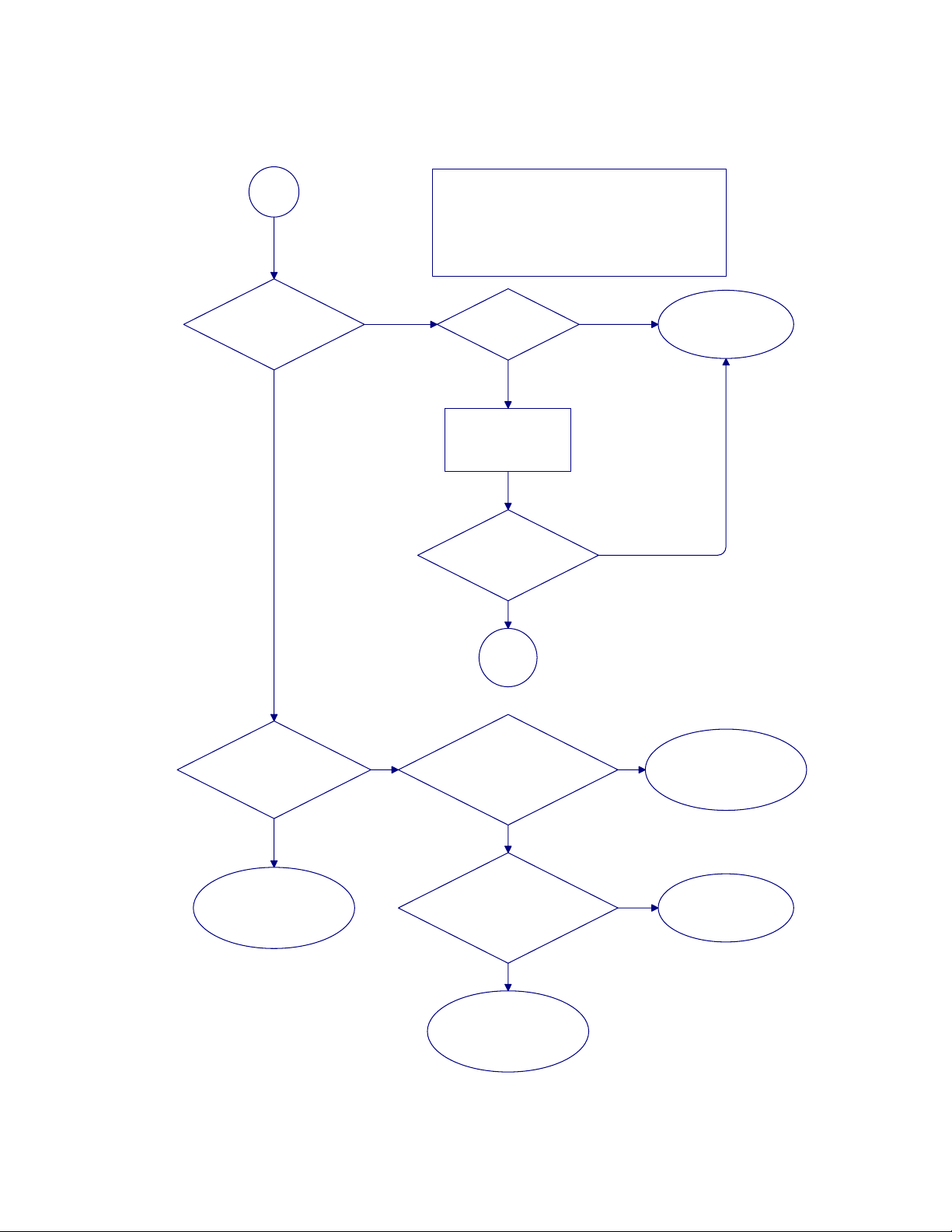
6-19
6.8.3 Troubleshooting the 24 VAC Circuit in FBRA18 Units (Continued)
NOTE: All voltage measurements must be
made within 4 seconds of unit calling for
heat. If unit does not fire within 4 seconds,
ignition modules will lock out and controller
must be turned off then back on to reset.
C
Is 24VAC
present on J1 pin 5
when unit calls for
heat?
Is J1 pin 2
grounded?
Probable cause
is failed interface
board.
Clean lower water
level sensor and
ground it.
Does
CYCLE LED light
when unit calls for
heat?
Go to
"B".
Is 24VAC
present on N/O
terminal of 12VDC
relay?
Is 24VAC
present on COM
terminal of 12VDC relay
when unit calls for
heat?
Probable cause is
failed wiring between
relay and interface
board.
Is
12VDC present
across coil of 12VDC relay
when unit calls for
heat?
Probable cause
is failed 12VDC
relay.
Probable cause is
failed controller wiring
harness or failed
controller.
Probable cause is
failed wiring between
latch relay and 12VDC
relay.
Yes
No
Yes
No
No
Yes
Yes
No
Yes
No
Yes
No
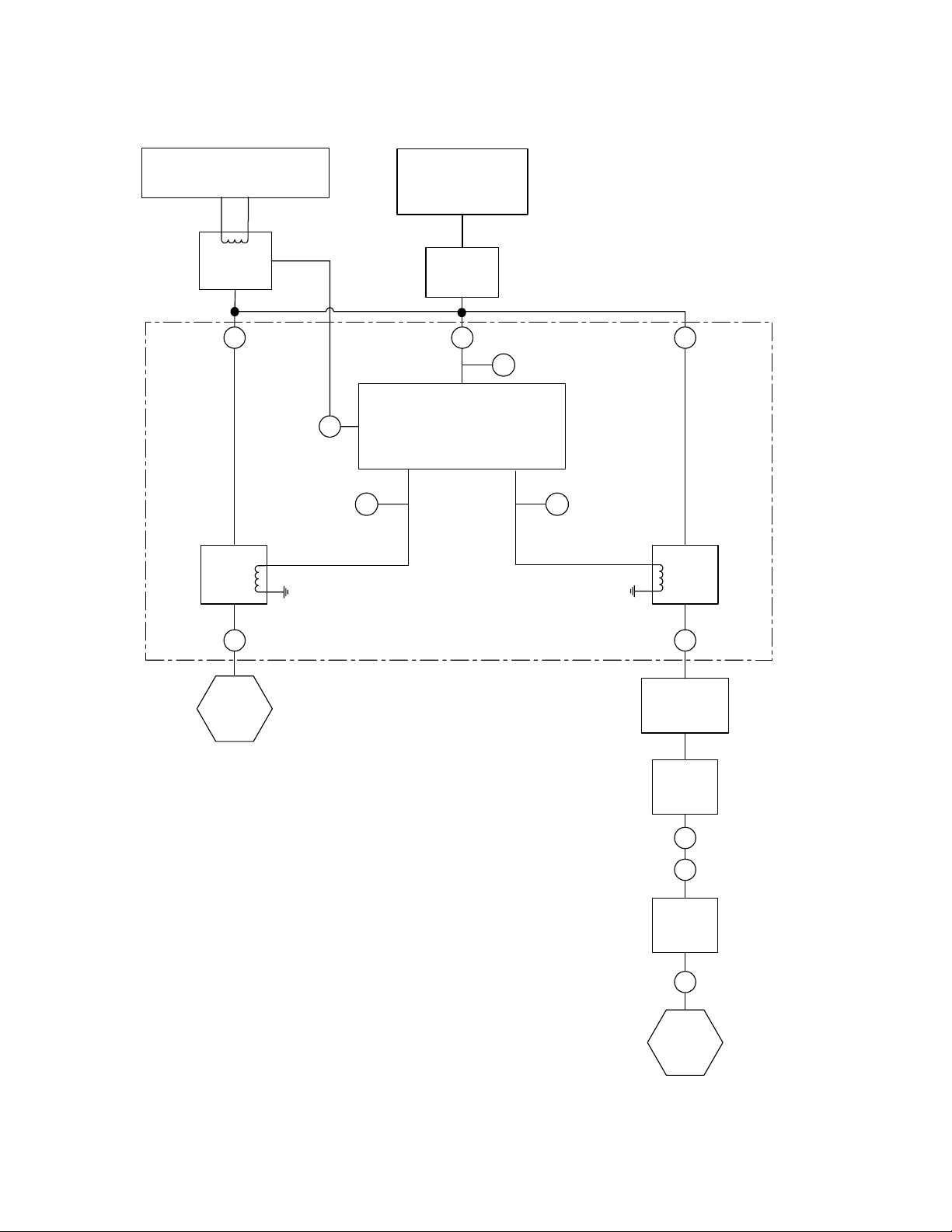
6-20
THE 24VAC CIRCUIT IN FBRA18 UNITS
24V
TRANSFORMER
J2 PIN 4
LED
POWER
LATCH
RELAY
INTERFACE BOARD
LOGIC CIRCUITRY
J2 PIN 3J2 PIN 2 J1 PIN 3
LED
WATER
WATER
SOLENOID
VALVE
J2 PIN 1
WATER
RELAY
K2
BLOWER
CENTRIFUGAL
SWITCH
RIGHT
IGNITION
MODULE
LEFT
IGNITION
MODULE
GAS
VALVE
CYCLE
RELAY
K1
LED
CYCLE
WIRING HARNESS PIN 4
WIRING HARNESS PIN 5
WIRING HARNESS PIN 2
J1 PIN 5
CONTROLLER
12VDC
RELAY
INTERFACE BOARD
6-21
6.8.4 Troubleshooting the Temperature Probe
WHILE IT IS STILL IN
THE COOKPOT,
INSPECT THE PROBE
BODY FOR DAMAGE.
REPLACE IF BENT,
DENTED, OR CRACKED.
Inspect leads for
fraying, burning,
breaks, and/or kinks. If
found, replace probe.
Determine temperature
of water in cookpot
using a thermometer or
pyrometer placed at tip
of probe.
Is resistance
approximately equal to that
given in the Probe Resistance
Chart for the corresponding
temperature?
Measure resistance
through each of the
previously tested pins
to ground.
Is resistance
5 megaohms or greater
in each pin?
Probe is good.
Probe has failed.
Yes
Yes
No
No
6-22
FOHMSC FOHMSC FOHMSC FOHMSC FOHMSC
32 1000 0 83 1107 28 134 1214 57 185 1320 85 236 1424 113
33 1002 1 84 1110 29 135 1216 57 186 1322 86 237 1426 114
34 1004 1 85 1112 29 136 1218 58 187 1324 86 238 1428 114
35 1006 2 86 1114 30 137 1220 58 188 1326 87 239 1430 115
36 1008 2 87 1116 31 138 1222 59 189 1328 87 240 1432 116
37 1011 3 88 1118 31 139 1224 59 190 1330 88 241 1434 116
38 1013 3 89 1120 32 140 1226 60 191 1332 88 242 1436 117
39 1015 4 90 1122 32 141 1229 61 192 1334 89 243 1438 117
40 1017 4 91 1124 33 142 1231 61 193 1336 89 244 1440 118
41 1019 5 92 1126 33 143 1233 62 194 1338 90 245 1442 118
42 1021 6 93 1128 34 144 1235 62 195 1340 91 246 1444 119
43 1023 6 94 1131 34 145 1237 63 196 1342 91 247 1447 119
44 1025 7 95 1133 35 146 1239 63 197 1344 92 248 1449 120
45 1030 7 96 1135 36 147 1241 64 198 1346 92 249 1451 121
46 1032 8 97 1137 36 148 1243 64 199 1348 93 250 1453 121
47 1034 8 98 1139 37 149 1245 65 200 1350 93 251 1455 122
48 1036 9 99 1141 37 150 1247 66 201 1352 94 252 1457 122
49 1038 9 100 1143 38 151 1249 66 202 1354 94 253 1459 123
50 1040 10 101 1145 38 152 1251 67 203 1357 95 254 1461 123
51 1042 11 102 1147 39 153 1253 67 204 1359 96 255 1463 124
52 1044 11 103 1149 39 154 1255 68 205 1361 96 256 1465 124
53 1046 12 104 1151 40 155 1258 68 206 1363 97 257 1467 125
54 1049 12 105 1154 41 156 1260 69 207 1365 97 258 1469 126
55 1051 13 106 1156 41 157 1262 69 208 1367 98 259 1471 126
56 1053 13 107 1158 42 158 1264 70 209 1369 98 260 1473 127
57 1055 14 108 1160 42 159 1266 71 210 1371 99 261 1475 127
58 1057 14 109 1162 43 160 1268 71 211 1373 99 262 1477 128
59 1059 15 110 1164 43 161 1270 72 212 1375 100 263 1479 128
60 1061 16 111 1166 44 162 1272 72 213 1377 101 264 1481 129
61 1063 16 112 1168 44 163 1274 73 214 1379 101 265 1483 129
62 1065 17 113 1170 45 164 1276 73 215 1381 102 266 1485 130
63 1067 17 114 1172 46 165 1278 74 216 1383 102 267 1487 131
64 1068 18 115 1174 46 166 1280 74 217 1385 103 268 1489 131
65 1070 18 116 1176 47 167 1282 75 218 1387 103 269 1491 132
66 1072 19 117 1179 47 168 1284 76 219 1389 104 270 1493 132
67 1074 19 118 1181 48 169 1287 76 220 1391 104 271 1495 133
68 1076 20 119 1183 48 170 1289 77 221 1393 105 272 1497 133
69 1078 21 120 1185 49 171 1291 77 222 1395 106 273 1499 134
70 1080 21 121 1187 49 172 1293 78 223 1398 106 274 1501 134
71 1082 22 122 1189 50 173 1295 78 224 1400 107 275 1503 135
72 1084 22 123 1191 51 174 1297 79 225 1402 107 276 1505 136
73 1086 23 124 1193 51 175 1299 79 226 1404 108 277 1507 136
74 1089 23 125 1195 52 176 1301 80 227 1406 108 278 1509 137
75 1091 24 126 1197 52 177 1303 81 228 1408 109 279 1512 137
76 1093 24 127 1199 53 178 1305 81 229 1410 109 280 1514 138
77 1095 25 128 1201 53 179 1307 82 230 1412 110 281 1516 138
78 1097 26 129 1204 54 180 1309 82 231 1414 111 282 1518 139
79 1099 26 130 1206 54 181 1311 83 232 1416 111 283 1520 139
80 1101 27 131 1208 55 182 1313 83 233 1418 112 284 1522 140
81 1103 27 132 1210 56 183 1315 84 234 1420 112 285 1524 141
82 1105 28 133 1212 56 184 1317 84 235 1422 113 286 1526 141
Probe Resistance Chart
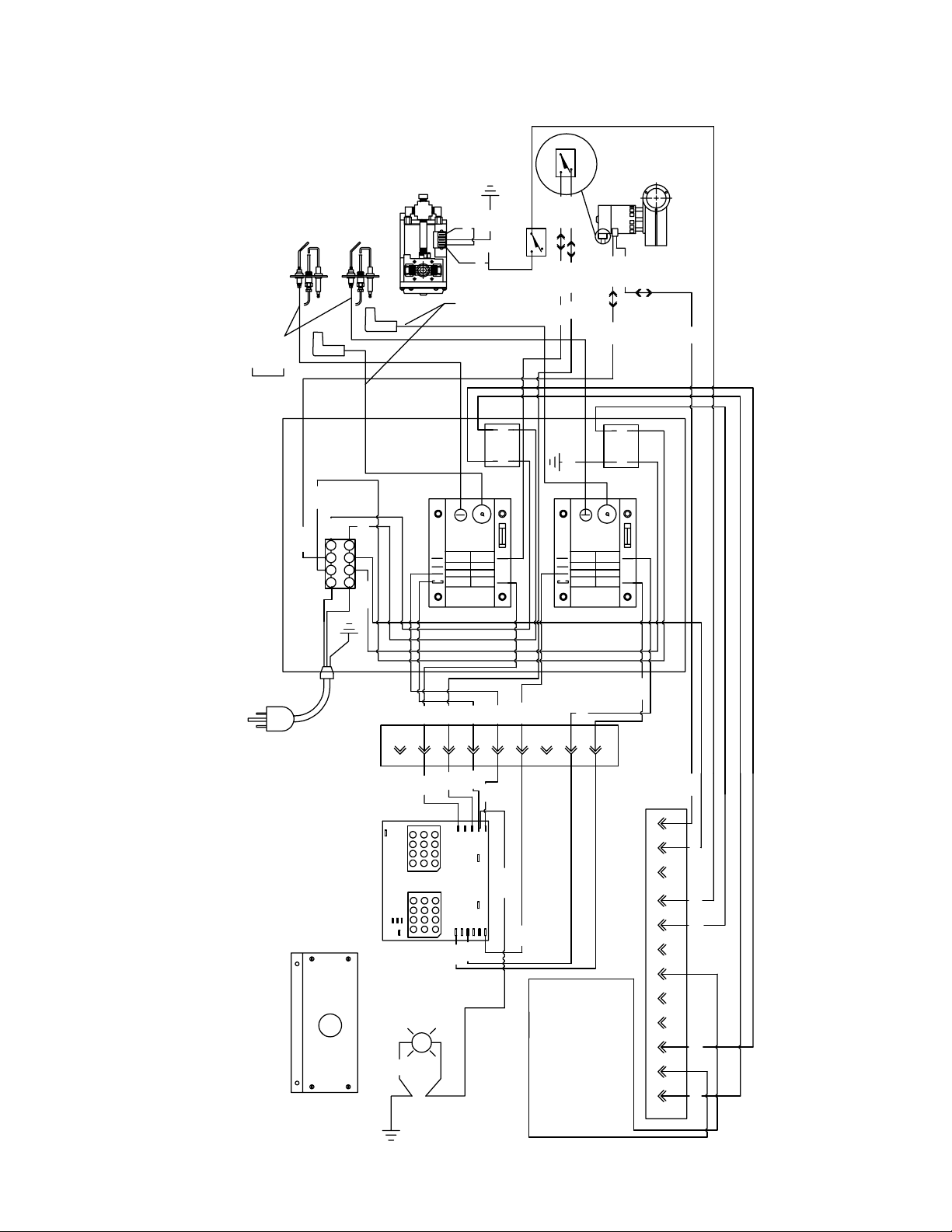
6-23
6.9 Wiring Diagram for FBR18 Units
5
811
10
129
7
6
4
3
1
2
GND
GND
3
2
1
SOUND
GND
V1S
ALRM
PWR
V1D
GND
GND
V2S
A S
A D
PWR
V2D
GND
GREEN
J2
10 11 12
CENT.
SWITCH
C
NC
NO
J3
1C 3C 8C 56C 5C
2C
22C
21C
55C
17C
16C
60C
53C
42C
7C
12C
14C
19C
18C
44C
43C
*
*
10C
111C
9C
49C
11C
51C
13C
36C
101C
23C
4C
123456789
12C
111C
2C
(WHT)
(BLK)
(ORN)
(ORN)
(ORN)
(ORN)
BLOWER
GAS
VALVE
BLACK
WHITE
IGNITER
HIGH VOLTAGE
CABLE
HIGH TEMP. WIRE
IGNITER
120 VAC
CORDSET
NOTE: FLAME SENSOR WIRE
MUST BE CONNECTED TO THE
SAME IGNITOR AS ITS MATCHING
HIGH VOLTAGE LEAD.
PROBE
TEMP.
TROUBLE
LIGHT
CONTROLLER
5
6
7
8
4
3
2
1
SWITCH
SAFETY DRAIN
NO
NC
C
SPARK MODULE LT.
25V
(GND)
ALARM
VALVE
GND
(BURNER)
25V
IGNITION
MODULE
MODULE
IGNITION
25V
(BURNER)
GND
VALVE
ALARM
(GND)
25V
SPARK MODULE RT.
LOAD
LINE
12
120
120
24
LINE
LOAD
987654321
J3
J1
11
10
12
8
7
9
5
4
6
2
3
1
8050417D
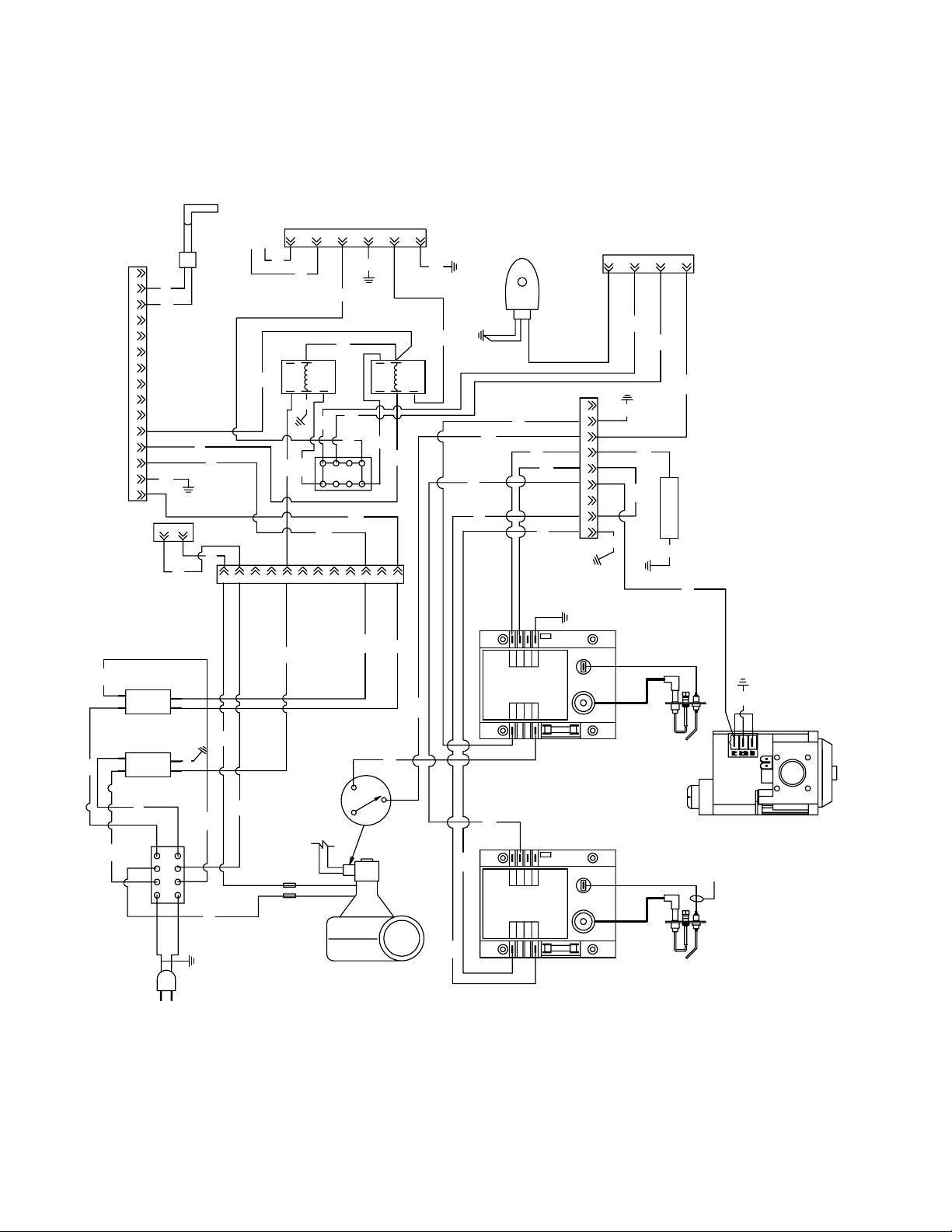
6-24
6.10 Wiring Diagram for FBRA18 Units
IGNITOR
IGNITION MODULE
GAS VALVE
HIGH VOLTAGE LEAD.
AS ITS MATCHING
TO THE SAME IGNITOR
MUST BE CONNECTED
FLAME SENSOR WIRE
NOTE:
WIRE
TEMP
HIGH
IGNITION MODULE
IGNITOR
TEMP
WIRE
HIGH
ORANGE
LEFT IGNITION
25V
GND
25V
BLOWER
J3
2
1
120 V
SWITCH
(BURNER)
VALVE
ALARM
GND
RIGHT IGNITION
25V
25V
GND
VALVE
VALVE
GND
(BURNE R)
ALARM
24V
BLACK
WHITE
LOAD
LINE
SOLENOID
J2
J1
1
4
3
2
5
6
4
3
2
1
LOW PROBE
HIGH PROBE
1 2345678 9 10 11 12 13 14 15
TEMP PROBE
COM
RELAY
N/O
COMPUTER
12V
LOAD
LINE
4132 65 987 1110 12
4132 65 987
LIGHT
NC
COM N/O
NC
NC
NO
COM
WHITE
BLACK
11C
9C
49C
10C
111C
5C
8C
2C
3C
1C
13C
12C
18C
44C
43C
18C
44C
43C
19C
14C
37C
6C
38C39C
29C
41C
RED
12C
7C
17C
27C
33C
22C
35C
4C
21C
26C
31C
42C
48C
50C
34C
35C
6C
37C
47C
20C
30C
28C
46C
26C
27C
24C
25C
45C
40C
51C
15C
16C
32C
49C
8051017B
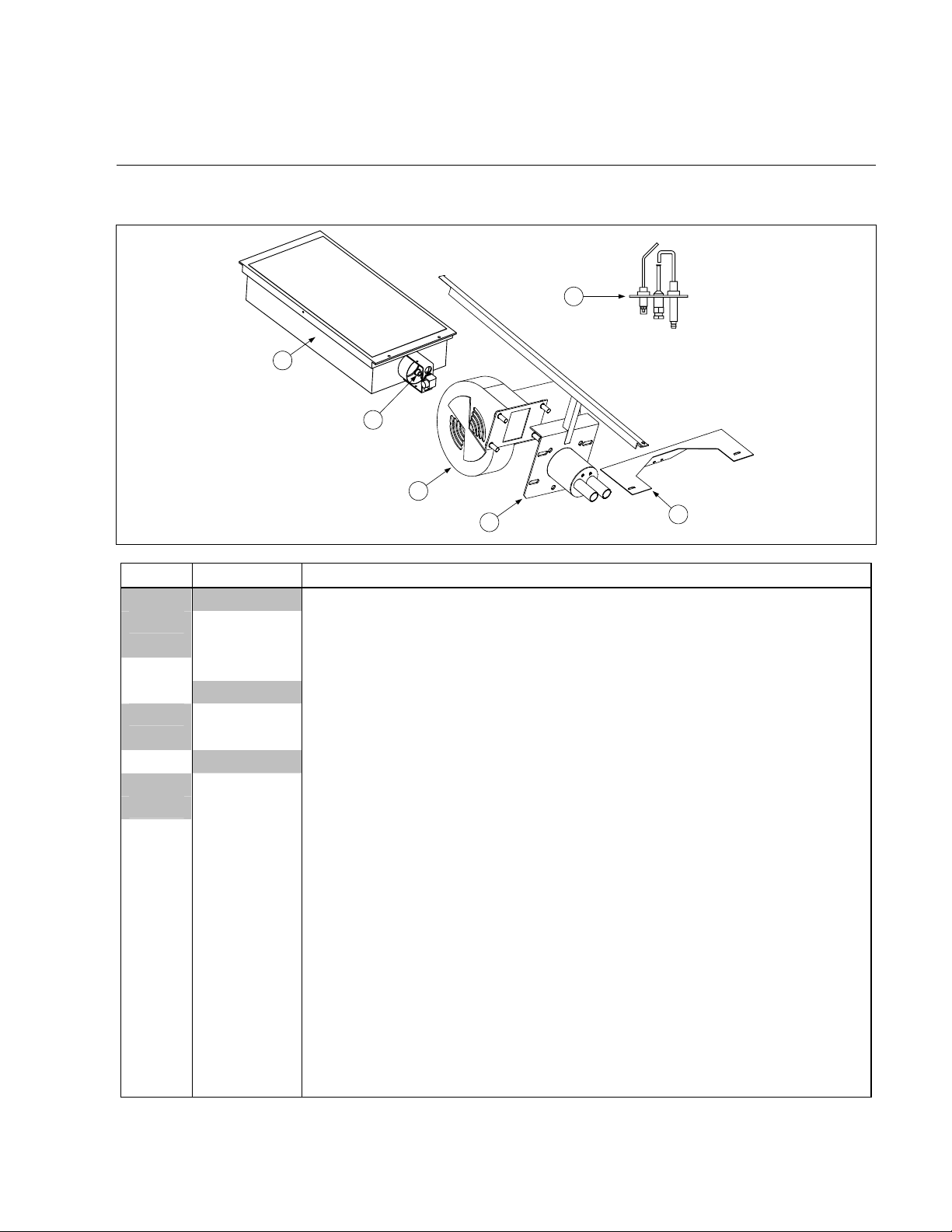
7-1
FBR18 & FBRA18 SERIES GAS RETHERMALIZERS
CHAPTER 7: PARTS LIST
7.1 Burner System Components
1
2
3
4
5
6
ITEM PART # COMPONENT
Burner Assemblies
806-5563 Natural Gas, Complete
806-5564SP Propane Gas, Complete
1 810-1382 Burner, Reverse Plenum, Universal
2 Orifice
810-0916 Natural Gas, 3.26mm
810-0917 Propane Gas, 2.00mm
3 Ignitor
810-0521 Natural Gas
810-0608 Propane Gas
4 807-1564 Blower, Combustion Air
5 823-2528 Mount, Combustion Air Blower
6 900-5525 Bracket, Combustion Air Blower Stabilizer
* 816-0055 Insulation, Burner Support, ½” x 17.38”
* 810-0507 Spacer, Combustion Air Blower Mount, .23” x .75”
* 807-1878 Ignitor Wire, 19” (See illustration on Page 7-3)
* 816-0165 Insulation, Ignitor
* 806-5541 Flame Sensor Wire (See illustration on Page 7-3)
* 816-0278 Hose, Air, ⅝” ID
* 823-2526 Bracket, Air Hose Connection, Left
* 823-2685 Bracket, Air Hose Connection, Right
* 900-1789 Enrichment Tube
* Not illustrated
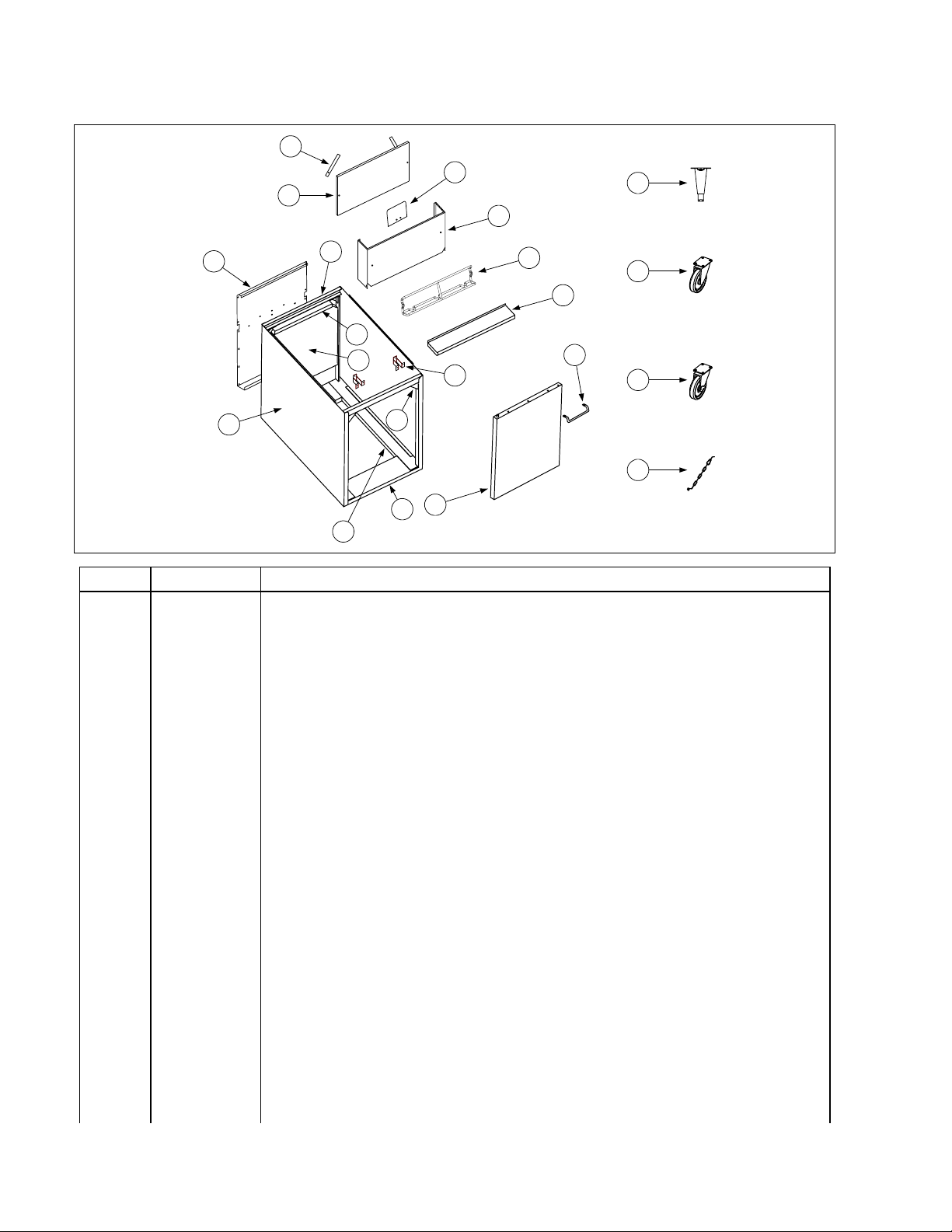
7-2
7.2 Cabinetry and Associated Components
1
2
3
4
5
6
7
8
10
9
14
15
11
12
13
16
17
18
19
20
21
ITEM PART # COMPONENT
1 910-1181 Retainer, Flue Cap Insulation
2 816-0157 Insulation, Flue
3 900-4603 Flue Guard
4 823-2107 Flue Cap
5 810-2263 Hanger, Basket (810-2263 hanger replaced extruded aluminum hanger, which is no longer available.)
6 910-7434 Top Cap
7 900-7379 Back, Cabinet
8 900-7377 Side, Cabinet, CRS, Left or Right
9 900-4521 Retainer, Cabinet Back Insulation
10 812-1141 Insulation, Cabinet Back
11 900-1552 Gusset
12 900-4505 Top Brace
13 900-1759 Bracket, Pot Hold Down
14 900-7376 Channel, Base Side, Left or Right
15 900-4504 Channel, Base Front or Rear
16 806-3853 Door Assembly
17 810-1422 Handle, Wireform Door
18 826-3811 Leg Assembly (set of four)
19 810-0356 Caster, 5-inch Wheel, w/o Brake
20 810-0357 Caster, 5-inch Wheel, w/Brake
21 826-0900 Chain Restraint Kit
* 806-5209 Leg Pad Assembly
* 812-1142 Insulation, Cabinet Back, 2” x 17.5”
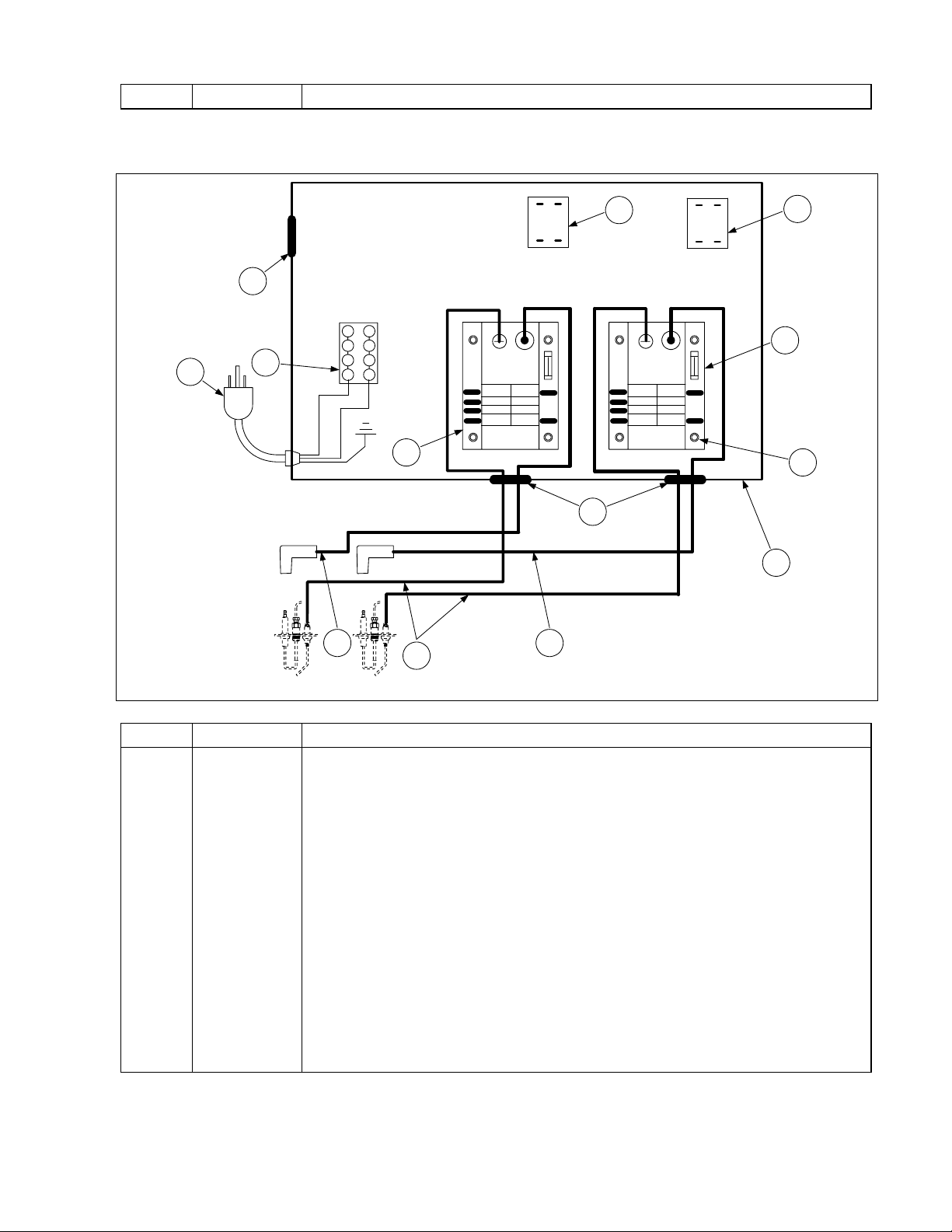
7-3
ITEM PART # COMPONENT
* Not illustrated
7.3 Control Box Assembly and Associated Parts, FBR18/ FBRA18
BLACK
WHITE
LEFT IGNITOR RIGHT IGNITOR
5
6
7
84
3
2
1
25V
(GND)
ALARM
VALVE
GND
(BURNER)
25V 25V
(BURNER)
GND
VALVE
ALARM
(GND)
25V
LOAD
LINE
12
120
120
24
LINE
LOAD
GREEN
5
44
2
RIGHTLEFT
7
6
8
10
9
9
2
3
1
ITEM PART # COMPONENT
1 900-4509 Control Box Mounting Base
2 807-1006 Ignition Module, 4-Second Honeywell
3 809-0446 Spacer, .26-inch x .50-inch
4 807-1706 Cable, Ignition, 36-inch
5 806-5541 Wire, Flame Sensor
6 807-0855 Transformer, 120V-12V, 20VA, 50/60 Hz
7 807-0800 Transformer, 120V-24V, 50VA, 50/60 Hz
8 807-0067 Block, 8-pin Terminal
9 810-0045 Bushing, .875-inch
10 806-5332 Cord, Electrical Power
* 900-4508 Control Box Heat Shield
* 900-4510 Control Box Side
* 806-9334 Harness, 12-pin Wiring
* 806-9335 Harness, 9-pin Wiring
* Not illustrated.
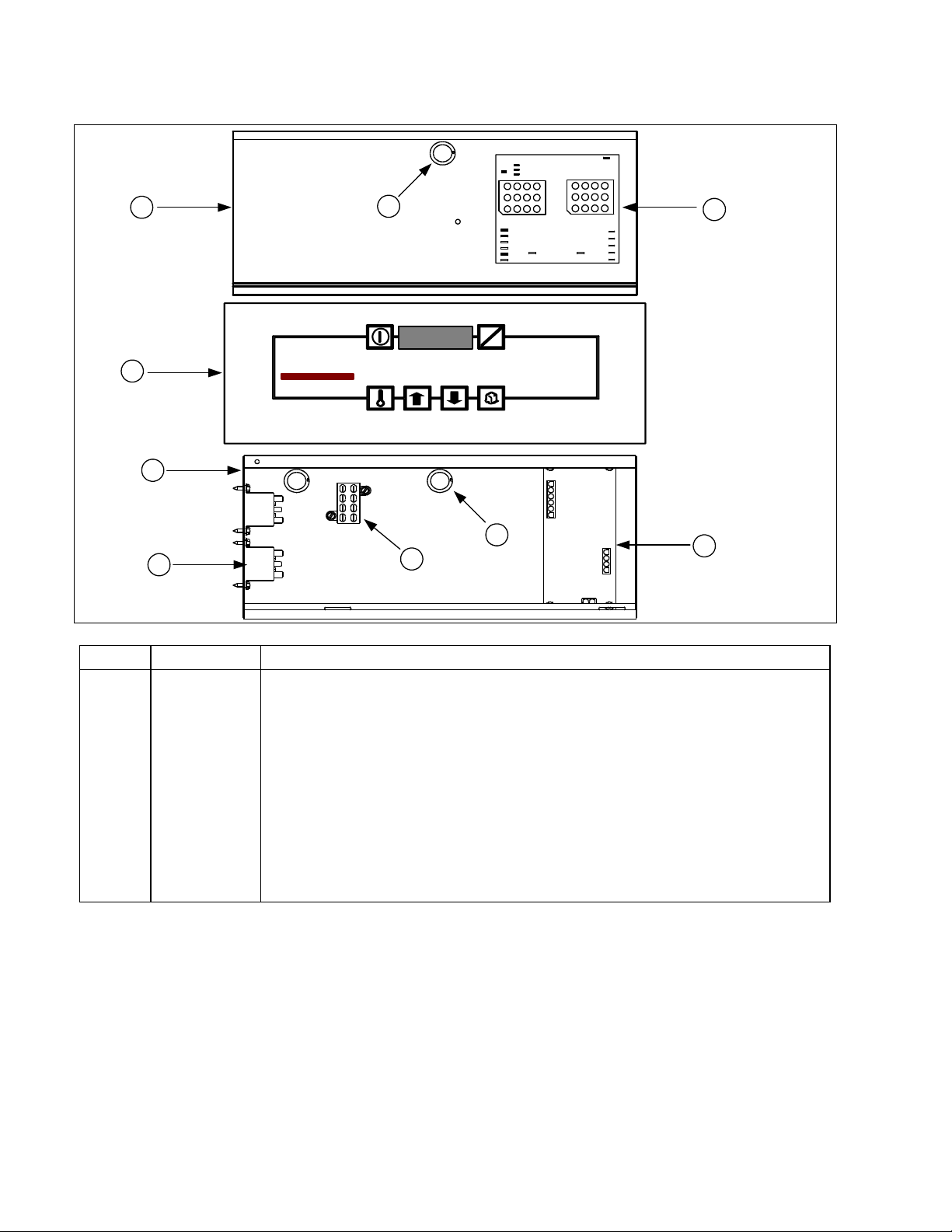
7-4
7.4 Controller and Component Box Assemblies
GND GND
SOUND
1
2
GND
2
1
3
4
6
7
912
10
118
5
1
3
2
6
4
5
9
7
8
12
10
11
J3
Frymaster
- - - -
C
F
1
2
4
5
7
3
3
8
GND
3
J1
GND
V1D
PWR
ALRM
V1S
GND
V2D
PWR
A D
A S
V2S
FBR18
Component Box
6
FBRA18
Component Box
Controller
ITEM PART # COMPONENT
1 824-0396 Control Box (used on FBR18 only)
2 806-3398 Interface Board (used on FBR18 only)
* 809-0394 Spacer, Interface Board Standoff, 4mm x 6mm (used on FBR18 only)
3 810-0045 Bushing, .875-inch (used on FBR18 and FBRA18)
4 806-5303 Controller, Digital (used on FBR18 and FBRA18)
5 806-9414 Control Box Assembly (used on FBRA18 only)
6 806-9592 Interface Board (used on FBRA18 only)
7 807-1683 Relay, 12VDC (used on FBRA18 only)
8 807-0067 Block, 8-pin Terminal
* 807-1241 Spacer, Interface Board Standoff, ⅝-inch (used on FBRA18 only)
* Not illustrated.

7-5
7.5 Cooking Timer Control Panel Components
Error! Not a valid link.
ITEM PART # COMPONENT
1 910-4496 Cooking Timer Control Panel
2 Knob Assembly
810-1287 Black
806-5339 Gray
806-5340 Red
806-5341 Brown
806-5342 Blue
806-5343 Green
3 810-0808 Faceplate, Timer Dial
4 810-0807 Timer, Springwound, 60-Minute
5 807-1547 Lamp, Red Lens, 24V Trouble
6 806-5260SP Frame, Cooking Timer Control Panel
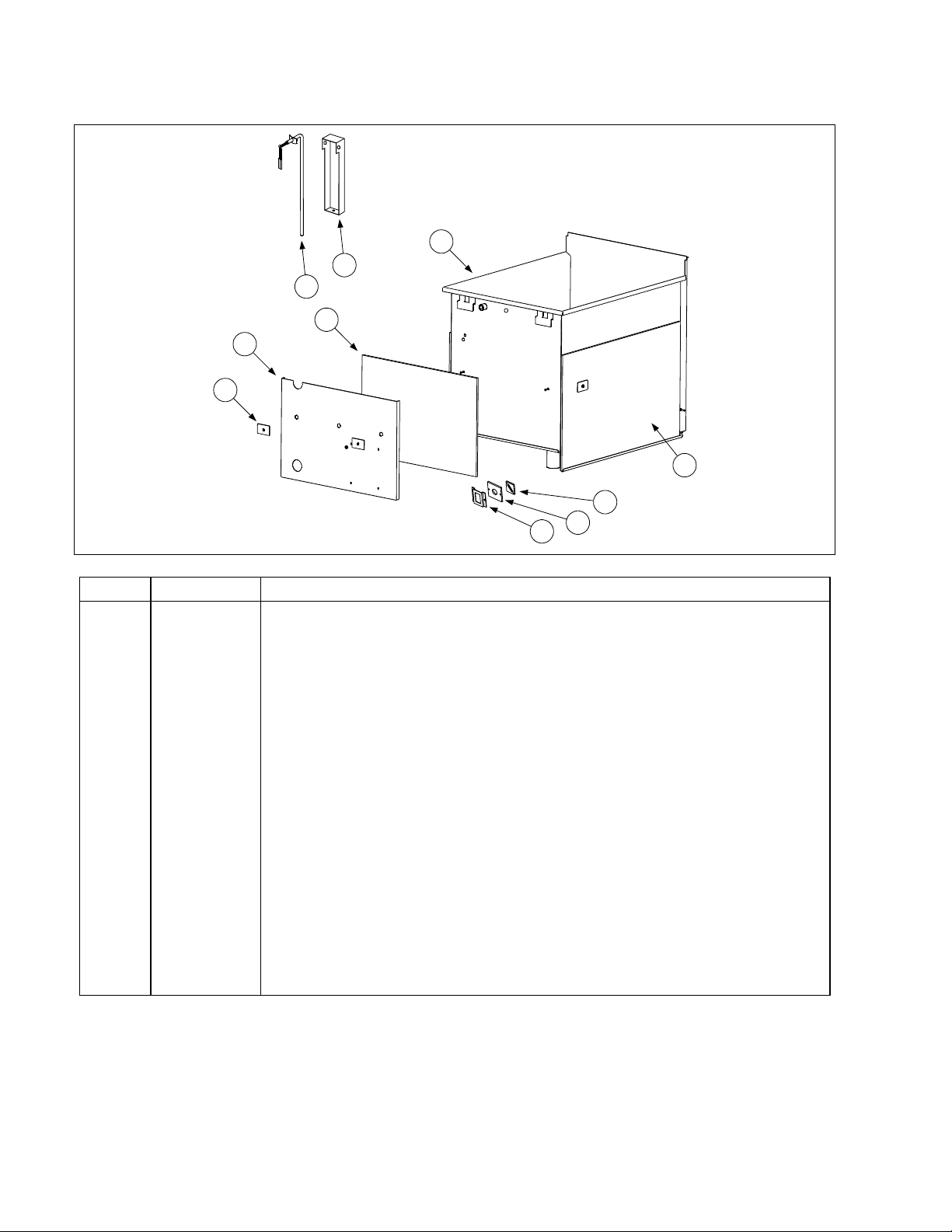
7-6
7.6 Cookpot, FBR18
6
7
8
9
10
1
2
3
4
5
ITEM PART # COMPONENT
1 900-1762 Retainer, Insulation
2 900-7431 Cover, Cookpot Front Insulation
3 816-0143 Insulation, Cookpot Front
4 823-1891SP Cookpot
5 816-0144 Insulation, Cookpot Side
6 806-5251SP Probe Assembly, Temperature
7 824-0395 Guard, Probe
8 900-1031 Retainer, Sight Glass
9 816-0053 Insulation, Sight Glass
10 814-0048 Sight Glass
* 810-0809 Block, Probe Mounting
* 816-0157 Insulation, Upper Flue, 8.5” x 18.0”
* 816-0158 Insulation, Lower Flue, 10.5” x 19.0”
* 816-0055 Insulation, Burner Support, ½” x 17.38”
* 816-0145 Insulation, Bottom Front, 3.0” x 14.5”
* 816-0166 Insulation, Bottom Rear, 3.5” x 17.0”
* 809-0204 Washer, Teflon, ⅝” x 1”
* Not illustrated.
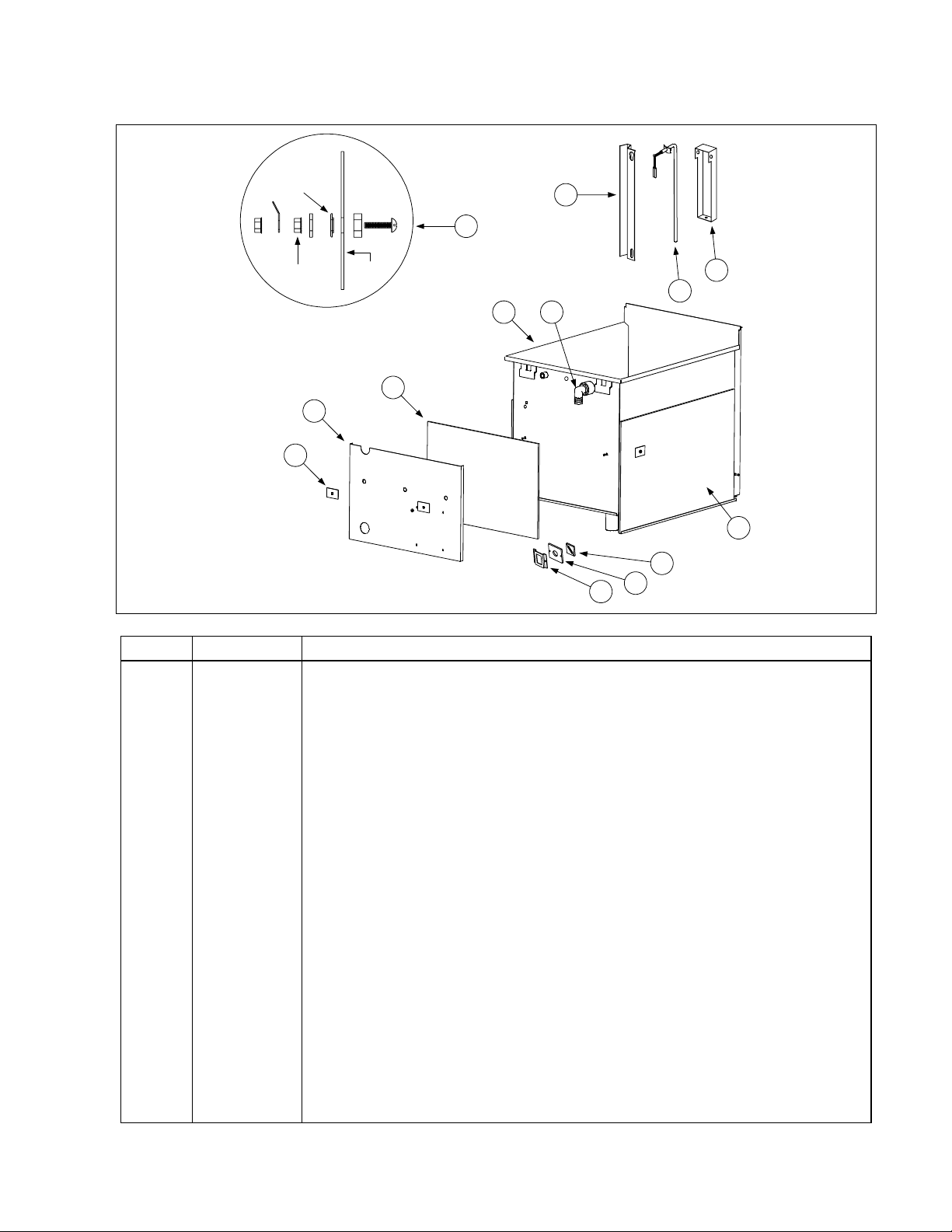
7-7
7.7 Cookpot, FBRA18
8
9
10
11
12
13
This washer must be
seated in hole before
nut is tightened.
Torque nut to
30 in-lb ± 5.
Inside face of
cookpot.
Enlarged View of Water
Level Sensor Assembly
7
1
2
3
4
6
5
ITEM PART # COMPONENT
1 900-1762 Retainer, Insulation
2 900-7431 Cover, Cookpot Front Insulation
3 816-0143 Insulation, Cookpot Front
4 823-4094SP Cookpot
5 813-0557 Elbow, Plastic, 1” NPT to 1” Barb
6 816-0144 Insulation, Cookpot Side
7 806-7552SP Sensor Assembly, Upper or Lower Water Level
8 910-5196 Cover, Water Level Sensors
9 806-5251 Probe Assembly, Temperature
10 824-0395 Guard, Probe
11 900-1031 Retainer, Sight Glass
12 816-0053 Insulation, Sight Glass
13 814-0048 Sight Glass
* 810-0809 Block, Teflon, Probe Mounting
* 816-0157 Insulation, Upper Flue, 8.5” x 18.0”
* 816-0158 Insulation, Lower Flue, 10.5” x 19.0”
* 816-0145 Insulation, Bottom Front, 3.0” x 14.5”
* 816-0166 Insulation, Bottom Rear, 3.5” x 17.0”
* 809-0204 Washer, Teflon, ⅝” x 1”
* 816-0055 Insulation, Burner Support, ½” x 17.38”
* Not illustrated.
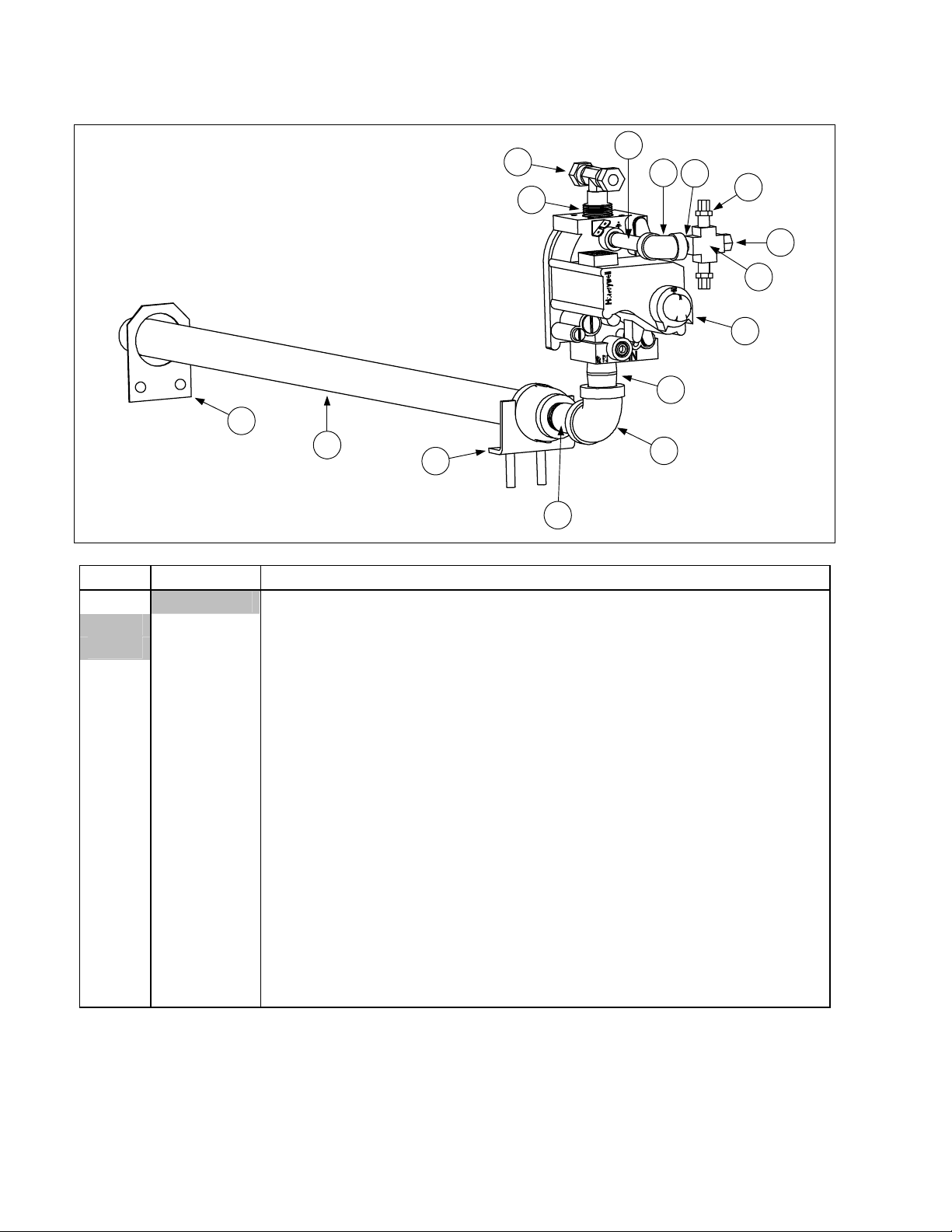
7-8
7.8 Gas Supply Components
15
14
13
12
11
10
1
2
3
4
5
6
7
9
8
ITEM PART # COMPONENT
1 Gas Valve
810-0786 Natural Gas
810-0787 LP (Propane) Gas
2 813-0378 Fitting, Cross, ⅛” NPT, Brass
3 813-0154 Plug, Pipe, ⅛” Hex Head
4 813-0340 Adapter, ⅛” NPT x ⅛” Tube, Brass
5 813-0016 Nipple, ⅛” x ¾” NPT, BM
6 813-0004
Elbow, ⅛” NPT x 90°, BM
7 813-0433 Nipple, ⅛” NPT x 2 ½”, BM
8 813-0304 Bushing, ½” x ¼” Flush, BM
9 813-0301 Tee, Male, ⅜” x ¼” NPT x ⅜”, Brass
10 813-0022 Nipple, ½” NPT Close, BM
11 813-0062
Elbow, ½” x 90°, BM
12 813-0265 Nipple, ½” NPT x 2 ½”, BM
13 823-2766 Mounting Bracket, Gas Line
14 813-0257 Nipple, ¾” NPT x 24 ½”, BM
15 823-1893 Bracket, Rear Manifold
* 810-0816 Plug, Honeywell Gas Valve
* Not illustrated.
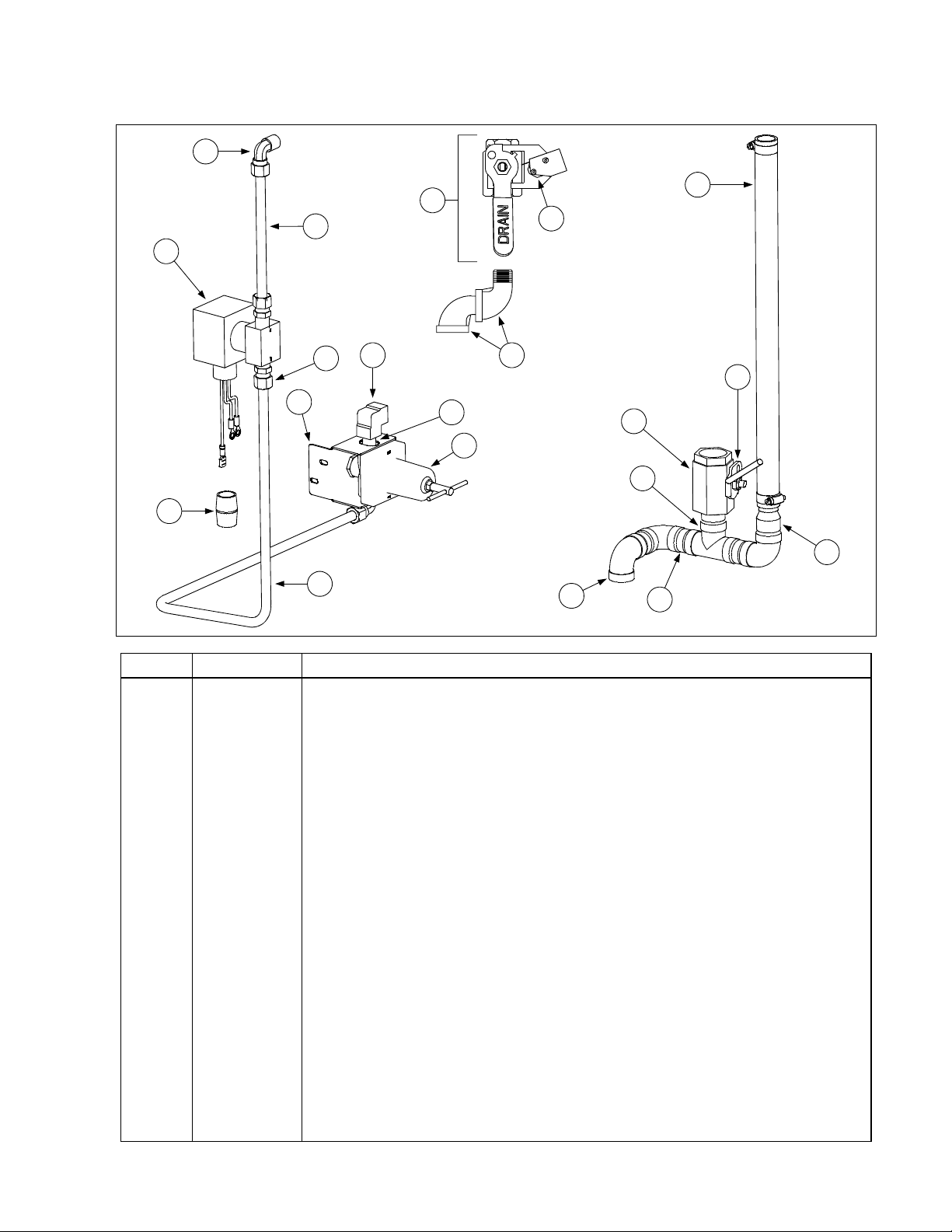
7-9
7.9 Plumbing Components
5
1
6
7
3
4
10
2
8
9
12
11
13
16
15
14
17
20
18
19
ITEM PART # COMPONENT
1 806-9067 Valve Assembly, Solenoid (FBRA18 only)
2 810-1208 Valve, Water Pressure Regulator (FBRA18 only)
3 900-2916 Bracket, Water Pressure Regulator Valve (FBRA18 only)
4 813-0448 Elbow, Pipe Fitting, Brass, ¼” (FBRA18 only)
5 813-0302 Elbow, Compression, ¼” NPT x ⅜” Tubing (FBRA18 only)
6 910-8027 Tubing, SS, Solenoid to Cookpot (FBRA18 only)
7 810-1025 Compression Fitting, Straight, ¼” (FBRA18 only)
8 813-0022 Nipple, ½” x Close, BM NPT (FBRA18 only)
9 910-8026 Tubing, SS, Water Line (FBRA18 only)
10 813-0471 Nipple, ¼” x 1½” Brass NPT (FBRA18 only)
11 806-8467SP Valve Assembly, Drain w/Microswitch, Complete (FBR18 only)
12 807-2103 Microswitch (FBR18 and FBRA18)
13 813-0379 Elbow, Street, 1 ¼” BM NPT (FBR18 only)
14 810-1020 Valve, Drain (FBRA18 only)
15 823-2047 Handle, Drain Valve (FBRA18 only)
16 816-0371 Hose, Drain (FBRA18 only)
17 813-0314 Tee, 1” BM NPT (FBRA18 only)
18 813-0138 Nipple, 1” BM NPT (FBRA18 only)
19 813-0202
Elbow, 1” x 90° BM NPT (FBRA18 only)
20 813-0525 Fitting, Barbed, 1” NPT to Hose (FBRA18 only)

7-10

Frymaster, L.L.C., 8700 Line Avenue, PO Box 51000, Shreveport, Louisiana 71135-1000
Shipping Address: 8700 Line Avenue, Shreveport, Louisiana 71106
TEL 1-318-865-1711 FAX (Parts) 1-318-219-7140 FAX (Tech Support) 1-318-219-7135
Price: $10.00
PRINTED IN THE UNITED STATES
SERVICE HOTLINE
1-800-551-8633
819-5278
May 2003