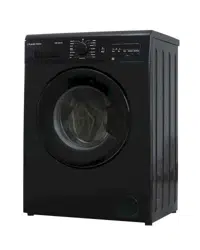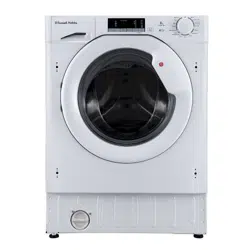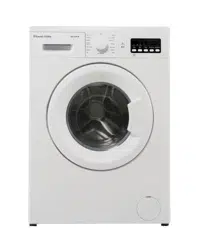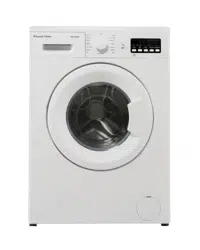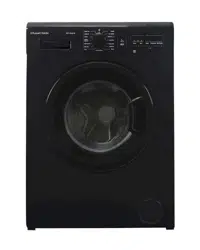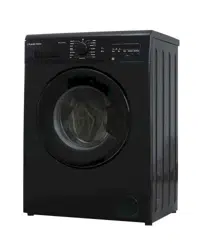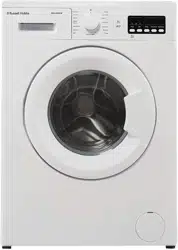
Model number:
RH814WM1 (W) (B) (G) (R) (S)
For Customer Services & Spare Parts please call 0345 208 8750
or visit us at https://mda.russellhobbs.com
8KG 1400 Spin Speed Washing Machine
Instruction Manual
IMPORTANT:
RETAIN FOR FUTURE REFERENCE
Contents
Sa
fety Instructions …………………………………………………… 3 - 4
B
efore using the appliance …………………………………………………… 5 - 6
I
nstallation …………………………………………………… 7 - 11
H
ow to use …………………………………………………… 12 -
17
Control panel & functions
…………………………………………………… 18 -
19
Additional functions
…………………………………………………… 20 -
23
First wash
…………………………………………………… 24
Program table
…………………………………………………… 25-26
Error codes
…………………………………………………… 27
Trouble shooting
…………………………………………………… 28 -
30
Maintenance
…………………………………………………… 31 -
36
Removing stains
…………………………………………………… 37-38
Specification
…………………………………………………… 39
Connection to the mains supply
…………………………………………………… 40
Guarantee
…………………………………………………… 41
Product fiche
…………………………………………………… 42
Notes
…………………………………………………… 43
3
Safety instructions
Important note:
Please read this booklet before installing and switching on this appliance. The
manufacturer assumes no responsibility for incorrect installation and usage as
described in this booklet.
• This appliance can be used by children aged from 8 years and above
and persons with reduced physical, sensory or mental capabilities or
lack of experience and knowledge if they have been given supervision
or instruction concerning use of the appliance in a safe way and
understand the hazards involved. Children shall not play with the
appliance.
• Do not use an extension lead for this appliance. Only plug directly into a wall
socket.
• Do not plug in damaged plug sockets.
• In case the power cable becomes damaged, contact 0345 208 8750 for advice.
• Never pull the cable when unplugging – always grip the plug itself.
• Do not plug-in or pull-out the plug from the receptacle with wet hands
to prevent electric shock.
• Never touch the machine with wet hands or feet.
• Never open the detergent drawer when the appliance is running.
• Never force the door to open when the washing machine is running.
• Do not touch discharging hose and water during discharging as the appliance
may reach high temperatures when running.
• In case of any breakdown, unplug the appliance first and then turn the tap
off. Do not attempt to repair by yourself, always contact 0345 208 8750 for
advice.
• Remember that packaging materials of your machine may be dangerous for
children.
Keep the packaging materials in a place where children cannot reach or dispose
of them appropriately.
• Do not allow your children to play with the washing machine as it is an
electrically- driven appliance.
• Keep your pets away from your machine.
4
Safety instructions
• Your machine should only be used by adults in line with the information
provided in this user’s manual.
• Your machine is designed to be used domestically. Commercial use
will cause your warranty to be cancelled.
• Any interference with the appliance, except when carried out by a
qualified engineer, will render your warranty invalid.
• Ideal operating temperature of your machine is 15-25˚C.
• Do not place your machine on carpet as this will block ventilation of the
base.
• Do not keep inflammable liquids near your machine.
• You should remove the transport bolts of your machine before the
first usage. Faults occurring in machines operated with transport
bolts fitted are not covered by the warranty.
• Do not put the discharging hose of your machine in a bucket or sink.
• Your machine is not covered under warranty for faults caused by any kind
of external factors (pesticides, fire, etc.).
To avoid fire, electrical shock and other accidents, please remember
the following:
To ensure your safety, an earthed power supply should be used.
• Only the voltage indicated in power label can be used. If you are not
clear of the voltage at home, please contact your electricity supplier.
• When you are using the heating function, the maximum current through
the washing machine will reach 10A. Therefore, please make sure the
power supply units (current, voltage and cable) can meet the normal load
requirements for the machine.
5
• Transportation screws which are located at the back of the machine,
must be removed before using or running the machine. You will void
the manufacturer’s guarantee if these are not removed before using or
running the machine
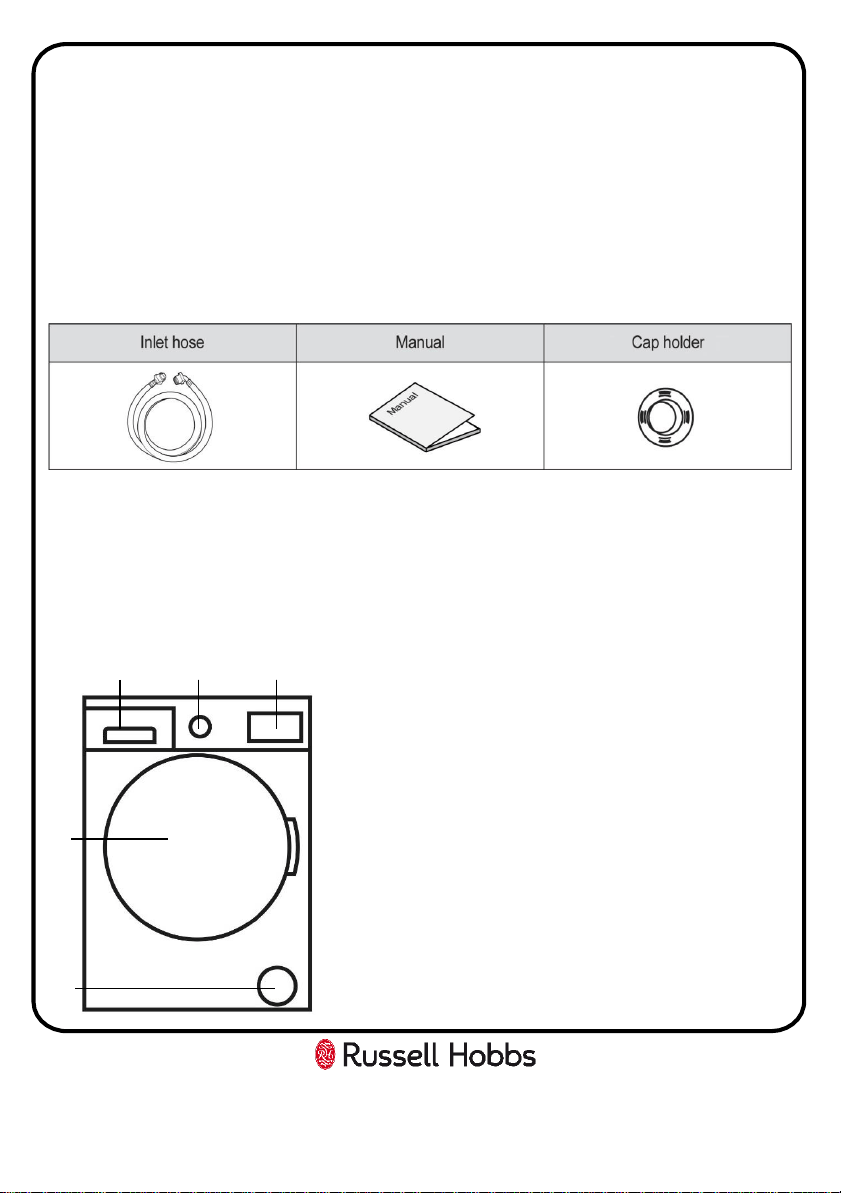
• Before installation, check that all parts listed below are present.
If any parts are missing, please contact the Russell Hobbs
service team on 0345 208 8750.
The Front of the machine
Note:
The drawings in the book may vary from your washer model. They are
designed to show the different features of all models covered by this book.
Your model may not include all features.
Before using your appliance
123
4
6
1. LED display & function buttons
2. Programme dial
3. Detergent drawer
4. Door & drum
5. Pump filter cover
6
Before using your appliance
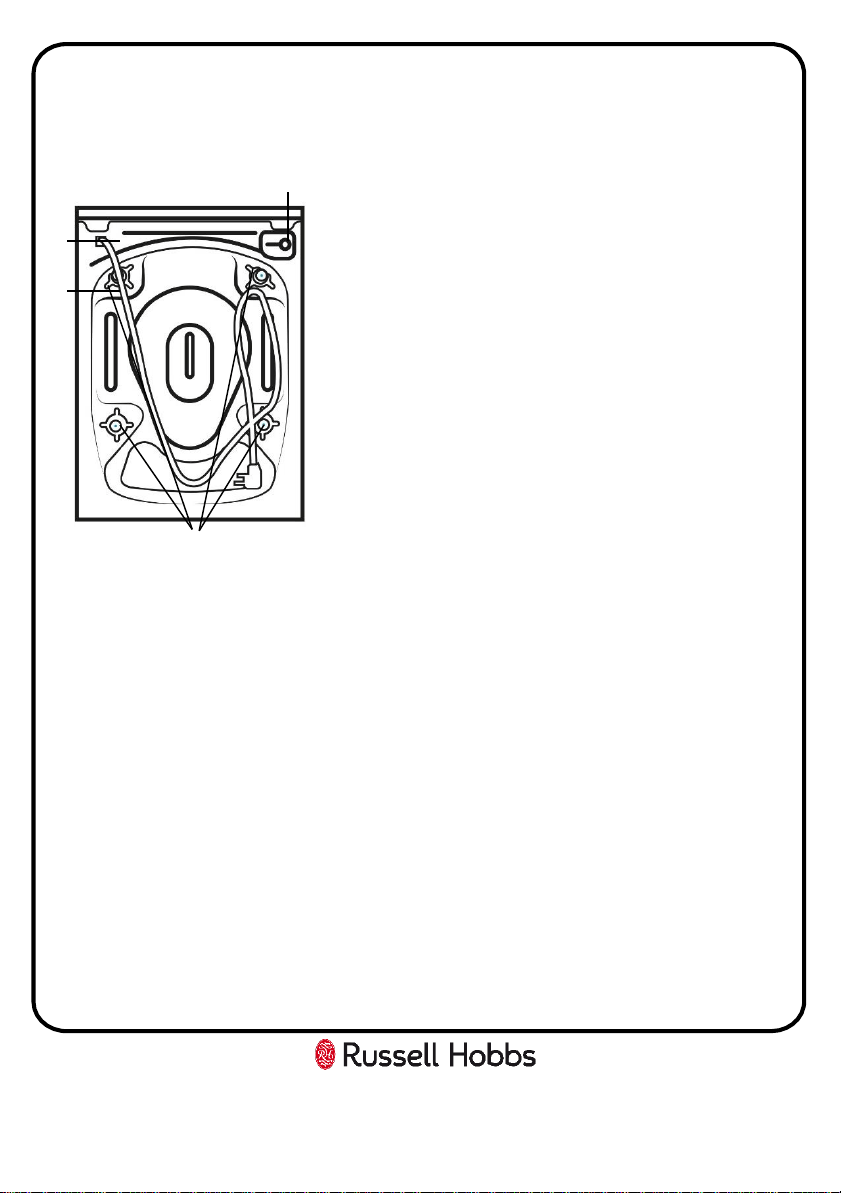
The Back of the machine
7
9
8
10
7. Water inlet valve
8. Drainage hose
9. Power cable
10. Transit bolts
7
Installation
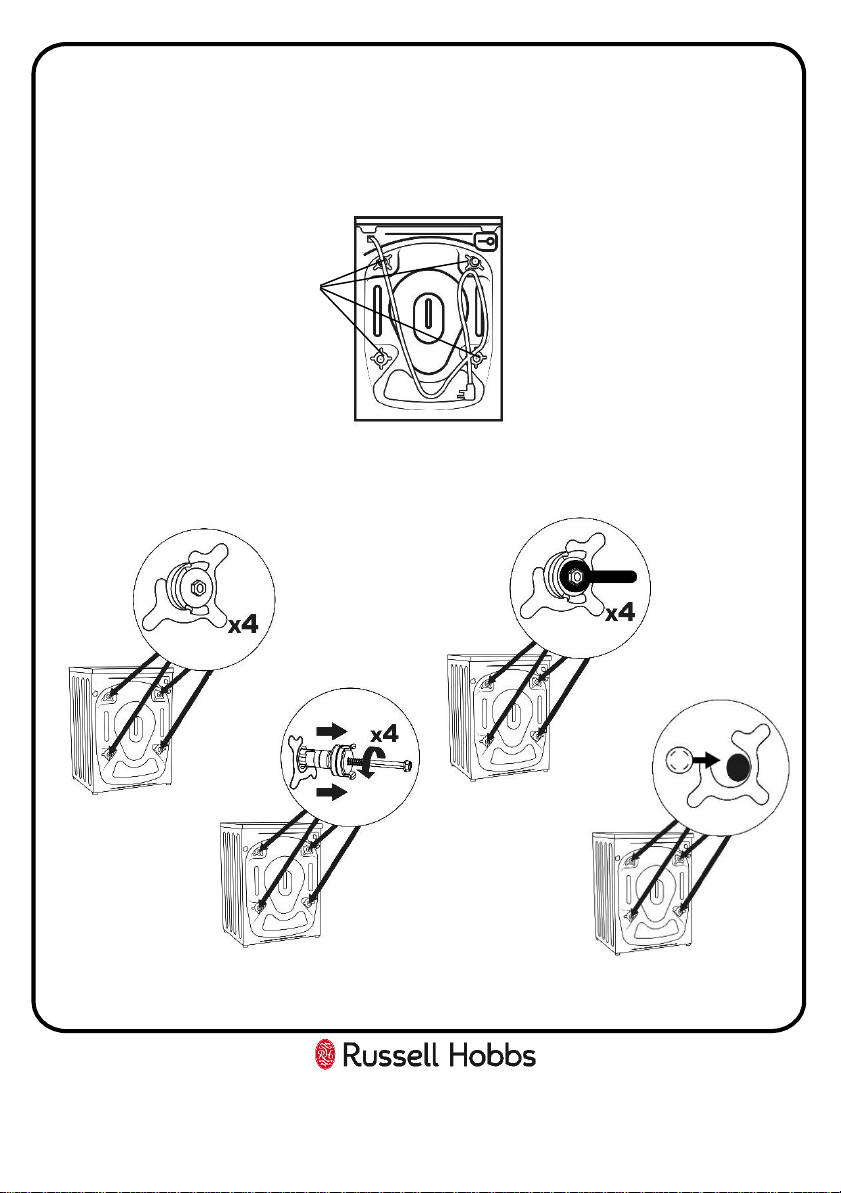
1. Before operating the washing machine, remove the 4 transportation bolts and
rubber spacers from the back of the machine. If the screws are not removed, it
may cause heavy vibration, noise and product malfunction and void the
guarantee.
2. Unscrew the 4 bolts by turning them anticlockwise with a wrench or spanner,
and remove them. Keep the 4 bolts as they will need to be re-used if the machine
has to be transported.
3. Fit the plastic blanking caps supplied in the accessories bag into the gaps left by
the removal of the transit bolts.
Transit bolts
1
2
3
4
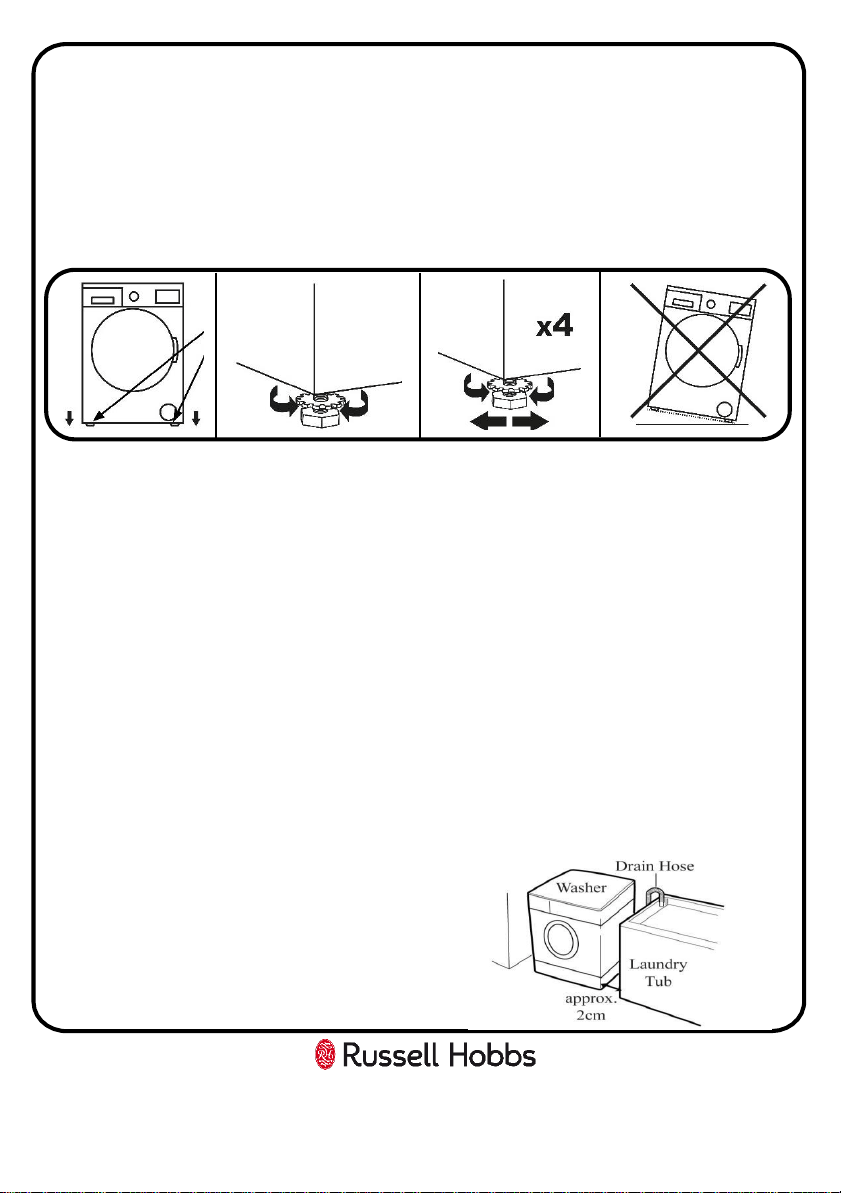
4. Do not install your machine on a surface (such as carpet) that would prevent ventilation
at the base. To ensure silent and vibration-free operation of your machine, install it on a
firm surface. You can level your machine using the adjustable feet, loosen the plastic
locking nut. To increase the height of the machine, turn the feet clockwise. To decrease
the height of the machine, turn the feet anticlockwise. Once the machine is level, tighten
the locking nuts by turning them clockwise.
Note:
• Never insert cardboard, wood or other similar materials under the machine to level it.
When cleaning the ground on which the machine is located, take care not to disturb
the level of the machine.
• The machine should not sway and all the adjustable feet should sit/touch the floor.
8
Installation
Location of the Washing Machine
• Check location where the washer will be installed. Make sure you have everything
necessary for correct installation.
• Do not place or store your washer below 0°C (32°F) to avoid any damage from freezing.
• Do not place or store laundry products on top of washer at any times.
• Install the washer on a horizontal solid floor, flat, non-slippery and tough floor. Do not
install onto a carpet.
• If the washer is installed on an unsuitable floor, it could make considerable noise, vibrate
severely and cause a malfunction. If the washer is not level, adjust the leg up or down for
horizontal installation.
• Never put cardboard, wood or other materials under your machine to try and stabilise
the unit.
• Ventilation openings must not be obstructed.
• Leave a space (right & left : 2cm, rear : 10cm).
• In case of built-in installation, the distance
between top of the washer and bottom of
upper plate should be at least 3mm.
X4
9
Installation
Electrical connection
• Your washing machine is set to 220-240V ~ 50Hz.
• The mains cord of your washing machine is equipped with a specific
earthed plug. This plug should always be inserted to a earthed socket of 13
amps. The current value of the fuse should be 13 amps.
• We do not take responsibility for any damage that occurs due to non
earthed usage.
• If you do not have a suitable socket and fuse conforming with this, please
ensure the work is carried out by a qualified electrician.
• Operating your machine under low voltage will cause the life cycle of
your machine to be reduced and its performance to be restricted.
Water inlet hose connection
• Your Washing Machine must only be connected to your water supply
using the supplied new fill hose. Old hoses must not be reused.
• Be careful not to confuse hot water inlet and cold water inlet.
• Your machine has a single water (cold) inlet and should only be
connected to the cold water inlet
• To prevent leakages on the connection joints, 1 seal is included in the hose
packing, (Fit this seal on the end of the water inlet hose at the tap side).
• After all connections are completed, check for leakages around the
connection joints by turning on your tap completely and seeing if any
water escapes.
• Be sure that the water inlet hoses are not folded, twisted, crushed or
elongated by stretching.
• Your Washing Machine must only be connected to your water supply
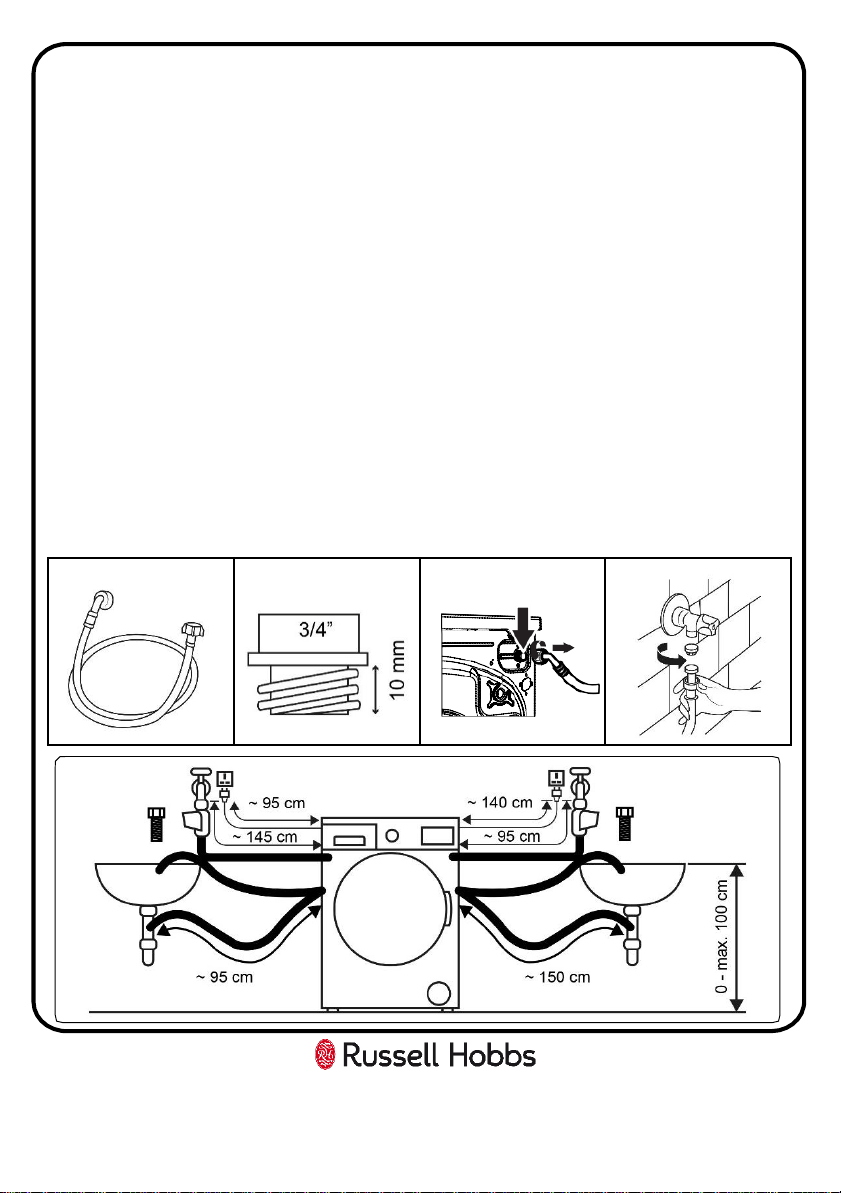
1. Connect new water inlet hoses to a ¾˝, threaded tap. Connect the
white capped end of the water inlet hose to the white water inlet
valve on the rear side of the machine
2. Hand tighten the connections. If in any doubt, consult a qualified
plumber. Water flow with pressure of 0.1-1 Mpa will allow your
machine to operate at optimum efficiency (pressure of 0.1 Mpa means
that more than 8 litres of water per minute will flow through a fully
opened tap).
3. Never attempt to extend the water outlet hose by adding extra parts.
4. If the outlet hose is too long, do not force it back into the washer.
This will cause abnormal noise and damage to the product.
5. Once you have made all of the connections, carefully turn the
water supply on and check for leaks.
6. Ensure that the new water inlet hoses are not trapped, kinked,
twisted, folded or crushed.
1
2
3 4
10
Installation
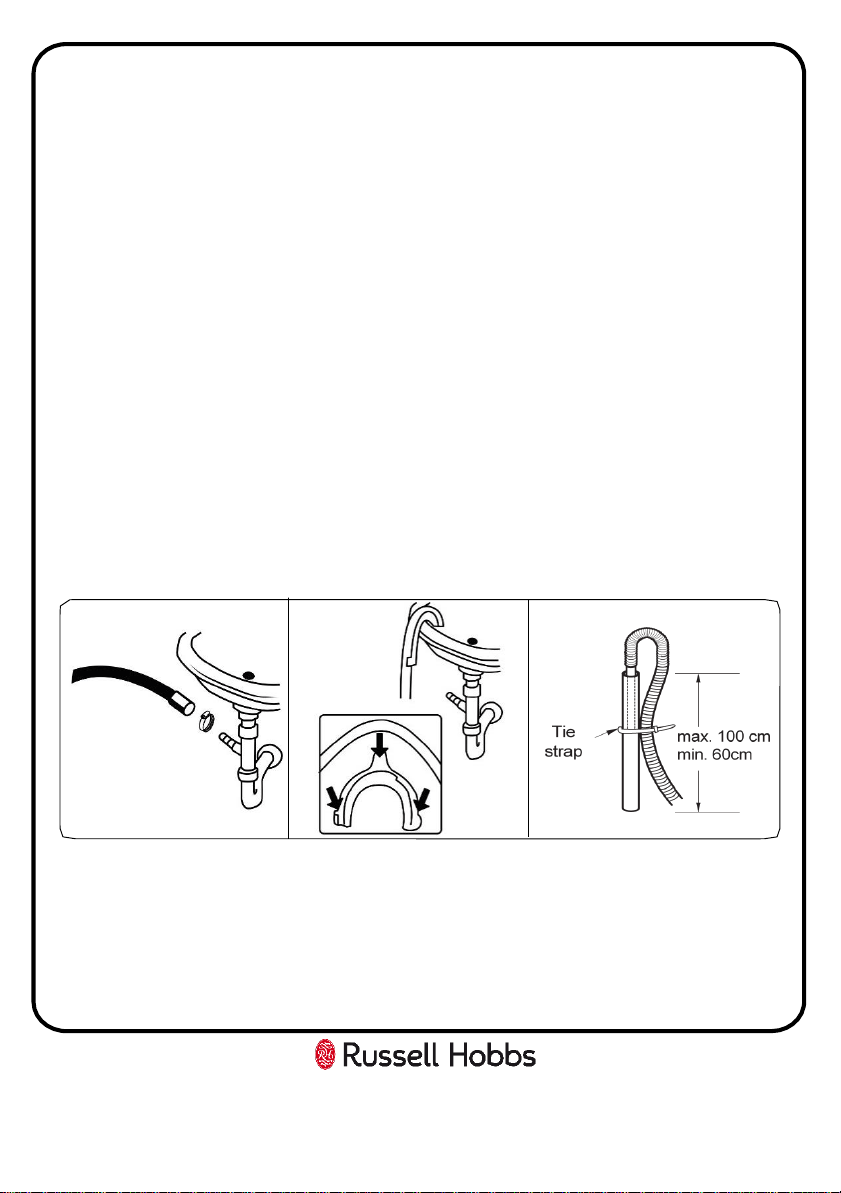
Water drainage
• The water outlet hose should be mounted at a height of minimum 60 cm,
maximum 100 cm from the ground.
• Connect the water drain hose to a standpipe or on to the outlet
elbow of a household sink, using additional equipment.
• Never attempt to extend the water drain hose.
• Do not put the water drain hose from your machine into a
container, bucket or bathtub.
• Make sure that the water drain hose is not bent, buckled, crushed
or extended.
• When installing the outlet hose, secure it with a string or tie extensions
(not included).
• Never attempt to extend the water outlet hose by adding extra parts.
• If the outlet hose is too long, do not force it back into the washer.
This will cause abnormal noise and damage to the product.
11
Installation
12
How to use
To obtain the best washing results, you must operate your washer properly.
This section gives you this important information.
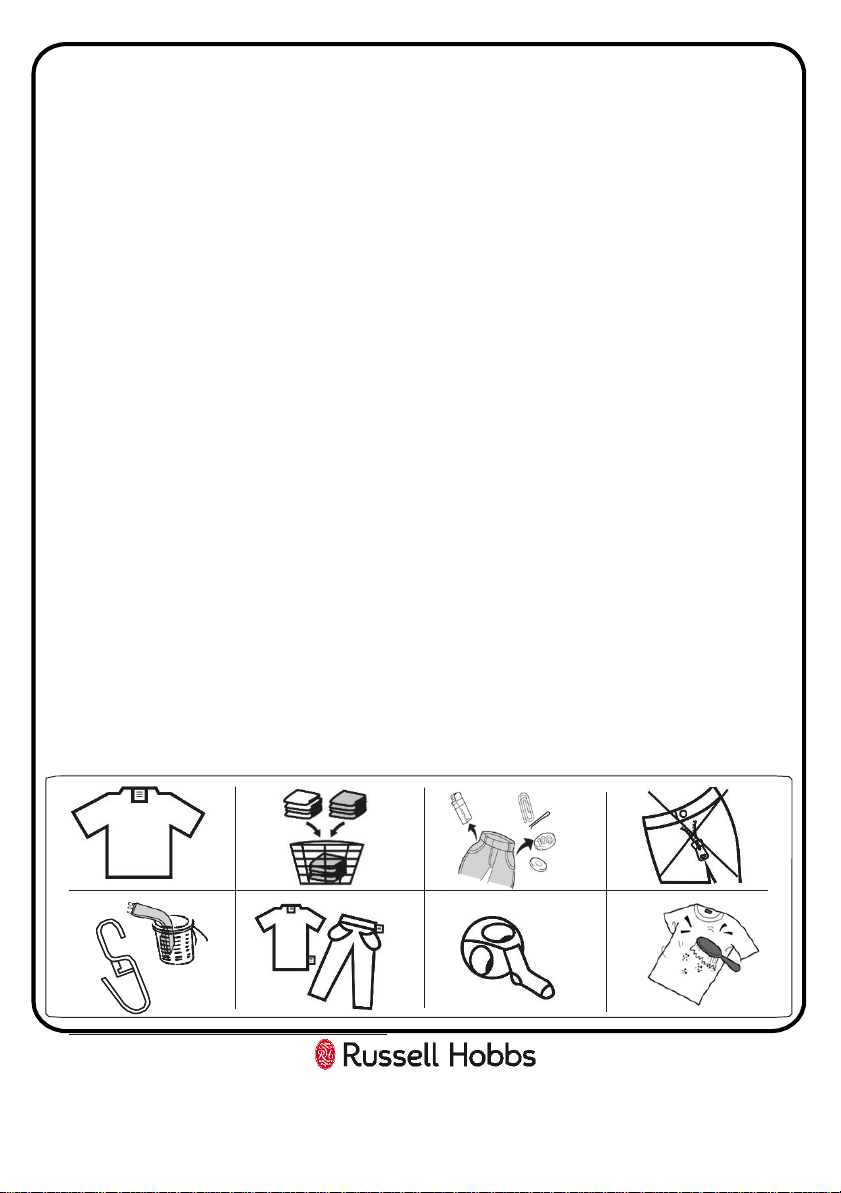
Preparing clothes for washing
• Close zippers, snaps, and hooks to avoid snagging on other items.
• Ensure that there are no metallic materials (Remove pin, buckles, etc.) on
your laundry or in the pockets; if so, remove them to avoid scratching the
washer interior.
• Empty pockets and pull them inside out.
• Turn down cuffs and turn synthetic knits inside out to avoid pilling.
• Reverse textiles such as pants, knitwear, t-shirt and sweat suits.
• Tie strings and sashes to avoid tangling.
• Treat spots and stains. (See ‘Removing stains’ section).
• Follow the washing instructions supplied on the clothing.
• Separate your laundry according to type (cotton, synthetic, sensitive,
wool etc.), washing temperature (cold, 30°, 40°, 60°, 90°) and the degree
of dirtiness (slightly stained, stained, highly stained).
• Never wash coloured and white laundry together.
• Dark textiles may contain excess dye and should be washed separately
several times.
• Remove the metallic or plastic hooks of curtains or place them in a
washing net or bag.
• Wash socks, handkerchiefs and other small items in a washing net.
1
3
5
7
2
4
6 8
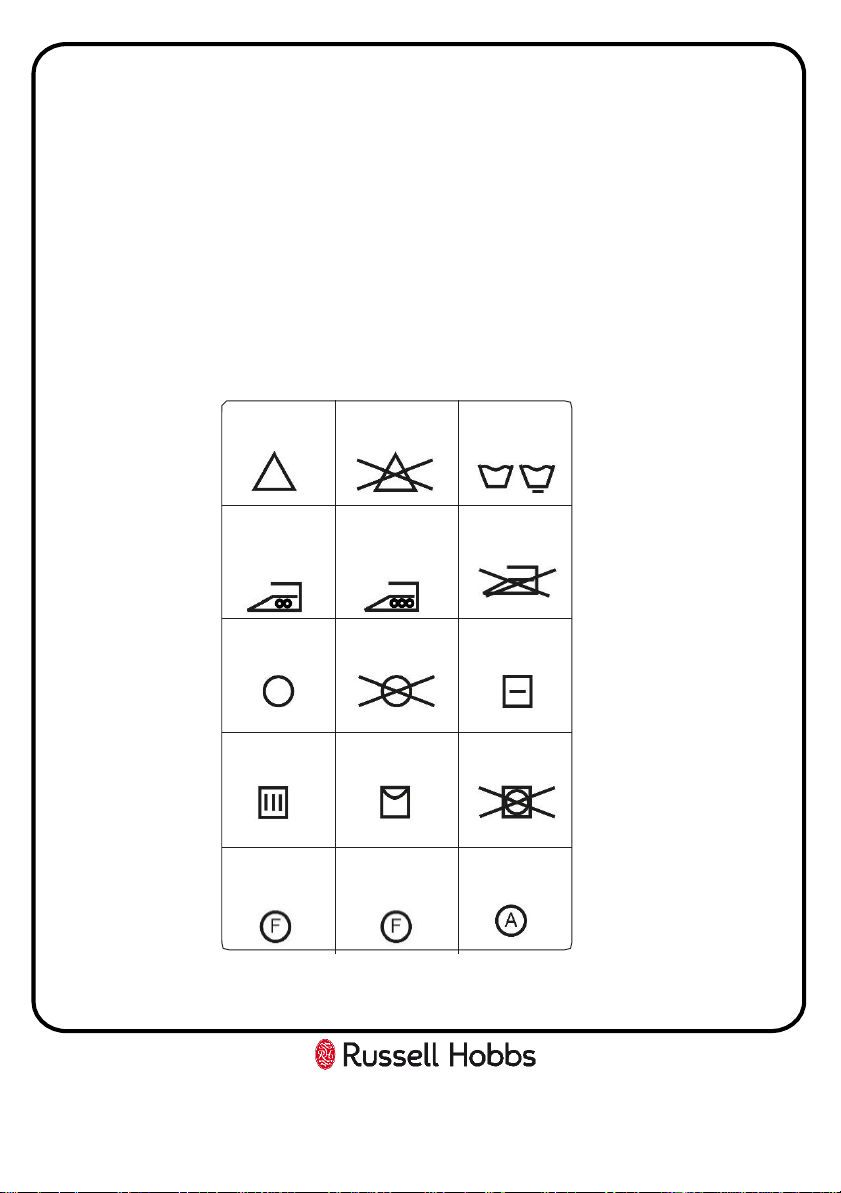
Can be
bleached
Do not bleach
Normal
washing
Maximum
ironing
temperature
150°C
Maximum
ironing
temperature
200°C
Do not iron
Cn be dry
cleaned
No dry
cleaning
Dry flat
Drip dry Hang to dry
Do not tumble
dry
Dry cleaning in
gas oil, pure
alcohol and
R113 is allowed
Perchloroethylene
R11, R13,
Petroleum
Perchlorinetyhlene
R11, R113, Gas
oil
13
How to use
Important note:
Faults that arise due to the penetration of foreign objects will void the
manufacturer’s guarantee
• Separate heavily soiled items from lightly soiled ones, even if they would
normally be washed together.
• Separate dark colours from light colours, colourfast items from non-
colourfast items.
• Wash lint producers and lint collectors separately.
14
How to use
Loading clothes for washing
• Drop items into the washer loosely. Items should move easily through
wash water for the best cleaning and wrinkle-free results.
• Load washer properly.
• Overloading and selecting a setting too small for the wash load can :
• Cause poor cleaning, Increase wrinkling, Create excessive lint
• Wear out items faster (because of pilling)
Mix large and small items in each load. Load evenly to maintain
washer balance. An unbalanced load can make the washer vibrate
during spin.
• Ensure that no laundry is caught between the cover and below the seal
when closing the door of your machine.
• When closing the door, push the door of your machine until you hear the
locking sound – this indicates the door is fully closed.
• Close the door of your machine properly; otherwise your machine
will not start the washing operation.
Important note:
Maximum loading capacity may vary based on the laundry type you
wash, degree of contamination and the programme you have
chosen. Do not exceed maximum dry loading capacity indicated in
the programme table for washing programmes. The following table
of laundry weights should be used as an indication of what you are
loading into the machine:
Laundry type Weight (kg)
Towel 0.2
Linen 0.5
Bathrobe 1.2
Duvet/quilt cover 0.7
Pillow case 0.2
Underwear 0.1
Tablecloth 0.25
15
How to use
Adding detergent
• Only user detergent powder for a front loading and automatic washing
machine. Only use the correct amount of detergent, see the instructions
of the detergent manufacturer.
• In areas of hard water, more detergent will be required.
• The amount of the detergent required will increase with higher washing
loads.
• If your clothes are only slightly soiled, do not pre-wash. Put a small
amount of detergent (as specified by the manufacturer) into the main
wash compartment.
• If your clothes are excessively soiled, select a programme with pre-
wash and put ¼ of the detergent to be used into pre-wash
compartment and the rest in to the main wash compartment.
• It is possible to use fluid detergents in all programmes without a pre-
wash. To do this, slide the fluid detergent level plate (*) into the
guides in the main wash compartment. Use the lines on the plate as a
guide to fill the drawer to the required level.
(*) Specifications may vary depending on the machine purchased.
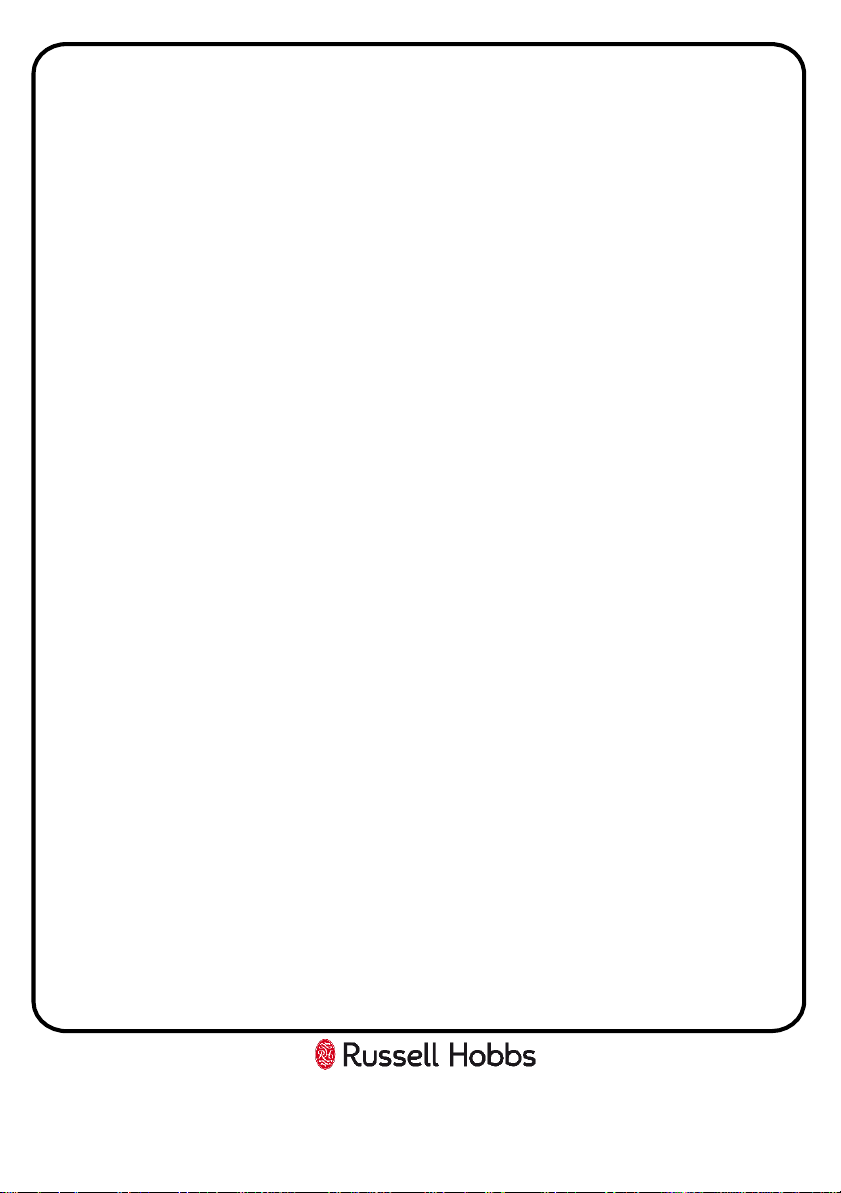
1 - Liquid detergent
attachment
2 - Main wash compartment
3 - Softener compartment
4 - Pre-wash detergent
compartment
16
How to use
• Using an excessive amount of detergent (more than the recommended
amount) can cause excessive soapsuds and this will overload machine
and the motor. In addition, this will deteriorate the washing and rinse
performance.
Adding fabric softener
• If desired, add measured liquid fabric softener to the softener
compartment
• Put softener in the middle compartment of the detergent drawer.
• Pour liquid fabric softener into the dispenser using the recommended
amount on the packaging of the fabric softener.
• Do not exceed the MAX level.
• Thick softeners may cause clogging of the drawer and should be diluted.
• Overfilling can cause early dispensing of the fabric softener which could
stain clothes.
• Do not open the detergent draw when water is being let into the appliance.
• Do not pour fabric softener directly on the clothes.

Main wash detergent compartment
This compartment is for liquid or powder detergents or limescale remover.
The fluid detergent level plate will be supplied inside your machine. (*)
Fabric conditioner, starch compartment
This compartment is for softeners, conditioners or starch. Follow the
instructions on the packaging. If softeners leave residue after use, try diluting
them or using a liquid softener.
Pre-wash detergent compartment
This compartment should be used only when the pre-wash feature is
selected. We recommend that the pre-wash feature is used only for very
dirty laundry.
(*) Specifications may vary depending on the machine purchased.
17
How to use

18
Control Panel
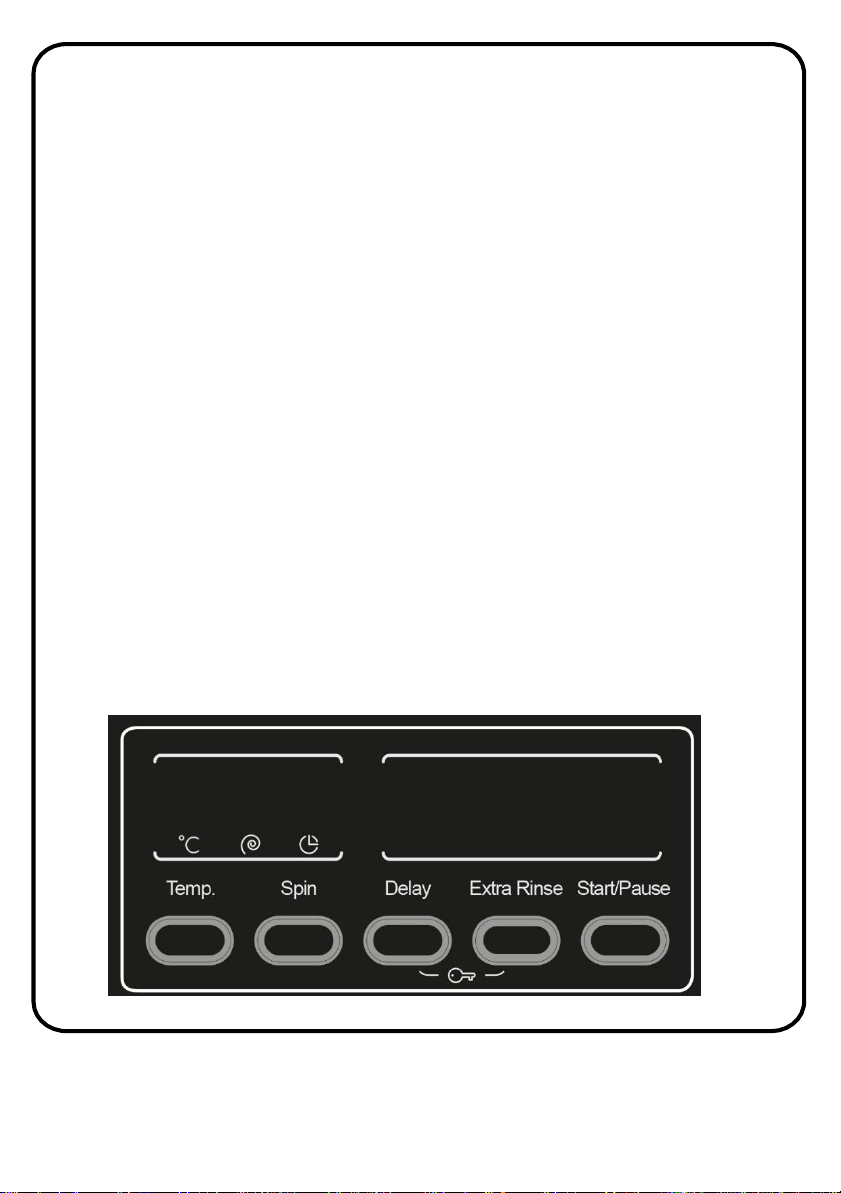
1. Detergent drawer
2. Programme dial
3. Function buttons
4. LED display
Programme dial
You can select the program you want by turning the program dial. The
marker on the dial points to the chosen programme. You must ensure the
dial is set exactly to the programme you require. The programme time,
temperature and spin speed will be shown on the LED display.
1
2
3
4
19
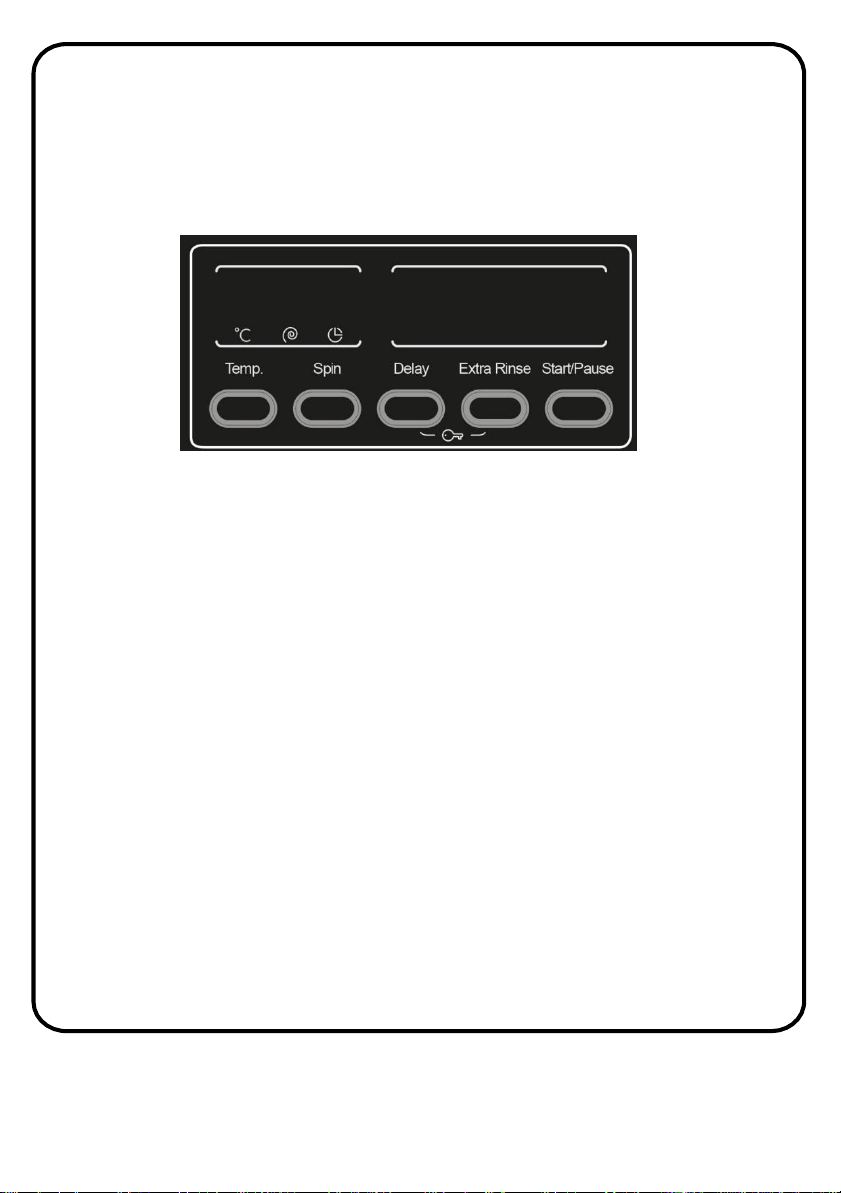
Function buttons & LED display
Press the function buttons to change the temperature or spin speed of the
selected program, if applicable to the selected program. You can also press
an additional function buttons such as delay and extra rinse.
Press the start / pause button to start the wash programme and any
additional functions you have selected. For additional functions to be
included they must be pressed after the wash programme has been
selected but prior to pressing the start button to start the wash
programme. Press while the programme is running to pause the
programme.
The function LEDs show how much longer the programme has to run, the
additional functions you have selected and the wash stages of the selected
programme (pre wash/wash state, rinsing stage, spinning stage).
The display panel shows “End” when the selected programme is complete.
The display panel also indicates if a fault has occurred with your machine.
Control Panel
20
Additional Functions
Before starting a programme, you can select an additional function. Press
the button on the Control Panel below the symbol of the additional
function you wish to select.
If the symbol of the additional function flashes continuously, the function
has been activated. If the symbol of the additional function blinks, the
function has not been selected.
Reason for non-activation:
• The additional function is not compatible with the selected washing
programme.
• Your machine has progressed too far into the programme for the
additional function to be possible.
• The additional function you have chosen is not compatible with another
additional function you have already selected.
Temperature selection
Use the washing water temperature adjustment button to alter the
automatically programmed washing water temperature. When you select a
programme the maximum temperature for that programme is
automatically selected. To adjust the temperature, press the water
temperature adjustment button until the desired temperature is displayed
on the digital display.
21
Additional Functions
You can gradually decrease the washing water temperature between the
maximum washing water temperature of the selected programme and
coldest washing temperature (--) by pressing the temperature adjustment
button.
Note: If you have skipped the washing water temperature you wanted,
keep pressing the washing water temperature adjustment button until the
desired temperature is displayed again.
Spin speed selection
When you select a programme, the maximum spin speed is automatically
selected. To adjust the spin speed between the maximum spin speed and
the cancel spinning option (--), press the Spin speed button until the
desired speed is displayed.
Note: If you have skipped the spin speed you want to set, keep pressing the
spin speed adjustment button until the desired spin speed is displayed
again.
Delay time
Press the Delay button once and “1 h” will appear on the display. The
symbol will flash on the electronic display. Press the Delay button until the
desired delayed time appears on the display.
Note: If you have skipped the delay time you wanted to set, keep pressing
the Delay button until the desired delay time is displayed again.
For the delay timer function to work, you must press Start/Pause button.
To activate the time delay, press “Start/ Pause” button. To cancel the time
delay once it has been set, press the Delay button once. The symbol will no
longer flash on the electronic display.
22
Additional Functions
In order to add/remove laundry whilst the delay timer function is working,
you must press the Start/Pause button. After adding/removing laundry, you
must press the Start/Pause button again to activate the delay timer
function.
Extra rinse
You can add an additional rinse operation to the end of the selected wash
programme using this additional function. To select this function, press the
Extra rinse button when the symbol is displayed.
Start/Pause
To start the selected programme, press the Start/Pause button. If you
switch your machine to standby mode, the Start/Pause indicator on the
electronic display will blink.
Child lock
The Child Lock function allows you to lock the buttons so that the wash
cycle you have chosen cannot be changed unintentionally. To activate child
lock, press and hold the delay and extra rinse button simultaneously for at
least 3 seconds. ‘’CL’’ will flash on the electronic display for 2 seconds when
the child lock is activated.
If any button is pressed or selected programme is changed by the
programme dial while the child lock is active, the “CL” symbol will flash on
the electronic display for 2 seconds.
If the child lock function is active and a programme is running, when the
programme dial is turned to the CANCEL position and another programme
is selected the previously selected programme continues from where it was
left.
23
Additional Function
To deactivate the child lock, press and hold the delay and extra rinse button
simultaneously for at least 3 seconds until the “CL” symbol on the
electronic display disappears.
Half load detection
Your machine features a half-load detection system. If you put less than half
the maximum load of laundry into your machine it will automatically set
the half-load function, regardless of the programme you selected. This
means that the selected programme will take less time to complete and will
use less water and energy.
Cancelling the Programme
To cancel a running programme at any time:
1. Turn the programme dial to the “0” position.
2. Your machine will stop the washing operation and the programme will
be cancelled.
3. Turn the programme dial to any other programme to drain the machine.
4. Your machine will perform the necessary draining operation and cancel
the programme.
5. You can now select and run a new programme.
Programme end
Your machine will stop by itself as soon as the programme you have
selected finishes.
• “END” will flash on the electronic display.
• You can open the machine’s door and remove the laundry.
• Leave the door of your machine open to allow the inner part of your
machine to dry.
• Switch the programme dial to STOP position.
• Unplug your machine.
• Turn the water tap off.
24
First wash
Before using the machine for laundry, ensure you run the machine on a
cycle of 90°C, with detergent and without laundry.
Important note
If the power is turned off at any stage of the washing programme and then
turned on, your machine will continue the programme from the point
where it was interrupted. This is not harmful for your machine.
Recommendations
• Ensure you run the machine empty (without any clothes) on a full cycle
at 90°C with detergent before using the machine properly for the first
time.
• Put detergent into the drawer at the beginning of each wash.
• It is recommended that you wash only extremely dirty/soiled
laundry in a pre-washing programme.
• The amount of laundry that you put in your washing machine should
not exceed 6kg.
• If your machine is not going to be used for a long period of time you
should unplug the appliance, turn off the water inlet and leave the door
slightly open. This is so that the inside of your machine will remain dry
and will not cause an unpleasant odour.
Before Use
• Plug in the machine
• Ensure the inlet hose is connected correctly and turn the inlet valve
from its closed position to the open position.
• Check that the drainage hose is connected correctly.
• Open the machine door.
• Place your laundry in your machine.
• Push the door of your machine until you hear the locking sound.
• Select the programme you require.
• Put detergent and softener in the detergent drawer, (if required).
• Press the Start/pause button.
25
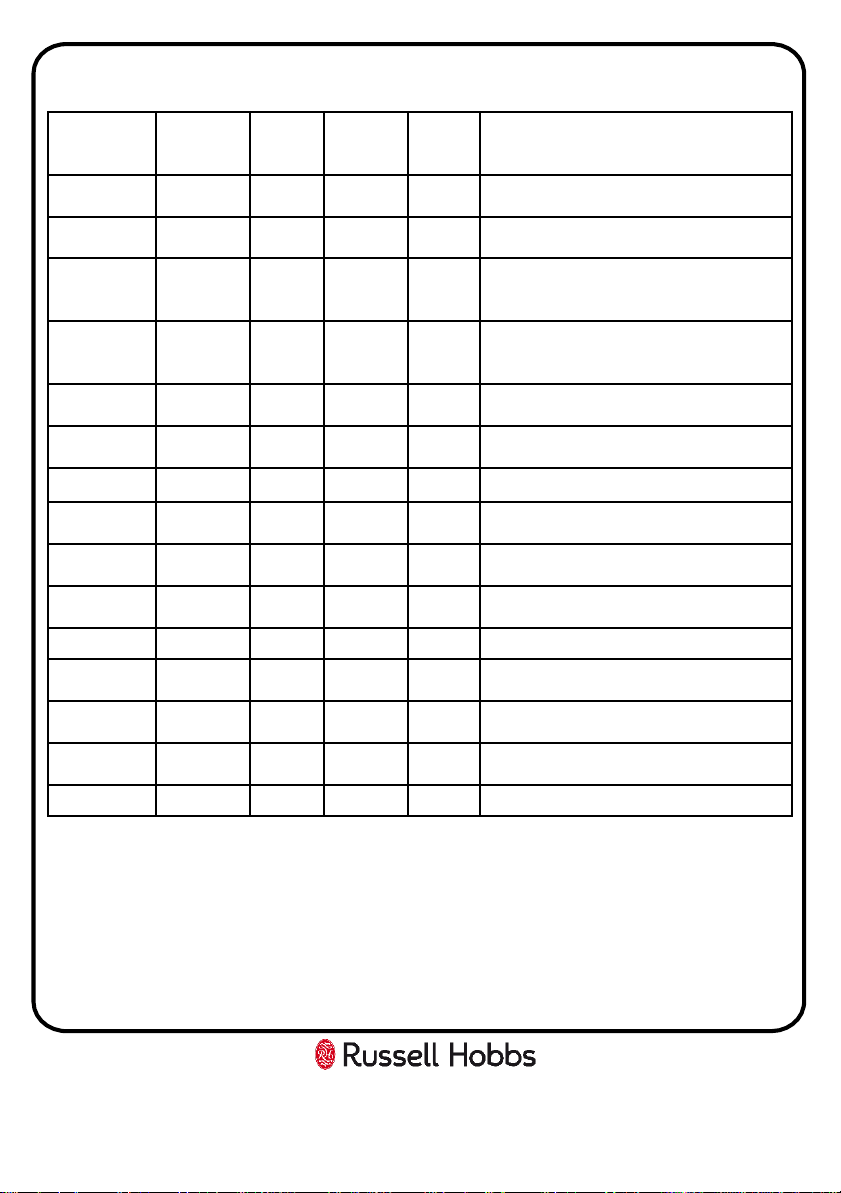
Program table
Note: The parameters in this table are only for the user's reference. The times will
differ depending on the temperature, spin and load size.
*Due to the short washing time of this programme, we recommend that less detergent
is used. The programme may last longer than 15 minutes if your machine detects an
uneven load. You can open the door of your machine 2 minutes after the completion
of a washing operation. (The 2 minute period is not included in the programme
duration).
Programme
Washing
temperature
(°C)
Maximum
dry laundry
amount (kg)
Detergent
compartment
Programme
duration
(Min.)
Laundry type / Descriptions
COTTON 90° 90° 8 2 187
Very dirty, cotton and flax textiles. (Underwear, linen,
tablecloth, towel (maximum 3.0 kg), bedclothes, etc.)
Pre
-
Wash Cotton
60° 8 1&2 164
Dirty cotton and flax textiles. (Underwear, linen,
tablecloth, towel (maximum 3,0 kg), bedclothes, etc.)
COTTON ECO 60
°
C
60° 8 2 240
Dirty cotton and flax textiles. (Underwear, linen,
tablecloth, towel (maximum 3,0 kg), bedclothes, etc.)
ECO 20° 20° 4 2 96
Less dirty, cotton and linen textiles. (Underwear,
bedsheet, tablecloth, towel (max. 2 kg) bed cloth,
etc.)
EASY CARE 40° 3.5 2 110
Very dirty or synthetic-
mixed textiles. (Nylon socks,
shirts, blouses, synthetic-including trousers etc.)
WOOLENS 30° 2.5 2 43 Woollen laundries with machine wash labels.
RINSING - 8 - 42
Provides an additional rinse to any type of laundry
after the washing cycle.
ALLERGY SAFE 60° 4 2 226 Baby clothes, towels, bedsheets, etc.
SPIN - 8 - 17
Provides an additional spin cycle to any type of
laundry after the washing cycle.
DELICATE 30° 2.5 2 90
Laundry recommended for hand wash or sensitive
laundry.
SPORTSWEAR 30° 3.5 2 80 Sportswear.
MIXED FABRICS 30° 3.5 2
81
Dirty cotton, synthetics, colour and flax textiles can
be washed together.
SHIRTS 60° 4 2 114
Dirty cotton, synthetic and synthetic
-
mixed shirts and
blouses can be washed together.
DAILY 60 min. 60° 4 2 60
Dirty, cotton, coloured and linen textiles washed at
60°C in 60 minutes.
*QUICK 15 min. 30° 2 2 15 Lightly soiled, cotton, coloured and linen textiles.
26
Program table
The energy class is A+++
Energy test program: Cotton 60℃/40℃;
Half load for 8.0Kg machine: 4.0Kg.
“Cotton 60℃ /40℃ ” are the standard 60/40℃ cotton program and are the
standard washing programs to which the information in the label and the
fiche relates, and these programs are suitable to clean normally soiled
cotton laundry and that they are the most efficient programmes in terms of
combined energy and water consumptions for washing that type of cotton
laundry, that the actual water temperature may differ from the declared
cycle temperature; Please choose suitable type of detergent for the various
washing temperature to get the best washing effect with less water and
energy consumption.
27
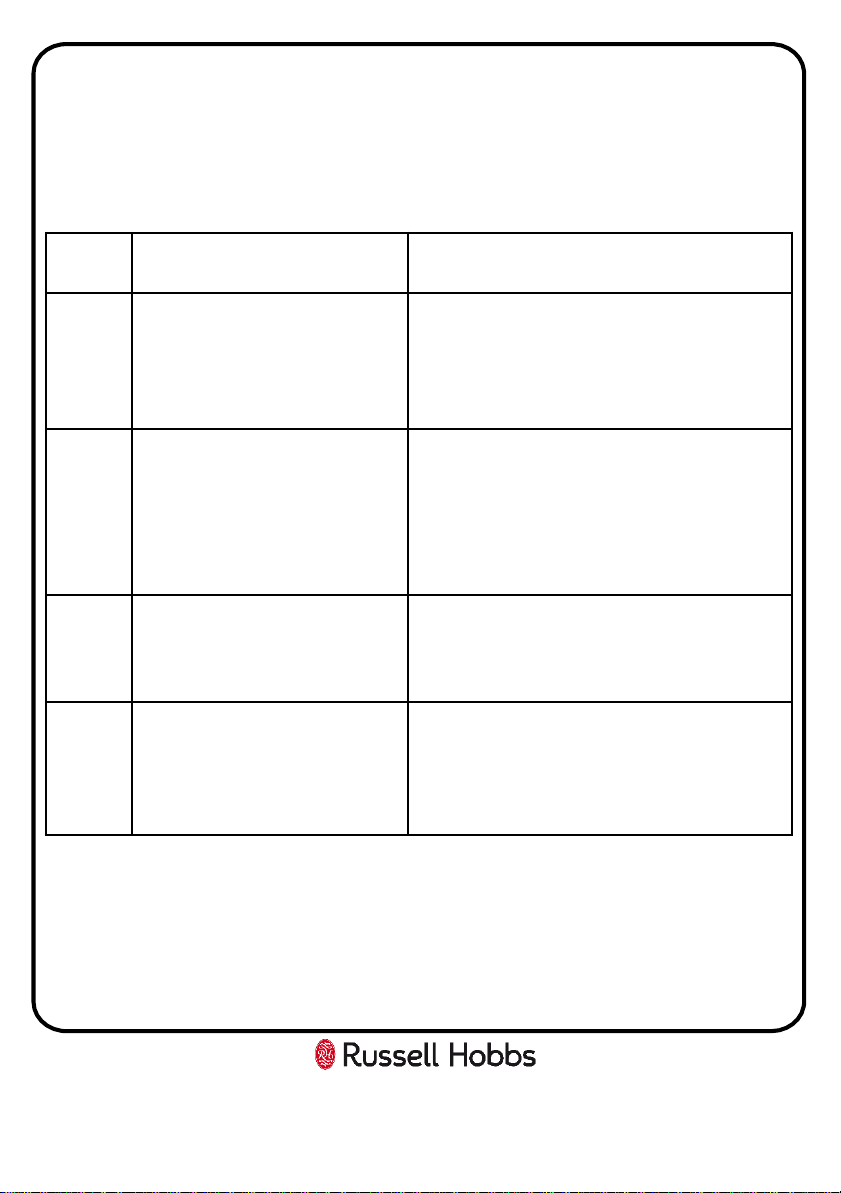
Error codes
ERROR
CODE
POSSIBLE FAULT WHAT TO DO
E01
The door of your machine is
not shut properly.
Shut the door properly until you hear a
click. If your machine persists to indicate
fault, turn off your machine, unplug it and
contact the nearest authorised service
agent immediately.
E02
The water pressure or the
water level inside the machine
may be low.
Check the tap is fully turned on. Mains
water may be cut
-
off. If the problem still
continues, your machine will stop after a
while automatically. Unplug the machine,
turn off your tap and contact the nearest
authorised service agent.
E03
The pump is faulty or pump
filter is clogged or electrical
connection of the pump is
faulty.
Clean the pump filter. If the problem
persists, contact the nearest authorised
service agent. (*)
E04
Your machine has excessive
amount of water.
Your machine will discharge water by
itself. Once the water has drained, turn off
your machine and unplug it. Turn off the
tap and contact the nearest authorised
service agent.
Note: Your Washing Machine is equipped with a built-in fault detection
system, indicated by error codes being shown on the LED display. The most
common failure codes are shown below.
(*) See the chapter regarding maintenance and cleaning of your machine
All repairs to your machine should be carried out by a qualified engineer or
contact Russell Hobbs on 0345 208 8750.
28
Trouble shooting
• All repairs to your machine should be carried out by a qualified
engineer or contact Russell Hobbs on 0345 208 8750.
• Before contacting a qualified engineer or Russell Hobbs, please see if the
problem your machine has developed can be solved with the help of the
below:
Fault Possible cause Removing methods
Your appliance does not
start.
It is not plugged in. Plug the machine in.
The fuse is faulty or has blown.
Replace the fuse.
Electricity cut - off. Check mains power.
Start/pause button not pressed.
Press the Start/pause button.
Programme dial ‘stop’ position.
Switch the programme dial to
the desired position.
The machine door is not
completely closed.
Close the machine door.
Your appliance does not
fill with water.
Water tap has been turned off.
Turn the water tap on.
Water inlet hose may be
twisted.
Check water inlet hose and
untwist.
Water inlet hose clogged.
Clean water inlet hose
filters.
Valve inlet filter clogged.
Clean the valve inlet filters.
The machine door is not
completely closed.
Close the machine door.
Your appliance does not
discharge water.
Drain hose is clogged or twisted
Check the drain hose, then
either clean or untwist.
Pump filter clogged. Clean the pump filter.
Laundry settled in the machine
unevenly
Spread your laundry in the
machine evenly.
29
Trouble shooting
Fault Possible cause Removing methods
Excess foam has formed in
the detergent draw.
Excessive amount of
detergent used.
Press the Start/pause button.
To eliminate foam formation,
mix a tablespoon of softener
with 500ml of water and
pour the mixture in the
detergent drawer. After 5 -
10 minutes, press the
Start/pause button again. For
the next washing operation,
use the correct amount of
detergent.
Wrong detergent used.
Use detergents produced
only for automatic washing
machines.
Your appliance vibrates.
The feet of your machine have
not been adjusted correctly.
Adjust the feet on your
machine.
Transportation screws have not
been removed.
Remove transportation
screws.
Your machine is under
-
loaded
with laundry or laundry settled
unevenly.
This will not stop the
operation of your machine.
Your machine is overloaded
with laundry or laundry settled
unevenly.
Do not overload the
appliance more than the
amount recommended and
settle the laundry in the
machine evenly.
Your machine rests on a hard
surface.
Prevent your machine from
resting on hard surfaces.
(sides and rear)
No water appears in the
drum during washing.
No fault. Water is in the
unseen part of the drum.
-
30
Trouble shooting
Fault Possible cause Removing methods
Unsatisfactory washing
results.
The dirtiness of the laundry
does not match the
programme select.
Select the appropriate
programme for the dirtiness
of the laundry.
Insufficient amount of
detergent used.
Adjust the amount of
detergent based on the dirt
level of the laundry.
The washing machine is
overloaded with laundry.
Load the washing machine
with the correct amount and
weight and do not exceed
maximum laundry capacity.
Hard water.
Increase the amount of
detergent following the
manufacturer’s instructions.
Your laundry is too tightly
packed together in the drum.
Check that your laundry is
spread out.
Laundry has detergent
residue.
Non-dissolving particles of
some detergents may appear
on your laundry as white spots.
Perform an extra rinse, or
clean your laundry with a
brush after it dries.
Grey spots appear on the
laundry.
There is untreated oil, cream or
ointment on your laundry.
Use the amount of detergent
as instructed on the
packaging in the next wash.
As soon as the machine is
loaded with water, water
discharges.
The end of water drain hose is
too low for the machine.
Check that the drain hose is
at a suitable height.
The spin cycle does not
take place or takes place
later than expected.
No fault. The unbalanced load
control system has been
activated.
The unbalanced load control
system will try to spread your
laundry. The spinning cycle
will begin once your laundry
is spread. Load the drum
evenly for the next wash.
This section explains how to care for your washer properly and safely.
Note:
• When cleaning your machine, ensure that the machine is unplugged
and the water supply is closed off.
• Do not use solvents, abrasive cleaners, glass cleaners or all-purpose
cleaning agents to clean your Washing Machine. They may damage
the plastic surfaces and other components with the chemicals they
contain
Cleaning your Machine
Exterior
1. Wipe up detergent, bleach, and other spills with a soft, damp cloth
or sponge as and when they occur.
2. Use a mild, non-abrasive cleaning agent, or soap and water, to clean
the external casing. Wipe dry with a soft cloth.
Drum
1. Do not leave metallic objects such as needles, paper clips, coins etc.
in your machine. These objects lead to the formation of rust stains in
the drum.
2. To clean such rust stains, use a non-chlorine cleaning agent and
follow the instructions of manufacturer of the cleaning agent. Run
washer through a complete cycle. Repeat this process if necessary.
3. Never use wire wool or similar hard objects for cleaning rust stains.
31
Maintenance
Non-use or vacation care
If you are on vacation or don’t use your washer for an extended period of
time, you should:
• Unplug the power supply cord or turn off electrical power to the washer.
• Turn off the water supplier to the washer.
This helps avoid accidental flooding (due to a water pressure surge) while
you are away.
Outbuilding & winter conditions
• Install and store your washer where it will not freeze because some
water may stay in the hoses/pipes, and freezing can damage your
washer.
Storage
• Run washer on a rinse and spin setting.
• Unplug the power supply cord.
• Turn off water tap and disconnect the water inlet and drain hose
To use washer again
• Flush water pipes and hoses.
• Reconnect water inlet hoses.
• Turn on water faucet.
• Reconnect the power supply cord.
32
Maintenance
33
Maintenance
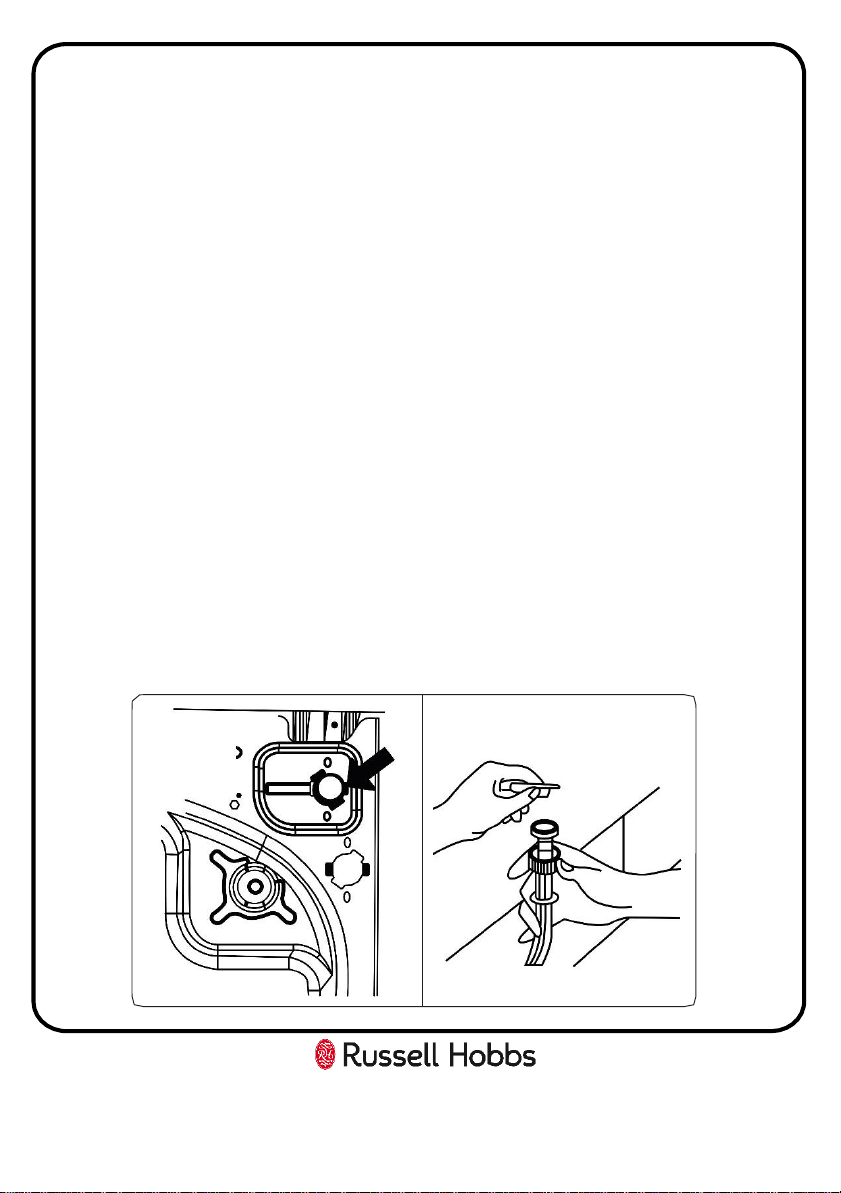
Cleaning the water inlet filter
Water inlet filters prevent dirt and foreign substances in the water from
entering the machine. These are on the tap and on the ends of water valves
along the water inlet hose of your machine. We recommend that these filters
are cleaned every 2 months or when your machine cannot take sufficient
amounts of water despite the tap being open.
To do this follow the below steps: these filters should be cleaned.
1. Turn off the water supply
2. Unscrew the water inlet hose(s) from the Washing Machine.
3. To remove the water inlet filter from the water inlet valve, use a pair of long-
nosed pliers to gently pull on the plastic bar in the filter.
4. A second water inlet filter is located in the tap end of the water inlet hose. To
remove the second water inlet filter, use a pair of long-nosed pliers to gently
pull on the plastic bar in the filter.
5. Clean the filter thoroughly with a soft brush and wash with soapy water and
rinse thoroughly. Re-insert the filter by gently pushing it back into place.
Note: The filters at the water inlet valve may become clogged due to water
quality or lack of required maintenance and may break down. This may cause a
water leak. Any such breakdowns are out of the scope of the guarantee.
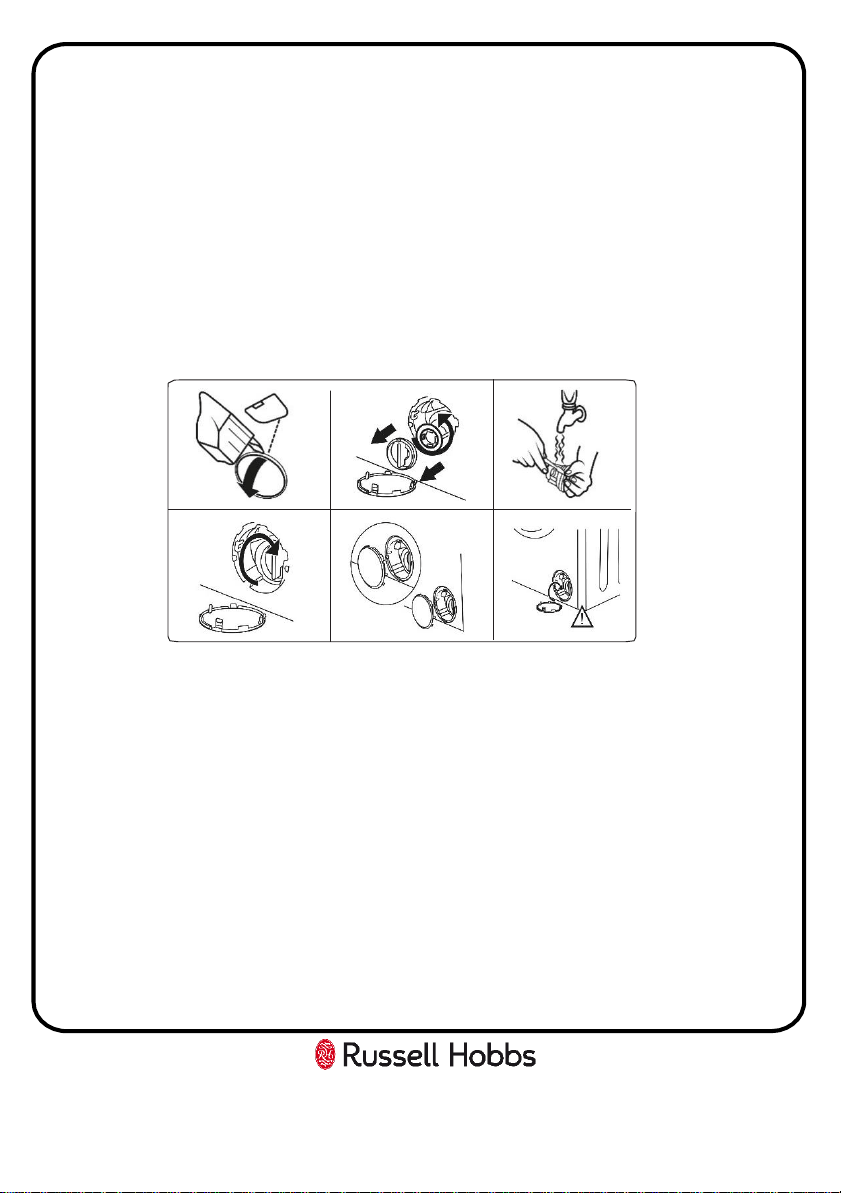
Cleaning the pump filter
The pump filter system in your Washing Machine prolongs the life of the
pump by preventing foreign objects such as threads, coins, pins, buttons etc.
We recommend that you clean the pump filter every 2 months.
WARNING: The water in the pump may be hot, wait until it has cooled
down carrying out any cleaning or maintenance
The pump filter is located behind the cover on the front-lower right corner.
To clean the pump filter:
1. Open the pump cover, you may use the liquid detergent level plate to
supplied with your machine.
2. Lodge the end of the powder spade or liquid detergent level plate in the
opening of the cover and gently press backwards. The cover will open.
• Before opening the filter cover, place a container under the filter cover to
collect any water left in the machine.
• Loosen the filter by turning anticlockwise and remove by pulling. Wait for
the water to drain.
NOTE: Depending on the amount of water inside the machine, you may have
to empty the water collection container a few times.
34
Maintenance
1 2 3
4 5 6
35
Maintenance
3. Remove any foreign materials from the filter with a soft brush.
4. After cleaning, re-fit the filter by inserting it and turning clockwise.
5. When closing the pump cover, ensure that the mountings inside the
cover meet the holes on the front panel side.
6. Close the filter cover
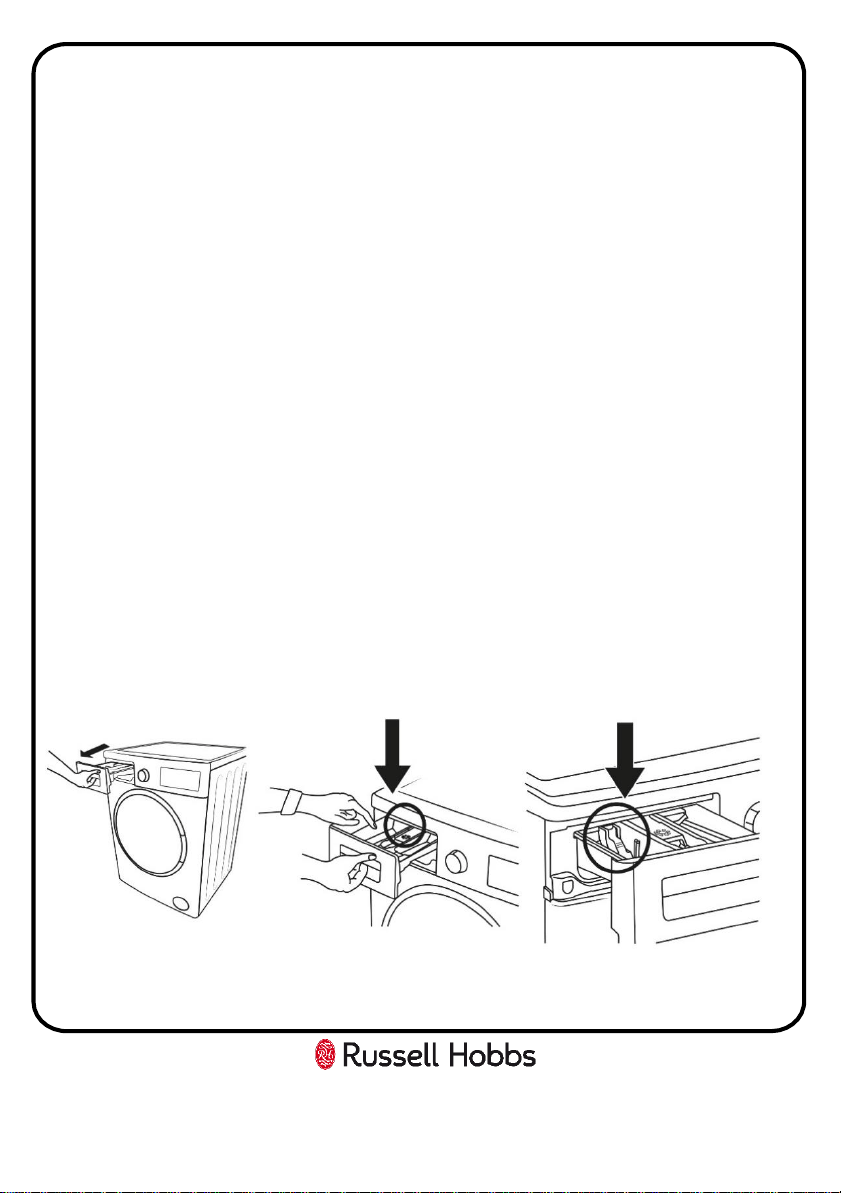
Cleaning the detergent drawer
The use of detergent may cause residual build up in the detergent drawer
over time. We recommend that you remove the drawer every 2 months to
clean the accumulated residue.
To remove the detergent drawer:
• Pull the drawer forwards until it is fully extended.
• Gently press down on the drawer (as shown below) and pull the drawer
from its housing.
• Clean the drawer with water and a soft brush.
• If there is any residue in the drawer housing, remove with a soft brush.
Take care to prevent any residue from dropping into the machine.
• Dry the drawer thoroughly and slide it back into the housing.
Note: Do not wash your detergent drawer in dishwasher.

36
Maintenance
Cleaning the flush stopper
Remove the detergent drawer and disassemble the flush stopper. Clean
thoroughly to completely remove any softener residue. Refit the flush
stopper after cleaning and check that it is seated properly.
37
Removing stains from clothes
Stained, heavily-soiled, or greasy items may need to be prewashed or
soaked for best results. Soaking helps remove protein-type stains like
blood, milk or grass. Prewashing helps loosen soil before washing.
Stain removal rules
• Use warm water for soaking or prewashing stained laundry. Hot water
can set stains.
• Most stains are easier to remove when they are fresh.
• Before treating any stain, find out what kind of stain it is, how old the
stain is, what kind of fabric it is, and whether the fabric is
colourfast(Check the care label).
• Washing and drying can set some stains.
• Start with cold or warm water. Hot water can set some stains.
• When bleach is recommended, use a bleach that is safe for the fabric.
• Put the stained area face down on a paper towel or white cloth. Apply
the stain remover to the back of the stain. This forces the stain off
fabric instead of through it.

38
Removing stains from clothes
39
Specification
Mo
del RH814WM1 (W) (B) (G) (R) (S)
Dimension
(mm) (H)845 X (W)597 X (D)557
M
aximum mass of dry
clothes
(kg)
8.0kg
W
ater pressure (Mpa) 0.1MPa~1MPa
S
pin Speed (RPM) 1400
Rate
d Current 10A
Ope
rating voltage / frequenc
y
(
V/Hz)
(220-240) V ~/50Hz
Rated Power
2200W
Connection to the mains supply
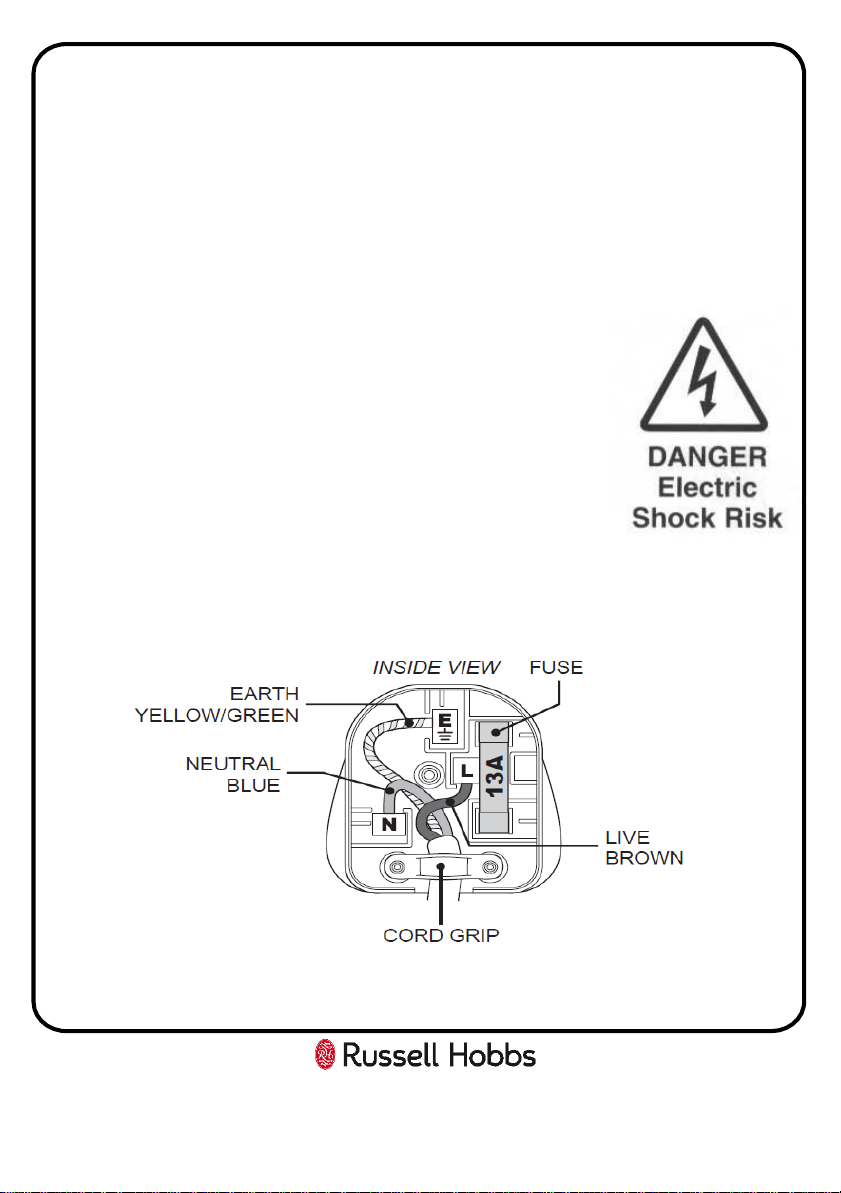
For UK use only – Plug fitting details (where applicable):
As the colours of the wires in the mains lead of this appliance may not
correspond with the coloured markings identifying the terminals in your plug,
proceed as follows:
The GREEN/YELLOW wire is the EARTH and must be connected to the
terminal which is marked with the letter E or by the earth symbol or coloured
GREEN or GREEN/YELLOW.
The BLUE wire is the NEUTRAL and must be connected to the
terminal marked with the letter N or coloured BLACK. The
BROWN wire is the LIVE wire and must be connected to the
terminal marked with the letter L or coloured RED.
Always ensure that the plug cord grip is fastened correctly.
If a 13A (BS1363) fused plug is used it must be fitted with a
13amp fuse conforming to BS1362 and be BSI or ASTA approved.
40
Guarantee
This product is guaranteed for 12 months from the date of the original
purchase. If any defect arises due to faulty materials or workmanship the
faulty product must be returned to the place of purchase.
Refund or replacement is at the discretion of the retailer.
The following conditions apply:
• The product must be returned to the retailer with the original proof of
purchase.
• The product must be installed and used in accordance with the
instructions contained in this instruction guide and any other
instructions for use which are supplied.
• It must be used for domestic purposes only and for its intended use.
• This warranty does not cover wear and tear, damage, misuse or
consumable parts.
This does not affect your statutory rights.
Produced for:
G2S Limited
Wigan
WN2 4AY
41
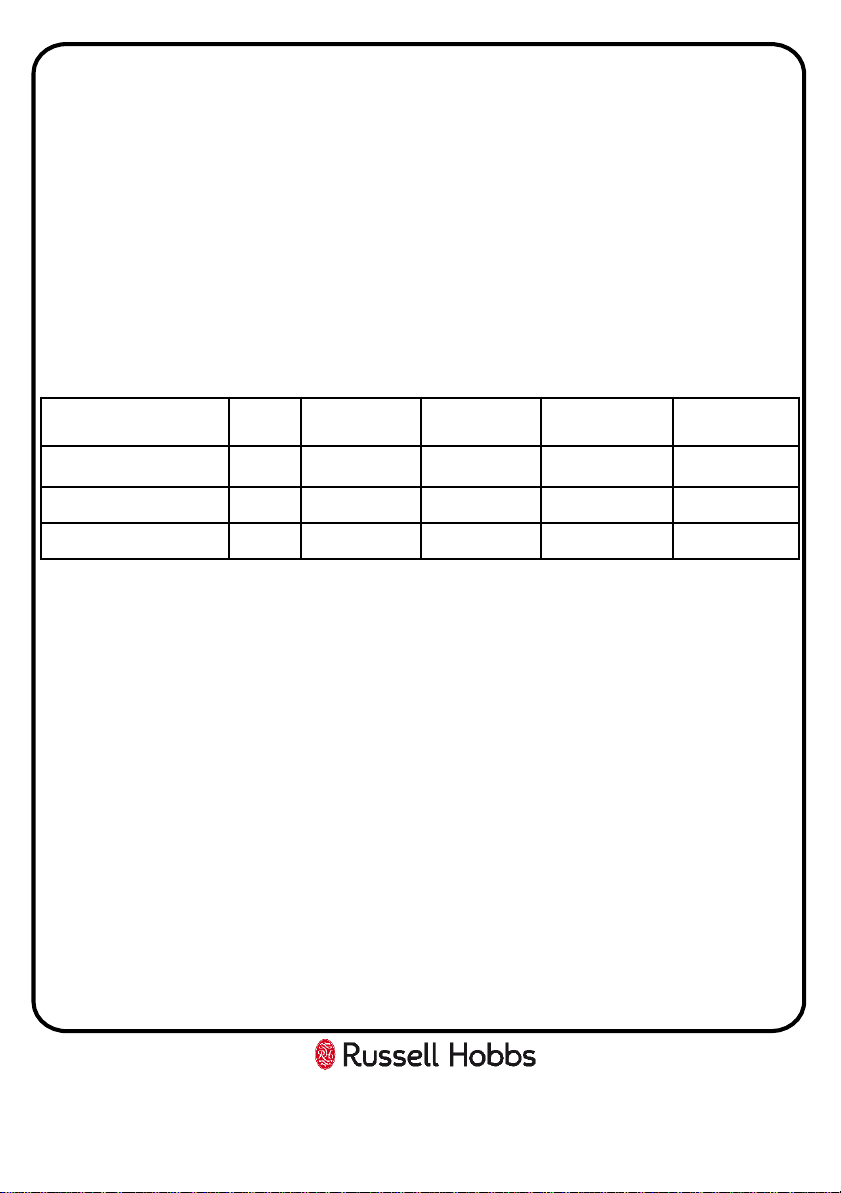
Standard Programme Load Energy
consumption
Water
consumption
Remaining
moisture content
Programme
duration
Cotton Intensive 60°C 8kg 1.1kwh 52L 51.5% 240min
Cotton Intensive 60°C 4kg 0.7kwh 43L 52.8% 185min
Cotton Intensive 40°C 4kg 0.63kwh 43L 52.6% 180min
42
Rated capacity:8kg
Energy efficiency class: A+++
EU Eco label: N/A
Energy consumption 194kwh per year, based on 220 standard washing cycles for cotton programmes at 60°C and
40°C at full and partial load, and the consumption of the low-power modes. Actual energy consumption will
depend on how the appliance is used.
Water consumption 10224 litres per year, based on 220 standard washing cycles for cotton programmes at 60°C
and 40°C at full and partial load. Actual water consumption will depend on how the appliance is used.
Spin-drying efficiency class B on a scale from G (least efficient) to A (most efficient)
Maximum spin speed:1400rpm
Consumption values (1400rpm):
Notes:
1. Programme setting for testing in accordance with applicable standard EN60456-2011.
2. When using the test programmes, wash the specified load using the maximum spin speed.
3.The actual parameters will depend on how the appliance is used, and maybe different with
the parameters in above mentioned table.
Off mode power consumption:0.5W
Left-on mode power consumption:1W
Airborne acoustical noise (spinning):78
Airborne acoustical noise (standard 60°C):58 (washing) & 78 (spinning)
Product Fiche:
43
Notes:
For Customer Services & Spare
Parts please call 0345 208 8750
or visit us at
https://mda.russellhobbs.com
This symbol is known as the 'Crossed-out wheelie bin Symbol'. When this
symbol is marked on a product/batteries, it means that the product/batteries
should not be disposed of with your general household waste. Only discard
electrical/electronic/battery items in separate collection schemes, which cater
for the recovery and recycling of materials contained within. Your co-operation
is vital to make sure the success of these schemes and for the protection of the
environment. For your nearest disposal facility, visit www.recycle-more.co.uk
or ask in store for details.
We reserve the right due to possible changes to design to alter the
instruction manual without prior notice.
Revision 2