You can be killed or seriously injured if you don't immediately
You can be killed or seriously injured if you don't follow
All safety messages will tell you what the potential hazard is. tell you how to reduce the chance of injury. and tell you what can happen if the instructions are not followed.
Your safety and the safety of others are very important.
We have provided many important safety messages in this manual and on your appliance. Always read and obey all safety messages.
This is the safety alert symbol.
This symbol alerts you to potential hazards that can kill or hurt you and others.
All safety messages will follow the safety alert symbol and either the word “DANGER” or “WARNING.” These words mean:
DANGER
WARNING
IMPORTANT: The gas installation must conform with local codes. or in the absence of local codes. with the National Fuel Gas Code. ANSI Z223.1/NFPA 54. or the Natural Gas and Propane Installation Code. CSA B149.1.
The dryer must be electrically grounded in accordance with local codes. or in the absence of local codes. with the National Electrical Code. ANSI/NFPA 70. or the Canadian Electrical Code. Part 1. CSA C22.1.
In the State of Massachusetts. the following installation instructions apply:
I Installations and repairs must be performed by a qualified or licensed contractor. plumber. or gas fitter qualified or licensed by the State of Massachusetts.
I Acceptable Shut-off Devices: Gas Cocks and Ball Valves installed for use shall be listed.
I A flexible gas connector. when used. must not exceed 4 feet (121.9 cm).
INSTALLATION REQUIREMENTS
TOOLS AND PARTS
Gather the required tools and parts before starting installation.
Read and follow the instructions provided with any tools listed here.
Tools needed for all installations:
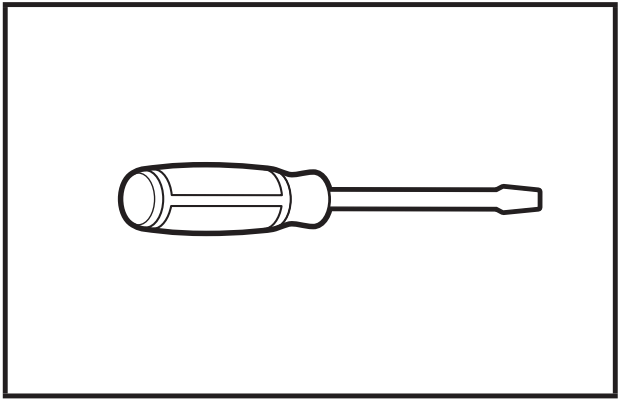
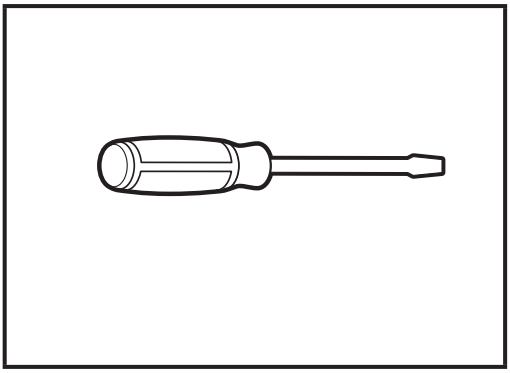
Flat-blade screwdriver
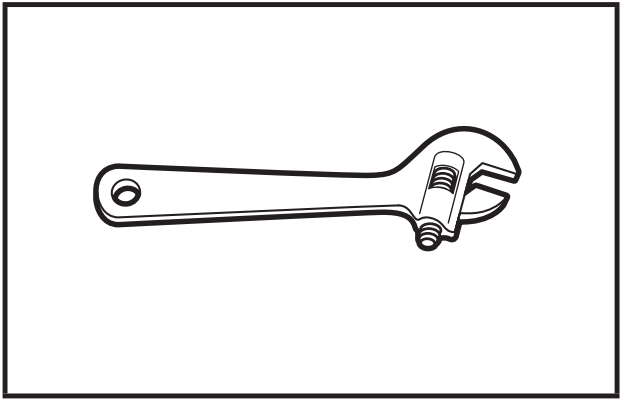
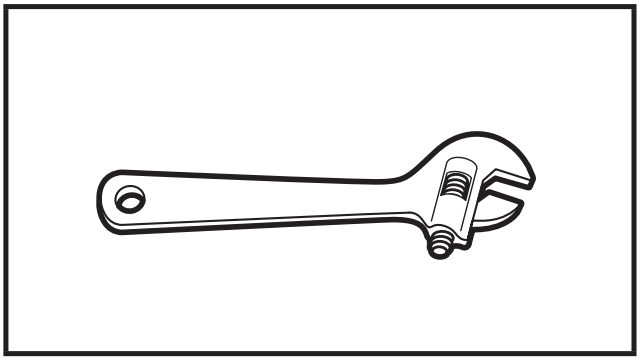
Adjustable wrench that opens to 1" or hex-head socket wrench
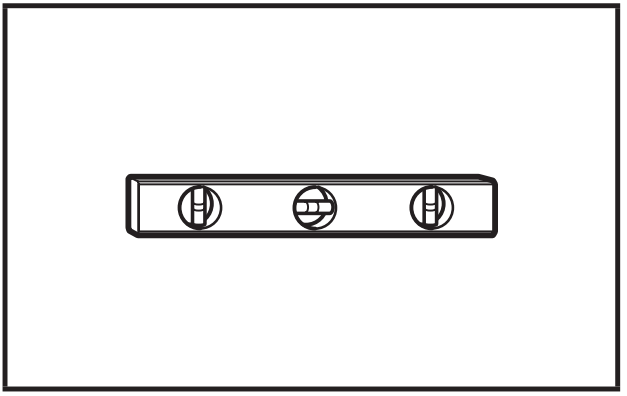
Level
Vent clamps
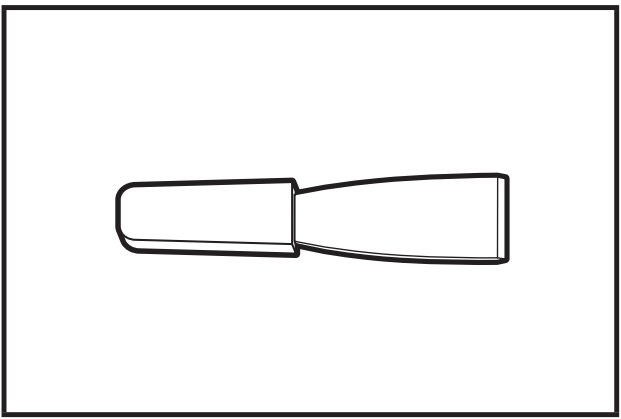
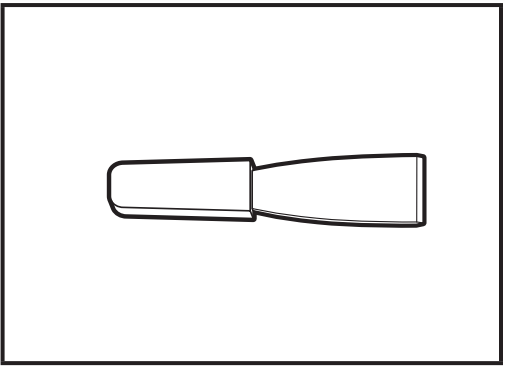
Plastic putty knife
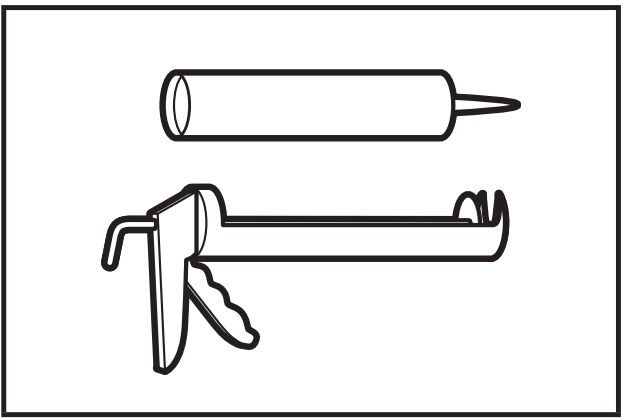
Caulking gun and compound (for installing new exhaust vent)
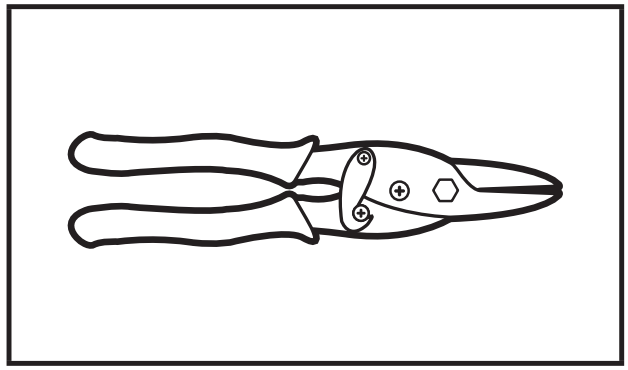
Tin snips (new vent installations)
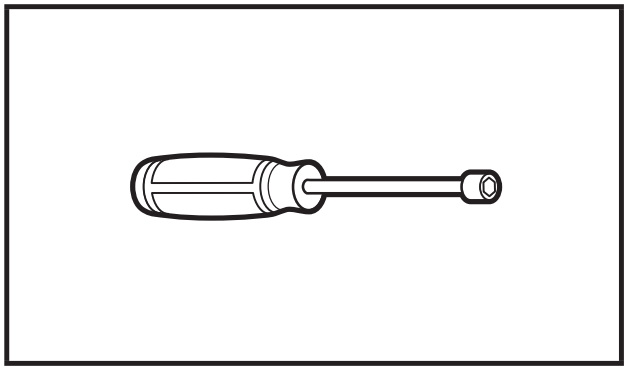
1/4" nut driver (recommended)
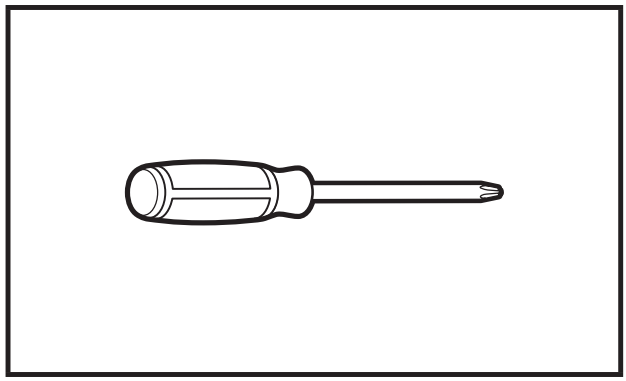
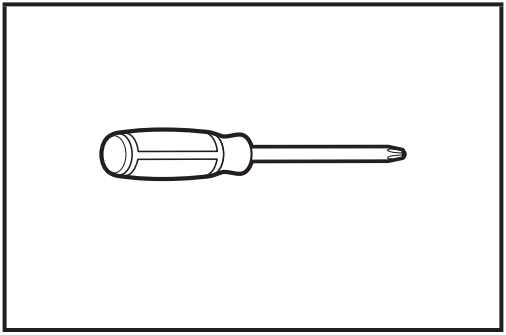
#2 Phillips screwdriver
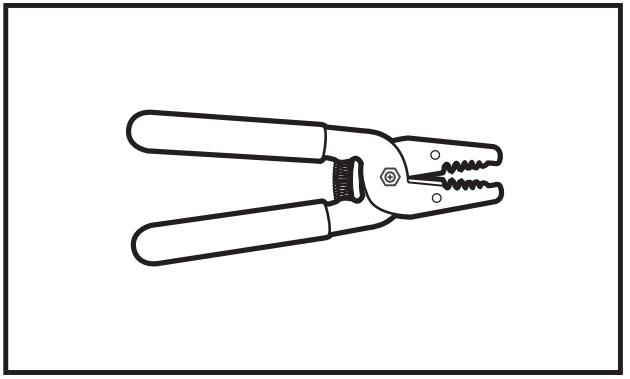
Wire stripper (direct wire installations)
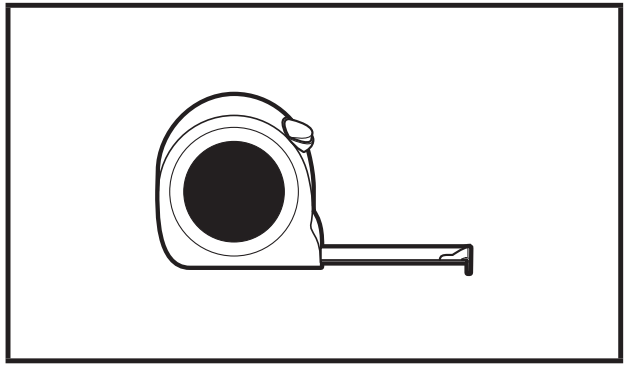
Tape measure
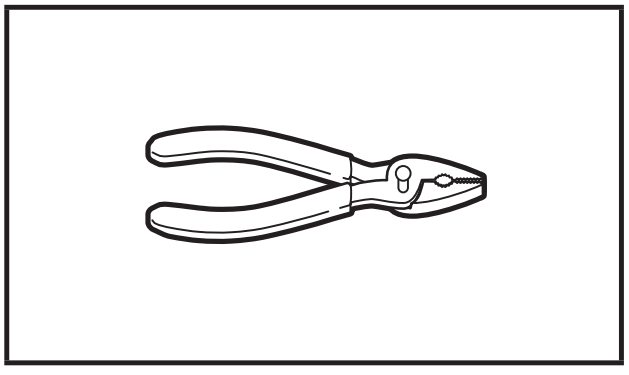
Pliers
Tools needed for gas installations:
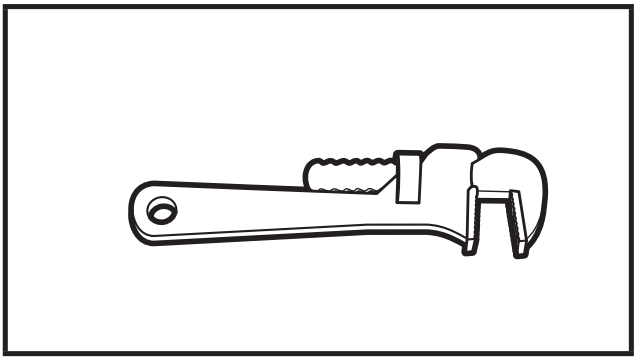
8" or 10" pipe wrench
8" or 10" adjustable wrench (for gas connections)
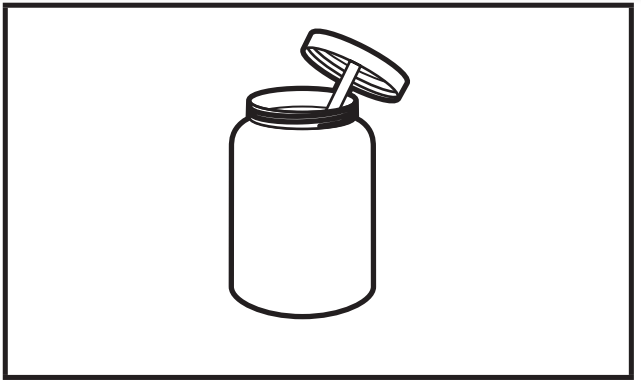
Pipe-joint compound resistant to propane gas
Parts supplied (all models):
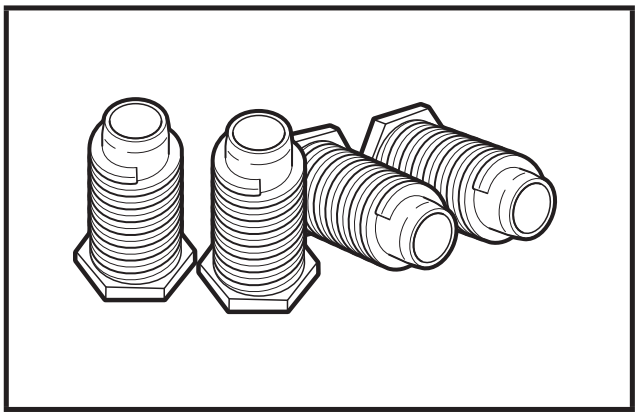
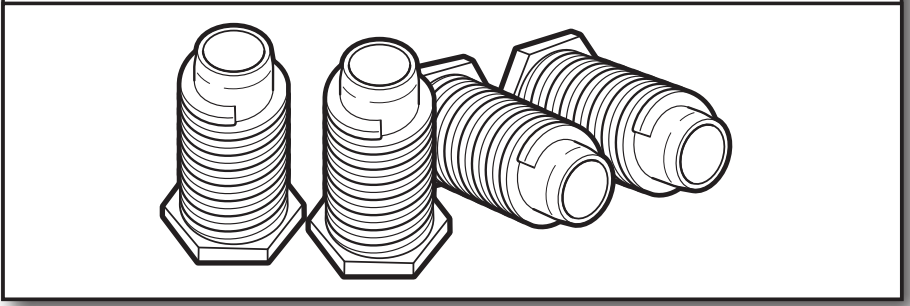
Leveling legs (4)
Parts needed (steam models):
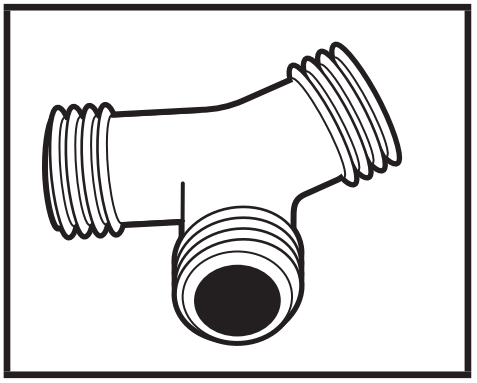
“Y” connector
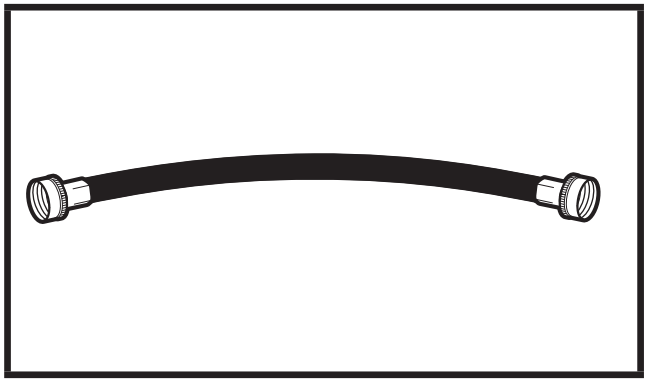
Short inlet hose
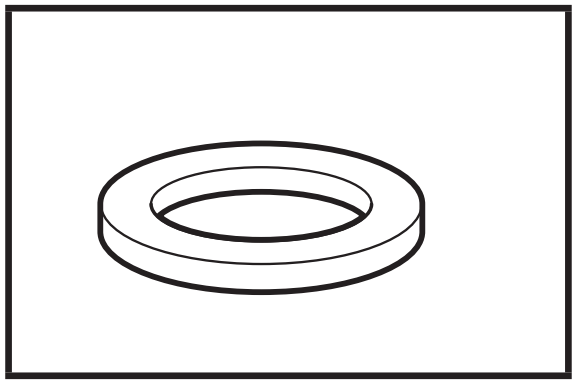
Rubber washer
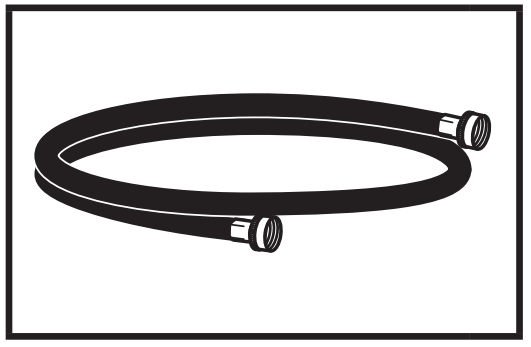
Inlet hose
If using a power supply cord:
Use a UL listed power supply cord kit marked for use with clothes dryers. The kit should contain:
A UL listed 30 A power supply cord. rated 120/240 V minimum. with a temperature rating of 140°F (60°C) minimum. The cord should be type SRD or SRDT and be at least 4 ft. (1.22 m) long. The wires that connect to the dryer must end in ring terminals or spade terminals with upturned ends.
A UL listed strain relief
Parts needed: (Not supplied with dryer) Check local codes. Check existing electrical supply and venting.
See “Electrical Requirements” and “Venting Requirements” before purchasing parts.
Mobile home installations require metal exhaust system hardware available for purchase from the dealer from whom you purchased your dryer. For further information. please refer to the “Assistance or Service” section in your “Quick Reference Guide.”
LOCATION REQUIREMENTS
You will need:
A location allowing for proper exhaust installation.
See “Venting Requirements.”
A separate 15 or 20 A circuit needed for gas dryers and 30 A circuit needed for electric dryers.
If using power supply cord. a grounded electrical outlet located within 2 ft. (610 mm) of either side of dryer.
See “Electrical Requirements.”
Floor must support dryer weight of 200 lbs. (90.7 kg).
Also consider weight of companion appliance.
Level floor with maximum slope of 1" (25 mm) under entire dryer. If slope is greater than 1" (25 mm). clothes may not tumble properly and automatic sensor cycles may not operate correctly.
For garage installation. place dryer at least 18" (460 mm) above floor.
Steam models only: Cold water faucets located within 4 ft. (1.2 m) of the water fill valves. and water pressure of 20-100 psi (137.9-689.6 kPa). You may use your washer’s water supply by purchasing the necessary parts noted in “Parts needed.”
IMPORTANT: Do not operate. install. or store dryer where it will be exposed to water. weather. or at temperatures below 45°F (7°C). Lower temperatures may cause dryer not to shut off at end of automatic sensor cycles. resulting in longer drying times.
NOTE: No other fuel-burning appliance can be installed in the same closet as a dryer.
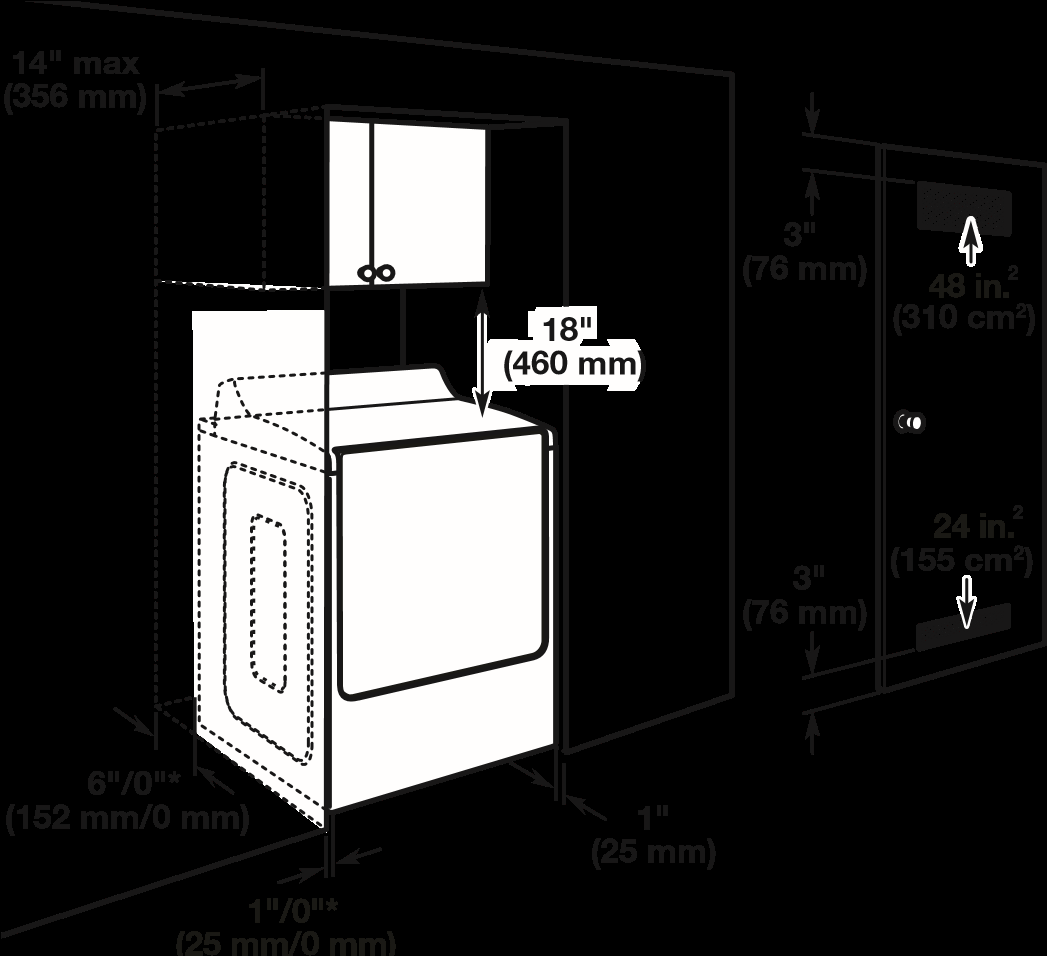
INSTALLATION CLEARANCES
For each arrangement, consider allowing more space for ease of installation and servicing, spacing for companion appliances and clearances for walls, doors, and floor moldings. Space must be large enough to allow door to fully open. Add spacing on all sides of dryer to reduce noise transfer. If a closet door or louvered door is installed, top and bottom air openings in door are required.
Check code requirements. Some codes limit, or do not permit, installation of the dryer in garages, closets, mobile homes, or sleeping quarters. Contact your local building inspector.
Spacing for recessed area or closet installation The dimensions shown are for the recommended spacing allowed.
■
Additional spacing should be considered for ease of installation and servicing.
■
Additional clearances might be required for wall, door, and floor moldings.
■
Additional spacing of 1" (25 mm) on all sides of the dryer is recommended to reduce noise transfer.
■
For closet installation, with a door, minimum ventilation openings in the top and bottom of the door are required. Louvered doors with equivalent ventilations openings are acceptable.
■
Companion appliance spacing should also be considered.
*Recommended/Minimum spacing
Mobile home - Additional installation requirements:
This dryer is suitable for mobile home installations.
The installation must conform to the Manufactured Home
Construction and Safety Standard, Title 24 CFR, Part 3280 (formerly the Federal Standard for Mobile home construction and Safety, Title 24, HUD Part 280) or Standard CAN/CSA-Z240 MH.
Mobile home installations require:
All dryers:
■ Metal exhaust system hardware, available for purchase from your dealer. For further information, see “Assistance or Service” section in your “Quick Reference Guide.”
■ Special provisions must be made in mobile homes to introduce outside air into dryer. Openings (such as a nearby window) should be at least twice as large as dryer exhaust opening.
For gas dryers mobile home installations:
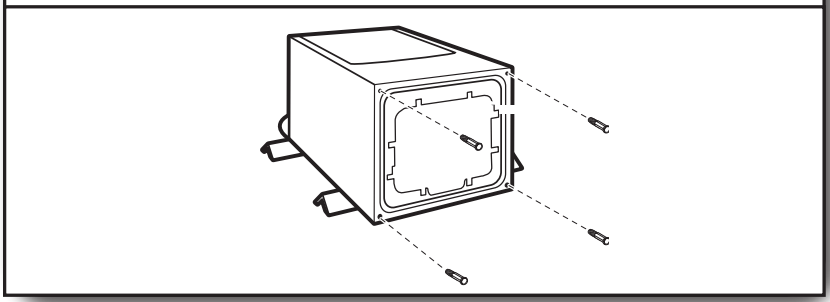
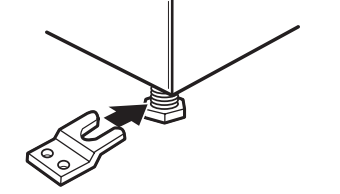
■ Mobile Home Installation Hold-down Kit is available to order. For further information, see “Assistance or Service” section in your “Quick Reference Guide.”
INSTALL LEVELING LEGS
1. Prepare dryer for leveling legs
Firmly grasp dryer body (not console panel) and gently lay dryer down on back cardboard corner posts.
IMPORTANT: If laying dryer on its back, use the cardboard corner posts the dryer was packed with to avoid damaging the back of the dryer.
2. Screw in leveling legs
Using a wrench and tape measure, screw leveling legs into leg holes until bottom of foot is approximately 1" (25 mm) from bottom of dryer. Now stand the dryer on its feet. Slide the dryer until it is close to its final location. Leave enough room to connect the exhaust vent.
For mobile home use
Gas dryers must be securely fastened to the floor. Mobile home installations require a Mobile Home Installation Hold-down Kit. For ordering information please reference the “Quick Reference Guide.”
VENTING
VENTING REQUIREMENTS
WARNING: To reduce the risk of fire, this dryer MUST BE EXHAUSTED OUTDOORS.
IMPORTANT: Observe all governing codes and ordinances. Dryer exhaust must not be connected into any gas vent, chimney, wall, ceiling, attic, crawl space, or a concealed space of a building. Only rigid or flexible metal vent shall be used for exhausting.
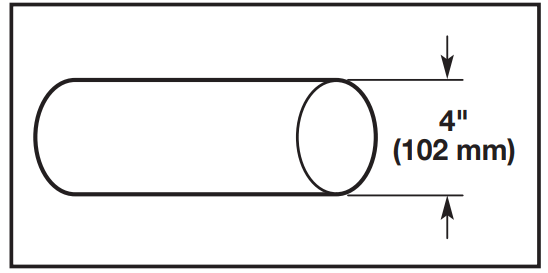
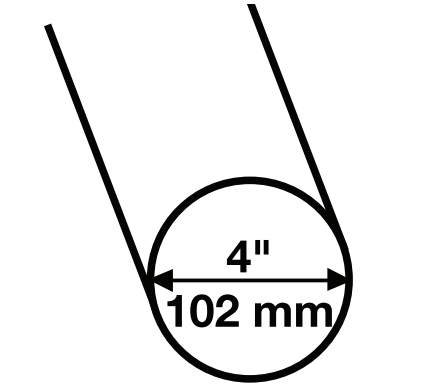
4" (102 mm) heavy metal exhaust vent
Only a 4" (102 mm) heavy metal exhaust vent and clamps may be used.
Do not use plastic or metal foil vent.
Rigid metal vent:
Recommended for best drying performance and to avoid crushing and kinking.
Flexible metal vent: (Acceptable only if accessible to clean)
Must be fully extended and supported in final dryer location.
Remove excess to avoid sagging and kinking that may result in reduced airflow and poor performance.
Do not install in enclosed walls, ceilings, or floors.
The total length should not exceed 73 /4 ft. (2.4 m).
The length of flexible metal vent used must be included in the overall vent system design as shown in the “Vent System Charts.”
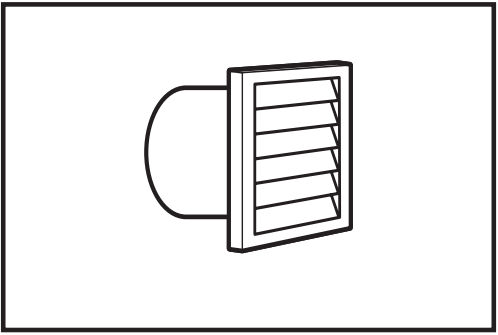
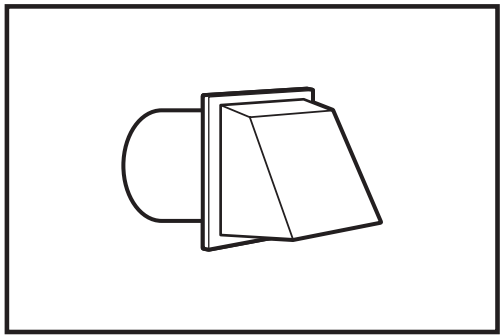
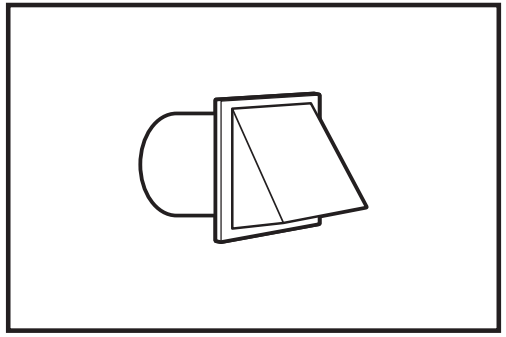
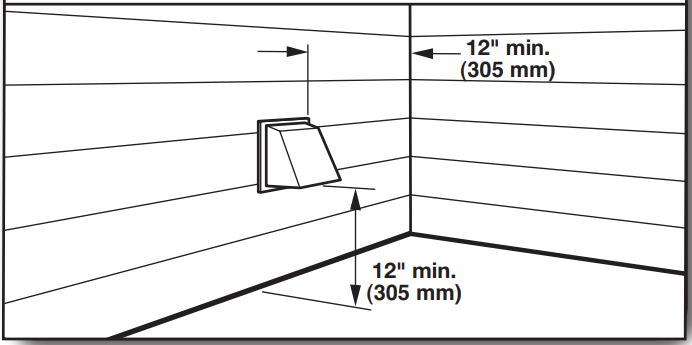
Exhaust hoods:
Must be at least 12" (305 mm) from ground or any object that may obstruct exhaust (such as flowers, rocks, bushes, or snow).
Recommended Styles:
Louvered Hood
Box Hood
Acceptable Style:
Angled Hood
Elbows:
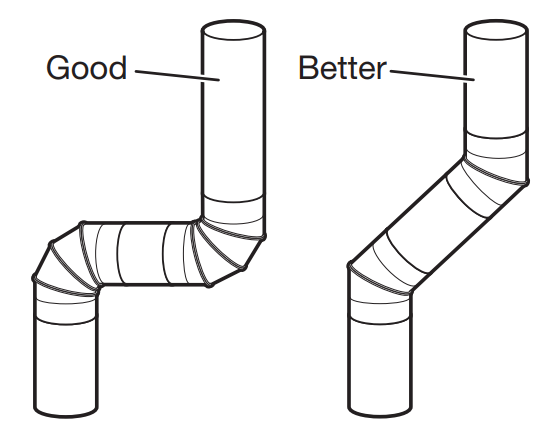
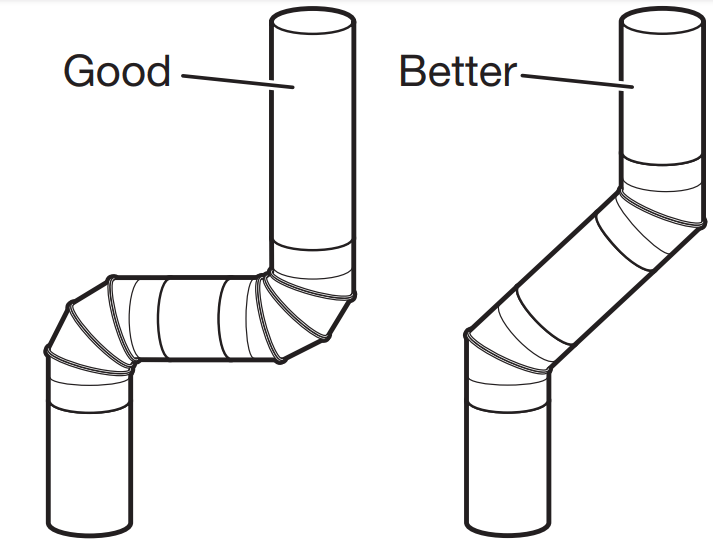
45° elbows provide better airflow than 90° elbows.
Recommended Styles:
Clamps:
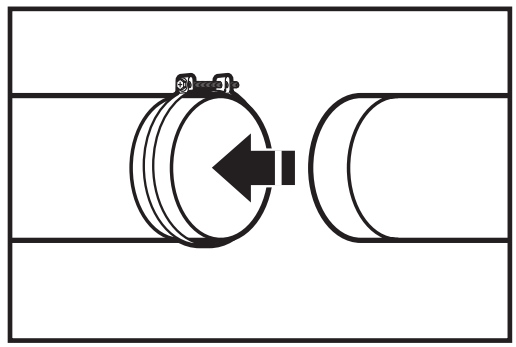
Use clamps to seal all joints.
Exhaust vent must not be connected or secured with screws or other fastening devices that extend into interior of duct and catch lint. Do not use duct tape.
Vent products can be purchased from your dealer. For more information, see “Assistance or Service” section in your “Quick Reference Guide.
PLAN VENT SYSTEM
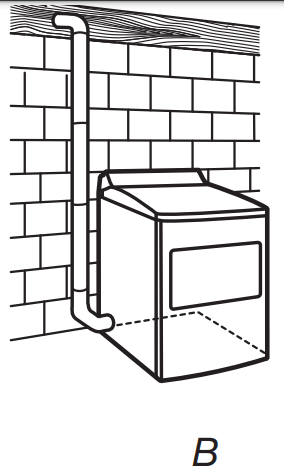
Recommended exhaust installations
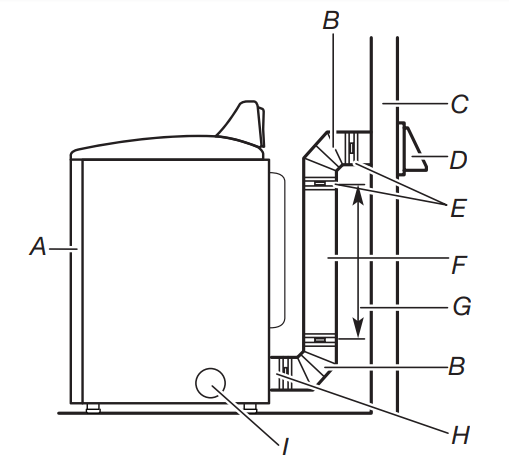
Typical installations vent the dryer from the rear of the dryer. Other installations are possible. B
A. Dryer
B. Elbow
C. Wall
D. Exhaust hood
E. Clamps
F. Rigid metal or flexible metal vent
G. Vent length necessary to connect elbows
H. Exhaust outlet
I. Optional side exhaust outlet
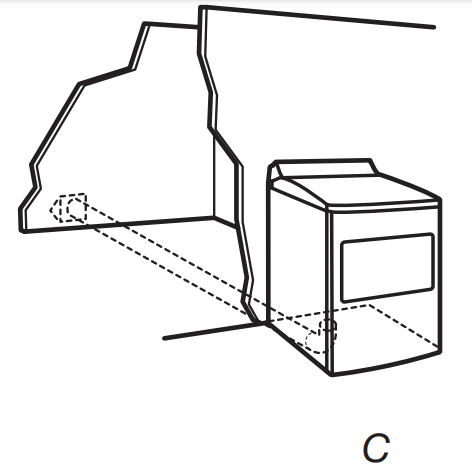
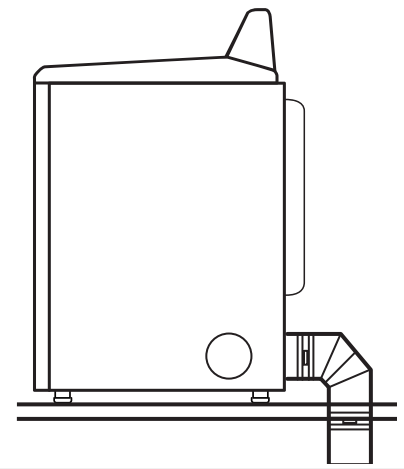
Optional exhaust installations:
If you prefer, dryer may be converted to exhaust through the bottom and sides. You must contact your local dealer to have dryer converted.
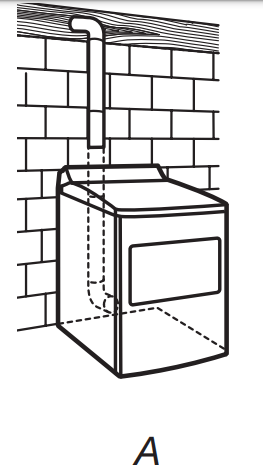
A. Standard rear offset exhaust installation
B. Left or right side exhaust installation
C. Bottom exhaust installation
Special provisions for mobile homes:
Exhaust vent must be securely fastened to a noncombustible portion of mobile home and must not terminate beneath the mobile home. Terminate exhaust vent outside.
Mobile Home Exhaust installation
Determine vent path:
Select route that will provide straightest and most direct path outdoors.
Plan installation to use fewest number of elbows and turns.
When using elbows or making turns, allow as much room as possible.
Bend vent gradually to avoid kinking.
Use as few 90° turns as possible.
Determine vent length and elbows needed for best drying performance:
Use following Vent System Chart to determine type of vent material and hood combinations acceptable to use.
Shorten life of dryer.
Reduce performance, resulting in longer drying times and increased energy usage.
The Vent System Charts provide venting requirements that will help achieve best drying performance.
Vent System Chart
Number of 90° turns or elbows
Type of vent
Angled hoods
0
Rigid metal
64 ft. (20 m)
1
Rigid metal
54 ft. (16.5 m)
2
Rigid metal
44 ft. (13.4 m)
3
Rigid metal
35 ft. (10.7 m)
4
Rigid metal
27 ft. (8.2 m)
INSTALL VENT SYSTEM
1. Install exhaust hood
Install exhaust hood and use caulking compound to seal exterior wall opening around exhaust hood.
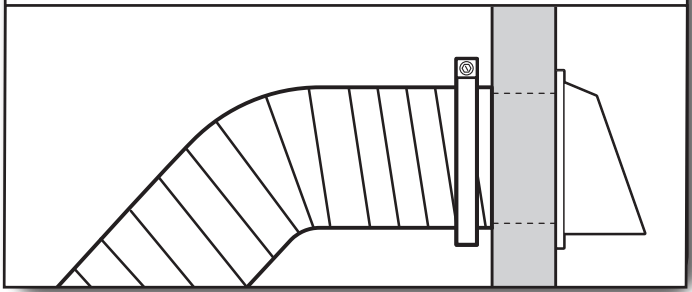
2. Connect vent to exhaust hood
Vent must fit over the exhaust hood. Secure vent to exhaust hood with 4" (102 mm) clamp. Run vent to dryer location using straightest path possible. Avoid 90° turns. Use clamps to seal all joints. Do not use duct tape, screws, or other fastening devices that extend into interior of vent to secure vent, because they can catch lint.
CONNECT INLET HOSES
For non-steam models, skip to “Connect Vent.” The dryer must be connected to the cold water faucet using the new inlet hoses. Do not use old hoses.
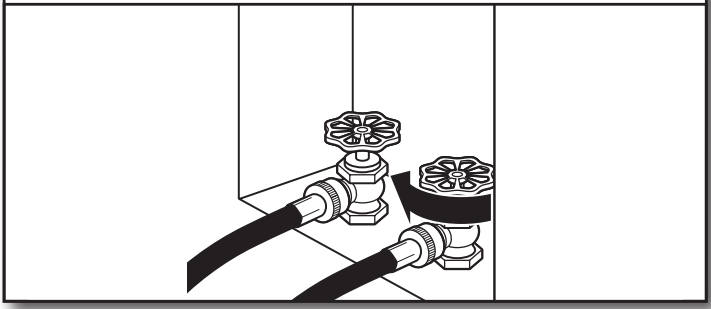
1. Turn cold water off, remove and replace rubber washer
Turn cold water faucet off and remove washer inlet hose. Remove old rubber washer from inlet hose and replace with new rubber washer.
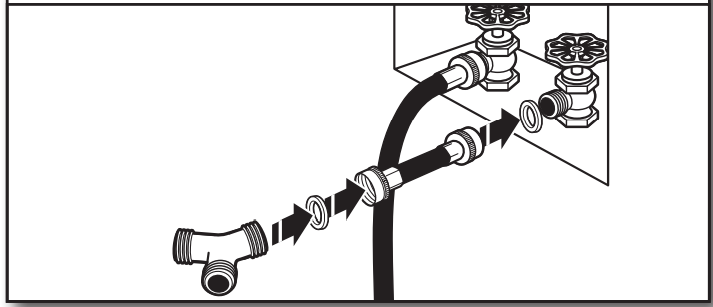
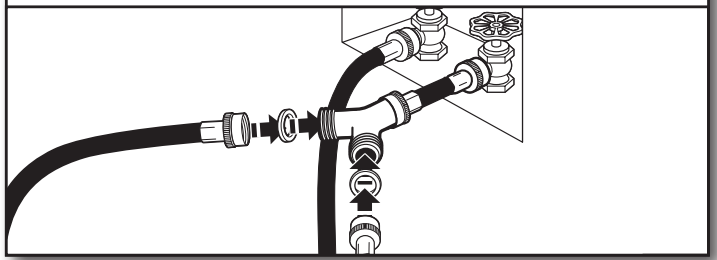
2. Attach short hose and “Y” connector
Attach 2 ft (0.6 m) inlet hose to cold water faucet. Screw on coupling by hand until it is seated on faucet. Then attach “Y” connector to male end of the 2 ft (0.6 m) inlet hose. Screw on coupling by hand until it is seated on connector.
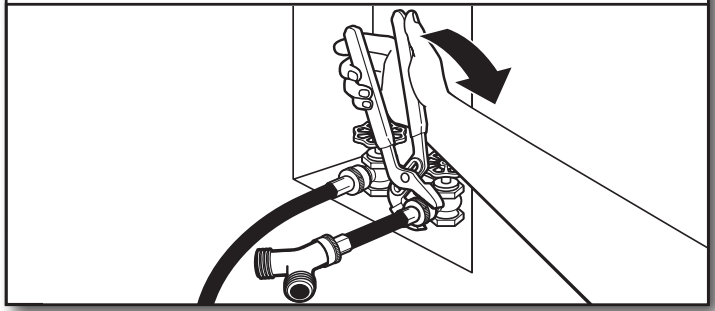
3. Tighten couplings
Using pliers, tighten the couplings with additional two-thirds turn.
NOTE: Do not overtighten. Damage to the coupling can result.
4. Attach long hose to “Y” connector and tighten couplings
Attach dryer 5 ft (1.5 m) inlet hose ends to the “Y” connector. Attach washer cold inlet hose to other side of “Y” connector. Screw on coupling by hand until it is seated on connector. Using pliers, tighten the couplings an additional two-thirds turn.
NOTE: Do not overtighten. Damage to the coupling can result.
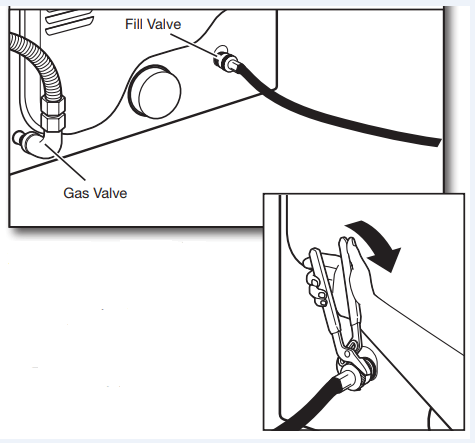
5. Attach long hose to dryer fill valve and tighten coupling
Attach other end of long hose to fill valve at bottom of dryer back panel. Screw on coupling by hand until it is seated on fill valve connector. Using pliers, tighten the couplings an additional two-thirds turn.
NOTE: Do not overtighten. Damage to the coupling can result.
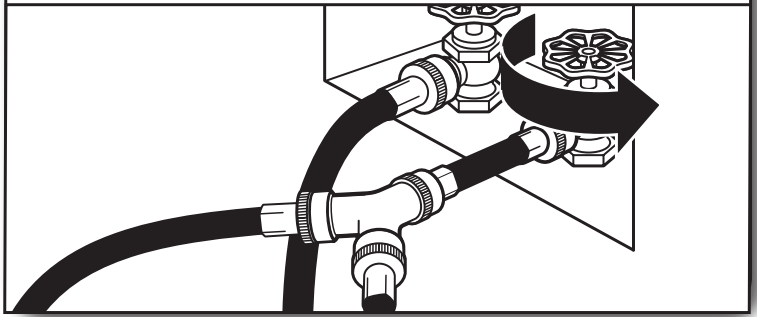
6. Turn on cold water faucet
Check that the water faucet is turned on.
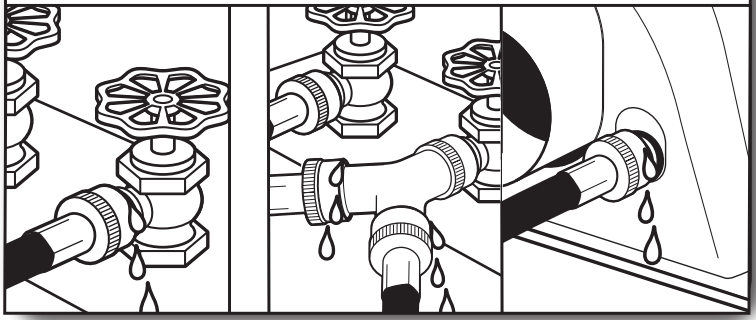
7. Check for leaks
Check for leaks around “Y” connector, faucets, and hoses.
CONNECT VENT
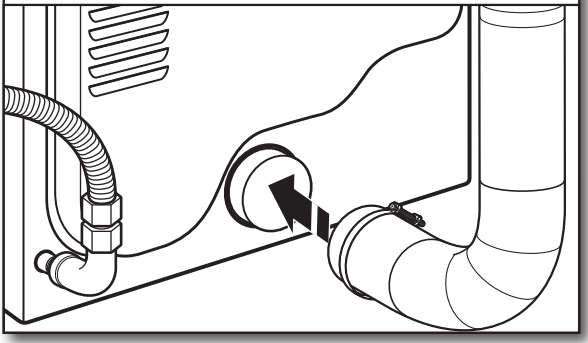
1. Connect vent to exhaust outlet
Using a 4" (102 mm) clamp, connect vent to exhaust outlet in dryer. If connecting to existing vent, make sure vent is clean. Dryer vent must fit over dryer exhaust outlet and inside exhaust hood. Check that vent is secured to exhaust hood with a 4" (102 mm) clamp.
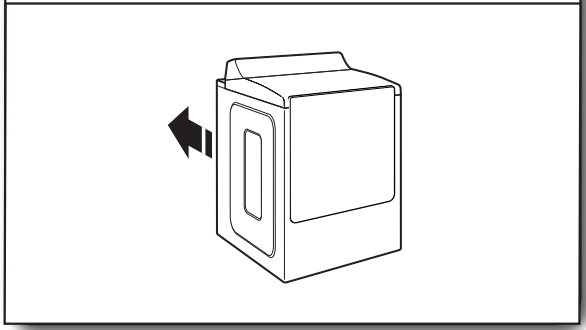
2. Move dryer to final location
Move dryer to final location. Avoid crushing or kinking vent.
LEVEL DRYER
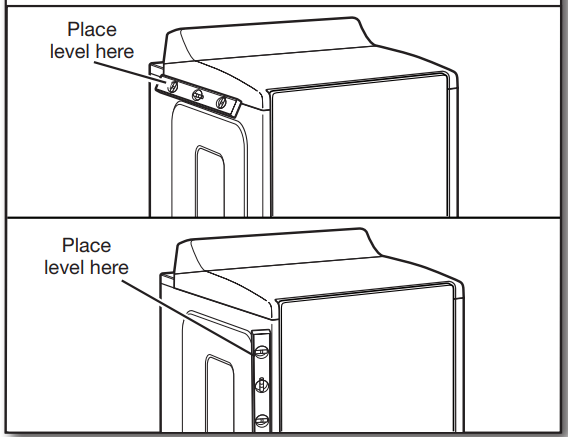
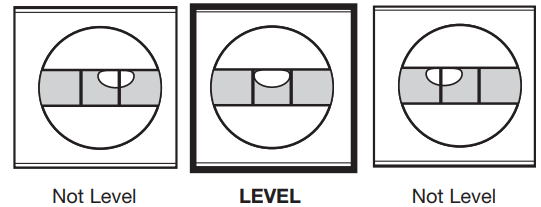
1. Level Dryer
Check levelness of dryer from side to side. Repeat from front to back.
NOTE: The dryer must be level for the moisture sensing system to operate correctly.
2. Adjust leveling legs
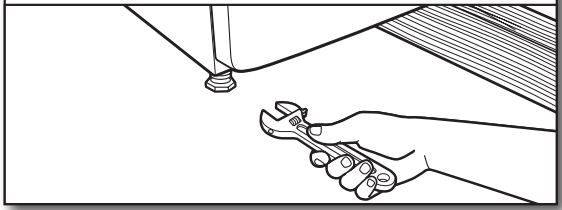
If dryer is not level, prop up using a wood block. Use wrench to adjust legs up or down, and check again for levelness.
3. Base trim (on some models)
To Install:
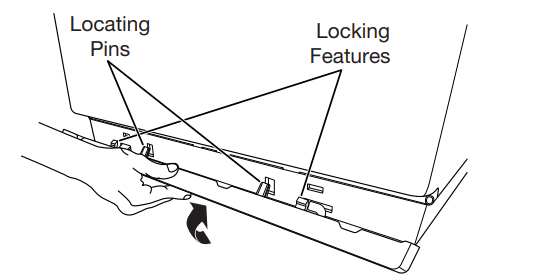
Place the base trim to bottom of dryer and match the locating pins with the holes. Press the base trim firmly upwards until it snaps into place.
To Remove:
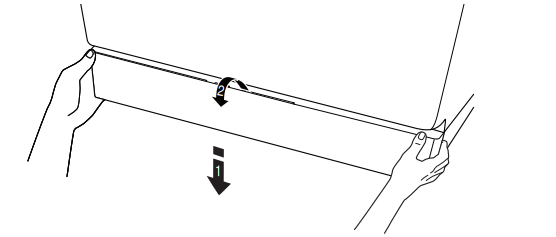
On each corner. 1) Push down on top of base trim. 2) Rotate away from dryer and remove.
DRYER DOOR (ON SOME MODELS)
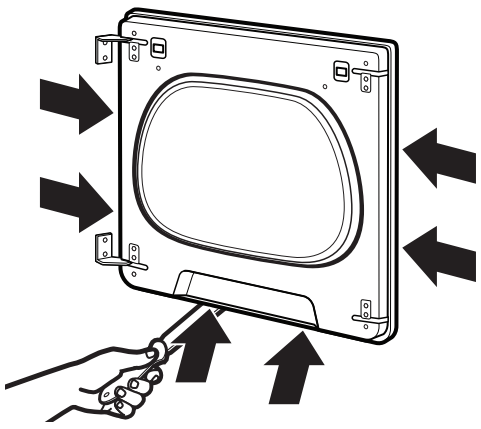
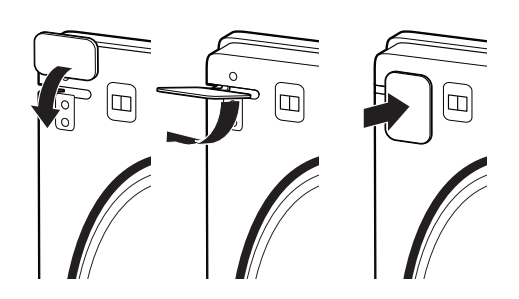
For normal dryer use, it is not suggested to remove the dryer door. However, if removal is necessary, make sure the dryer is off and cool. Then, follow these instructions. The dryer door is heavy
To Remove:
1. Open dryer door all the way.
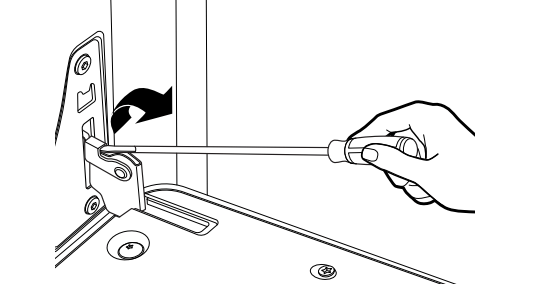
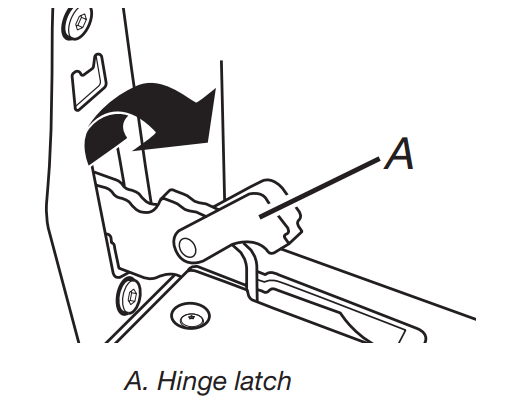
2. Use flat head screw drive to open hinge latch.
3. Pinch the hinge latch between two fingers and pull forward. Repeat on other side of dryer door.
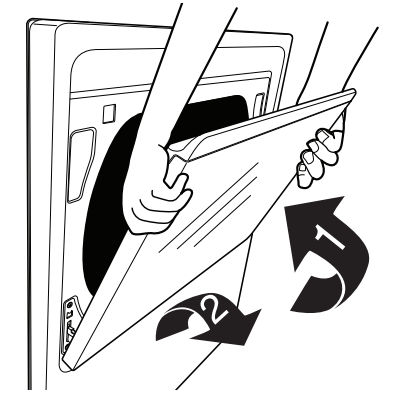
4. Close the dryer door as far as it will shut.
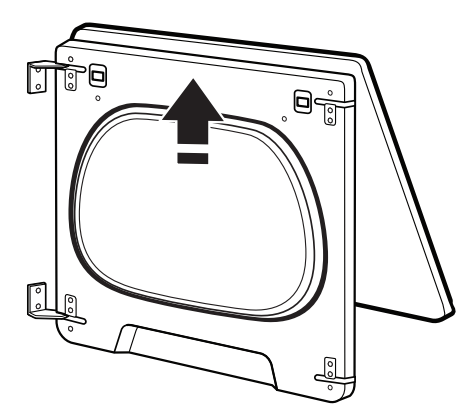
5. Lift the dryer door while holding both sides. Continue to push the dryer door closed and pull it away from the dryer door frame.
To Replace:
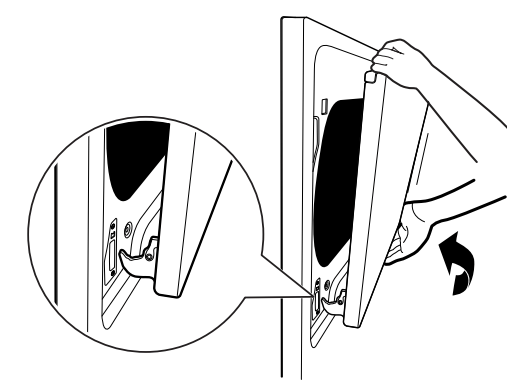
1. Insert both hanger arms into the front panel.
2. Open the dryer door. You should hear a “click” as the door is set into place.
3. Move the hinge levers back to the locked position. Check that the door is free to open and close. If it is not, repeat the removal and installation procedures.
DOOR REVERSAL (ON SOME MODELS)
The following instructions are applicable for models with side opening door.
Tools Needed:
Flat-blade screwdriver
Plastic putty knife
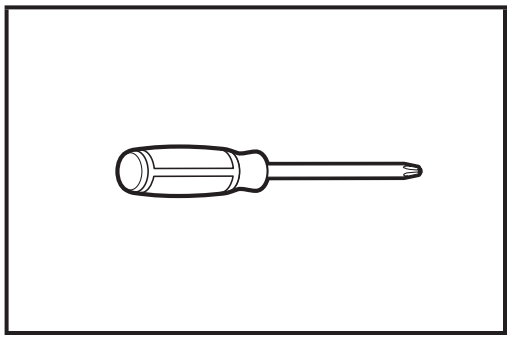
Min. 8" long TORX T25® screwdriver
#2 Phillips screwdriver
You can change your door swing from a right-side opening to a left-side opening, if desired.
1. Place a towel or soft cloth on top of dryer or work space to avoid damaging the surface.
Remove door from dryer cabinet
1. Open the dryer door.
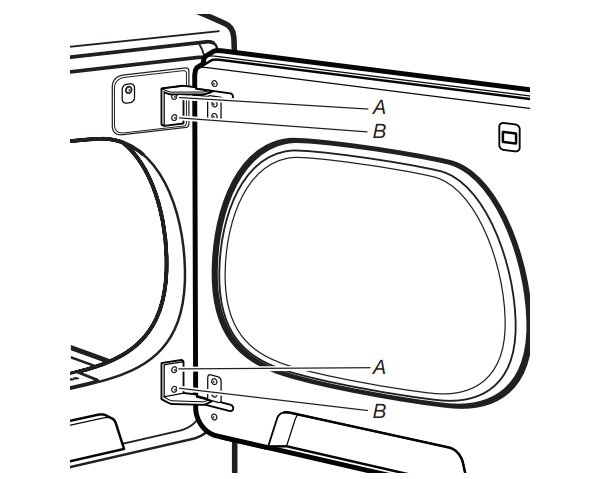
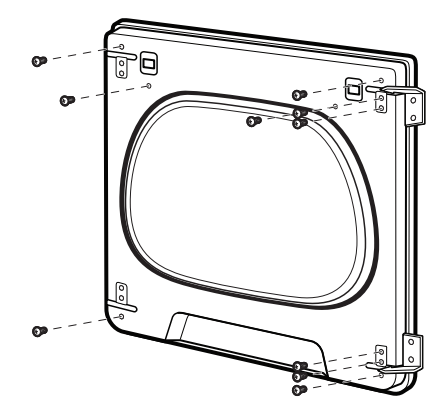
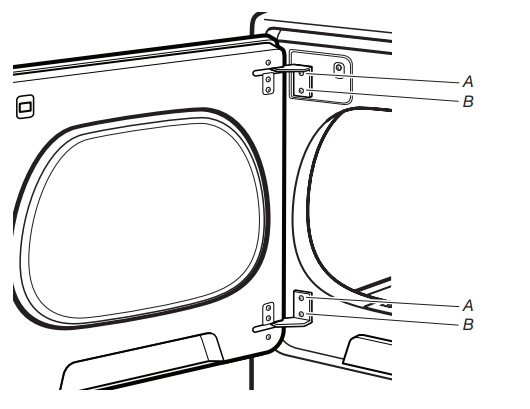
2. Using a T25® screwdriver, remove screws (A) and then (B) screws from each of the two hinges that attach dryer door to front panel of dryer. Set the hinge screws off to the side for reinstalling the door.
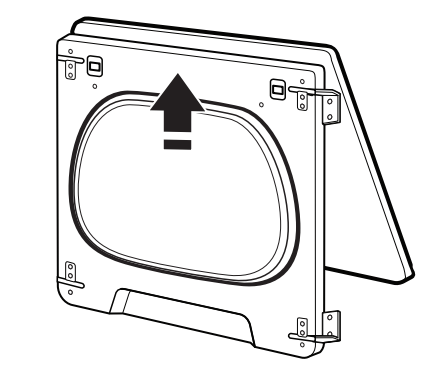
3. Remove the dryer door by lifting upward and out to lift the door off the cabinet. Lay the door on a flat, covered surface,with the inside of the door facing up.
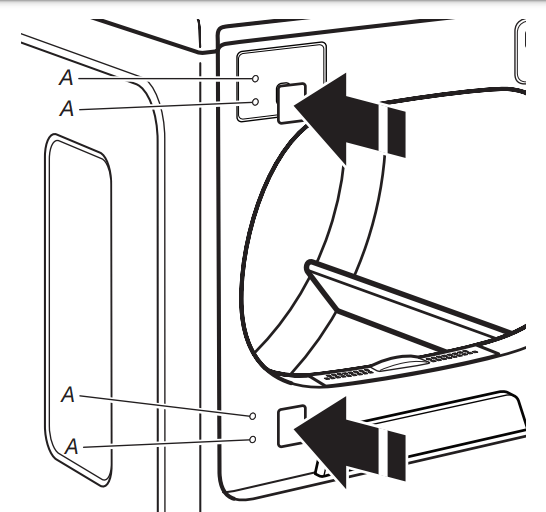
4. Remove the 2 plastic plugs (A) located outside the dryer door opening.
5. Install 2 plastic plugs (A) into screw holes where the hinges were removed in Step 4.
Reverse the strike
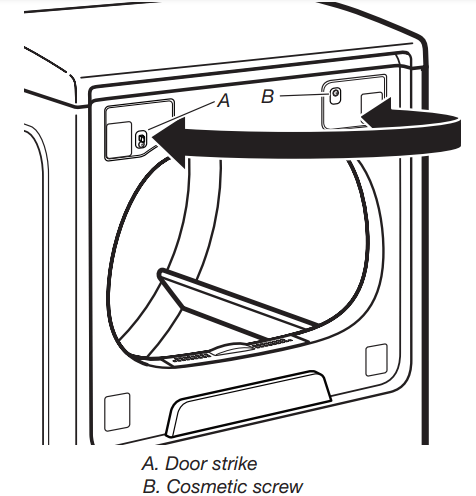
1. Remove the door strike (A) from the dryer door opening.
2. Remove the cosmetic screw (B) opposite the door strike (A).
3. Reinstall the door strike and cosmetic screw on the opposite side of dryer door opening from where they were removed.
NOTE: Door strike and plugs must be on the same side of the dryer door opening.
Remove the door assembly
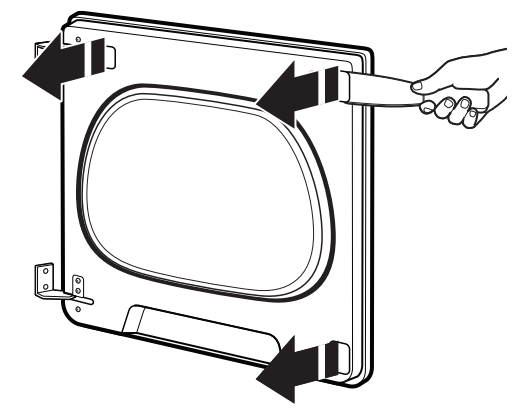
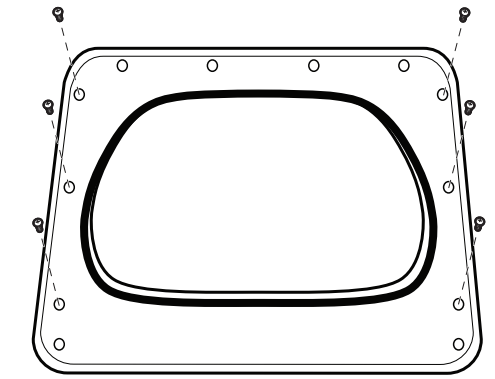
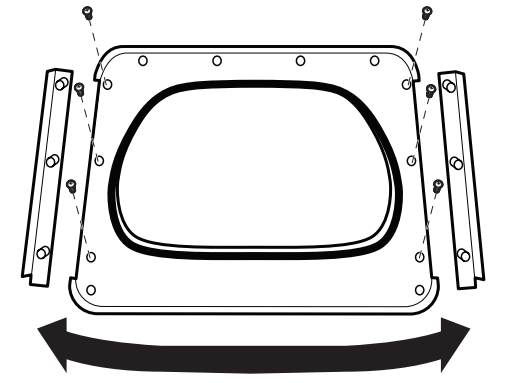
1. Lay the door on a flat, covered surface with the inside of the door facing up. Remove the 3 plugs with a plastic putty knife. There is a cut out to stick the putty knife under to pop out.
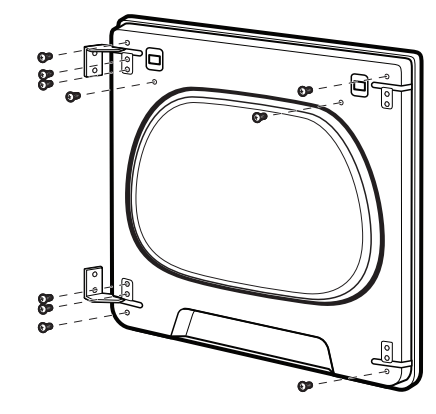
2. Remove the 10 screws from the dryer door and setscrews off to the side.
3. Remove the inner door by using a plastic putty knife to separate the sides and bottom of the dryer door and trim. There are 2 snaps on left, right, and bottom of door. Insert the putty knife next to the snaps.
4. When you have the door separated from the frame, use a putty knife to lift up in the center tab and then pull door toward you and out.
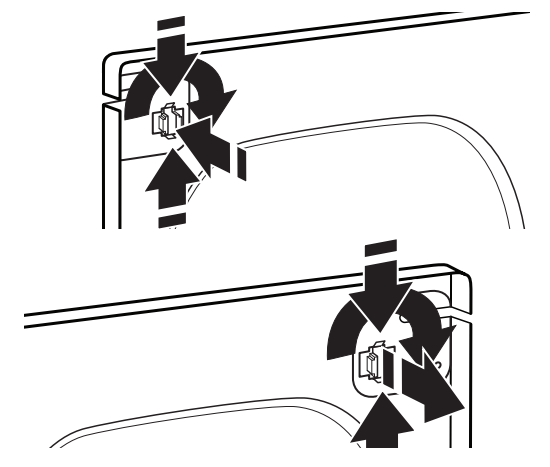
5. Remove the door strike plug with a flathead screwdriver. Remove door strike by pinching the clips from the inside door panel and then rotate and push out the front. Insert door strike on the other side of dryer door by pushing in and then add the door strike plug.
6. Remove the door hinges and set off to the side.
7. Remove the 3 screws down the left and right sides of the door to remove the outer trim pieces.
8. Lift door up and rotate trim pieces to the opposite side from which they were removed. Then screw trim pieces back in.
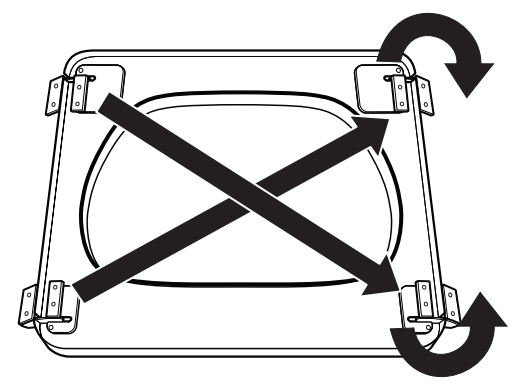
9. Add the hinges to the right side of the door and then flip the hinge labeled 1 to the bottom of the right side and the hinge labeled 2 to the top of the right side of the door.
10. Add inside door panel back into the dryer door by sliding the top into the top trim piece and then lower door down. Then press down on the corners to snap into place with the hinges lined up with the hinge holes.
11. Install 6 hinge screws and the other 4 screws.
12. Install hinge covers and plugs. Hinge covers will go inside ways to then rotate 90° and snap into place.
13. Hang door by placing set pin in dryer cabinet hole and slide door down. Using a T25® screwdriver, install (A) screws and then (B) screws. Tighten all hinge screws.
DRYER CARE
CLEANING THE DRYER LOCATION
Keep dryer area clear and free from items that would block the airflow for proper dryer operation. This includes clearing piles of laundry in front of the dryer.
CLEANING THE DRYER INTERIOR
To clean dryer drum
1. Use a mild hand dish detergent mixed at a low concentration with very warm water, and rub with a soft cloth.
2. Rinse well with a wet sponge or towel.
3. Tumble a load of clean clothes or towels to dry drum OR Use a microfiber cloth and hot water in a spray bottle to clean the drum and a second microfiber towel to dry.
NOTE: Garments that contain unstable dyes, such as denim blue jeans or brightly colored cotton items, may discolor the rear of the dryer interior. These stains are not harmful to your dryer and will not stain future loads of clothes. Dry unstable dye items inside out to avoid transfer of dye.
REMOVING ACCUMULATED LINT
From Inside the Dryer Cabinet
Lint should be removed every 2 years, or more often, depending on dryer usage. Cleaning should be done by a qualified appliance servicer or ventilation system cleaner.
From the Exhaust Vent
Lint should be removed every 2 years, or more often, depending on dryer usage.
CLEANING THE LINT SCREEN
Every load cleaning
The lint screen is located in the door opening of the dryer. A screen blocked by lint can increase drying time.
To clean:
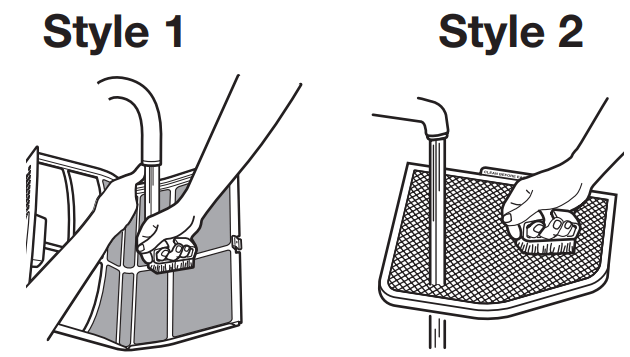
Style 1
1. Pull the lint screen straight up and out. Press tab down on front and open lint screen. Roll lint off the screen with your fingers. Do not rinse or wash screen to remove lint. Wet lint is hard to remove.
Style 2
1. Pull the lint screen out of its holder. Roll lint off the screen with your fingers. Do not rinse or wash screen to remove lint. Wet lint is hard to remove.
2. Push the lint screen firmly back into place.
IMPORTANT
damaged, blocked, or missing. Doing so can cause overheating and damage to both the dryer and fabrics.
If lint falls off the screen into the dryer during removal, check the exhaust hood and remove the lint. See “Venting Requirements” in the Installation Instructions.
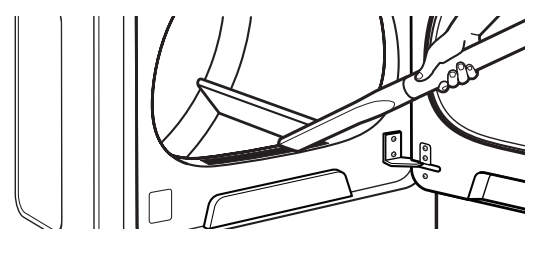
Clean space where lint screen is located, as needed. Using a vacuum, gently remove any lint that has accumulated outside of the lint screen.
As-needed cleaning
Laundry detergent and fabric softener residue can build up on the lint screen. This buildup can cause longer drying times for your clothes, or cause the dryer to stop before your load is completely dry. The screen is probably clogged if lint falls off while the screen is in the dryer. Clean the lint screen with a nylon brush every 6 months, or more frequently, if it becomes clogged due to a residue buildup
To wash:
1. Roll lint off the screen with your fingers.
2. Wet both sides of lint screen with hot water.
3. Wet a nylon brush with hot water and liquid detergent. Scrub lint screen with the brush to remove residue buildup.
4. Rinse screen with hot water.
5. Thoroughly dry lint screen with a clean towel. Reinstall screen in dryer.
CHANGING THE DRUM LIGHT (ON SOME MODELS)
1. Unplug dryer or disconnect power.
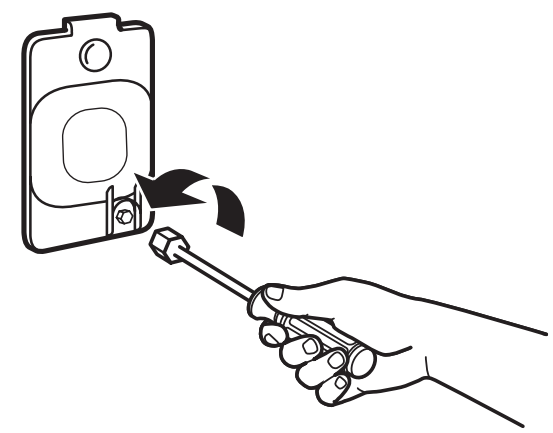
2. Open the dryer door. Locate the light bulb cover on the back wall of the dryer. Using a 1/4" (6 mm) nut driver or socket wrench, remove the screw located in the lower right-hand corner of the cover. Remove the cover.
3. Turn bulb counterclockwise. Replace the bulb with a 10 W appliance bulb only. Replace the cover and secure with the screw.
4. Plug into a grounded outlet or reconnect power
CHECK YOUR VENT SYSTEM FOR GOOD AIR FLOW
GOOD AIR FLOW
Along with heat, dryers require good air flow to efficiently dry laundry. Proper venting will reduce your drying times and improve your energy savings. See Installation Instructions. The venting system attached to the dryer plays a big role in good air flow. Blocked or crushed vents as well as improper venting installation will reduce air flow and dryer performance Service calls caused by improper venting are not covered by the warranty and will be paid by the customer, regardless of who installed the dryer. To clean or repair venting, contact a venting specialist
MAINTAIN GOOD AIR FLOW BY
Cleaning your lint screen before each load.
Replace plastic or foil vent material with 4" (102 mm) diameter heavy, rigid vent material.
Use the shortest length of vent possible.
Use no more than four 90° elbows in a vent system; each bend and curve reduces air flow.
Remove lint and debris from the exhaust hood.
Remove lint from the entire length of the vent system at least every 2 years. When cleaning is complete, be sure to follow the Installation Instructions supplied with your dryer for final product check.
Clear away items from the front of the dryer
NON-USE, STORAGE, AND MOVING CARE
Steam models only: Install and store your dryer where it will not freeze. Because some water may stay in the hose, freezing can damage your dryer. If storing or moving your dryer during freezing weather, winterize it.
Non-Use or Storage Care
If you will be on vacation or not using your dryer for an extended period of time, you should:
1. Unplug dryer or disconnect power.
2. Clean lint screen. See “Cleaning the Lint Screen.”
3. Turn off the water supply to the dryer. This helps to avoid unintended flooding (due to a water pressure surge) while you are away.
Moving Care
For power supply cord-connected dryers:
1. Unplug the power supply cord.
2. Gas models only: Close shut-off valve in gas supply line.
3. Gas models only: Disconnect gas supply line pipe and remove fittings attached to dryer pipe.
4. Gas models only: Cap the open fuel supply line.
5. Steam models only: Shut off water faucet.
6. Steam models only: Disconnect the water inlet hose from faucet, then drain the hose. Transport hose separately.
7. Make sure leveling legs are secure in dryer base.
8. Use tape to secure dryer door.
9. On models with base trim: Remove base trim before moving dryer. See "Base trim".
SPECIAL INSTRUCTIONS FOR STEAM MODELS
Water Inlet Hose
Replace inlet hose and hose screen after 5 years of use to reduce the risk of hose failure. Periodically inspect and replace inlet hose if bulges, kinks, cuts, wear, or leaks are found. When replacing your inlet hose, record the date of replacement.
To Winterize the Dryer
1. Unplug dryer or disconnect power.
2. Shut off water faucet.
3. Disconnect water inlet hose from faucet and drain.
To Use the Dryer Again
1. Flush water pipes. Reconnect water inlet hose to faucet. Turn on water faucet.
2. Plug in dryer or reconnect power as described in the Installation Instructions