User Manual Dryer
Operating Instructions
About the dryer control panel.
WARNING! To reduce the risk of fire, electric shock, or injury to persons, read the IMPORTANT SAFETY INSTRUCTIONS before operating this appliance.
WARNING - Explosion Hazard
- Keep flammable materials and vapors, such as gasoline, away from dryer.
- DO NOT dry anything that has ever had anything flammable on it (even after washing).
- Failure to do so can result in death, explosion, or fire.
WARNING - Fire Hazard
- No washer can completely remove oil.
- Do not dry anything that has ever had any type of oil on it (including cooking oils).
- Items containing foam, rubber, or plastic must be dried on a clothesline or by using an air dry cycle.
- Failure to follow these instructions can result in death or fire.
Throughout this manual, features and appearance may vary from your model.
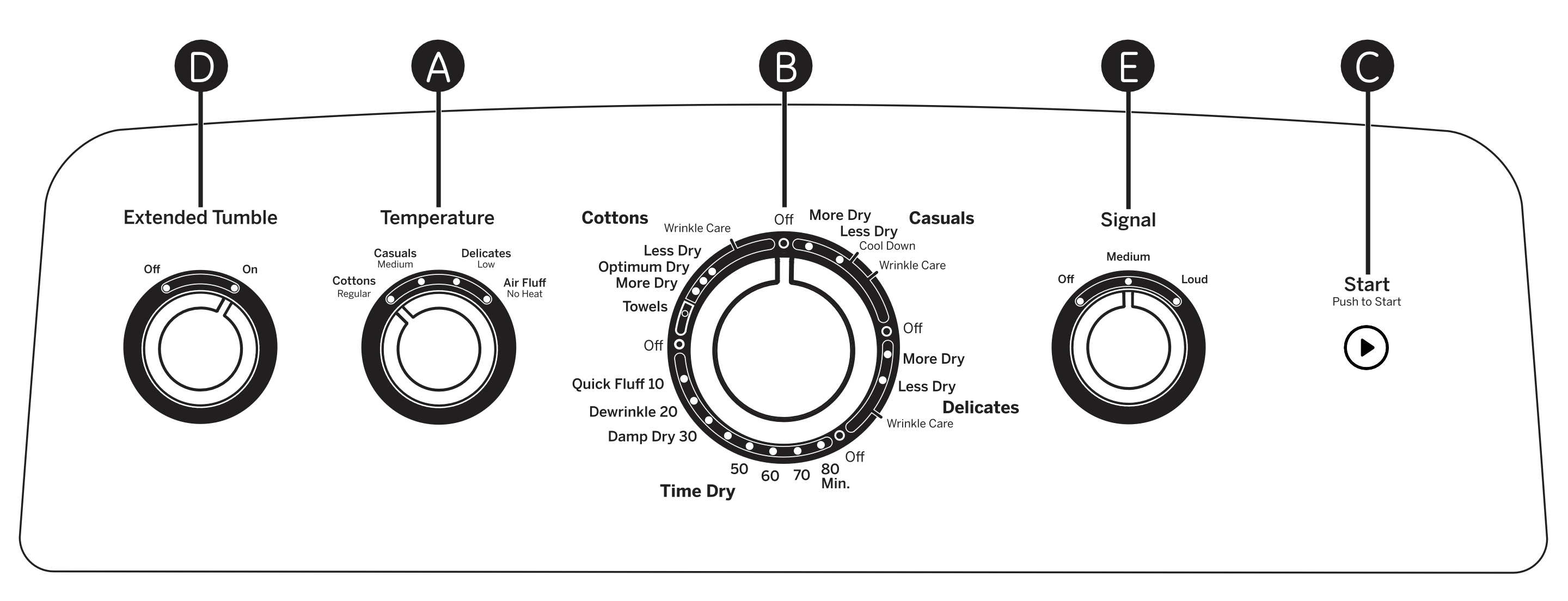
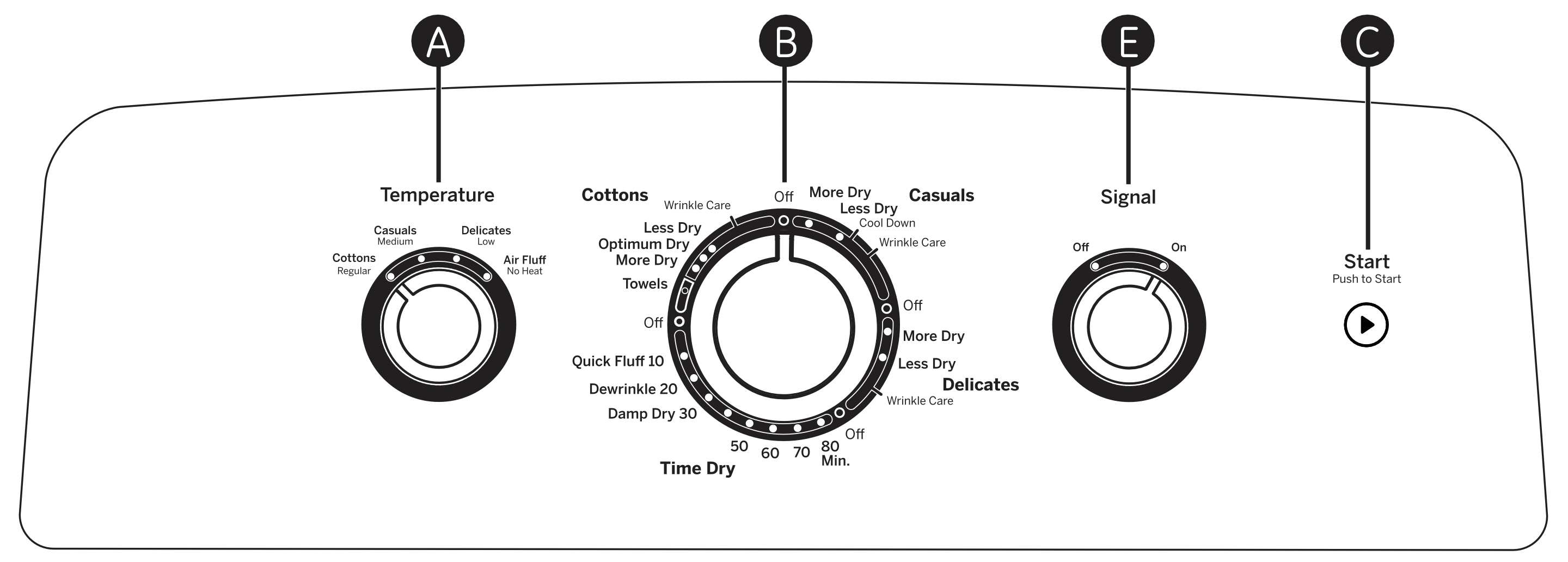
IMPORTANT: Clean the lint filter each time you use the dryer.
A. Temperature (Not all features are on all models)
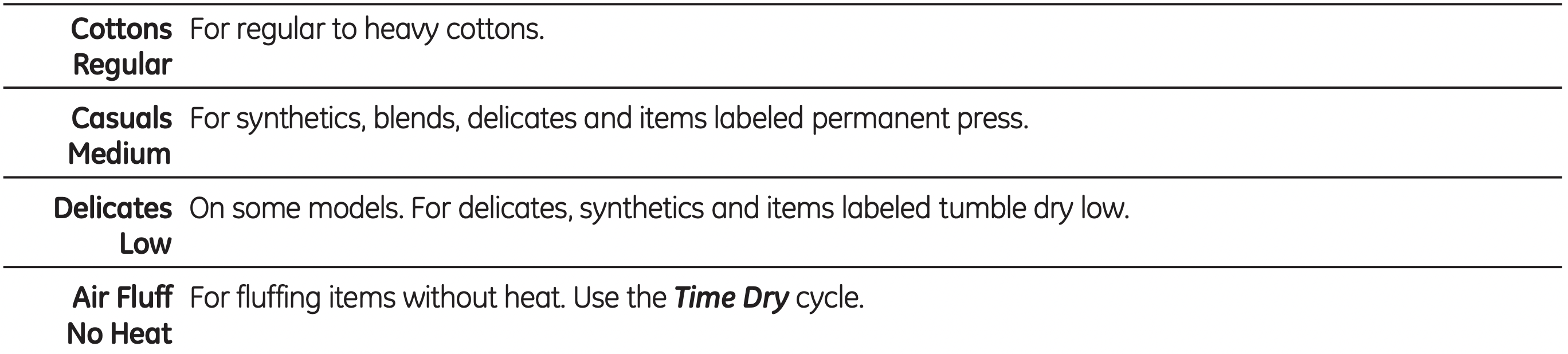
B. Drying Cycles (Not all features are on all models)
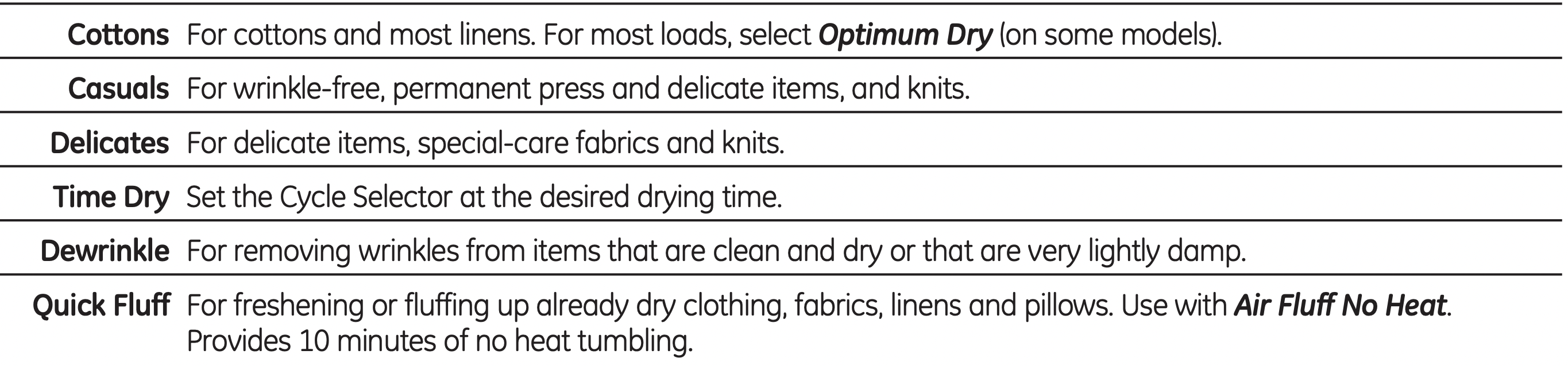
Sensor cycles automatically determine fabric dryness. Select Less Dry if you want your clothes slightly damp at the end of the drying cycle. Select More Dry if you want them to feel drier.
Timed cycles run for a selected time.
C. Start
Close the dryer door. Select Start. Opening the door during operation will stop the dryer. To restart the dryer, close the door and select Start to complete the cycle.
NOTE: Drying times will vary according to the type of heat used (Electric, Natural or LP gas), size of load, types of fabrics, wetness of clothes and condition of exhaust ducts.
D. Extended Tumble Option (on some models)
Use this option to minimize the wrinkles in clothes. It provides approximately 15 minutes of no-heat tumbling after the clothes are dry.
This option can only be used with the Cottons and Casuals/Easy Care cycles.
If you are using the cycle Signal knob and you select the Extended Tumble option, a signal will sound at the end of the drying time and several times during the Extended Tumble cycle. This will remind you that it is time to remove the clothes.
If Extended Tumble is not on, the dryer will stop once the timer reaches the Extended Tumble mark on the cycle dial.
E. Cycle Signal Option (on some models)
This signal will sound just before the end of the cycle to remind you to remove the clothes. On some models, the signal sound level cannot be adjusted.
If you selected the Extended Tumble option, the signal will sound at the end of the drying time and will sound several times during the Extended Tumble cycle. This will remind you that it is time to remove the clothes.
NOTE:
- Remove garments promptly at the sound of the signal. Place clothes on hangers so wrinkles won’t set in.
- Use the cycle Signal especially when drying fabrics like polyester knits and permanent press. These fabrics should be removed so wrinkles won’t set in.
Automatic Cycle Signal (on some models)
At the end of each cycle, there is approximately 15 minutes of no-heat tumbling after the laundry is dry. A reminder signal will sound periodically during this time to remind you to remove the laundry.
About the dryer features.
Drum Lamp (on some models)
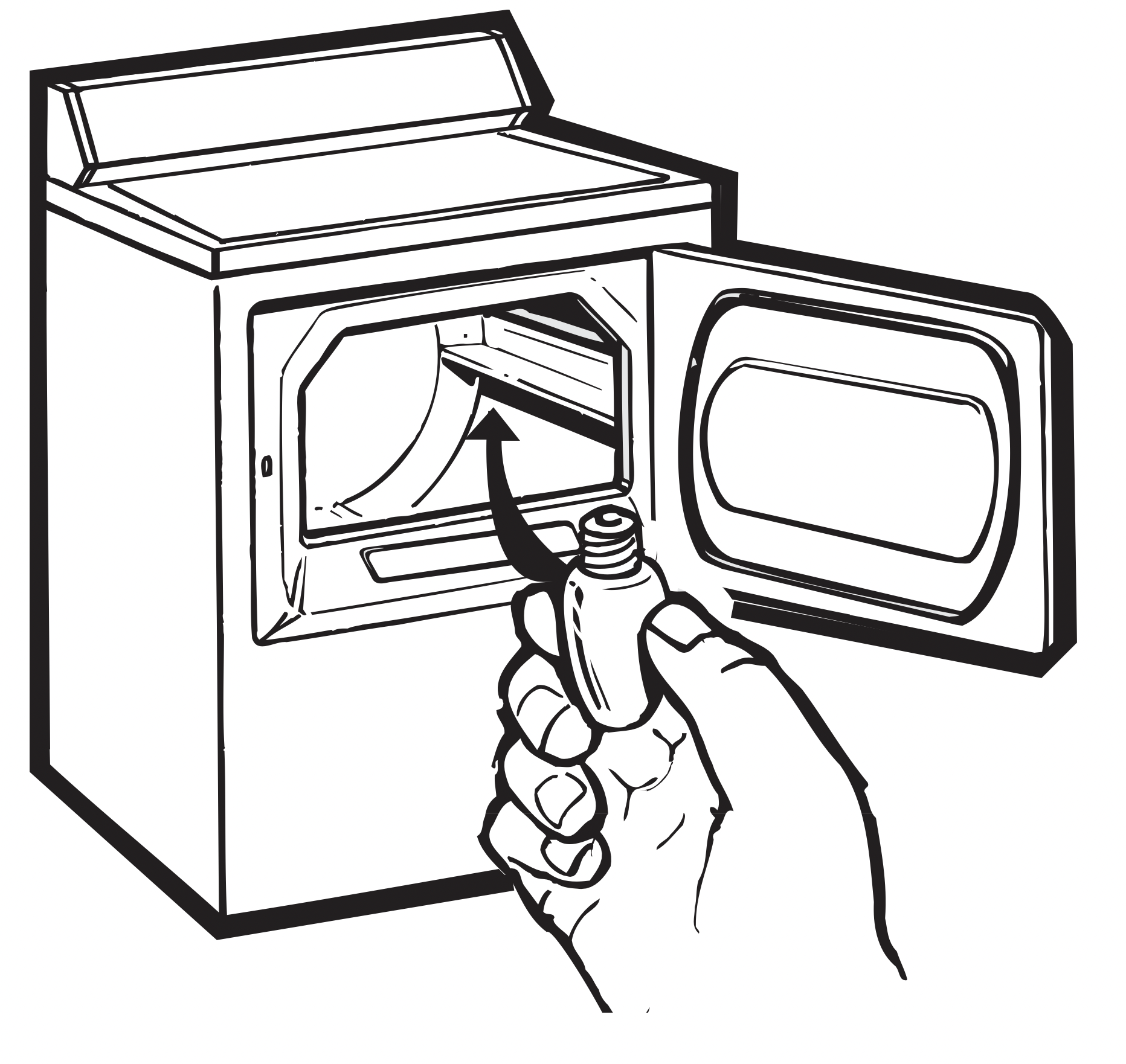
Before replacing the light bulb, be sure to unplug the dryer power cord or disconnect the dryer at the household distribution panel by removing the fuse or switching off the circuit breaker.
Reach above dryer opening from inside the drum. Remove the bulb and replace with the same size bulb.
Drying Rack (on some models)
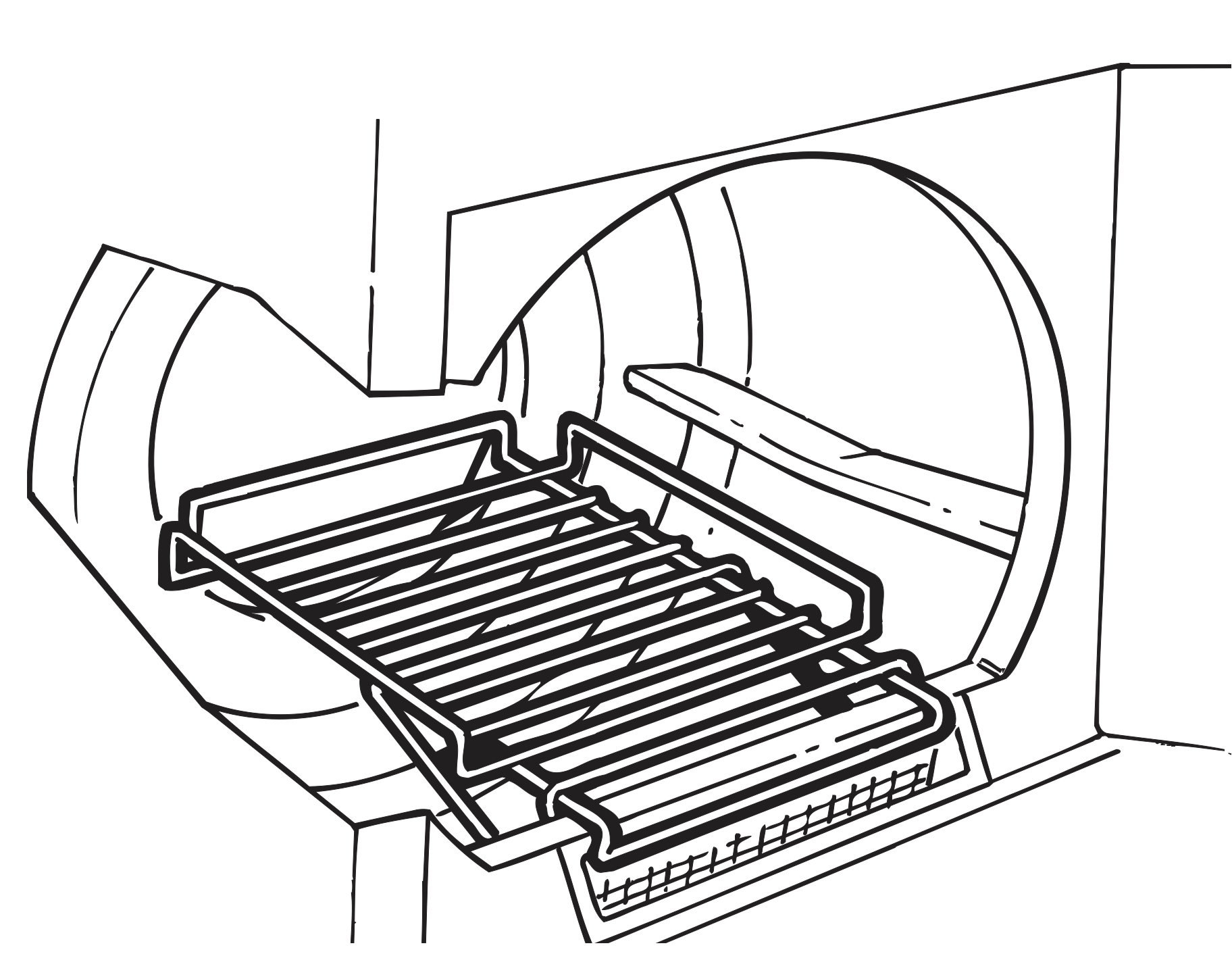
A handy drying rack may be used for drying delicate items such as washable sweaters.
Hook the rack over the lint filter so the rack extends into the dryer drum.
NOTE:
- The drying rack must be used with the Time Dry cycle.
- Do not use this drying rack when there are other clothes in the dryer.
Alloy Steel Drum (on some models)
The alloy steel used to make the dryer drum provides the highest reliability available in a GE dryer.
If the dryer drum should be scratched or dented during normal use, the drum will not rust or corrode. These surface blemishes will not affect the function or durability of the drum.
Loading and using the dryer.
Always follow the fabric manufacturer’s care label when laundering.
Sorting and Loading Hints
As a general rule, if clothes are sorted properly for the washer, they are sorted properly for the dryer.
Do not add fabric softener sheets once the load has become warm. They may cause fabric softener stains. Bounce ® Fabric Conditioner Dryer Sheets have been approved for use in all GE Dryers when used in accordance with the manufacturer’s instructions.
Do not overload. This wastes energy and causes wrinkling.
Do not dry the following items: fiberglass items, woolens, rubber-coated items, plastics, items with plastic trim and foam-filled items.
Care and Cleaning of the Dryer
The Exterior: Wipe or dust any spills or washing compounds with a damp cloth. Dryer control panel and finishes may be damaged by some laundry pretreatment soil and stain remover products. Apply these products away from the dryer. The fabric may then be washed and dried normally. Damage to your dryer caused by these products is not covered by your warranty.
The Lint Filter: Clean the lint filter before each use. Moisten your fingers and reach into the filter opening. Run your fingers across the filter. Have a qualified technician vacuum the lint from the dryer once a year.
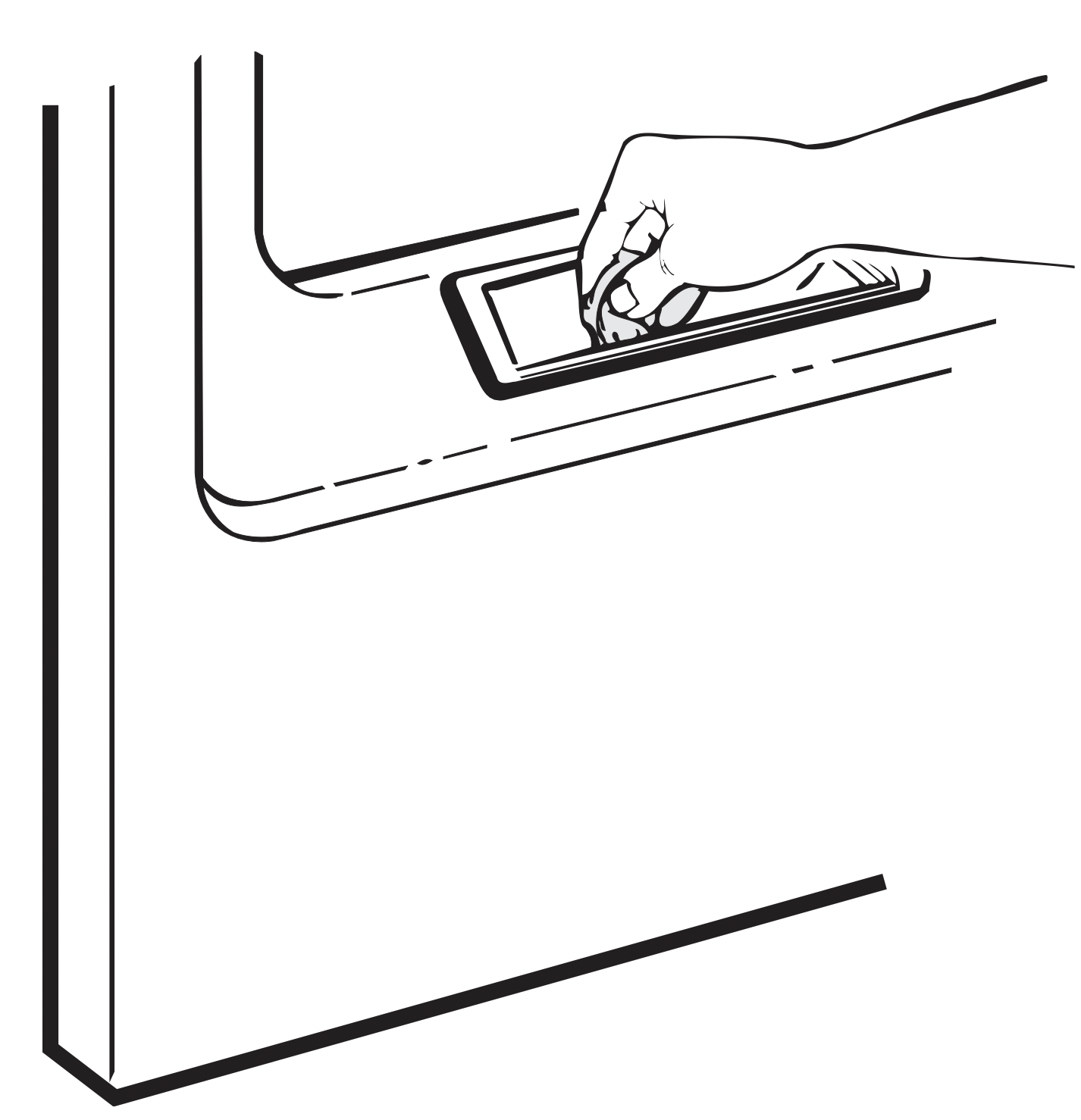
Stainless Steel: To clean stainless steel surfaces, use a damp cloth with a mild, non-abrasive cleaner suitable for stainless steel surfaces. Remove the cleaner residue, and then dry with a clean cloth. Dryer Interior and Duct: The interior of the appliance and exhaust duct should be cleaned once a year by qualified service personnel.
The Exhaust Duct: Inspect and clean the exhaust ducting at least once a year to prevent clogging. A partially clogged exhaust can lengthen the drying time.
Follow these steps:
- Turn off electrical supply by disconnecting the plug from the wall socket.
- Disconnect the duct from the dryer.
- Vacuum the duct with the hose attachment and reconnect the duct.
The Exhaust Hood: Check from the outside that the flaps of the hood move freely when operating. Make sure that there is not wildlife (birds, insects, etc.) nesting inside the duct or hood.
Troubleshooting
| Problem |
Possible Causes |
What To Do
|
| Dryer doesn’t start |
Dryer is unplugged
|
- Make sure the dryer plug is pushed completely into the outlet.
|
| Fuse is blown/circuit breaker is tripped |
- Check the house fuse/circuit breaker box and replace fuse or reset breaker. NOTE: Most electric dryers use 2 fuses/breakers.
|
| Dryer doesn’t heat |
Fuse is blown/circuit breaker is tripped; the dryer may tumble but not heat |
- Check the house fuse/circuit breaker box and replace both fuses or reset both breakers. Your dryer may tumble if only one fuse is blown or one breaker tripped.
|
| Gas service is off |
- Make sure gas shutoff at dryer and main shutoff are fully open.
|
|
Dryer shakes or makes noise
|
Some shaking/noise is normal. Dryer may be sitting unevenly |
- Move dryer to an even floor space, or adjust leveling legs as necessary until even.
|
| Greasy spots on clothes |
Improper use of fabric softener |
- Follow directions on fabric softener package.
|
| Drying dirty items with clean ones |
- Use your dryer to dry only clean items. Dirty items can stain clean items and the dryer.
|
| Clothes were not completely clean |
- Sometimes stains which cannot be seen when the clothes are wet appear after drying. Use proper washing procedures before drying.
|
| Lint on clothes |
Lint filter is full |
- Clean lint screen before each load.
|
| Improper sorting |
- Sort lint producers (like chenille) from lint collectors (like corduroy).
|
| Static electricity can attract lint |
- See suggestions in this section under Static occurs.
|
| Overloading |
- Separate large loads into smaller ones.
|
| Paper, tissue, etc. left in pockets |
- Empty all pockets before laundering clothes.
|
| Static occurs |
No fabric softener was used |
- Try a fabric softener.
- Bounce ® Fabric Conditioner Dryer Sheets have been approved for use in all GE Dryers when used in accordance with the manufacturer’s instructions.
|
| Overdrying |
- Try a fabric softener.
- Adjust setting to Less Dry or Damp Dry.
|
|
Synthetics, permanent press and blends can cause static
|
|
| Inconsistent drying times |
Type of heat |
- Automatic drying times will vary according to the type of heat used (electric, natural or LP gas), size of load, types of fabrics, wetness of clothes and condition of exhaust ducts.
|
| Clothes take too long to dry |
Improper sorting |
- Separate heavy items from lightweight items (generally, a well-sorted washer load is a well-sorted dryer load).
|
| Large loads of heavy fabrics (like beach towels) |
- Large, heavy fabrics contain more moisture and take longer to dry. Separate large, heavy fabrics into smaller loads to speed drying time.
|
| Controls improperly set |
- Match control settings to the load you are drying.
|
| Lint filter is full |
- Clean lint filter before every load.
|
| Improper or obstructed ducting |
- Check installation instructions for proper ducting/venting.
- Make sure ducting is clean, free of kinks and unobstructed.
- Check to see if outside wall damper operates easily.
- Check the Installation Instructions to make sure the dryer venting is correct.
|
| Blown fuses or tripped circuit breaker |
- Replace fuses or reset circuit breakers. Since most dryers use 2 fuses/breakers, make sure both are operating.
|
| Overloading/combining loads |
- Do not put more than one washer load in the dryer at a time.
|
| Underloading |
- If you are drying only one or two items, add a few items to ensure proper tumbling.
|
| Clothes are wrinkled |
Overdrying |
- Select a shorter drying time.
- Remove items while they still hold a slight amount of moisture. Select a Less Dry or Damp Dry setting.
|
| Letting items sit in dryer after cycle ends |
- Remove items when cycle ends and fold or hang immediately.
|
| Overloading |
- Separate large loads into smaller ones.
|
| Clothes shrink |
Some fabrics will naturally shrink when washed. Others can be safely washed, but will shrink in the dryer.
|
- To avoid shrinkage, follow garment care labels exactly.
- Some items may be pressed back into shape after drying.
- If you are concerned about shrinkage in a particular item, do not machine wash or tumble dry it.
|