FRANÇAISENGLISH ESPAÑOL
OWNER'S MANUAL
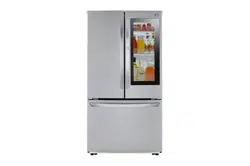
FRENCH DOOR
REFRIGERATOR
Read this owner's manual thoroughly before operating the appliance
and keep it handy for reference at all times.
LFCC22426*/LFCS27596*/LFCC23596*
MFL70761735
Rev.00_071420
www.lg.com
Copyright © 2020 LG Electronics Inc. All Rights Reserved.
2
TABLE OF CONTENTS
3 PRODUCT FEATURES
4 SAFETY INSTRUCTIONS
4 IMPORTANT SAFETY INSTRUCTIONS
9 PRODUCT SPECIFICATIONS
10 PRODUCT OVERVIEW
10 Exterior
11 Interior
13 INSTALLATION
13 Installation Overview
14 Unpacking the Refrigerator
14 Choosing the Proper Location
16 Removing/Assembling Handles
17 Removing/Assembling the Doors and Drawers
22 Connecting the Water Line
25 Leveling and Door Alignment
27 Turning on the Power
28 OPERATION
28 Before Use
29 Control Panel
30 Sabbath Mode
30 Automatic Icemaker
31 Storing Food
32 Humidity Controlled Crispers
32 Durabase
®
33 Glide‘N’Serve
33 Detaching/Assembling the Storage Bins
34 Adjusting the Refrigerator Shelves
35 InstaView Door-in-Door (On Some Models)
36 SMART FUNCTIONS
36 LG ThinQ Application
37 MAINTENANCE
37 Cleaning
38 Replacing the Water Filter
42 TROUBLESHOOTING
42 FAQs: Frequently Asked Questions
43 Before Calling for Service
50 LIMITED WARRANTY
50 For USA
53 For Canada

3PRODUCT FEATURES
ENGLISH
PRODUCT FEATURES
Depending on the model, some of the following functions may not be available.
InstaView Door-in-Door
The InstaView function on the Door-in-Door lets you see if you’re running low on frequently used items like
beverages and snacks, without opening the refrigerator door.
DOOR ALARM
The Door Alarm function is designed to prevent refrigerator malfunctioning that could occur if a refrigerator door
or freezer drawer remains open. If a refrigerator door or freezer drawer is left open for more than 60 seconds, a
warning alarm sounds at 30-second intervals.
HUMIDITY CONTROLLED CRISPERS
The Humidity Controlled Crispers are designed to help keep fruits and vegetables fresh and crisp. Control the
amount of humidity in the crispers by adjusting the settings between Fruit (Low) and Vegetables (High).
GLIDE‘N’SERVE
The Glide‘N’Serve provides storage space with a variable temperature control that keeps the compartment
colder than the refrigerator. It is a convenient place to store sandwiches or meat to be cooked.
AUTO-CLOSING HINGE
The refrigerator doors and freezer drawers close automatically with a slight push. (The door only closes
automatically when it is open at an angle less than 30°.)
ICE PLUS
Ice production is increased when the freezer section is maintained at the coldest temperature for a 24-hour
period.
4 SAFETY INSTRUCTIONS
SAFETY INSTRUCTIONS
READ ALL INSTRUCTIONS BEFORE USE
Your safety and the safety of others are very important.
We have provided many important safety messages in this manual and on your appliance. Always read and
follow all safety messages.
This is the safety alert symbol.
This symbol alerts you to potential hazards that can kill or injure you and others.
All safety messages will follow the safety alert symbol and either the word WARNING or CAUTION.
These words mean:
WARNING
You may be killed or seriously injured if you do not follow instructions.
CAUTION
You may be injured or cause damage to the product if you do not follow instructions.
All safety messages tell you what the potential hazard is, tell you how to reduce the chance of injury, and tell
you what may happen if the instructions are not followed.
IMPORTANT SAFETY INSTRUCTIONS
WARNING
To reduce the risk of explosion, fire, death, electric shock, scalding or injury
to persons when using this product, follow basic precautions, including the
following:
INSTALLATION
• To reduce the risk of injury to persons, adhere to all industry recommended safety procedures including the
use of long-sleeved gloves and safety glasses.
• Never attempt to operate this appliance if it is damaged, malfunctioning, partially disassembled, or has
missing or broken parts, including a damaged cord or plug.
• Only connect this product to a dedicated grounded electrical outlet rated for use with this product (115 V, 60
Hz, AC only). It is the user’s responsibility to replace a standard 2-prong wall outlet with a standard 3-prong
wall outlet.
• Do not use an outlet that can be turned off with a switch. Do not use an extension cord.
• The appliance must be positioned for easy access to a power source.
• When moving the refrigerator, be careful not to roll over or damage the power cord.
• Contact an authorized service center when installing or relocating the refrigerator.
• Do not, under any circumstances, cut or remove the third (ground) prong from the power cord.
• Keep packing materials out of the reach of children. Packaging material can be dangerous for children.
There is a risk of suffocation.
• Do not install the refrigerator in a damp or dusty place where insulation on electrical parts may deteriorate.
• Do not place the refrigerator in direct sunlight or expose it to the heat from heating appliances such as
stoves or heaters.
• Do not bend or pinch the power cord excessively or place heavy objects on it.
5SAFETY INSTRUCTIONS
ENGLISH
OPERATION
• This product is not to be used for special purposes such as the storage of medicine or test materials or for
use on ships, etc.
• DO NOT allow children to climb, stand, or hang on the refrigerator doors or on the shelves in the
refrigerator. They could damage the refrigerator and seriously injure themselves.
• Do not allow children to climb into the refrigerator. They could be trapped and suffocated.
• Children should be supervised to ensure that they do not play with the refrigerator.
• Keep fingers out of pinch point areas; clearances between the doors and cabinets are necessarily small. Be
careful closing doors when children are nearby.
• Do not touch frozen food or the metal parts in the freezer compartment with wet or damp hands. Doing so
may cause frostbite.
• Do not refreeze frozen food that has thawed completely. Doing so may result in a serious health hazard.
• Do not use an adapter plug or plug the power plug into a multi-outlet extension cord.
• Do not use a cord that shows cracks or abrasion damage along its length or at either the plug or connector
end. Immediately have all power cords that have become frayed or otherwise damaged repaired or replaced
by qualified service personnel.
• Do not operate the refrigerator or touch the power cord with wet hands.
• Do not modify or extend the power cord.
• Do not use an uncertified power outlet. Do not plug appliance into a damaged wall outlet.
• Do not put hands, feet or other objects into the air vents or bottom of the refrigerator. Doing so could result
in personal injury or electric shock.
• In the event of a gas leak (propane/LPG), ensure the area is adequately ventilated and contact an
authorized service center before resuming use. Do not touch the refrigerator or power cord of the
refrigerator.
• Disconnect the power cord immediately and contact an authorized service center if there is a strange noise,
odor, or smoke coming from the appliance.
• Do not use any fuse (such as copper, steel wire, etc.) other than a standard fuse.
• Do not place or use an electrical appliance inside the refrigerator, unless it is of a type recommended by the
manufacturer.
• Do not put animals inside the appliance.
• Do not place heavy or fragile objects, liquid filled containers, combustible substances, or flammable objects
(such as candles and lamps) on the appliance.
• Avoid contact with any moving parts of the ejector mechanism or with the heater that releases the ice
cubes. DO NOT place fingers in the automatic icemaker when the refrigerator is plugged in.
• When dispensing ice from the dispenser, do not use a fragile container.
• This appliance is not intended for use by persons (including children) with reduced physical, sensory or
mental capabilities, or lack of experience and knowledge, unless they have been given supervision or
instruction concerning the use of the appliance by a person responsible for their safety.
• If connected to a circuit protected by fuses, use time delay fuse.
6 SAFETY INSTRUCTIONS
• Keep ventilation openings, in the appliance enclosure or in the built-in structure, clear of obstruction.
• Do not use mechanical devices or other means to accelerate the defrosting process, other than those
recommended by the manufacturer.
• Do not damage the refrigerant circuit.
• Do not use electrical appliances inside the food storage compartments of the appliance, unless they are of
the type recommended by the manufacturer.
• The refrigerant and insulation blowing gas used in the appliance require special disposal procedures. When
disposing, please consult with service agent or a similarly qualified person.
MAINTENANCE
• Do not use a hair dryer to dry the inside of the refrigerator.
• Do not light a candle to remove odors in the refrigerator.
• In the event of a refrigerant leak, move flammable objects away from the refrigerator. Ensure the area is
adequately ventilated and contact an authorized service center.
• Keep flammable materials and vapors, such as gasoline, away from the refrigerator.
• This appliance is intended to be used in household and similar applications such as staff kitchen areas
in shops, offices and other working environments; farm houses and by clients in hotels, motels and other
residential type environments; bed and breakfast type environments; catering and similar non-retail
applications.
• This appliance can be used by children aged from 8 years and above and persons with reduced physical,
sensory or mental capabilities or lack of experience and knowledge if they have been given supervision or
instruction concerning use of the appliance in a safe way and understand the hazards involved. Children
shall not play with the appliance. Cleaning and user maintenance shall not be made by children without
supervision.
• Unplug the power plug before cleaning or repairing the refrigerator.
• The refrigerator and freezer compartment lights are interior LED lighting, and service should be performed
by a qualified technician.
• Unplug the power plug immediately in the event of a blackout or thunderstorm.
• Turn the power off if water or dust penetrates into the refrigerator. Call a service agent.
• Do not store glass containers or soda in the freezer compartment. Contents may expand when frozen,
break the container and cause injury.
• Do not store, disassemble or repair the appliance yourself or allow unqualified personnel to do so.
• If the electrical supply cord is damaged, it must only be replaced by the manufacturer or its service agent or
a similar qualified person in order to avoid a hazard.
• Do not store explosive substances such as aerosol cans with a flammable propellant in this appliance.
• Do not use or place flammable substances (chemicals, medicine, cosmetics, etc) near the refrigerator or
store them inside the refrigerator. Do not place the refrigerator in the vicinity of flammable gas.
7SAFETY INSTRUCTIONS
ENGLISH
DISPOSAL
• Junked or abandoned refrigerators are dangerous, even if they are sitting for only a few days. When
disposing of the refrigerator, remove the packing materials from the door or take off the doors but leave the
shelves in place so that children may not easily climb inside.
• If disposing of a refrigerator, make sure the refrigerant is removed for proper disposal by a qualified servicer.
If you release the refrigerant, you may be fined or imprisoned in accordance with the relevant environmental
law.
GROUNDING INSTRUCTIONS
• Improper connection of the equipment-grounding conductor can result in a risk of electric shock. Check with
a qualified electrician or service personnel if you are in doubt whether the appliance is properly grounded.
Do not modify the plug provided with the appliance; if it will not fit the outlet, have a proper outlet installed by
a qualified electrician.
• Have a qualified electrician check the wall outlet and wiring for proper grounding.
• Never unplug the appliance by pulling on the power cord. Always grip the plug firmly and pull straight out
from the outlet. Failure to do so may damage the power cord, resulting in a risk of fire and electric shock.
CAUTION
To reduce the risk of minor or moderate injury to persons, malfunction, or damage
to the product or property when using this product, follow basic precautions,
including the following:
INSTALLATION
• Do not install the refrigerator where there may be a danger of the unit falling.
• The refrigerator must be properly installed in accordance with the Installation Instructions.
OPERATION
• Do not use aerosols near the refrigerator.
• This appliance is intended to be used only in domestic and similar applications.
• Do not strike or apply excessive force to any glass surface. Do not touch glass surfaces if they are cracked
or broken.
• Do not overfill or pack items too tightly into door bins. Doing so may cause damage to the bin or personal
injury if items are removed with excessive force.
• Do not overfill the appliance with food. Doing so may cause personal injury or property damage.
• Do not hang on to or place heavy objects on the refrigerator’s dispenser.
• Do not strike or apply excessive force to any glass surface. It may break.
MAINTENANCE
• Do not use strong detergents like wax or thinners for cleaning. Clean with a soft cloth.
• Remove foreign objects (such as dust and water) off the prongs of the power plug and contact areas. Do
not use a wet or damp cloth when cleaning the plug.
• Do not spray water directly on the inside or outside of the refrigerator.
• Do not clean glass shelves or covers with warm water when they are cold. They may break if exposed to
sudden temperature changes.
8 SAFETY INSTRUCTIONS
This appliance contains a small amount of isobutane refrigerant (R600a), which is also
combustible. When transporting and installing the appliance, care should be taken to ensure
that no parts of the refrigerating circuit are damaged. Refrigerant squirting out of the pipes could
ignite or cause an eye injury. If a leak is detected, avoid any naked flames or potential sources of
ignition and air the room in which the appliance is standing for several minutes.
In order to avoid the creation of a flammable gas air mixture if a leak in the refrigerating circuit
occurs, the size of the room in which the appliance may be sited depends on the amount of
refrigerant used. The room must be 10.8 square feet (1 square meter) in size for every 8g of
R600a refrigerant inside the appliance. The amount of refrigerant in your particular appliance is
shown on the identification plate inside the appliance. Never start up an appliance showing any
signs of damage. If in doubt, consult your dealer.
SAVE THESE INSTRUCTIONS
9PRODUCT SPECIFICATIONS
ENGLISH
PRODUCT SPECIFICATIONS
The appearance and specifications listed in this manual may vary due to constant product improvements.
Electrical requirements: 115 V, 60 Hz
Min. / Max. water pressure: 20 - 120 psi (138 - 827 kPa)
Model LFCC22426*
Description Counter-depth, French door refrigerator, bottom freezer
Net weight 243 lb (110 kg)
Model LFCS27596*
Description Standard-depth, Door-in-Door French door refrigerator, bottom freezer
Net weight 295 lb (134 kg)
Model LFCC23596*
Description Counter-depth, Door-in-Door French door refrigerator, bottom freezer
Net weight 278 lb (126 kg)
10 PRODUCT OVERVIEW
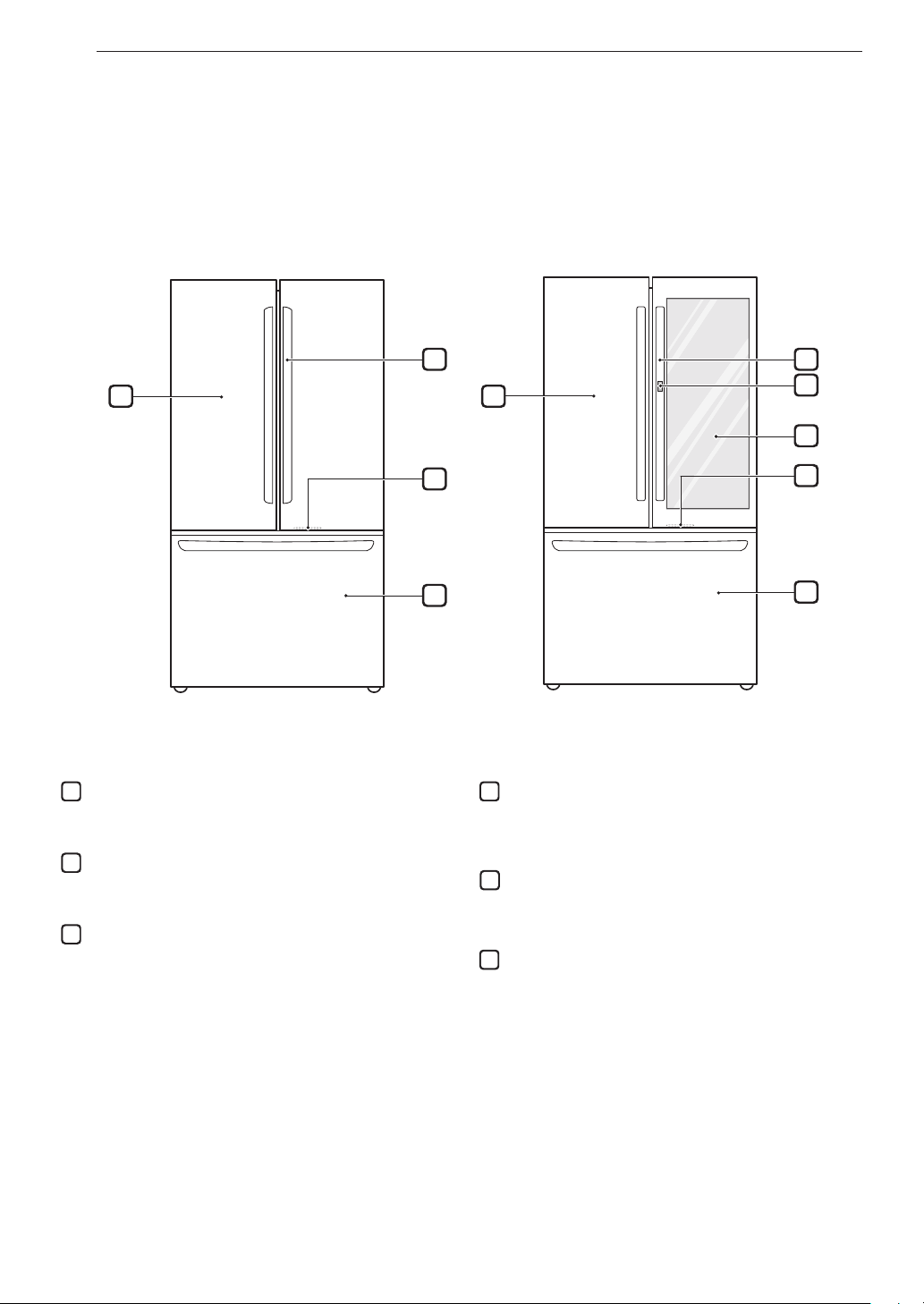
InstaView Door-in-Door
Allows for easy access to commonly used food
items.
LED Light
Lights up when the freezer door is opened.
Freezer
Helps to preserve frozen food
4
5
PRODUCT OVERVIEW
The images in this guide may be different from the actual components and accessories, which are subject to
change by the manufacturer without prior notice for product improvement purposes.
Exterior
2
1
6
1
5
2
3
4
5
6
Refrigerator
Helps to preserve fresh food
Handle
Opens and closes the refrigerator door.
Door Button
Opens the Door-in-Door compartment.
1
2
3
6
11PRODUCT OVERVIEW
ENGLISH
Interior
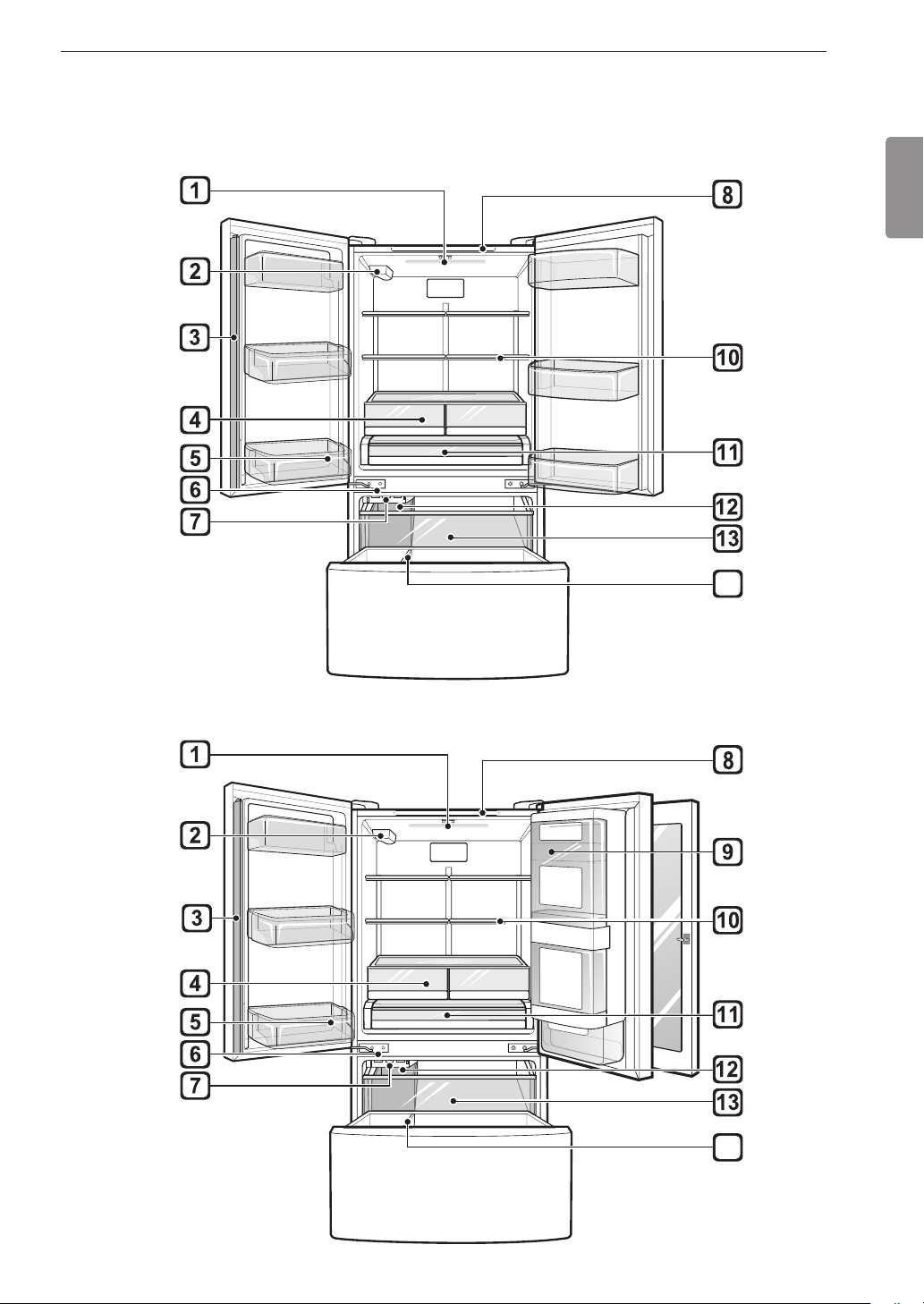
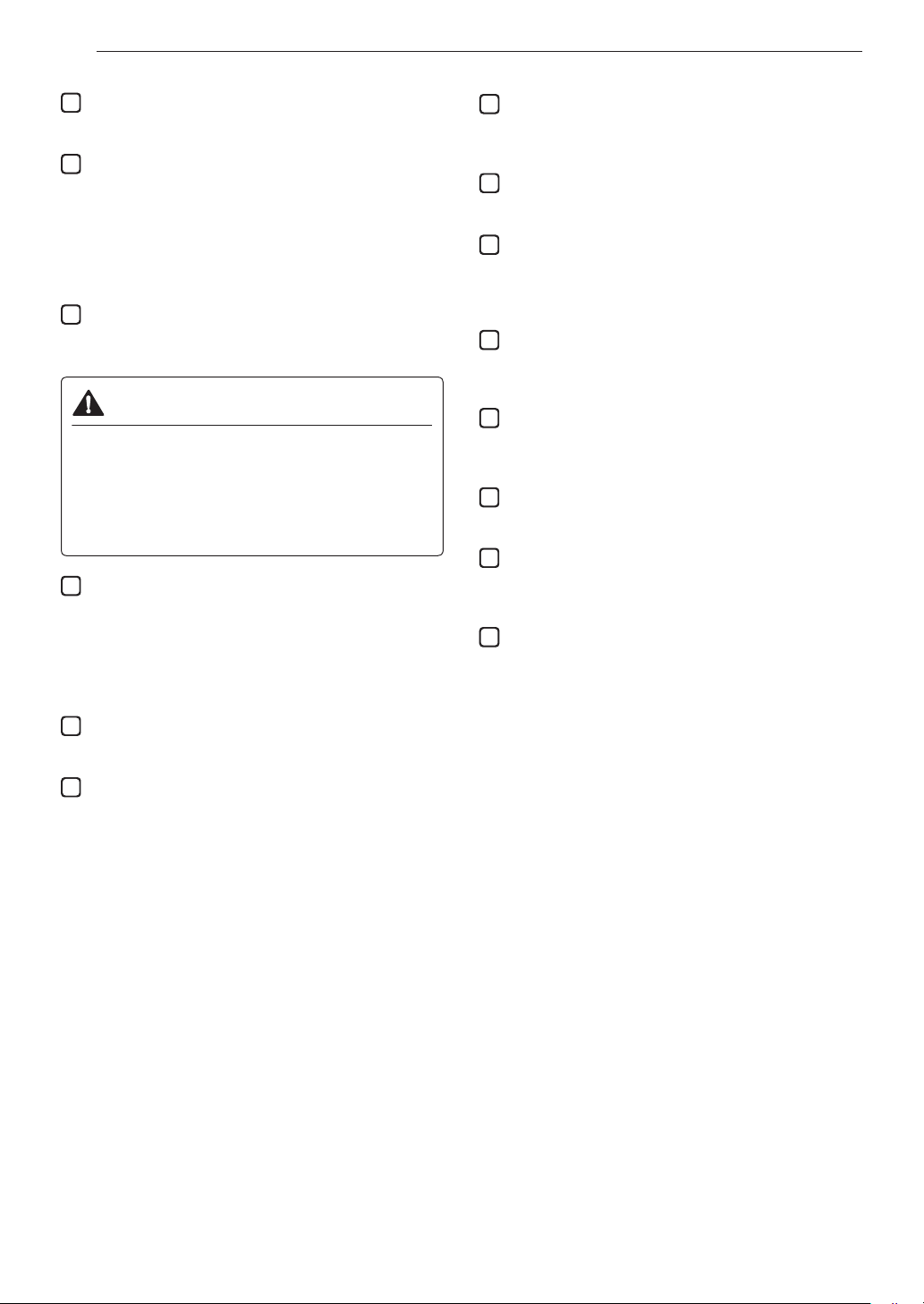
Standard Door : LFCC22426*
14
14
InstaView Door: LFCS27596*/LFCC23596*
12 PRODUCT OVERVIEW
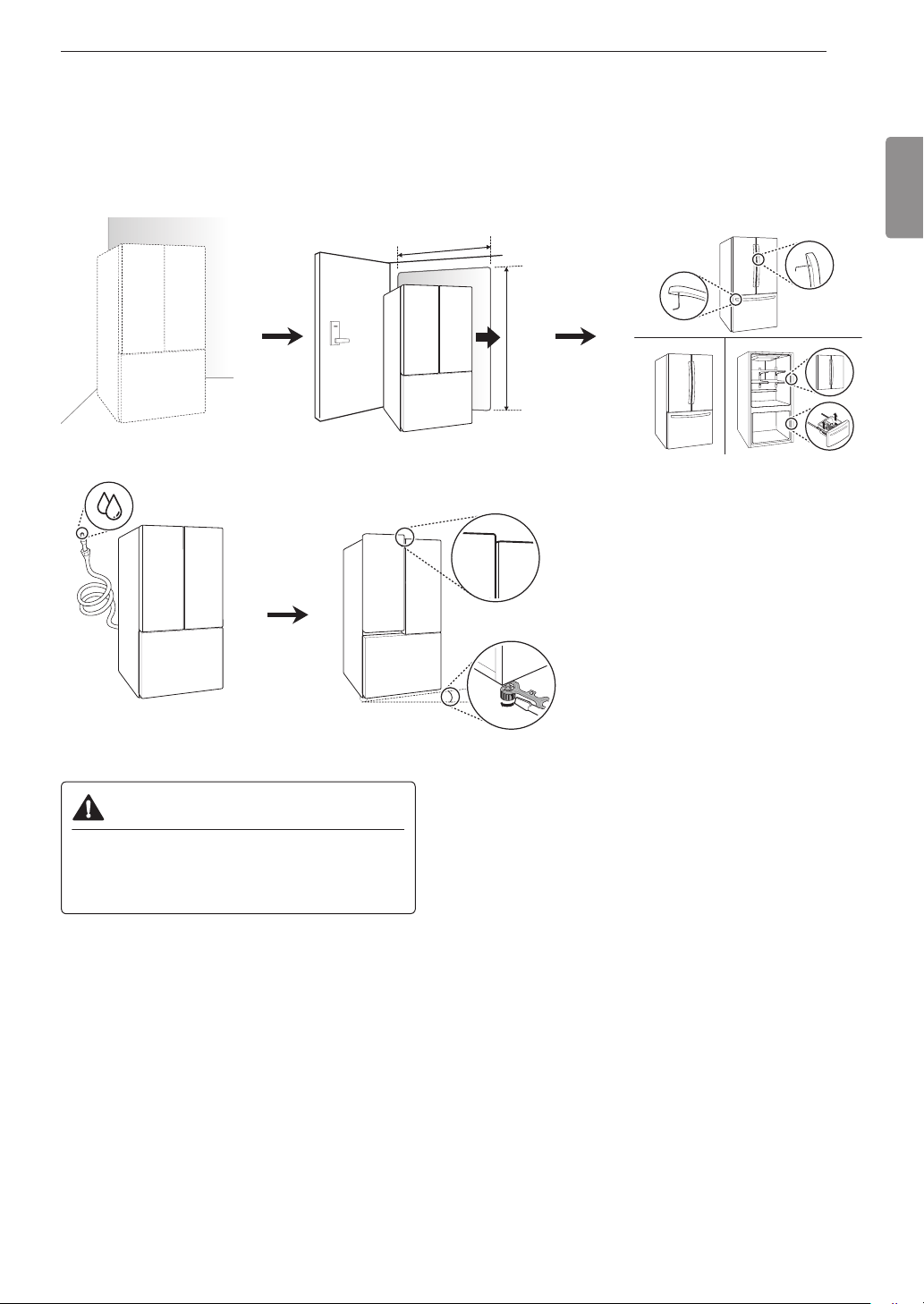
LED Interior Lighting
Lights up the inside of the refrigerator.
Water filter
Purifies water.
NOTE
• The filter should be replaced every 6
months. See the Replacing the Water Filter
section in this manual for details.
Door Mullion
Prevents the cold air in the refrigerator from
escaping when the doors are closed.
CAUTION
• To reduce the risk of scratching the door or
breaking the center door mullion, make sure
that the folding door mullion is folded in before
closing the left-hand door.
• The door alarm will sound every 30 seconds if
the door remains open longer than one minute.
Crisper
Helps vegetables and fruit to stay crisp.
Humidity Controlled Crisper
Helps vegetables and fruit to stay crisp and
controls humidity.
Fixed Door Bin
Stores chilled food or drinks.
Auto-Closing Hinge
Closes the refrigerator doors and freezer
drawers automatically.
NOTE
• The door only closes automatically when
it is open at an angle of less than 30°.
1
2
4
5
6
Automatic Icemaker (Freezer)
Produces and stores ice automatically in freezer
compartment.
Control Panel
Sets the refrigerator and freezer temperatures.
Door-in-Door Case
Store frequently used items that require easy
access.
Adjustable Refrigerator Shelf
Adjustable shelves to meet individual storage
needs.
Glide‘N’Serve
Stores food items at a different temperature than
the regular refrigerator area.
Removable Ice Storage Bin
Stores ice produced by the icemaker.
Pullout Drawer
Provides extra storage within the freezer
compartment.
Durabase
®
and Durabase
®
Divider
Provides storage for large food items.
7
8
9
10
11
12
13
14
3
13INSTALLATION
ENGLISH
INSTALLATION
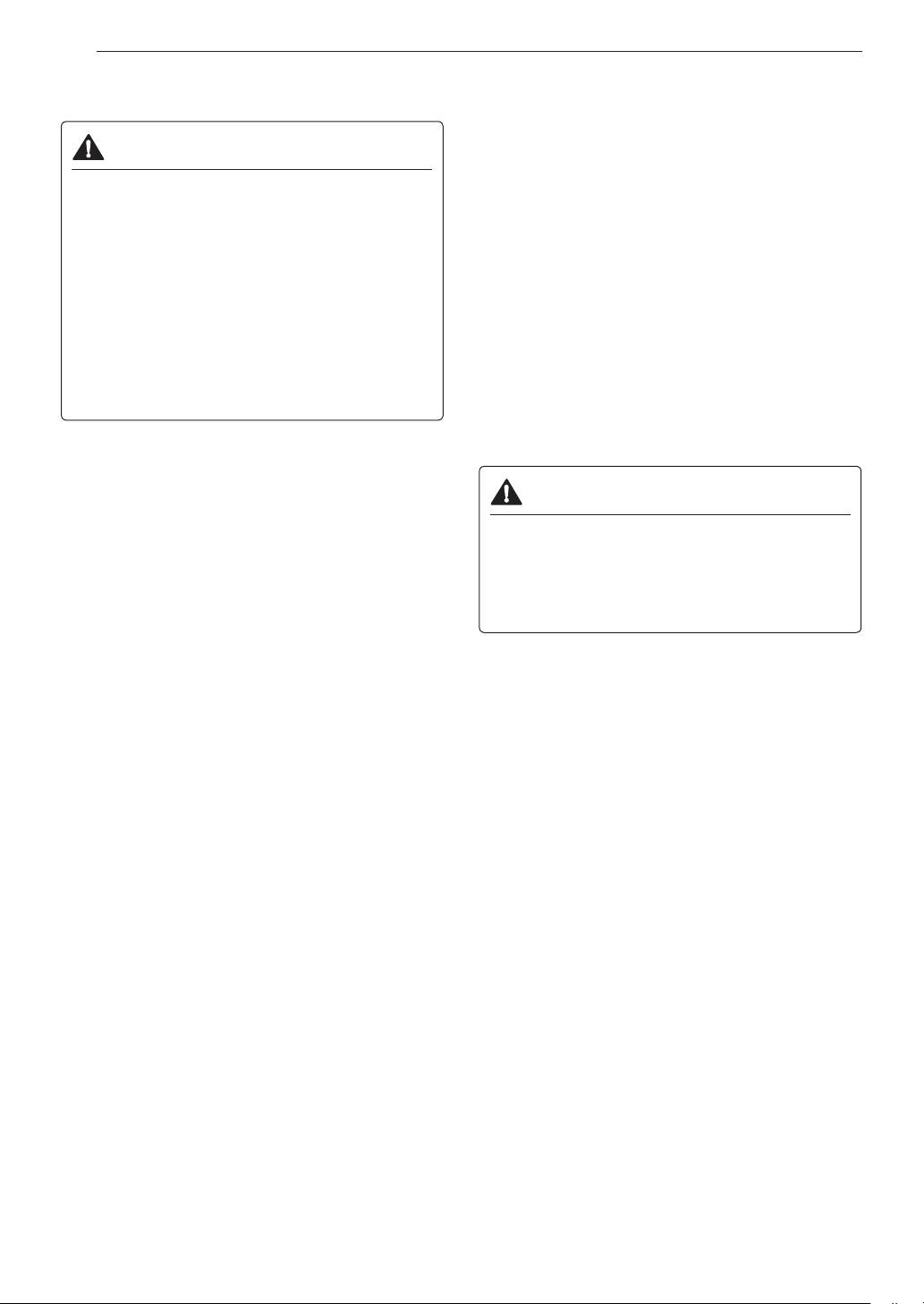
Installation Overview
Please read the following installation instructions first after purchasing this product or transporting it to another
location.
Unpacking the
Refrigerator
Choosing the Proper
Location
Disassembling/
Assembling
Connecting the Water
Line
Leveling and Door
Alignment
CAUTION
• Connect to potable water supply only.
• Fill with potable water only.
14 INSTALLATION
Unpacking the Refrigerator
WARNING
• Use two or more people to move and install the
refrigerator. Failure to do so can result in back
injury or other injury.
• The refrigerator is heavy. Protect the floor when
moving the refrigerator for cleaning or service.
Always pull the refrigerator straight out when
moving it. Do not wiggle or walk the refrigerator
when trying to move it, as floor damage could
occur.
• Keep flammable materials and vapors, such as
gasoline, away from the refrigerator. Failure to
do so can result in fire, explosion, or death.
NOTE
• Remove tape and any temporary labels from
your refrigerator before using. Do not remove any
warning labels, the model and serial number label,
or the Tech Sheet that is located under the front of
the refrigerator.
• To remove any remaining tape or glue, rub the area
briskly with your thumb. Tape or glue residue can
also be easily removed by rubbing a small amount
of liquid dish soap over the adhesive with your
fingers. Rinse with warm water and dry.
• Do not use sharp instruments, rubbing alcohol,
flammable fluids, or abrasive cleaners to remove
tape or glue. These products can damage the
surface of your refrigerator.
• Reinstall or adjust shelves as needed. Refrigerator
shelves are installed in the shipping position.
Reinstall shelves according to your individual
storage needs.
Choosing the Proper
Location
Water
Water supply must be easily connected for the
automatic icemaker.
NOTE
• The water pressure must be 20 - 120 psi or 138 -
827 kPa or 1.4 - 8.4 kgf/ cm
2
. If the refrigerator is
installed in an area with low water pressure (below
20 psi or 138 kPa or 1.4 kgf/ cm
2
), you can install a
booster pump to compensate for the low pressure.
Electricity
Use an individual, grounded outlet:115 Volts, 60 Hz,
AC, 15 Amps minimum.
WARNING
• Do not overload house wiring and cause a fire
hazard by plugging in multiple appliances in the
same outlet with the refrigerator.
• To reduce the risk of electric shock, do not install
the refrigerator in a wet or damp area.
Flooring
To avoid noise and vibration, the unit must be
installed and leveled on a solidly constructed floor. If
required, adjust the leveling legs to compensate for
the unevenness of the floor.
NOTE
• Installing on carpeting, soft tile surfaces, a platform
or weakly supported structure is not recommended.
Ambient Temperature
Install this appliance in an area where the
temperature is between 55 °F (13 °C) and 110 °F
(43 °C).
If the temperature around the appliance is too low or
high, cooling ability may be adversely affected.
15INSTALLATION
ENGLISH
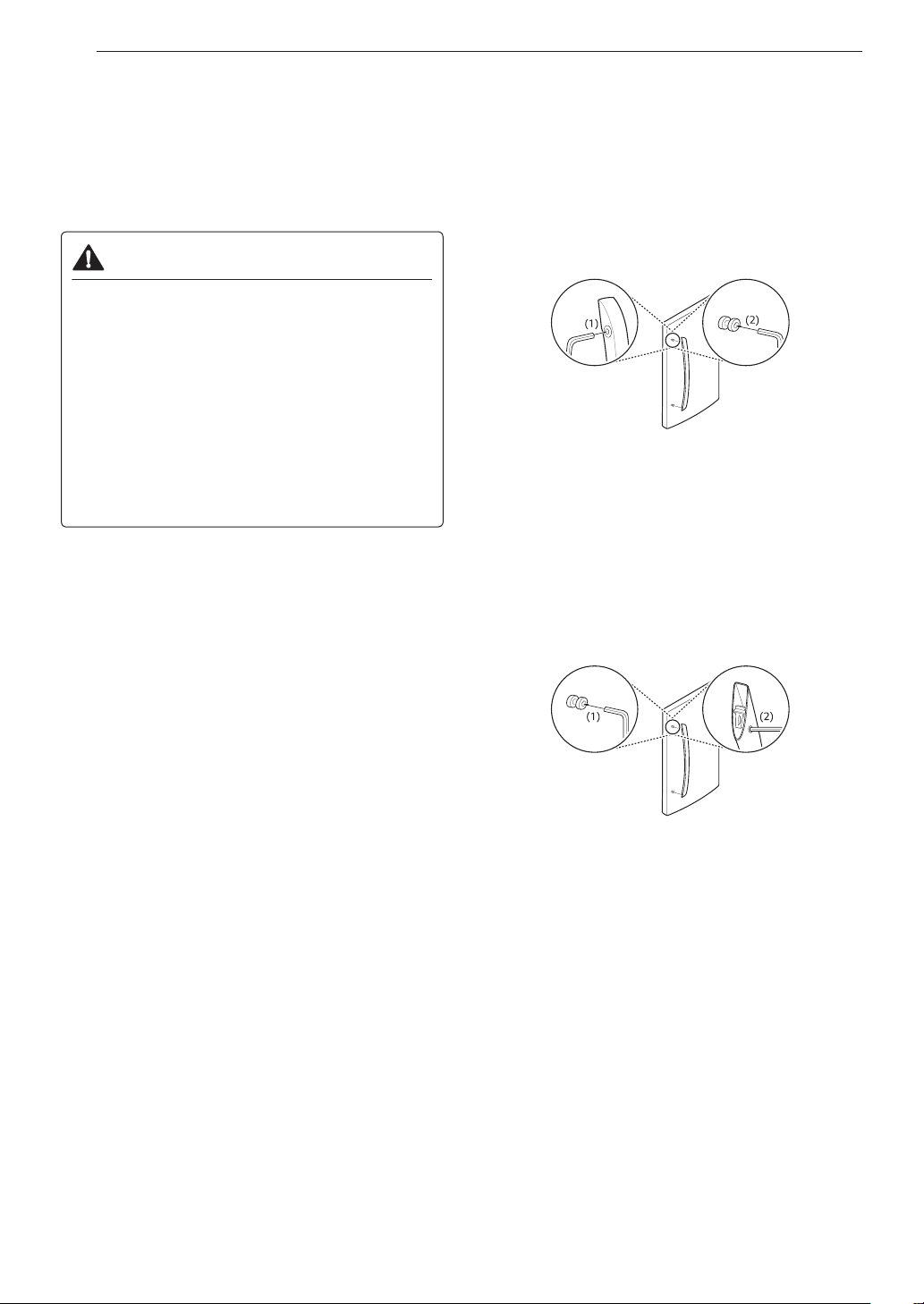
Dimensions and Clearances
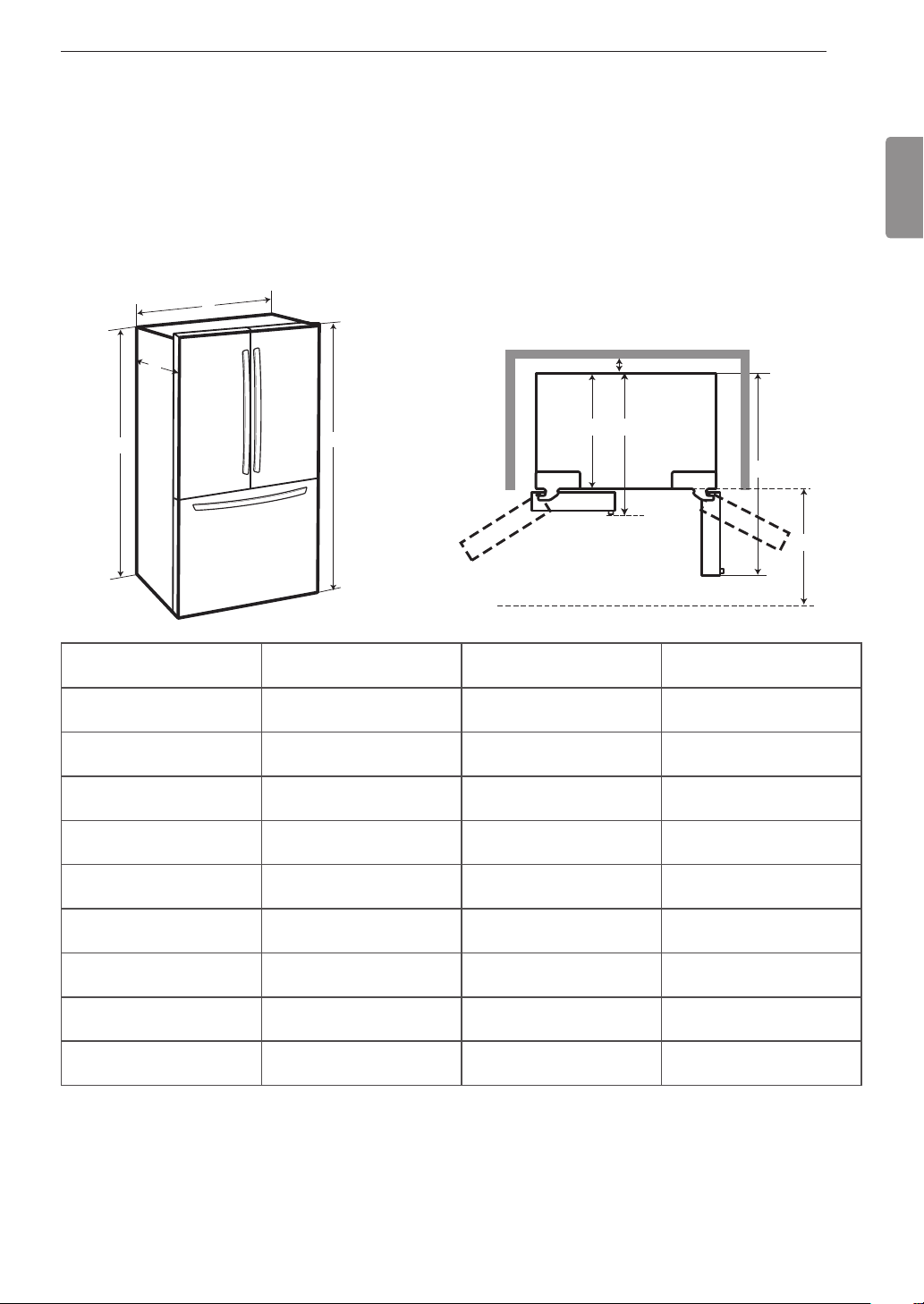
• Check the dimensions of the appliance and the installation path to ensure there is sufficient room to move the
refrigerator through doors or narrow openings.
• If an opening is too narrow to fit the refrigerator through, the doors must be removed.
• The installation location chosen for the refrigerator should allow space behind the unit for connections and
airflow and space in front to open the doors and drawers.
• Too small of a distance from adjacent items may result in lowered freezing capability and increased electricity
consumption charges. Allow at least 24 inches (610 mm) in front of the refrigerator to open the doors, and at
least 2 inches (50.8 mm) between the back of the refrigerator and the wall.
B
A
C
D
F
G
E
H
I
- Dimension/Clearance LFCS27596*
LFCC22426*
LFCC23596*
A Depth without handle
32 3/8"
(822 mm)
28 3/4''
(728 mm)
B Width
35 3/4"
(908 mm)
35 3/4"
(908 mm)
C Height to Top of Case
68 1/2"
(1737 mm)
68 1/2"
(1737 mm)
D Height to Top of Hinge
69 3/4"
(1772 mm)
69 3/4"
(1772 mm)
E Back Clearance
2"
(50 mm)
2"
(50 mm)
F Depth without Door
28 1/2"
(724 mm)
24 3/4''
(628 mm)
G
Depth (Total with Door
Open 90°)
47 1/4"
(1199 mm)
43 1/2''
(1103 mm)
H Front Clearance
24"
(610 mm)
24"
(610 mm)
I Depth with handle
34 7/8"
(886 mm)
31 1/4''
(792 mm)
16 INSTALLATION
Removing/Assembling
Handles
• When moving the refrigerator through a narrow
opening, removing the doors is preferred.
• The appearance of the handles may vary from what
is shown.
WARNING
When assembling or disassembling the
refrigerator handles:
• Grasp the handle firmly to avoid dropping it.
• Do not swing the handle into nearby people or
animals.
• Make sure that the bracket hole of the handle
fits properly into the stopper bolt of the door.
Assemble the set screws to fix the handle into
place.
• Make sure that there is not a gap between the
door and handle after assembling the handle.
Tools Needed
3/32 in. Allen wrench
1/8 in. Allen wrench
1/4 in. Allen wrench
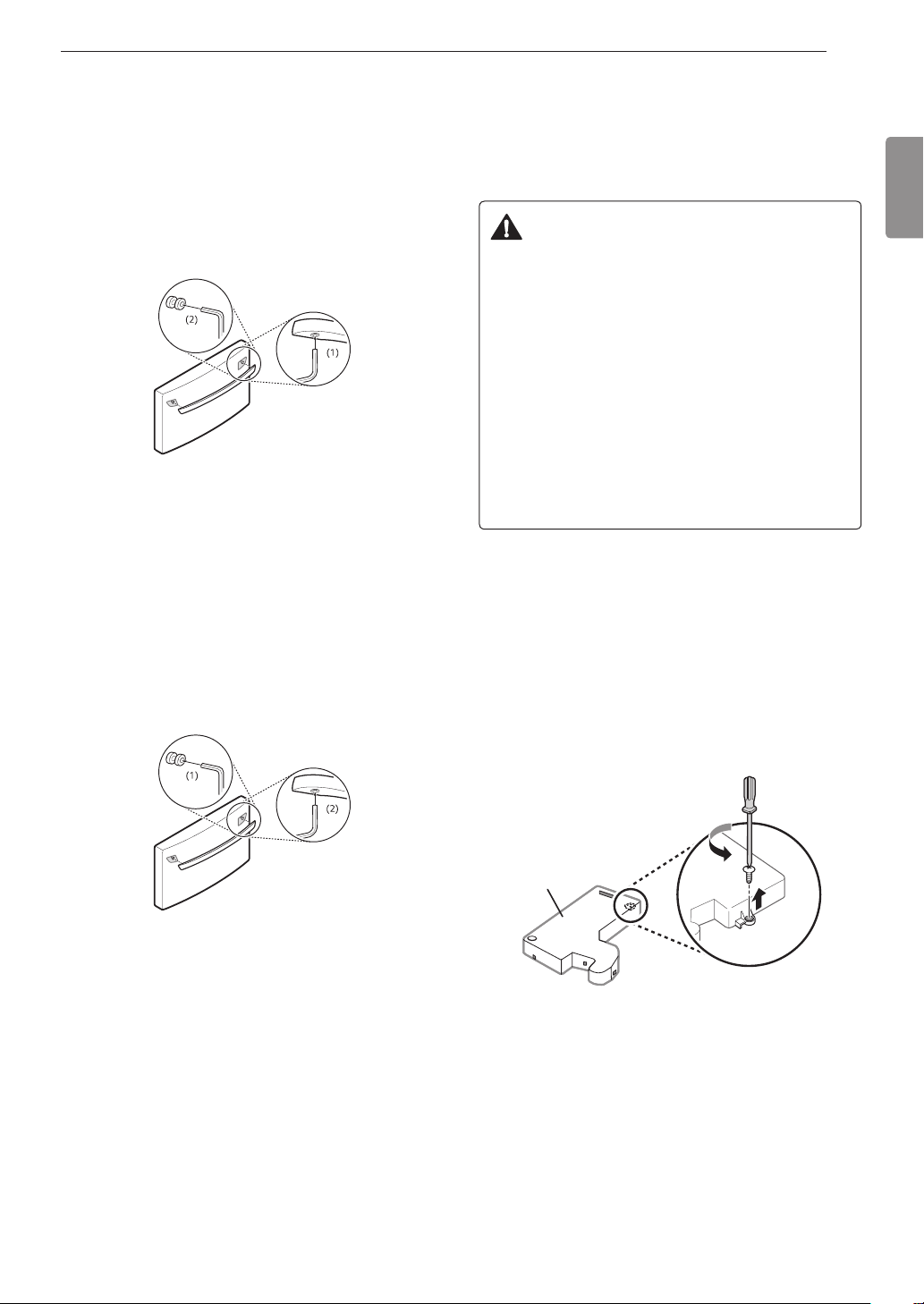
Removing the Refrigerator Handles
1
Loosen the set screws (1) with a 3/32 in. Allen
wrench and remove the handle.
2
Loosen the mounting fasteners (2) that connect
to the refrigerator door and handle using a 1/4
in. Allen wrench, and remove the mounting
fasteners.
Assembling the Refrigerator Handles
1
Assemble the mounting fasteners (1) at both ends
of the handle with a 1/4 in. Allen wrench.
2
Place the handle on the door by fitting the handle
footprints over the mounting fasteners and
tightening the set screws (2) with a 3/32 in. Allen
wrench.
17INSTALLATION
ENGLISH
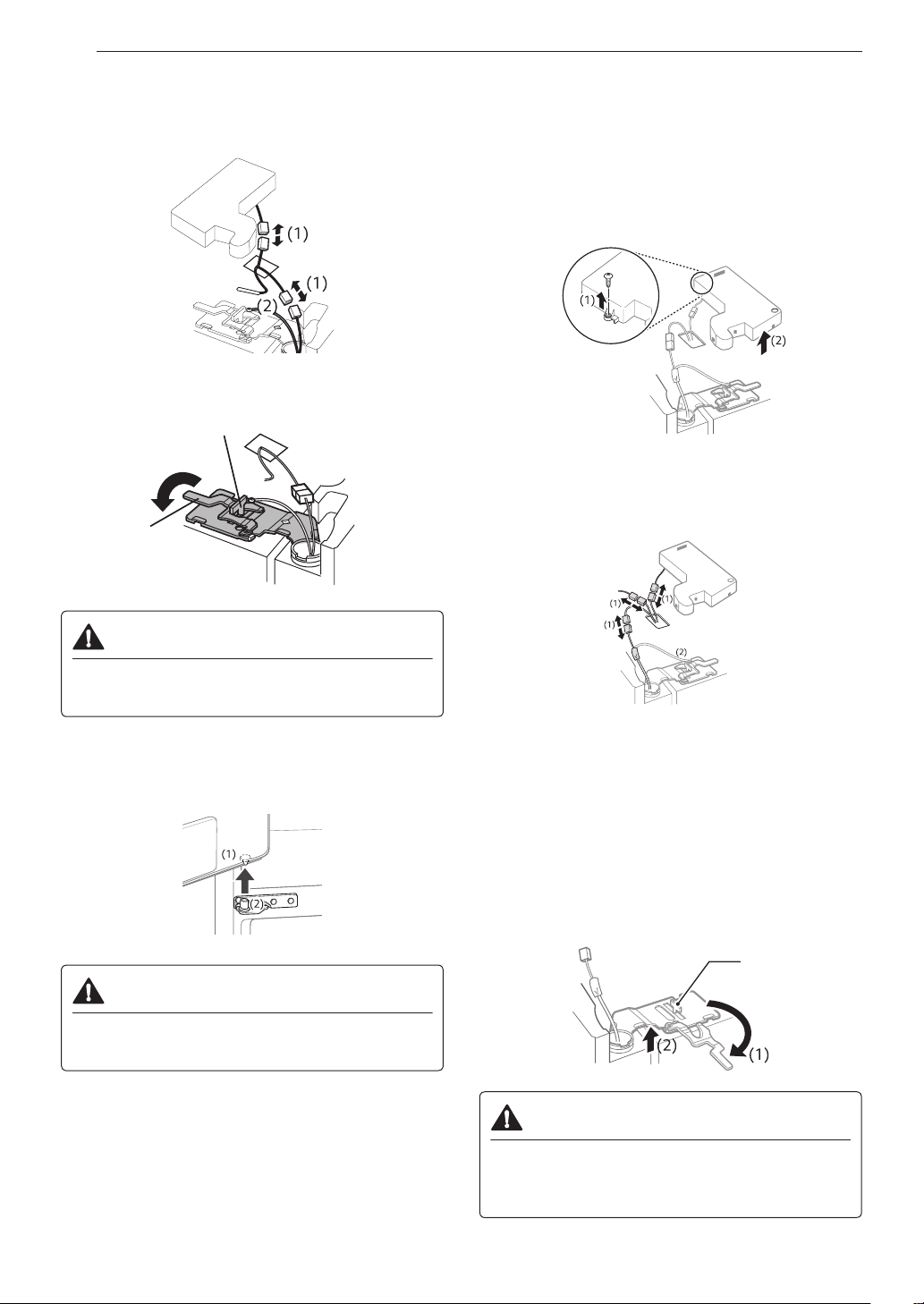
Removing the Freezer Drawer Handle
1
Loosen the set screws (1) located on the lower
side of the handle with a 1/8 in. Allen wrench and
remove the handle.
2
Loosen the mounting fasteners (2) with a 1/4
in. Allen wrench, and remove the mounting
fasteners.
Assembling the Freezer Drawer
Handle
1
Assemble the mounting fasteners (1) at both ends
of the handle with a 1/4 in. Allen wrench.
2
Place the handle on the door by fitting the handle
footprints over the mounting fasteners and
tightening the set screws (2) with a 1/8 in. Allen
wrench.
Removing/Assembling the
Doors and Drawers
If the entrance door is too narrow for the refrigerator
to pass through, remove the refrigerator doors and
move the refrigerator sideways through the doorway.
WARNING
• Use two or more people to remove and install
the refrigerator and freezer doors.
• Disconnect the electrical supply to the
refrigerator before installing.
• Do not put hands, feet or other objects into the
air vents or bottom of the refrigerator.
• Be careful when handling the hinge and stopper.
• Remove food and bins before detaching the
doors.
• Do not hold the handle when removing or
replacing the doors as the handle may come off.
Tools Needed
3/32 in. Allen wrench
1/8 in. Allen wrench
1/4 in. Allen wrench
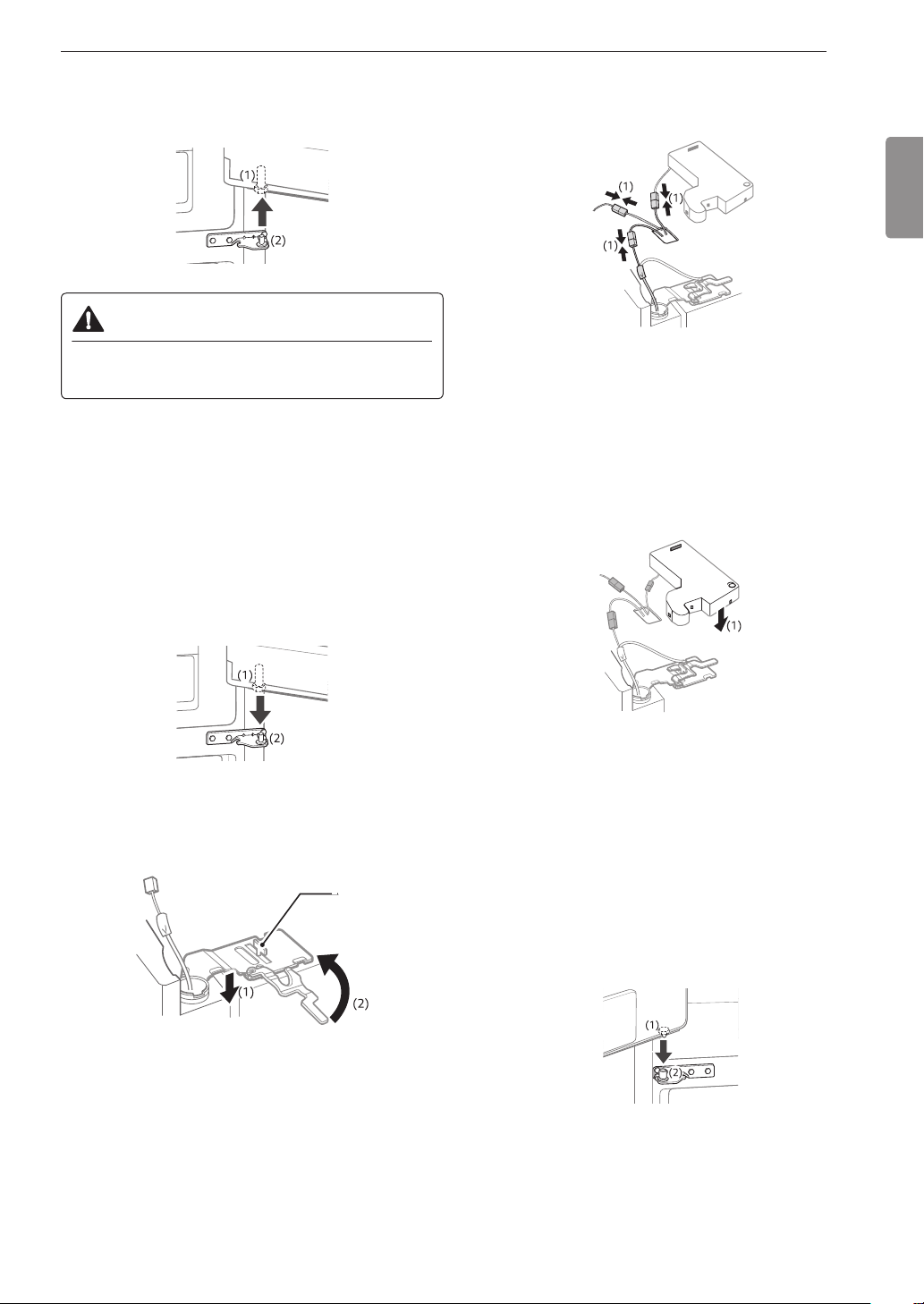
Removing the Left Refrigerator Door
1
Open the door. Remove the top hinge cover
screw and the hinge cover.
Hinge Cover
18 INSTALLATION
2
Disconnect all the wire harnesses (1). Unscrew
the ground wire (2).
3
Rotate the hinge lever counterclockwise. Lift the
top hinge free of the hinge lever latch.
Hinge Lever Latch
Hinge Lever
CAUTION
• When lifting the hinge free of the latch, be careful
that the door does not fall forward.
4
Lift the left refrigerator door (1) until it is free of
the middle hinge assembly (2).
CAUTION
• Place the door, inside facing up, on a
nonscratching surface.
Removing the Right Refrigerator
Door
1
Remove the top hinge cover screw (1). Lift
the hook (not visible), located at the bottom of
the front side of the cover (2), with a flat-head
screwdriver.
2
Disconnect all the wire harnesses (1). Unscrew
the ground wire (2).
NOTE
• The ground wire is only present on some models.
• The number of wire harnesses may vary depending
on the model.
3
Rotate the hinge lever (1) clockwise. Lift the top
hinge (2) free of the hinge lever latch.
Hinge Lever Latch
CAUTION
• When lifting the hinge free of the latch, be careful
that the door does not fall forward.
19INSTALLATION
ENGLISH
4
Lift the right refrigerator door (1) until it is free of
the middle hinge assembly (2).
CAUTION
• Place the door, inside facing up, on a
nonscratching surface.
Assembling the Right Refrigerator
Door
Install the right-side door first.
1
Make sure that the plastic sleeve is inserted in
the bottom of the door. Lower the right refrigerator
door so the sleeve (1) fits over the middle hinge
pin (2).
2
Fit the hinge (1) over the hinge lever latch and slot
it into place. Rotate the lever (2) counterclockwise
to secure the hinge.
Hinge Lever Latch
3
Connect all the wire harnesses (1). Screw in the
ground wire (2).
NOTE
• The ground wire is only present on some models.
• The number of wire harnesses may vary depending
on the model.
4
Place the hinge cover (1) in its place. Insert and
tighten the cover screw (2).
Assembling the Left Refrigerator
Door
Install the left refrigerator door after the right door is
installed.
1
Make sure that the plastic sleeve is inserted in the
bottom of the door. Lower the left refrigerator door
so the hinge pin (1) slots into the middle hinge
assembly (2).
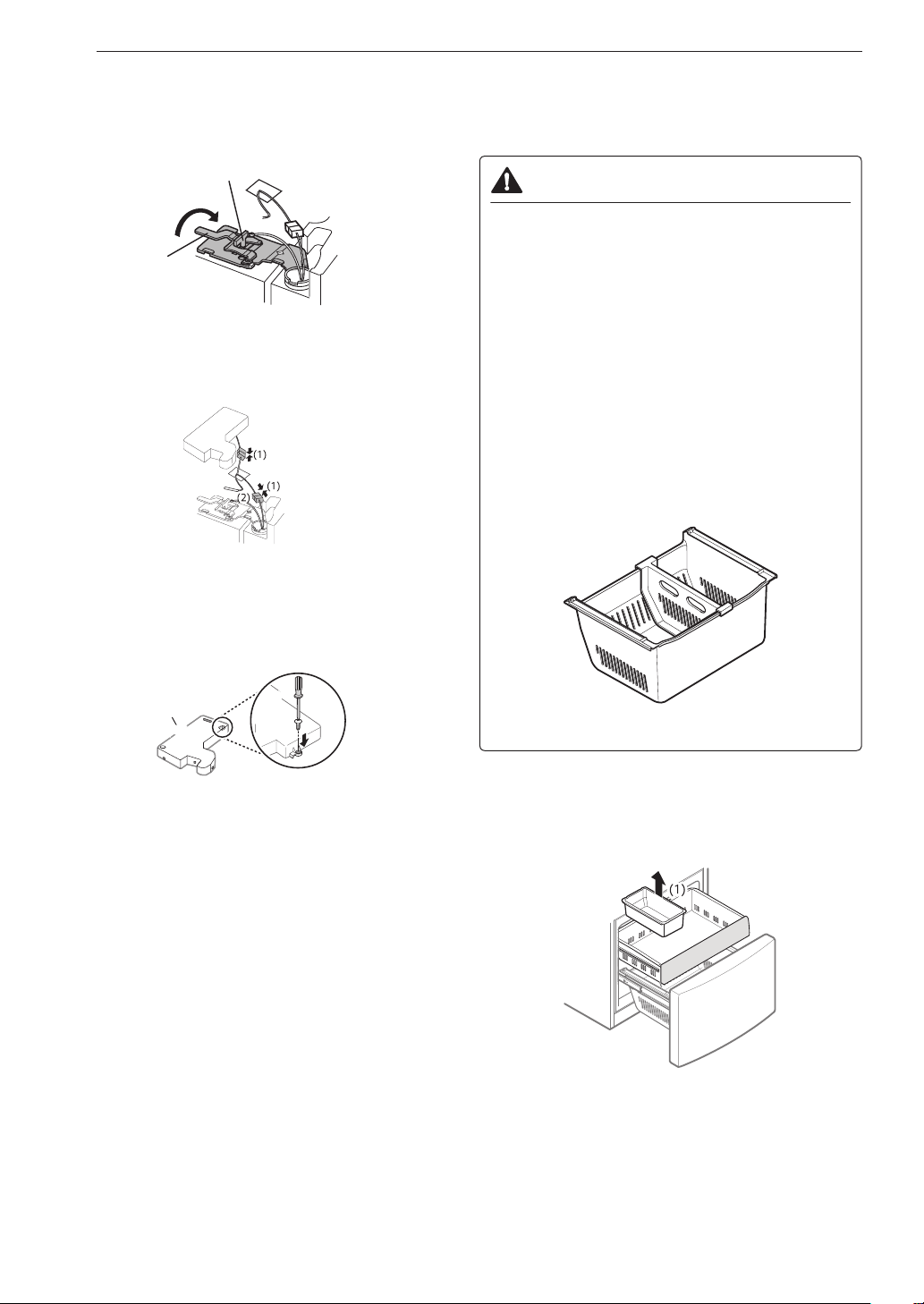
20 INSTALLATION
2
Fit the hinge over the hinge lever latch and slot
it into place. Rotate the hinge lever clockwise to
secure the hinge.
Hinge Lever Latch
Hinge Lever
3
Connect all the wire harnesses (1). Screw in the
ground wire (2).
4
Place the hinge cover in place. Insert and tighten
the cover screw.
Hinge Cover
Removing the Freezer Drawers
For models with two freezer drawers, remove both
drawers in the same way.
WARNING
To reduce the risk of electric shock, injury to
persons, and death, follow basic precautions,
including the following:
• Use two or more people to remove and install
the refrigerator doors and freezer drawer.
• Be careful of sharp hinges on both sides of the
drawer.
• When you lay the drawer down, be careful not to
damage the floor.
• Do not sit or stand on the freezer drawer.
• To prevent accidents, keep children and pets
away from the drawer. Do not leave the drawer
open. If the Durabase
®
storage bin is removed
from the freezer drawer, there is sufficient space
for a small child or pet to crawl inside.
1
Pull the drawer open to full extension.
2
Gently lift and pull out the ice bin.
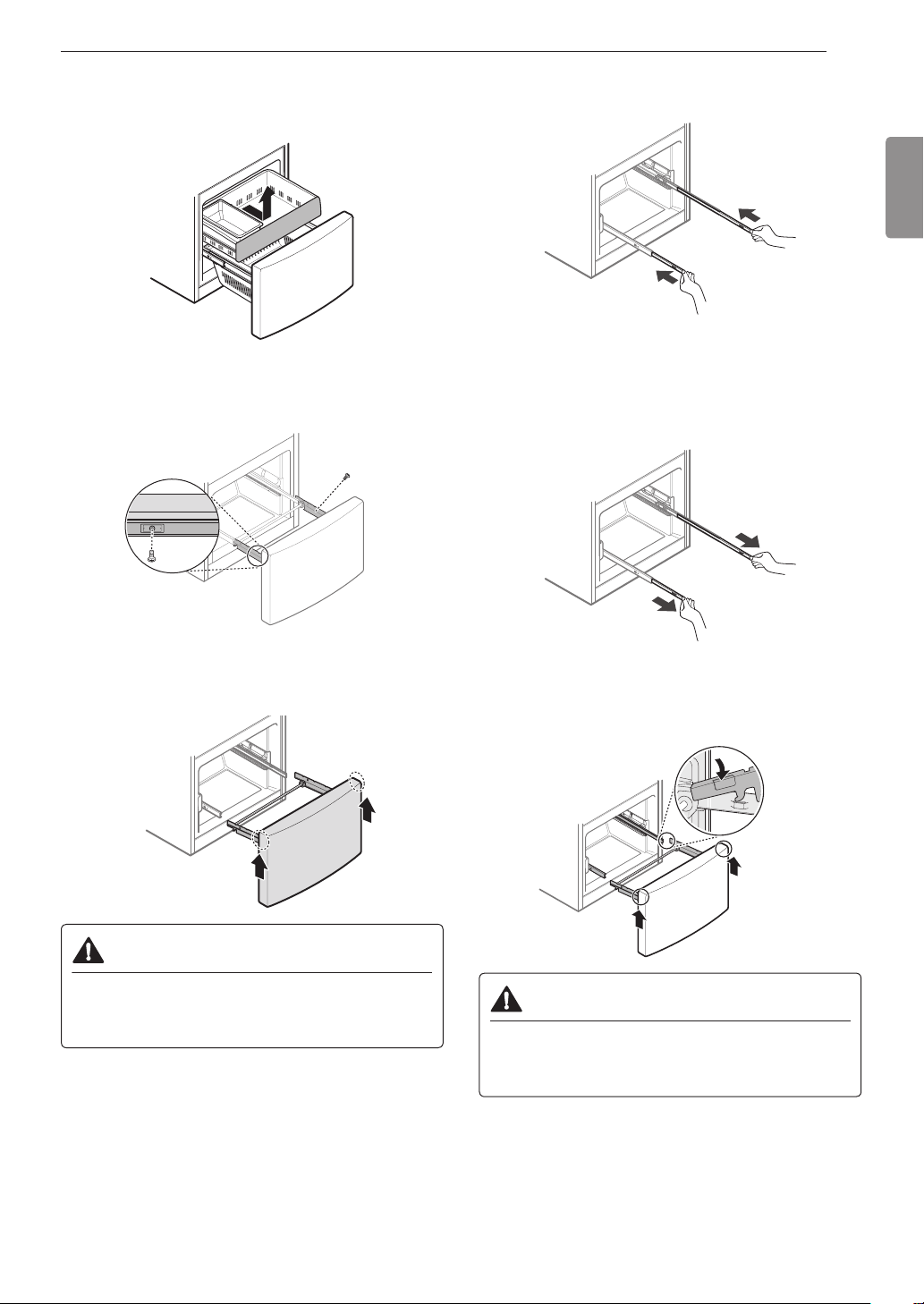
21INSTALLATION
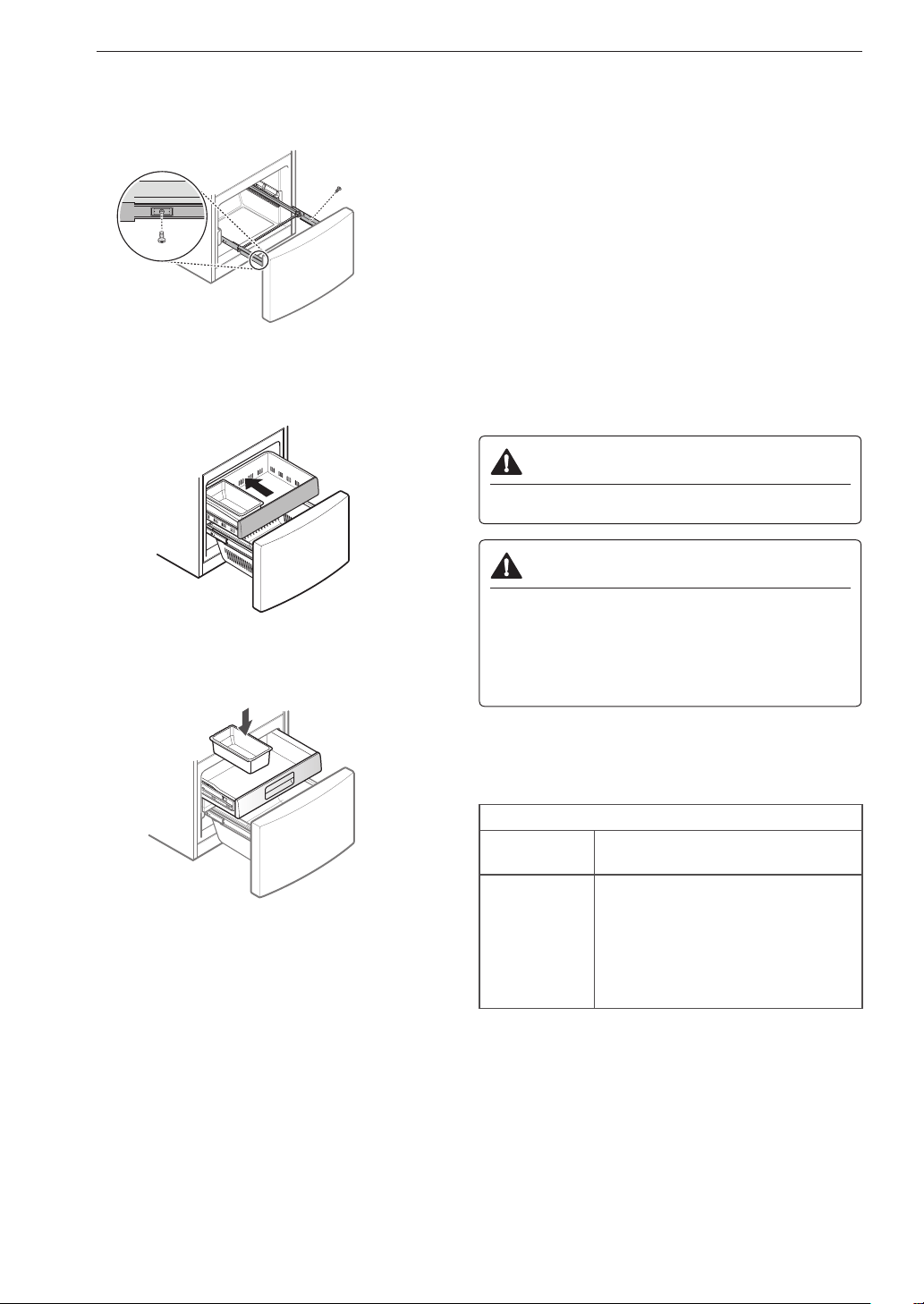
ENGLISH
3
Lift the front of the drawer up, then pull it straight
out.
4
Remove the Durabase basket from the rails.
Remove the screws from the rails at both ends.
5
Grip both sides of the drawer and pull it up to
remove it from the rails.
CAUTION
• Do not hold the handle when removing or
replacing the drawer. The handle may come off,
causing personal injury.
6
Hold both rails and push them in simultaneously.
Assembling the Freezer Drawers
1
Pull out both rails simultaneously, until they are
fully extended.
2
Grasp the drawer on each side and hook the
drawer supports into the rail tabs located on both
sides.
CAUTION
• Do not hold the handle when removing or
replacing the drawer. The handle may come off,
causing personal injury.
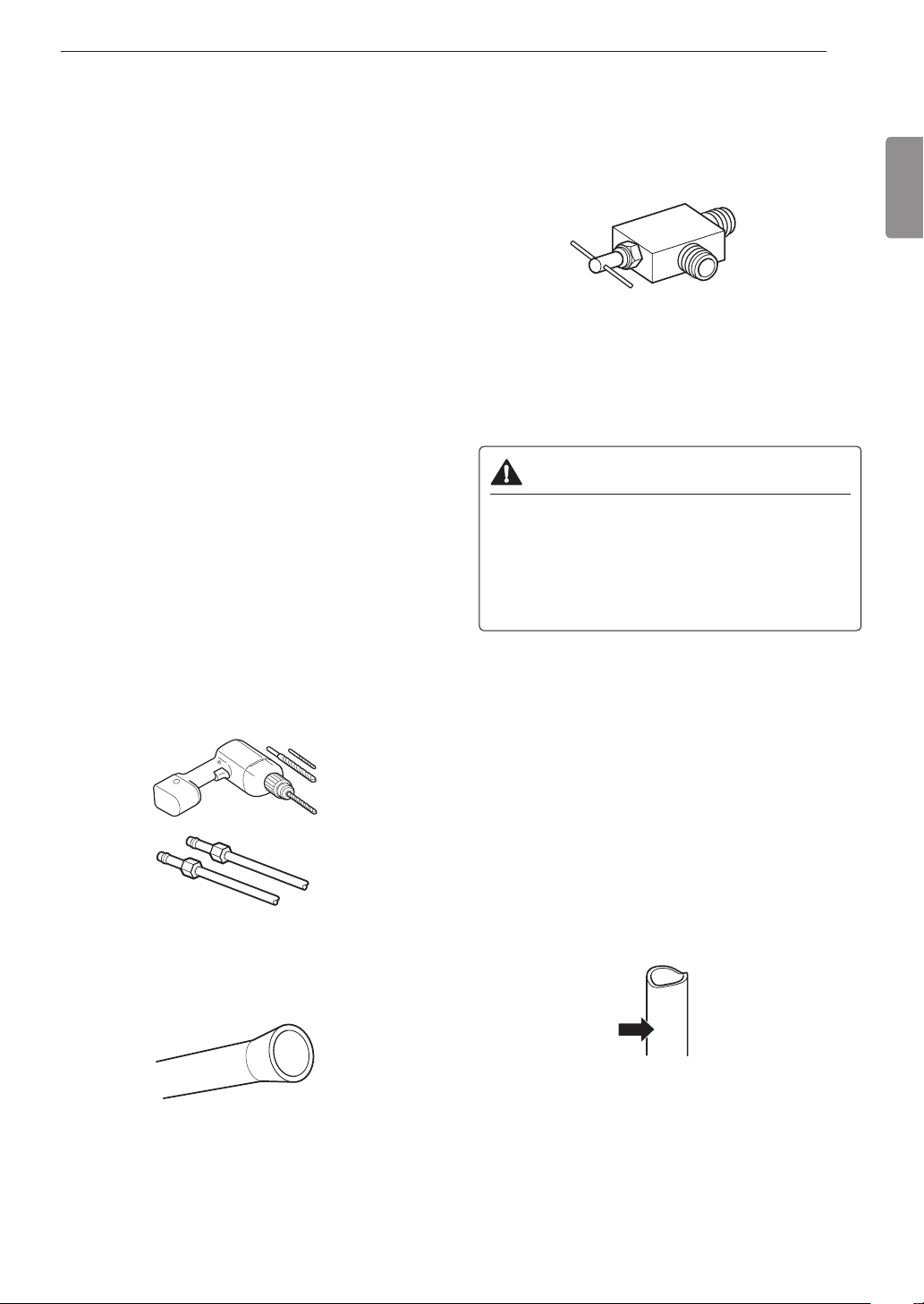
22 INSTALLATION
3
Lower the door into its final position and tighten
the screws located on both sides.
4
Insert the pullout drawer and push it back until it
clicks into place.
5
Replace the ice bin in the drawer. Insert the
Durabase basket in the rail assembly.
Connecting the Water Line
Before Beginning
This water line installation is not covered by the
refrigerator warranty. Follow these instructions
carefully to minimize the risk of expensive water
damage.
If necessary, call a qualified plumber to correct water
hammer before installing the water supply line to
the refrigerator. Water banging in the pipes, or water
hammer in residential plumbing can cause damage
to refrigerator parts and lead to water leakage or
flooding.
• Turn the icemaker OFF if the refrigerator will be
used before the water line is connected.
• Do not install the icemaker tubing in areas where
the ambient temperatures fall below freezing.
WARNING
• Connect to potable water supply only.
CAUTION
• To prevent burns and product damage, only
connect the refrigerator water line to a cold water
supply.
• Wear eye protection during installation to prevent
injury.
Water Pressure
You will need a cold water supply.
Water Pressure
models with
water filter
20–120 psi
(138 - 827 kPa)
where reverse
osmosis
water filtration
system is
connected to
a cold water
supply
40–60 psi minimum to reverse
osmosis system (2.8 – 4.2 kgf/ cm
2
,or
less than 2–3 seconds to fill a cup of
7 oz capacity)
23INSTALLATION
ENGLISH
If the water pressure from the reverse osmosis
system is less than 20 psi or 138 kPa or 1.4 kgf/ cm
2
(takes more than 4 seconds to fill a cup of 7 oz or
198 cc capacity):
• Check to see if the sediment filter in the reverse
osmosis system is blocked. Replace the filter if
necessary.
• Allow the storage tank on the reverse osmosis
system to refill after heavy usage.
• If the water pressure remains low, call a licensed,
qualified plumber.
• All installations must be in accordance with local
plumbing code requirements.
Supplies Needed
• Copper or PEX Tubing, ¼ in. outer diameter, to
connect the refrigerator to the water supply. Be sure
both ends of the tubing are cut square. To determine
how much tubing you need, measure the distance
from the water valve on the back of the refrigerator
to the water supply pipe. Then, add 8 feet (2.4 m).
Be sure there is sufficient extra tubing (about 8 feet
[2.4 m] coiled into 3 turns of about 10 in. [25 cm]
diameter) to allow the refrigerator to move out from
the wall after installation.
• Power drill.
• ½ in. or adjustable wrench.
• Flat-blade and Phillips-head screwdrivers.
• Two ¼ in. outer diameter compression nuts and
2 ferrules (sleeves) to connect the copper tubing to
the shutoff valve and the refrigerator water valve.
• If your existing copper water line has a flared fitting
at the end, purchase an adapter (available at
plumbing supply stores) to connect the water line
to the refrigerator OR cut off the flared fitting with a
tube cutter and then use a compression fitting.
• Shutoff valve to connect to the cold water line.
The shutoff valve should have a water inlet with a
minimum inside diameter of 5/32 in. at the point of
connection to the COLD WATER LINE. Saddle-type
shutoff valves are included in many water supply
kits. Before purchasing, make sure a saddle-type
valve complies with your local plumbing codes.
NOTE
• A self-piercing saddle type water valve should not
be used.
Water Line Installation Instructions
WARNING
Electric Shock Hazard:
• When using any electrical device (such as a
power drill) during installation, be sure the device
is battery-powered, double-insulated or grounded
in a manner that will prevent the hazard of
electric shock.
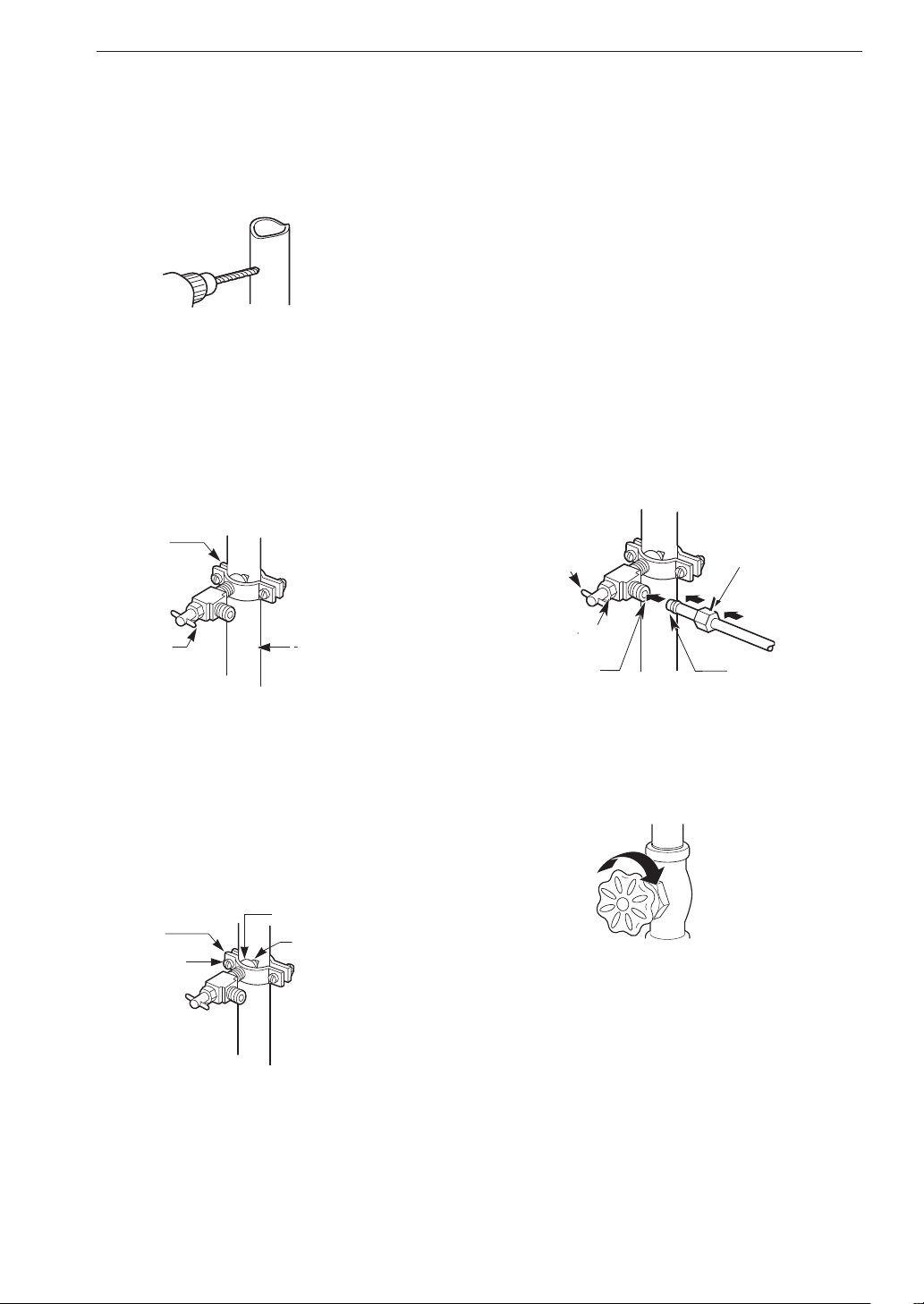
Install the shutoff valve on the nearest frequently
used drinking water line.
1
Shut off the main water supply.
Turn on the nearest faucet to relieve the pressure
on the line.
2
Choose the valve location.
Choose a location for the valve that is easily
accessible. It is best to connect into the side of
a vertical water pipe. When it is necessary to
connect into a horizontal water pipe, make the
connection to the top or side, rather than at the
bottom, to avoid drawing off any sediment from
the water pipe.
24 INSTALLATION
3
Drill the hole for the valve.
Drill a ¼ in. hole in the water pipe using a sharp
bit. Remove any burrs resulting from drilling the
hole in the pipe. Be careful not to allow water to
drain into the drill. Failure to drill a ¼ in. hole may
result in reduced ice production or smaller cubes.
NOTE
• The hookup line cannot be white, plastic tubing.
Licensed plumbers must use only copper tubing
(NDA tubing #49595 or #49599) or Cross Link
Polyethylene (PEX) tubing.
4
Fasten the shutoff valve.
Fasten the shutoff valve to the cold water pipe
with the pipe clamp.
Pipe Clamp
Saddle-Type
Shutoff Valve
Vertical Cold
Water Pipe
NOTE
• Commonwealth of Massachusetts Plumbing
Codes 248CMR shall be adhered to. Saddle
valves are illegal and their use is not permitted in
Massachusetts. Consult with your licensed plumber.
5
Tighten the pipe clamp.
Tighten the clamp screws until the sealing washer
begins to swell.
Pipe Clamp
Clamp Screw
Washer
Inlet End
NOTE
• Do not over tighten clamp or you may crush the
tubing.
6
Route the tubing.
Route the tubing between the cold water line and
the refrigerator.
Route the tubing through a hole drilled in the wall
or floor (behind the refrigerator or adjacent base
cabinet) as close to the wall as possible.
NOTE
• Be sure there is sufficient extra tubing (about 8 ft.
coiled into three turns of about 10 in. diameter) to
allow the refrigerator to move out from the wall after
installation.
7
Connect the tubing to the valve.
Place the compression nut and ferrule (sleeve)
for copper tubing onto the end of the tubing and
connect it to the shutoff valve.
Make sure the tubing is fully inserted into the
valve. Tighten the compression nut securely.
Saddle-Type
Shutoff Valve
Packing Nut
Outlet Valve
Compression Nut
Ferrule (sleeve)
8
Flush out the tubing.
Turn the main water supply on and flush out the
tubing until the water is clear. Shut the water off at
the water valve after about one quart of water has
been flushed through the tubing.
9
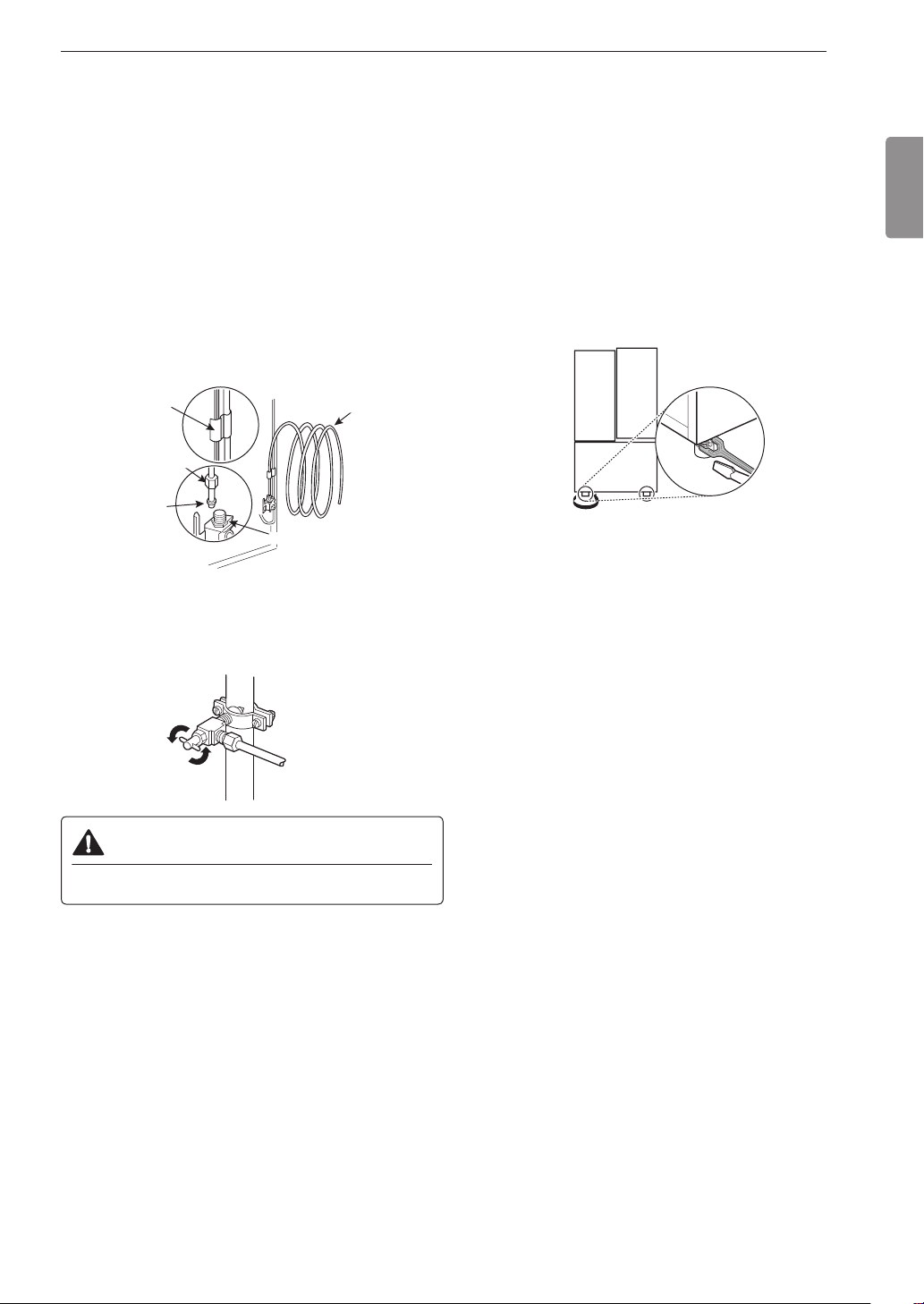
Connect the tubing to the refrigerator.
NOTE
• Before making the connection to the refrigerator, be
sure that the refrigerator power cord is not plugged
into the wall outlet.
• Remove the plastic flexible cap from the water
valve.
• Place the compression nut and ferrule (sleeve) onto
the end of the tubing as shown.
• Insert the end of the copper tubing into the
connection as far as possible. While holding the
tubing, tighten the fitting.
Tubing Clamp
¼ in. Compression Nut
Ferrule (sleeve)
¼ in. Tubing
Refrigerator Connection
10
Turn the water on at the shutoff valve.
Tighten any connections that leak.
CAUTION
• Check for leaks at all water line connections.
Leveling and Door Alignment
Leveling
The refrigerator has two front leveling legs. Adjust the
legs to alter the tilt from front-to-back or side-to side.
If the refrigerator seems unsteady, or the doors do
not close easily, adjust the refrigerator’s tilt using the
instructions below:
1
Turn the leveling leg to the left to raise that side
of the refrigerator or to the right to lower it. It may
take several turns of the leveling leg to adjust the
tilt of the refrigerator.
NOTE
• A flare nut wrench works best, but an open-end
wrench will suffice. Do not over-tighten.
2
Open both doors and check to make sure that
they close easily. If the doors do not close easily,
tilt the refrigerator slightly more to the rear by
turning both leveling legs to the left. It may take
several more turns, and be sure to turn both
leveling legs the same amount.
25INSTALLATION
ENGLISH
9
Connect the tubing to the refrigerator.
NOTE
• Before making the connection to the refrigerator, be
sure that the refrigerator power cord is not plugged
into the wall outlet.
• Remove the plastic flexible cap from the water
valve.
• Place the compression nut and ferrule (sleeve) onto
the end of the tubing as shown.
• Insert the end of the copper tubing into the
connection as far as possible. While holding the
tubing, tighten the fitting.
Tubing Clamp
¼ in. Compression Nut
Ferrule (sleeve)
¼ in. Tubing
Refrigerator Connection
10
Turn the water on at the shutoff valve.
Tighten any connections that leak.
CAUTION
• Check for leaks at all water line connections.
Leveling and Door Alignment
Leveling
The refrigerator has two front leveling legs. Adjust the
legs to alter the tilt from front-to-back or side-to side.
If the refrigerator seems unsteady, or the doors do
not close easily, adjust the refrigerator’s tilt using the
instructions below:
1
Turn the leveling leg to the left to raise that side
of the refrigerator or to the right to lower it. It may
take several turns of the leveling leg to adjust the
tilt of the refrigerator.
NOTE
• A flare nut wrench works best, but an open-end
wrench will suffice. Do not over-tighten.
2
Open both doors and check to make sure that
they close easily. If the doors do not close easily,
tilt the refrigerator slightly more to the rear by
turning both leveling legs to the left. It may take
several more turns, and be sure to turn both
leveling legs the same amount.
26 INSTALLATION
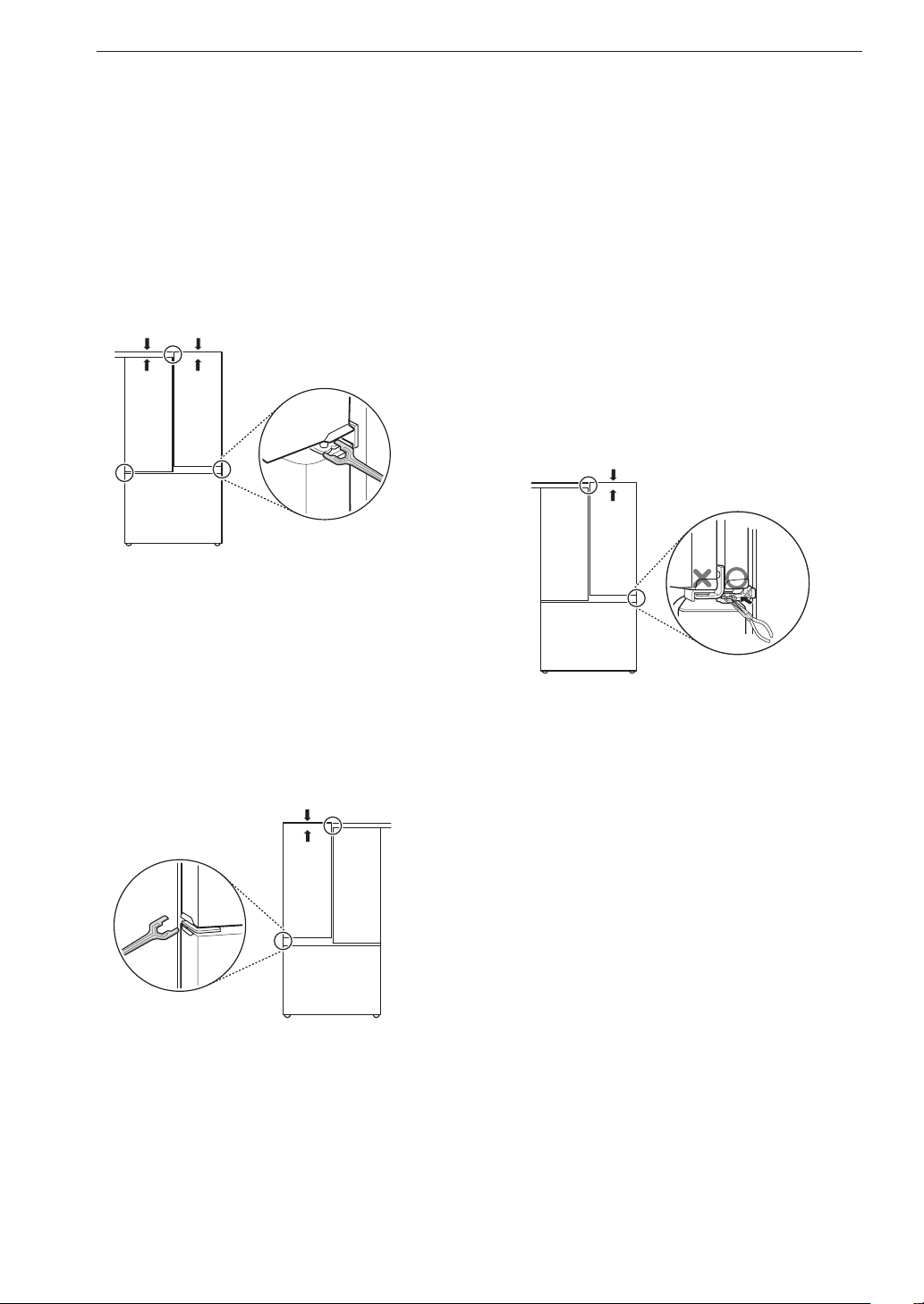
Door Alignment
Standard Door
Both the left and right refrigerator doors have an
adjustable nut, located on the bottom hinge, to raise
and lower them to align properly.
If the space between the doors is uneven, follow the
instructions below to align the doors evenly:
Use the wrench (included with the owner's manual)
to turn the nut in the door hinge to adjust the height.
Turn the nut to the right to raise the door or to the left
to lower it.
Door-in-Door
The left refrigerator door has an adjustable nut,
located on the bottom hinge, to raise and lower the
door for proper alignment.
If the space between the doors is uneven, follow the
instructions below to align the left door:
Use the wrench (included with the owner's manual)
to turn the nut in the door hinge to adjust the height.
Turn the nut to the right to raise the door or to the left
to lower it.
The right refrigerator door does not have an
adjustable nut.
If the space between the doors is uneven, follow the
instructions below to align the right door:
1
With one hand, lift up both the inner and outer
door sections of the right door to raise them at the
middle hinge. (It may be easier to lift it with the
doors open.)
2
With the other hand, use pliers to insert a snap
ring on the middle hinge of the inner door section
as shown. Do not insert the ring on the hinge of
the outer door section.
3
Insert additional snap rings until the right door is
aligned. (Two snap rings are provided with the
unit.)

27INSTALLATION
ENGLISH
Turning on the Power
• After installing, plug the refrigerator’s power cord
into a 3-prong grounded outlet and push the
refrigerator into the final position.
CAUTION
• Connect to a rated power outlet.
• If necessary, have a qualified electrician check
the wall outlet and wiring for proper grounding.
• Do not damage or cut off the ground terminal of
the power plug.
Position the Refrigerator
• Arrange the coil of tubing so that it does not vibrate
against the back of the refrigerator or against the
wall. Push the refrigerator back toward the wall.
Start the Icemaker
• If the water line is connected, set the icemaker
power switch to the ON position.
• The icemaker will not begin to operate until it
reaches its operating temperature of 15 °F (–9 °C)
or below. It will then begin operation automatically if
the icemaker power switch is in the ON (I) position.
28 OPERATION
OPERATION
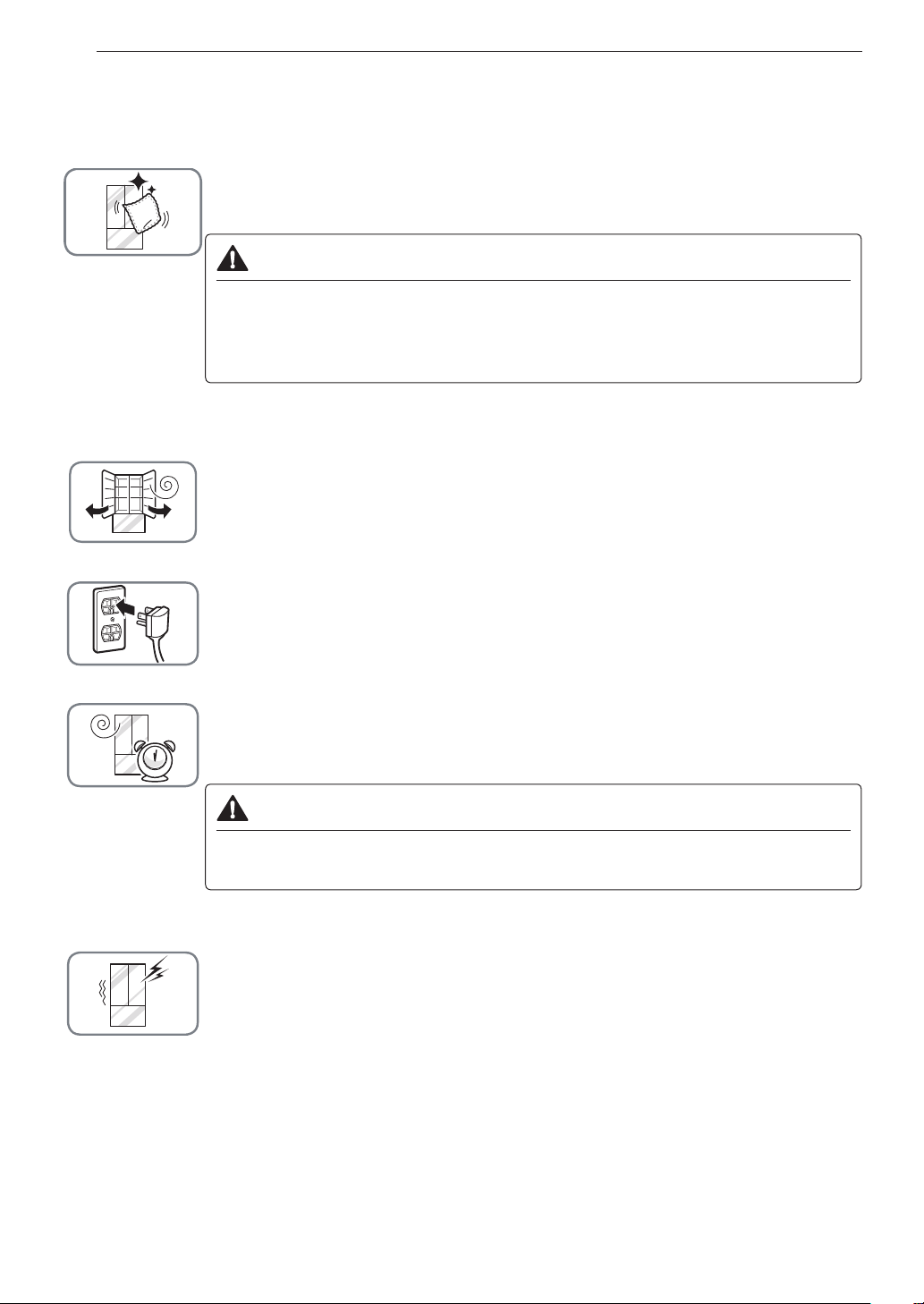
Before Use
Clean the refrigerator.
Clean the refrigerator thoroughly and wipe off all dust that accumulated during shipping.
CAUTION
• Wipe adhesive residue off with your thumb or dish detergent. Do not use sharp objects
or abrasive, flammable, or alcohol-based cleaners.
• Do not peel off the model or serial number label or the technical information on the rear
surface of the refrigerator.
Open refrigerator and freezer doors to ventilate the interior.
The inside of the refrigerator may smell like plastic at first. Remove any adhesive tape
from inside the refrigerator and open the refrigerator doors and the freezer drawers for
ventilation.
Connect the power supply.
Check if the power supply is connected before use.
Read the “Turning On The Power” section.
Wait for the refrigerator to cool.
Allow the refrigerator to run for at least two to three hours before putting food in it. Check the
flow of cold air in the freezer compartment to ensure proper cooling.
CAUTION
• Putting food in the refrigerator before it has cooled could cause the food to spoil, or a
bad odor to remain inside the refrigerator.
The refrigerator makes a loud noise after initial operation.
This is normal. The volume will decrease as the temperature decreases.
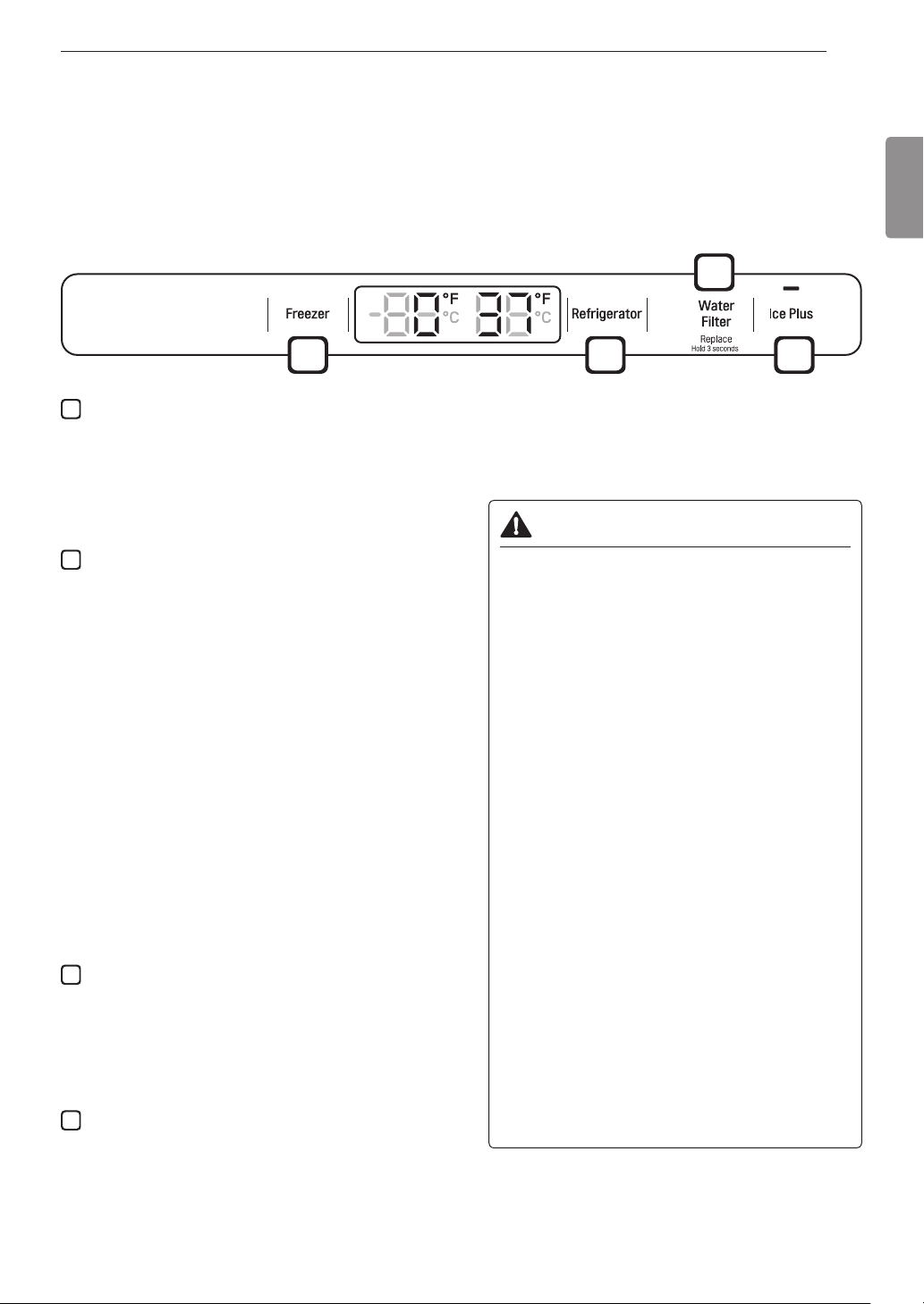
29OPERATION
ENGLISH
Control Panel
Depending on the model, some of the following functions may not be available.
• When the refrigerator is in the Power Saving Mode, the display remains off until a door is opened or a button is
pressed. Once on, the display remains on for 20 seconds.
Control Panel Features
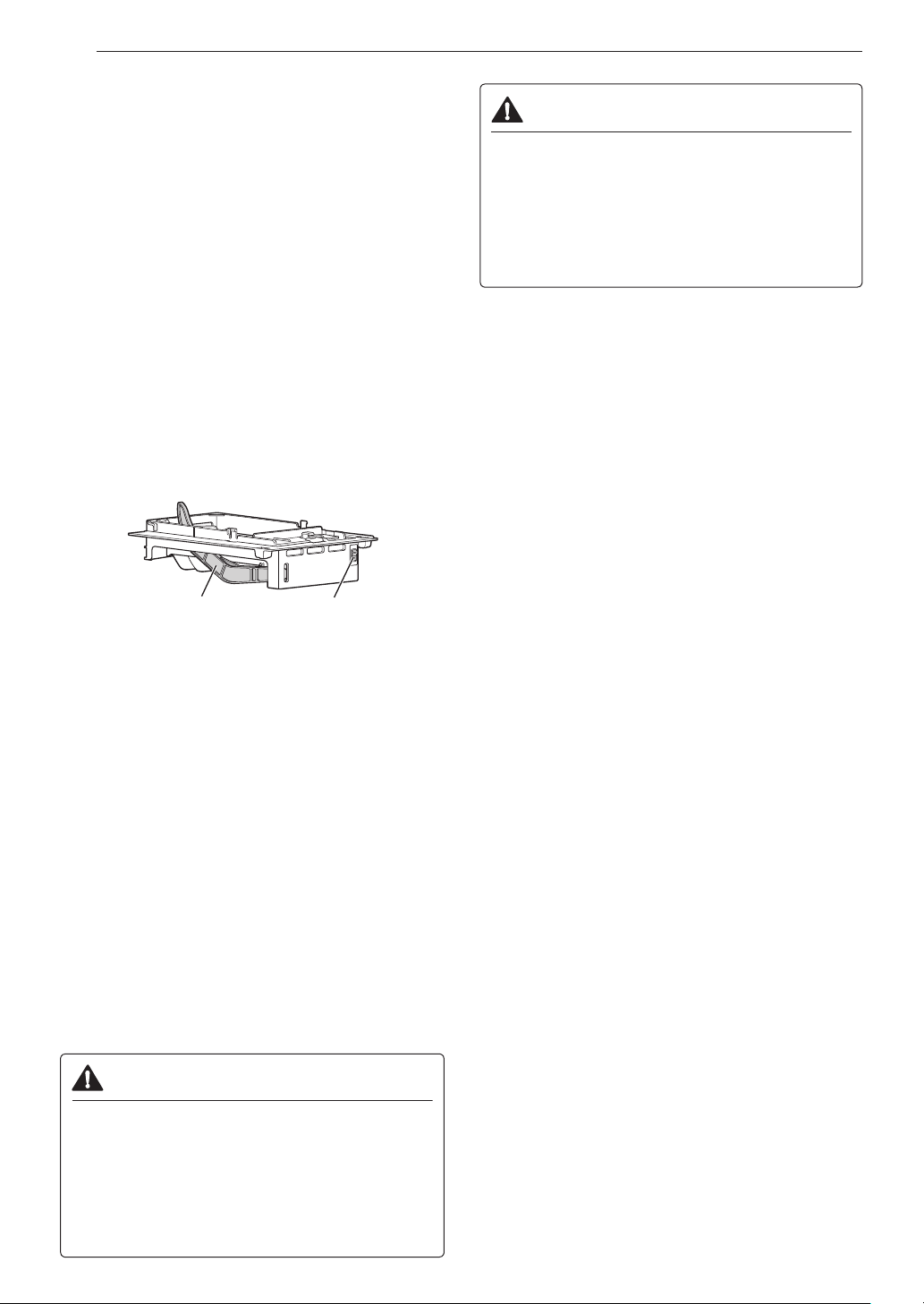
1
2
3
4
Freezer Temperature
Indicates the set temperature of the freezer
compartment in Celsius (°C) or Fahrenheit (°F).
The default freezer temperature is 0°F (-18 °C).
Press the Freezer button repeatedly to select a
new set temperature from -7 °F to 5 °F (-23 °C
to -15 °C).
Refrigerator Temperature
Indicates the set temperature of the refrigerator
compartment in Celsius (°C) or Fahrenheit (°F).
The default refrigerator temperature is 37 °F (3
°C). Press the Refrigerator button repeatedly
to select a new set temperature from 33 °F to
43 °F (1 °C to 7 °C).
NOTE
• To change the temperature mode from °F
to °C (or vice versa) press and hold the
Refrigerator and Freezer Temperature
buttons simultaneously for approximately five
seconds. The temperature indicator on the
display window switches between Celsius
and Fahrenheit.
• The displayed temperature is the target
temperature, and not the actual temperature
of the refrigerator. The actual refrigerator
temperature depends on the food inside the
refrigerator.
Water Filter
Replace the water filter when the Replace
Filter indicator turns on. After replacing the
water filter, press and hold the Water Filter
button for three seconds to turn the LED off.
Replace the water filter approximately every six
months.
Ice Plus
This function increases both ice making and
freezing capabilities.
1
2
3
4
• Press the Ice Plus button to illuminate the LED
and activate the function for 24 hours. The
function automatically shuts off after 24 hours.
• Stop the function manually by pressing the
button once more.
CAUTION
Display Mode and InstaView Display Mode
(For Store Use Only)
• The Display Mode disables all cooling in the
refrigerator and freezer sections to conserve
energy while on display in a retail store. When
activated, OFF is displayed on the control panel
and the display remains on for 20 seconds.
- To deactivate/activate the Display Mode: Open
either refrigerator door. Press the Ice Plus
button 3 times while pressing and holding
the Refrigerator button. The control panel
beeps and the temperature settings display to
confirm that Display Mode is deactivated. Use
the same procedure to activate Display Mode.
• The InstaView Display Mode automatically
turns the LED light inside the InstaView Door-
in-Door on and off in cycles of 10 seconds ON
and 2 minutes 50 seconds OFF.
- To activate the InstaView Display Mode:
Activate the Display Mode first. Then open
all refrigerator and freezer doors and within 5
seconds knock 3 times on the door glass.
- To deactivate the InstaView Display Mode:
Open all refrigerator and freezer doors and
within 5 seconds knock 3 times on the door
glass. The refrigerator is now in Display Mode.
• To deactivate the Display Mode and InstaView
Display Mode at once: Open either refrigerator
door. Press the Ice Plus button 3 times while
pressing and holding the Refrigerator button.
30 OPERATION
Sabbath Mode
Sabbath mode is used on the Jewish Sabbath and
holidays.
• To turn Sabbath mode on, touch the display
to activate it, then press and hold the Freezer
and Water Filter buttons for 3 seconds until Sb
appears in the display.
• Sabbath mode automatically turns off after 96
hours.
• To turn Sabbath mode off manually, press and
hold the Freezer and Water Filter buttons for 3
seconds.
• Once turned on, Sabbath mode is maintained
even after a power outage.
• Selecting Sabbath mode automatically turns off
the Alarm functions.
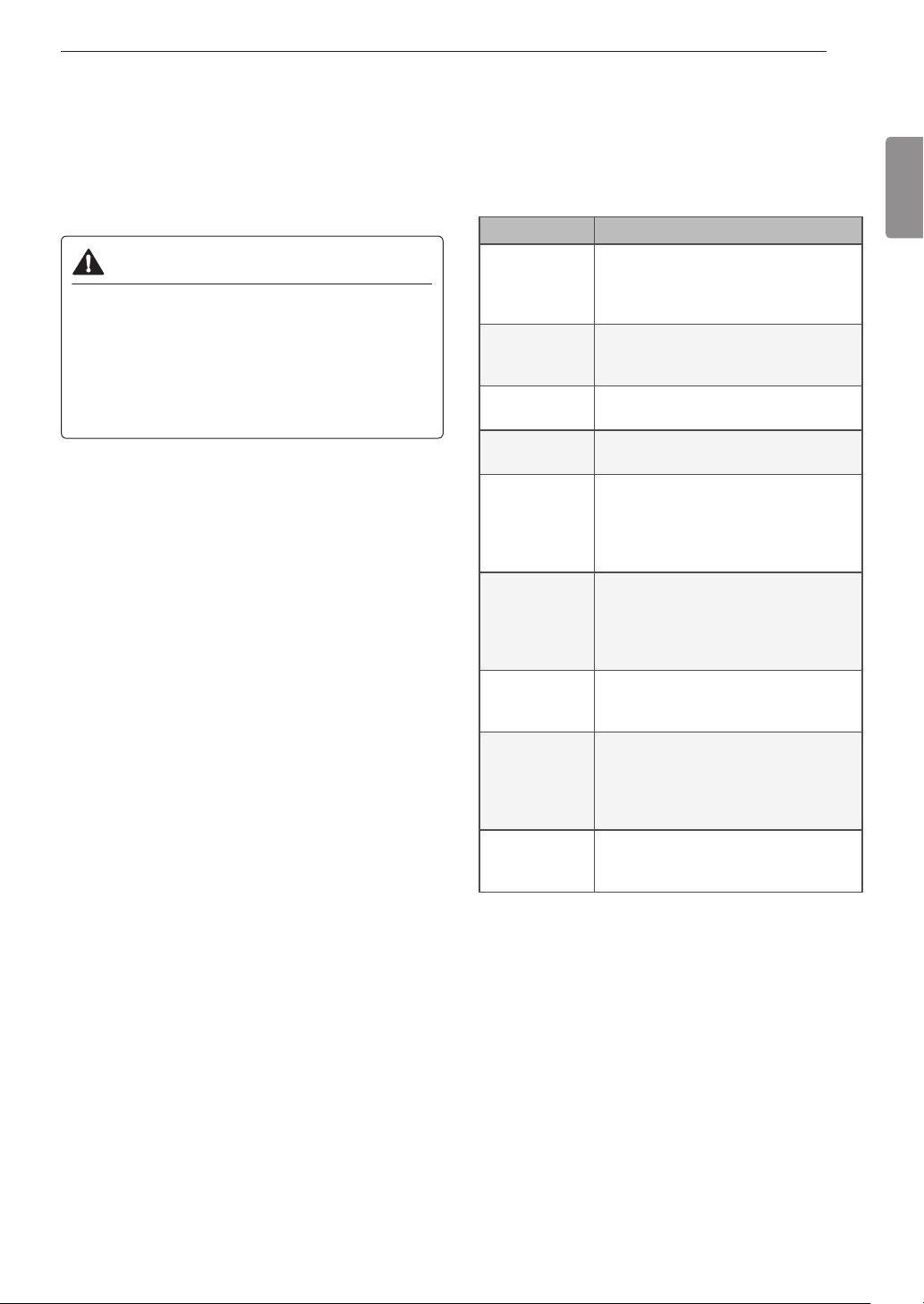
Automatic Icemaker
Power SwitchAuto shutoff (feeler arm)
NOTE
• The automatic freezer icemaker produces 12 cubes
at a time, 50-110 pieces within a 24 hour period
if conditions are favorable. This amount may vary
according to the environment (ambient temperature
around the appliance, frequency of the door being
opened, amount of food stored in the appliance,
etc.).
• If the ice bin is completely filled with ice, ice
production will stop.
• Sound of ice dropping into the ice bin is normal.
• The icemaker produces ice once approximately 48
hours have passed after the appliance is initially
installed.
• Discard the first ice cubes produced after initial
install.
• Ice cubes which are stored in the ice bin for a
long time may clump together and be difficult
to separate. If this happens, empty the ice bin
completely and clean it before reinstalling it.
CAUTION
the icemaker or the containers may burst
Never store beverage cans or other items in
the ice bin for the purpose of rapid cooling.
Doing so may damage the icemaker or the
containers may burst.
• To avoid personal injury, keep hands out of the
ice door and passage.
Turning the Automatic Icemaker On
or Off
To turn off the automatic icemaker, set the icemaker
switch to OFF (O). To turn on the automatic icemaker,
set the switch to ON (I).
NOTE
• Do not keep the power turned on to the icemaker
if the water line is not connected. Doing so can
damage the icemaker.
Normal Sounds You May Hear
• Keeping the power turned on to the icemaker
before the water line is connected can damage the
icemaker.
• The icemaker water valve buzzes as the icemaker
fills with water. If the icemaker On/Off switch is in
the On position, the icemaker will buzz even if it
has not yet been hooked up to water. To stop the
buzzing, set the icemaker On/Off switch to the Off
position to turn it off.
• You will hear the sound of cubes dropping into the
bin and water running in the pipes as the icemaker
refills.
Preparing for Vacation
Set the icemaker power switch to OFF (O) and shut
off the water supply to the appliance.
NOTENOTE
• The ice bin should be emptied any time the
icemaker on/off switch is turned to the OFF (O)
position.
If the ambient temperature will drop below freezing,
have a qualified technician drain the water supply
system to prevent serious property damage due
to flooding caused by ruptured water lines or
connections.
WARNING
Personal Injury Hazard
• DO NOT place fingers or hands on the automatic
ice making mechanism while the refrigerator is
plugged in.
• Do not keep the power turned on to the icemaker
if the water line is not connected. Doing so can
damage the icemaker.
31OPERATION
ENGLISH
Storing Food
Depending on the model, some of the following
functions may not be available.
Each compartment inside the refrigerator is designed
to store different types of food. Store food in the
optimal space to enjoy the freshest taste.
CAUTION
• Do not overfill or pack items too tightly into door
bins. Doing so may cause damage to the bin
or personal injury if items are removed with
excessive force.
• Do not store glass containers in the freezer.
Contents may expand when frozen, break the
container and cause injury.
NOTE
• If you are leaving home for a short period, like a
short vacation, the refrigerator should be left on.
Refrigerated foods that are able to be frozen will
stay preserved longer if stored in the freezer.
• If you are leaving the refrigerator turned off for
an extended period, remove all food and unplug
the power cord. Clean the interior, and leave the
doors open to prevent fungi from growing in the
refrigerator.
• Do not store food with high moisture content
towards the top of the refrigerator. The moisture
could come into direct contact with the cold air and
freeze.
• Wash food before storing it in the refrigerator.
Vegetables should be washed, and food packaging
should be wiped down to prevent adjacent foods
from being contaminated.
• If the refrigerator is kept in a hot and humid
place, frequent opening of the door or storing a
lot of vegetables in the refrigerator may cause
condensation to form. Wipe off the condensation
with a clean cloth or a paper towel.
• If the refrigerator door or freezer drawer is opened
or closed too often, warm air may penetrate the
refrigerator and raise its temperature. This can
increase the running costs of the unit.
Food Storage Tips
Wrap or store food in the refrigerator in airtight and
moisture-proof material unless otherwise noted. This
prevents food odor and taste transfer throughout the
refrigerator. For dated products, check date code to
ensure freshness.
Food How to
Butter or
Margarine
Keep opened butter in covered dish
or closed compartment. When storing
an extra supply, wrap in freezer
packaging and freeze.
Cheese
Store in original wrapping until used.
Once opened, rewrap tightly in
plastic wrap or aluminum foil.
Milk
Wipe milk cartons. For coldest milk,
place containers on an interior shelf.
Eggs
Store in original carton on interior
shelf, not on door shelf.
Fruit
Do not wash or hull fruit until it is
ready to be used. Sort and keep fruit
in original container in a crisper, or
store in completely closed paper bag
on refrigerator shelf.
Leafy
Vegetables
Remove store wrapping, trim or tear
off bruised and discolored areas,
wash in cold water, and drain. Place
in plastic bag or plastic container and
store in crisper.
Vegetables with
skins
(carrots,peppers)
Place in plastic bags or plastic
container and store in crisper.
Fish
Freeze fresh fish and shellfish if they
are not being eaten the same day
purchased. Eating fresh fish and
shellfish the same day purchased is
recommended.
Leftovers
Cover leftovers with plastic wrap
or aluminum foil, or store in plastic
containers with tight lids.
32 OPERATION
Storing Frozen Food
Check a freezer guide or a reliable cookbook for
further information about preparing food for freezing
or food storage times.
Freezing
Your freezer will not quick-freeze a large quantity of
food. Do not put more unfrozen food into the freezer
than will freeze within 24 hours (no more than 2 to
3 pounds of food per cubic foot of freezer space).
Leave enough space in the freezer for air to circulate
around packages. Be careful to leave enough room
at the front so the door can close tightly.
Storage times will vary according to the quality and
type of food, the type of packaging or wrap used
(how airtight and moisture-proof) and the storage
temperature. Ice crystals inside a sealed package are
normal. This simply means that moisture in the food
and air inside the package have condensed, creating
ice crystals.
NOTE
• Allow hot foods to cool at room temperature for 30
minutes, and then package and freeze. Cooling hot
foods before freezing saves energy.
Packaging
Successful freezing depends on correct packaging.
When you close and seal the package, it must not
allow air or moisture in or out. If it does, you could
have food odor and taste transfer throughout the
refrigerator and could also dry out frozen food.
Packaging recommendations
• Rigid plastic containers with tight-fitting lids
• Straight-sided canning/freezing jars
• Heavy-duty aluminum foil
• Plastic-coated paper
• Non-permeable plastic wraps
• Specified freezer-grade self-sealing plastic bags
Follow package or container instructions for proper
freezing methods.
Do not use
• Bread wrappers
• Non-polyethylene plastic containers
• Containers without tight lids
• Wax paper or wax-coated freezer wrap
• Thin, semi-permeable wrap
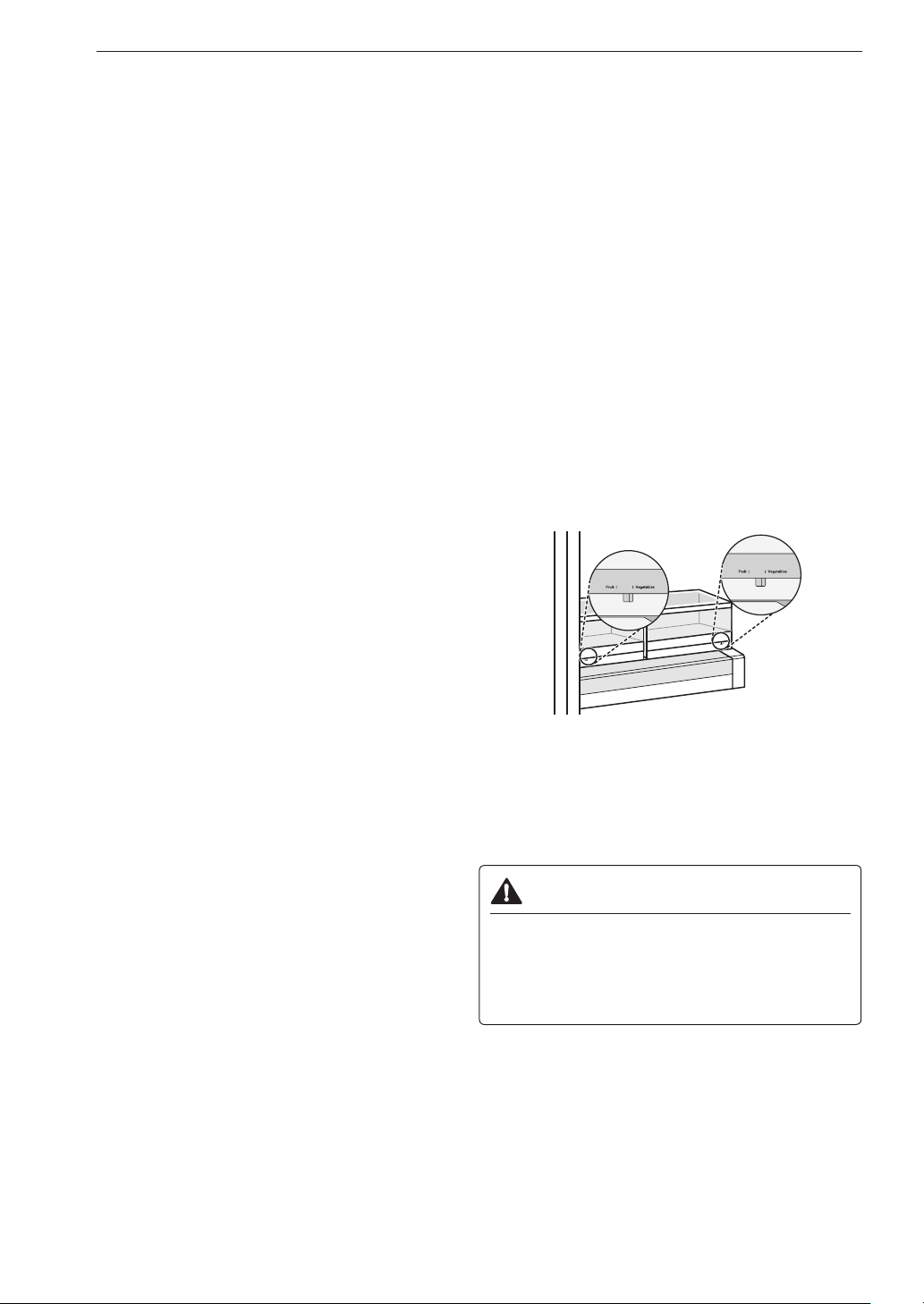
Humidity Controlled Crispers
The crispers provide fresher tasting fruit and
vegetables by letting you easily control humidity
inside the drawer.
You can control the amount of humidity in the
moisture-sealed crispers by adjusting the control to
any setting between Vegetables and Fruit.
• Vegetables keeps moist air in the crisper for best
storage of fresh, leafy vegetables.
• Fruit lets moist air out of the crisper for best storage
of fruit.
Durabase
®
The Durabase
®
divider allows you to organize the
Durabase
®
area into sections. It can be adjusted from
side to side to accommodate items of different sizes.
WARNING
• If the Durabase
®
divider is removed, there is
enough open space for children or pets to crawl
inside. To prevent accidental child and pet
entrapment or suffocation risk, DO NOT allow
children or pets to touch or go near the drawer.
33OPERATION
ENGLISH
Glide‘N’Serve
The Glide’N’Serve provides storage space with
a variable temperature control that can keep the
compartment at a slightly different temperature than
the refrigerator section. This drawer can be used for
large party trays, deli items and beverages. (This
drawer should not be used to store vegetables that
require high humidity.)
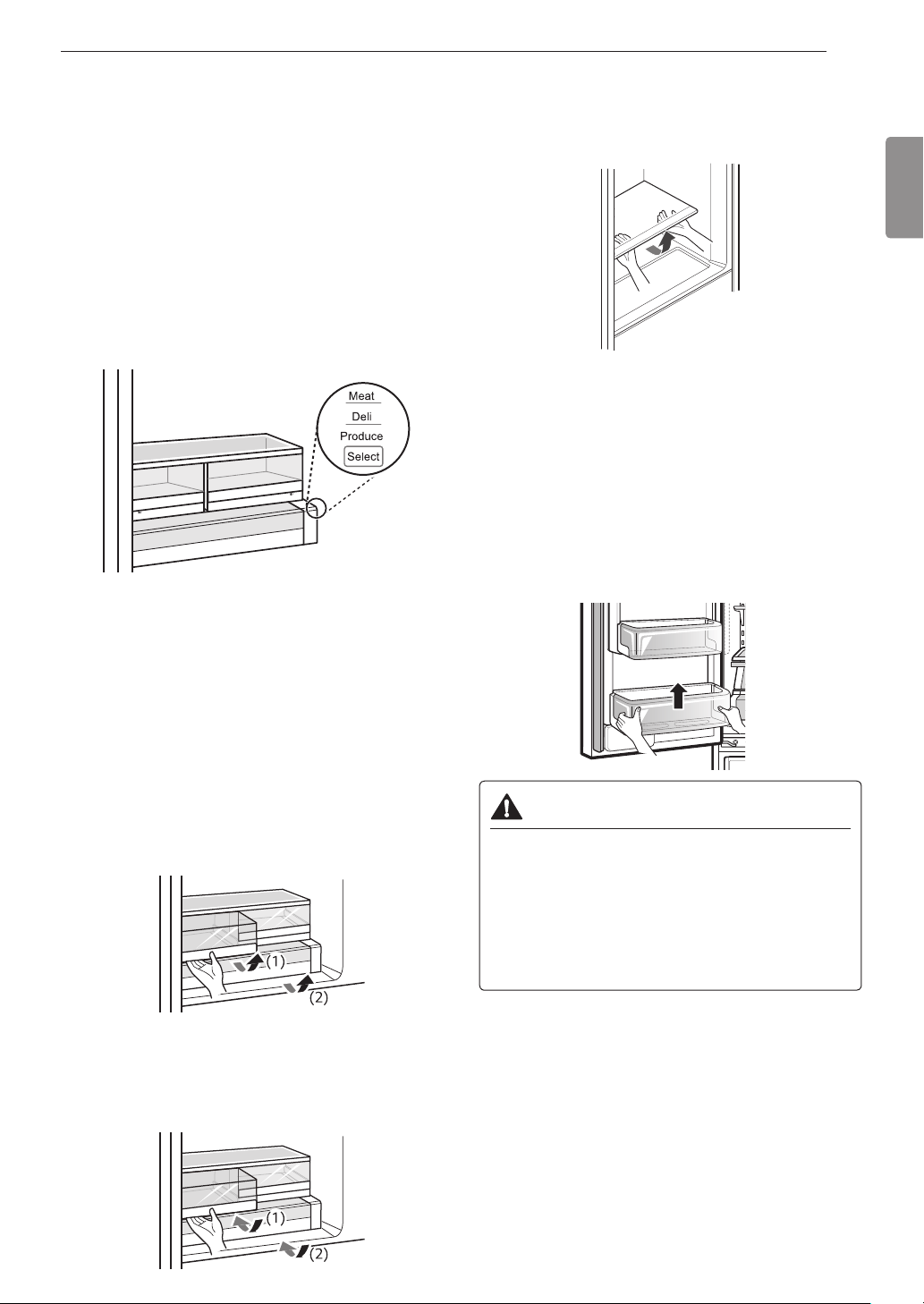
Press the Select button to choose between Produce
(Cold), Deli (Colder) and Meat (Coldest).
NOTE
• This feature is only available on some models.
Detaching/Assembling the
Storage Bins
Some bins may vary in appearance and will only fit in
one location.
Glide'N'Serve and Crispers
1
To remove the humidity controlled crispers and
the Glide'N'Serve, pull out the crisper (1) or
Glide'N'Serve (2) to full extension, lift the front up,
and pull straight out.
2
To install, slightly tilt up the front, insert the crisper
or drawer into the frame and push it back into
place.
Crisper Cover
To remove, lift the front of the cover up until it
detaches from the back wall of the cabinet, then pull
it out.
Door Bins
The door bins are removable for easy cleaning and
adjustment.
1
To remove the bin, simply lift the bin up and pull
straight out.
2
To replace the bin, slide it in above the desired
support and push down until it snaps into place.
CAUTION
• Regularly detach and wash the storage bins and
shelves; they can become easily contaminated
by food.
• Do not apply excessive force while detaching or
assembling the storage bins.
• Do not use the dishwasher to clean the storage
bins and shelves.
34 OPERATION
Adjusting the Refrigerator
Shelves
The shelves in the refrigerator are adjustable to meet
individual storage needs. Your model may have full or
split shelves.
Adjusting the shelves to fit items of different heights
will make finding the exact item you want easier.
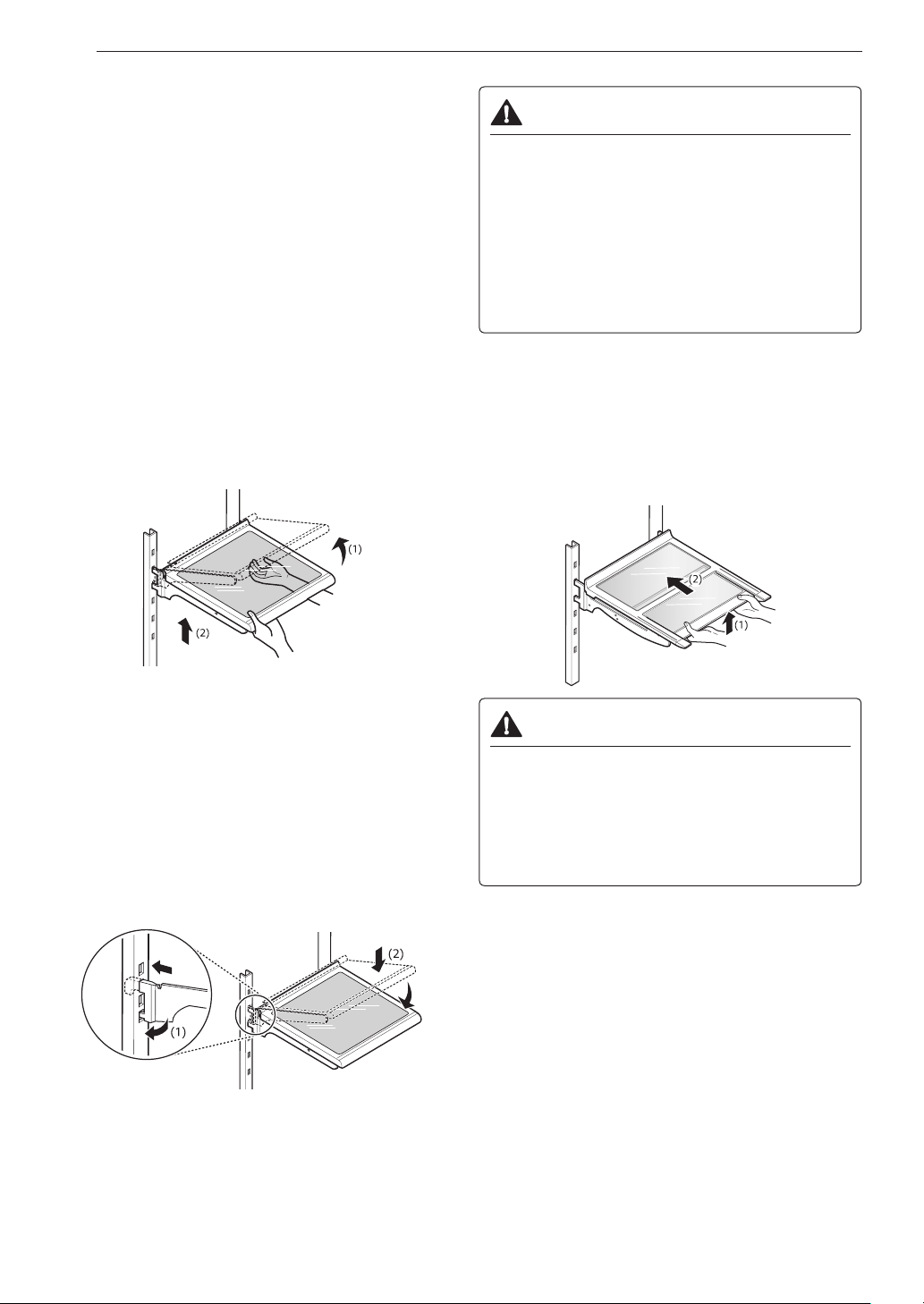
Detaching the Shelf
(Half Shelf Type)
1
Tilt up the front of the shelf and then lift the shelf
straight up.
2
Pull the shelf out.
Assembling the Shelf
(Half Shelf Type)
1
Tilt the front of the shelf up and guide the shelf
hooks into the slots at a desired height.
2
Lower the front of the shelf so that the hooks drop
into the slots.
CAUTION
• Make sure that shelves are level from one side
to the other. Failure to do so may result in the
shelf falling or spilled food.
• Do not clean glass shelves with warm water
while they are cold. Shelves may break if
exposed to sudden temperature changes or
impact.
• Glass shelves are heavy. Use special care when
removing them.
Using the Folding Shelf (On Some
Models)
Store taller items, such as gallon containers or
bottles, by pushing the front half of the shelf
underneath the back half of the shelf. Pull the front of
the shelf forward to return to a full shelf.
CAUTION
• Glass shelves are heavy. Use special care when
removing them.
• Do not clean glass shelves with warm water
while they are cold. Shelves may break if
exposed to sudden temperature changes or
impact.
35OPERATION
ENGLISH
InstaView Door-in-Door (On
Some Models)
The InstaView function on the Door-in-Door lets you
see if you’re running low on frequently used items
like beverages and snacks, without opening the
refrigerator door.
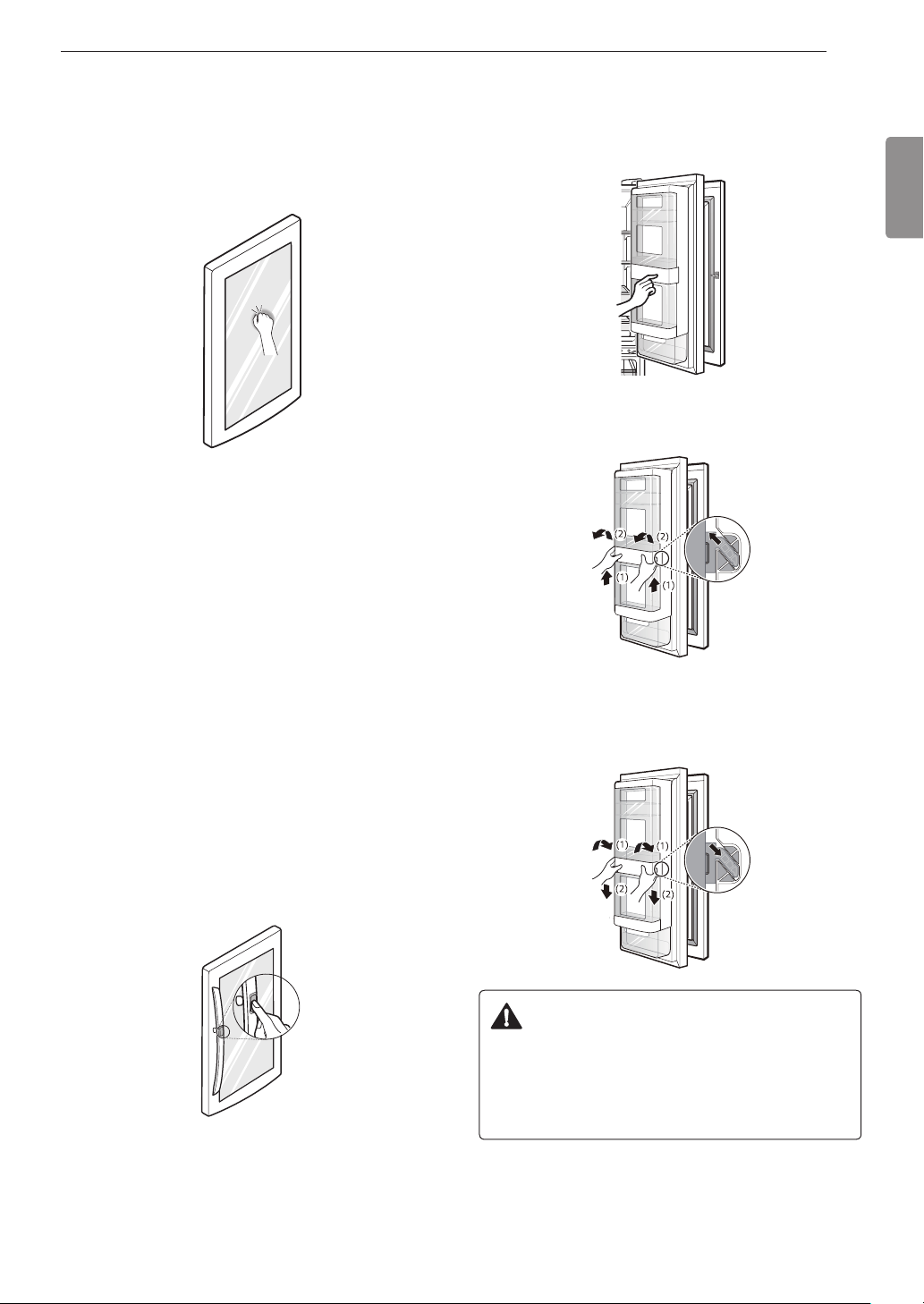
1
Knock twice on the glass to turn the LED light
inside the Door-in-Door on or off.
2
The LED light turns off automatically after 10
seconds.
• The InstaView Door-in-Door function is disabled
when the right refrigerator door is open and for two
seconds after closing the door.
• Knock near the center of the glass. Knocking
near the edges of the glass may not activate the
InstaView Door-in-Door function properly.
• Knock hard enough that the knocking sound is
audible.
• The InstaView Door-in-Door function may activate if
a loud noise occurs near the refrigerator.
Door-in-Door Compartment
To access the Door-in-Door compartment, lightly
press the button on the right refrigerator door handle.
Door-in-Door Case
To open the Door-in-Door case, pull evenly on the
marked area. The Door-in-Door case is removable for
easy cleaning and adjustment.
1
To remove the Door-In-Door case, lift up and pull
out.
2
To replace the Door-in-Door case, line up the tabs
on the Door-In-Door case with the slots on the
door and push down until it snaps into place.
CAUTION
• Do not overcrowd door bins or close doors with
excessive force. The inner Door-in-Door may not
close properly or may be pushed open by falling
items, resulting in product or property damage or
personal injury.
36 SMART FUNCTIONS
SMART FUNCTIONS
LG ThinQ Application
This feature is only available on models with the
or logo.
The LG ThinQ application allows you to
communicate with the appliance using a smartphone.
LG ThinQ Application Features
• Smart Diagnosis™
- This function provides useful information for
diagnosing and solving issues with the appliance
based on the pattern of use.
NOTE
• This information is current at the time of publication.
The application is subject to change for product
improvement purposes without notice to users.
Installing the LG ThinQ Application
Search for the LG ThinQ application from the Google
Play Store or Apple App Store on a smartphone.
Follow instructions to download and install the
application.
Smart Diagnosis™ Feature
This feature is only available on models with the
or logo.
Use this feature to help you diagnose and solve
problems with your appliance.
NOTE
• For reasons not attributable to LGE’s negligence,
the service may not operate due to external factors
such as, but not limited to, Wi-Fi unavailability,
Wi-Fi disconnection, local app store policy, or app
unavailability.
• The feature may be subject to change without prior
notice and may have a different form depending on
where you are located.
Using Audible Diagnosis to Diagnose
Issues
Follow the instructions below to use the audible
diagnosis method.
• Launch the LG ThinQ application and select the
Smart Diagnosis feature in the menu. Follow the
instructions for audible diagnosis provided in the LG
ThinQ application.
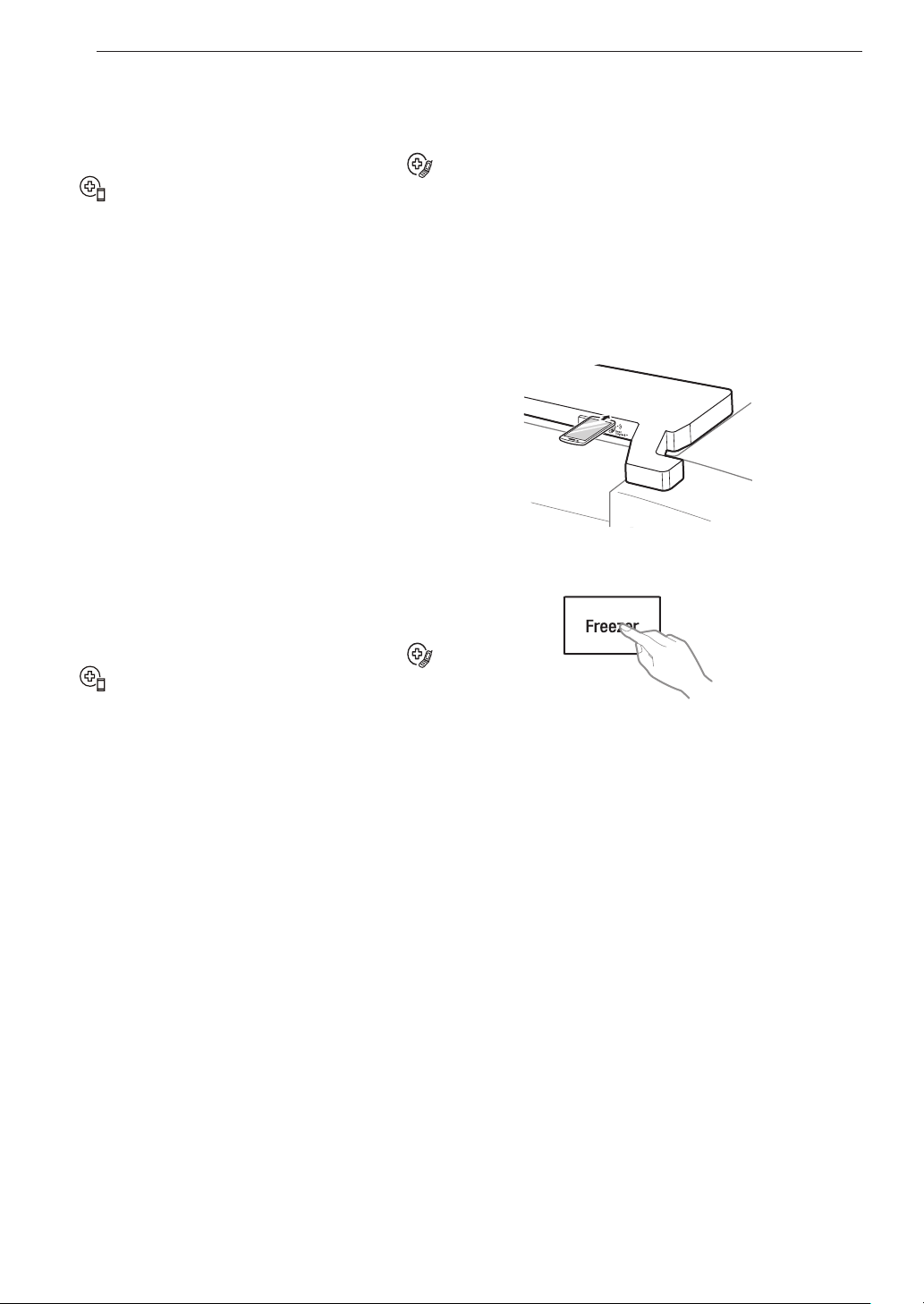
1
Open the right refrigerator door.
2
Hold the mouthpiece on your phone in front of the
speaker that is located on the rear of the appliance.
3
Press and hold the Freezer button for three seconds
while continuing to hold your phone to the speaker.
4
After you hear three beeps, release the Freezer
button.
5
Keep the phone in place until the tone transmission
has finished. The display will count down the time.
Once the countdown is over and the tones have
stopped, the diagnosis will be displayed in the
application.
NOTE
• For best results, do not move the phone while the
tones are being transmitted.
37MAINTENANCE
ENGLISH
MAINTENANCE
Cleaning
WARNING
• Use non-flammable cleaner. Failure to do so can
result in fire, explosion, or death.
CAUTION
• Do not use an abrasive cloth or sponge
when cleaning the interior and exterior of the
refrigerator.
• Do not place your hand on the bottom surface
of the refrigerator when opening and closing the
doors.
• When lifting the hinge free of the latch, be careful
that the door does not fall forward.
General Cleaning Tips
• Both the refrigerator and freezer sections defrost
automatically; however, clean both sections once a
month to prevent odors.
• Wipe up spills immediately.
• Unplug the refrigerator or disconnect power before
cleaning.
• Remove all removable parts, such as shelves.
• Use a clean sponge or soft cloth and a mild
detergent in warm water. Do not use abrasive or
harsh cleaners.
• Hand wash, rinse and dry all surfaces thoroughly.
• When cleaning the inside or outside of the
appliance, do not wipe it with a rough brush,
toothpaste, or flammable materials. Do not use
cleaning agents containing flammable substances.
- This may cause discoloration or damage to the
appliance.
- Flammable substances: alcohol (ethanol,
methanol, isopropyl alcohol, isobutyl alcohol,
etc.), thinner, bleach, benzene, flammable liquid,
abrasive, etc.
Exterior
For products with black stainless steel exterior, spray
glass cleaner on a clean, microfiber cloth and rub in
direction of grain. Do not spray glass cleaner directly
at the display panel. Do not use harsh or abrasive
cleaners.
For products with a standard stainless steel exterior,
use a damp microfiber cloth and rub in the direction
of the grain. Dry with a paper towel to avoid streaks.
For stubborn stains and fingerprints, use a few drops
of liquid dish soap in water, and rinse with hot water
before drying. Do not use abrasive or harsh cleaners.
Inside Walls
• Allow freezer to warm up so the cloth will not stick.
To help remove odors, wash the inside of the
refrigerator with a mixture of baking soda and warm
water. Mix 2 tablespoons of baking soda to 1 quart of
water (26 g soda to 1 liter water.) Be sure the baking
soda is completely dissolved so it does not scratch
the surfaces of the refrigerator.
Door Liners and Gaskets
Use a clean sponge or soft cloth and a mild
detergent in warm water. Do not use cleaning waxes,
concentrated detergents, bleaches, or cleaners
containing petroleum on plastic refrigerator parts.
Plastic Parts (covers and panels)
Use a clean sponge or soft cloth and a mild detergent
in warm water. Do not use glass cleaners, abrasive
cleansers, or flammable fluids. These can scratch or
damage the material.
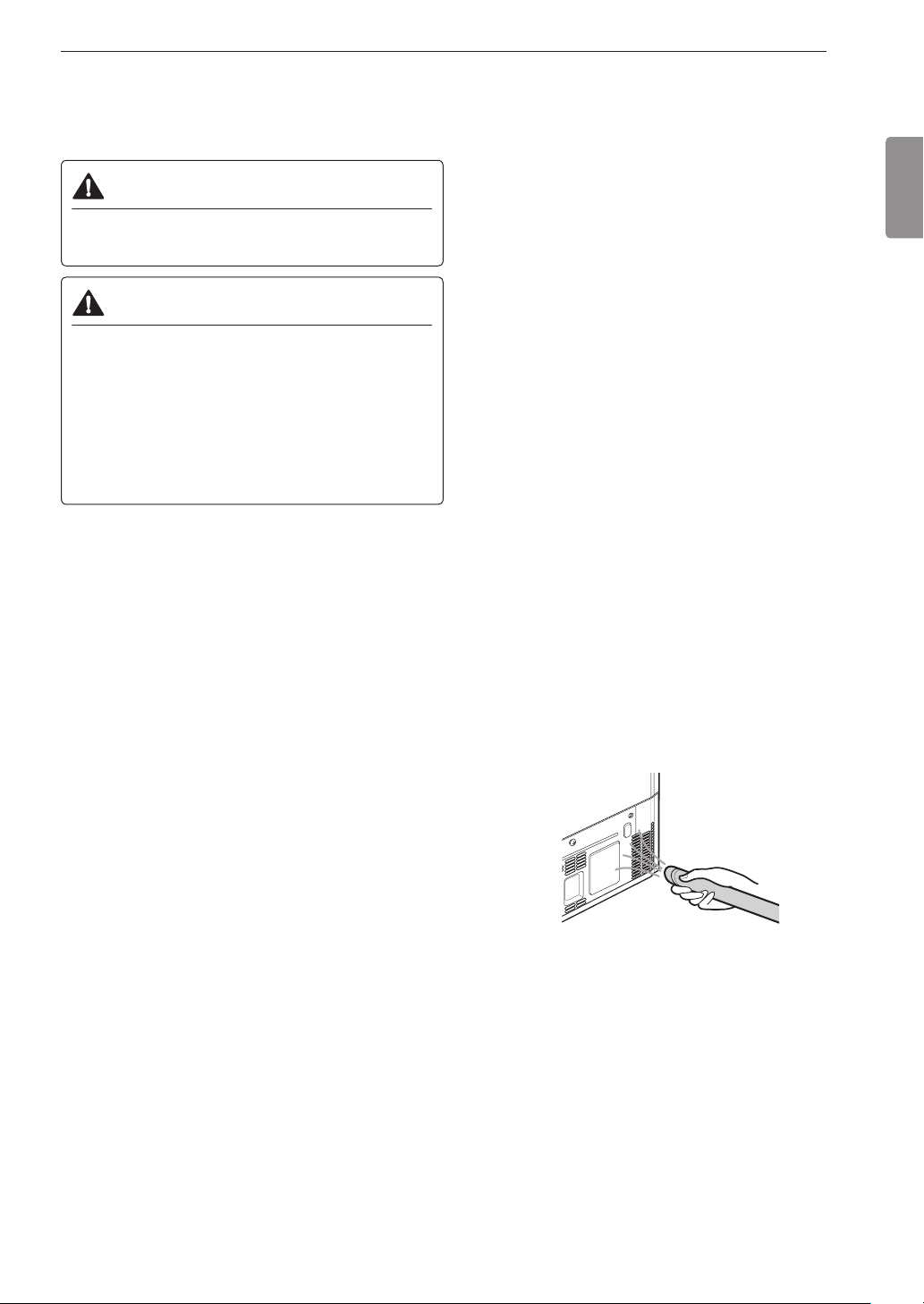
Condenser Coils
Use a vacuum cleaner with a brush or crevice
attachment to clean the condenser cover and vents.
Do not remove the panel covering the condenser coil
area.
38 MAINTENANCE
Replacing the Water Filter
Replace the Water Filter :
• Approximately every six months.
• When the Replace Filter icon turns on.
• When the water dispenser output decreases.
Before Replacing the Water Filter:
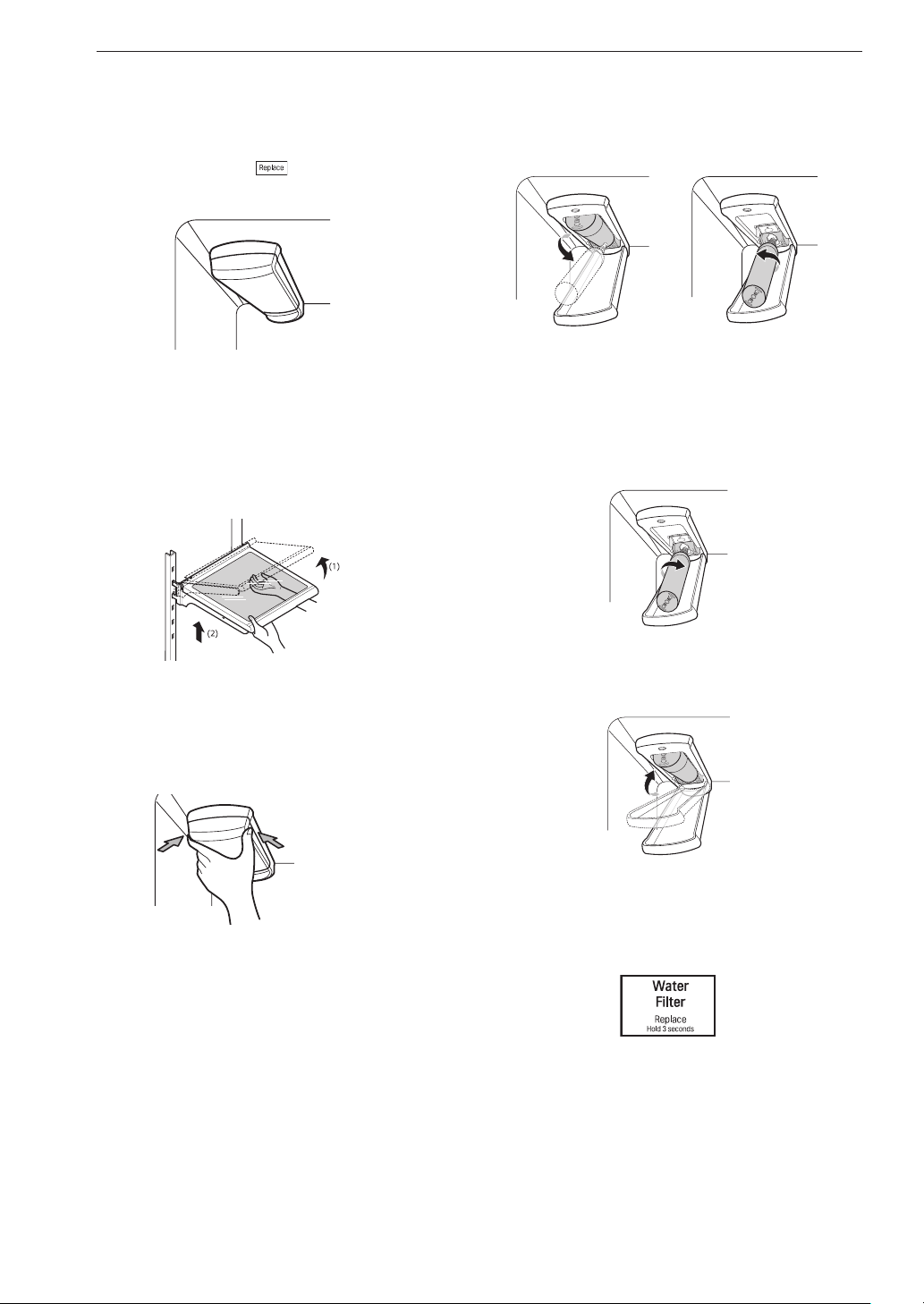
If the top shelf, located below the water filter, is in the
highest position, it will need to be removed prior to
replacing the water filter.
To remove any shelf : Tilt up the front of the shelf (1)
and lift (2). Pull the shelf out.
1
Remove the old water filter.
Lower or remove the top left shelf to allow the
water filter to rotate all the way down.
Pinch the sides to open the water filter cover.
NOTE
• Replacing the water filter causes a small amount of
water (around 1 oz. or 25 cc) to drain.
• Wrap a cloth around the front end of the water filter
cover to collect any leaking water. Hold the water
filter upright, once it is removed, to prevent any
remaining water from spilling out of the water filter
2
Pull the water filter downward and turn it
counterclockwise before pulling it out. Make sure
to rotate the filter down completely before pulling
it out of the manifold hole.
3
Replace with a new water filter.
Take the new water filter out of its packing and
remove the protective cover from the o-rings.
With the water filter tabs in the horizontal position,
push the new water filter into the manifold hole
and turn it clockwise until it stops.
4
Close the water filter cover. The cover will click
when closed correctly.
5
After changing the filter, press and hold the
Water Filter button for three seconds to reset the
indicator light.
NOTE
To purchase a replacement water filter:
• Visit your local dealer or distributor
• Search using “water filter” on lg.com
• Use replacement cartridge: ADQ747935**
For further assistance, call:
1-800-243-0000 (USA)
1-888-542-2623 (Canada)
39MAINTENANCE
ENGLISH
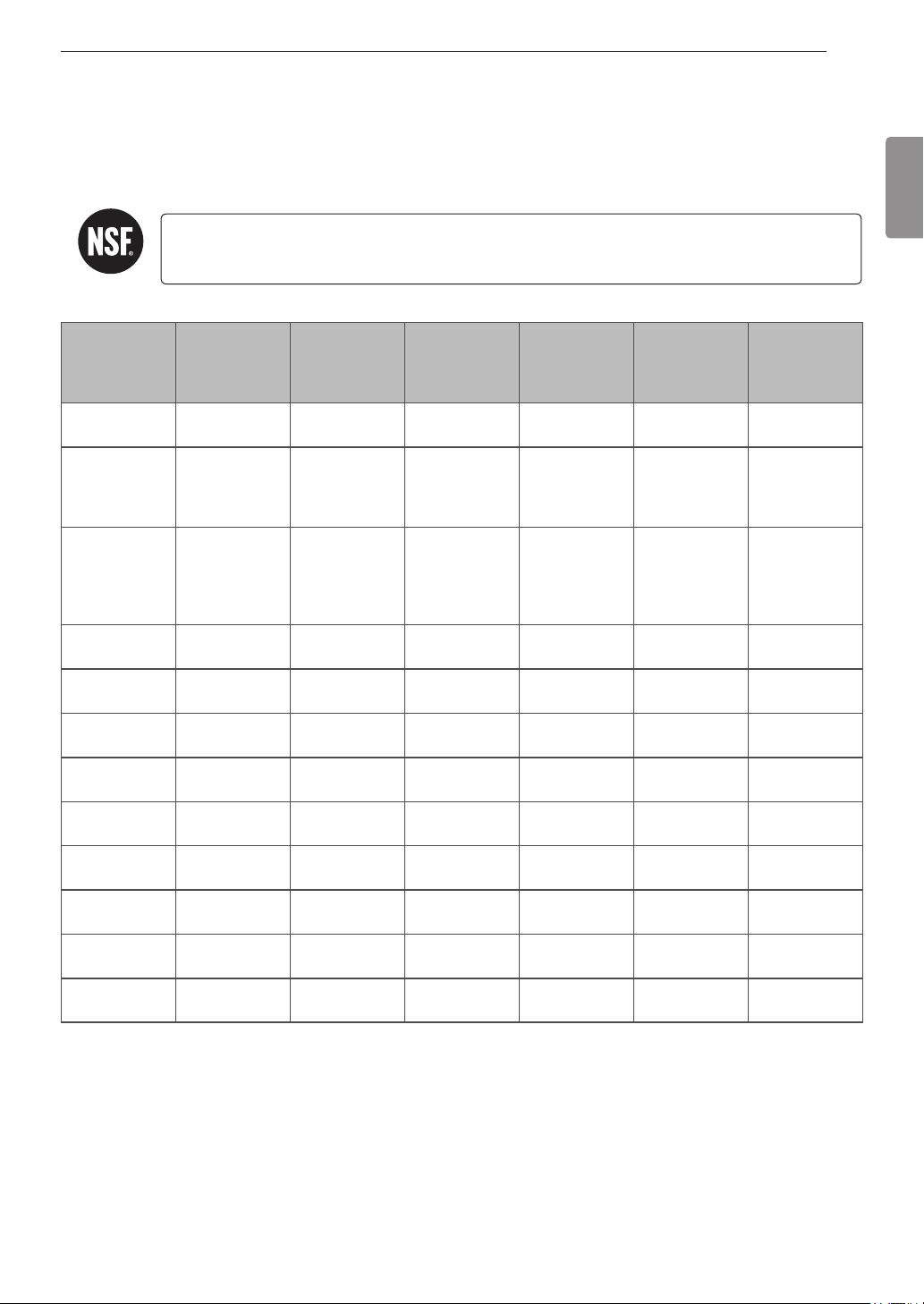
Performance Data Sheet
Model: LT1000P Use Replacement Cartridge: ADQ747935**
The concentration of the indicated substances in water entering the system was reduced to a concentration less
than or equal to the permissible limit for water leaving the system as specified in NSF/ANSI Standard 42 and
Standard 53.
System tested and certified by NSF International against NSF/ANSI Standard 42, Standard 53
and Standard 401 for the reduction of substances listed below.
Substance
Reduction
Average
Influent
Challenge
NSF specified
Challenge
Concentration
Avg %
Reduction
Average
Product Water
Concentration
Max
Permissible
Product Water
Concentration
NSF
Reduction
Requirements
Chlorine Taste
and Odor
2.0 μg/L 2.0 μg/L± 10% >97.5% 0.050 μg/L N/A ≥ 50.00%
Nominal
Particulate
Class I, , ≥ 0.5
to < 1.0 μm
12,000,000
pts/mL
At least
10,000
particles/mL
99.80% 24,000 pts/ml N/A ≥ 85.00%
Asbestos 180 MFL
10
7
to 10
8
MFL; fibers
greater than
10 μg/Lin
length
>99.00% < 1 MFL N/A ≥ 99.00%
Atrazine 8.5 μg/L
9.0 μg/L ±
10%
>94.10% 0.500 μg/L 3.0 μg/L NA
Benzene 15.0 μg/L
15.0 μg/L ±
10%
>96.60% 0.510 μg/L 5.0 μg/L NA
Carbofuran 74.0 μg/L
80.0 μg/L ±
10%
98.30% 1.258 μg/L 40 μg/L NA
Lindane 1.9 μg/L
2.0 μg/L ±
10%
>99.00% 0.019 μg/L 0.2 μg/L NA
P-Dichlorobenzene
230.0 μg/L
225.0 μg/L ±
10%
>99.80% 0.460 μg/L 75.0 μg/L NA
2,4-D 210.0 μg/L
210.0 μg/L ±
10%
>99.90% 0.210 μg/L 70.0 μg/L NA
Lead pH @6.5 140.0 μg/L
150.0 μg/L ±
10%
99.60% 0.560 μg/L 10.0 μg/L NA
Lead pH @8.5 150.0 μg/L
150.0 μg/L ±
10%
>99.70% <0.500 μg/L 10.0 μg/L NA
Mercury @ pH
6.5
5.9 μg/L
6.0 μg/L ±
10%
91.00% 0.531 μg/L 2.0 μg/L NA
(Continued on next page)
40 MAINTENANCE
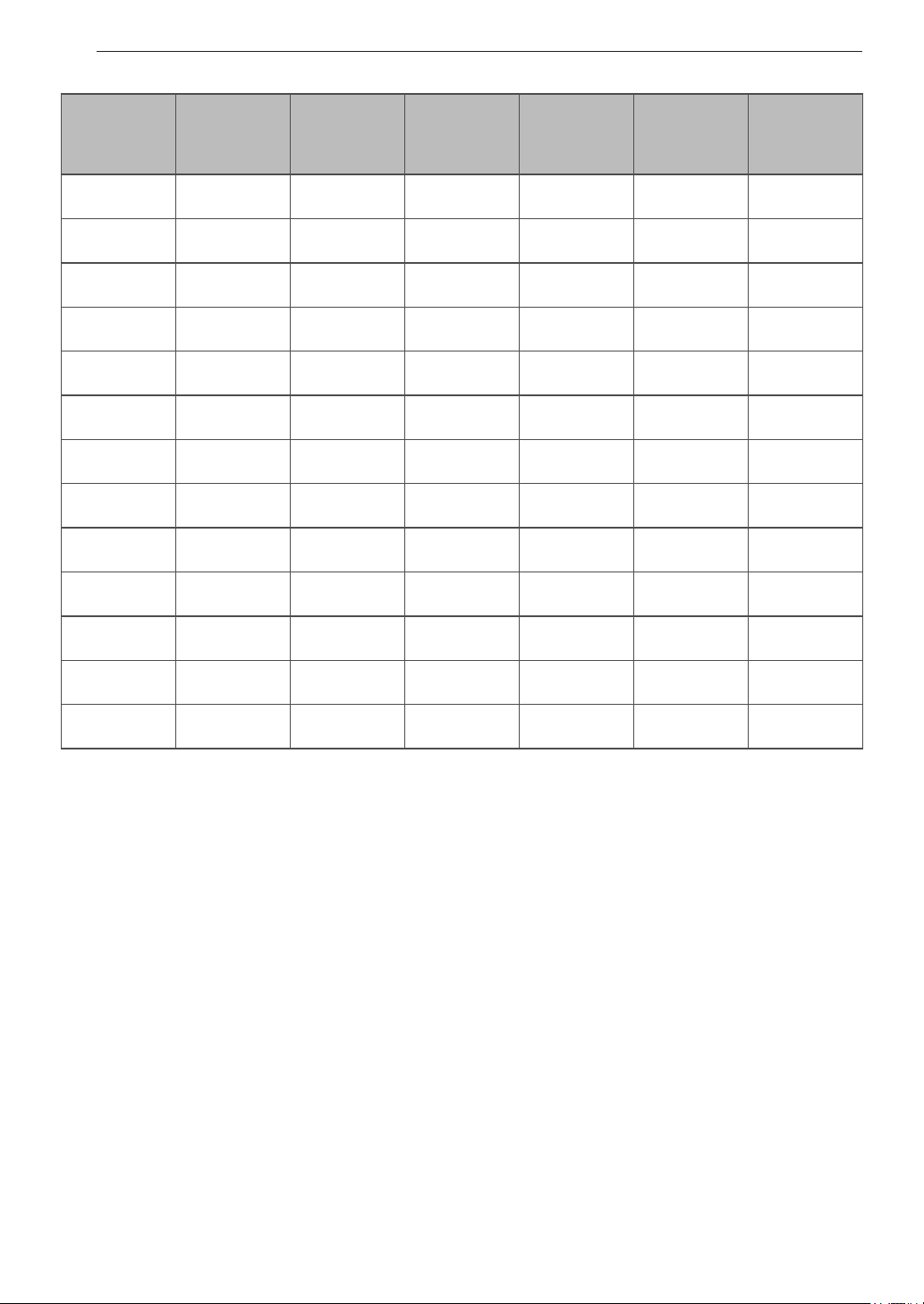
Substance
Reduction
Average
Influent
Challenge
NSF specified
Challenge
Concentration
Avg %
Reduction
Average
Product Water
Concentration
Max
Permissible
Product Water
Concentration
NSF
Reduction
Requirements
Mercury @ pH
8.5
5.6 μg/L
6.0 μg/L ±
10%
92.5% 0.420 μg/L 2.0 μg/L NA
Cyst*
100,000
cysts/L
Minimum
50,000 cysts/L
>99.99% 10 cysts/L N/A ≥ 99.95%
Atenolol 240 ng/L
200 ± 40%
ng/L
> 95.50% 10.80 ng/L 30 ng/L NA
Carbamazepine
1600 ng/L
1400 ± 40%
ng/L
98.40% 25.60 ng/L 200 ng/L NA
DEET 1600 ng/L
1400 ± 40%
ng/L
97.10% 46.40 ng/L 200 ng/L NA
Trimethoprim 170 ng/L
140 ± 40%
ng/L
>96.80% 5.44 ng/L 20 ng/L NA
Linuron 160 ng/L
140 ± 40%
ng/L
>96.60% 5.44 ng/L 20 ng/L NA
Phenytoin 200 ng/L
200 ± 40%
ng/L
>94.80% 10.40 ng/L 30 ng/L NA
Ibuprofen 400 ng/L
400 ± 40%
ng/L
>94.50% 22.00 ng/L 60 ng/L NA
Naproxen 140 ng/L
140 ± 40%
ng/L
>96.10% 5.46 ng/L 20 ng/L NA
Estrone 120 ng/L
140 ± 40%
ng/L
>96.10% 4.68 ng/L 20 ng/L NA
Bisphenol A 2000 ng/L
2000 ± 40%
ng/L
>98.90% 22.00 ng/L 300 ng/L NA
Nonyl Phenol 1600 ng/L
1400 ± 40%
ng/L
>97.10% 46.40 ng/L 200 ng/L NA
• Based on the use of Cryptosporidium parvum oocysts.
41MAINTENANCE
ENGLISH
Application Guidelines/Water Supply
Parameters
Service Flow 0.5 gpm (1.9 lpm)
Water Supply
Community or Private Well - Potable
Water
Water
Pressure
20 – 120 psi (138 – 827 kPa)
Water
Temperature
33 °F – 100 °F (0.6 °C – 37.8 °C)
Capacity 200 gallons (757 liters)
It is essential that the manufacturer’s recommended
installation, maintenance and filter replacement
requirements be carried out for the product to perform
as advertised.
NOTE
• While the testing was performed under standard
laboratory conditions, actual performance may vary.
Replacement Cartridge: LT1000P ADQ747935**
For replacement filters, visit your local dealer or
distributor or search under "water filters" on the
lg.com website.
For further assistance, contact the LG Electronics
Customer Information Center.
USA: 1-800-243-0000
Canada: 1-888-542-2623
LG is a trademark of LG corp.
NSF is a trademark of NSF International.
Manufactured for LG Electronics by:
LG Electronics, INC
170, Sungsanpaechoungro, Seongsan-gu,
Gyeongsangnam-do, THE REPUBLIC OF KOREA
WARNING
To reduce the risk associated with choking:
• Do not allow children under 3 years of age to
have access to small parts during the installation
of this product.
To reduce the risk associated with the
ingestion of contaminants:
• Do not use with water that is microbiologically
unsafe or of unknown quality without adequate
disinfection before or after the system. Systems
certified for cyst reduction may be used on
disinfected water that may contain filterable
cysts. EPA Establishment # 070595-MEX-001
CAUTION
To reduce the risk associated with property
damage due to water leakage:
• Read and follow Use Instructions before
installation and use of this system.
• Installation and use MUST comply with all state
and local plumbing codes.
• Do not install if water pressure exceeds 120 psi
(827 kPa). If your water pressure exceeds 80
psi, you must install a pressure limiting valve.
Contact a plumber if uncertain how to check your
water pressure.
• Do not install where water hammer conditions
may occur. If water hammer conditions exist you
must install a water hammer arrester. Contact a
plumbing professional if you are uncertain how to
check for this condition.
• Do not install on hot water supply lines. The
maximum operating water temperature of this
filter system is 100 °F (37.8 °C).
• Protect filter from freezing. Drain filter when
temperatures drop below 40 °F (4.4 °C).
• The disposable filter cartridge MUST be replaced
every 6 months, at the rated capacity or if a
noticeable reduction in flow rate occurs.
• Protect from freezing, remove filter cartridge
when temperatures are expected to drop below
33° F.
• Do not install systems in areas where ambient
temperatures may go above 110° F (43.3° C).
• Where a backflow prevention device is installed
on a water system, a device for controlling
pressure due to thermal expansion must be
installed.
• Ensure all tubing and fittings are secure and free
of leaks.

42 TROUBLESHOOTING
TROUBLESHOOTING
FAQs: Frequently Asked Questions
Q: What are the best temperature settings for my refrigerator and freezer?
A: The default setting for the refrigerator is 37° Fahrenheit (3° Celsius). The default setting for the
freezer is 0° Fahrenheit (-18° Celsius). Adjust these settings as necessary to keep food at desired
temperatures. Milk should be cold when stored on the inner shelf of the refrigerator. Ice cream should
be firm and ice cubes should not melt in the freezer. To switch the display from Fahrenheit to Celsius,
press and hold the Freezer and Refrigerator buttons until you hear a beep and the settings in the
display change. On some models, you can also select the Refrigerator Manager application on the
display and use the Unit button.
Q: How do I set the refrigerator and freezer temperatures?
A: Continually press the Refrigerator or Freezer button on the control panel until the desired
temperature appears. The numbers will cycle from highest to lowest and then return to the highest
again with continuous pressing. On some models, you can also set the temperatures in the
Refrigerator Manager application on the display.
Q: Why do I hear a buzzing noise from my refrigerator periodically?
A: This may happen if you do not have a water source attached to your refrigerator and the icemaker is
turned on. If you do not have a water source attached to the back of the refrigerator you should turn
the icemaker off.
Q: Why does the icemaker tray look crooked?
A: This is a normal part of the icemaker cycle. The icemaker tray may appear level or with a slight tilt.
The change in position is to assist in the freezing process.
Q:
My refrigerator is powered on and the controls are working, but it’s not cooling and the display
shows “OFF” (see below). What is wrong?
A: The refrigerator is in Demo Mode. This mode disables cooling to save energy while the appliance
is on display in a store. To restore normal operation, press and hold the Refrigerator and Ice Plus
buttons for 5 seconds or until you hear a beep and the temperature settings appear on the display.
Use the same procedure to return the refrigerator to Demo Mode, if desired.
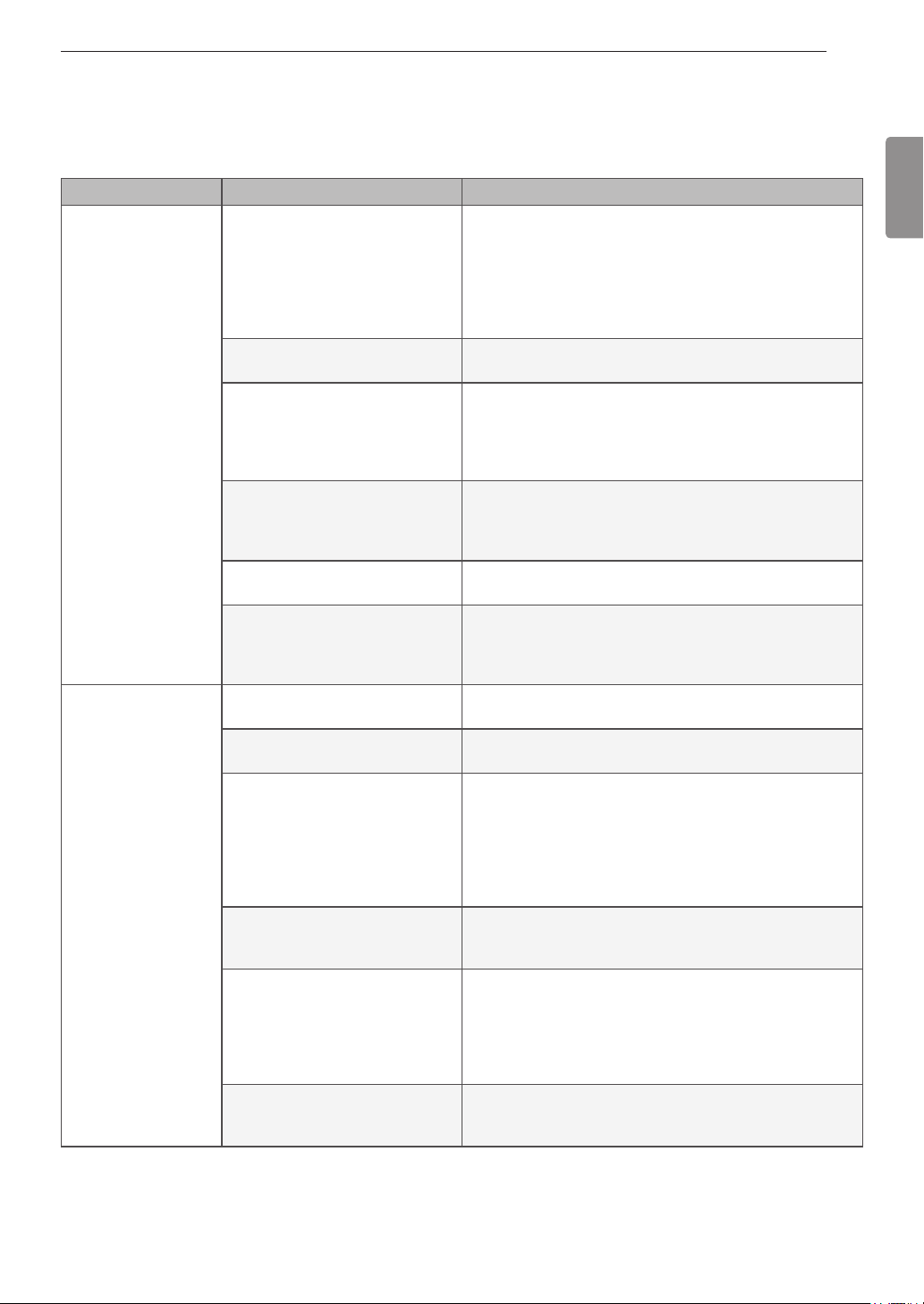
43TROUBLESHOOTING
ENGLISH
Before Calling for Service
Review this section before calling for service; doing so will save you both time and money.
Cooling
Problem Possible Cause Solutions
Refrigerator and
Freezer section are
not cooling.
A fuse in your home may be
blown or the circuit breaker
tripped. Or the appliance is
connected to a GFCI (Ground
Fault Circuit Interrupter) outlet,
and the outlet’s circuit breaker
has tripped.
• Check the main electrical box and replace the fuse or
reset the circuit breaker. Do not increase fuse capacity.
If the problem is a circuit overload, have it corrected by
a qualified electrician.
• Reset the circuit breaker on the GFCI. If the problem
persists, contact an electrician.
The refrigerator control is set
to OFF (some models).
• Turn the control ON. Refer to the Setting the Controls
section for proper temperature settings.
Refrigerator is set to Demo
Mode.
• Demo Mode allows the lights and control display to
work normally while disabling cooling, to save energy
while the refrigerator is on the showroom floor. See the
FAQs section of this manual for instructions on how to
disable Demo Mode.
Refrigerator is in the defrost
cycle.
• During the defrost cycle, the temperature of each
compartment may rise slightly. Wait 30 minutes and
confirm the proper temperature has been restored once
the defrost cycle has completed.
Refrigerator was recently
installed.
• It may take up to 24 hours for each compartment to
reach the desired temperature.
Refrigerator was recently
relocated.
• If the refrigerator was stored for a long period of time
or moved on its side, it is necessary for the refrigerator
to stand upright for 24 hours before connecting it to
power.
Cooling system
runs too much.
Refrigerator is replacing an
older model.
• Modern refrigerators require more operating time but
use less energy due to more efficient technology.
Refrigerator was recently
plugged in or power restored.
• The refrigerator will take up to 24 hours to cool
completely.
The door is opened often or a
large amount of food / hot food
was added.
• Adding food and opening the door warms the
refrigerator, requiring the compressor to run longer in
order to cool the refrigerator back down. In order to
conserve energy, try to get everything you need out of
the refrigerator at once, keep food organized so it is
easy to find, and close the door as soon as the food is
removed. (Refer to the Food Storage Guide.)
Doors are not closed
completely.
• Firmly push the doors shut. If they will not shut all the
way, the "Doors will not close correctly or pop open"
section.
Refrigerator is installed in a
hot location.
• The compressor will run longer under warm conditions.
At normal room temperatures (70 °F) expect your
compressor to run about 40 % to 80 % of the time.
Under warmer conditions, expect it to run even more
often. The refrigerator should not be operated above
110 °F.
Condenser / back cover is
clogged.
• Use a vacuum cleaner with an attachment to clean the
condenser cover and vents. Do not remove the panel
covering the condenser coil area.
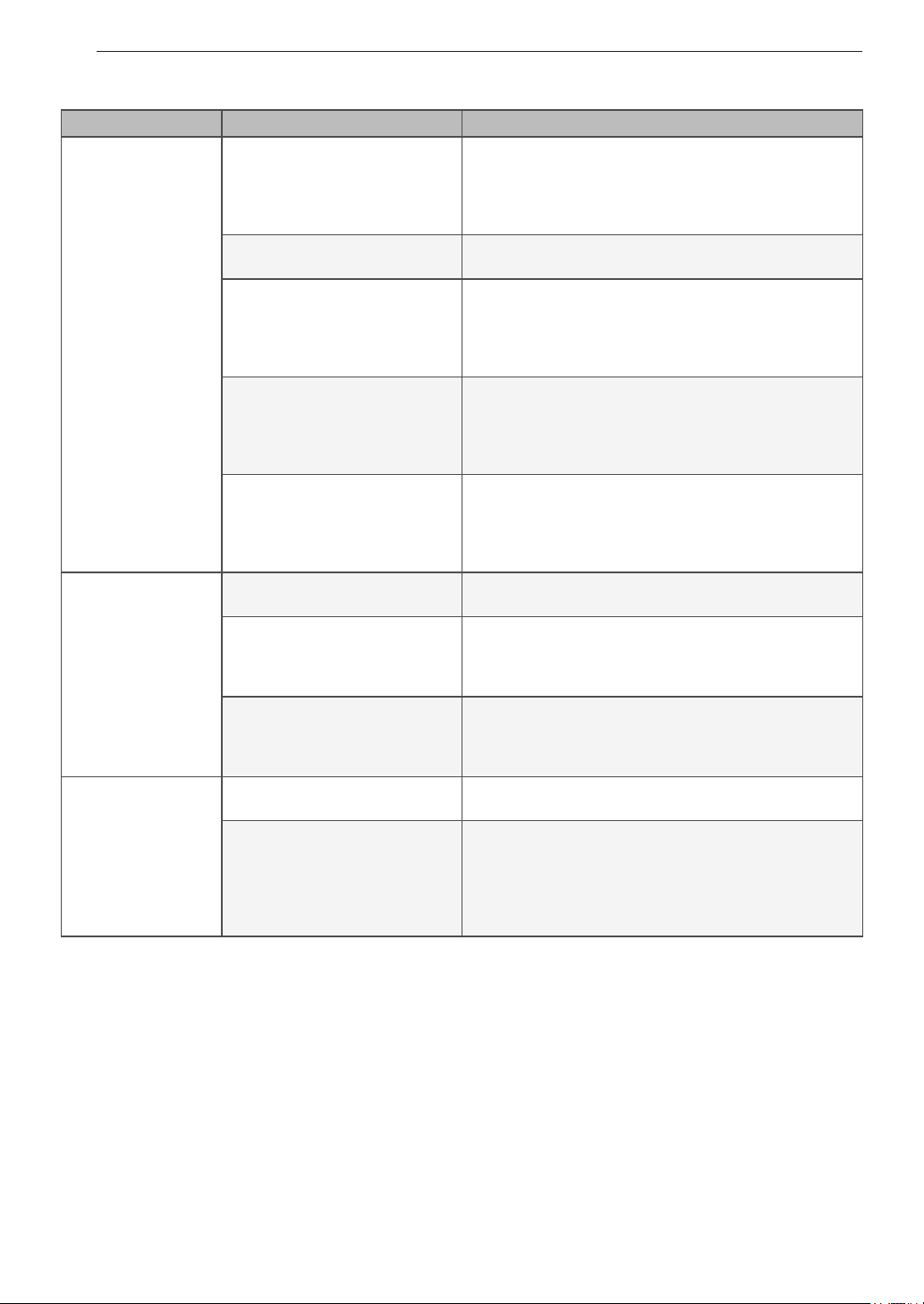
44 TROUBLESHOOTING
Cooling
Problem Possible Cause Solutions
Interior moisture
buildup.
Doors are opened often or for
long periods of time.
• When the doors are opened often or for long periods
of time, warm, humid air enters the compartment.
This raises the temperature and moisture level within
the compartment. To lessen the effect, reduce the
frequency and duration of door openings.
Doors are not closed correctly.
• See the "Doors will not close correctly or pop open"
section.
Weather is humid.
• Humid weather allows additional moisture to enter the
compartments when the doors are opened leading to
condensation or frost. Maintaining a reasonable level of
humidity in the home will help to control the amount of
moisture that can enter the compartments.
Defrost cycle recently
completed.
• During the defrost cycle, the temperature of each
compartment may rise slightly and condensation may
form on the back wall. Wait 30 minutes and confirm that
the proper temperature has been restored once the
defrost cycle has completed.
Food is not packaged
correctly.
• Food stored uncovered or unwrapped, and damp
containers can lead to moisture accumulation within
each compartment. Wipe all containers dry and store
food in sealed packaging to prevent condensation and
frost.
Food is freezing
in the refrigerator
compartment.
Food with high water content
was placed near an air vent.
• Rearrange items with high water content away from air
vents.
Refrigerator temperature
control is set incorrectly.
• If the temperature is too cold, adjust the control one
increment at a time and wait for the temperature to
stabilize. Refer to the Control Panel section for more
information.
Refrigerator is installed in a
cold location.
• When the refrigerator is operated in temperature
below 41°F (5°C), food can freeze in the refrigerator
compartment. The refrigerator should not be operated
in temperature below 55°F (13°C).
Refrigerator or
Freezer section is
too warm.
Refrigerator was recently
installed.
• It may take up to 24 hours for each compartment to
reach the desired temperature.
The air vents are blocked. Cold
air circulates from the freezer
to the fresh food section and
back again through air vents
in the wall dividing the two
sections.
• Locate air vents by using your hand to sense airflow
and move all packages that block vents and restrict
airflow. Rearrange items to allow air to flow throughout
the compartment.
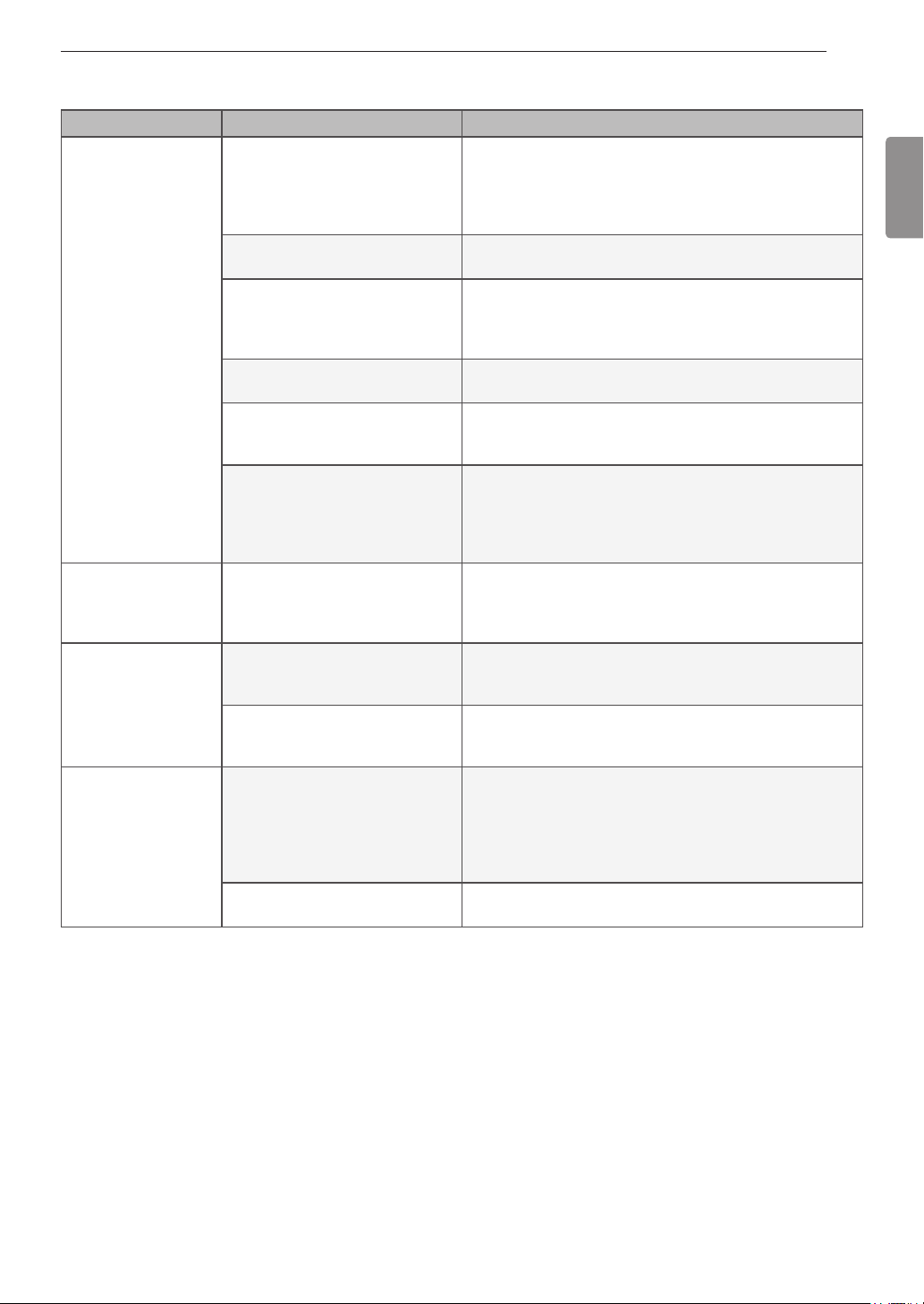
45TROUBLESHOOTING
ENGLISH
Cooling/Ice & Water
Problem Possible Cause Solutions
Refrigerator or
Freezer section is
too warm.
Doors are opened often or for
long periods of time.
• When the doors are opened often or for long periods
of time, warm, humid air enters the compartment.
This raises the temperature and moisture level within
the compartment. To lessen the effect, reduce the
frequency and duration of door openings.
Unit is installed in a hot
location.
• The refrigerator should not be operated in temperatures
above 110 °F.
A large amount of food or
hot food was added to either
compartment.
• Adding food warms the compartment requiring the
cooling system to run. Allowing hot food to cool to room
temperature before putting it in the refrigerator will
reduce this effect.
Doors not closed correctly.
• See the Doors will not close correctly or pop open
section in Parts & Features Troubleshooting.
Temperature control is not set
correctly.
• If the temperature is too warm, adjust the control one
increment at a time and wait for the temperature to
stabilize.
Defrost cycle has recently
completed.
• During the defrost cycle, the temperature of each
compartment may rise slightly and condensation may
form on the back wall. Wait 30 minutes and confirm the
proper temperature has been restored once the defrost
cycle has completed.
Refrigerator or
Freezer section is
too cold.
Incorrect temperature control
settings.
• If the temperature is too cold, adjust the control one
increment at a time and wait for the temperature
to stabilize. Refer to the Control Panel for more
information.
Frost or ice crystals
form on frozen food
(inside of sealed
package).
Condensation from food with a
high water content has frozen
inside of the food package.
• This is normal for food items with a high water content.
Food has been left in the
freezer for a long period of
time.
• Do not store food items with high water content in the
freezer for a long period of time.
Frost or ice crystals
form on frozen
food (outside of
package).
Door is opened frequently or
for long periods of time.
• When the doors are opened often or for long periods
of time, warm, humid air enters the compartment. This
raises the temperature and moisture level within the
compartment. Increased moisture will lead to frost
and condensation. To lessen the effect, reduce the
frequency and duration of door openings.
Door is not closing properly.
• Refer to the Doors will not close correctly or pop open
section in the Troubleshooting section.
46 TROUBLESHOOTING
Ice & Water
Problem Possible Cause Solutions
Icemaker is
not making
enough ice.
Demand exceeds ice storage
capacity.
• The icemaker will produce approximately 70-184 cubes
in a 24 hour period.
House water supply is not
connected, valve is not turned on
fully, or valve is clogged.
• Connect the refrigerator to a cold water supply with
adequate pressure and turn the water shutoff valve fully
open. If the problem persists, it may be necessary to
contact a plumber.
Water filter has been exhausted.
• Replacing the water filter is recommended:
• Approximately every six months.
• When the water filter indicator turns on.
• When the water dispenser output decreases.
• When the ice cubes are smaller than normal.
Low house water supply pressure.
• The water pressure must be between 20 and 120 psi
on models without a water filter and between 40 and
120 psi on models with a water filter. If the problem
persists, it may be necessary to contact a plumber.
Reverse Osmosis filtration system
is used.
• Reverse osmosis filtration systems can reduce the
water pressure below the minimum amount and result
in icemaker issues. (Refer to the Connecting the Water
Line section.)
Tubing connecting refrigerator to
house supply valve is kinked.
• The tubing can kink when the refrigerator is moved
during installation or cleaning resulting in reduced water
flow. Straighten or repair the water supply line and
arrange it to prevent future kinks.
Doors are opened often or for long
periods of time.
• If the doors of the unit are opened often, ambient
air will warm the refrigerator which will prevent the
unit from maintaining the set temperature. Lowering
the refrigerator temperature can help, as well as not
opening the doors as frequently.
Doors are not closed completely.
• If the doors are not properly closed, ice production will
be affected. See the "Doors will not close correctly or
pop open" section in Parts & Features Troubleshooting
for more information.
The temperature setting for the
freezer is too warm.
• The recommended temperature for the freezer
compartment for normal ice production is 0°F. If the
freezer temperature is warmer, ice production will be
affected.
Icemaker is
not making
ice
Refrigerator was recently installed
or icemaker recently connected.
• It may take up to 24 hours for each compartment to
reach the desired temperature and for the icemaker to
begin making ice.
Icemaker not turned on.
• Locate the icemaker ON/OFF and confirm that it is
turned on.
47TROUBLESHOOTING
ENGLISH
Ice & Water
Problem Possible Cause Solutions
Icemaker is not
making ice
The ice detecting sensor is
obstructed.
• Foreign substances or frost on the ice-detecting sensor
can interrupt ice production. Make sure that the sensor
area is clean at all times for proper operation.
The refrigerator is not
connected to a water supply or
the supply shutoff valve is not
turned on.
• Connect the refrigerator to the water supply and turn
the water shutoff valve fully open.
Icemaker shutoff (arm or
sensor) obstructed.
• If your icemaker is equipped with an ice shutoff arm,
make sure that the arm moves freely. If your icemaker
is equipped with the electronic ice shutoff sensor, make
sure that there is a clear path between the two sensors.
Reverse osmosis water
filtration system is connected
to your cold water supply.
• Reverse osmosis filtration systems can reduce the
water pressure below the minimum amount and result
in icemaker issues. (Refer to the Connecting the Water
Line section.)
Ice has bad taste or
odor.
Water supply contains
minerals such as sulfur.
• A water filter may need to be installed to eliminate taste
and odor problems. NOTE: In some cases, a filter may
not help. It may not be possible to remove all minerals/
odor/taste in all water supplies.
Icemaker was recently
installed.
• Ice that has been stored for too long will shrink,
become cloudy, and may develop a stale taste. Throw
away old ice and make a new supply.
The food has not been
stored properly in either
compartment.
• Rewrap the food. Odors may migrate to the ice if food
is not wrapped properly.
The interior of the refrigerator
needs to be cleaned.
• See the Maintenance section for more information.
The ice storage bin needs to
be cleaned.
• Empty and wash the bin (discard old cubes). Make sure
that the bin is completely dry before reinstalling it.
Icemaker is making
too much ice.
Icemaker shutoff (arm/ sensor)
is obstructed.
• Empty the ice bin. If your icemaker is equipped with an
ice shutoff arm, make sure that the arm moves freely.
If your icemaker is equipped with the electronic ice
shutoff sensor, make sure that there is a clear path
between the two sensors. Reinstall the ice bin and wait
24 hours to confirm proper operation.
48 TROUBLESHOOTING
Parts & Features
Problem Possible Cause Solutions
Doors will not close
correctly or pop
open.
Food packages are blocking
the door open.
• Rearrange food containers to clear the door and door
shelves.
Ice bin, crisper cover, pans,
shelves, door bins, or baskets
are out of position.
• Push bins all the way in and put crisper cover, pans,
shelves and baskets into their correct positions. See
the Operation section for more information.
The doors were removed
during product installation and
not properly replaced.
• Remove and replace the doors according to the
Removing and Replacing Refrigerator Handles and
Doors section.
Refrigerator is not leveled
properly.
• See Door Alignment in the Refrigeration Installation
section to level refrigerator.
Doors are difficult
to open.
The gaskets are dirty or sticky.
• Clean the gaskets and the surfaces that they touch.
Rub a thin coat of appliance polish or kitchen wax on
the gaskets after cleaning.
Door was recently closed.
• When you open the door, warmer air enters the
refrigerator. As the warm air cools, it can create a
vacuum. If the door is hard to open, wait one minute to
allow the air pressure to equalize, then see if it opens
more easily.
Refrigerator
wobbles or seems
unstable
Leveling legs are not adjusted
properly.
• Refer to the Leveling and Door Alignment section.
Floor is not level.
• It may be necessary to add shims under the leveling
legs or rollers to complete installation.
Lights do not work. LED interior lighting failure.
• The refrigerator compartment lamp is LED interior
lighting, and service should be performed by a qualified
technician.
Refrigerator has an
unusual odor.
The Air Filter may need to
be set to the MAX setting or
replaced.
• Set the Air Filter to the MAX setting. If the odor does
not go away within 24 hours, the filter may need to be
replaced. See the Replacing the Air Filter section for
replacement instructions.
The interior of
the refrigerator is
covered with dust
or soot.
The refrigerator is located
near a fire source, such as a
fireplace, chimney, or candle.
• Make sure that the refrigerator is not located near a fire
source, such as a fireplace, chimney or candle.

49TROUBLESHOOTING
ENGLISH
Noises
Problem Possible Cause Solutions
Clicking
The defrost control will click when the
automatic defrost cycle begins and ends.
The thermostat control (or refrigerator
control on some models) will also click
when cycling on and off.
• Normal Operation
Rattling
Rattling noises may come from the flow
of refrigerant, the water line on the back
of the unit, or items stored on top of or
around the refrigerator.
• Normal Operation
Refrigerator is not resting solidly on the
floor.
• Floor is weak or uneven or leveling legs
need to be adjusted. See the Leveling and
Door Alignment section.
Refrigerator with linear compressor was
jarred while running.
• Normal Operation
Whooshing
Evaporator fan motor is circulating air
through the refrigerator and freezer
compartments.
• Normal Operation
Air is being forced over the condenser by
the condenser fan.
• Normal Operation
Gurgling
Refrigerant flowing through the cooling
system.
• Normal Operation
Popping
Contraction and expansion of the inside
walls due to changes in temperature.
• Normal Operation
Sizzling
Water dripping on the defrost heater
during a defrost cycle.
• Normal Operation
Vibrating
If the side or back of the refrigerator is
touching a cabinet or wall, some of the
normal vibrations may make an audible
sound.
• To eliminate the noise, make sure that the
sides and back cannot vibrate against any
wall or cabinet.
Dripping
Water running into the drain pan during
the defrost cycle.
• Normal Operation
Pulsating or high-
pitched sound
Your refrigerator is designed to run
more efficiently to keep your food items
at the desired temperature. The high
efficiency compressor may cause your
new refrigerator to run longer than
your old one, but it is still more energy
efficient than previous models. While the
refrigerator is running, it is normal to hear
a pulsating or high-pitched sound.
• Normal Operation
50 LIMITED WARRANTY
LIMITED WARRANTY
For USA
ARBITRATION NOTICE: THIS LIMITED WARRANTY CONTAINS AN ARBITRATION PROVISION THAT
REQUIRES YOU AND LG TO RESOLVE DISPUTES BY BINDING ARBITRATION INSTEAD OF IN COURT,
UNLESS YOU CHOOSE TO OPT OUT. IN ARBITRATION, CLASS ACTIONS AND JURY TRIALS ARE NOT
PERMITTED. PLEASE SEE THE SECTION TITLED “PROCEDURE FOR RESOLVING DISPUTES” BELOW.
Should your LG Refrigerator ("Product") fail due to a defect in materials or workmanship under normal and
proper use, during the warranty period set forth below, LG Electronics (“LG”) will, at its option, repair or replace
the Product. This limited warranty is valid only to the original retail purchaser of the Product and applies only
when purchased and used within the United States including U.S. Territories.
WARRANTY PERIOD
Refrigerator/Freezer
Sealed System
(Condenser, Dryer,
Connecting Tube
and Evaporator)
Compressor
One (1) year from the
date of original retail
purchase
Five (5) years from the
date of original retail
purchase
Five (5) years from the
date of original retail
purchase
Linear / Inverter Compressor Only : Parts
Only for years 6-10 from the date of
original retail purchase (Consumer will be
charged for labor)
Parts and Labor
(internal/ functional
parts only)
Parts and Labor Parts and Labor
• Replacement products and parts are warranted for the remaining portion of the original warranty period or
ninety (90) days, whichever is greater.
• Replacement products and parts may be new, reconditioned, refurbished, or otherwise factory remanufactured.
• Proof of original retail purchase specifying the Product model and date of purchase is required to obtain
warranty service under this limited warranty.
EXCEPT TO THE EXTENT PROHIBITED BY APPLICABLE LAW, ANY IMPLIED WARRANTY OF
MERCHANTABILITY OR FITNESS FOR A PARTICULAR PURPOSE ON THE PRODUCT IS LIMITED IN
DURATION TO THE DURATION OF THE ABOVE LIMITED WARRANTY. UNDER NO CIRCUMSTANCES
SHALL LG OR ITS U.S. DISTRIBUTORS/DEALERS BE LIABLE FOR ANY INDIRECT, INCIDENTAL,
CONSEQUENTIAL, SPECIAL, OR PUNITIVE DAMAGES, INCLUDING, WITHOUT LIMITATION, LOST
GOODWILL, LOST REVENUES OR PROFITS, WORK STOPPAGE, IMPAIRMENT OF OTHER GOODS,
COST OF REMOVAL AND REINSTALLATION OF THE PRODUCT, LOSS OF USE, OR ANY OTHER
DAMAGES WHETHER BASED IN CONTRACT, TORT, OR OTHERWISE. LG’S TOTAL LIABILITY, IF ANY,
SHALL NOT EXCEED THE PURCHASE PRICE PAID BY YOU FOR THE PRODUCT.
Some states do not allow the exclusion or limitation of incidental or consequential damages or limitations on how
long an implied warranty lasts, so the above exclusions or limitations may not apply to you. This limited warranty
gives you specific legal rights and you may also have other rights that vary from state to state.
THIS LIMITED WARRANTY DOES NOT COVER:
• Service trips to deliver, pick up, or install, educate how to operate, correct wiring, or correct unauthorized
repairs.
• Damage or failure of the Product to perform during power failures and interrupted or inadequate electrical
service.
• Damage or failure caused by leaky or broken water pipes, frozen water pipes, restricted drain lines, inadequate
or interrupted water supply or inadequate supply of air.
• Damage resulting from operating the product in a corrosive atmosphere or contrary to the product owner’s
manual.
51LIMITED WARRANTY
ENGLISH
• Damage or failure to the Product caused by accidents, pests and vermin, lightning, wind, fire, floods, acts of
God, or any other causes beyond the control of LG.
• Damage or failure caused by unauthorized modification or alteration, or if used for other than the intended
purpose.
• Damage or failure resulting from misuse, abuse, improper installation, repair, or maintenance. Improper repair
includes use of parts not authorized by LG. Improper installation or maintenance includes installation or
maintenance contrary to the Product owner’s manual.
• Damage or failure caused by incorrect electrical current, voltage, or plumbing codes.
• Damage or failure caused by transportation and handling, including scratches, dents, chips, and/or other
damage to the finish of the Product, unless such damage is reported within one (1) week of delivery.
• Damage or missing items to any display, open box, or discounted Product.
• Refurbished Product or any Product sold “As Is”, “Where Is”, “With all Faults”, or similar disclaimer.
• Products with original serial numbers that have been removed, altered, or cannot be readily determined.
• Increases in utility costs and additional utility expenses.
• Any noises associated with normal operation.
• Use of accessories (e.g., water filters, etc.), components, or consumable cleaning products that are not
authorized by LG.
• Replacement of light bulbs, filters, or any consumable parts.
• When Product is used for other than normal and proper household use (e.g. commercial or industrial use,
offices, and recreational facilities or vehicles) or contrary to the instructions outlined in the Product’s owner’s
manual.
• Costs associated with removal and reinstallation of your Product for repairs.
• Shelves, door bins, drawers, handle and accessories, except for internal/functional parts covered under this
limited warranty.
The cost of repair or replacement under these excluded circumstances shall be borne by the consumer.
TO OBTAIN WARRANTY SERVICE AND ADDITIONAL INFORMATION
Call 1-800-243-0000 and select the appropriate option from the menu.
Or visit our website at http://www.lg.com
Or by mail: LG Electronics Customer Service P.O. Box 240007 Huntsville, AL 35813 ATTN: CIC
PROCEDURE FOR RESOLVING DISPUTES:
ALL DISPUTES BETWEEN YOU AND LG ARISING OUT OF OR RELATING IN ANY WAY TO THIS LIMITED
WARRANTY OR THE PRODUCT SHALL BE RESOLVED EXCLUSIVELY THROUGH BINDING ARBITRATION,
AND NOT IN A COURT OF GENERAL JURISDICTION. BINDING ARBITRATION MEANS THAT YOU AND LG
ARE EACH WAIVING THE RIGHT TO A JURY TRIAL AND TO BRING OR PARTICIPATE IN A CLASS ACTION.
Definitions. For the purposes of this section, references to “LG” mean LG Electronics U.S.A., Inc., its parents,
subsidiaries and affiliates, and each of their officers, directors, employees, agents, beneficiaries, predecessors
in interest, successors, assigns and suppliers; references to “dispute” or “claim” shall include any dispute,
claim or controversy of any kind whatsoever (whether based in contract, tort, statute, regulation, ordinance,
fraud, misrepresentation or any other legal or equitable theory) arising out of or relating in any way to the sale,
condition or performance of the product or this Limited Warranty.
Notice of Dispute. In the event you intend to commence an arbitration proceeding, you must first notify LG in
writing at least 30 days in advance of initiating the arbitration by sending a letter to LG at LG Electronics, USA,
Inc. Attn: Legal Department- Arbitration 111 Sylvan Avenue, Englewood Cliffs, NJ 07632. You and LG agree to
engage in good faith discussions in an attempt to amicably resolve your claim. The notice must provide your
name, address, and telephone number; identify the product that is the subject of the claim; and describe the
nature of the claim and the relief being sought. If you and LG are unable to resolve the dispute within 30 days,
either party may proceed to file a claim for arbitration.

52 LIMITED WARRANTY
Agreement to Binding Arbitration and Class Action Waiver. Upon failure to resolve the dispute during the
30 day period after sending written notice to LG, you and LG agree to resolve any claims between us only by
binding arbitration on an individual basis, unless you opt out as provided below. Any dispute between you and
LG shall not be combined or consolidated with a dispute involving any other person’s or entity’s product or
claim. More specifically, without limitation of the foregoing, any dispute between you and LG shall not under any
circumstances proceed as part of a class or representative action. Instead of arbitration, either party may bring
an individual action in small claims court, but that small claims court action may not be brought on a class or
representative basis.
Arbitration Rules and Procedures. To begin arbitration of a claim, either you or LG must make a written
demand for arbitration. The arbitration will be administered by the American Arbitration Association (“AAA”)
and will be conducted before a single arbitrator under the AAA’s Consumer Arbitration Rules that are in effect
at the time the arbitration is initiated (referred to as the “AAA Rules”) and under the procedures set forth in this
section. The AAA Rules are available online at www.adr.org/consumer. Send a copy of your written demand for
arbitration, as well as a copy of this provision, to the AAA in the manner described in the AAA Rules. You must
also send a copy of your written demand to LG at LG Electronics USA, Inc. Attn: Legal Department- Arbitration
111 Sylvan Avenue, Englewood Cliffs, NJ 07632. If there is a conflict between the AAA Rules and the rules
set forth in this section, the rules set forth in this section will govern. This arbitration provision is governed
by the Federal Arbitration Act. Judgment may be entered on the arbitrator’s award in any court of competent
jurisdiction. All issues are for the arbitrator to decide, except that issues relating to the scope and enforceability
of the arbitration provision and to the arbitrability of the dispute are for the court to decide. The arbitrator is
bound by the terms of this provision.
Governing Law. The law of the state of your residence shall govern this Limited Warranty and any disputes
between us except to the extent that such law is preempted by or inconsistent with applicable federal law.
Fees/Costs. You do not need to pay any fee to begin an arbitration. Upon receipt of your written demand for
arbitration, LG will promptly pay all arbitration filing fees to the AAA unless you seek more than $25,000 in
damages, in which case the payment of these fees will be governed by the AAA Rules. Except as otherwise
provided for herein, LG will pay all AAA filing, administration and arbitrator fees for any arbitration initiated in
accordance with the AAA Rules and this arbitration provision. If you prevail in the arbitration, LG will pay your
attorneys’ fees and expenses as long as they are reasonable, by considering factors including, but not limited to,
the purchase amount and claim amount. Notwithstanding the foregoing, if applicable law allows for an award of
reasonable attorneys’ fees and expenses, an arbitrator can award them to the same extent that a court would. If
the arbitrator finds either the substance of your claim or the relief sought in the demand is frivolous or brought for
an improper purpose (as measured by the standards set forth in Federal Rule of Civil Procedure 11(b)), then the
payment of all arbitration fees will be governed by the AAA Rules. In such a situation, you agree to reimburse LG
for all monies previously disbursed by it that are otherwise your obligation to pay under the AAA Rules. Except
as otherwise provided for, LG waives any rights it may have to seek attorneys’ fees and expenses from you if LG
prevails in the arbitration.
Hearings and Location. If your claim is for $25,000 or less, you may choose to have the arbitration conducted
solely on the basis of (1) documents submitted to the arbitrator, (2) through a telephonic hearing, or (3) by
an in-person hearing as established by the AAA Rules. If your claim exceeds $25,000, the right to a hearing
will be determined by the AAA Rules. Any in-person arbitration hearings will be held at a location within the
federal judicial district in which you reside unless we both agree to another location or we agree to a telephonic
arbitration.
Opt Out. You may opt out of this dispute resolution procedure. If you opt out, neither you nor LG can require the
other to participate in an arbitration proceeding. To opt out, you must send notice to LG no later than 30 calendar
days from the date of the first consumer purchaser’s purchase of the product by either: (i) sending an e-mail to
[email protected], with the subject line: “Arbitration Opt Out” or (ii) calling 1-800-980-2973. You must include in
the opt out e-mail or provide by telephone: (a) your name and address; (b) the date on which the product was
purchased; (c) the product model name or model number; and (d) the serial number (the serial number can be
found (i) on the product; or (ii) online by accessing https://www.lg.com/us/support/repair-service/schedule-repair-
continued and clicking on “Find My Model & Serial Number”).
You may only opt out of the dispute resolution procedure in the manner described above (that is, by e-mail or
telephone); no other form of notice will be effective to opt out of this dispute resolution procedure. Opting out of
this dispute resolution procedure will not affect the coverage of the Limited Warranty in any way, and you will
continue to enjoy the full benefits of the Limited Warranty. If you keep this product and do not opt out, then you
accept all terms and conditions of the arbitration provision described above.
53LIMITED WARRANTY
ENGLISH
For Canada
ARBITRATION NOTICE: THIS LIMITED WARRANTY CONTAINS AN ARBITRATION PROVISION THAT
REQUIRES YOU AND LG TO RESOLVE DISPUTES BY BINDING ARBITRATION INSTEAD OF IN COURT,
UNLESS THE LAWS OF YOUR PROVINCE OR TERRITORY DO NOT PERMIT THAT, OR, IN OTHER
JURISDICTIONS, IF YOU CHOOSE TO OPT OUT. IN ARBITRATION, CLASS ACTIONS AND JURY TRIALS
ARE NOT PERMITTED. PLEASE SEE THE SECTION TITLED “PROCEDURE FOR RESOLVING DISPUTES”
BELOW.
Should your LG Refrigerator ("Product") fail due to a defect in materials or workmanship under normal and
proper use, during the warranty period set forth below, LG Electronics Canada, Inc. (“LGECI”) will, at its option,
repair or replace the Product upon receipt of proof of the original retail purchase. This limited warranty is valid
only to the original retail purchaser of the Product and applies only to a Product distributed, purchased and used
within Canada, as determined at the sole discretion of LGECI.
WARRANTY PERIOD (Note: If the original date of purchase cannot be verified, the warranty will begin sixty
(60) days from the date of manufacture)
Refrigerator
Sealed System (Condenser, Dryer, Connecting Tube
and Evaporator)
Linear / Inverter
Compressor
One (1) year from the
date of original retail
purchase
One (1) year from the
date of original retail
purchase
Seven (7) years from
the date of original retail
purchase
Ten (10) years from the
date of original retail
purchase
Parts and Labor (internal/
functional parts only)
Parts and Labor
Parts only (Consumer will
be charged for labor)
Part only (Consumer will
be charged for labor)
• Replacement products and parts are warranted for the remaining portion of the original warranty period or
ninety (90) days, whichever is greater.
• Replacement products and parts may be new, reconditioned, refurbished, or otherwise factory remanufactured,
all at the sole discretion of LGECI.
• Proof of original retail purchase specifying the Product model and date of purchase is required to obtain
warranty service under this Limited Warranty.
LGECI’S SOLE LIABILITY IS LIMITED TO THE LIMITED WARRANTY SET OUT ABOVE. EXCEPT
AS EXPRESSLY PROVIDED ABOVE, LGECI MAKES NO, AND HEREBY DISCLAIMS, ALL OTHER
WARRANTIES AND CONDITIONS RESPECTING THE PRODUCT, WHETHER EXPRESS OR IMPLIED,
INCLUDING BUT NOT LIMITED TO, ANY IMPLIED WARRANTY OR CONDITION OF MERCHANTABILITY
OR FITNESS FOR A PARTICULAR PURPOSE, AND NO REPRESENTATIONS SHALL BE BINDING ON
LGECI. LGECI DOES NOT AUTHORIZE ANY PERSON TO CREATE OR ASSUME FOR IT ANY OTHER
WARRANTY OBLIGATION OR LIABILITY IN CONNECTION WITH THE PRODUCT. TO THE EXTENT THAT
ANY WARRANTY OR CONDITION IS IMPLIED BY LAW, IT IS LIMITED TO THE WARRANTY PERIOD SET
OUT ABOVE. UNDER NO CIRCUMSTANCES SHALL LGECI, THE MANUFACTURER OR DISTRIBUTOR
OF THE PRODUCT, BE LIABLE FOR ANY INCIDENTAL, CONSEQUENTIAL, SPECIAL, DIRECT, INDIRECT,
PUNITIVE OR EXEMPLARY DAMAGES, INCLUDING, WITHOUT LIMITATION, LOSS OF GOODWILL, LOST
PROFITS, LOSS OF ANTICIPATED PROFITS, LOST REVENUE, LOSS OF USE, OR ANY OTHER DAMAGE,
WHETHER ARISING DIRECTLY OR INDIRECTLY FROM ANY CONTRACTUAL BREACH, FUNDAMENTAL
BREACH, TORT OR OTHERWISE, OR FROM ANY ACTS OR OMISSIONS. LGECI’S TOTAL LIABILITY, IF
ANY, SHALL NOT EXCEED THE PURCHASE PRICE PAID BY YOU FOR THE PRODUCT.
This Limited Warranty gives you specific legal rights. You may also have other rights that vary from province to
province depending on applicable provincial laws. Any term of this Limited Warranty that negates or varies any
implied condition or warranty under provincial law is severable where it conflicts with such provincial law without
affecting the remainder of this warranty’s terms.
54 LIMITED WARRANTY
THIS LIMITED WARRANTY DOES NOT COVER:
• Service trips to i) deliver, pick up, or install or; educate on how to operate the Product; ii) correct wiring or
plumbing; or iii) correct unauthorized repairs or installations of the Product;
• Damage or failure of the Product to perform during power failures and interrupted or inadequate electrical
service;
• Damage or failure caused by leaky or broken water pipes, frozen water pipes, restricted drain lines, inadequate
or interrupted water supply or inadequate supply of air;
• Damage or failure resulting from operating the Product in a corrosive atmosphere or contrary to the instructions
outlined in the Product’s owner’s manual;
• Damage or failure to the Product caused by accidents, pests and vermin, lightning, wind, fire, floods, acts of
God, or any other causes beyond the control of LGECI or the manufacturer;
• Damage or failure resulting from misuse, abuse, improper installation, repair, or maintenance of the
Product. Improper repair includes use of parts not authorized or specified by LGECI. Improper installation or
maintenance includes installation or maintenance contrary to the Product’s owner’s manual;.
• Damage or failure caused by unauthorized modification or alteration of the Product, or if used for other than the
intended household purpose/use of the Product, or damage or failure resulting from any water leakage due to
improper installation of the Product;
• Damage or failure caused by incorrect electrical current, voltage or plumbing codes;
• Damage or failure caused by use that is other than normal household use, including, without limitation,
commercial or industrial use, including use in commercial offices or recreational facilities, or as otherwise
outlined in the Product’s owner’s manual;
• Damage or failure caused by the use of any accessories, components or cleaning products, including, without
limitation, water filters, that are not approved/authorized by LGECI;
• Replacement of the water filter cartridge due to water pressure that is outside the specified operating range or
due to excessive sediment in the water supply;
• Damage or failure caused by transportation and handling, including scratches, dents, chips and/or other
damage to the finish of the Product, unless such damage results from defects in materials or workmanship
and is reported to LGECI within one (1) week of delivery of the Products;
• Damage or missing items to any display, open box, refurbished or discounted Product;
• Refurbished Product or any Product sold “As Is”, “Where Is”, “With all Faults”, or any similar disclaimer;
• Products with original serial numbers that have been removed, altered or cannot be readily determined at the
discretion of LGECI;
• Increases in utility costs and additional utility expenses in any way associated with the Product;
• Any noises associated with normal operation of the Product;
• Replacement of light bulbs, filters, fuses or any other consumable parts;
• Replacement of any part that was not originally included with the Product;
• Costs associated with removal and/or reinstallation of the Product for repairs; and
• Shelves, door bins, drawers, handle and accessories to the Product, except for internal/functional parts
covered under this Limited Warranty.
• Coverage for "in Home" repairs, for products in-warranty, will be provided if the Product is within a 150 km
radius from the nearest authorized service center (ASC), as determined by LG Canada. If your Product is
located outside a 150 km radius from a ASC, as determined by LG Canada, it will be your responsibility to bring
the Product, at your sole expense, to the ASC for in-warranty repair.
All costs and expenses associated with the above excluded circumstances, listed under the heading,
This Limited Warranty Does Not Cover, shall be borne by the consumer.
TO OBTAIN WARRANTY SERVICE AND ADDITIONAL INFORMATION, PLEASE CALL OR VISIT OUR
WEBSITE:
Call 1-888-542-2623 (7 A.M. to 12 A.M., 365 days a year) and select the appropriate option from the menu, or
visit our website at http://www.lg.com
55LIMITED WARRANTY
ENGLISH
PROCEDURE FOR RESOLVING DISPUTES:
EXCEPT WHERE PROHIBITED AT LAW, ALL DISPUTES BETWEEN YOU AND LG ARISING OUT OF
OR RELATING IN ANY WAY TO THIS LIMITED WARRANTY OR THE PRODUCT SHALL BE RESOLVED
EXCLUSIVELY THROUGH BINDING ARBITRATION, AND NOT IN A COURT OF GENERAL JURISDICTION.
EXCEPT WHERE PROHIBITED AT LAW, YOU AND LG BOTH IRREVOCABLY AGREE TO WAIVE THE RIGHT
TO A JURY TRIAL AND TO BRING OR PARTICIPATE IN A CLASS ACTION.
Definitions. For the purposes of this section, references to “LG” mean LG Electronics Canada, Inc., its parents,
subsidiaries and affiliates, and each of their officers, directors, employees, agents, beneficiaries, predecessors
in interest, successors, assigns and suppliers; references to “dispute” or “claim” shall include any dispute,
claim or controversy of any kind whatsoever (whether based in contract, tort, statute, regulation, ordinance,
fraud, misrepresentation or any other legal or equitable theory) arising out of or relating in any way to the sale,
condition or performance of the product or this Limited Warranty.
Notice of Dispute. In the event you intend to commence an arbitration proceeding, you must first notify LG in
writing at least 30 days in advance of initiating the arbitration by sending a letter to LGECI Legal Team at 20
Norelco Drive, North York, Ontario, Canada M9L 2X6 (the “Notice of Dispute”). You and LG agree to engage
in good faith discussions in an attempt to amicably resolve your claim. The notice must provide your name,
address, and telephone number; identify the product that is the subject of the claim; and describe the nature
of the claim and the relief being sought. If you and LG are unable to resolve the dispute within 30 days of LG’s
receipt of the Notice of Dispute, the dispute shall be resolved by binding arbitration in accordance with the
procedure set out herein. You and LG both agree that, during the arbitration proceeding, the terms (including any
amount) of any settlement offer made by either you or LG will not be disclosed to the arbitrator until the arbitrator
determines the dispute.
Agreement to Binding Arbitration and Class Action Waiver. Upon failure to resolve the dispute during the
30 day period after LG’s receipt of the Notice of Dispute, you and LG agree to resolve any claims between you
and LG only by binding arbitration on an individual basis, unless you opt out as provided below, or you reside
in a jurisdiction that prevents full application of this clause in the circumstances of the claims at issue (in which
case if you are a consumer, this clause will only apply if you expressly agree to the arbitration). To the extent
permitted by applicable law, any dispute between you and LG shall not be combined or consolidated with a
dispute involving any other person’s or entity’s product or claim. More specifically, without limitation of the
foregoing, except to the extent such a prohibition is not permitted at law, any dispute between you and LG shall
not under any circumstances proceed as part of a class or representative action. Instead of arbitration, either
party may bring an individual action in small claims court, but that small claims court action may not be brought
on a class or representative basis except to the extent this prohibition is not permitted at law in your province or
territory of jurisdiction as it relates to the claims at issue between you and LG.
Arbitration Rules and Procedures. To begin arbitration of a claim, either you or LG must make a written
demand for arbitration. The arbitration will be private and confidential, and conducted on a simplified and
expedited basis before a single arbitrator chosen by the parties under the provincial or territorial commercial
arbitration law and rules of the province or territory of your residence. You must also send a copy of your
written demand to LG at LG Electronics, Canada, Inc., Attn: Legal Department- Arbitration, 20 Norelco Drive,
North York, Ontario M9L 2X6. This arbitration provision is governed by your applicable provincial or territorial
commercial arbitration legislation. Judgment may be entered on the arbitrator’s award in any court of competent
jurisdiction. All issues are for the arbitrator to decide, except that, issues relating to the scope and enforceability
of the arbitration provision and to the arbitrability of the dispute are for the court to decide. The arbitrator is
bound by the terms of this provision.
Governing Law. The law of the province or territory of your purchase shall govern this Limited Warranty and
any disputes between you and LG except to the extent that such law is preempted by or inconsistent with
applicable federal or provincial/territorial law. Should arbitration not be permitted for any claim, action, dispute or
controversy between you and LG, you and LG attorn to the exclusive jurisdiction of the courts of the province or
territory of your purchase for the resolution of the claim, action, dispute or controversy between you and LG.
56 LIMITED WARRANTY
Fees/Costs. You do not need to pay any fee to begin an arbitration. Upon receipt of your written demand for
arbitration, LG will promptly pay all arbitration filing fees unless you seek more than $25,000 in damages, in
which case the payment of these fees will be governed by the applicable arbitration rules. Except as otherwise
provided for herein, LG will pay all filing, administration and arbitrator fees for any arbitration initiated in
accordance with the applicable arbitration rules and this arbitration provision. If you prevail in the arbitration, LG
will pay your attorneys’ fees and expenses as long as they are reasonable, by considering factors including, but
not limited to, the purchase amount and claim amount. Notwithstanding the foregoing, if applicable law allows
for an award of reasonable attorneys’ fees and expenses, an arbitrator can award them to the same extent
that a court would. If the arbitrator finds either the substance of your claim or the relief sought in the demand
is frivolous or brought for an improper purpose (as measured by the applicable laws), then the payment of all
arbitration fees will be governed by the applicable arbitration rules. In such a situation, you agree to reimburse
LG for all monies previously disbursed by it that are otherwise your obligation to pay under the applicable
arbitration rules. Except as otherwise provided for, LG waives any rights it may have to seek attorneys’ fees and
expenses from you if LG prevails in the arbitration.
Hearings and Location. If your claim is for $25,000 or less, you may choose to have the arbitration conducted
solely (1) on the basis of documents submitted to the arbitrator, (2) through a telephonic hearing, or (3) by an
in-person hearing as established by the applicable arbitration rules. If your claim exceeds $25,000, the right to
a hearing will be determined by the applicable arbitration rules. Any in-person arbitration hearings will be held at
the nearest, most mutually-convenient arbitration location available within the province or territory in which you
reside unless you and LG both agree to another location or agree to a telephonic arbitration.
Severability and Waiver. If any portion of this Limited Warranty (including these arbitration procedures) is
unenforceable, the remaining provisions will continue in full force and effect to the maximum extent permitted by
applicable law. Should LG fail to enforce strict performance of any provision of this Limited Warranty (including
these arbitration procedures), it does not mean that LG intends to waive or has waived any provision or part of
this Limited Warranty.
Opt Out. You may opt out of this dispute resolution procedure. If you opt out, neither you nor LG can require the
other to participate in an arbitration proceeding. To opt out, you must send notice to LG no later than 30 calendar
days from the date of the first consumer purchaser’s purchase of the product by either (i) sending an e-mail to
[email protected], with the subject line: “Arbitration Opt Out;” or (ii) calling 1-800-980-2973. You must include in
the opt out e-mail or provide by telephone: (a) your name and address; (b) the date on which the product was
purchased; (c) the product model name or model number; and (d) the serial number (the serial number can be
found (i) on the product; or (ii) online by accessing https://www.lg.com/ca_en/support/repair-service/schedule-
repair and clicking on “Find My Model & Serial Number”).
In the event that you “Opt Out”, the law of the province or territory of your residence shall govern this Limited
Warranty and any disputes between you and LG except to the extent that such law is preempted by or
inconsistent with applicable federal or provincial/territorial law. Should arbitration not be permitted for any claim,
action, dispute or controversy between you and LG, you and LG agree to attorn to the exclusive jurisdiction
of the courts of the province or territory of your residence for the resolution of the claim, action, dispute or
controversy between you and LG.
You may only opt out of the dispute resolution procedure in the manner described above (that is, by e-mail or
telephone); no other form of notice will be effective to opt out of this dispute resolution procedure. Opting out of
this dispute resolution procedure will not affect the coverage of the Limited Warranty in any way, and you will
continue to enjoy the full benefits of the Limited Warranty. If you keep this product and do not opt out, then you
accept all terms and conditions of the arbitration provision described above.
Conflict of Terms. In the event of a conflict or inconsistency between the terms of this Limited Warranty and the
End User License Agreement (“EULA”) in regards to dispute resolution, the terms of this Limited Warranty shall
control and govern the rights and obligations of the parties and shall take precedence over the EULA.
57MEMO